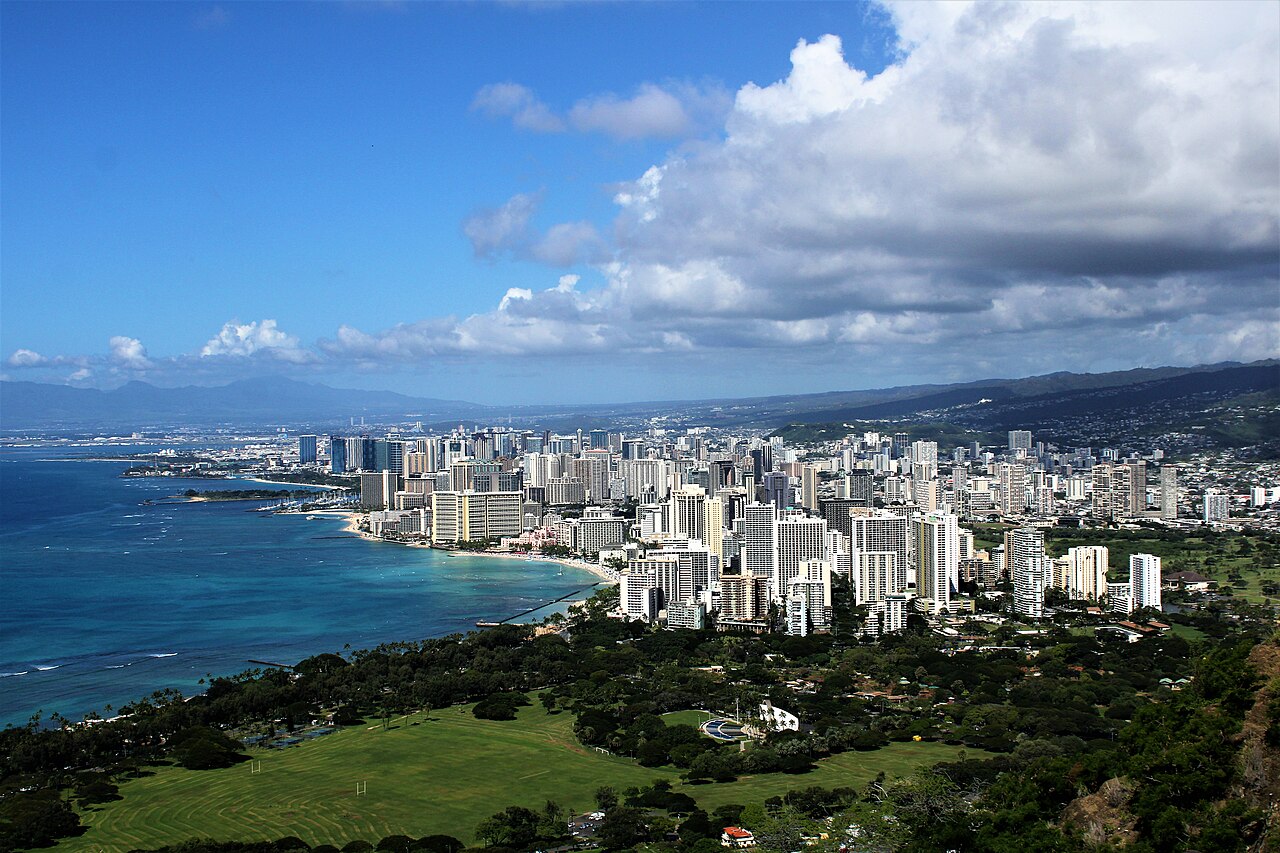
Honolulu
City in United States
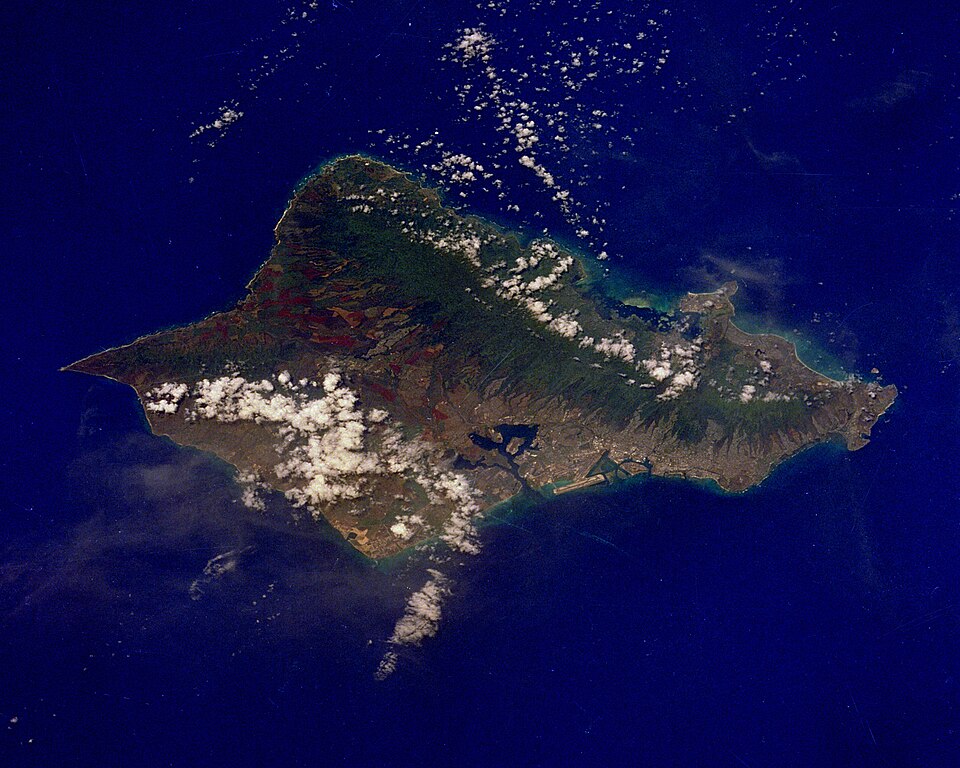
Within 30 km of the centre of Honolulu, the nature places people read about most are Oahu, Diamond Head, Waikiki and Ford Island, and marked walks close to the city include Aiea Loop Trail, Manana Ridge Trail and Waimano Falls Trail.
People have shared 669,637 wildlife records within 50 km of Honolulu in the last ten years. The wild animals recorded most often are the common myna, the red-vented bulbul, the spotted dove, the humpback whale and the zebra dove. Since the 1980s the area has become about 1.1 °C warmer.
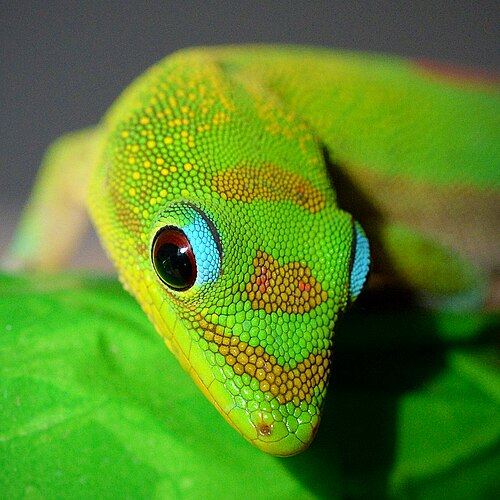
Among the animals people record most around Honolulu, the red-crested cardinal and the gold dust day gecko appear on no other city page here.
- Country
- United States
- Population
- 350,964
- Area
- 177 km²
- Elevation
- 12 m
- Currency
- United States dollar
- Daylight
- 11 to 13 hours
Figures from Wikidata; population 2020.
Honolulu on the map
- Oahu
- Diamond Head
- Waikiki
- Ford Island
- Hanauma Bay
- Lanikai Beach
- Koko Head
- Koʻolau Range
- Punchbowl Crater
Nature close to Honolulu
The places people read most about, from the centre outwards.


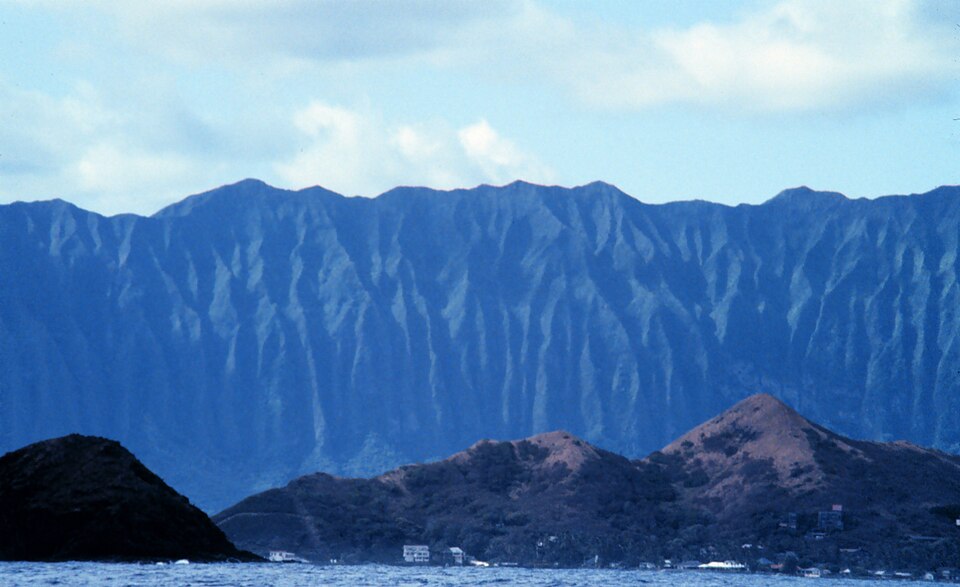
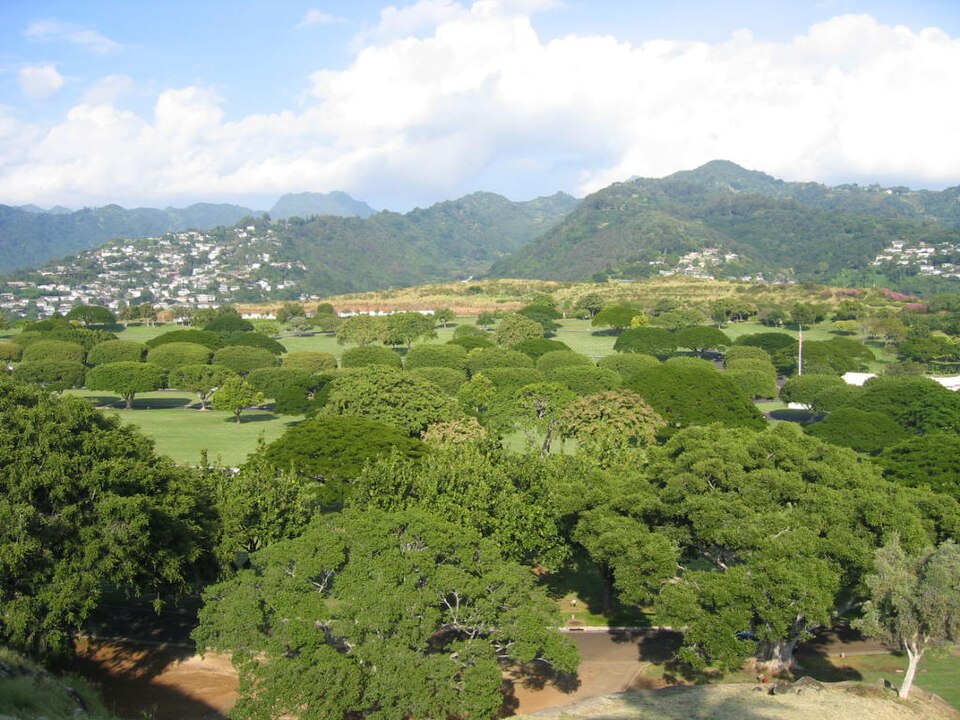
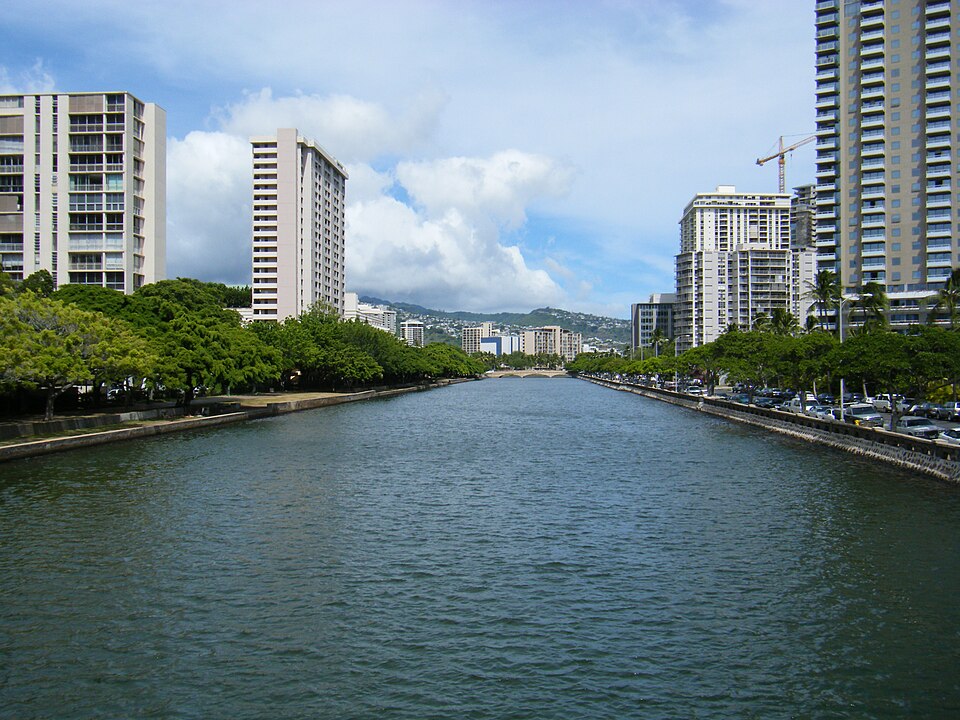
- Diamond Head Hill · 7 km
- Ford Island Island · 13 km
- Mokoliʻi Island · 23 km
- Manoa Falls Waterfall · 7 km
- Kāneʻohe Bay Fjord · 18 km
Marked walks
- Aiea Loop Trail6.8 km · 11 km from the centre
- Manana Ridge Trail7.8 km · 16 km from the centre
- Waimano Falls Trail1 km · 16 km from the centre
Routes from OpenStreetMap via Waymarked Trails. Not checked by 4Planet: follow local signs and conditions.
Wildlife around Honolulu
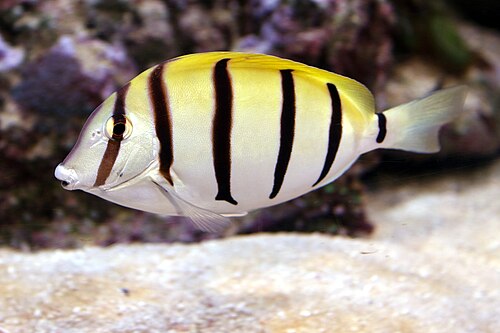
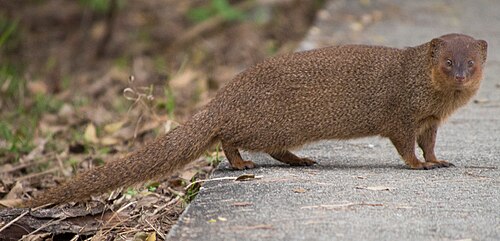
The wild animals people record most within 50 km, 2016–2025. Tick the ones you have seen to build your own list.


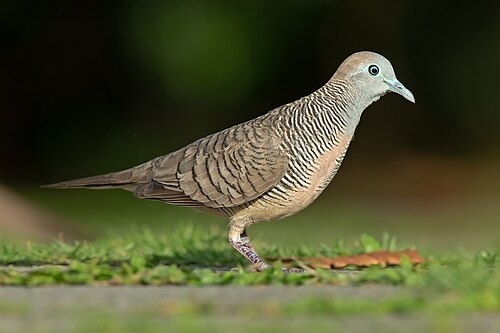




Seen in the last 30 days
What can you see near Honolulu now?
Month by month, from 669,637 records people shared within 50 km, 2016–2025.
At their peak in January
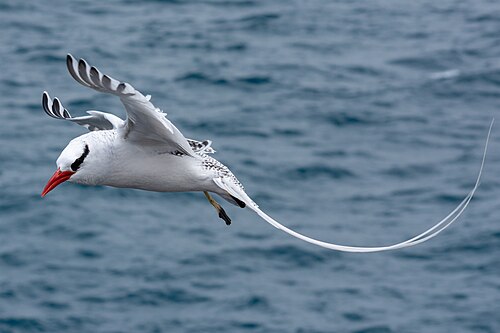

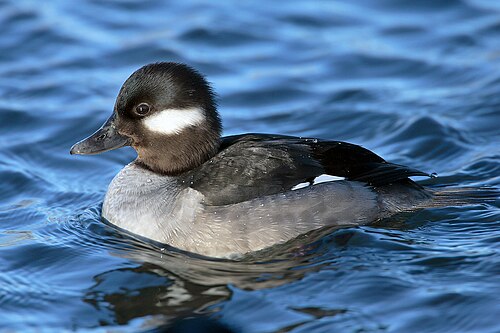
Most seen in January

Plants and fungi at their peak in January

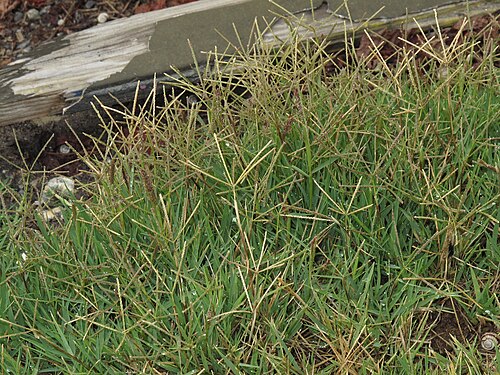
74,067 animal records in January.
At their peak in February


Most seen in February
Plants and fungi at their peak in February
70,550 animal records in February.
At their peak in March
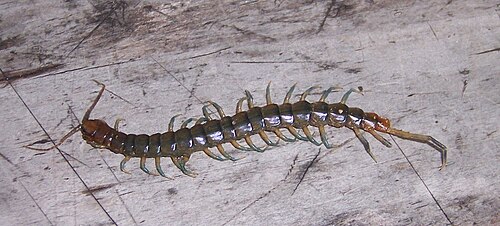


Most seen in March
Plants and fungi at their peak in March


69,962 animal records in March.
At their peak in April

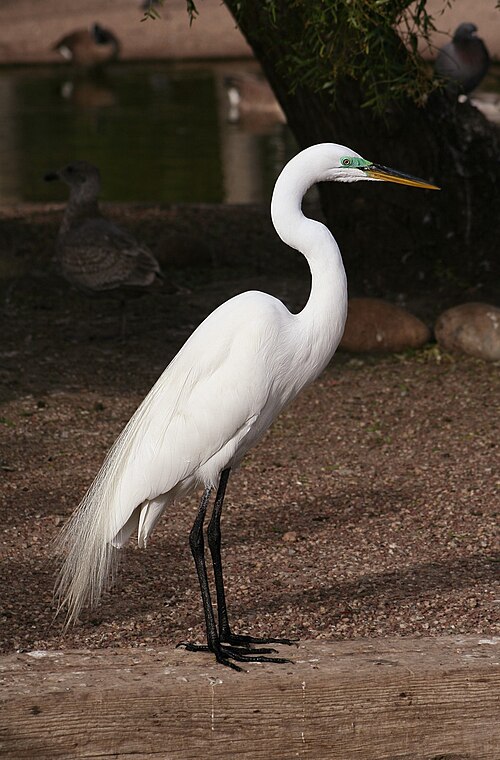
Most seen in April
Plants and fungi at their peak in April
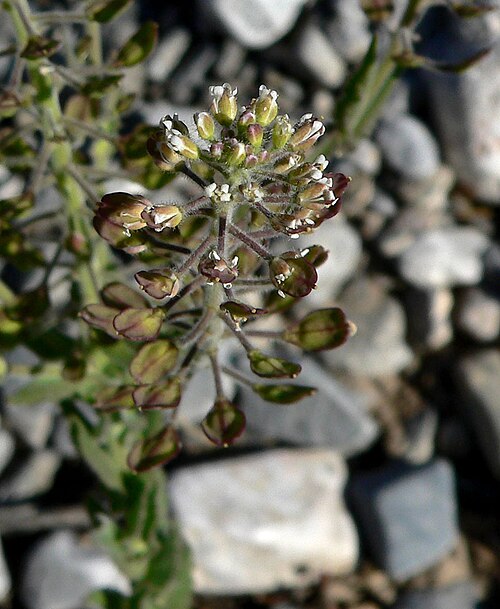
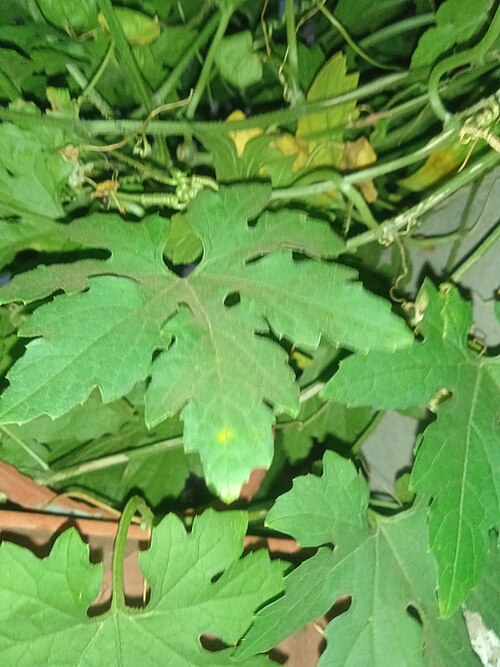
54,984 animal records in April.
At their peak in May

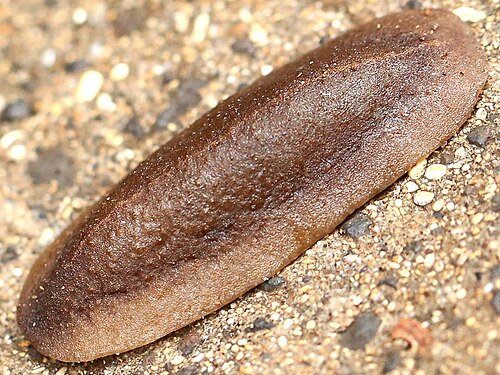

Most seen in May
Plants and fungi at their peak in May
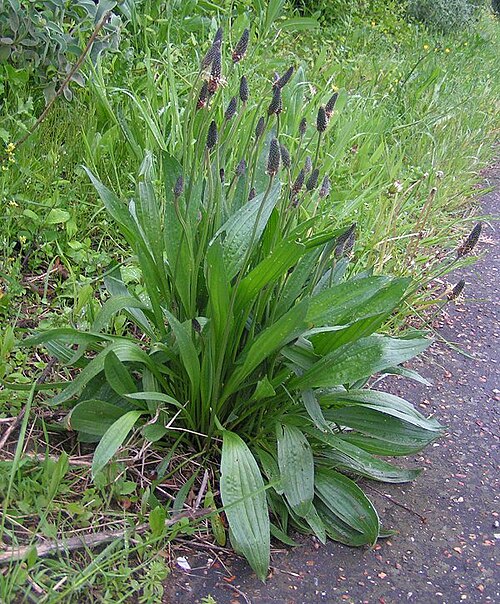


48,783 animal records in May.
At their peak in June


Most seen in June
Plants and fungi at their peak in June
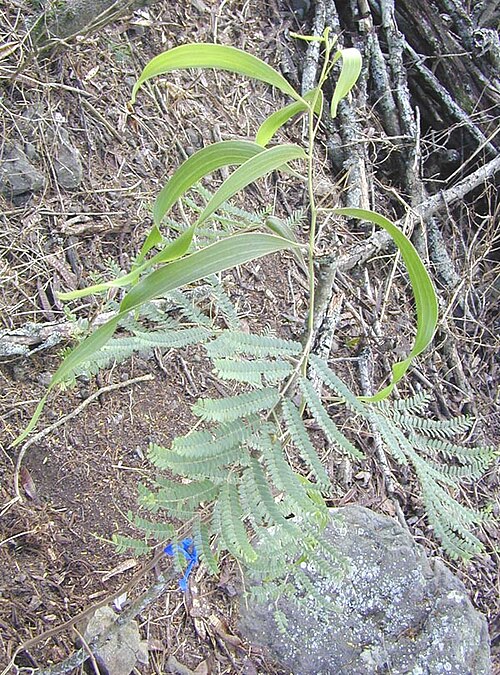


46,584 animal records in June.
At their peak in July
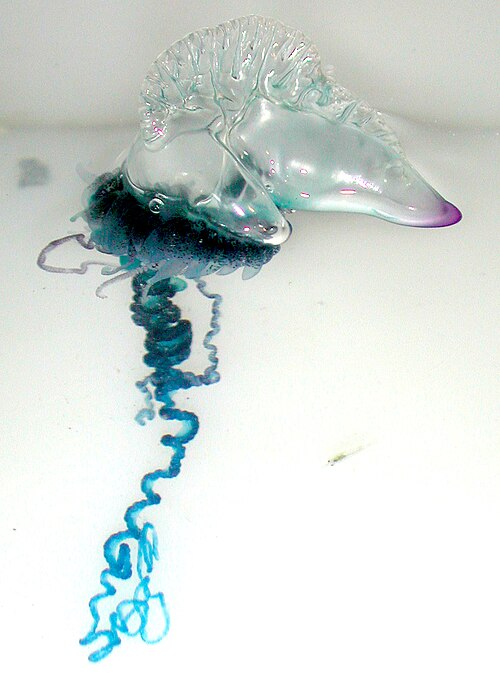


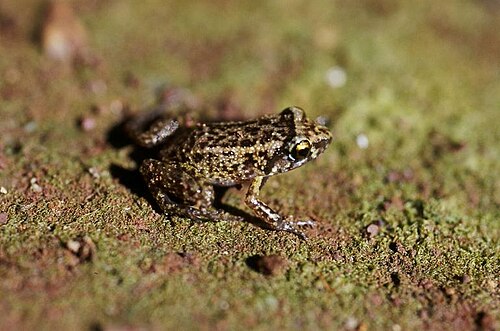
Most seen in July
Plants and fungi at their peak in July


41,892 animal records in July.
At their peak in August

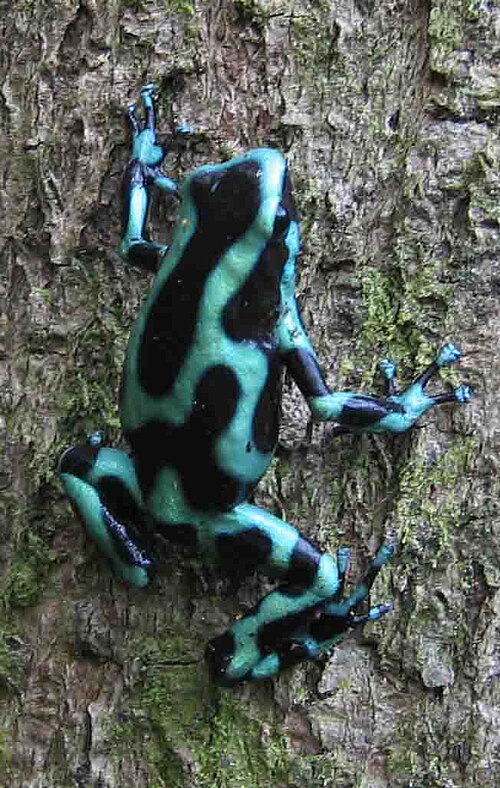
Most seen in August
Plants and fungi at their peak in August

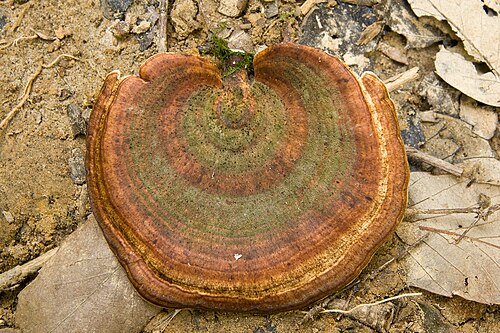
45,218 animal records in August.
At their peak in September
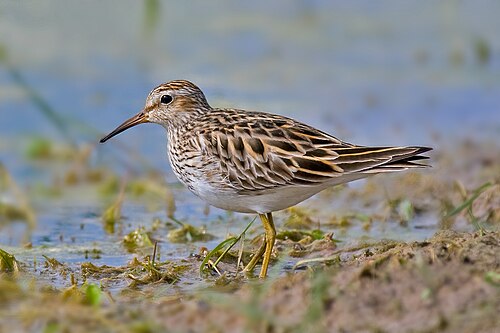
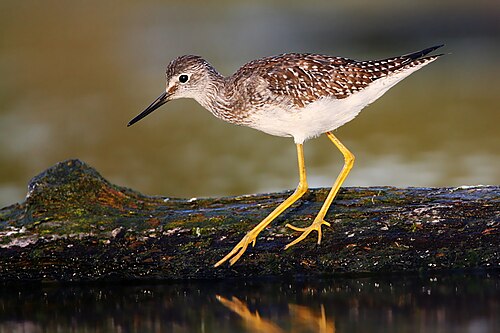

Most seen in September
Plants and fungi at their peak in September

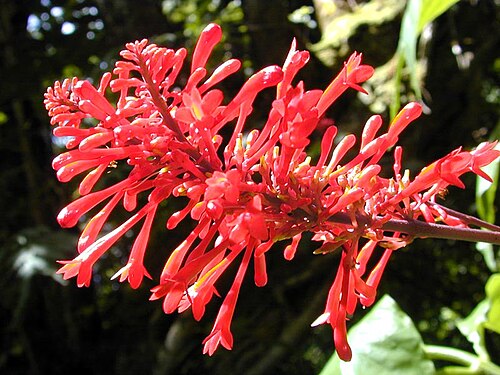
44,759 animal records in September.
At their peak in October


Most seen in October
55,347 animal records in October.
At their peak in November


Most seen in November
Plants and fungi at their peak in November

57,353 animal records in November.
At their peak in December


Most seen in December
Plants and fungi at their peak in December
60,138 animal records in December.
Honolulu is getting warmer
+1.1 °CAverage temperature around Honolulu in 2016–2025, compared with 1981–1990.
Daylight: about 11 hours in December and 13 in June.
Seen something near Honolulu?
Share a photo of it on iNaturalist. Other naturalists help name it, and confirmed records go to GBIF, where scientists use them. That is where the lists on this page come from.
Explore next
What puts Honolulu under pressure, what helps, and who works on it.
Honolulu on the living planet
More places near Honolulu
Sources and photo credits
- Wikidata · Honolulu (Q18094), facts and nature places
- Wikipedia page views · how well known each nature place is
- OpenStreetMap contributors via Waymarked Trails · marked walking routes (ODbL)
- GBIF · human observations within 50 km, 2016–2025 (669,637 animal records)
- NASA POWER · yearly temperature from satellite and model data (MERRA-2)
- MET Norway · weather now (shown live)
- Honolulu, United States: Farragutful, CC BY-SA 4.0
- Oahu, Honolulu: Earth Sciences and Image Analysis, NASA-Johnson Space Center, Public domain
- Waikiki, Honolulu: Frank Schulenburg, CC BY-SA 4.0
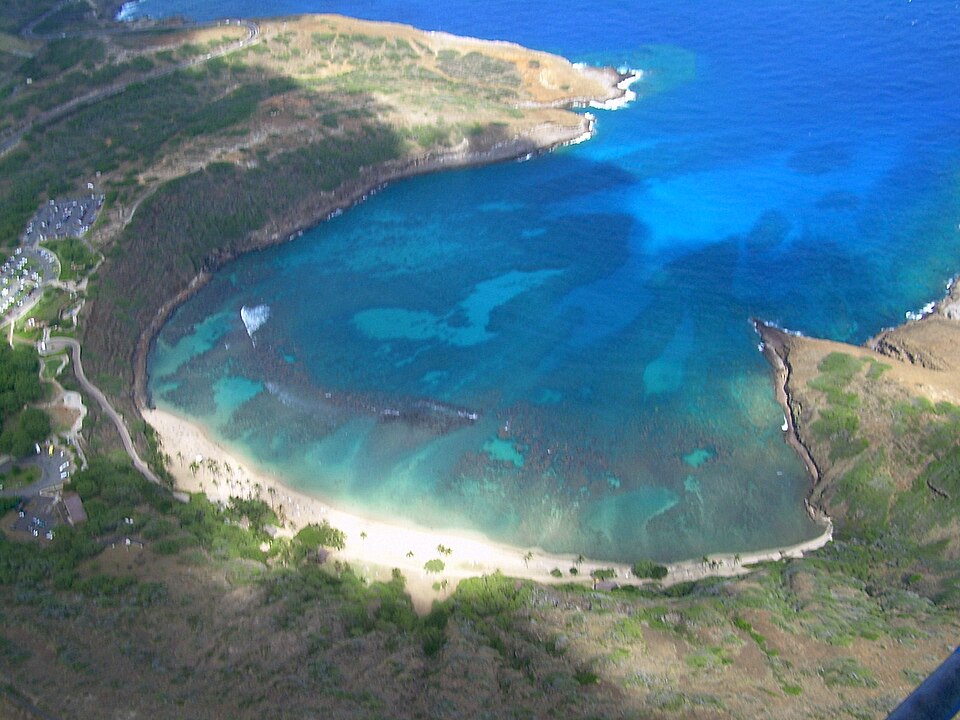
- Hanauma Bay, Honolulu: ErgoSum88, Public domain
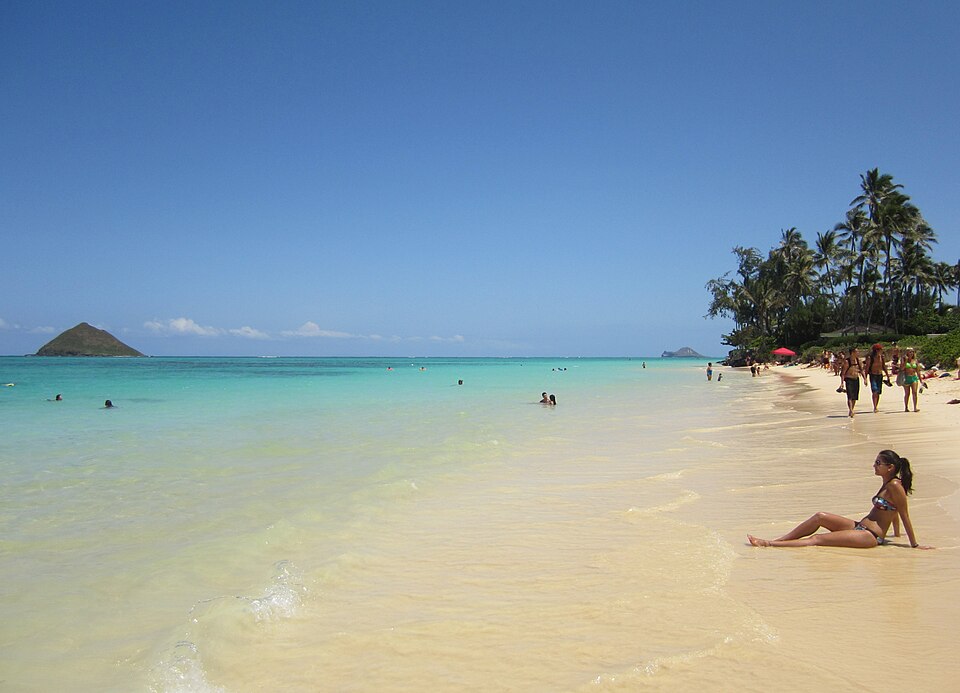
- Lanikai Beach, Honolulu: Hakilon, CC BY 3.0
- Koko Head, Honolulu: Akos Kokai, CC BY 2.0
- Koʻolau Range, Honolulu: Commander Grady Tuell, NOAA Corps, Public domain
- Punchbowl Crater, Honolulu: User:Jiang, Public domain
- Ala Wai Canal, Honolulu: Travis.Thurston, CC BY-SA 3.0
- Common myna: Tisha Mukherjee, CC BY-SA 4.0
- Red-vented bulbul: K. Hari Krishnan, CC BY-SA 3.0
- Spotted dove: iNaturalist/zinogre, CC BY-SA 4.0
- Humpback whale: Dr. Louis M. Herman., Public domain
- Zebra dove: JJ Harrison (https://tiny.jjharrison.com.au/t/1MF79Mf2vRuTfWFs), CC BY-SA 4.0
- Red-crested cardinal: რობერტ (Robert), CC BY-SA 3.0
- Gold dust day gecko: KeysPhotography.com, CC BY 4.0
- Cuban brown anole: Hans Hillewaert, CC BY-SA 4.0
- Convict surgeonfish: brian.gratwicke, CC BY 2.0
- Small Asian mongoose: Chung Bill Bill, CC BY 2.0
- Gulf fritillary: iNaturalist.org (Dennis Vollmar), CC BY 4.0
- Hawaiian monk seal: N3kt0n, CC BY-SA 3.0
- Pacific golden plover: Bering Land Bridge National Preserve, CC BY 2.0
- Red-billed tropicbird: Nicolas Völcker, CC BY-SA 4.0
- Caspian tern: Mdf, CC BY-SA 3.0
- Bufflehead: Mdf, CC BY-SA 3.0
- Hurricane grass: Forest & Kim Starr, CC BY 3.0
- Bermuda grass: Robert Flogaus-Faust, CC BY 4.0
- Laughing gull: VJAnderson, CC BY-SA 4.0
- Snow goose: Andy Reago & Chrissy McClarren, CC BY 2.0
- Tansanian blue ringleg: B. Navez, CC BY-SA 3.0
- Swallowtail aglaja: Chad Ordelheide, CC BY-SA 3.0
- Glaucous-winged gull: Tony Fox, CC BY-SA 3.0
- Indian mulberry: Wilfredor, CC0
- Papaya: Franz Eugen Köhler, Köhler's Medizinal-Pflanzen, Public domain
- Straggler daisy: Forest & Kim Starr, CC BY 3.0
- Hairy Indian mallow: Forest & Kim Starr, CC BY 3.0
- Black francolin: Tisha Mukherjee, CC BY-SA 4.0
- Great egret: Calibas, CC BY-SA 3.0
- Virginia pepperweed: Stan Shebs, CC BY-SA 3.0
- Balsam pear: Morenga01, CC BY-SA 4.0
- Ember parrotfish: Rickard Zerpe, CC BY 2.0
- Two striped slug: Peterwchen, CC BY-SA 4.0
- Oriental flower beetle: あおもりくま(Aomorikuma) This photo was taken with Sony DSC-H3, CC BY-SA 3.0
- English plantain: sannse, CC BY-SA 3.0
- American black nightshade: Juan Carlos Fonseca Mata, CC BY-SA 4.0
- Sweet potato: Earth100, CC BY-SA 3.0
- Tom Smith's nudibranch: Chad Ordelheide, CC BY-SA 3.0
- Bulwer’s petrel: Duncan from Wellington, NZ, CC BY-SA 2.0
- Koa: Marshman at English Wikipedia, CC BY-SA 3.0
- Chamisso's manfern: David Eickhoff from Pearl City, Hawaii, USA, CC BY 2.0
- Macawflower: Wicki, CC0
- Black bamboo: Georges Seguin (Okki), CC BY-SA 3.0
- Portuguese man o' war: Image courtesy of Islands in the Sea 2002, NOAA/OER., Public domain
- Inca tern: Cristóbal Alvarado Minic from Cagua, Venezuela, CC BY 2.0
- Elongate twig ant: Judy Gallagher, CC BY 2.0
- Greenhouse frog: Pierre Fidenci, CC BY-SA 2.5
- Yellow ginger: Wilder Mendez aka. Lezumbalaberenjena at English Wikipedia, Public domain
- Red cane: Hans Hillewaert, CC BY-SA 3.0
- Least tern: Bear Golden Retriever from auburn,ny, usa, CC BY 2.0
- Green and black poison dart frog: The original uploader was DirkvdM at English Wikipedia., CC BY 1.0
- Kiawe: Forest & Kim Starr, CC BY 3.0
- Dark-footed tinypore: Σ64, CC BY 3.0
- Pectoral sandpiper: Andreas Trepte, CC BY-SA 2.5
- Lesser yellowlegs: Wwcsig, CC BY-SA 3.0
- Orangespine unicornfish: Brian Gratwicke, CC BY 2.0
- Stinkvine: Forest & Kim Starr, CC BY 3.0
- Mottled toothedthread: Marshman at English Wikipedia / Eric Guinther, CC BY-SA 3.0
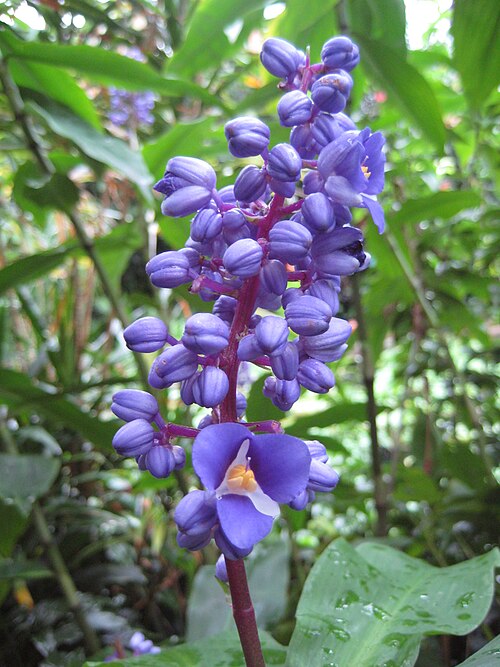
- Blue-ginger: Lokal_Profil, CC BY-SA 3.0
- Sharp-tailed sandpiper: Alnus, CC BY-SA 3.0
- Garganey: Ferran Pestaña from Barcelona, España, CC BY-SA 2.0
- Northern shoveler: Andreas Trepte, CC BY-SA 2.5
- Long-billed dowitcher: Mike Baird from Morro Bay, USA, CC BY 2.0
- White-faced ibis: USFWS Mountain-Prairie, Public domain
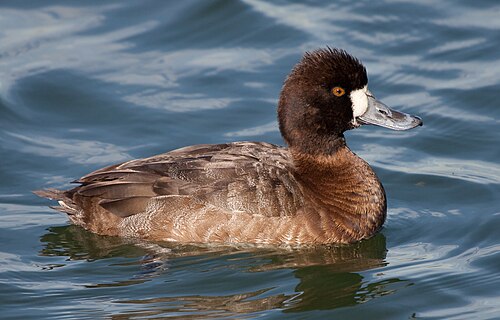
- Lesser scaup: Basar, CC BY-SA 3.0
- Basket grass: Forest & Kim Starr, CC BY 3.0
- Dunlin: Mdf, edited by Fir0002, CC BY-SA 3.0
- Wilson's snipe: en:User:Talshiarr (Sean Breazeal), CC BY-SA 3.0
- Peregrine falcon: Georges Lignier (georges.lignier@wanadoo.fr), CC BY-SA 3.0
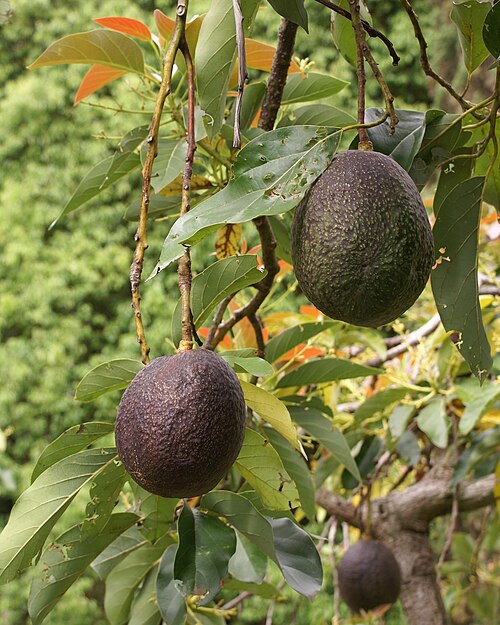
- Avocado: B.navez, CC BY-SA 3.0
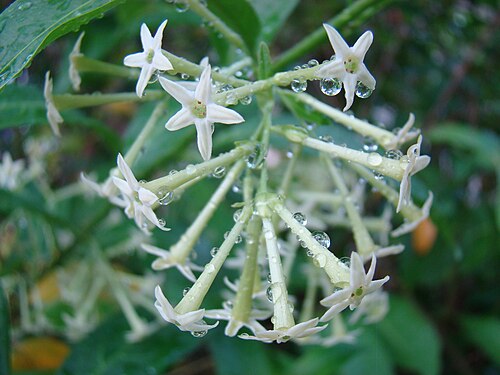
- Night jessamine: Asit K. Ghosh Thaumaturgist, CC BY-SA 3.0


Wildlife records show where people have seen and shared plants and animals, not everything that lives here; some places and months are recorded more than others. Sensitive species are never shown with a month or as seen recently. Routes come from OpenStreetMap and are not checked by 4Planet: follow local signs and conditions. Climate figures are NASA estimates for the area around Honolulu, not a single weather station.
Checked 2026-11-26.