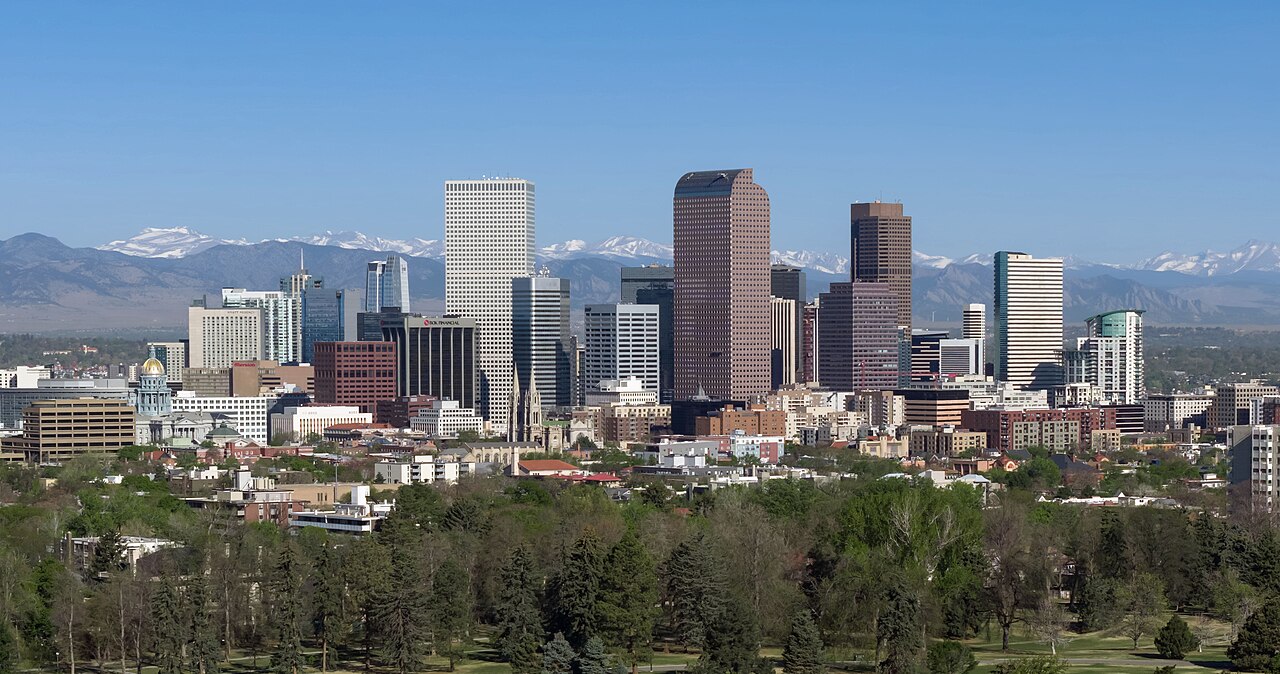
Denver
City in United States
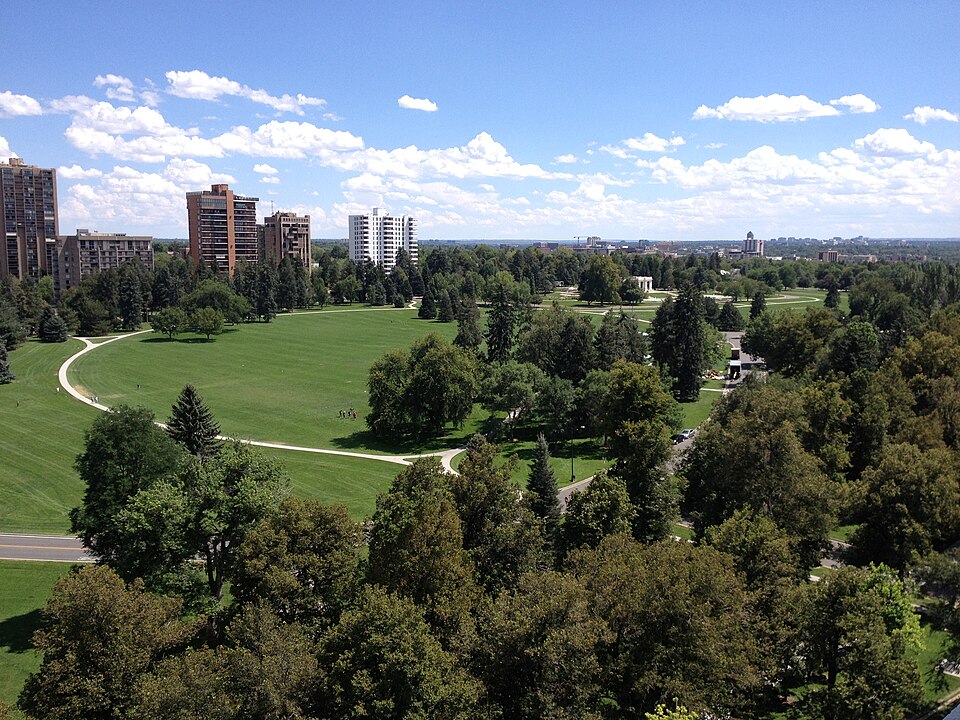
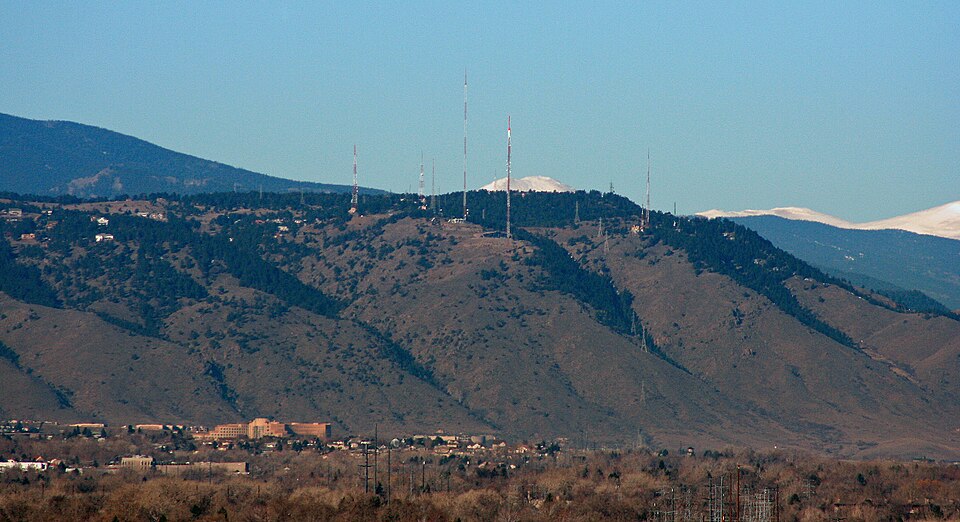
Within 30 km of the centre of Denver, the nature places people read about most are Cheesman Park, Lookout Mountain, Rocky Mountain Arsenal National Wildlife Refuge and Red Rocks Park, and marked walks close to the city include 16th Street Mall, Denver Orbital Trail - Segment 20 and Westerly Creek Trail.
People have shared 9,748,222 wildlife records within 50 km of Denver in the last ten years. The wild animals recorded most often are the house finch, the black-capped chickadee, the American robin, the mallard and the painted lady. Since the 1980s the area has become about 1.2 °C warmer.
Of the 191 cities on Atlas, Denver has the 6th most wildlife records shared within 50 km and the 41st most marked walks. Among the animals people record most around Denver, the northern flicker and the black-tailed prairie dog appear on no other city page here.
- Country
- United States
- Population
- 715,522
- Area
- 401 km²
- Elevation
- 1,609 m
- Currency
- United States dollar
- Daylight
- 9 to 15 hours
Figures from Wikidata; population 2020.
Denver on the map
- Cheesman Park
- Lookout Mountain
- Rocky Mountain Arsenal National Wildlife Refuge
- Red Rocks Park
- Sloan Lake
- Clear Creek
- Cherry Creek
- Washington Park
- City Park
Nature close to Denver
The places people read most about, from the centre outwards.
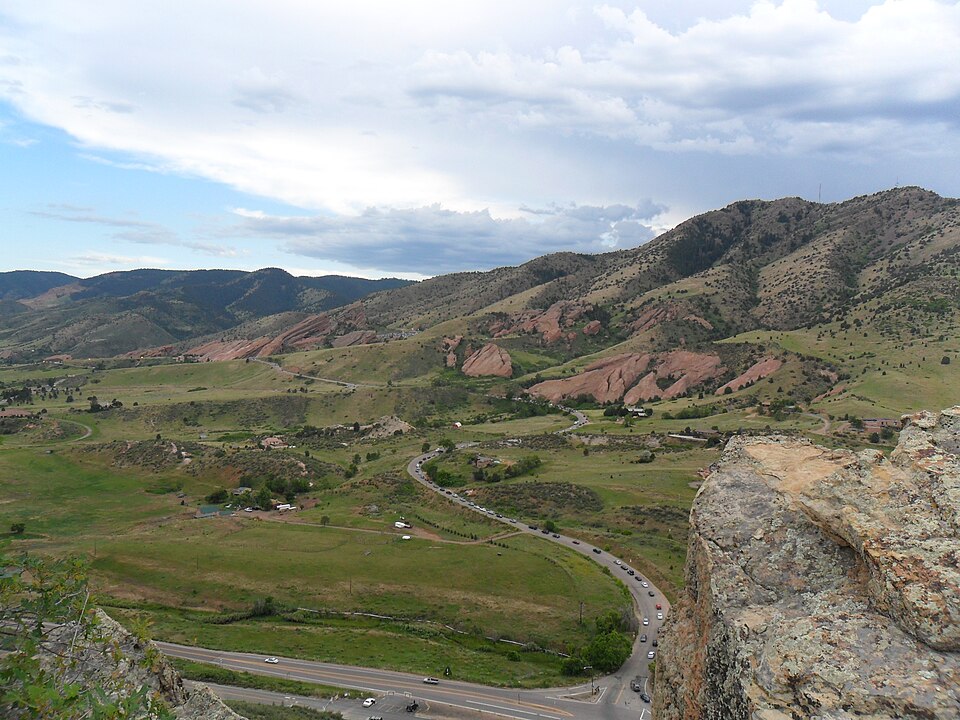
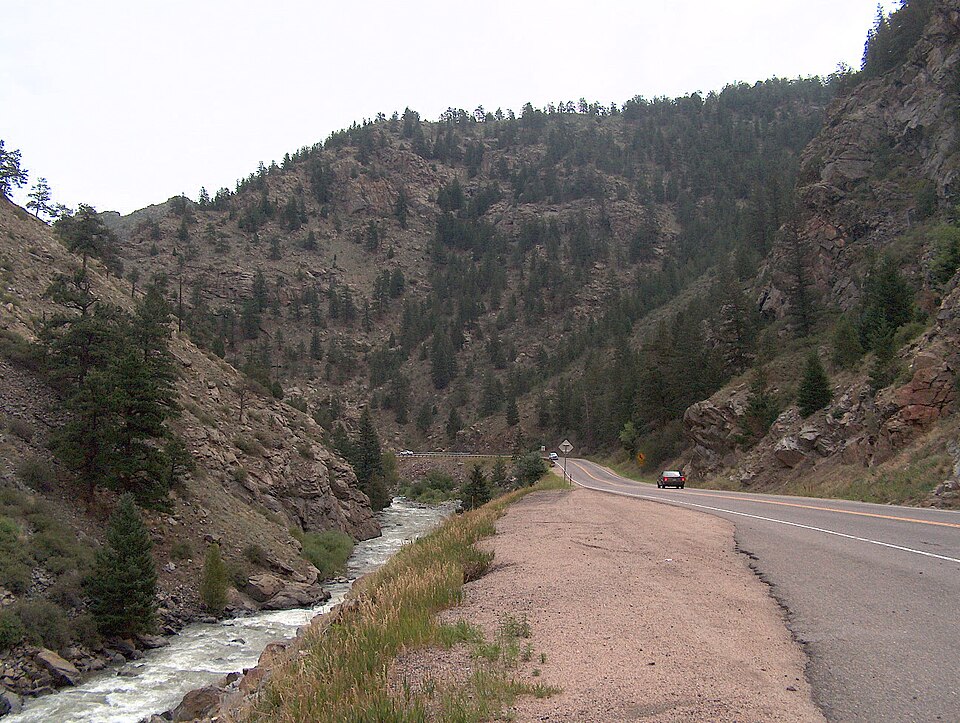
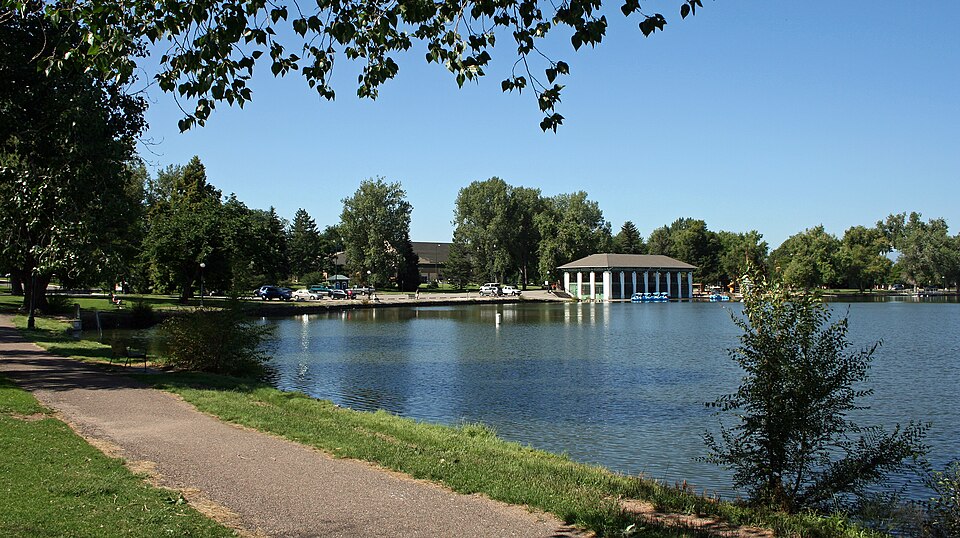
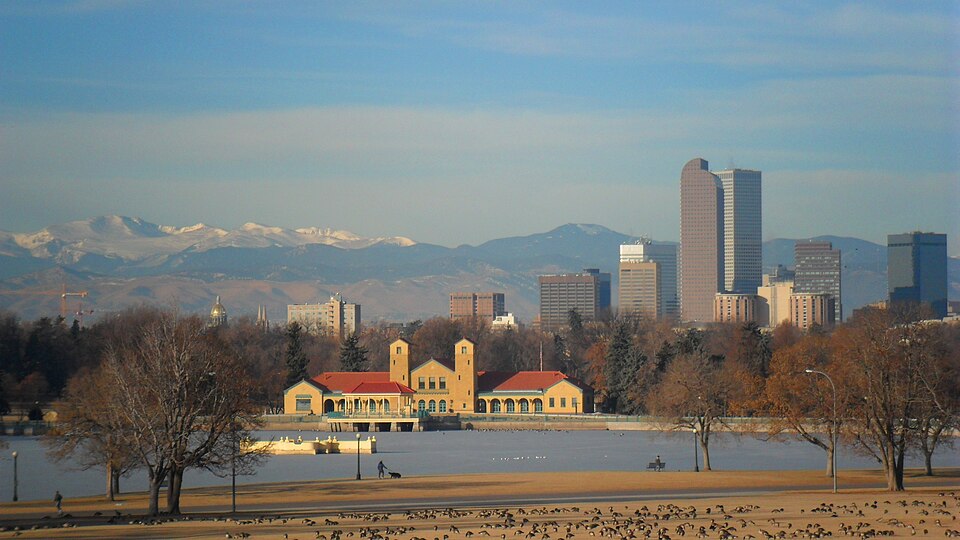

- Sloan Lake Lake · 5 km
- Cherry Creek River · 3 km
Marked walks
- 16th Street Mall3.1 km · 1 km from the centre
- Denver Orbital Trail - Segment 208.9 km · 9 km from the centre · marked by DenverOrbital.org
- Westerly Creek Trail15.3 km · 10 km from the centre
- Johnson to Anderson Park Loop, Clear Creek2 km · 10 km from the centre
- Clear Creek Greenbelt Wheat Ridge7.3 km · 12 km from the centre
- DFC 2 Mile Walking Course3.3 km · 12 km from the centre
- DFC 1 Mile Walking Course1.6 km · 12 km from the centre
Long-distance trails through the area: American Discovery Trail (8,036 km), Denver Orbital Trail (518 km), Colorado Front Range Trail (375 km).
Routes from OpenStreetMap via Waymarked Trails. Not checked by 4Planet: follow local signs and conditions.
Wildlife around Denver
The wild animals people record most within 50 km, 2016–2025. Tick the ones you have seen to build your own list.


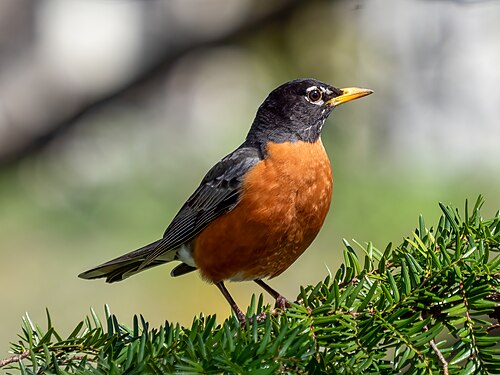


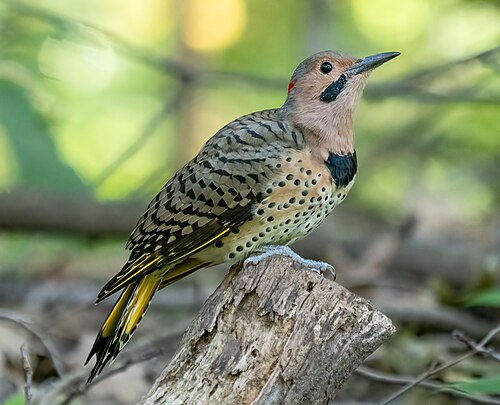


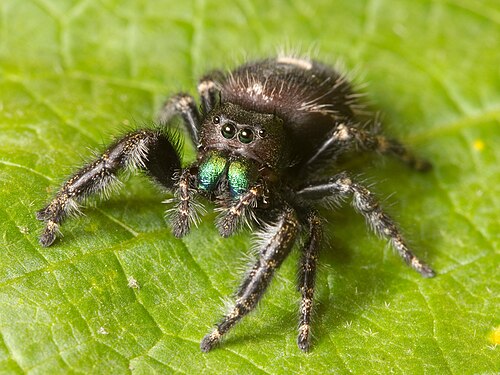


Seen in the last 30 days
What can you see near Denver now?
Month by month, from 9,748,222 records people shared within 50 km, 2016–2025.

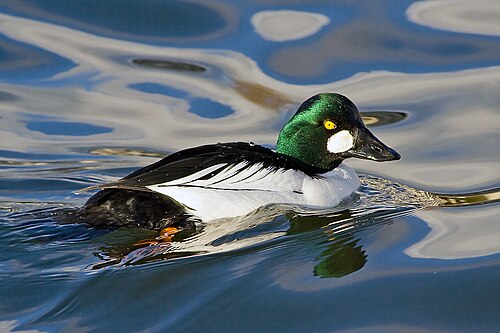


At their peak in March

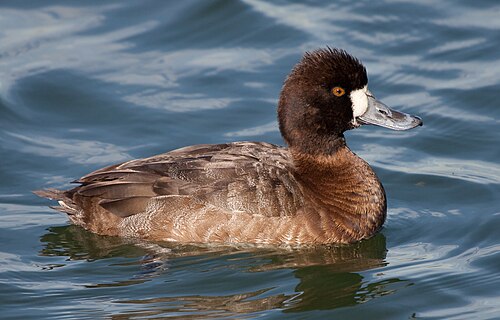

Most seen in March
745,310 animal records in March.
At their peak in April


Most seen in April

Plants and fungi at their peak in April
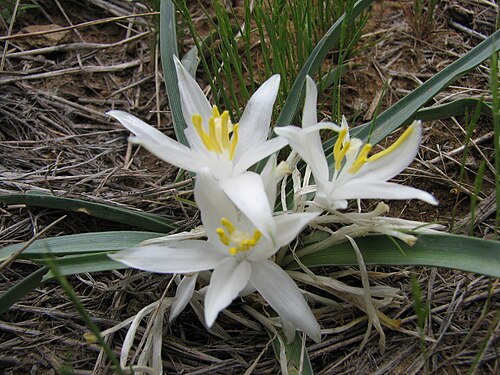
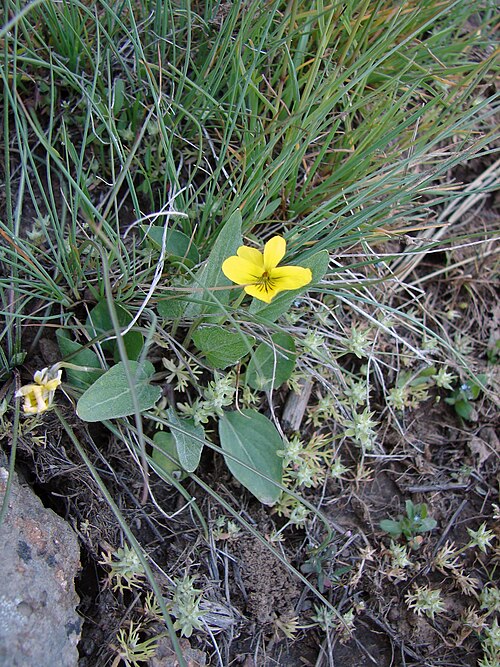
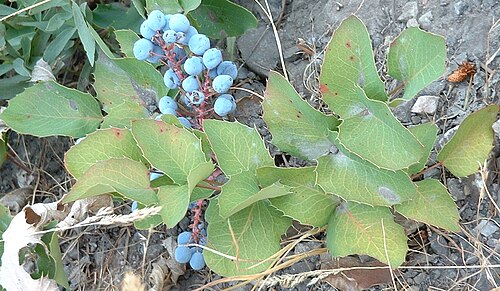
1,224,334 animal records in April.
At their peak in May
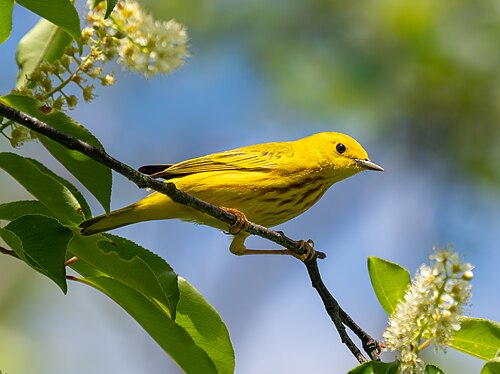


Most seen in May
Plants and fungi at their peak in May
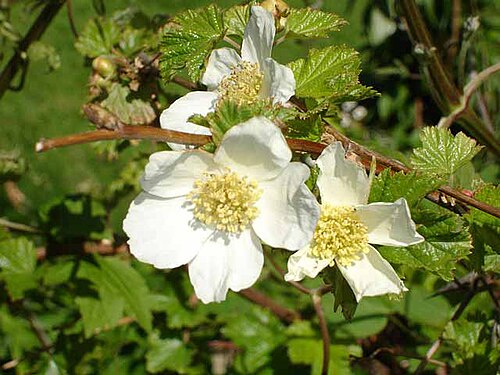
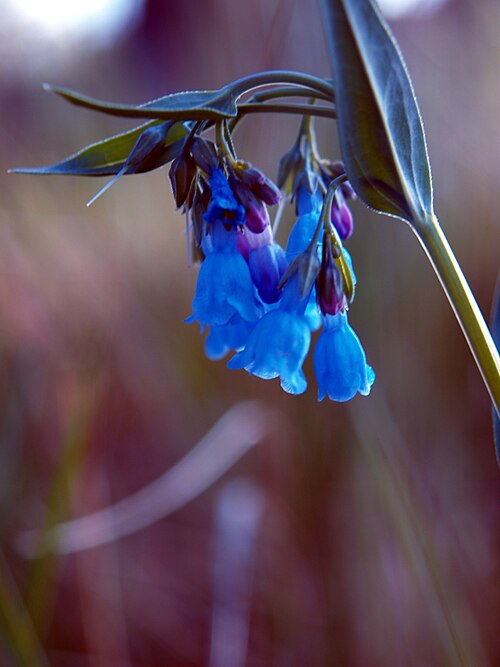
1,635,780 animal records in May.
At their peak in June


Most seen in June

Plants and fungi at their peak in June
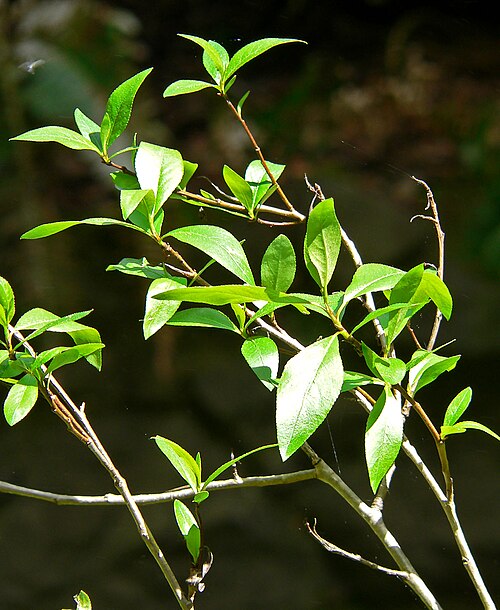
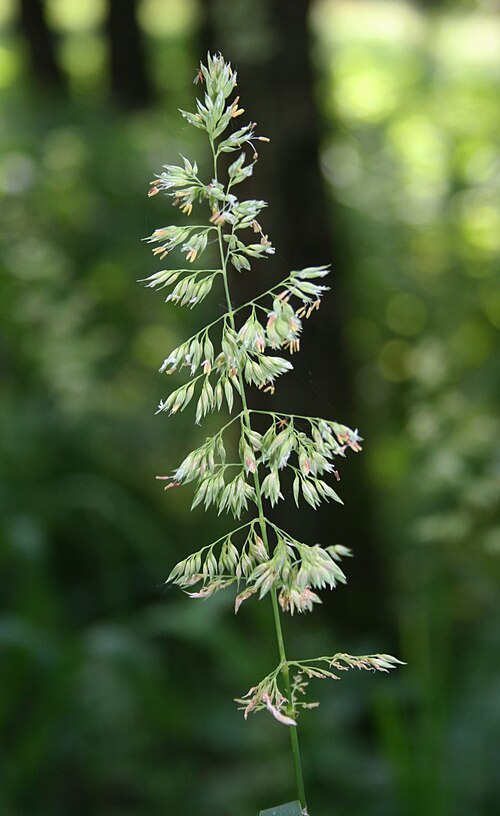

889,900 animal records in June.
At their peak in July
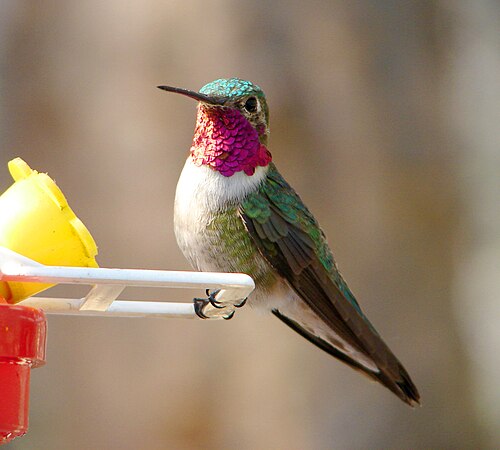


Most seen in July
Plants and fungi at their peak in July


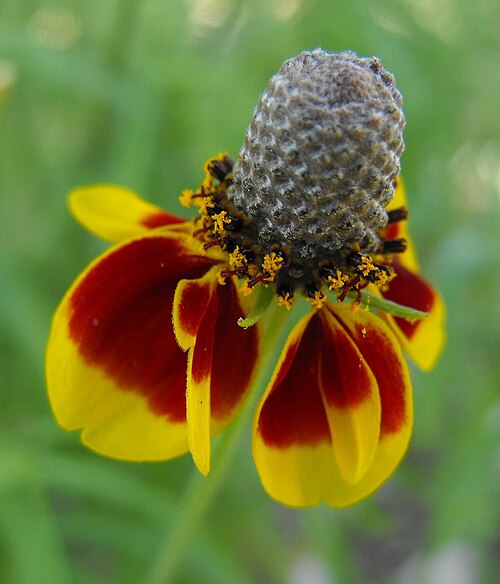
741,485 animal records in July.
At their peak in August
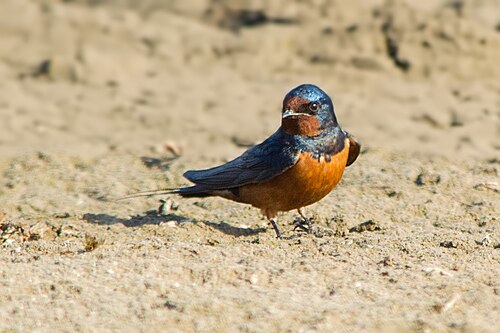
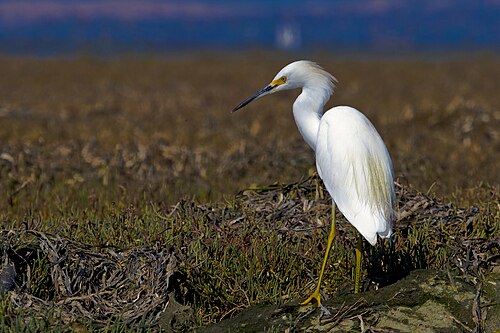
Most seen in August
Plants and fungi at their peak in August
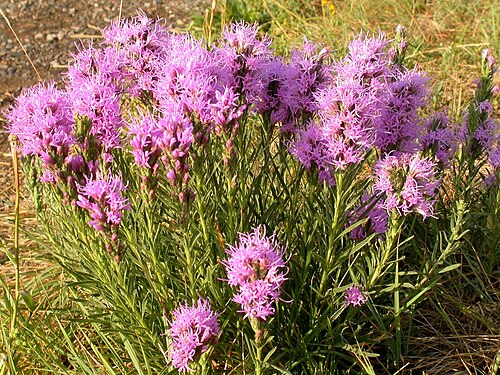
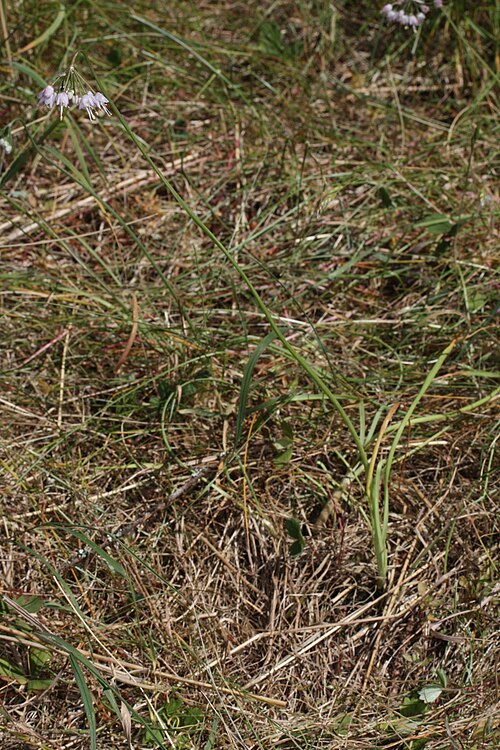

698,539 animal records in August.
At their peak in September


Most seen in September

Plants and fungi at their peak in September
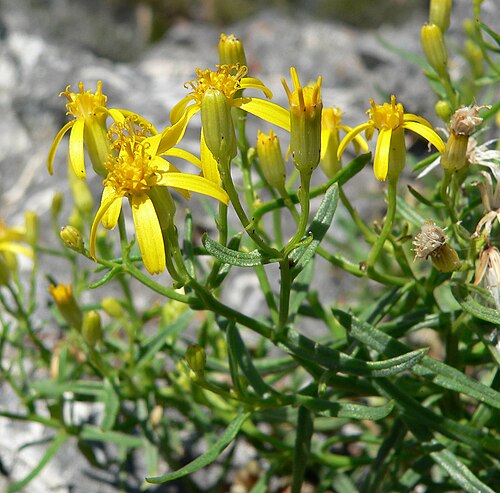

728,246 animal records in September.
At their peak in October


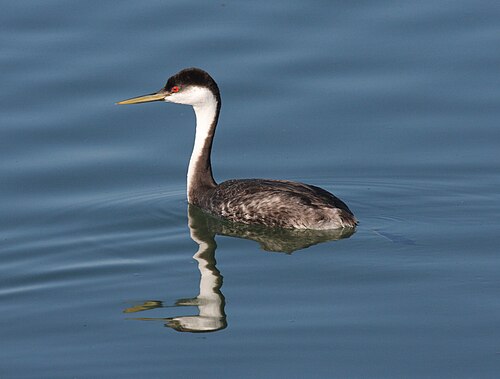
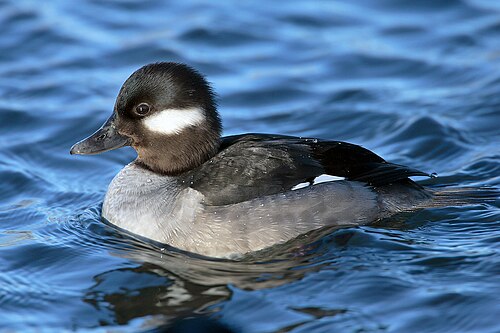
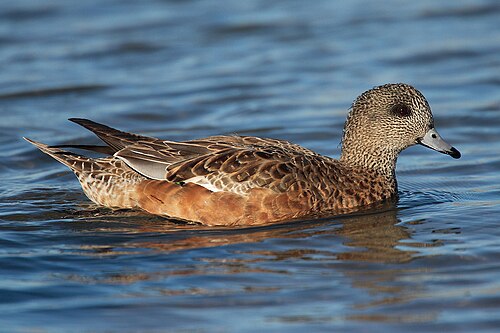
Most seen in October

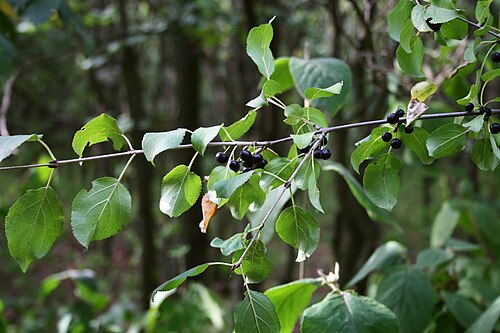
Plants and fungi at their peak in October


649,892 animal records in October.
Denver is getting warmer
+1.2 °CAverage temperature around Denver in 2016–2025, compared with 1981–1990.
Daylight: about 9 hours in December and 15 in June.
Seen something near Denver?
Share a photo of it on iNaturalist. Other naturalists help name it, and confirmed records go to GBIF, where scientists use them. That is where the lists on this page come from.
Explore next
What puts Denver under pressure, what helps, and who works on it.
Denver on the living planet
More places near Denver
Sources and photo credits
- Wikidata · Denver (Q16554), facts and nature places
- Wikipedia page views · how well known each nature place is
- OpenStreetMap contributors via Waymarked Trails · marked walking routes (ODbL)
- GBIF · human observations within 50 km, 2016–2025 (9,748,222 animal records)
- NASA POWER · yearly temperature from satellite and model data (MERRA-2)
- MET Norway · weather now (shown live)
- Denver, United States: Quintin Soloviev, CC BY 4.0
- Cheesman Park, Denver: R0uge, CC BY-SA 4.0
- Lookout Mountain, Denver: Jeffrey Beall, CC BY 3.0
- Rocky Mountain Arsenal National Wildlife Refuge, Denver: Oborseth, CC BY-SA 3.0
- Red Rocks Park, Denver: Hogs555, CC BY-SA 3.0
- Clear Creek, Denver: Ken Gallager at en.wikipedia, Public domain
- Washington Park, Denver: Jeffrey Beall, CC BY-SA 3.0
- City Park, Denver: Hogs555, CC BY-SA 3.0
- Chatfield Reservoir, Denver: Robert Etzel, U.S. Army Corps of Engineers, Public domain
- House finch: sergio niebla from Cd. Victoria, Tamaulipas, México, CC BY-SA 2.0
- Black-capped chickadee: No machine-readable author provided. Mdf assumed (based on copyright claims)., CC BY-SA 3.0
- American robin: Rhododendrites, CC BY-SA 4.0
- Mallard: Rolf Dietrich Brecher from Germany, CC BY 2.0
- Painted lady: Sayan Sanyal, CC BY-SA 4.0
- Northern flicker: Rhododendrites, CC BY-SA 4.0
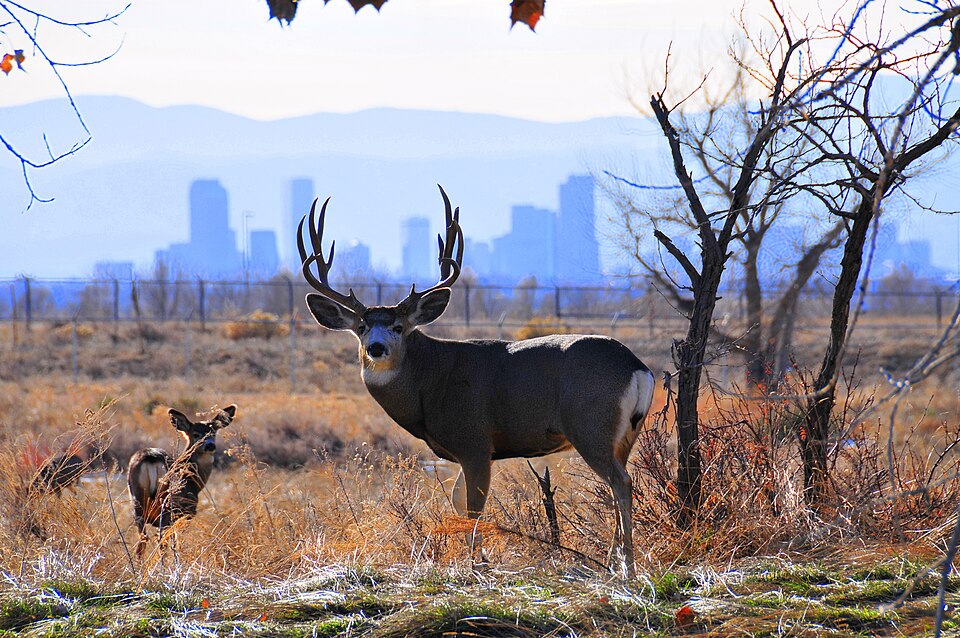
- Mule deer: Dcrjsr, CC BY 3.0
- Black-tailed prairie dog: LeonardoWeiss, CC BY 3.0
- Bold jumper: Kaldari, CC0
- Japanese beetle: Bruce Marlin, CC BY 3.0
- Two-striped grasshopper: Ryan Hodnett, CC BY-SA 4.0
- European paper wasp: alfonsobenayas, CC BY 2.0
- Canada goose: Katja Schulz from Washington, D. C., USA, CC BY 2.0
- Dark-eyed junco: Cephas, CC BY-SA 3.0
- Common goldeneye: Calibas, CC BY-SA 3.0
- Hooded merganser: Rhododendrites, CC BY-SA 4.0
- Ring-necked duck: Becky Matsubara from El Sobrante, California, CC BY 2.0
- Lesser scaup: Basar, CC BY-SA 3.0
- Redhead: Mykola Swarnyk, CC BY-SA 3.0
- Red-winged blackbird: Walter Siegmund (talk), CC BY-SA 3.0
- Blue-winged teal: ADJ82, CC BY 3.0
- American avocet: Don DeBold, CC BY-SA 2.0
- Cinnamon teal: USFWS Mountain-Prairie, Public domain
- Common starlily: Jpkole at English Wikipedia, Public domain
- Yellow prairie violet: Sheri Hagwood, Public domain
- Creeping mahonia: Stephen Lea, CC BY-SA 3.0
- American yellow warbler: Rhododendrites, CC BY-SA 4.0
- Myrtle warbler: Rhododendrites, CC BY-SA 4.0
- Brown-headed cowbird: Rhododendrites, CC BY-SA 4.0
- Tree swallow: Rhododendrites, CC BY-SA 4.0
- Rocky mountain raspberry: Ulf Eliasson, CC BY 2.5
- Lance-leaved bluebells: Jim Pisarowicz, Public domain
- Mourning dove: Rhododendrites, CC BY-SA 4.0
- Northern house wren: Rhododendrites, CC BY-SA 4.0
- Bullock's oriole: Kevin Cole from Pacific Coast, USA (en:User:Kevinlcole), CC BY 2.0
- American cliff swallow: Don DeBold, CC BY-SA 2.0
- Mountain cottonwood: Stan Shebs, CC BY-SA 3.0
- Reed canary-grass: Franz Xaver, CC BY-SA 3.0
- Kentucky bluegrass: Rasbak 08:35, 1 May 2007 (UTC), CC BY-SA 3.0
- Broad-tailed hummingbird: Michelle Lynn Reynolds, CC BY-SA 3.0
- Lesser goldfinch: Alan D. Wilson, CC BY-SA 2.5
- Western kingbird: Rhododendrites, CC BY-SA 4.0
- Gunnison's mariposa lily: JerryFriedman, CC BY-SA 3.0
- Wild bergamot: Hardyplants at English Wikipedia, Public domain
- Prairie coneflower: Stickpen, Public domain
- Barn swallow: Morhaf Aljanee, CC BY-SA 3.0
- Snowy egret: Mike Baird, CC BY 2.0
- Dotted gayfeather: Matt Lavin from Bozeman, Montana, USA, CC BY-SA 2.0
- Nodding onion: Walter Siegmund (talk), CC BY-SA 3.0
- Buffalobur nightshade: Lamarck, CC0
- Blue jay: Rhododendrites, CC BY-SA 4.0
- Wilson's warbler: Dawn Beattie from Morro Bay, CA, USA, CC BY 2.0
- Vesper sparrow: Tim from Ithaca, CC BY 2.0
- Orange-crowned warbler: Andy Reago & Chrissy McClarren, CC BY 2.0
- Broom-like ragwort: Stan Shebs, CC BY-SA 3.0
- Golden crownbeard: Copyright by Curtis Clark, licensed as noted, CC BY-SA 2.5
- Black-billed magpie: watts_photos, CC BY 2.0
- White-crowned sparrow: Wolfgang Wander, CC BY-SA 3.0
- Pied-billed grebe: Channel City Camera Club from Santa Barbara, US, CC BY 2.0
- Western grebe: dominic sherony, CC BY-SA 2.0
- Common mullein: W. Bulach, CC BY-SA 4.0
- Chicory: Zeynel Cebeci, CC BY-SA 4.0
- Buckthorn: Franz Xaver, CC BY-SA 3.0
- Bufflehead: Mdf, CC BY-SA 3.0
- American wigeon: Mdf, CC BY-SA 3.0


Wildlife records show where people have seen and shared plants and animals, not everything that lives here; some places and months are recorded more than others. Sensitive species are never shown with a month or as seen recently. Routes come from OpenStreetMap and are not checked by 4Planet: follow local signs and conditions. Climate figures are NASA estimates for the area around Denver, not a single weather station.
Checked 2026-11-26.