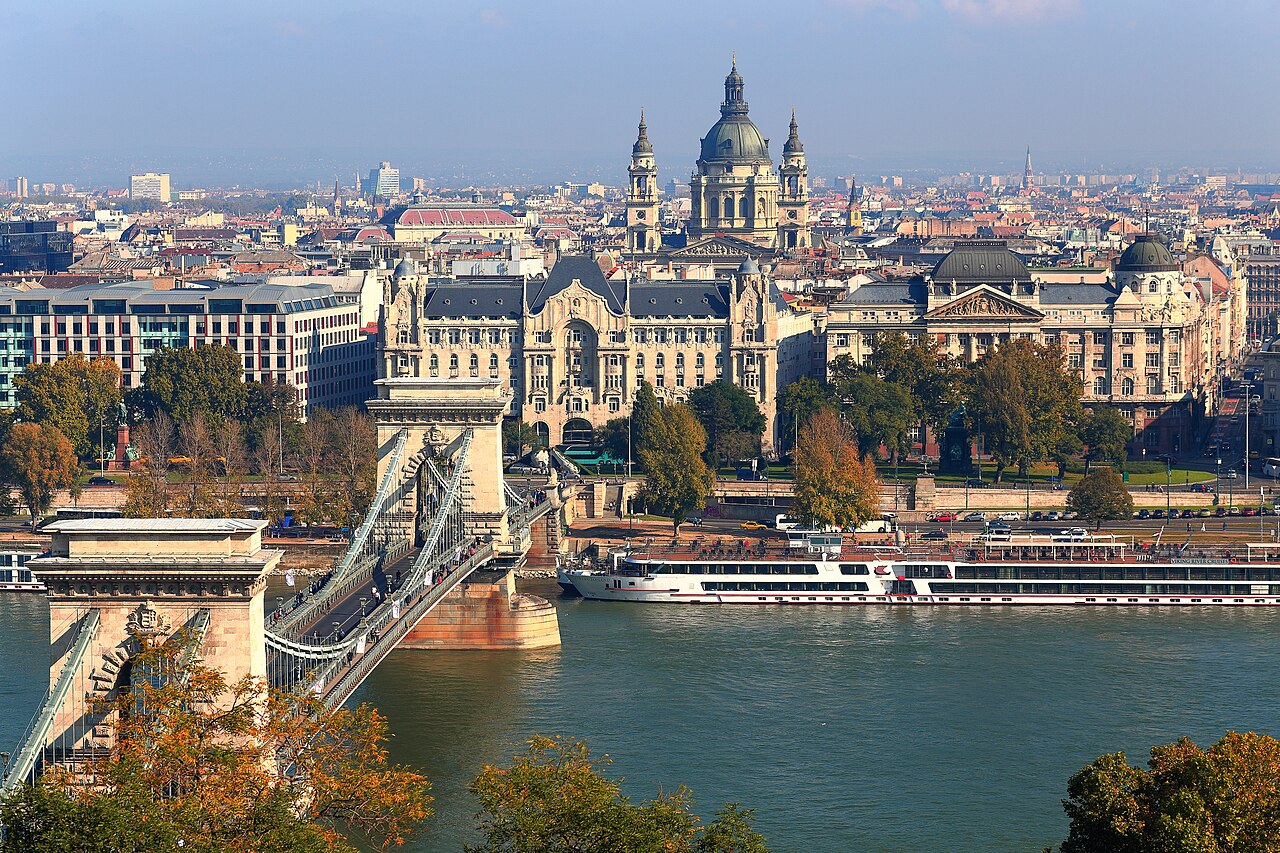
Budapest
Capital of Hungary
Within 30 km of the centre of Budapest, the nature places people read about most are Margaret Island, Gellért Hill, City Park and Csepel Island, and marked walks close to the city include Fehér Szív útja (zarándokút), Kék háromszög (Guckler Károly út – Kőtaraj – Bécsi út / Vörösvári út, villamos-végállomás) and Fent és lent – Tanösvény a Guckler Károly úton (Hármashatár-hegyi út, autóparkoló – Virágos-nyereg – Hármashatárhegyi út, autóparkoló).
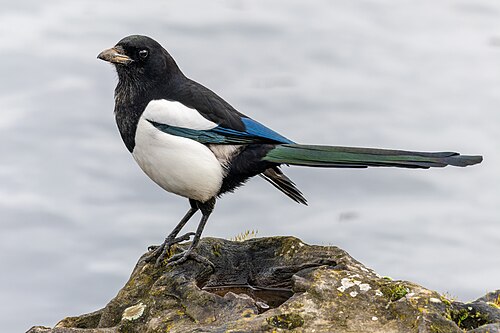
People have shared 534,198 wildlife records within 50 km of Budapest in the last ten years. The wild animals recorded most often are the great tit, the hooded crow, the common blackbird, the common wood pigeon and the Eurasian magpie. Since the 1980s the area has become about 1.9 °C warmer.
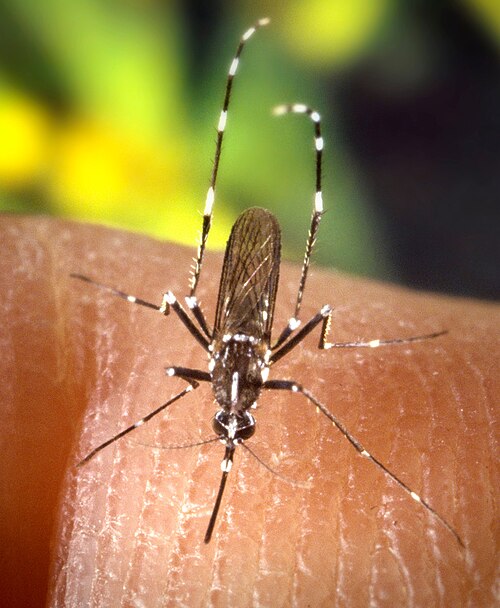
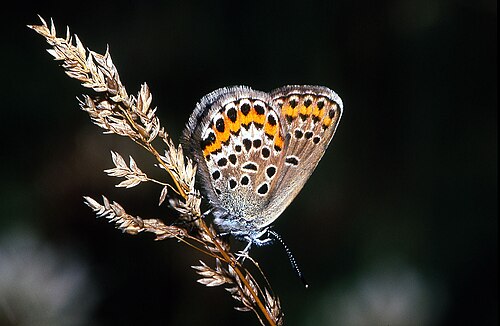
Of the 93 cities on Atlas, Budapest has the 8th most marked walks and the 8th strongest warming since the 1980s. Among the animals people record most around Budapest, the silver-studded blue and the northern house mosquito appear on no other city page here.
- Country
- Hungary
- Population
- 1.7 million
- Area
- 525 km²
- Elevation
- 117 m
- Currency
- Forint
- Daylight
- 9 to 16 hours
Figures from Wikidata; population 2026.
Budapest on the map
- Margaret Island
- Gellért Hill
- City Park
- Csepel Island
- Óbuda Island
- Buda Hills
- People's Park
- Várhegy
- Rose Hill, Budapest
Nature close to Budapest
The places people read most about, from the centre outwards.


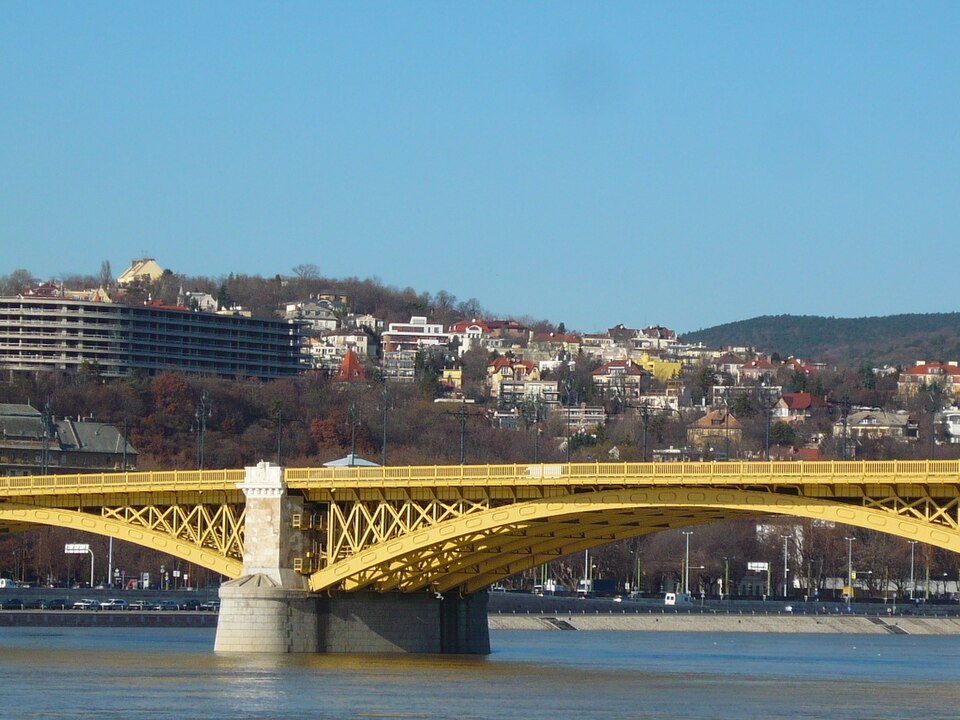
- Csepel Island River · 28 km
- Pilis Mountains Hill · 28 km
- Lake Feneketlen Lake · 2 km
- Szentendre Island River · 24 km
Marked walks
- Fehér Szív útja (zarándokút)2.3 km · 1 km from the centre
- Kék háromszög (Guckler Károly út – Kőtaraj – Bécsi út / Vörösvári út, villamos-végállomás)2.6 km · 6 km from the centre · marked by BTSSZ
- Fent és lent – Tanösvény a Guckler Károly úton (Hármashatár-hegyi út, autóparkoló – Virágos-nyereg – Hármashatárhegyi út, autóparkoló)6.9 km · 7 km from the centre · marked by Pilisi Parkerdő Zrt.
- A szív útja (Szent Ferenc Kórház – Szépjuhászné)4.7 km · 7 km from the centre
- K↺ (Felső-Szép-völgy, autóparkoló – Hármashatár-hegy)3.1 km · 7 km from the centre · marked by BTSSZ
- Aquincumi mocsáros tanösvény3.9 km · 8 km from the centre
- Z (Törökbálint)7.1 km · 12 km from the centre
- Dió Döme sétálója1.7 km · 12 km from the centre
Long-distance trails through the area: European long distance path E4 (10,894 km), Via Mariae (combined) (4,255 km), Internationaler Bergwanderweg Eisenach–Budapest (2,733 km).
Routes from OpenStreetMap via Waymarked Trails. Not checked by 4Planet: follow local signs and conditions.
Wildlife around Budapest
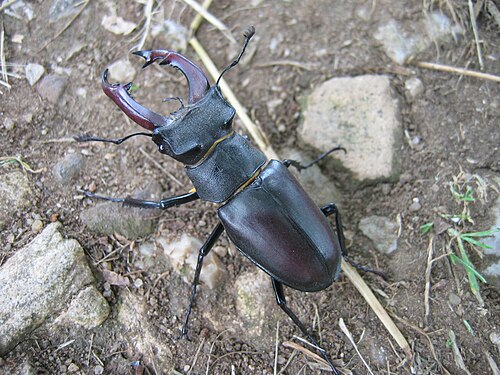
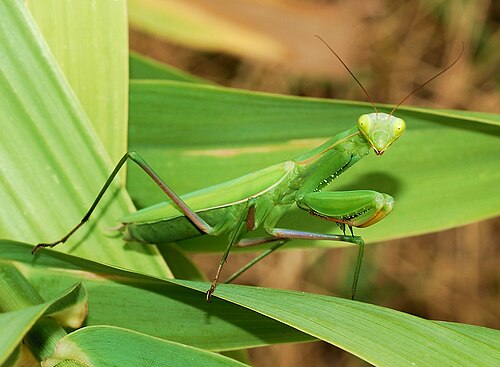
The wild animals people record most within 50 km, 2016–2025. Tick the ones you have seen to build your own list.





Seen in the last 30 days
What can you see near Budapest now?
Month by month, from 534,198 records people shared within 50 km, 2016–2025.
At their peak in January


Most seen in January
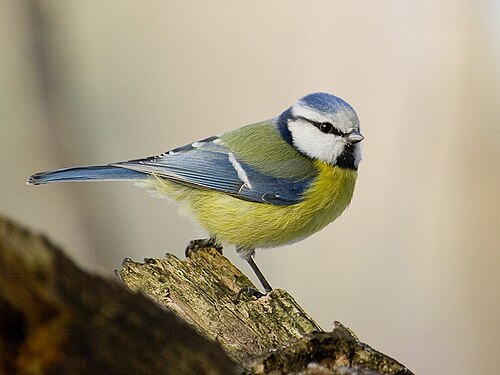
22,770 animal records in January.
At their peak in February
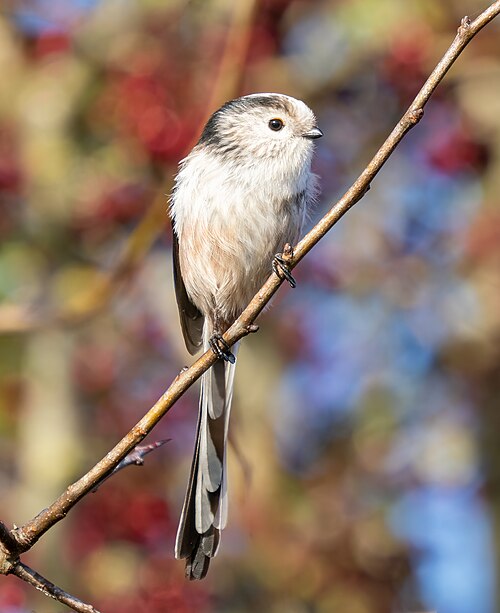
Most seen in February
23,299 animal records in February.
At their peak in March


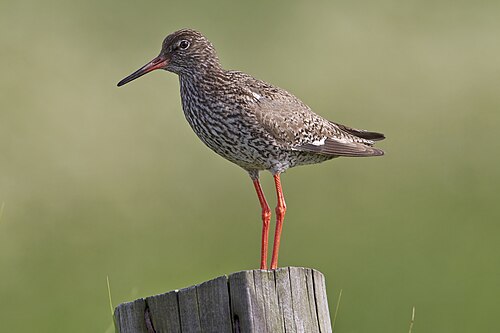
Most seen in March
Plants and fungi at their peak in March


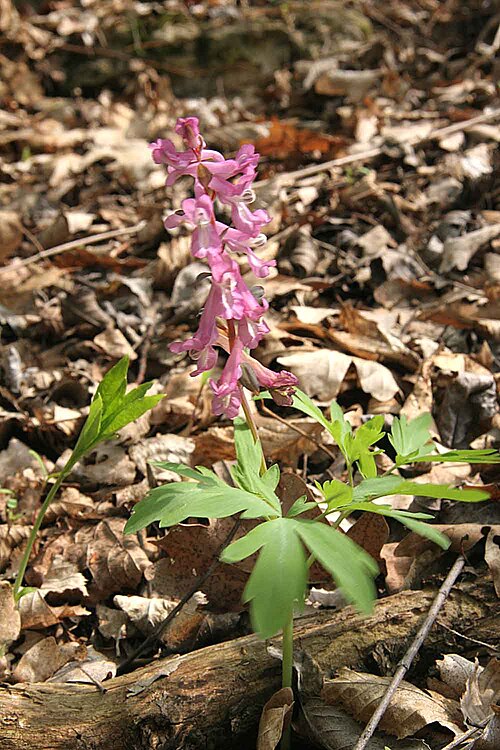
38,136 animal records in March.
At their peak in April


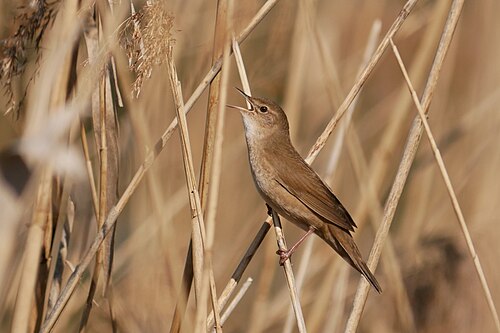
Most seen in April
Plants and fungi at their peak in April


63,795 animal records in April.
At their peak in May

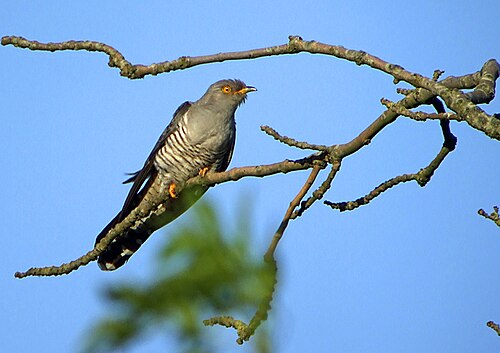


Most seen in May
Plants and fungi at their peak in May

82,923 animal records in May.
At their peak in June


Most seen in June
Plants and fungi at their peak in June


65,032 animal records in June.
At their peak in July

Most seen in July
Plants and fungi at their peak in July


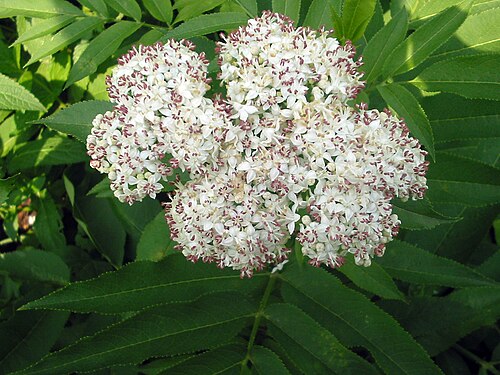
52,714 animal records in July.
At their peak in August

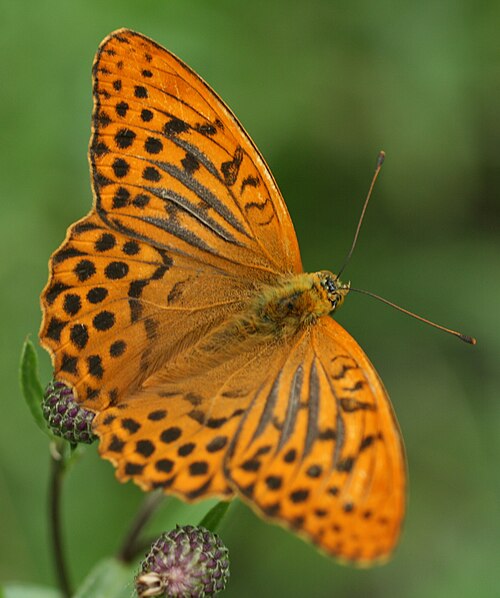
Most seen in August
Plants and fungi at their peak in August


51,214 animal records in August.
At their peak in September
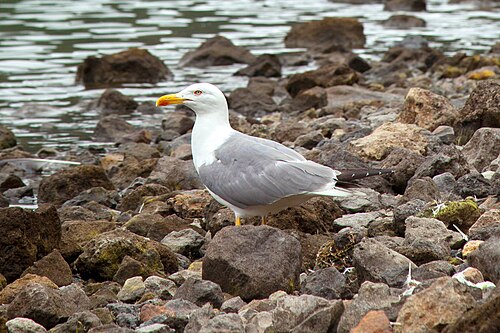

Most seen in September
Plants and fungi at their peak in September


40,250 animal records in September.
At their peak in October

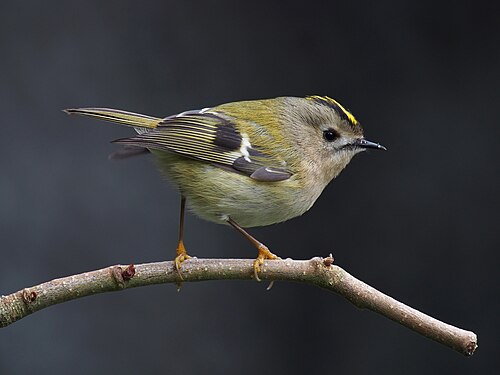
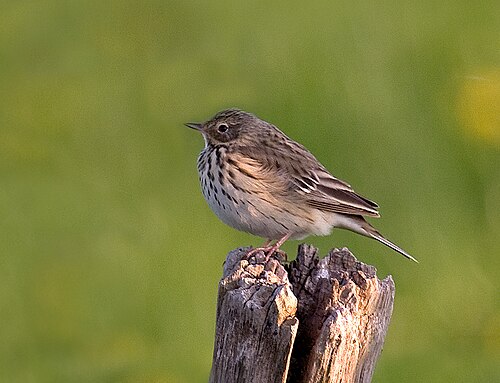

Most seen in October
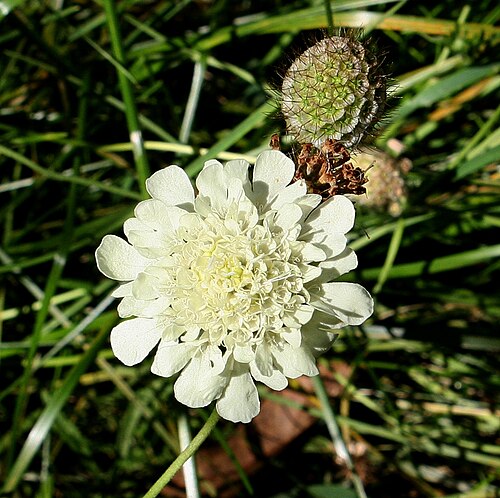
Plants and fungi at their peak in October


42,676 animal records in October.
At their peak in November
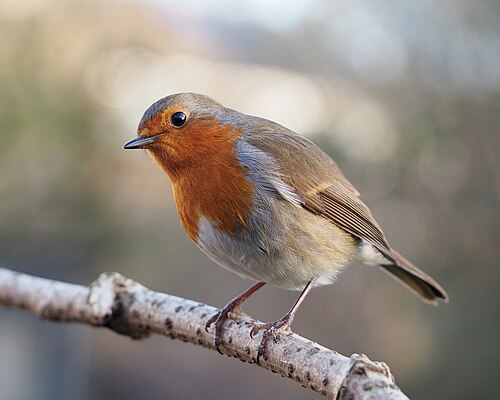

Most seen in November
27,083 animal records in November.
At their peak in December
Most seen in December
24,306 animal records in December.
Budapest is getting warmer
+1.9 °CAverage temperature around Budapest in 2016–2025, compared with 1981–1990.
Daylight: about 9 hours in December and 16 in June.
Seen something near Budapest?
Share a photo of it on iNaturalist. Other naturalists help name it, and confirmed records go to GBIF, where scientists use them. That is where the lists on this page come from.
Budapest on the living planet
More places near Budapest
Sources and photo credits
- Wikidata · Budapest (Q1781), facts and nature places
- Wikipedia page views · how well known each nature place is
- OpenStreetMap contributors via Waymarked Trails · marked walking routes (ODbL)
- GBIF · human observations within 50 km, 2016–2025 (534,198 animal records)
- NASA POWER · yearly temperature from satellite and model data (MERRA-2)
- MET Norway · weather now (shown live)
- Budapest, Hungary: Thomas Depenbusch (Depi) from Cologne, Germany, CC BY 2.0
- Margaret Island, Budapest: Ralf Roletschek, CC BY-SA 1.0 fi
- Gellért Hill, Budapest: kallerna, CC BY-SA 4.0
- City Park, Budapest: Dezidor, CC BY 3.0
- Óbuda Island, Budapest: Misibacsi at Hungarian Wikipedia, CC BY-SA 3.0
- Buda Hills, Budapest: PM, Public domain
- People's Park, Budapest: Czimmy at Hungarian Wikipedia, CC BY-SA 3.0
- Várhegy, Budapest: Dezidor, CC BY 3.0
- Rose Hill, Budapest, Budapest: VinceB, CC BY-SA 3.0
- Great tit: Frank Vassen from Brussels, Belgium, CC BY 2.0
- Hooded crow: Donald Hobern from Copenhagen, Denmark, CC BY 2.0
- Common blackbird: Hobbyfotowiki, CC0
- Common wood pigeon: Don Loarie, CC BY 4.0
- Eurasian magpie: Alexis Lours, CC BY 4.0
- Asian tiger mosquito: James Gathany, CDC, Public domain
- Common blue: Charles J. Sharp, CC BY-SA 4.0
- Silver-studded blue: Olei, CC BY-SA 3.0
- Northern house mosquito: Alvesgaspar, CC BY-SA 3.0
- Stag beetle: No machine-readable author provided. Esv assumed (based on copyright claims)., Public domain
- Brown marmorated stink bug: Alexis Lours, CC BY 4.0
- European mantis: Alvesgaspar, CC BY-SA 3.0
- Eurasian blue tit: Sławek Staszczuk, CC BY-SA 3.0
- European greenfinch: Estormiz, CC0
- Fieldfare: Frankie Fouganthin, CC BY-SA 4.0
- Rook: Brian Snelson from Hockley, Essex, England, CC BY 2.0
- Great cormorant: Mathew Schwartz, CC BY 3.0
- Long-tailed tit: Rhododendrites, CC BY-SA 4.0
- Song thrush: Charles J. Sharp, CC BY-SA 4.0
- Oil beetle: Igor Luzhanov, CC BY-SA 3.0
- Ruff: Derek Keats from Johannesburg, South Africa, CC BY 2.0
- Common redshank: Andreas Trepte, CC BY-SA 2.5
- Spring pheasant's eye: Martin Bahmann, CC BY-SA 3.0
- Lesser celandine: AnRo0002, CC0
- Spring fumewort: Bernd Haynold, CC BY 2.5
- Hollowroot: Prazak, CC BY-SA 3.0
- Lesser whitethroat: User:Aelwyn, CC BY-SA 3.0
- Western yellow wagtail: Kathy2408, CC BY-SA 4.0
- Eurasian hoopoe: Shantanu Kuveskar, CC BY-SA 3.0
- Savi's warbler: Sgbeer, CC BY-SA 4.0
- Garlic mustard: O. Pichard, CC BY-SA 3.0
- Lesser periwinkle: AnRo0002, CC0
- Ground ivy: AnRo0002, CC0
- Common nightingale: Արարատ Թրվանց, CC BY-SA 4.0
- Common cuckoo: GabrielBuissart, CC BY-SA 3.0
- Eurasian golden oriole: Michel Idre from Plaisance du Touch, France, CC BY 2.0
- European bee-eater: Петро Катеринич, CC BY 4.0
- Gasplant: Jean-Pol GRANDMONT, CC BY-SA 3.0
- Common swift: Alexis Lours, CC BY 4.0
- Meadow brown: James K. Lindsey, CC BY-SA 3.0
- Blueweed: Please report references to kulacgmx.at., CC BY-SA 3.0
- Saintfoin milk vetch: Radio Tonreg from Vienna, Austria, CC BY 2.0
- Fiddleneck: Copyright by Curtis Clark, licensed as noted, CC BY-SA 2.5
- Lady's bedstraw: Bjoertvedt, CC BY-SA 3.0
- Common house martin: MPF, CC BY 2.5
- Field eryngo: Bernd Haynold, CC BY-SA 2.5
- Soapwort: Img, Public domain
- Dwarf elder: No machine-readable author provided. Bogdan assumed (based on copyright claims)., CC BY-SA 3.0
- Red-backed shrike: Zeynel Cebeci, CC BY-SA 4.0
- Silver-washed fritillary: Korall, CC BY-SA 3.0
- Ragweed: Dalgial, CC BY-SA 3.0
- Cornelian cherry: B.navez, CC BY-SA 3.0
- Yellow-legged gull: Cinty Ionescu from Bucharest, Romania, this edit MPF, CC BY 2.0
- Tree pipit: MPF, CC BY-SA 3.0
- Hop: No machine-readable author provided. Rasbak assumed (based on copyright claims)., CC BY-SA 3.0
- Autumn crocus: Stemonitis, Public domain
- Eurasian siskin: Sławek Staszczuk (photoss [AT] hotmail.co.uk), CC BY-SA 3.0
- Goldcrest: Francis C. Franklin, CC BY-SA 3.0
- Meadow pipit: Andreas Trepte, CC BY-SA 2.5
- Dunnock: Smalljim, CC BY 3.0
- European spindletree: AnRo0002, CC0
- European privet: Victor M. Vicente Selvas, CC BY-SA 3.0
- Cream pincushions: Hardyplants (talk), Public domain
- European robin: Francis C. Franklin, CC BY-SA 3.0
- Winter wren: Alpsdake, CC BY-SA 3.0


Wildlife records show where people have seen and shared plants and animals, not everything that lives here; some places and months are recorded more than others. Sensitive species are never shown with a month or as seen recently. Routes come from OpenStreetMap and are not checked by 4Planet: follow local signs and conditions. Climate figures are NASA estimates for the area around Budapest, not a single weather station.
Checked 2026-11-20.