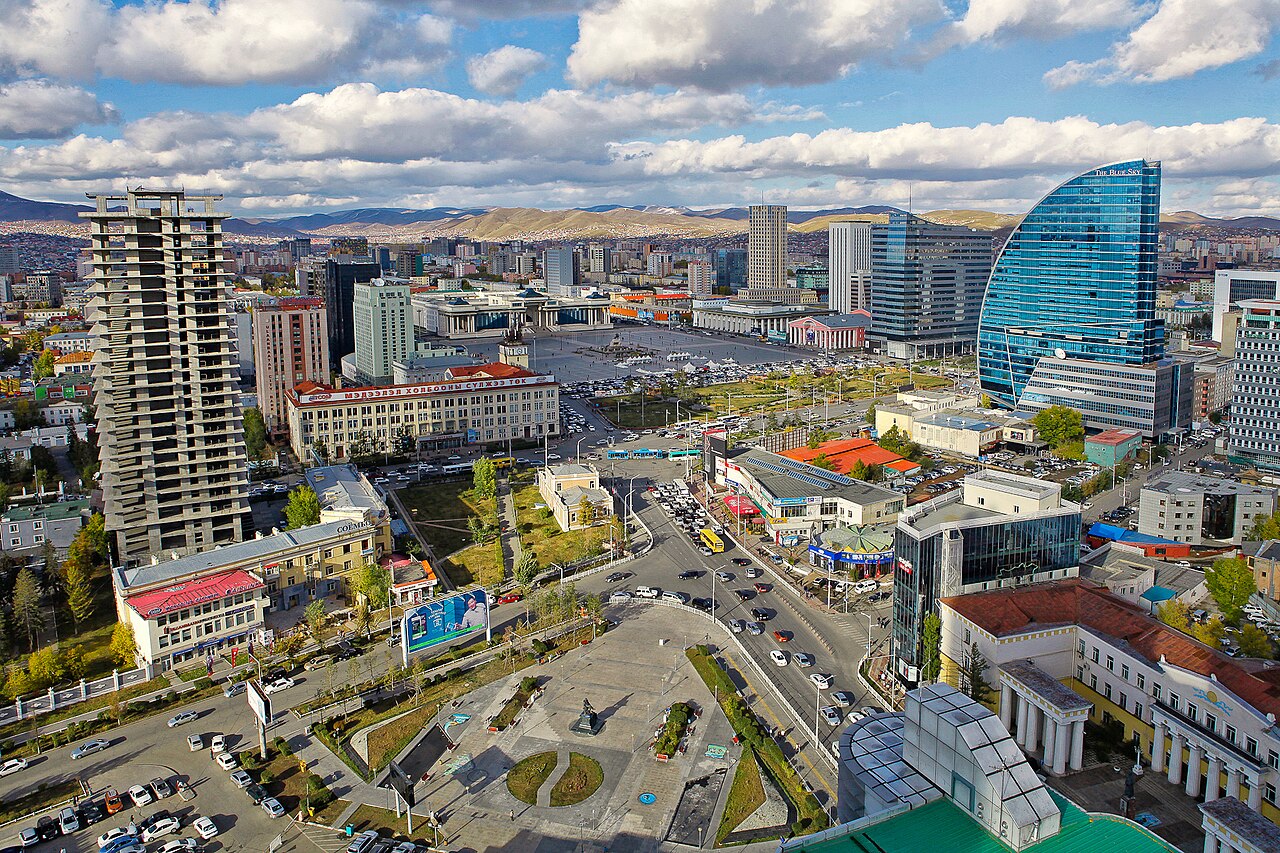
Ulaanbaatar
Capital of Mongolia
Within 30 km of the centre of Ulaanbaatar, the nature places people read about most are Bogd Khan Mountain, Bogd Khan Uul Biosphere Reserve, National Garden Park and Selbe.
People have shared 52,015 wildlife records within 50 km of Ulaanbaatar in the last ten years. The wild animals recorded most often are the black kite, the Eurasian tree sparrow, the Eurasian magpie, the red-billed chough and the carrion crow. Since the 1980s the area has become about 0.4 °C warmer.
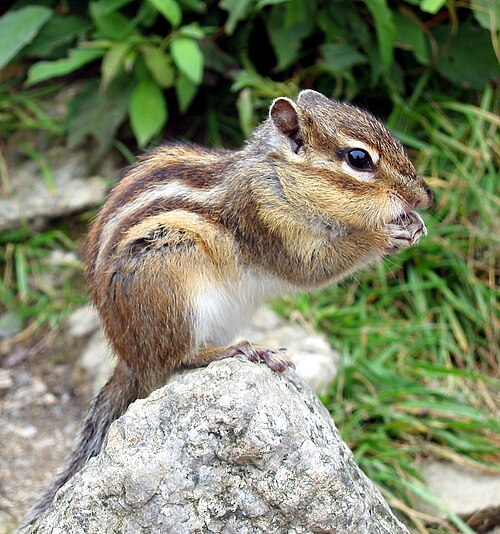
Among the animals people record most around Ulaanbaatar, the red-billed chough and the siberian chipmunk appear on no other city page here.
- Country
- Mongolia
- Population
- 1.4 million
- Area
- 4,704 km²
- Elevation
- 1,350 m
- Currency
- Mongolian tögrög
- Time zone
- UTC+08
- Daylight
- 8 to 16 hours
Figures from Wikidata; population 2015.
Ulaanbaatar on the map
- Bogd Khan Mountain
- Bogd Khan Uul Biosphere Reserve
- National Garden Park
- Selbe
- Misheel Botanical Garden
- Bayan Dzurh Uul
- Tolgoyt Nuruu
- Yavuuhulan Garden
Nature close to Ulaanbaatar
The places people read most about, from the centre outwards.


- Selbe River · 25 km
- Misheel Botanical Garden Park · 4 km
- Bayan Dzurh Uul Hill · 21 km
- Tolgoyt Nuruu Hill · 14 km
Routes from OpenStreetMap via Waymarked Trails. Not checked by 4Planet: follow local signs and conditions.
Wildlife around Ulaanbaatar
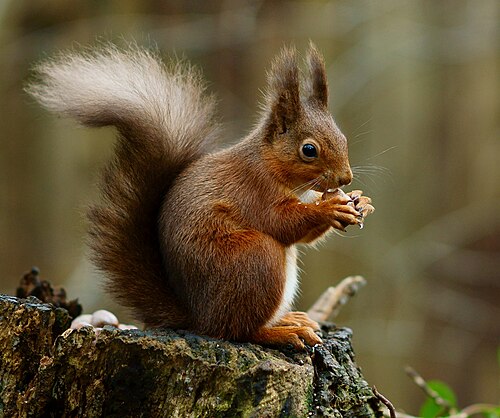
The wild animals people record most within 50 km, 2016–2025. Tick the ones you have seen to build your own list.
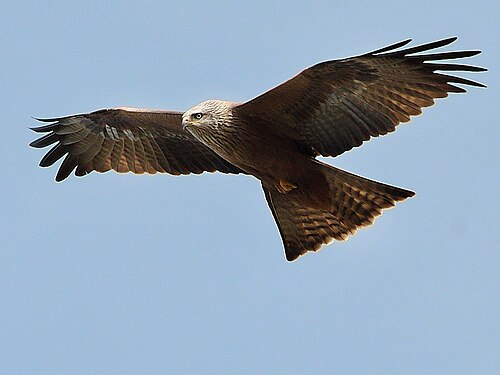
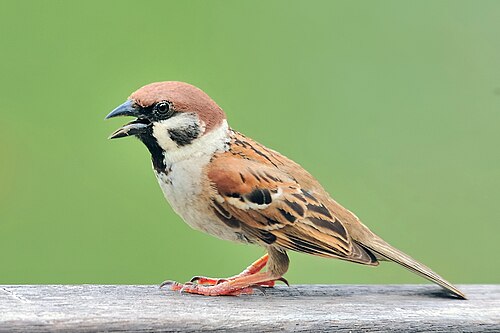
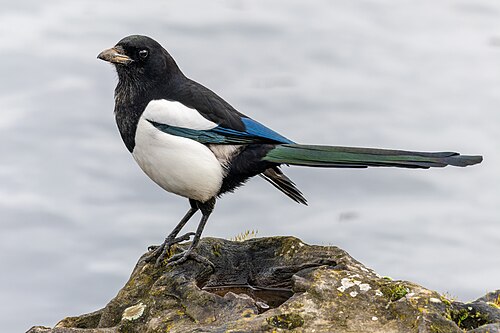





Seen in the last 30 days
What can you see near Ulaanbaatar now?
Month by month, from 52,015 records people shared within 50 km, 2016–2025.
At their peak in January


Most seen in January
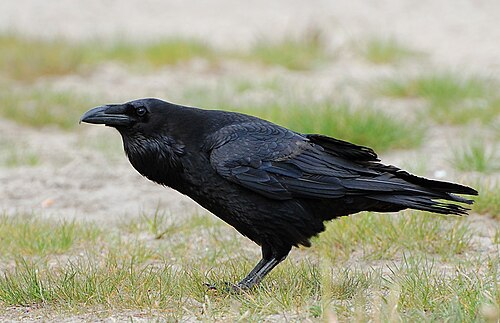

1,485 animal records in January.
At their peak in February

Most seen in February
1,516 animal records in February.

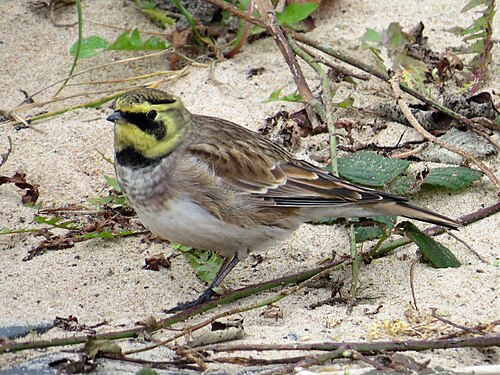
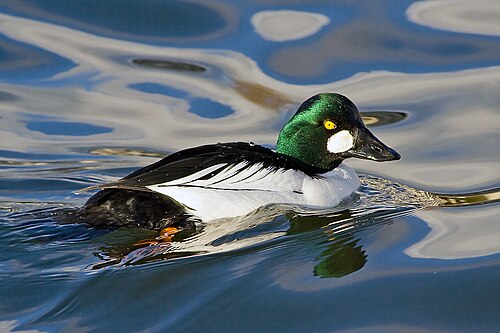

At their peak in May


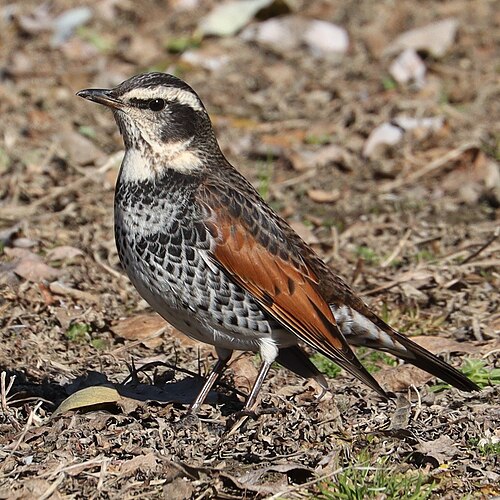
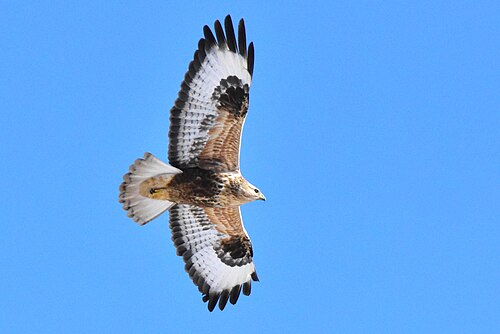
Most seen in May
13,021 animal records in May.
At their peak in June
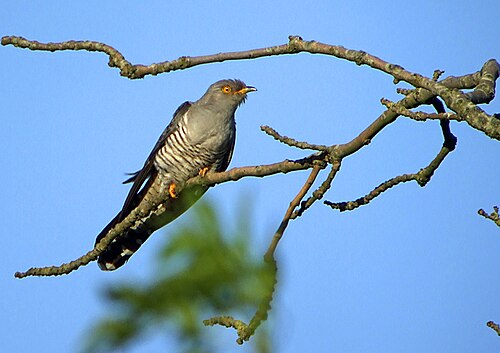


Most seen in June
11,829 animal records in June.
At their peak in July
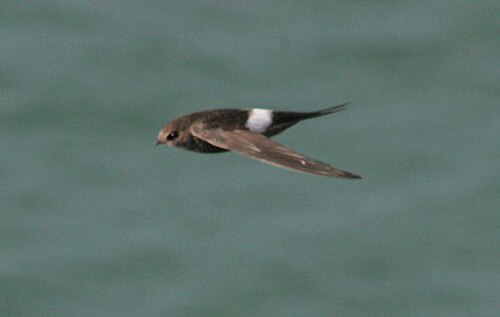


Most seen in July
4,450 animal records in July.
At their peak in August


Most seen in August
4,404 animal records in August.
At their peak in September
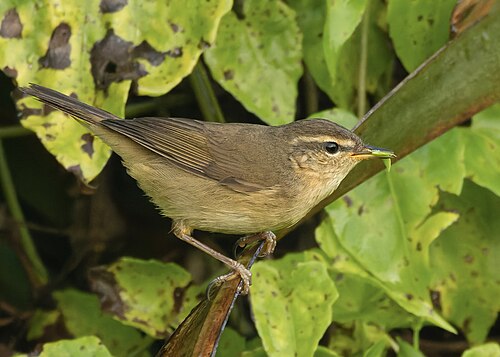


Most seen in September
4,060 animal records in September.
At their peak in October
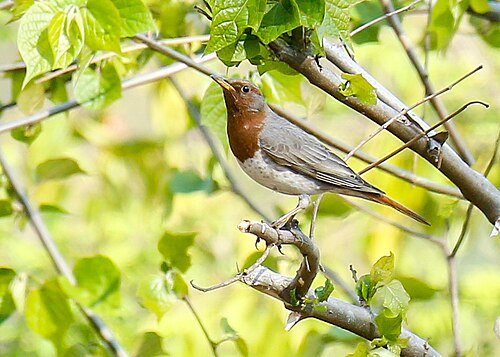
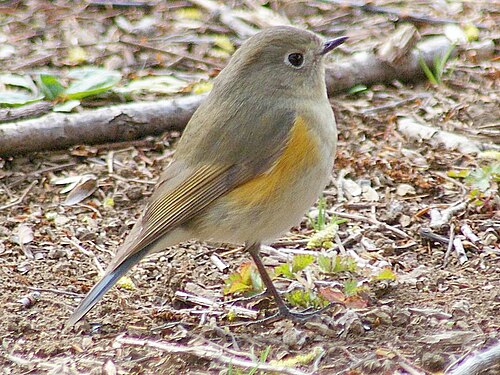


Most seen in October
2,814 animal records in October.
At their peak in November

Most seen in November
1,168 animal records in November.
At their peak in December
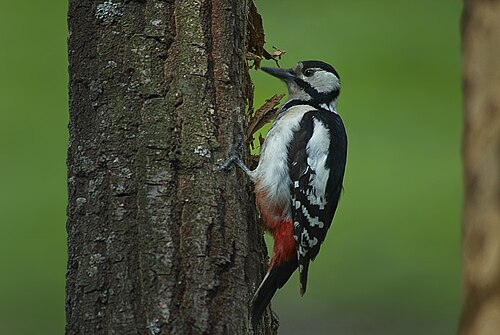
Most seen in December
1,438 animal records in December.
Ulaanbaatar is getting warmer
+0.4 °CAverage temperature around Ulaanbaatar in 2016–2025, compared with 1981–1990.
Daylight: about 8 hours in December and 16 in June.
Seen something near Ulaanbaatar?
Share a photo of it on iNaturalist. Other naturalists help name it, and confirmed records go to GBIF, where scientists use them. That is where the lists on this page come from.
Explore next
What puts Ulaanbaatar under pressure, what helps, and who works on it.
Ulaanbaatar on the living planet
More places near Ulaanbaatar
Sources and photo credits
- Wikidata · Ulaanbaatar (Q23430), facts and nature places
- Wikipedia page views · how well known each nature place is
- OpenStreetMap contributors via Waymarked Trails · marked walking routes (ODbL)
- GBIF · human observations within 50 km, 2016–2025 (52,015 animal records)
- NASA POWER · yearly temperature from satellite and model data (MERRA-2)
- MET Norway · weather now (shown live)
- Ulaanbaatar, Mongolia: Zazaa Mongolia, CC BY-SA 4.0
- Bogd Khan Mountain, Ulaanbaatar: Bogomolov.PL, Public domain
- Bogd Khan Uul Biosphere Reserve, Ulaanbaatar: yeowatzup, CC BY 2.0
- National Garden Park, Ulaanbaatar: Yastanovog, CC BY-SA 4.0
- Yavuuhulan Garden, Ulaanbaatar: Chongkian, CC BY-SA 4.0
- Black kite: Thomas Kraft (ThKraft), CC BY-SA 2.5
- Eurasian tree sparrow: Yiwenyiwen, CC BY-SA 4.0
- Eurasian magpie: Alexis Lours, CC BY 4.0
- Red-billed chough: "Malte Uhl", CC BY-SA 2.5
- Carrion crow: Alexis Lours, CC BY 4.0
- Siberian chipmunk: AndiW 10:51:45, 2005-09-04 (UTC), Public domain
- Small tortoiseshell: Bff, CC BY-SA 3.0
- Eurasian red squirrel: Peter Trimming, CC BY 2.0
- Transverse lady beetle: Jesse Rorabaugh, CC0
- Mongolian toad: Haplochromis, CC BY-SA 4.0
- Black darter: Frank Vassen from Brussels, Belgium, CC BY 2.0
- Handsome cross grasshopper: Gilles San Martin from Namur, Belgium, CC BY-SA 2.0
- Northern raven: Accipiter (R. Altenkamp, Berlin), CC BY-SA 3.0
- Great tit: Frank Vassen from Brussels, Belgium, CC BY 2.0
- Eurasian nuthatch: Chme82, CC BY-SA 4.0
- Bohemian waxwing: Frank Vassen from Brussels, Belgium, CC BY 2.0
- Hawfinch: Marek Szczepanek, CC BY-SA 3.0
- Redpoll: Jyrki Salmi from Finland, CC BY-SA 2.0
- Long-tailed rosefinch: Попов Евгений, CC BY-SA 3.0
- Horned lark: MPF, CC BY-SA 3.0
- Eurasian skylark: El Golli Mohamed, CC BY-SA 4.0
- Upland buzzard: Kudaibergen Amirekul (amirekul), CC BY-SA 4.0
- Cinereous vulture: Juan Lacruz, CC BY-SA 3.0
- Common goldeneye: Calibas, CC BY-SA 3.0
- Little bunting: Andreas Trepte, CC BY-SA 4.0
- Swan goose: KongFu Wang from Beijing, China, CC BY-SA 2.0
- Garganey: Ferran Pestaña from Barcelona, España, CC BY-SA 2.0
- Dusky thrush: Alpsdake, CC BY-SA 4.0
- Common cuckoo: GabrielBuissart, CC BY-SA 3.0
- Oriental cuckoo: Aviceda, CC BY-SA 3.0
- Common whitethroat: Steve Garvie from Dunfermline, Fife, Scotland, CC BY-SA 2.0
- Chinese bush warbler: Анна Васильченко, CC BY 4.0
- Pacific swift: Robert Pudwill, CC BY-SA 3.0
- Common swift: Alexis Lours, CC BY 4.0
- Blyth's pipit: Tisha Mukherjee, CC BY-SA 4.0
- Richard's pipit: JJ Harrison (https://www.jjharrison.com.au/), CC BY 3.0
- Brown shrike: J.M.Garg, CC BY-SA 3.0
- Grey heron: Bengt Nyman from Vaxholm, Sweden, CC BY 2.0
- Green sandpiper: peterichman, CC BY-SA 2.0
- Dusky warbler: Tisha Mukherjee, CC BY-SA 4.0
- Great cormorant: Mathew Schwartz, CC BY 3.0
- Yellow-browed warbler: Wich’yanan (Jay) Limparungpatthanakij, CC BY 4.0
- Red-throated thrush: सन्देश थापा, CC BY-SA 4.0
- Red-flanked bluetail: Materialscientist (talk), CC BY-SA 3.0
- Siberian accentor: Jargal Lamjav from Ulaanbaatar, Mongolia, CC BY 2.0
- Naumann's thrush: H yamaguchi, CC BY 2.0
- Azure-winged magpie: Анар Өгөөмөр, CC BY-SA 4.0
- Great spotted woodpecker: Плешков Алексей, CC BY-SA 3.0


Wildlife records show where people have seen and shared plants and animals, not everything that lives here; some places and months are recorded more than others. Sensitive species are never shown with a month or as seen recently. Routes come from OpenStreetMap and are not checked by 4Planet: follow local signs and conditions. Climate figures are NASA estimates for the area around Ulaanbaatar, not a single weather station.
Checked 2026-11-21.