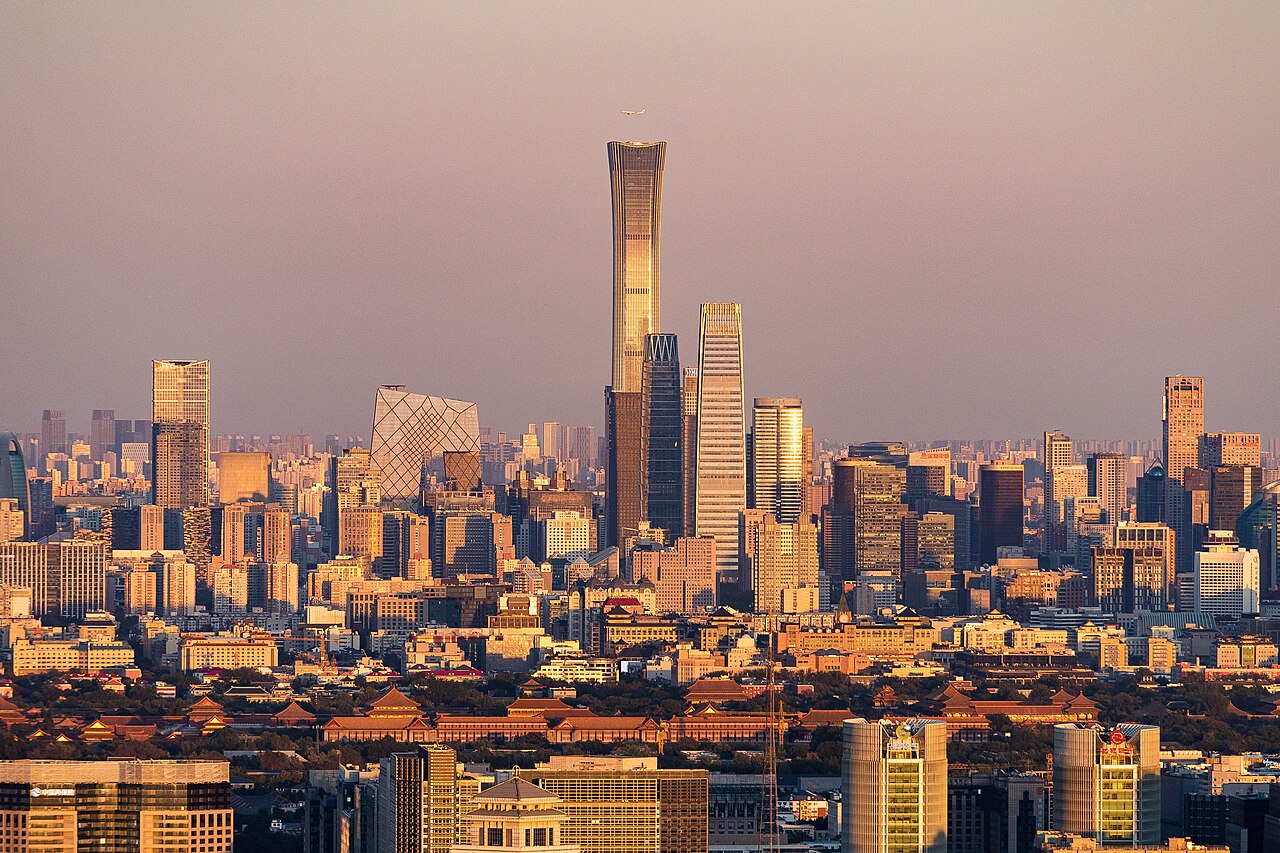
Beijing
Capital city of China
Within 30 km of the centre of Beijing, the nature places people read about most are Zhongnanhai, Old Summer Palace, Jade Spring Hill and Jingshan Park.
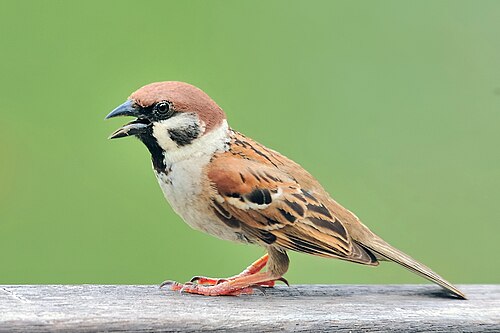
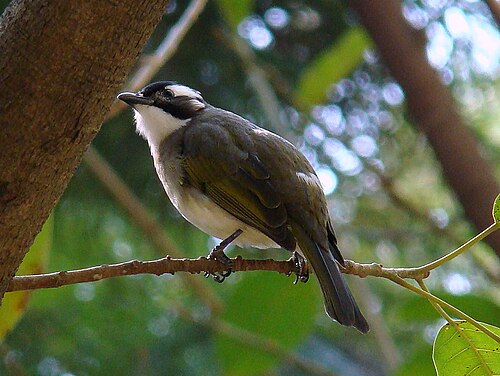
People have shared 708,849 wildlife records within 50 km of Beijing in the last ten years. The wild animals recorded most often are the oriental magpie, the Eurasian tree sparrow, the azure-winged magpie, the mallard and the light-vented bulbul. Since the 1980s the area has become about 1 °C warmer.
Of the 93 cities on Atlas, Beijing has the 3rd most species named on its page. Among the animals people record most around Beijing, the azure-winged magpie appears on no other city page here.
- Country
- China
- Population
- 21.9 million
- Area
- 16,411 km²
- Elevation
- 43 m
- Currency
- Renminbi
- Time zone
- UTC+08
- Daylight
- 9 to 15 hours
Figures from Wikidata; population 2020.
Beijing on the map
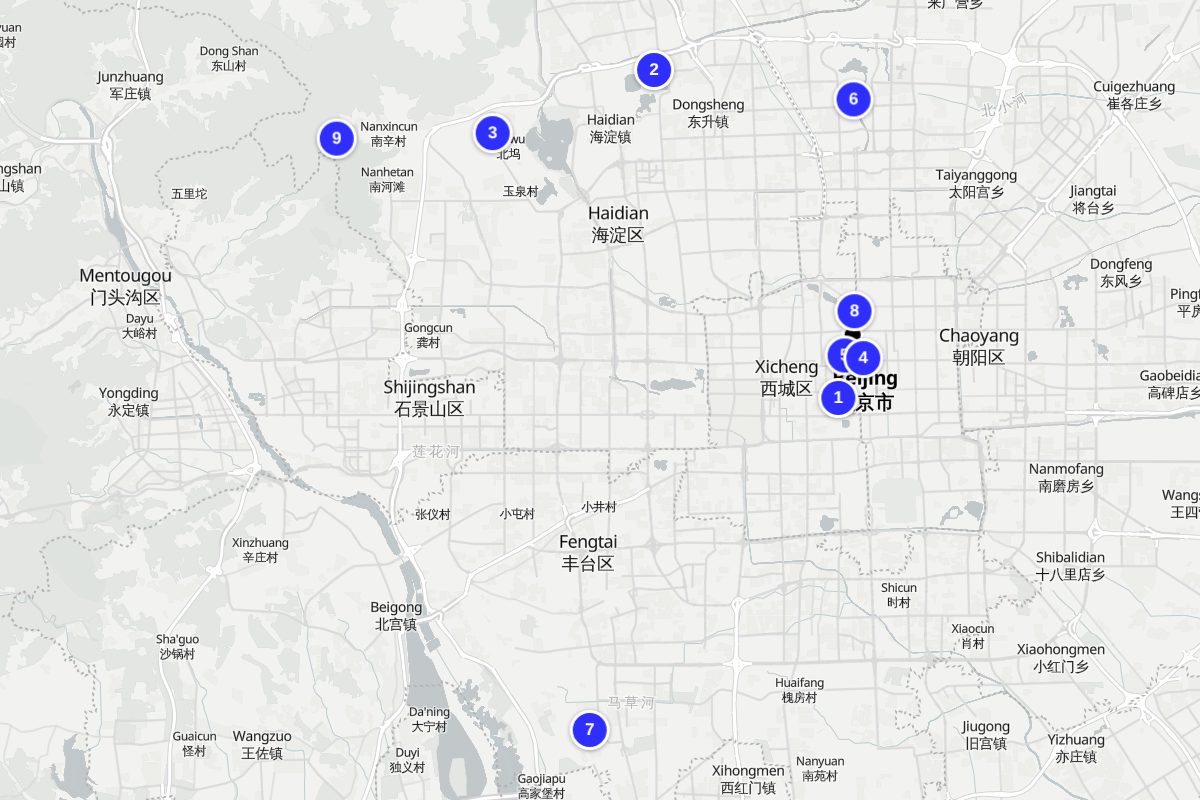
Numbers match the places below. Map: © OpenStreetMap contributors, OpenFreeMap.
- Zhongnanhai
- Old Summer Palace
- Jade Spring Hill
- Jingshan Park
- Beihai Park
- Olympic Green
- Beijing World Park
- Shichahai
- Fragrant Hills
Nature close to Beijing
The places people read most about, from the centre outwards.


- Zhongnanhai Park · 2 km
- Jade Spring Hill Hill · 14 km
- Kunming Lake Reservoir · 12 km
Long-distance trails through the area: 环二环绿道 (42 km).
Routes from OpenStreetMap via Waymarked Trails. Not checked by 4Planet: follow local signs and conditions.
Wildlife around Beijing
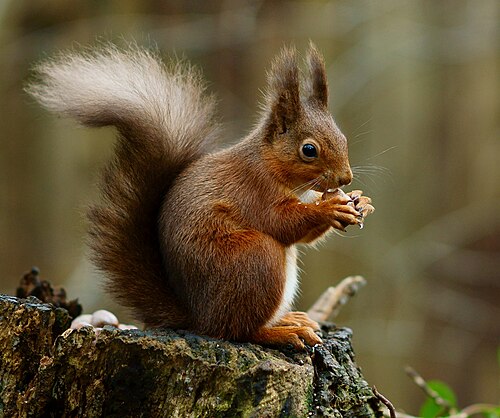
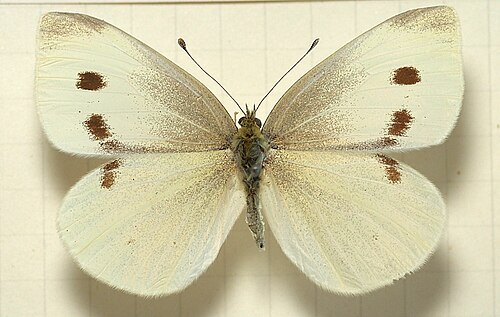
The wild animals people record most within 50 km, 2016–2025. Tick the ones you have seen to build your own list.








Seen in the last 30 days
What can you see near Beijing now?
Month by month, from 708,849 records people shared within 50 km, 2016–2025.
At their peak in January


Most seen in January
49,832 animal records in January.
At their peak in February

Most seen in February
44,237 animal records in February.
At their peak in March


Most seen in March
72,309 animal records in March.
At their peak in April


Most seen in April
76,200 animal records in April.
At their peak in May


Most seen in May
114,554 animal records in May.
At their peak in June

Most seen in June
45,247 animal records in June.
At their peak in July
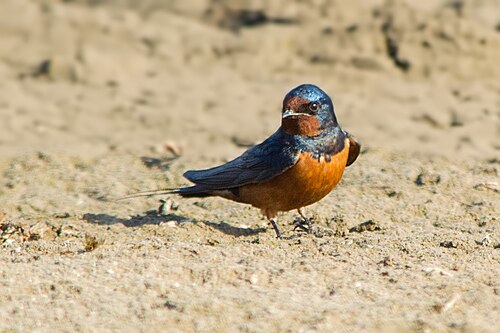
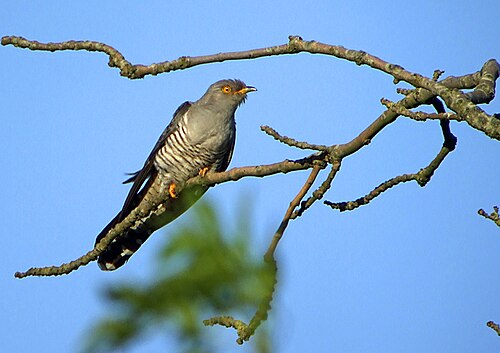
Most seen in July
25,827 animal records in July.
At their peak in August


Most seen in August
34,189 animal records in August.
At their peak in September

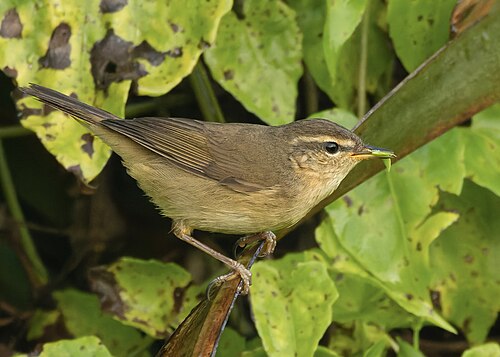

Most seen in September

63,087 animal records in September.
At their peak in October


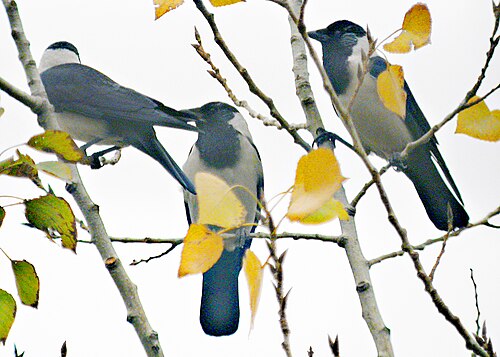
Most seen in October
73,252 animal records in October.
At their peak in November


Most seen in November
58,640 animal records in November.
At their peak in December
Most seen in December

51,475 animal records in December.
Beijing is getting warmer
+1.0 °CAverage temperature around Beijing in 2016–2025, compared with 1981–1990.
Daylight: about 9 hours in December and 15 in June.
Seen something near Beijing?
Share a photo of it on iNaturalist. Other naturalists help name it, and confirmed records go to GBIF, where scientists use them. That is where the lists on this page come from.
Explore next
What puts Beijing under pressure, what helps, and who works on it.
Beijing on the living planet
More places near Beijing
Sources and photo credits
- Wikidata · Beijing (Q956), facts and nature places
- Wikipedia page views · how well known each nature place is
- OpenStreetMap contributors via Waymarked Trails · marked walking routes (ODbL)
- GBIF · human observations within 50 km, 2016–2025 (708,849 animal records)
- NASA POWER · yearly temperature from satellite and model data (MERRA-2)
- MET Norway · weather now (shown live)
- Natural Earth · populated place 1159151595, public domain
- Beijing, China: N509FZ, CC BY-SA 4.0
- Old Summer Palace, Beijing: 颐园新居, CC BY-SA 3.0
- Jingshan Park, Beijing: N509FZ, CC BY-SA 4.0
- Beihai Park, Beijing: FishOil (talk), CC BY-SA 3.0
- Olympic Green, Beijing: Picrazy2, CC BY-SA 4.0
- Beijing World Park, Beijing: Techyan, CC BY-SA 4.0
- Shichahai, Beijing: FANG Chen, CC BY-SA 2.0
- Fragrant Hills, Beijing: zengsx, CC BY-SA 3.0
- Houhai, Beijing: Cygnus78, CC BY-SA 2.0
- Oriental magpie: Daniel Case, CC BY-SA 3.0
- Eurasian tree sparrow: Yiwenyiwen, CC BY-SA 4.0
- Azure-winged magpie: Анар Өгөөмөр, CC BY-SA 4.0
- Mallard: Rolf Dietrich Brecher from Germany, CC BY 2.0
- Light-vented bulbul: Earthshine.. at English Wikipedia, CC BY-SA 3.0
- Spotted lanternfly: Rhododendrites, CC BY-SA 4.0
- Eurasian red squirrel: Peter Trimming, CC BY 2.0
- Asian comma: Alpsdake, CC BY-SA 3.0
- Asiatic toad: Visviva, Public domain
- Small white: Sarefo, CC BY-SA 3.0
- White-tailed skimmer: Philipp Weigell, CC BY 3.0
- Joro spider: Christina Butler from Georgia, United States, CC BY 2.0
- Brambling: mmlolek, CC BY 2.0
- Naumann's thrush: H yamaguchi, CC BY 2.0
- Common merganser: Frank Schulenburg, CC BY-SA 3.0
- Water pipit: Zeynel Cebeci, CC BY-SA 4.0
- Smew: MPF, CC BY-SA 3.0
- Eurasian teal: Koshy Koshy from Faridabad, Haryana, India, CC BY 2.0
- White wagtail: Jac. Janssen from BAARLO LB, NL, CC BY 2.0
- Gadwall: Andreas Trepte, CC BY-SA 2.5
- Pallas's leaf warbler: christoph_moning, CC BY 4.0
- Black-winged stilt: Didier Descouens, CC BY-SA 3.0
- Garganey: Ferran Pestaña from Barcelona, España, CC BY-SA 2.0
- Common swift: Alexis Lours, CC BY 4.0
- Taiga flycatcher: Lawrence Hylton, CC BY 4.0
- Indian cuckoo: Creepanta, CC BY-SA 4.0
- Oriental reed warbler: J.M.Garg, CC BY-SA 3.0
- Black-crowned night heron: Rhododendrites, CC BY-SA 4.0
- Barn swallow: Morhaf Aljanee, CC BY-SA 3.0
- Common cuckoo: GabrielBuissart, CC BY-SA 3.0
- Brown shrike: J.M.Garg, CC BY-SA 3.0
- Eastern red-rumped swallow: yvesbas, CC BY 4.0
- Spotted dove: Chathunidewminidissa, CC BY-SA 4.0
- Yellow-browed warbler: Wich’yanan (Jay) Limparungpatthanakij, CC BY 4.0
- Dusky warbler: Tisha Mukherjee, CC BY-SA 4.0
- Amur stonechat: Flickr users CharlesLam, CC BY-SA 2.0
- Daurian redstart: Laitche, CC BY-SA 4.0
- Eastern buzzard: NOZO, CC BY 3.0
- Daurian jackdaw: The original uploader was Snowyowls at Chinese Wikipedia., CC BY-SA 1.0
- Hawfinch: Marek Szczepanek, CC BY-SA 3.0
- Winter wren: Alpsdake, CC BY-SA 3.0
- Goldcrest: Missy Osborn from New Forest, England, CC BY-SA 2.0
- Marsh tit: Stephan Sprinz, CC BY 4.0


Wildlife records show where people have seen and shared plants and animals, not everything that lives here; some places and months are recorded more than others. Sensitive species are never shown with a month or as seen recently. Routes come from OpenStreetMap and are not checked by 4Planet: follow local signs and conditions. Climate figures are NASA estimates for the area around Beijing, not a single weather station.
Checked 2026-11-20.