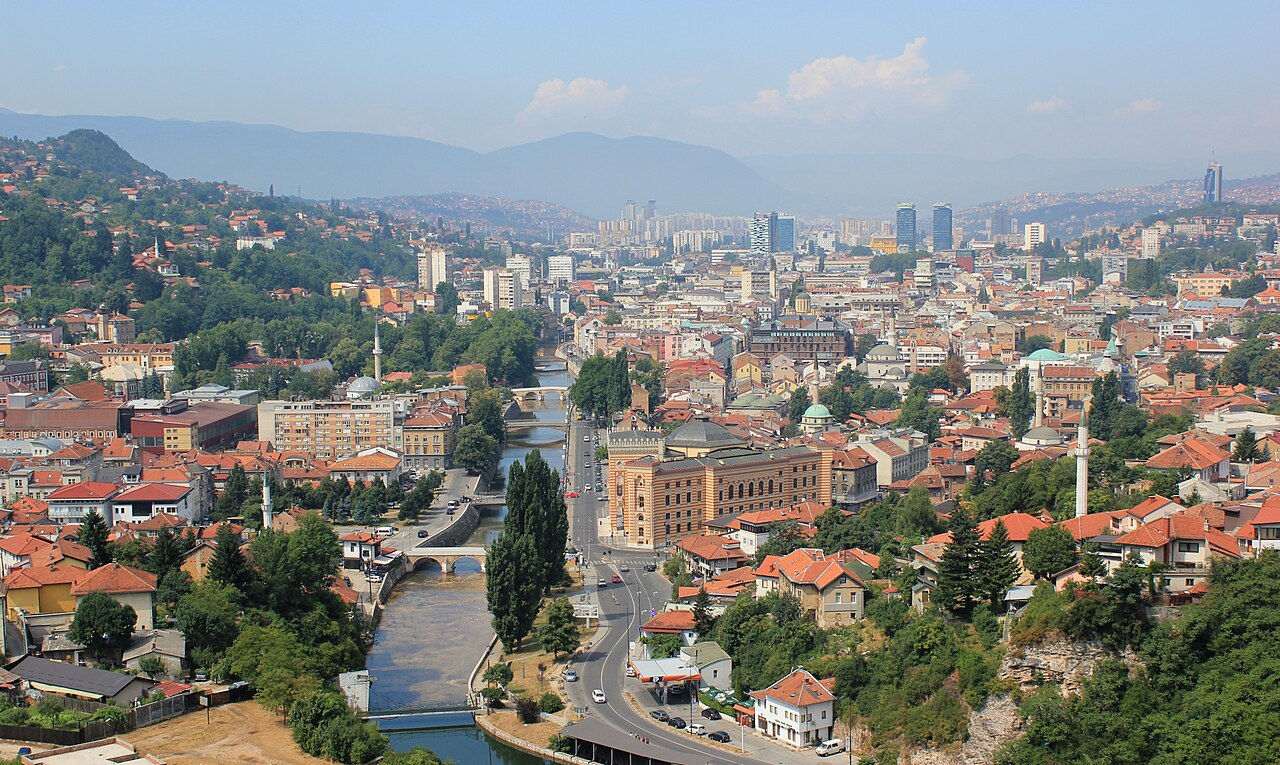
Sarajevo
Capital of Bosnia and Herzegovina
Within 30 km of the centre of Sarajevo, the nature places people read about most are Kazani pit killings, Bosna, Igman and Bjelašnica, and marked walks close to the city include Trebevic Hiking trail, Pješačka staza br. 1 and Vidikovac - Ravne / Prvi šumar - Pitine stijene.
People have shared 17,227 wildlife records within 50 km of Sarajevo in the last ten years. The wild animals recorded most often are the carrion crow, the rock dove, the house sparrow, the mallard and the hooded crow. Since the 1980s the area has become about 1.7 °C warmer.
Of the 93 cities on Atlas, Sarajevo has the 21st strongest warming since the 1980s. Among the animals people record most around Sarajevo, the rose chafer appears on no other city page here.
- Country
- Bosnia and Herzegovina
- Population
- 275,524
- Area
- 142 km²
- Elevation
- 527 m
- Currency
- Bosnia and Herzegovina dinar
- Daylight
- 9 to 15 hours
Figures from Wikidata; population 2013.
Sarajevo on the map
- Kazani pit killings
- Bosna
- Igman
- Bjelašnica
- Sebilj
- Romanija
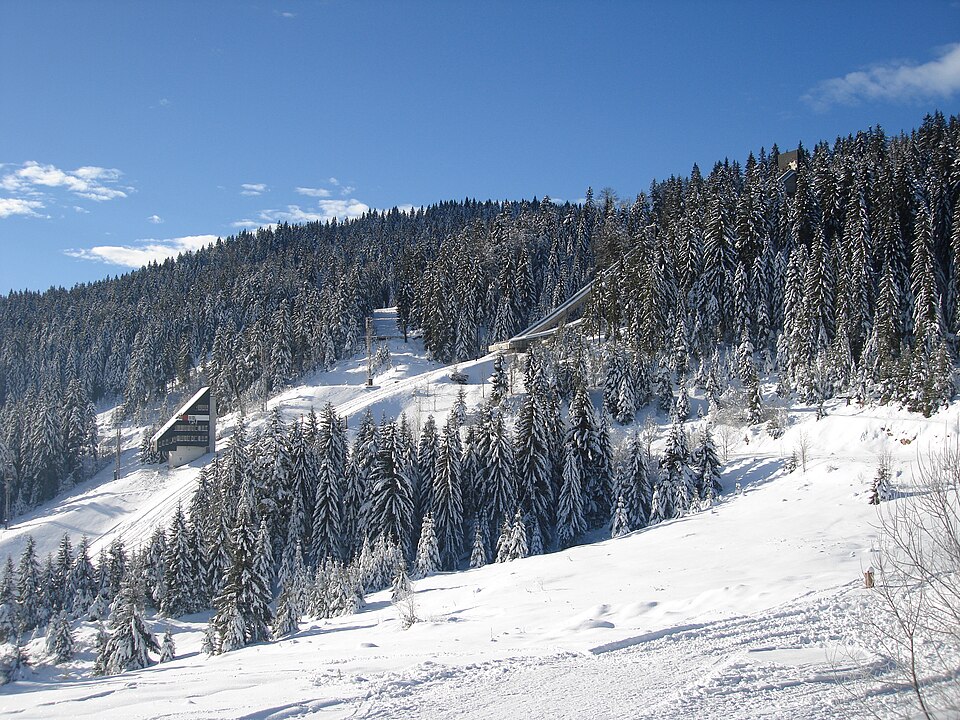
- Jahorina
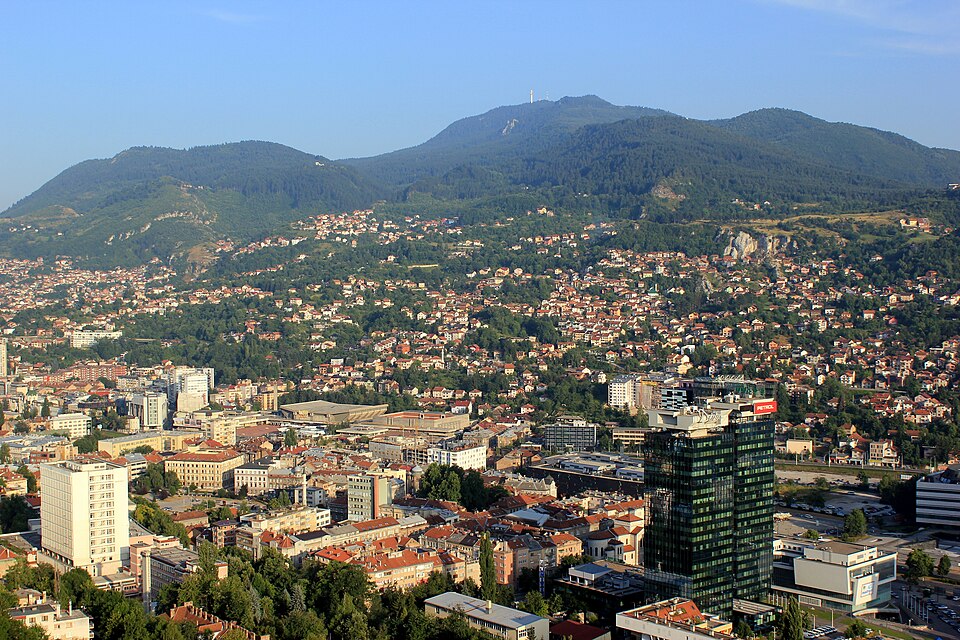
- Trebević
- Miljacka
Nature close to Sarajevo
The places people read most about, from the centre outwards.


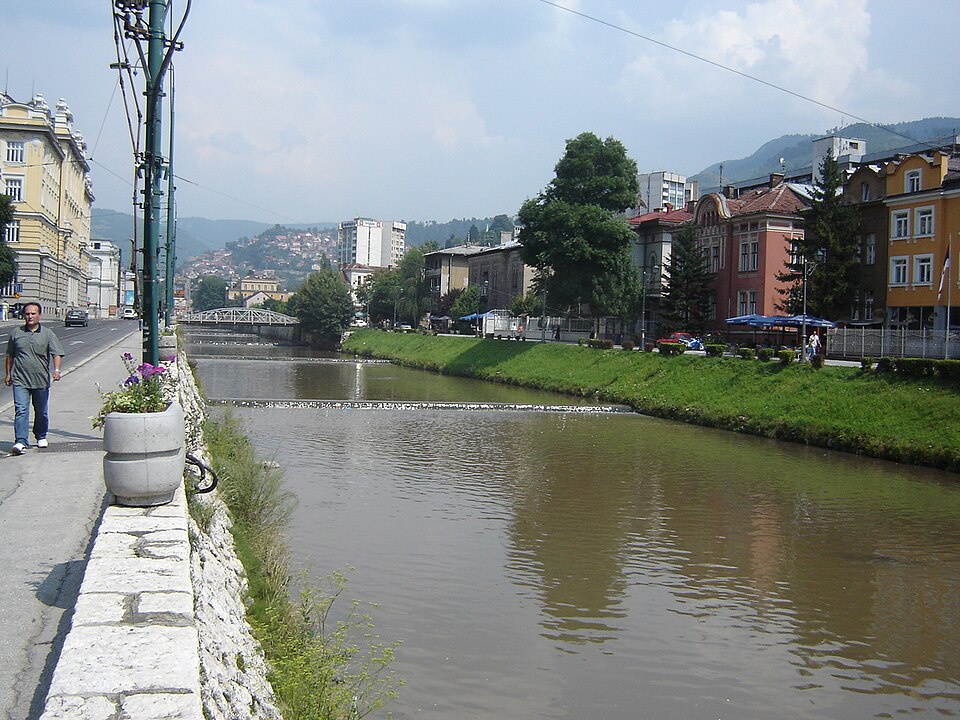

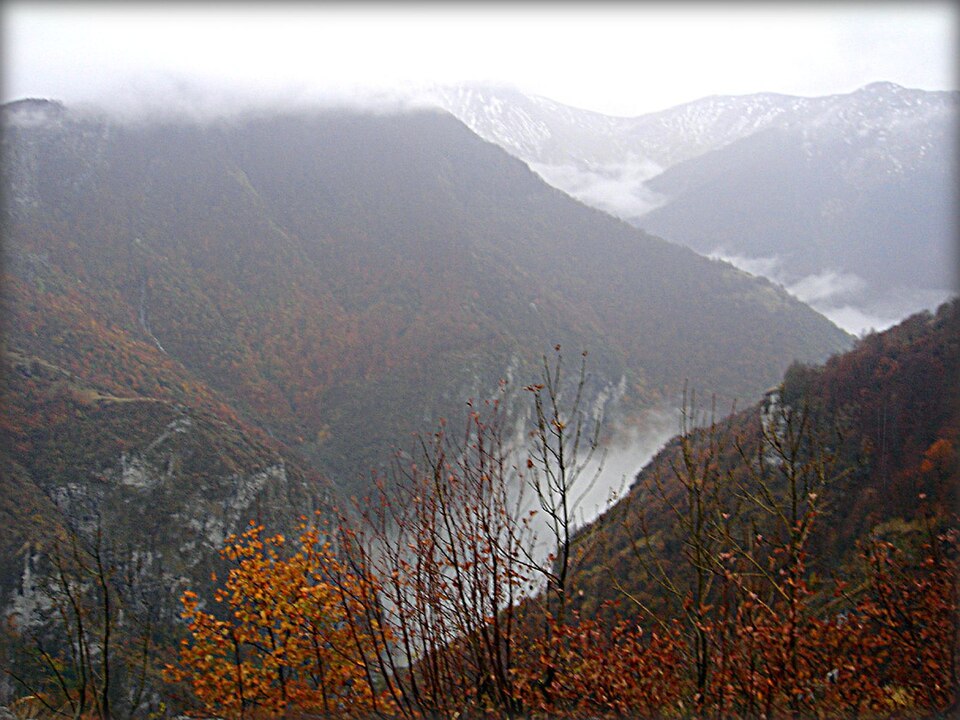
- Kazani pit killings Pit cave · 2 km
- Sebilj Kašna · 2 km
- Jahorina Hill · 20 km
- Visočica Hill · 23 km
Marked walks
- Trebevic Hiking trail10.3 km · 3 km from the centre · marked by PD Trebevic
- Pješačka staza br. 110.2 km · 3 km from the centre · marked by PD Trebević, Istočno Sarajevo
- Vidikovac - Ravne / Prvi šumar - Pitine stijene1.5 km round trip · 3 km from the centre
- Vrh Trebevića preko grebena2.7 km · 5 km from the centre
- Sarajevo – Pale11.7 km · 7 km from the centre
- Kružna tura Skakavac4.5 km · 10 km from the centre
Routes from OpenStreetMap via Waymarked Trails. Not checked by 4Planet: follow local signs and conditions.
Wildlife around Sarajevo
The wild animals people record most within 50 km, 2016–2025. Tick the ones you have seen to build your own list.


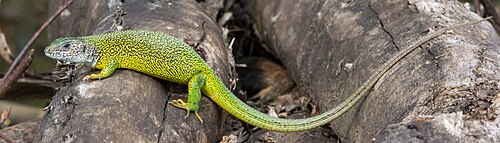


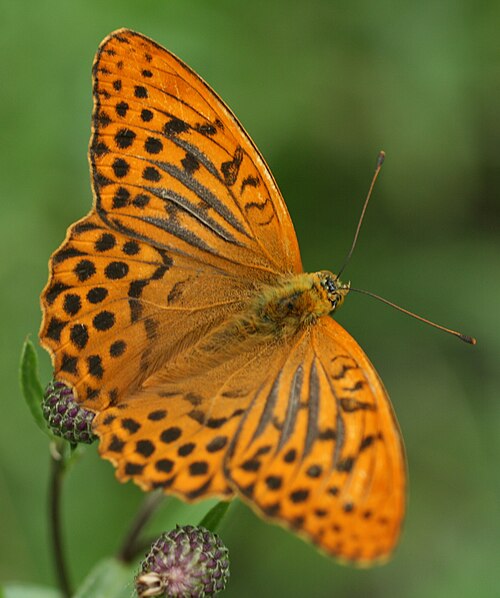
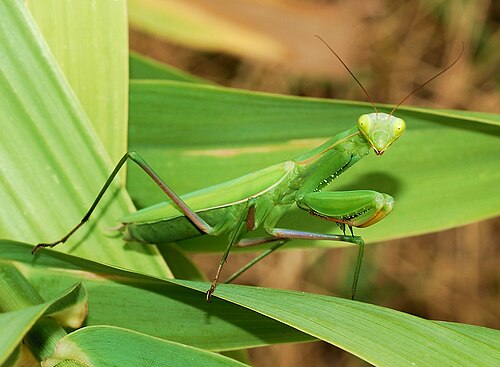

Seen in the last 30 days
What can you see near Sarajevo now?
Month by month, from 17,227 records people shared within 50 km, 2016–2025.
At their peak in January
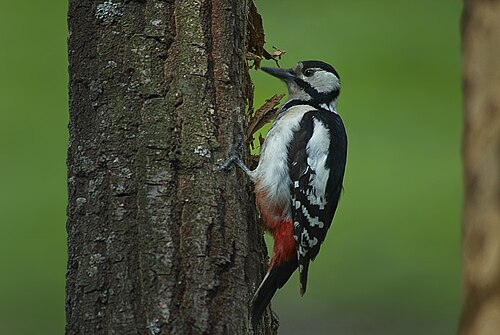


Most seen in January

726 animal records in January.
Most seen in February
813 animal records in February.
At their peak in March
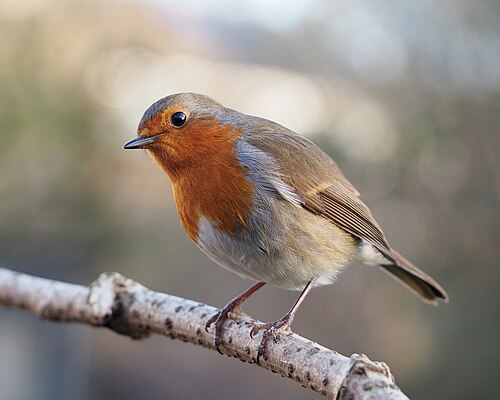

Most seen in March
446 animal records in March.
At their peak in April
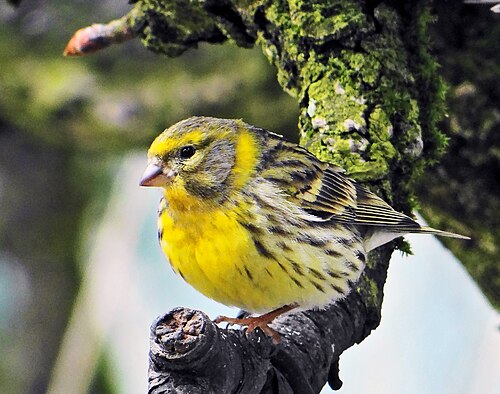


Most seen in April
2,265 animal records in April.
At their peak in May

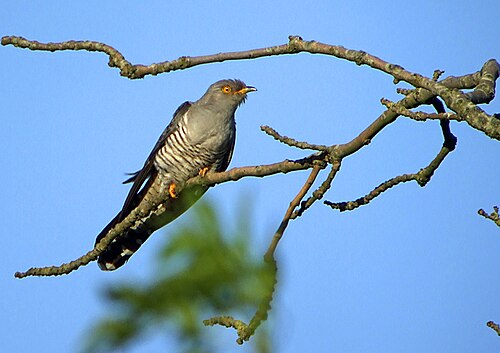

Most seen in May
2,109 animal records in May.
At their peak in June


Most seen in June
2,381 animal records in June.

At their peak in August

Most seen in August
1,489 animal records in August.
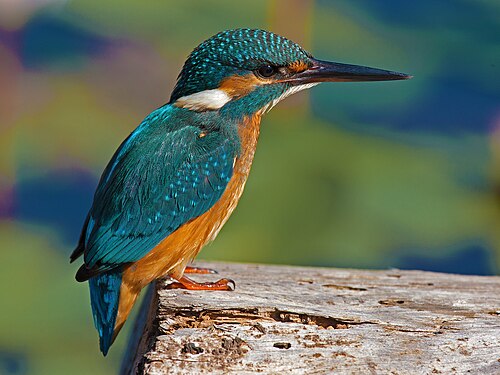

At their peak in October

Most seen in October
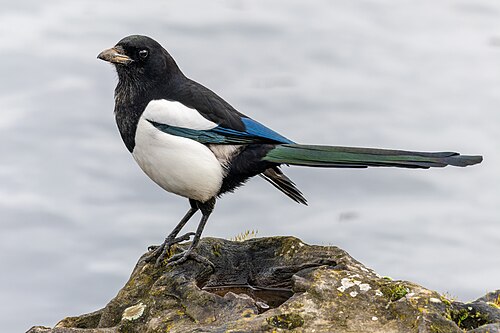
1,670 animal records in October.
At their peak in November
Most seen in November
849 animal records in November.
Most seen in December
560 animal records in December.
Sarajevo is getting warmer
+1.7 °CAverage temperature around Sarajevo in 2016–2025, compared with 1981–1990.
Daylight: about 9 hours in December and 15 in June.
Seen something near Sarajevo?
Share a photo of it on iNaturalist. Other naturalists help name it, and confirmed records go to GBIF, where scientists use them. That is where the lists on this page come from.
Sarajevo on the living planet
More places near Sarajevo
Sources and photo credits
- Wikidata · Sarajevo (Q11194), facts and nature places
- Wikipedia page views · how well known each nature place is
- OpenStreetMap contributors via Waymarked Trails · marked walking routes (ODbL)
- GBIF · human observations within 50 km, 2016–2025 (17,227 animal records)
- NASA POWER · yearly temperature from satellite and model data (MERRA-2)
- MET Norway · weather now (shown live)
- Sarajevo, Bosnia and Herzegovina: Julian Nyča, CC BY-SA 4.0
- Bosna, Sarajevo: Philidenfer66, Public domain
- Igman, Sarajevo: Xe0us at English Wikipedia, CC BY-SA 3.0
- Bjelašnica, Sarajevo: Xe0us at English Wikipedia, CC BY-SA 3.0
- Romanija, Sarajevo: Mazbln, CC BY-SA 3.0
- Trebević, Sarajevo: Julian Nyča, CC BY-SA 4.0
- Miljacka, Sarajevo: w:Flickr user cbrldjn, CC BY 2.0
- Vrelo Bosne, Sarajevo: Author's own photo, CC BY 2.5
- Rakitnica, Neretva, Sarajevo: Kathleen Franklin from Marysville, CA, USA, CC BY 2.0
- Carrion crow: Alexis Lours, CC BY 4.0
- Rock dove: william_stephens, CC BY 4.0
- House sparrow: Rhododendrites, CC BY-SA 4.0
- Mallard: Rolf Dietrich Brecher from Germany, CC BY 2.0
- Hooded crow: Donald Hobern from Copenhagen, Denmark, CC BY 2.0
- Common wall lizard: Mariomassone, CC BY-SA 4.0
- Eastern green lizard: Uoaei1, CC BY-SA 4.0
- Firebug: hedera.baltica from Wrocław, Poland, CC BY-SA 2.0
- Fire salamander: LorikNov, CC BY-SA 3.0
- Silver-washed fritillary: Korall, CC BY-SA 3.0
- European mantis: Alvesgaspar, CC BY-SA 3.0
- Rose chafer: Chrumps, CC BY-SA 3.0
- Great tit: Frank Vassen from Brussels, Belgium, CC BY 2.0
- Great spotted woodpecker: Плешков Алексей, CC BY-SA 3.0
- Hawfinch: Marek Szczepanek, CC BY-SA 3.0
- Winter wren: Alpsdake, CC BY-SA 3.0
- Great cormorant: Mathew Schwartz, CC BY 3.0
- European robin: Francis C. Franklin, CC BY-SA 3.0
- Common wood pigeon: Don Loarie, CC BY 4.0
- European serin: Ghislain38, CC BY-SA 3.0
- Common nightingale: Արարատ Թրվանց, CC BY-SA 4.0
- Common linnet: Joe Pell, CC BY 2.0
- Eurasian scops owl: Frank Vassen from Brussels, Belgium, CC BY 2.0
- Eurasian blackcap: Ron Knight from Seaford, East Sussex, United Kingdom, CC BY 2.0
- Common cuckoo: GabrielBuissart, CC BY-SA 3.0
- Common whitethroat: Steve Garvie from Dunfermline, Fife, Scotland, CC BY-SA 2.0
- Eurasian golden oriole: Michel Idre from Plaisance du Touch, France, CC BY 2.0
- Nine-spotted moth: Hectonichus, CC BY-SA 4.0
- Northern wheatear: Andreas Trepte, CC BY-SA 2.5
- Scarce swallowtail: Tbc, Public domain
- Red-backed shrike: Zeynel Cebeci, CC BY-SA 4.0
- Common kingfisher: Artemy Voikhansky, CC BY-SA 4.0
- European crested tit: Carlos Delgado, CC BY-SA 4.0
- Eurasian magpie: Alexis Lours, CC BY 4.0
- Eurasian siskin: Sławek Staszczuk (photoss [AT] hotmail.co.uk), CC BY-SA 3.0


Wildlife records show where people have seen and shared plants and animals, not everything that lives here; some places and months are recorded more than others. Sensitive species are never shown with a month or as seen recently. Routes come from OpenStreetMap and are not checked by 4Planet: follow local signs and conditions. Climate figures are NASA estimates for the area around Sarajevo, not a single weather station.
Checked 2026-11-21.