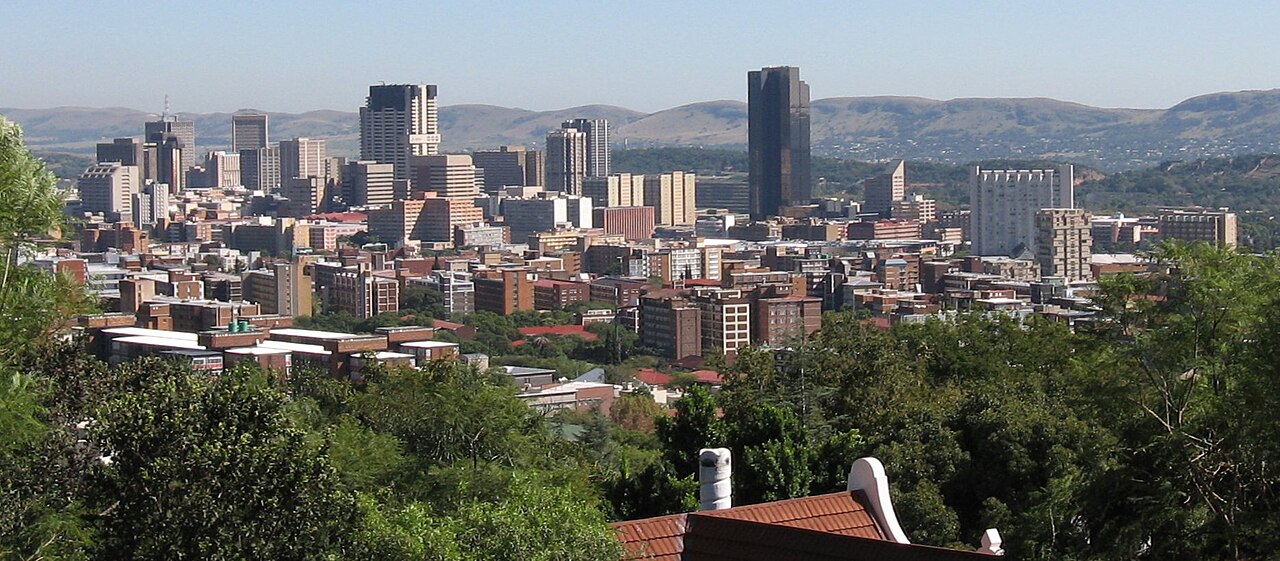
Pretoria
Capital of South Africa
Within 30 km of the centre of Pretoria, the nature places people read about most are Jukskei River, Hennops River, Apies River and Witwatersrand Basin, and marked walks close to the city include Joos Becker Guided Trail, Fort Trail and Fort towards Waterfall and Cave Trail.
People have shared 2,581,916 wildlife records within 50 km of Pretoria in the last ten years. The wild animals recorded most often are the hadada ibis, the laughing dove, the southern masked weaver, the common myna and the cape sparrow. Since the 1980s the area has become about 0.7 °C warmer.
Of the 93 cities on Atlas, Pretoria has the 18th most wildlife records shared within 50 km. Among the animals people record most around Pretoria, the southern masked weaver and the cape sparrow appear on no other city page here.
- Country
- South Africa
- Population
- 741,651
- Area
- 688 km²
- Elevation
- 1,339 m
- Currency
- Rand
- Daylight
- 11 to 14 hours
Figures from Wikidata; population 2011.
Pretoria on the map
- Jukskei River
- Hennops River
- Apies River
- Witwatersrand Basin
- Rietvlei Nature Reserve
- Pretoria National Botanical Garden
- Groenkloof Nature Reserve
- Wonderboom Nature Reserve
- Zwartkop
Nature close to Pretoria
The places people read most about, from the centre outwards.

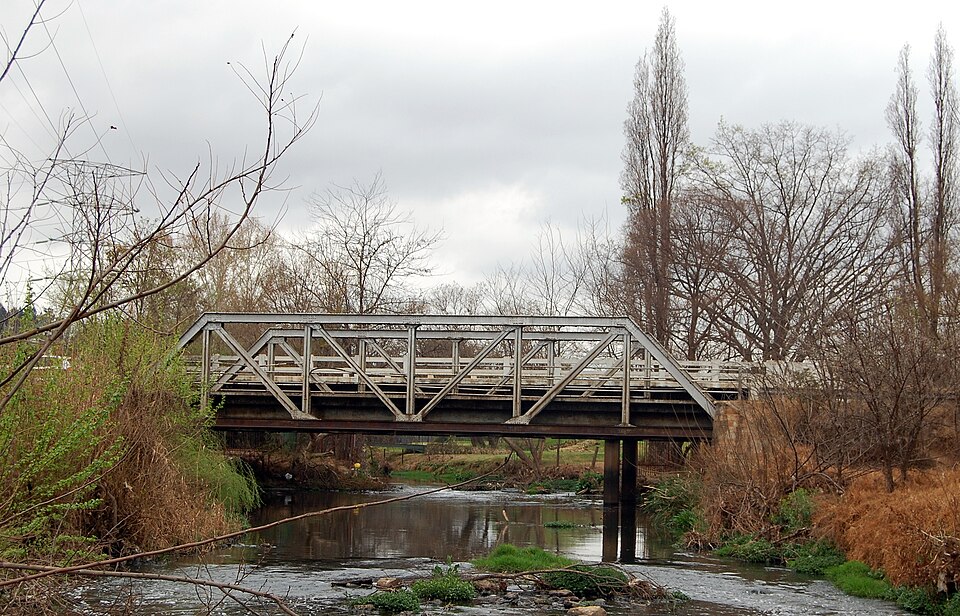


- Apies River River · 14 km
- Witwatersrand Basin Sedimentary basin · 12 km
- Zwartkop Hill · 11 km
- Meintjieskop Hill · 2 km
Marked walks
- Joos Becker Guided Trail2.5 km · 6 km from the centre
- Fort Trail1.4 km · 6 km from the centre
- Fort towards Waterfall and Cave Trail1.1 km · 6 km from the centre
Routes from OpenStreetMap via Waymarked Trails. Not checked by 4Planet: follow local signs and conditions.
Wildlife around Pretoria
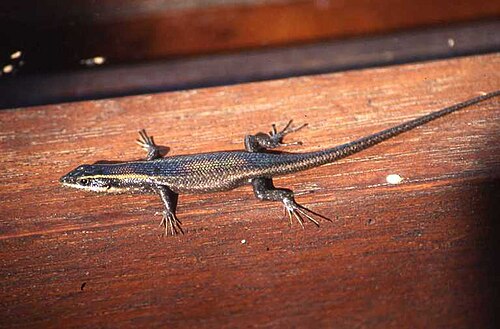
The wild animals people record most within 50 km, 2016–2025. Tick the ones you have seen to build your own list.




Seen in the last 30 days
What can you see near Pretoria now?
Month by month, from 2,581,916 records people shared within 50 km, 2016–2025.
At their peak in January

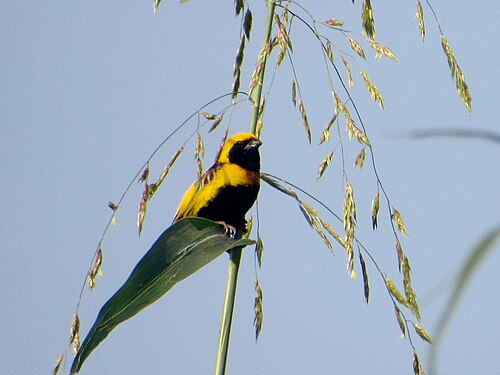

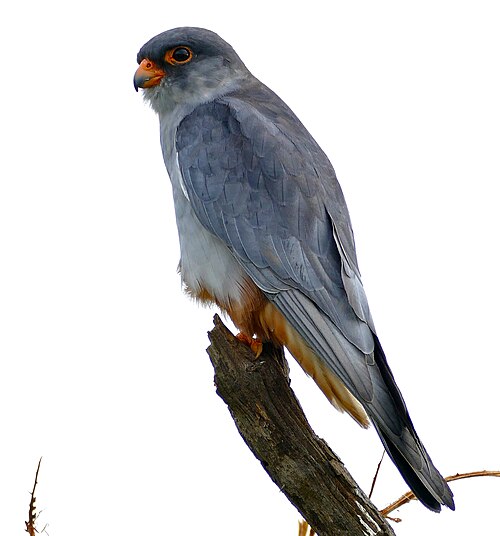
Most seen in January
Plants and fungi at their peak in January


287,061 animal records in January.
At their peak in February


Most seen in February
Plants and fungi at their peak in February

217,949 animal records in February.
At their peak in March


Most seen in March
Plants and fungi at their peak in March


198,360 animal records in March.
At their peak in April


Most seen in April

Plants and fungi at their peak in April
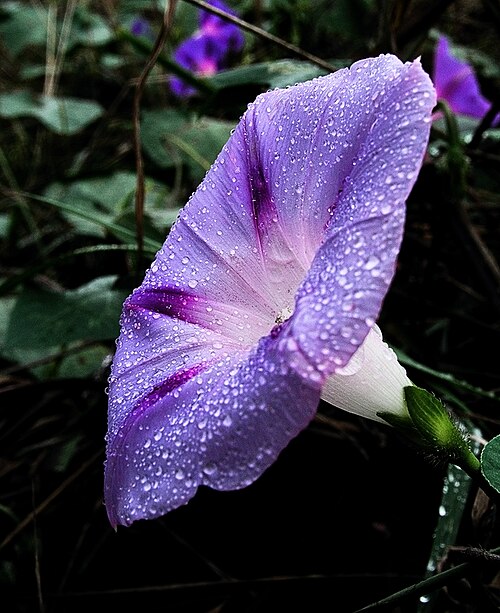

179,283 animal records in April.
At their peak in May

Most seen in May
Plants and fungi at their peak in May


176,341 animal records in May.
At their peak in June
Most seen in June
Plants and fungi at their peak in June


164,204 animal records in June.
At their peak in July


Most seen in July
173,786 animal records in July.
At their peak in August
Most seen in August
Plants and fungi at their peak in August

195,631 animal records in August.
Most seen in September
Plants and fungi at their peak in September


225,098 animal records in September.
At their peak in October

Most seen in October
Plants and fungi at their peak in October


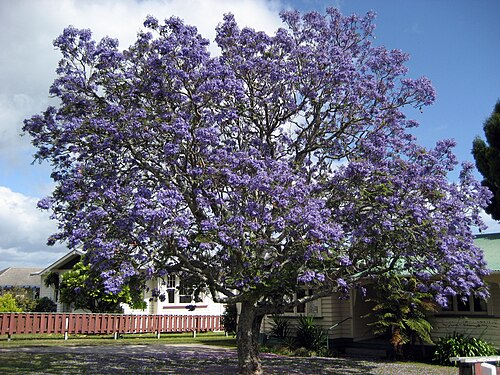
253,791 animal records in October.
At their peak in November


Most seen in November
Plants and fungi at their peak in November


260,231 animal records in November.

Pretoria is getting warmer
+0.7 °CAverage temperature around Pretoria in 2016–2025, compared with 1981–1990.
Daylight: about 14 hours in December and 11 in June.
Seen something near Pretoria?
Share a photo of it on iNaturalist. Other naturalists help name it, and confirmed records go to GBIF, where scientists use them. That is where the lists on this page come from.
Explore next
What puts Pretoria under pressure, what helps, and who works on it.
Pretoria on the living planet
More places near Pretoria
Sources and photo credits
- Wikidata · Pretoria (Q3926), facts and nature places
- Wikipedia page views · how well known each nature place is
- OpenStreetMap contributors via Waymarked Trails · marked walking routes (ODbL)
- GBIF · human observations within 50 km, 2016–2025 (2,581,916 animal records)
- NASA POWER · yearly temperature from satellite and model data (MERRA-2)
- MET Norway · weather now (shown live)
- Pretoria, South Africa: Petrus Potgieter, Petrus at en.wikipedia, Public domain
- Jukskei River, Pretoria: NJR ZA, CC BY-SA 3.0
- Hennops River, Pretoria: Louis Oelofse, CC BY-SA 3.0
- Rietvlei Nature Reserve, Pretoria: JMK, CC BY-SA 4.0
- Pretoria National Botanical Garden, Pretoria: JMK, CC BY-SA 3.0
- Groenkloof Nature Reserve, Pretoria: JMK, CC BY-SA 3.0
- Wonderboom Nature Reserve, Pretoria: JMK, CC BY-SA 3.0
- Faerie Glen Nature Reserve, Pretoria: JMK, CC BY-SA 4.0
- Burgers Park, Pretoria: Cvanrooyen, CC BY-SA 3.0
- Hadada ibis: Sumeet Moghe, CC BY-SA 3.0
- Laughing dove: Giles Laurent, CC BY-SA 4.0
- Southern masked weaver: Charles J. Sharp, CC BY-SA 4.0
- Common myna: Tisha Mukherjee, CC BY-SA 4.0
- Cape sparrow: Dick Daniels (https://theworldbirds.org/), CC BY-SA 3.0
- Montane speckled skink: Simon J. Tonge, CC BY 3.0
- Cape dwarf gecko: Androstachys, Public domain
- Garden acraea: Zunaid, CC BY-SA 3.0
- African caper white: Diego Delso, CC BY-SA 4.0
- Slate sprite: Alandmanson, CC BY-SA 3.0
- African red toad: Bjørn Christian Tørrissen, CC BY-SA 4.0
- Lunate lady beetle: JMK, CC BY-SA 3.0
- Woodland kingfisher: Bernard DUPONT from FRANCE, CC BY-SA 2.0
- Yellow-crowned bishop: luckyatabo, CC BY 4.0
- Whiskered tern: Marek Szczepanek, CC BY-SA 3.0
- Amur falcon: Bernard DUPONT from FRANCE, CC BY-SA 2.0
- Pompomweed: Bernard DUPONT from FRANCE, CC BY-SA 2.0
- Courting harlequin: SAplants, CC BY-SA 4.0
- African yellow dayflower: Bernard DUPONT from FRANCE, CC BY-SA 2.0
- Skewleaf sorrel: SAplants, CC BY-SA 4.0
- Yellow-billed kite: Diego Delso, CC BY-SA 4.0
- Marsh warbler: Аимаина хикари, CC0
- Silver dollprotea: SAplants, CC BY-SA 4.0
- Red-backed shrike: Zeynel Cebeci, CC BY-SA 4.0
- Village indigobird: Derek Keats from Johannesburg, South Africa, CC BY 2.0
- Traveler's-joy: SAplants, CC BY-SA 4.0
- Thickleaf gladiolus: Ton Rulkens, CC BY-SA 2.0
- Peruvian zinnia: W. Bulach, CC BY-SA 4.0
- Muster john henry: Arthur Chapman, CC BY 2.0
- Red-eyed dove: Charles J. Sharp, CC BY-SA 4.0
- African migrant: Charles J. Sharp, CC BY-SA 4.0
- Painted lady: Sayan Sanyal, CC BY-SA 4.0
- Common morning-glory: Original uploader was PiccoloNamek at en.wikipedia, CC BY-SA 3.0
- Cobbler's pegs: Wiki Farazi, CC0
- Fairy flycatcher: Alan Manson, CC BY-SA 2.0
- Giant reed: H. Zell, CC BY-SA 3.0
- Natal grass: Mark Marathon, CC BY-SA 3.0
- Christmas candlestick: Burkhard Mücke, CC BY-SA 4.0
- Highveld spotted aloe: JMK, CC BY-SA 3.0
- Cruel vine: Malkinann, CC BY-SA 3.0
- Western karee: JMK at English Wikipedia, CC BY-SA 3.0
- Camassiwood: JMK, CC BY-SA 3.0
- Capped wheatear: Diego Delso, CC BY-SA 4.0
- African spoonbill: Bjørn Christian Tørrissen, CC BY-SA 3.0
- South African shelduck: Henry de Lange, CC BY 4.0
- Daisy-tea bush: JMK, CC BY-SA 3.0
- White cedar: Anna Anichkova, CC BY-SA 3.0
- Bark plane: Rotational, Public domain
- Blushing barberton daisy: SAplants, CC BY-SA 4.0
- Yawning harlequin: SAplants, CC BY-SA 4.0
- Klaas's cuckoo: Lip Kee Yap, CC BY-SA 2.0
- Bushman poison bulb: Paul venter, CC BY-SA 3.0
- Royal-paintbrush: Emőke Dénes, CC BY-SA 4.0
- Black poui: Kahuroa, Public domain
- Diederik cuckoo: Flickr user Alastair Rae . Photo uploaded to commons by user ltshears, CC BY-SA 2.0
- Red-chested cuckoo: Giles Laurent, CC BY-SA 4.0
- Black cuckoo: Alan Manson, CC BY-SA 2.0
- Doll's powderpuff: SAplants, CC BY-SA 4.0
- Silver-leaved star-flower: SAplants, CC BY-SA 4.0
- Cream cups: SAplants, CC BY-SA 4.0
- Grassveld sweetpea: JMK, CC BY-SA 4.0
- Isandhlasonwabu: Franz Xaver, CC BY-SA 4.0


Wildlife records show where people have seen and shared plants and animals, not everything that lives here; some places and months are recorded more than others. Sensitive species are never shown with a month or as seen recently. Routes come from OpenStreetMap and are not checked by 4Planet: follow local signs and conditions. Climate figures are NASA estimates for the area around Pretoria, not a single weather station.
Checked 2026-11-21.