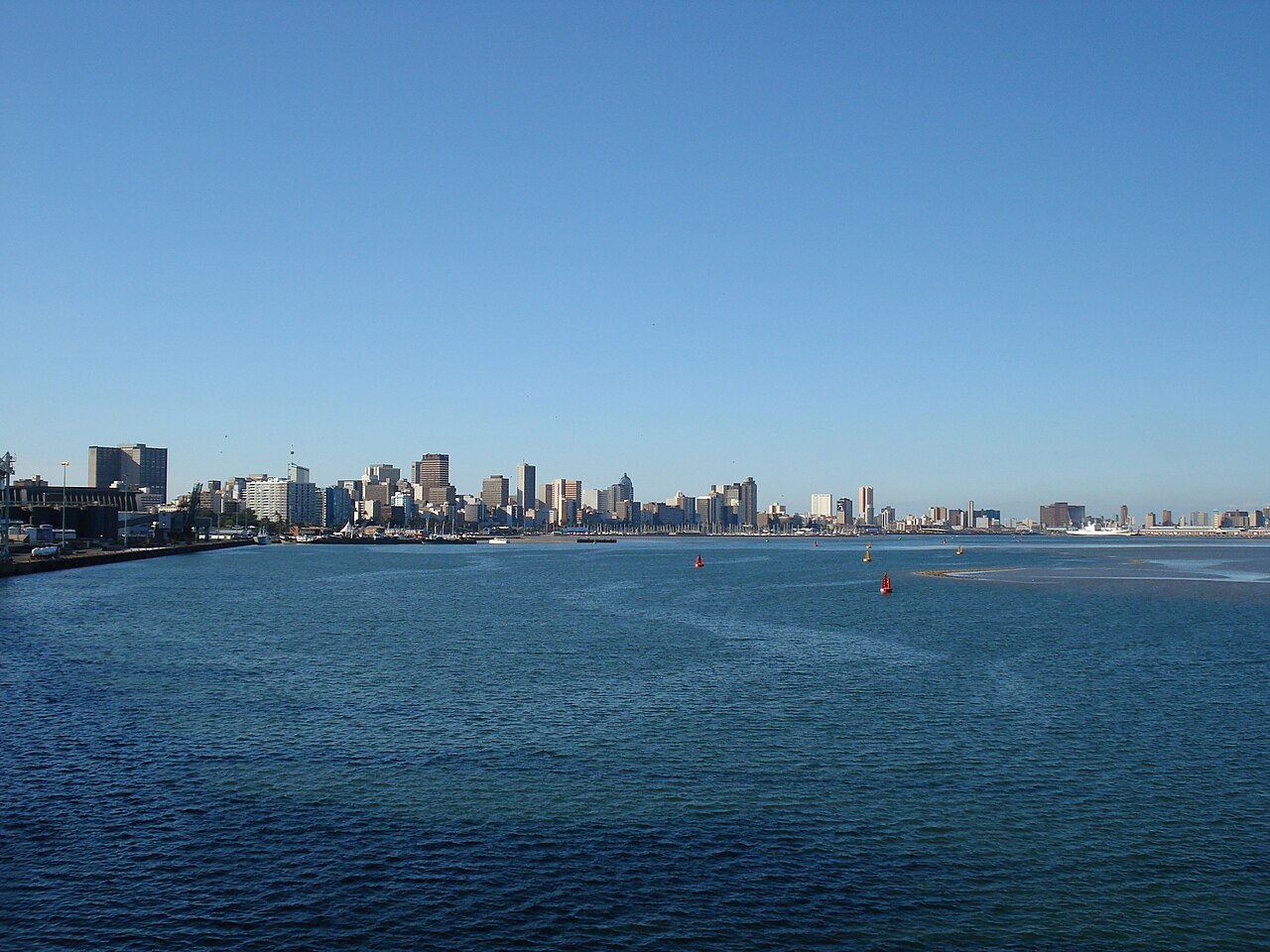
Durban
City in South Africa
Within 30 km of the centre of Durban, the nature places people read about most are Umgeni River, Durban Botanic Gardens, Salisbury Island, Durban and North Beach, and marked walks close to the city include uShaka Village Walk.
People have shared 712,560 wildlife records within 50 km of Durban in the last ten years. The wild animals recorded most often are the hadada ibis, the red-winged starling, the egyptian goose, the red-eyed dove and the julia skimmer. Since the 1980s the area has become about 0.3 °C warmer.
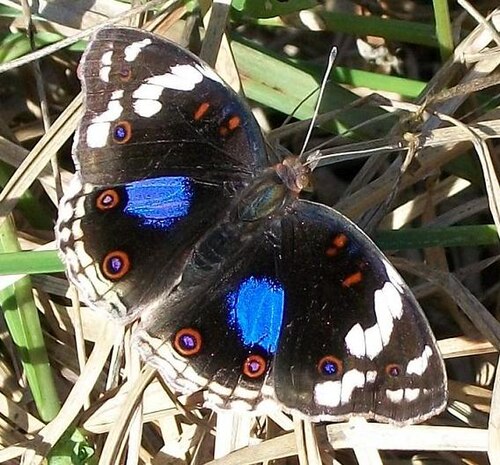
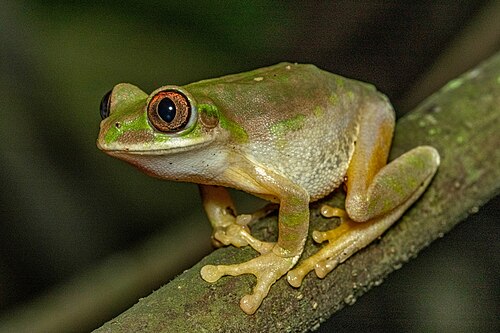
Among the animals people record most around Durban, the brown pansy and the natal forest tree frog appear on no other city page here.
- Country
- South Africa
- Population
- 595,061
- Area
- 226 km²
- Elevation
- 22 m
- Currency
- Rand
- Daylight
- 10 to 14 hours
Figures from Wikidata; population 2011.
Durban on the map
- Umgeni River
- Durban Botanic Gardens
- Salisbury Island, Durban
- North Beach
- Kenneth Stainbank Nature Reserve
- Krantzkloof Nature Reserve
- Burman Bush
- Pigeon Valley
- Ohlanga River
Nature close to Durban
The places people read most about, from the centre outwards.
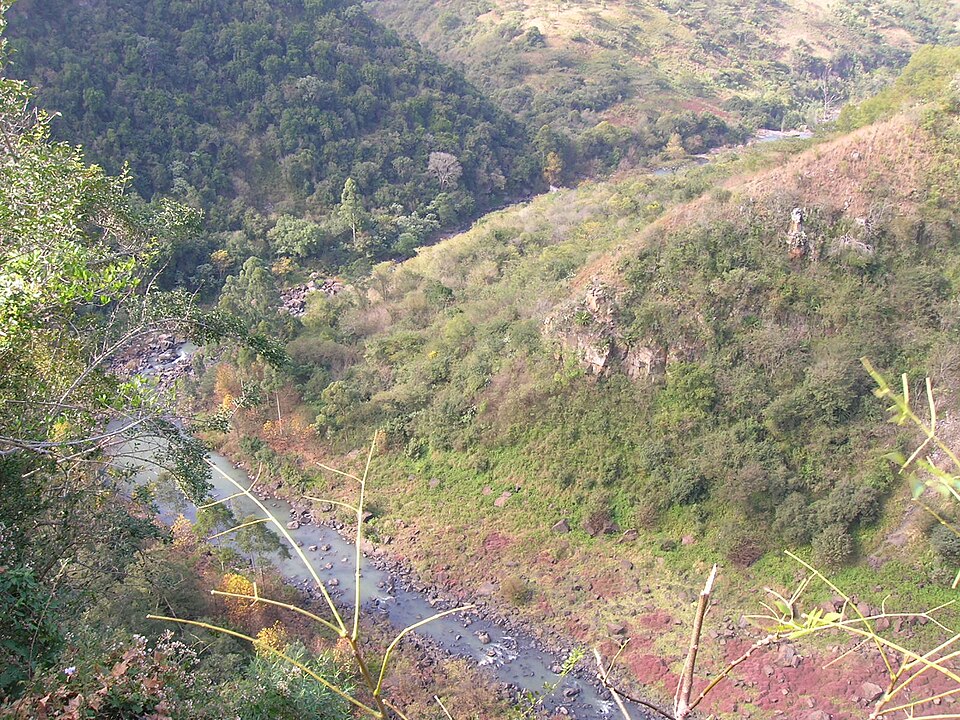
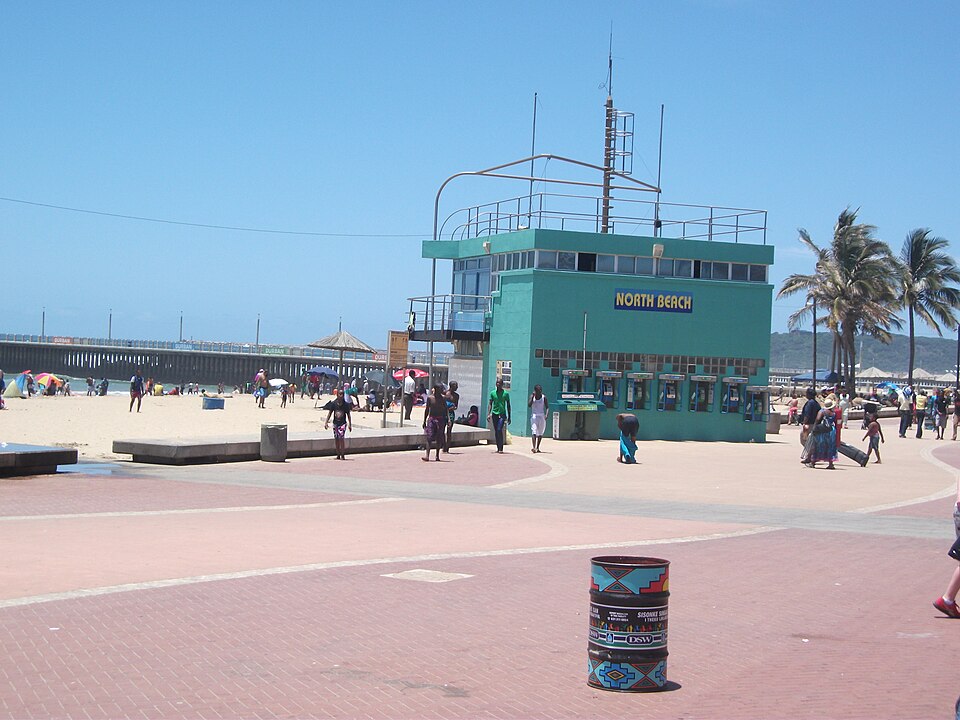
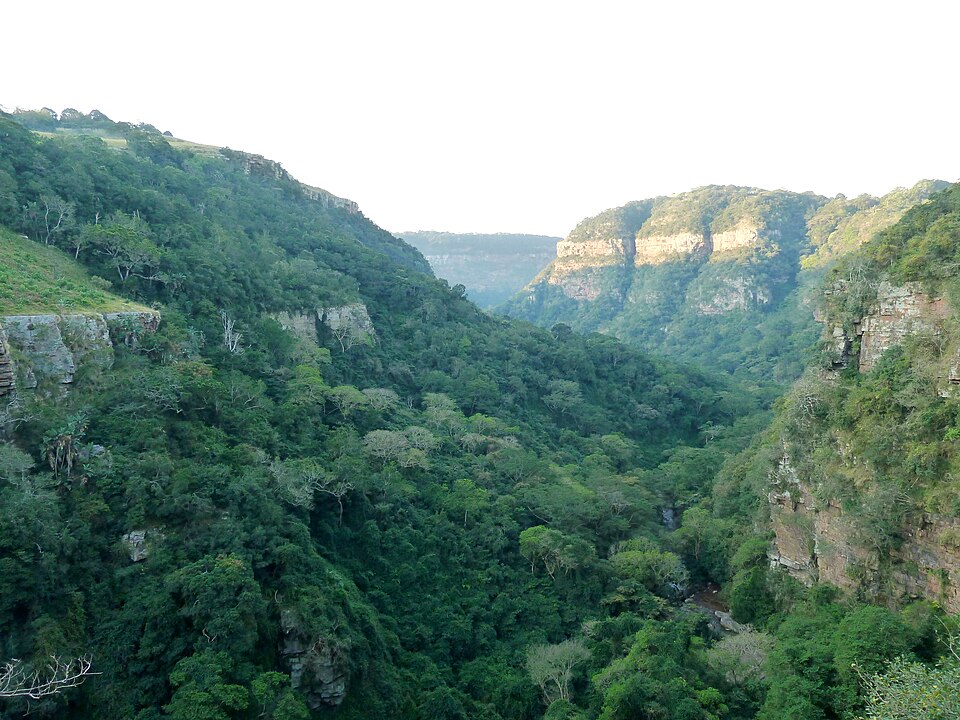
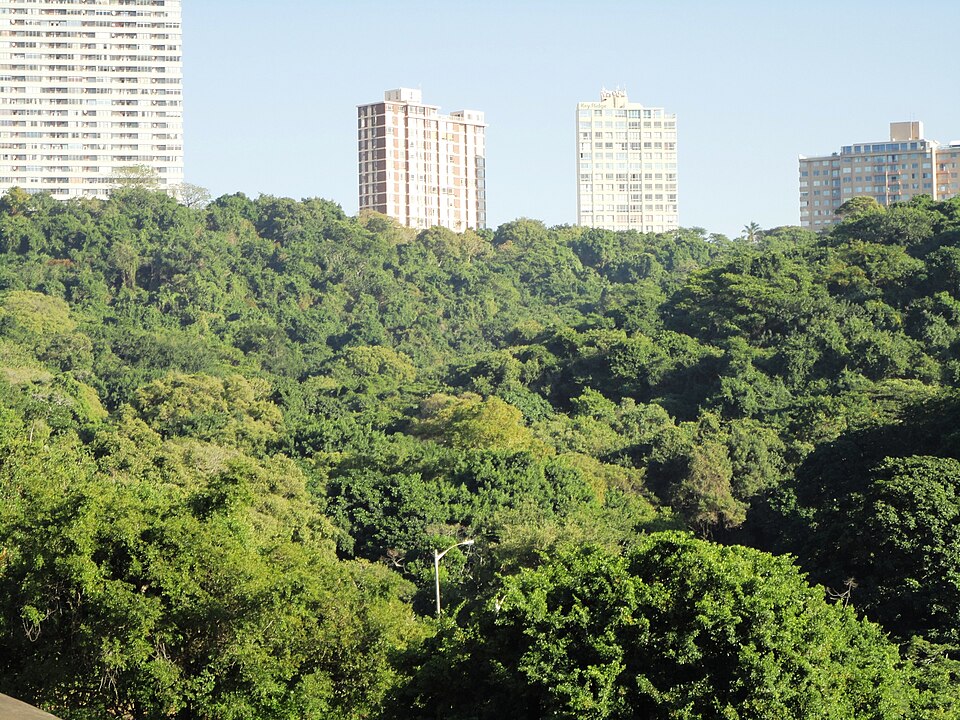
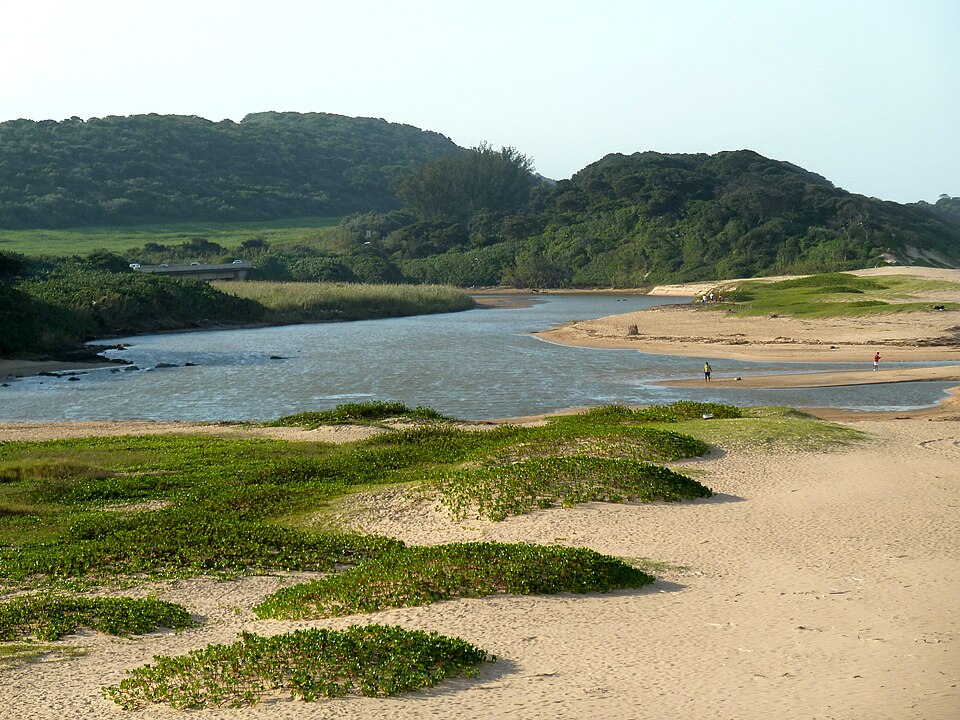
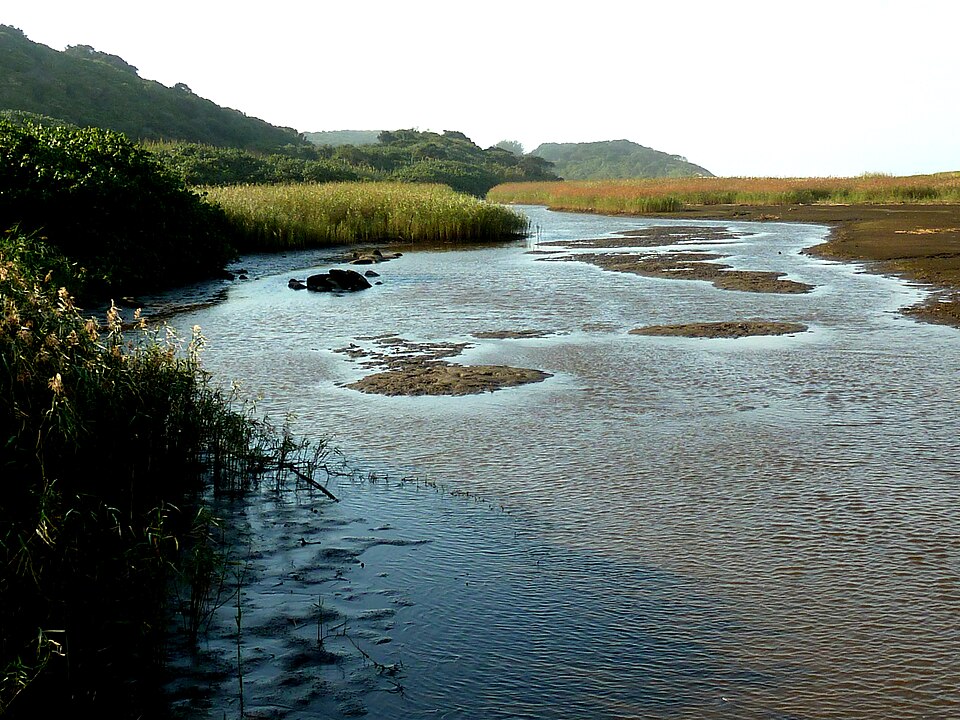
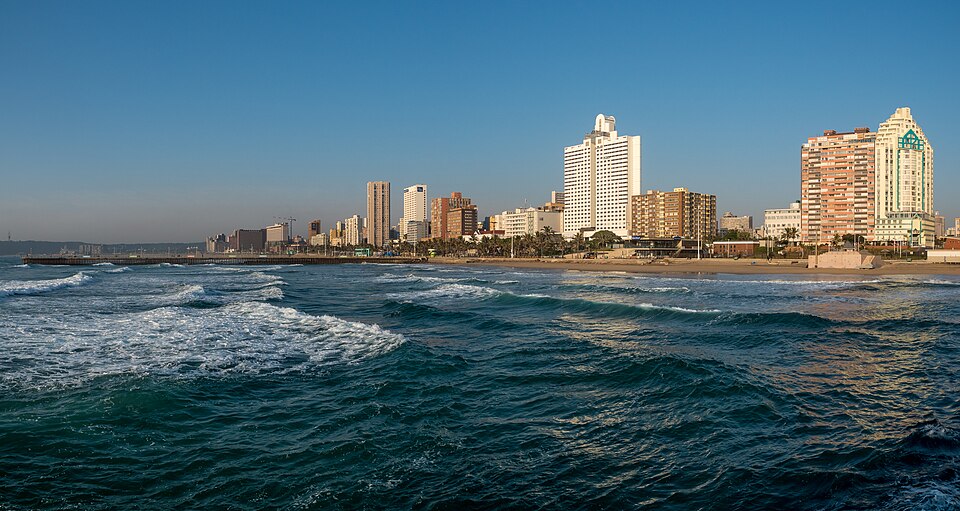
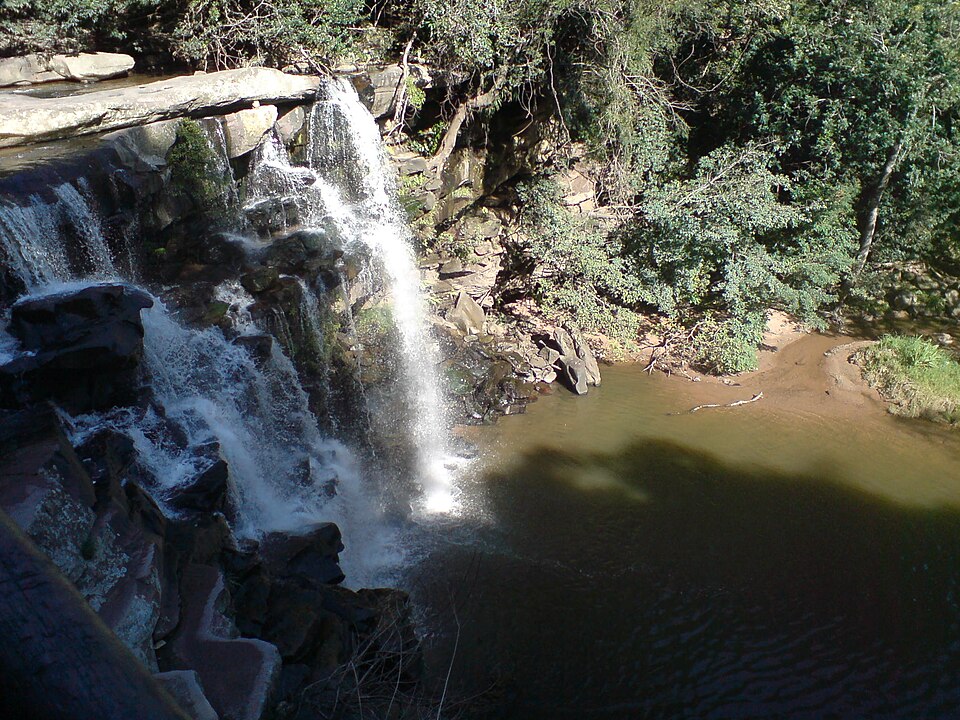
- Durban Botanic Gardens Park · 2 km
- Salisbury Island, Durban Naval base · 3 km
- Kenneth Stainbank Nature Reserve Nature reserve · 10 km
- Pigeon Valley Nature reserve · 4 km
- Hawaan Forest Forest · 18 km
- Amanzimtoti River River · 26 km
Marked walks
- uShaka Village Walk1.1 km · 2 km from the centre
Routes from OpenStreetMap via Waymarked Trails. Not checked by 4Planet: follow local signs and conditions.
Wildlife around Durban
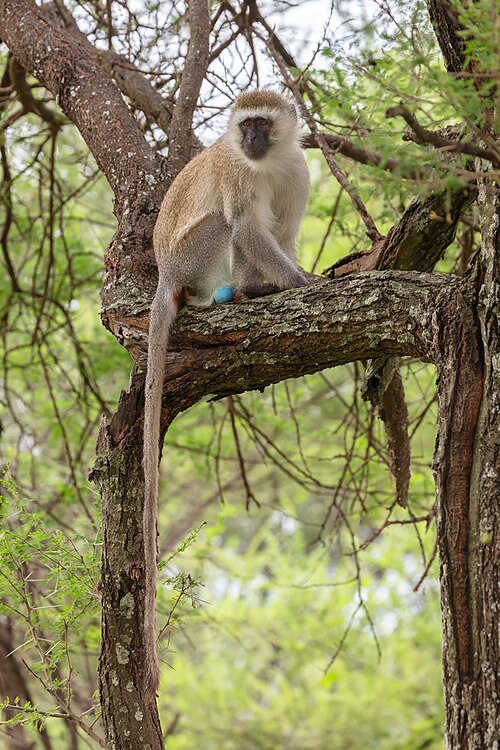
The wild animals people record most within 50 km, 2016–2025. Tick the ones you have seen to build your own list.



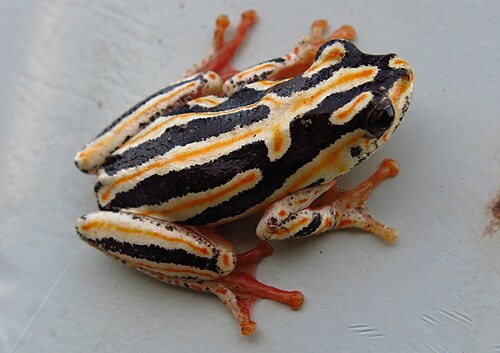
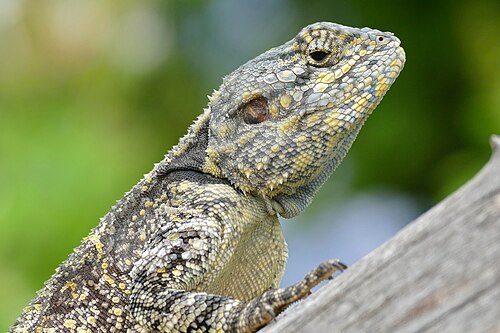
Seen in the last 30 days
What can you see near Durban now?
Month by month, from 712,560 records people shared within 50 km, 2016–2025.
At their peak in January
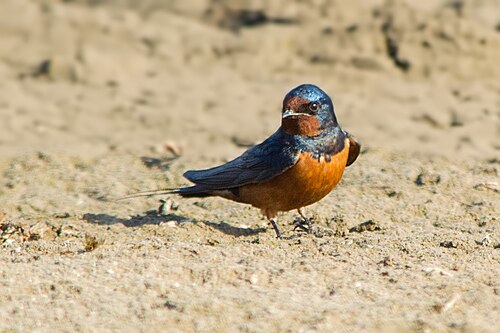
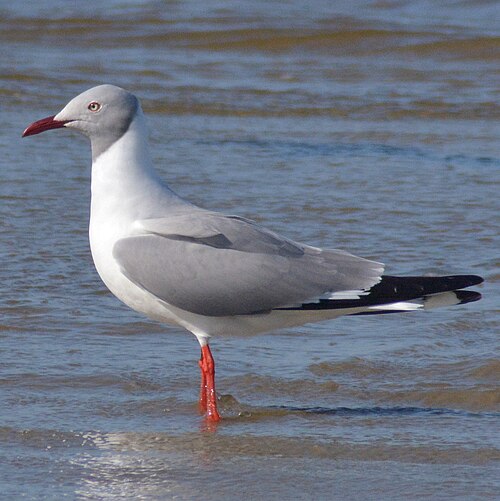


Most seen in January
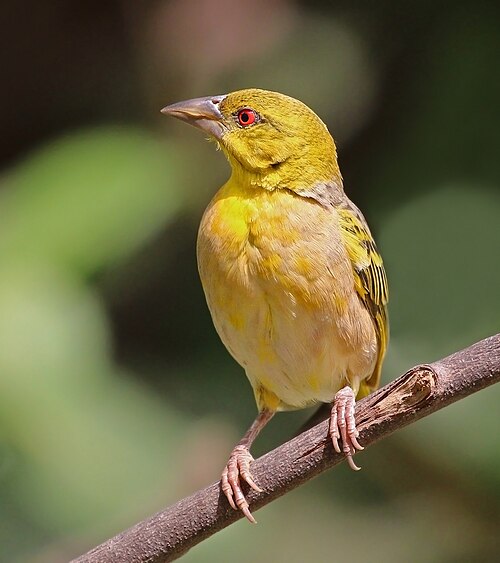
72,809 animal records in January.
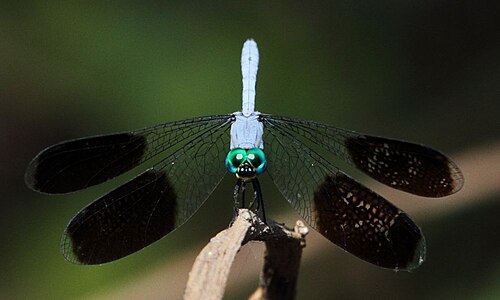
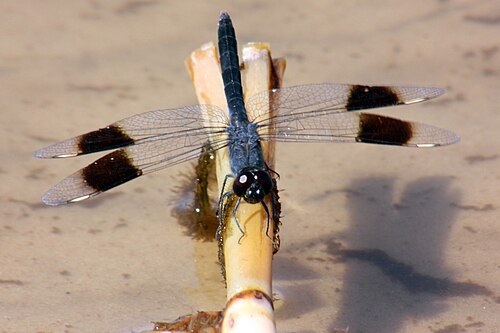

At their peak in March
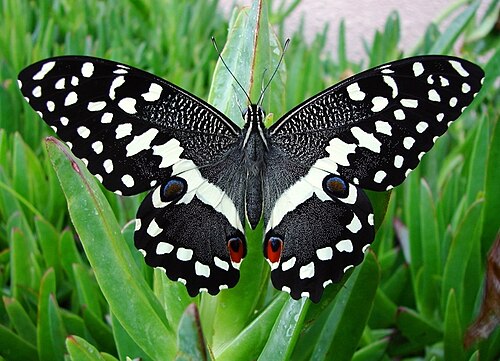
Most seen in March
Plants and fungi at their peak in March
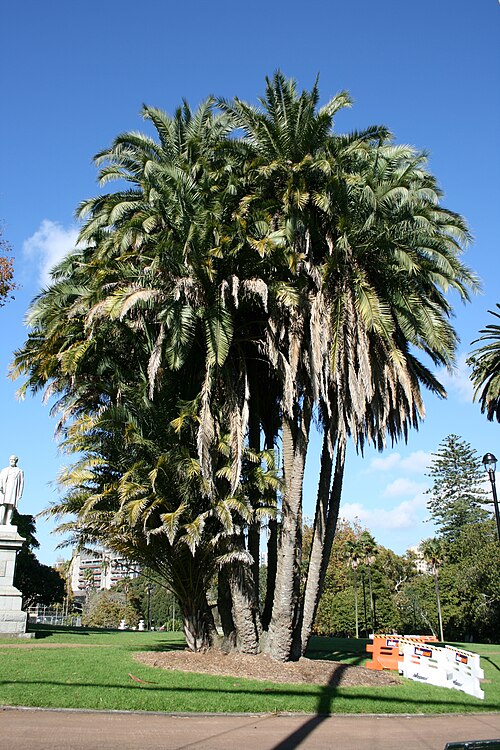

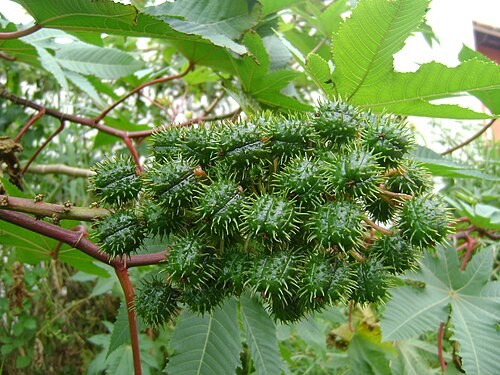
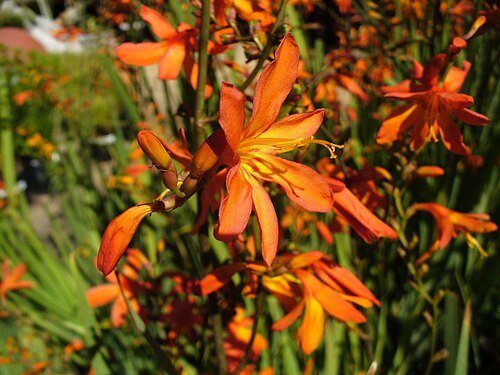
47,091 animal records in March.
At their peak in April

Most seen in April
Plants and fungi at their peak in April

59,658 animal records in April.
At their peak in May
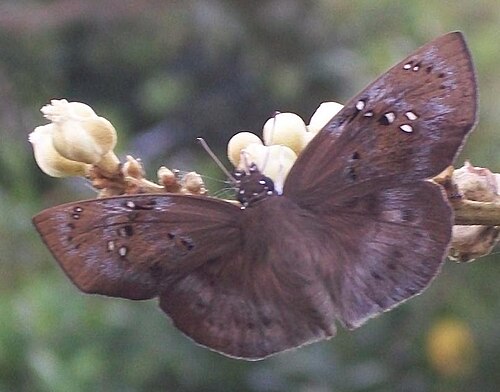
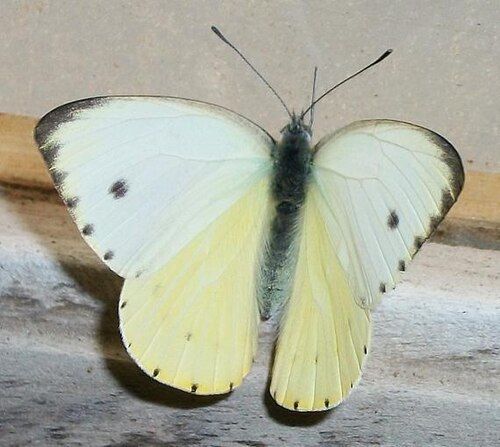

Most seen in May
Plants and fungi at their peak in May

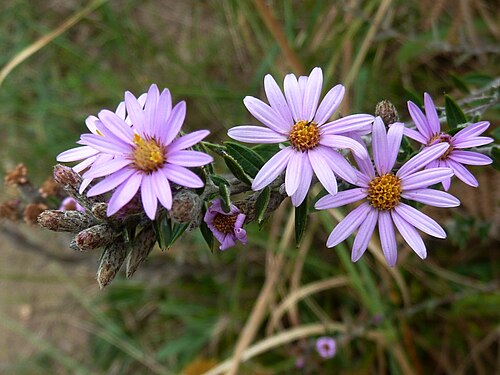
55,173 animal records in May.
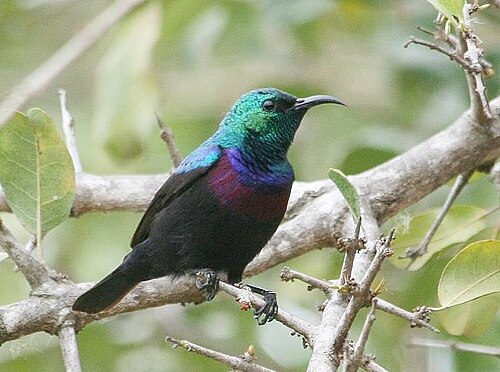
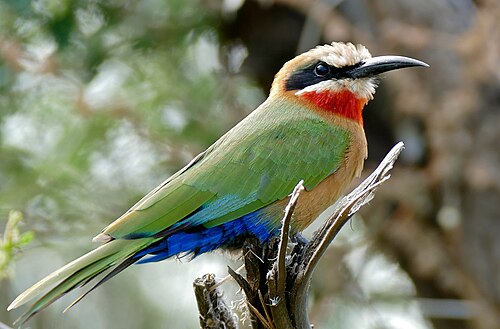
At their peak in July
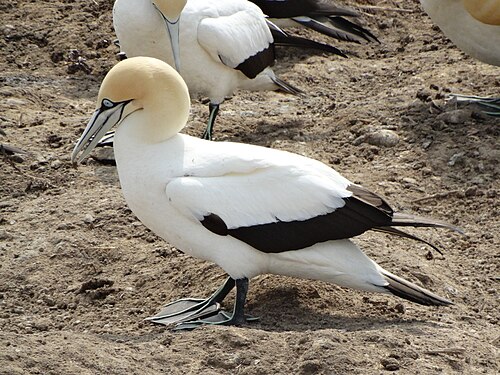
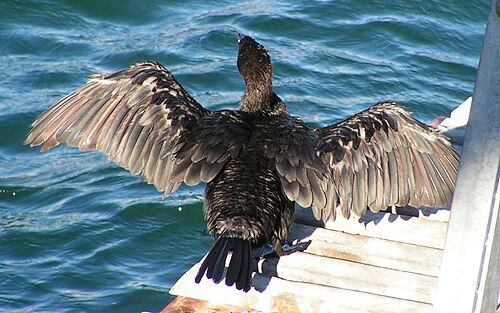
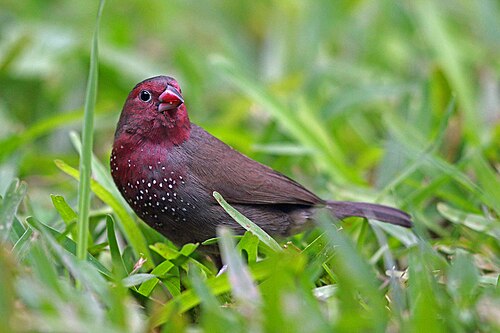
Most seen in July
Plants and fungi at their peak in July
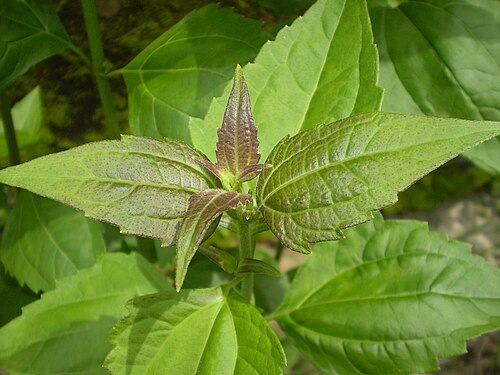

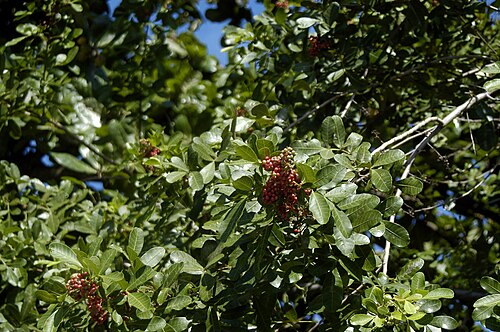
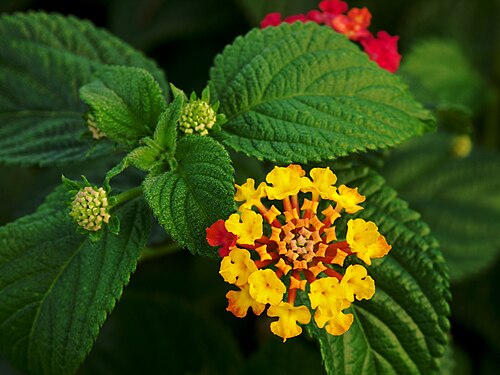
59,119 animal records in July.

At their peak in September

Most seen in September
Plants and fungi at their peak in September

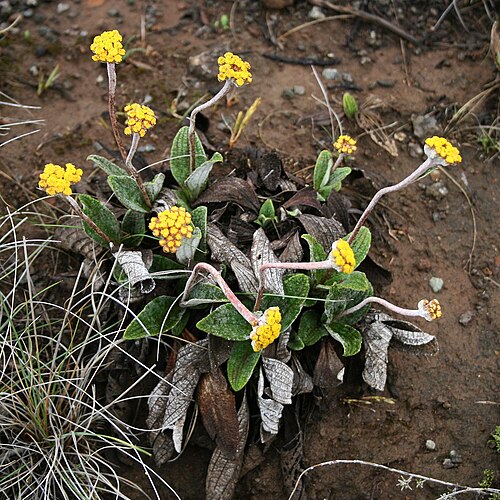
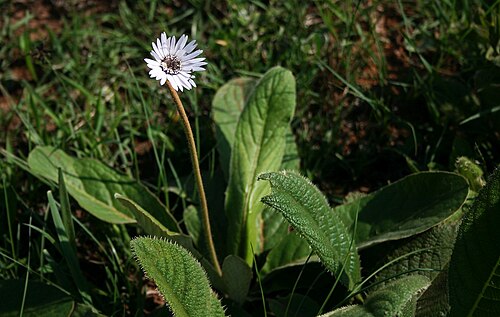
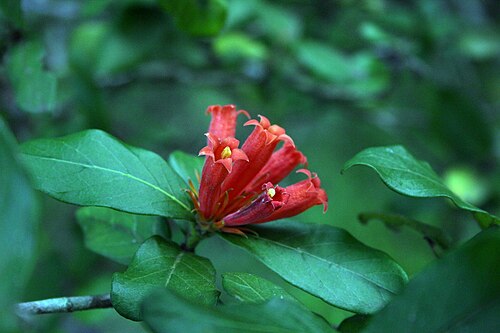
62,784 animal records in September.
At their peak in October


Most seen in October
Plants and fungi at their peak in October
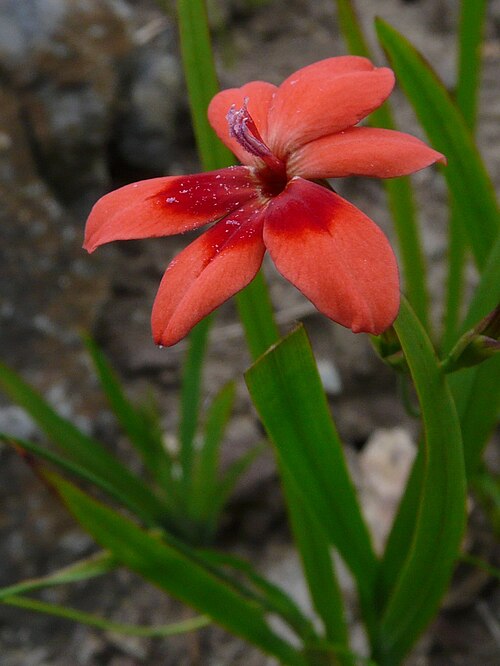
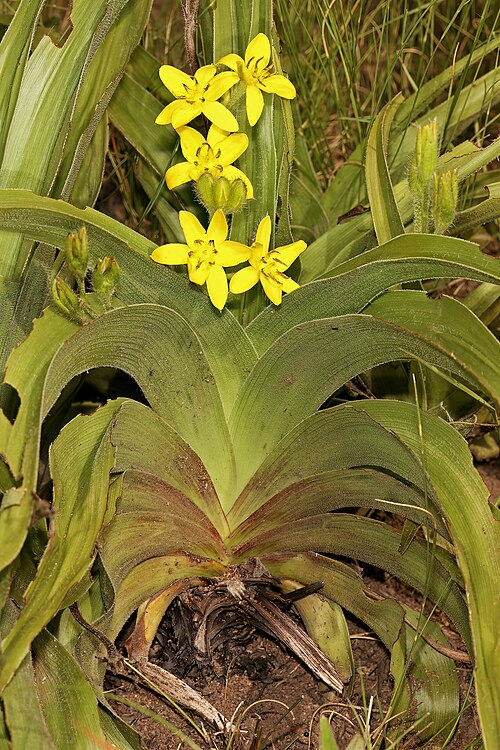
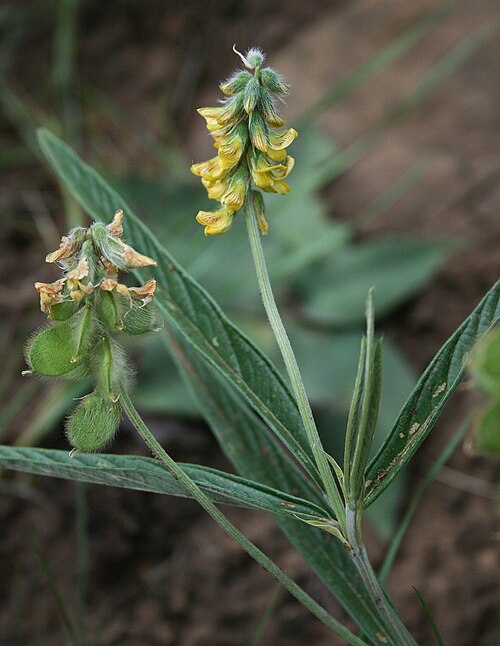
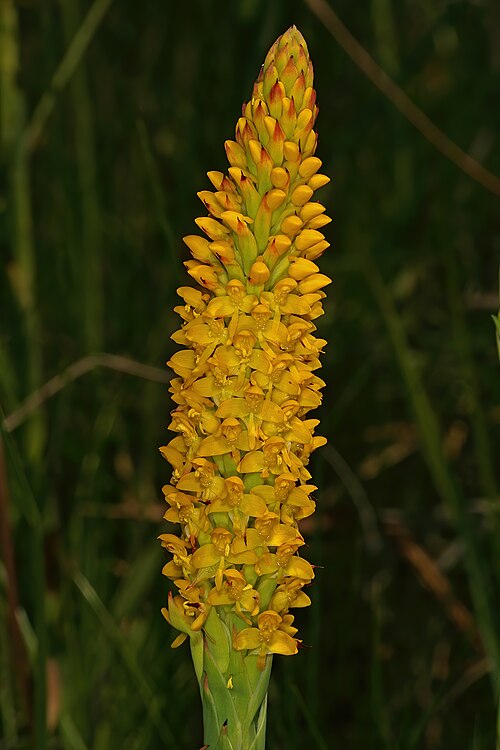
68,499 animal records in October.
At their peak in November


Most seen in November
Plants and fungi at their peak in November
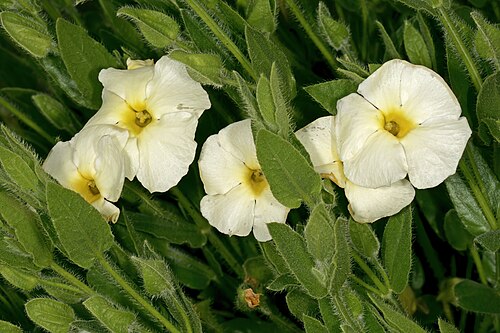
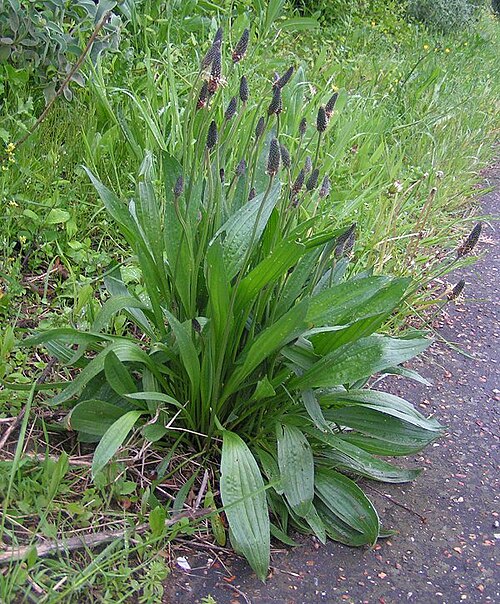
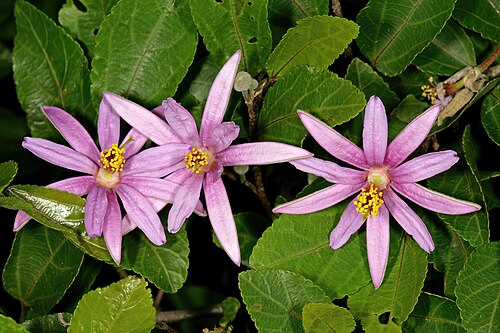
65,036 animal records in November.


Durban is getting warmer
+0.3 °CAverage temperature around Durban in 2016–2025, compared with 1981–1990.
Daylight: about 14 hours in December and 10 in June.
Seen something near Durban?
Share a photo of it on iNaturalist. Other naturalists help name it, and confirmed records go to GBIF, where scientists use them. That is where the lists on this page come from.
Explore next
What puts Durban under pressure, what helps, and who works on it.
Durban on the living planet
More places near Durban
Sources and photo credits
- Wikidata · Durban (Q5468), facts and nature places
- Wikipedia page views · how well known each nature place is
- OpenStreetMap contributors via Waymarked Trails · marked walking routes (ODbL)
- GBIF · human observations within 50 km, 2016–2025 (712,560 animal records)
- NASA POWER · yearly temperature from satellite and model data (MERRA-2)
- MET Norway · weather now (shown live)
- Durban, South Africa: ---=XEON=---, CC BY 3.0
- Umgeni River, Durban: User:kierano, CC BY-SA 3.0
- North Beach, Durban: Ainsleykg, Public domain
- Krantzkloof Nature Reserve, Durban: JMK, CC BY-SA 3.0
- Burman Bush, Durban: JMK, CC BY-SA 3.0
- Ohlanga River, Durban: JMK, CC BY-SA 3.0
- Umhlanga Lagoon, Durban: JMK, CC BY-SA 3.0
- South Beach, Durban, Durban: South African Tourism from South Africa, CC BY 2.0
- Umbilo River, Durban: Smurfatefrog, CC BY-SA 3.0
- Hadada ibis: Sumeet Moghe, CC BY-SA 3.0
- Red-winged starling: Bernard DUPONT from FRANCE, CC BY-SA 2.0
- Egyptian goose: Rhododendrites, CC BY-SA 4.0
- Red-eyed dove: Charles J. Sharp, CC BY-SA 4.0
- Julia skimmer: Alandmanson, CC BY-SA 3.0
- Brown pansy: Bernard DUPONT from FRANCE, CC BY-SA 2.0
- Dark blue pansy: Purves, M., CC BY-SA 3.0
- Red-veined dropwing: Jan Ebr, CC BY 4.0
- Vervet monkey: Diego Delso, CC BY-SA 4.0
- Natal forest tree frog: Dylan Leonard, CC BY-SA 4.0
- Marbled reed frog: Ryanvanhuyssteen, CC BY-SA 4.0
- Southern tree agama: Bernard DUPONT from FRANCE, CC BY-SA 2.0
- Village weaver: Charles J. Sharp, CC BY-SA 4.0
- Barn swallow: Morhaf Aljanee, CC BY-SA 3.0
- Grey-headed gull: vinicius_s_domingues, CC BY 4.0
- Common tern: Alexis Lours, CC BY 4.0
- Osprey: El Golli Mohamed, CC BY-SA 4.0
- Black-splashed elf: Alandmanson, CC BY-SA 4.0
- Banded groundling: Charles J. Sharp, CC BY-SA 3.0
- Eastern blacktail: Alandmanson, CC BY-SA 4.0
- Citrus swallowtail: Col André Kritzinger, CC BY-SA 3.0
- Senegal date palm: Kahuroa, Public domain
- Giant reed: H. Zell, CC BY-SA 3.0
- Castorbean: Onjacktallcuca, Public domain
- Falling stars: Andrew Massyn, Public domain
- Soldier pansy: Diego Delso, CC BY-SA 4.0
- Muster john henry: Arthur Chapman, CC BY 2.0
- Clouded flat: Purves, M., CC BY-SA 3.0
- Ant-heap small white: Purves, M., CC BY-SA 3.0
- Plain tiger: Zeynel Cebeci, CC BY-SA 4.0
- Blue bushviolet: SAplants, CC BY-SA 4.0
- Bush tea: JMK, CC BY-SA 3.0
- Purple-banded sunbird: Alan Manson, CC BY-SA 2.0
- White-fronted bee-eater: Bernard DUPONT from FRANCE, CC BY-SA 2.0
- Cape gannet: Avitopia www.avitopia.net, CC BY-SA 3.0
- Cape cormorant: D. Gordon E. Robertson, CC BY-SA 3.0
- Brown firefinch: Nigel Voaden from UK, CC BY-SA 2.0
- Siam weed: Ashasathees, Public domain
- Earleaf nightshade: Peter Greenwell, CC BY-SA 3.0
- Brazilian peppertree: CostaPPPR, CC BY 3.0
- Common lantana: Alvesgaspar, CC BY-SA 3.0
- Black cuckooshrike: Francesco Veronesi from Italy, CC BY-SA 2.0
- Little stint: Ken Billington, CC BY-SA 3.0
- Royal-paintbrush: Emőke Dénes, CC BY-SA 4.0
- Hottentot tea everlasting: Franz Xaver, CC BY-SA 4.0
- Butter gerbera: Franz Xaver, CC BY-SA 4.0
- Buffalo-horn: Rotational, Public domain
- Red-chested cuckoo: Giles Laurent, CC BY-SA 4.0
- African emerald cuckoo: Charles J. Sharp, CC BY-SA 4.0
- False freesia: Pethan, CC BY-SA 3.0
- African stargrass: SAplants, CC BY-SA 4.0
- Brown bonnets: Franz Xaver, CC BY-SA 4.0
- Golden cob disa: SAplants, CC BY-SA 4.0
- Diederik cuckoo: Flickr user Alastair Rae . Photo uploaded to commons by user ltshears, CC BY-SA 2.0
- Black cuckoo: Alan Manson, CC BY-SA 2.0
- Natal primrose: SAplants, CC BY-SA 4.0
- English plantain: sannse, CC BY-SA 3.0
- Crossberry: SAplants, CC BY-SA 4.0
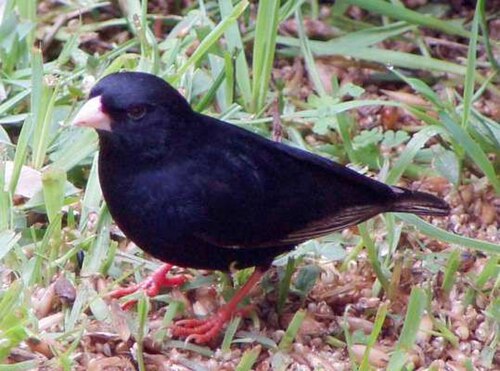
- Dusky indigobird: Alan Manson, CC BY-SA 2.0
- Cat's whiskers: Consultaplantas, CC BY-SA 4.0
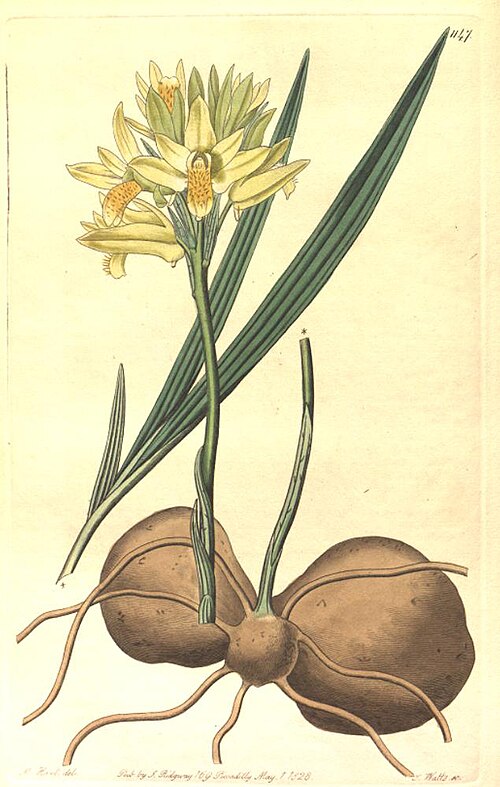
- Blushingbride satyre: Bolus, Harry, Public domain
- Sword harlequin: Sydenham Edwards (1768-1819), Public domain


Wildlife records show where people have seen and shared plants and animals, not everything that lives here; some places and months are recorded more than others. Sensitive species are never shown with a month or as seen recently. Routes come from OpenStreetMap and are not checked by 4Planet: follow local signs and conditions. Climate figures are NASA estimates for the area around Durban, not a single weather station.
Checked 2026-11-27.