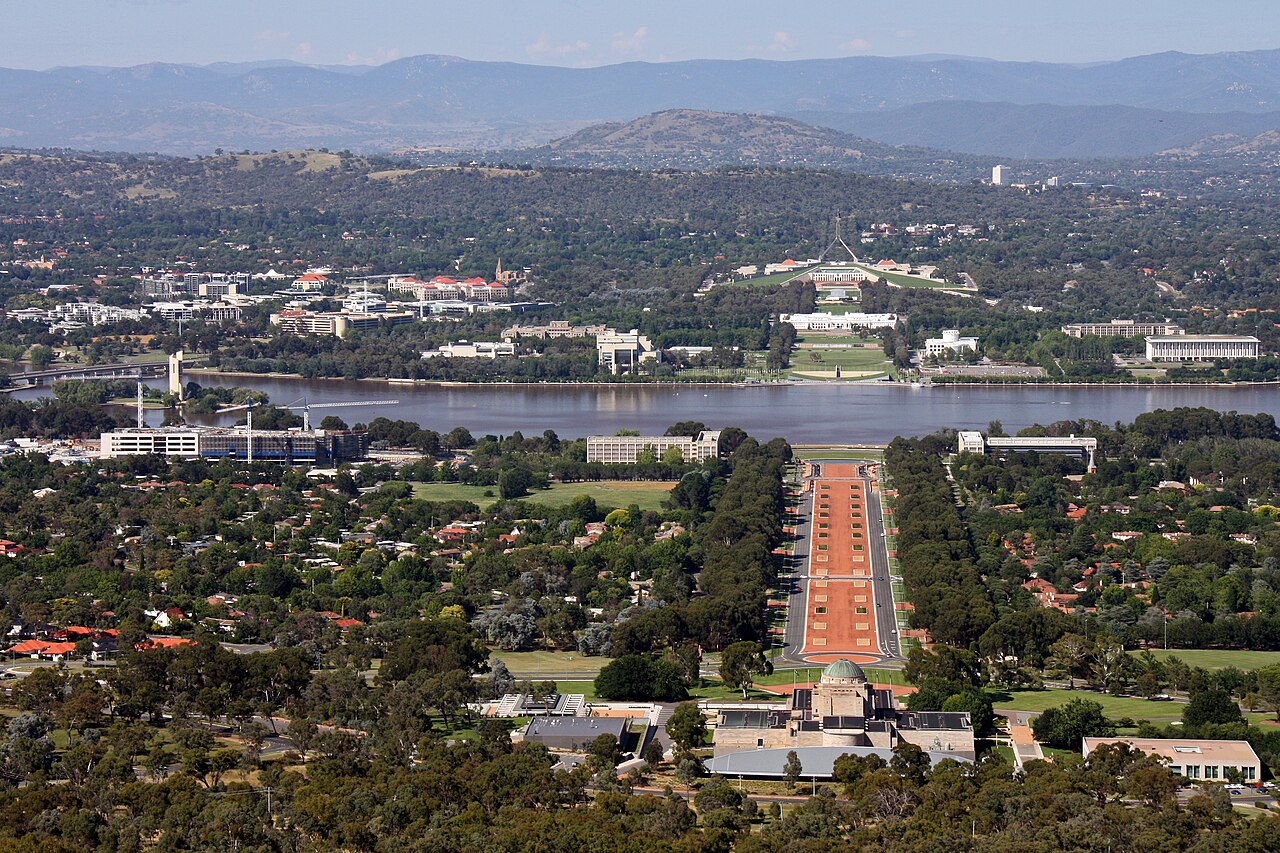
Canberra
Capital of Australia
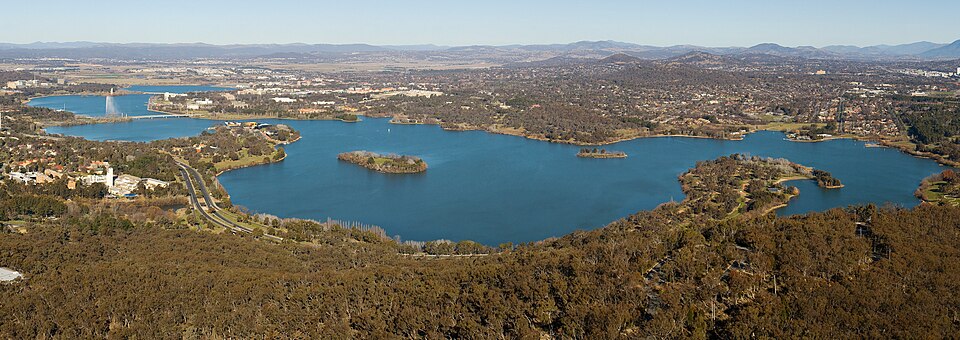
Within 30 km of the centre of Canberra, the nature places people read about most are Lake George, Lake Burley Griffin, Mount Ainslie and Black Mountain, and marked walks close to the city include RG Menzies Walk, alternate Centenary trail and Black Mountain Summit Walk.
People have shared 3,232,570 wildlife records within 50 km of Canberra in the last ten years. The wild animals recorded most often are the Australian magpie, the magpie-lark, the sulphur-crested cockatoo, the crimson rosella and the pied currawong. Since the 1980s the area has become about 1.1 °C warmer.
Of the 93 cities on Atlas, Canberra has the 6th most species named on its page and the 9th most marked walks. Among the animals people record most around Canberra, the magpie-lark and the crimson rosella appear on no other city page here.
- Country
- Australia
- Population
- 381,488
- Area
- 472 km²
- Elevation
- 578 m
- Currency
- Australian dollar
- Daylight
- 10 to 15 hours
Figures from Wikidata; population 2014.
Canberra on the map
- Lake George
- Lake Burley Griffin
- Mount Ainslie
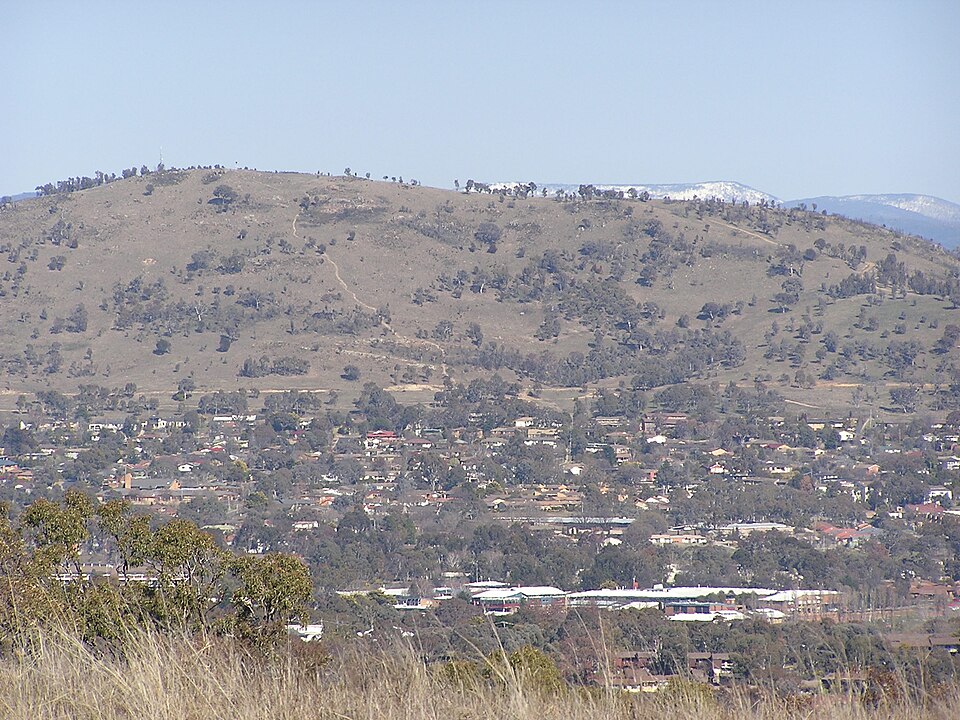
- Black Mountain
- Molonglo River
- Queen Elizabeth II Island
- Tidbinbilla Nature Reserve
- Australian National Botanic Gardens
- Mount Stromlo
Nature close to Canberra
The places people read most about, from the centre outwards.




- Mount Ainslie Hill · 4 km
- Molonglo River River · 15 km
- Tidbinbilla Nature Reserve Nature reserve · 27 km
- Australian National Botanic Gardens Park · 2 km
- Mount Stromlo Hill · 10 km
- Lake Ginninderra Reservoir · 9 km
- Queanbeyan River River · 11 km
Marked walks
- RG Menzies Walk2.6 km · 1 km from the centre · marked by National Capital Authority
- alternate Centenary trail14.4 km · 2 km from the centre
- Black Mountain Summit Walk2.2 km · 3 km from the centre
- Forest Loop Walk2.1 km · 3 km from the centre
- Memorial Parks Walk1.9 km round trip · 3 km from the centre · marked by Canberra Community Walks
- Little Black Mountain Walk3.4 km · 4 km from the centre
- Black Mountain Woodland Walk2.3 km · 4 km from the centre
- Cork Oaks Trail1.9 km · 4 km from the centre
Long-distance trails through the area: Bicentennial National Trail (3,315 km), Bicentennial National Trail - NSW section (1,185 km), Bicentennial National Trail - Alternate routes (214 km).
Routes from OpenStreetMap via Waymarked Trails. Not checked by 4Planet: follow local signs and conditions.
Wildlife around Canberra
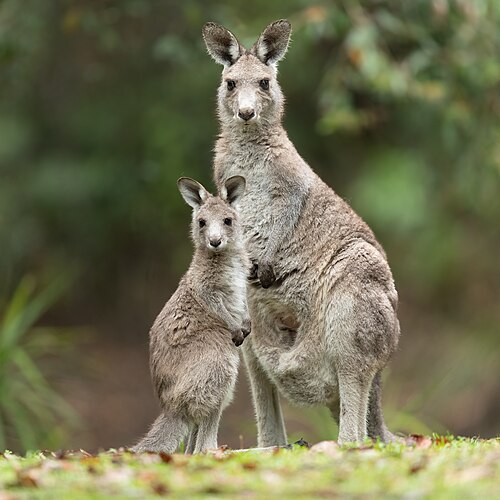
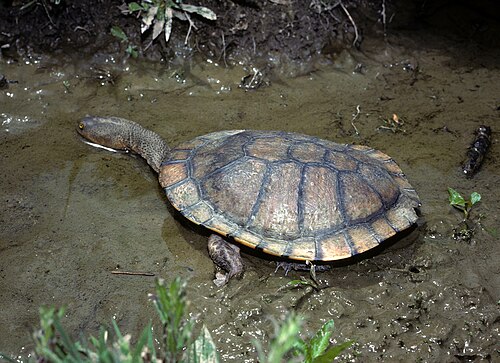
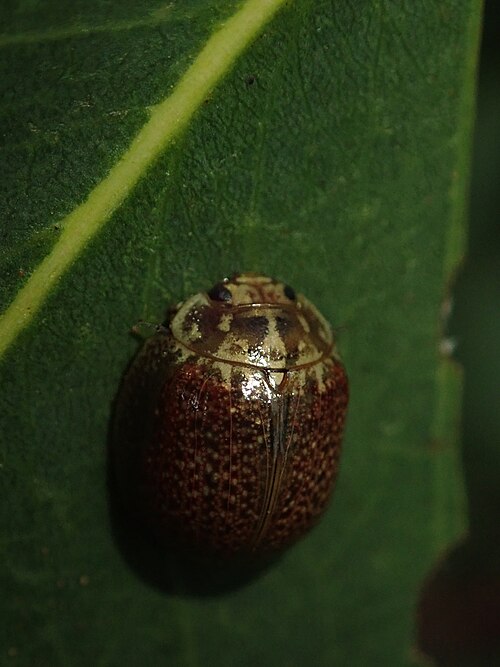
The wild animals people record most within 50 km, 2016–2025. Tick the ones you have seen to build your own list.





Seen in the last 30 days
What can you see near Canberra now?
Month by month, from 3,232,570 records people shared within 50 km, 2016–2025.
At their peak in January

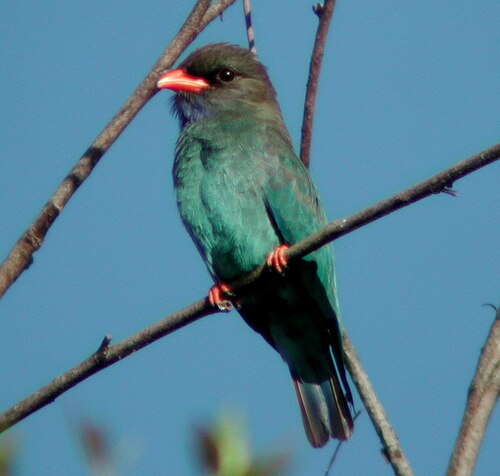
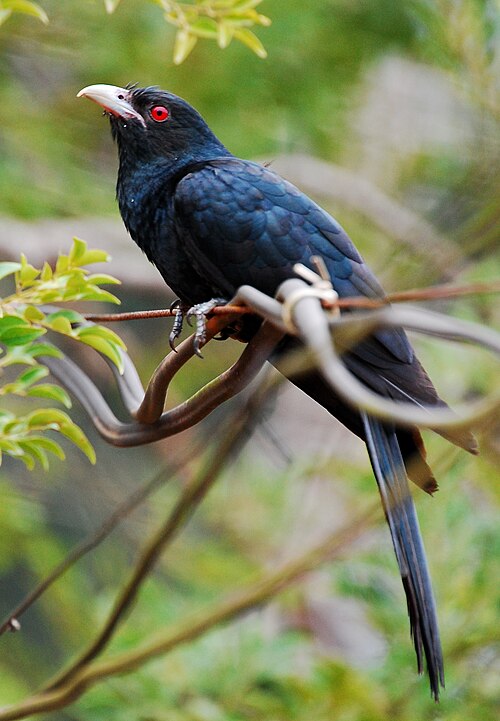

Most seen in January

Plants and fungi at their peak in January


364,914 animal records in January.
At their peak in February

Most seen in February
Plants and fungi at their peak in February


261,867 animal records in February.
At their peak in March
Most seen in March
Plants and fungi at their peak in March

257,883 animal records in March.
At their peak in April
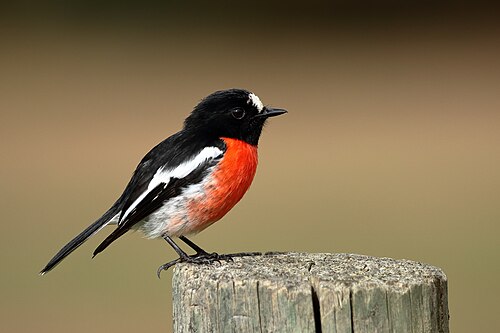

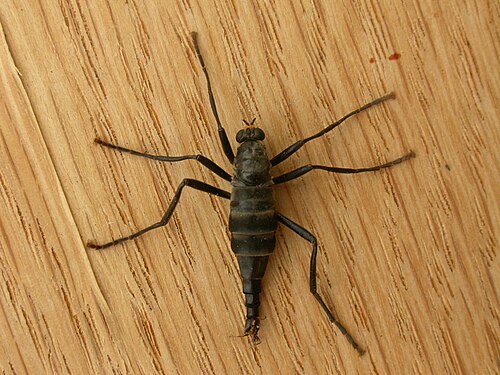

Most seen in April
Plants and fungi at their peak in April
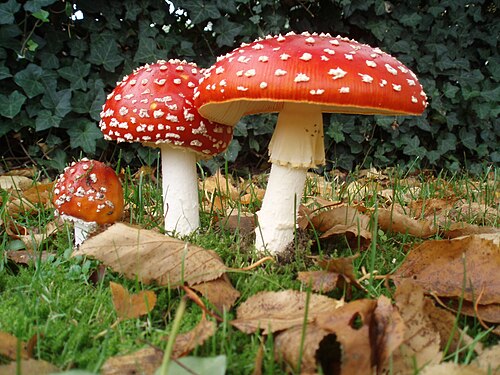
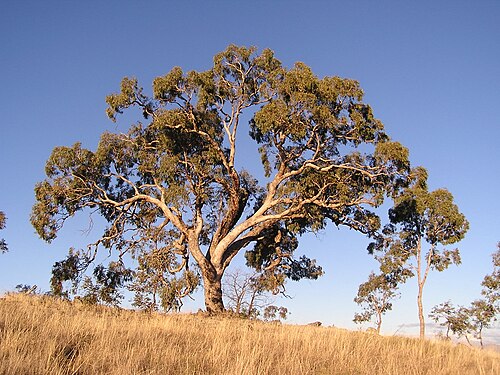
268,802 animal records in April.
At their peak in May
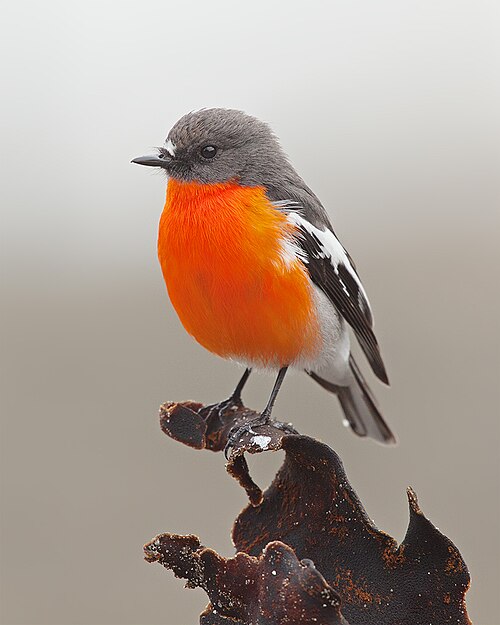

Most seen in May
Plants and fungi at their peak in May

217,410 animal records in May.
At their peak in June

Most seen in June
Plants and fungi at their peak in June

189,395 animal records in June.
At their peak in July


Most seen in July
188,165 animal records in July.
At their peak in August

Most seen in August
Plants and fungi at their peak in August


225,582 animal records in August.
At their peak in September


Most seen in September
Plants and fungi at their peak in September

291,405 animal records in September.
At their peak in October

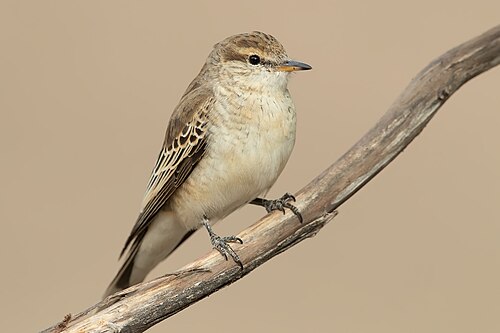
Most seen in October

Plants and fungi at their peak in October


371,766 animal records in October.
At their peak in November

Most seen in November
Plants and fungi at their peak in November

297,941 animal records in November.

Canberra is getting warmer
+1.1 °CAverage temperature around Canberra in 2016–2025, compared with 1981–1990.
Daylight: about 15 hours in December and 10 in June.
Seen something near Canberra?
Share a photo of it on iNaturalist. Other naturalists help name it, and confirmed records go to GBIF, where scientists use them. That is where the lists on this page come from.
Explore next
What puts Canberra under pressure, what helps, and who works on it.
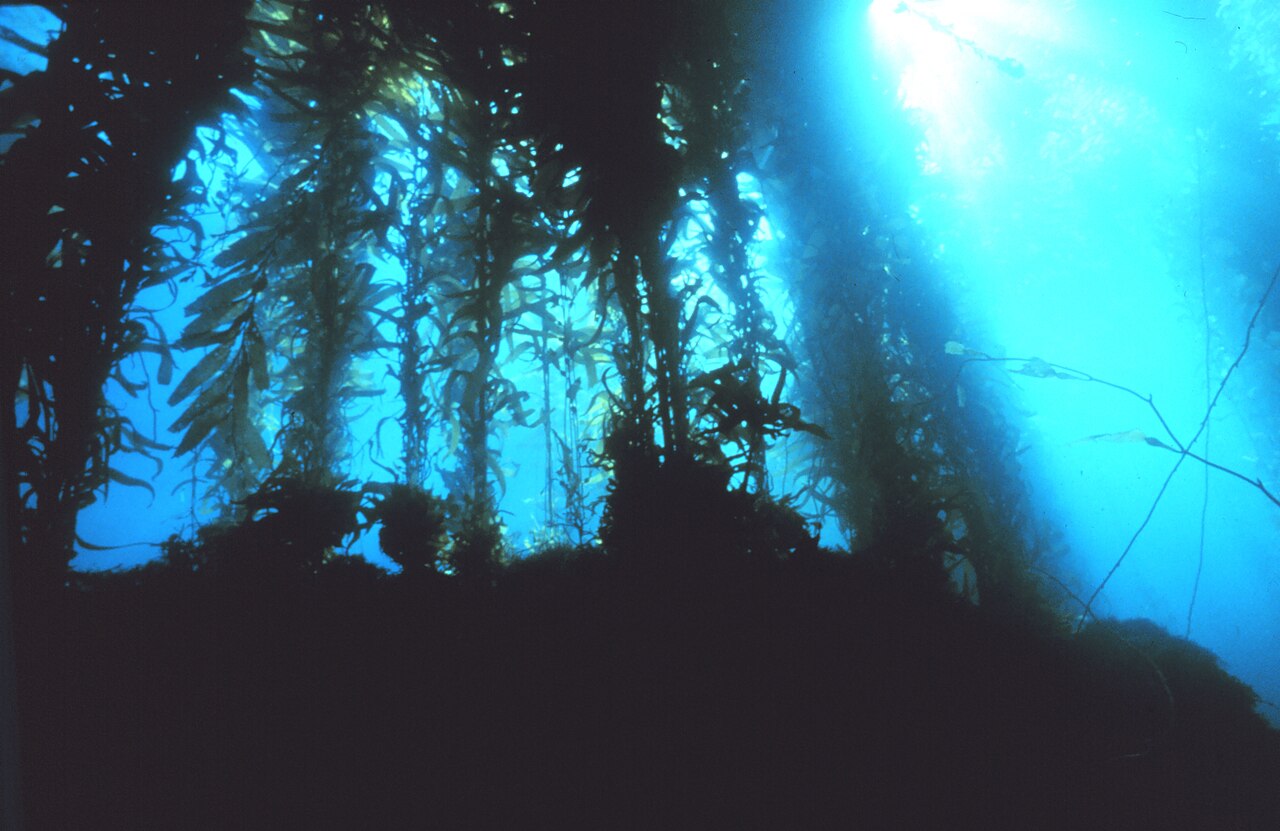
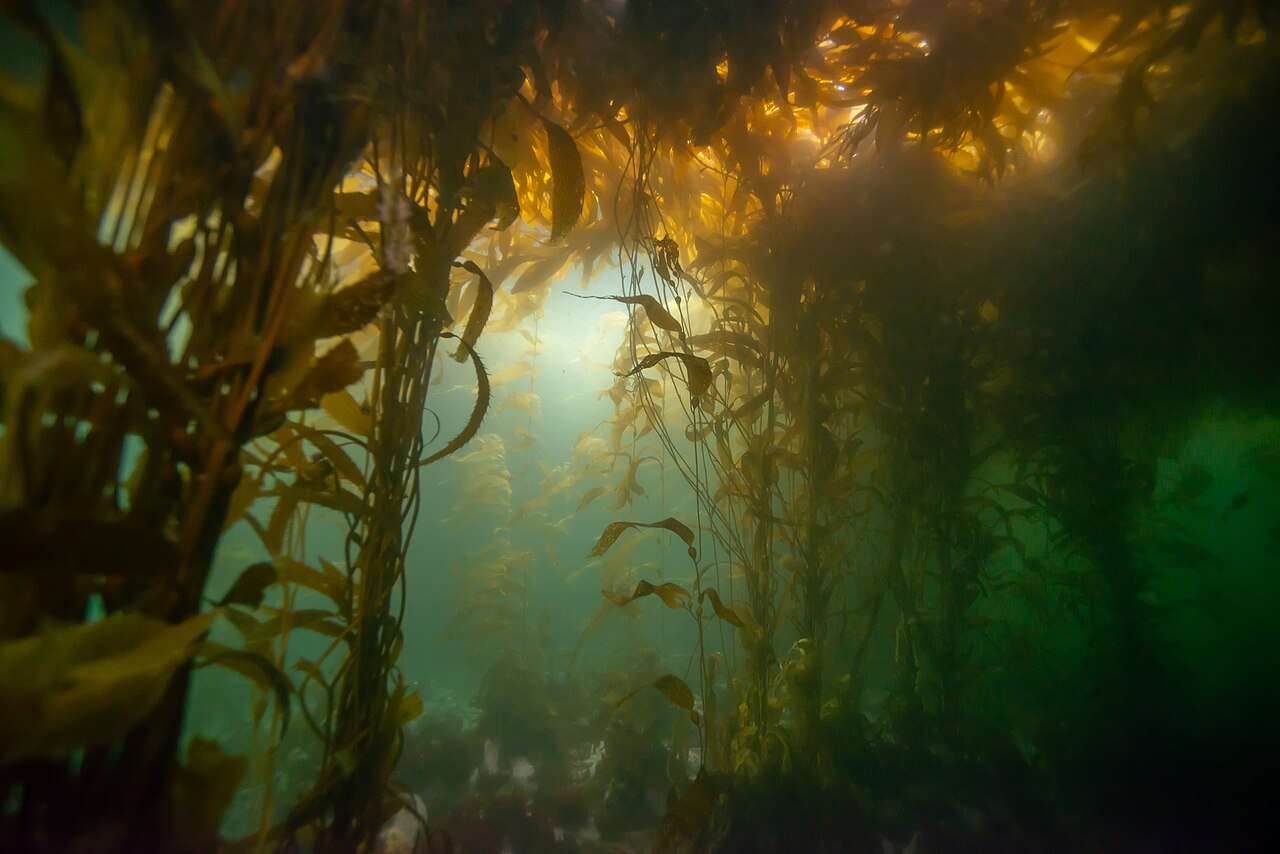
Canberra on the living planet
More places near Canberra
Sources and photo credits
- Wikidata · Canberra (Q3114), facts and nature places
- Wikipedia page views · how well known each nature place is
- OpenStreetMap contributors via Waymarked Trails · marked walking routes (ODbL)
- GBIF · human observations within 50 km, 2016–2025 (3,232,570 animal records)
- NASA POWER · yearly temperature from satellite and model data (MERRA-2)
- MET Norway · weather now (shown live)
- Canberra, Australia: Tim J Keegan from Lake Macquarie, Australia, CC BY-SA 2.0
- Lake George, Canberra: AYArktos, Public domain
- Lake Burley Griffin, Canberra: JJ Harrison (jjharrison89@facebook.com), CC BY-SA 3.0
- Black Mountain, Canberra: Bidgee, CC BY-SA 3.0
- Queen Elizabeth II Island, Canberra: Percita Dittmar from Canberra, Australia, CC BY-SA 2.0
- Cotter River, Canberra: Bidgee, CC BY-SA 3.0 au
- Mount Taylor, Canberra: AYArktos, Public domain
- Mount Majura, Canberra: Cfitzart at English Wikipedia, CC BY-SA 3.0
- Australian magpie: JJ Harrison (https://www.jjharrison.com.au/), CC BY-SA 3.0
- Magpie-lark: JJ Harrison (https://www.jjharrison.com.au/), CC BY-SA 3.0
- Sulphur-crested cockatoo: JJ Harrison (https://www.jjharrison.com.au/), CC BY-SA 3.0
- Crimson rosella: JJ Harrison (https://www.jjharrison.com.au/), CC BY-SA 3.0
- Pied currawong: D. Gordon E. Robertson, CC BY-SA 3.0
- Eastern grey kangaroo: JJ Harrison (https://www.jjharrison.com.au/), CC BY-SA 4.0
- Eastern snake-necked turtle: John Wombey, CSIRO, CC BY 3.0
- Common brushtail: Andrew Mercer (www.baldwhiteguy.co.nz), CC BY-SA 4.0
- Common brown: Donald Hobern from Copenhagen, Denmark, CC BY 2.0
- Large spotted ladybird: Thomas Jaeger, CC BY 4.0
- Eucalyptus variegated beetle: Zoe Quested, CC0
- Blue skimmer: Summerdrought, CC BY-SA 4.0
- Galah: JJ Harrison (https://www.jjharrison.com.au/), CC BY-SA 3.0
- Pacific koel: Aviceda, CC BY-SA 3.0
- Oriental dollarbird: Aviceda, CC BY-SA 3.0
- Asian koel: Challiyan, CC BY-SA 4.0
- Stubble quail: Herbert Goodchild, Public domain
- Blue devil: Macleay Grass Man, CC BY 2.0
- Sweet bursaria: Margaret Donald, CC BY-SA 2.0
- Ivy goodenia: Melburnian, CC BY 3.0
- Meadow argus: JJ Harrison (https://www.jjharrison.com.au/), CC BY-SA 3.0
- Aboriginal willowherb: Macleay Grass Man, CC BY 2.0
- Rosemary cassinia: T. Preston, CC BY 3.0 au
- Tall flatsedge: Eric in SF, CC BY-SA 3.0
- Purple loosestrife: Ivar Leidus, CC BY-SA 3.0
- River she-oak: Ethel Aardvark, CC BY 3.0
- Scarlet robin: Summerdrought, CC BY-SA 4.0
- Swift parrot: Charles J. Sharp, CC BY-SA 4.0
- Australian wingless soldier fly: Donald Hobern from Canberra, Australia, CC BY 2.0
- Agile antechinus: Michael Sale, CC BY 2.0
- Fly agaric: Onderwijsgek, CC BY-SA 3.0 nl
- Applebox: Matilda at English Wikipedia, Public domain
- Flame robin: Tim Collins, CC BY-SA 3.0
- Hooded robin: JJ Harrison (https://www.jjharrison.com.au/), CC BY-SA 4.0
- Broadleaf peppermint gum: Bidgee, CC BY 3.0
- Rakali: ZooPro, CC BY-SA 3.0
- Red stringybark: HelloMojo at en.wikipedia, Public domain
- Common wombat: JJ Harrison (jjharrison89@facebook.com), CC BY-SA 3.0
- Crescent honeyeater: JJ Harrison (https://www.jjharrison.com.au/), CC BY-SA 3.0
- Platypus: Charles J. Sharp, CC BY-SA 4.0
- African love-grass: Forest & Kim Starr, CC BY 3.0
- Common hovea: Donald Hobern from Canberra, Australia, CC BY 2.0
- Coral-pea: KENPEI, CC BY-SA 3.0
- Bailey's acacia: Daiju Azuma, CC BY-SA 2.5
- Pallid cuckoo: Christopher Watson (http://www.comebirdwatching.blogspot.com/), CC BY-SA 3.0
- Greater glider: Mark Gillow, CC BY 2.0
- Victoria three-toed earless skink: Max Tibby, CC0
- Early nancy: Melburnian, CC BY 3.0
- Red wattlebird: JJ Harrison (https://www.jjharrison.com.au/), CC BY-SA 3.0
- White-throated gerygone: Aviceda, CC BY-SA 3.0
- White-winged triller: JJ Harrison (https://www.jjharrison.com.au/), CC BY-SA 4.0
- Golden-lily: Velela, CC BY-SA 3.0
- Jersey toadflax: Johan N, CC BY-SA 3.0
- Leaden flycatcher: Jim Bendon, CC BY-SA 2.0
- Field clover: Kevin Thiele from Perth, Australia, CC BY 2.0
- Common fringed-lily: Donald Hobern from Canberra, Australia, CC BY 2.0


Wildlife records show where people have seen and shared plants and animals, not everything that lives here; some places and months are recorded more than others. Sensitive species are never shown with a month or as seen recently. Routes come from OpenStreetMap and are not checked by 4Planet: follow local signs and conditions. Climate figures are NASA estimates for the area around Canberra, not a single weather station.
Checked 2026-11-21.