
Busan
City in South Korea
Within 30 km of the centre of Busan, the nature places people read about most are Haeundae Beach, Nakdong River, Busan Naval Base and Gwangalli Beach, and marked walks close to the city include 장산누리길, 이기대해안산책로 and 송정해안산책로.
People have shared 83,520 wildlife records within 50 km of Busan in the last ten years. The wild animals recorded most often are the grey heron, the large-billed crow, the Eurasian tree sparrow, the brown-eared bulbul and the oriental magpie. Since the 1980s the area has become about 1.3 °C warmer.
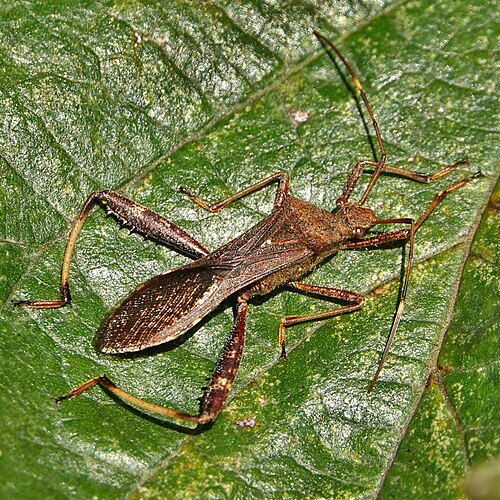
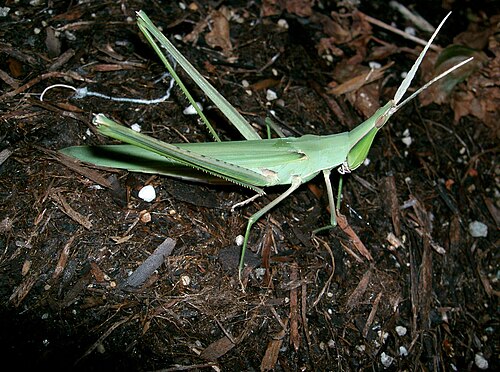
Among the animals people record most around Busan, the bean bug and the oriental longheaded locust appear on no other city page here.
- Country
- South Korea
- Population
- 3.5 million
- Area
- 770 km²
- Elevation
- 30 m
- Currency
- Won
- Daylight
- 10 to 15 hours
Figures from Wikidata; population 2018.
Busan on the map
- Haeundae Beach
- Nakdong River
- Busan Naval Base
- Gwangalli Beach
- Dongbaek Island
- Yongdusan Park
- Taejongdae
- Geumjeongsan
- Gadeokdo
Nature close to Busan
The places people read most about, from the centre outwards.
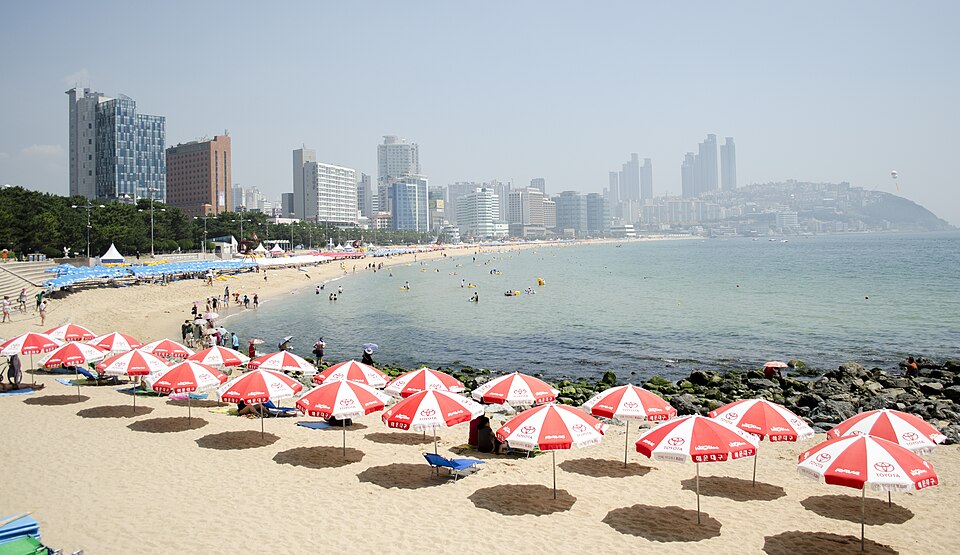

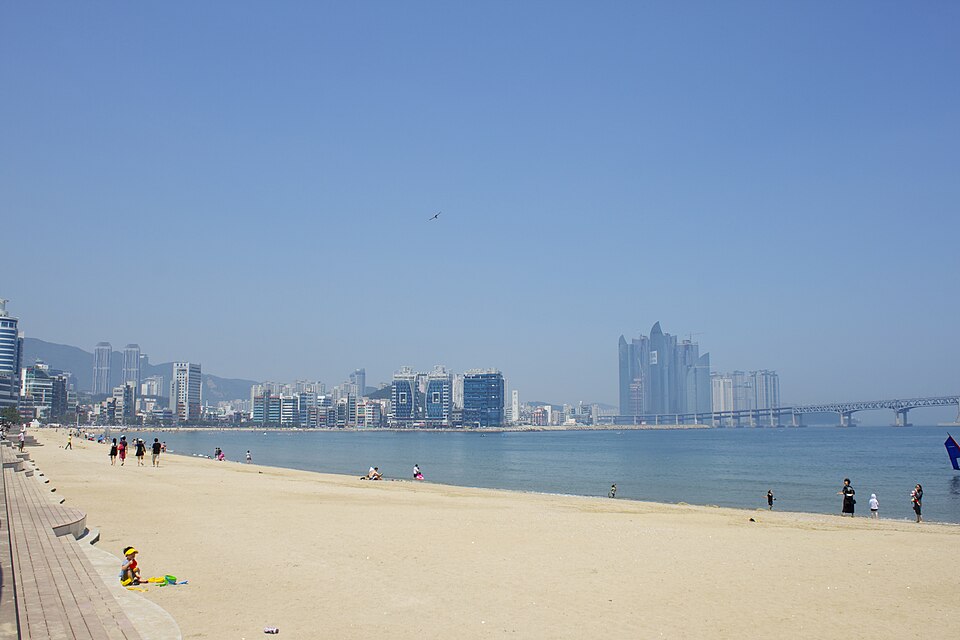
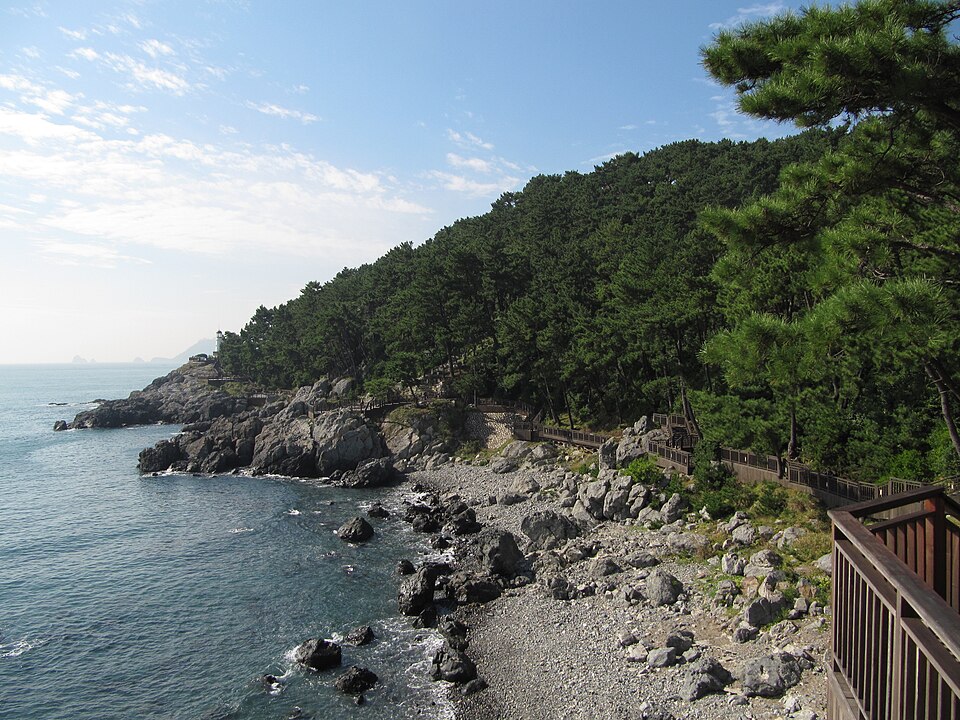
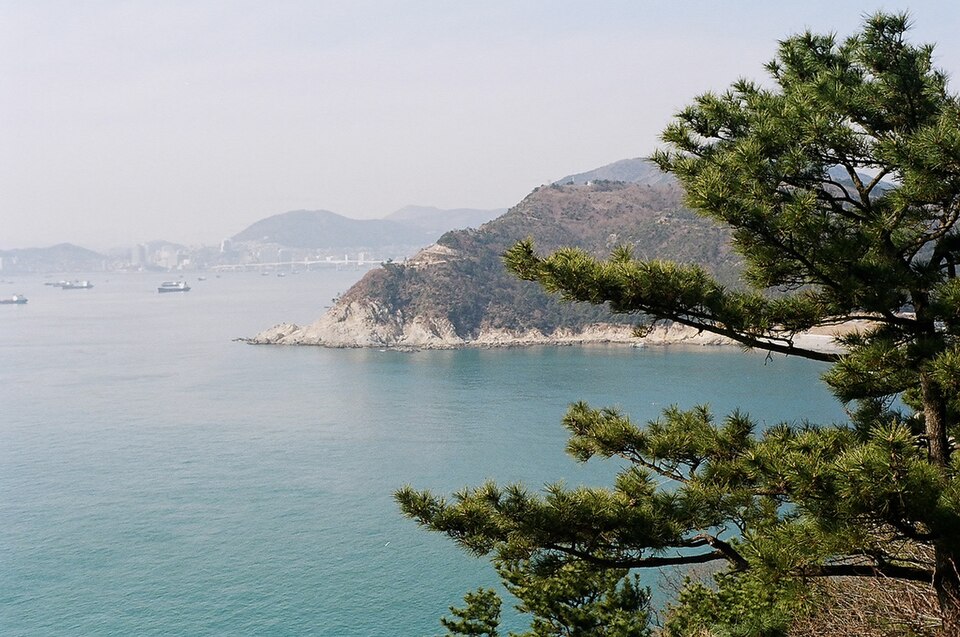
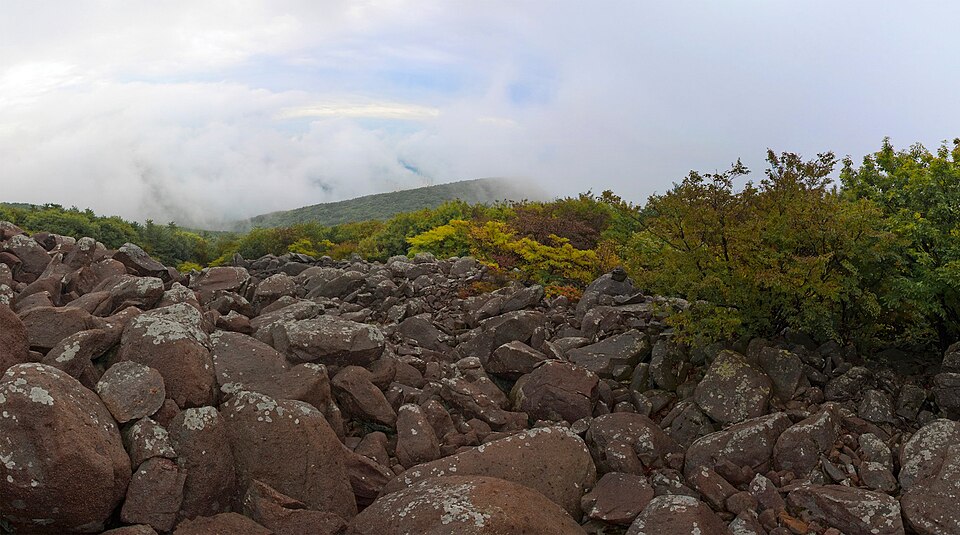
- Nakdong River River · 19 km
- Yongdusan Park Park · 10 km
- Geumjeongsan Hill · 12 km
- Gadeokdo Island · 28 km
- Busan Citizens Park Park · 2 km
- Busan Aquarium Public aquarium · 8 km
- Oryukdo Island · 11 km
- Oncheon-cheon River · 4 km
Marked walks
- 장산누리길7.8 km · 7 km from the centre
- 이기대해안산책로4.3 km · 8 km from the centre
- 송정해안산책로4.6 km · 10 km from the centre
- 송정옛길(산책로 구간)1.7 km · 10 km from the centre
- 일광산 테마임도6.6 km · 15 km from the centre
Long-distance trails through the area: 낙동정맥 (435 km), 낙남정맥 (251 km).
Routes from OpenStreetMap via Waymarked Trails. Not checked by 4Planet: follow local signs and conditions.
Wildlife around Busan
The wild animals people record most within 50 km, 2016–2025. Tick the ones you have seen to build your own list.


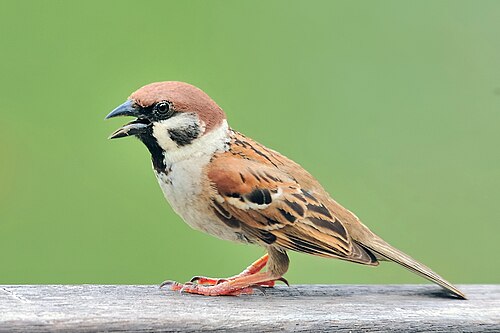


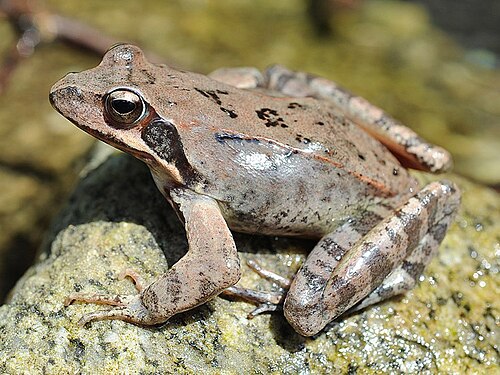
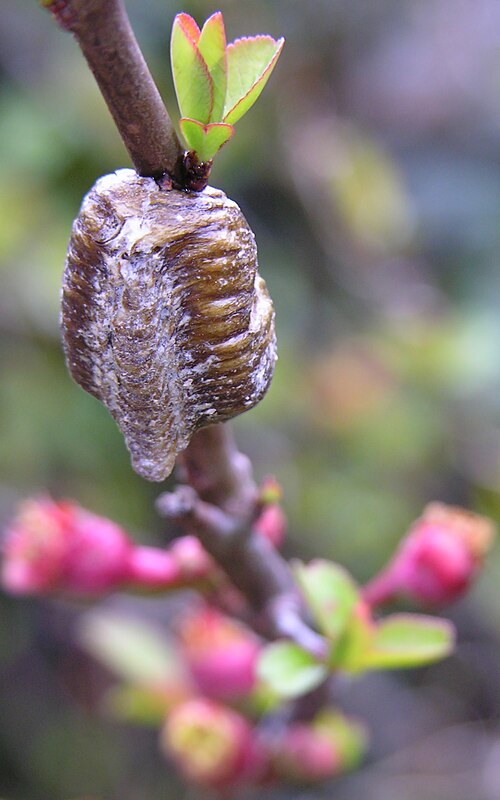

Seen in the last 30 days
What can you see near Busan now?
Month by month, from 83,520 records people shared within 50 km, 2016–2025.



At their peak in February

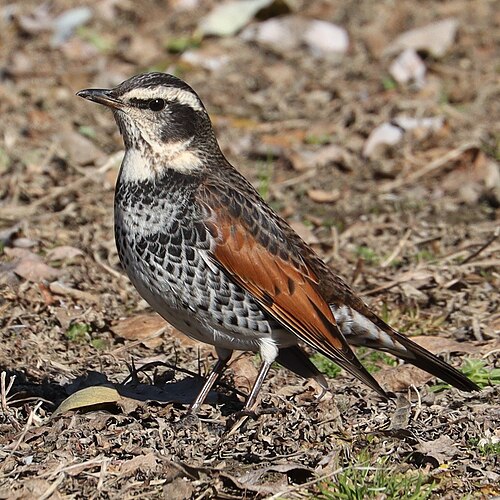

Most seen in February
6,062 animal records in February.
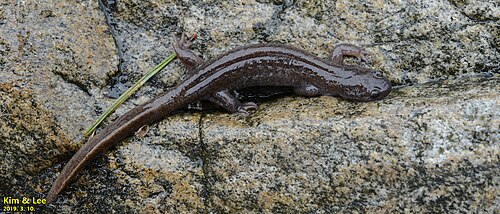

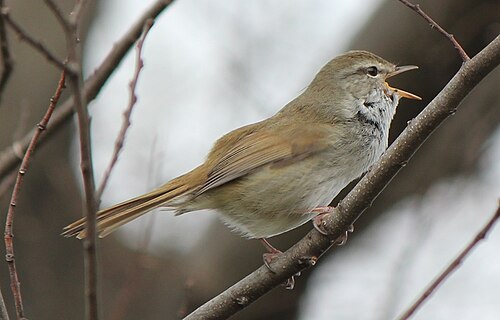
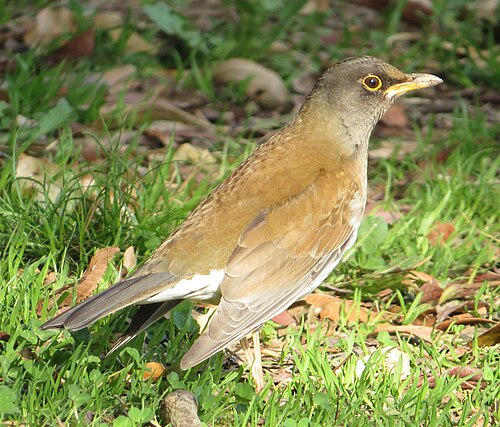
At their peak in May

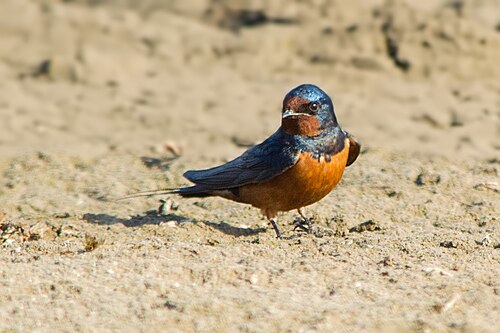
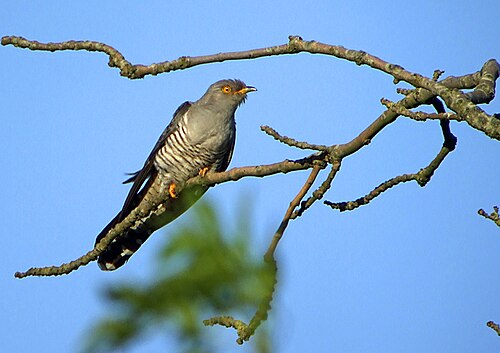

Most seen in May
8,043 animal records in May.
At their peak in June
Most seen in June
5,477 animal records in June.
At their peak in July
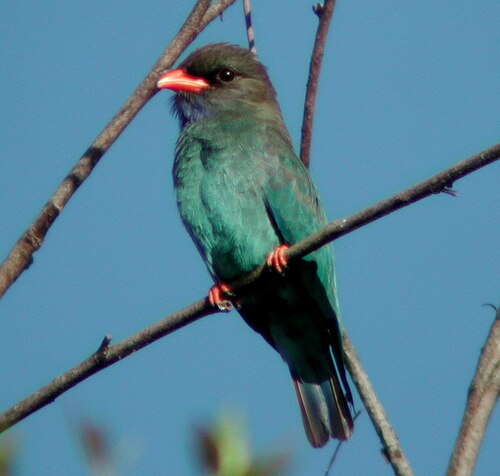
Most seen in July
4,149 animal records in July.
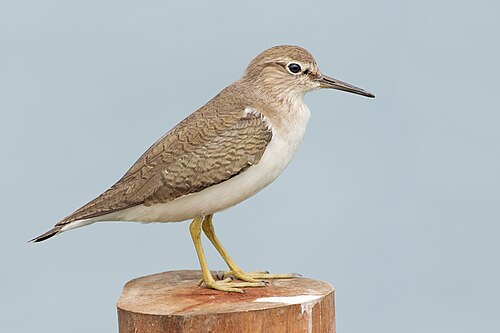


At their peak in September


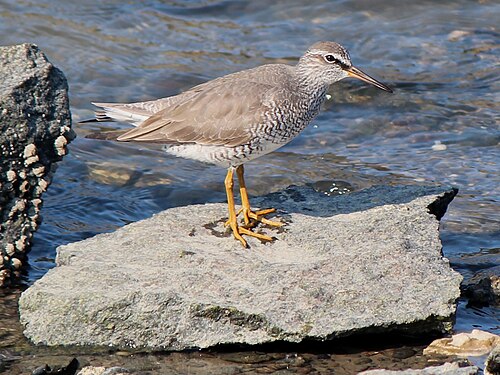
Most seen in September
5,564 animal records in September.
At their peak in October

Most seen in October

6,966 animal records in October.
At their peak in November


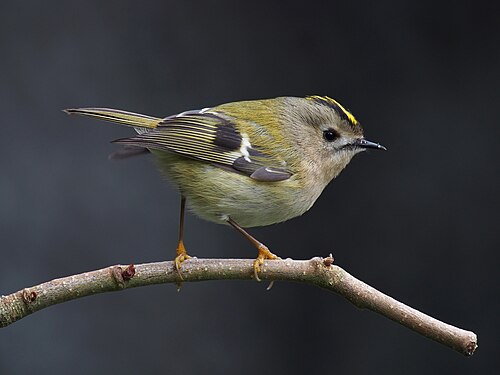

Most seen in November
9,108 animal records in November.
At their peak in December
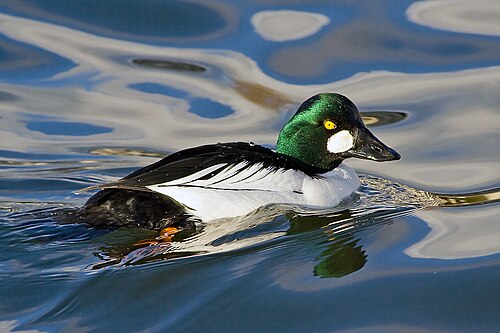


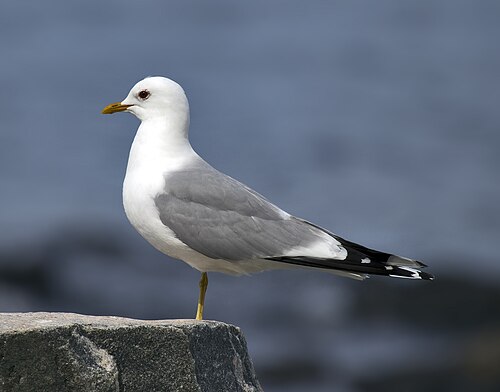
Most seen in December
7,938 animal records in December.
Busan is getting warmer
+1.3 °CAverage temperature around Busan in 2016–2025, compared with 1981–1990.
Daylight: about 10 hours in December and 15 in June.
Seen something near Busan?
Share a photo of it on iNaturalist. Other naturalists help name it, and confirmed records go to GBIF, where scientists use them. That is where the lists on this page come from.
Busan on the living planet
More places near Busan
Sources and photo credits
- Wikidata · Busan (Q16520), facts and nature places
- Wikipedia page views · how well known each nature place is
- OpenStreetMap contributors via Waymarked Trails · marked walking routes (ODbL)
- GBIF · human observations within 50 km, 2016–2025 (83,520 animal records)
- NASA POWER · yearly temperature from satellite and model data (MERRA-2)
- MET Norway · weather now (shown live)
- Busan, South Korea: by lwy, CC BY 2.0
- Haeundae Beach, Busan: StephNurnberg, CC BY 2.0
- Busan Naval Base, Busan: 대한민국 국군 Republic of Korea Armed Forces, CC BY-SA 2.0
- Gwangalli Beach, Busan: Chelsea Hicks, CC BY 2.0
- Dongbaek Island, Busan: Michiel1972, CC BY-SA 3.0
- Taejongdae, Busan: *intacto, CC BY 2.0
- Jangsan, Busan: Bandoche, Public domain
- Grey heron: Bengt Nyman from Vaxholm, Sweden, CC BY 2.0
- Large-billed crow: Tisha Mukherjee, CC BY-SA 4.0
- Eurasian tree sparrow: Yiwenyiwen, CC BY-SA 4.0
- Brown-eared bulbul: Alpsdake, CC BY-SA 3.0
- Oriental magpie: Daniel Case, CC BY-SA 3.0
- Joro spider: Christina Butler from Georgia, United States, CC BY 2.0
- Prevernal brown frog: Kim, Hyun-tae, CC BY 4.0
- Indochina mantis: Yasunori Koide, CC BY-SA 3.0
- Bean bug: Phonon.b, CC BY-SA 4.0
- White-tailed skimmer: Philipp Weigell, CC BY 3.0
- Oriental longheaded locust: KENPEI, CC BY-SA 3.0
- Cinereous vulture: Juan Lacruz, CC BY-SA 3.0
- Mallard: Rolf Dietrich Brecher from Germany, CC BY 2.0
- Common coot: Zeynel Cebeci, CC BY-SA 4.0
- Whooper swan: Pascal Aleixandre, CC BY-SA 3.0
- Eastern buzzard: NOZO, CC BY 3.0
- Taiga bean goose: Hobbyfotowiki, CC0
- Tundra bean goose: 邱文強, CC BY-SA 4.0
- Northern shoveler: Andreas Trepte, CC BY-SA 2.5
- Dusky thrush: Alpsdake, CC BY-SA 4.0
- Red-breasted merganser: Channel City Camera Club from Santa Barbara, US, CC BY 2.0
- Cryptic uiryeong salamander: Kim, Hyun-tae, CC BY 4.0
- Common pheasant: W. Bulach, CC BY-SA 4.0
- Japanese bush warbler: Alpsdake, CC BY-SA 3.0
- Pale thrush: Alpsdake, CC BY-SA 3.0
- Oriental reed warbler: J.M.Garg, CC BY-SA 3.0
- Barn swallow: Morhaf Aljanee, CC BY-SA 3.0
- Common cuckoo: GabrielBuissart, CC BY-SA 3.0
- Black-naped oriole: J.M.Garg, CC BY 3.0
- Oriental dollarbird: Aviceda, CC BY-SA 3.0
- Black-tailed gull: Angie from Sawara, Chiba-ken, Japan, CC BY 2.0
- Grey-tailed tattler: Alpsdake, CC BY-SA 3.0
- Common sandpiper: JJ Harrison (https://www.jjharrison.com.au/), CC BY 3.0
- Common tern: Alexis Lours, CC BY 4.0
- Arctic warbler: Arctic_Warbler_4683.jpg: Alnus derivative work: Osado, CC BY-SA 3.0
- Eurasian hobby: Imran Shah from Islamabad, Pakistan, CC BY-SA 2.0
- Grey wagtail: gailhampshire from Cradley, Malvern, U.K, CC BY 2.0
- Blue rock thrush: Juan lacruz, CC BY-SA 4.0
- Daurian redstart: Laitche, CC BY-SA 4.0
- Eurasian sparrowhawk: Meneer Zjeroen, CC BY 2.0
- Little grebe: Zeynel Cebeci, CC BY-SA 4.0
- Eurasian spoonbill: Andreas Trepte, CC BY-SA 2.5
- Goldcrest: Francis C. Franklin, CC BY-SA 3.0
- Greater scaup: MPF, CC BY-SA 4.0
- Common goldeneye: Calibas, CC BY-SA 3.0
- Falcated duck: Alpsdake, CC BY-SA 3.0
- White-naped crane: Alastair Rae from London, United Kingdom, CC BY-SA 2.0
- Common gull: Andreas Trepte, CC BY-SA 2.5


Wildlife records show where people have seen and shared plants and animals, not everything that lives here; some places and months are recorded more than others. Sensitive species are never shown with a month or as seen recently. Routes come from OpenStreetMap and are not checked by 4Planet: follow local signs and conditions. Climate figures are NASA estimates for the area around Busan, not a single weather station.
Checked 2026-11-27.