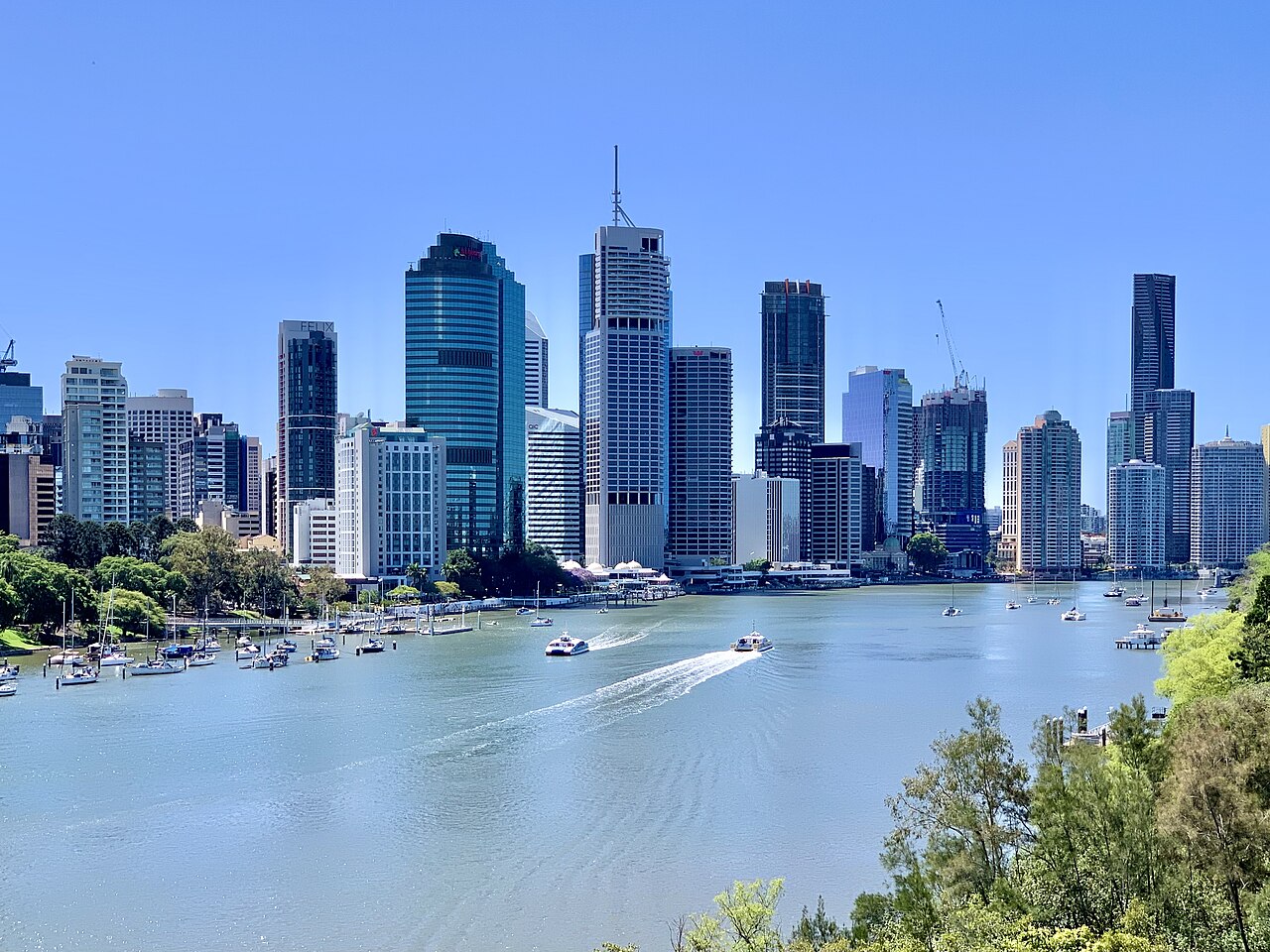
Brisbane
City in Australia
Within 30 km of the centre of Brisbane, the nature places people read about most are Brisbane River, South Bank Parklands, St Helena Island National Park and Redcliffe Peninsula, and marked walks close to the city include QUT to New Farm, Seven Hills Circuit and Araucaria Track.
People have shared 5,807,601 wildlife records within 50 km of Brisbane in the last ten years. The wild animals recorded most often are the noisy miner, the coconut lorikeet, the Australian magpie, the koala and the torresian crow. Since the 1980s the area has become about 1.1 °C warmer.
Of the 209 cities on Atlas, Brisbane has the 13th most wildlife records shared within 50 km. Among the animals people record most around Brisbane, the large citrus butterfly and the red percher appear on no other city page here.
- Country
- Australia
- Population
- 2.7 million
- Area
- 15,826 km²
- Elevation
- 0 m
- Currency
- Australian dollar
- Daylight
- 10 to 14 hours
Figures from Wikidata; population 2023.
Brisbane on the map
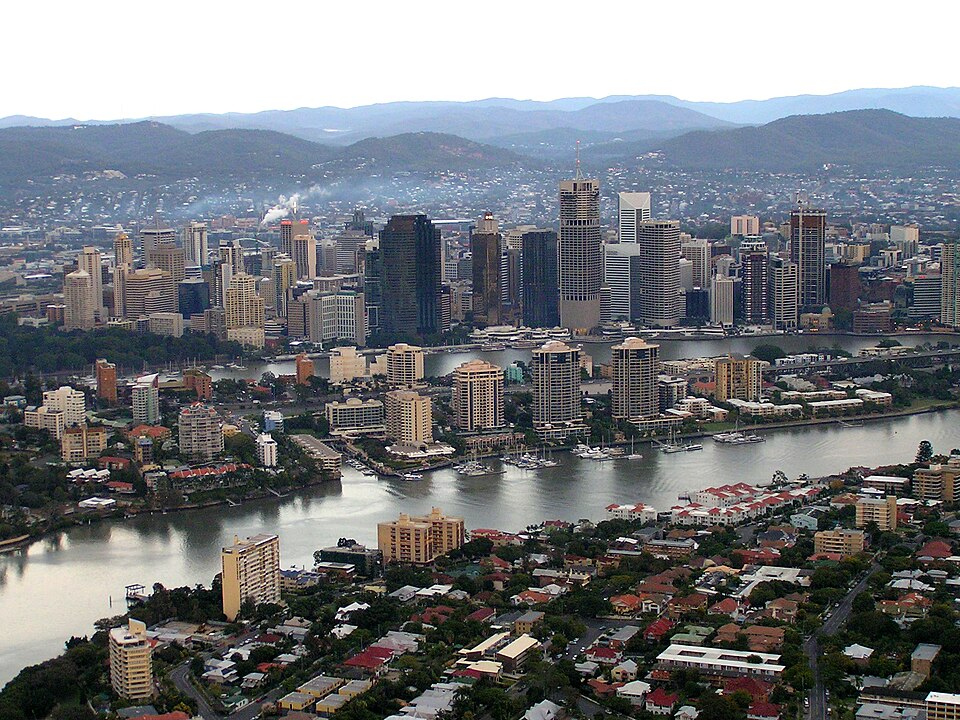
- Brisbane River
- South Bank Parklands
- St Helena Island National Park
- Redcliffe Peninsula
- Brisbane Botanic Gardens, Mount Coot-tha
- City Botanic Gardens
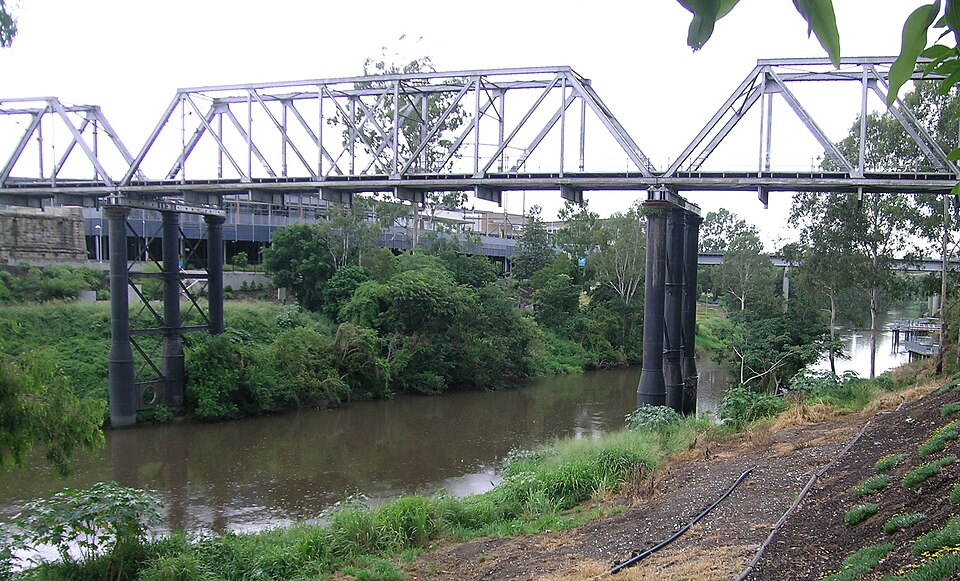
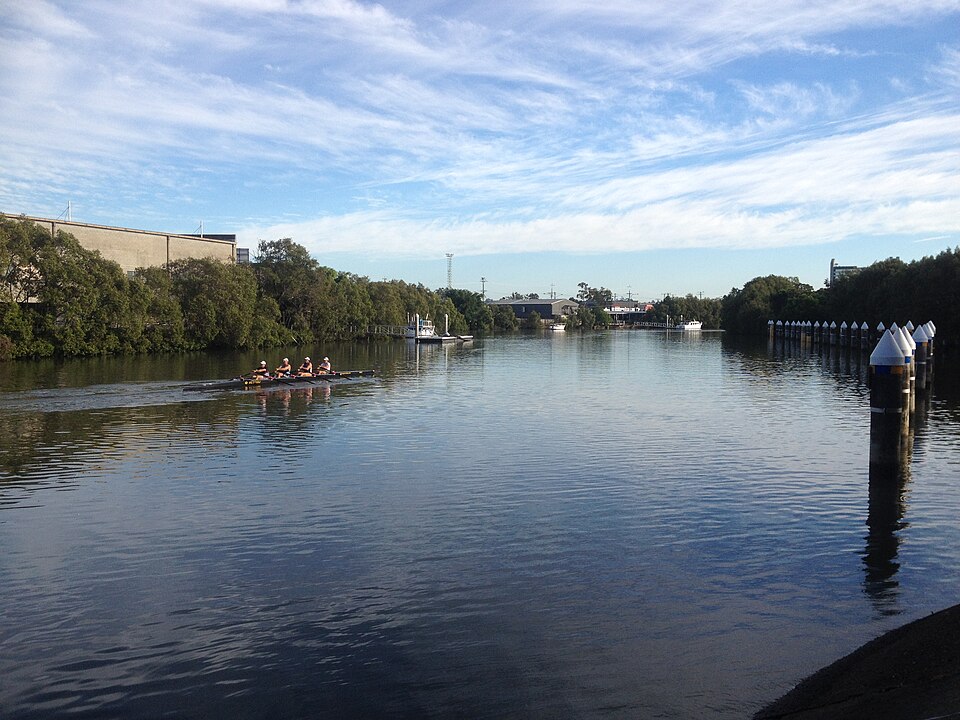
- Bremer River
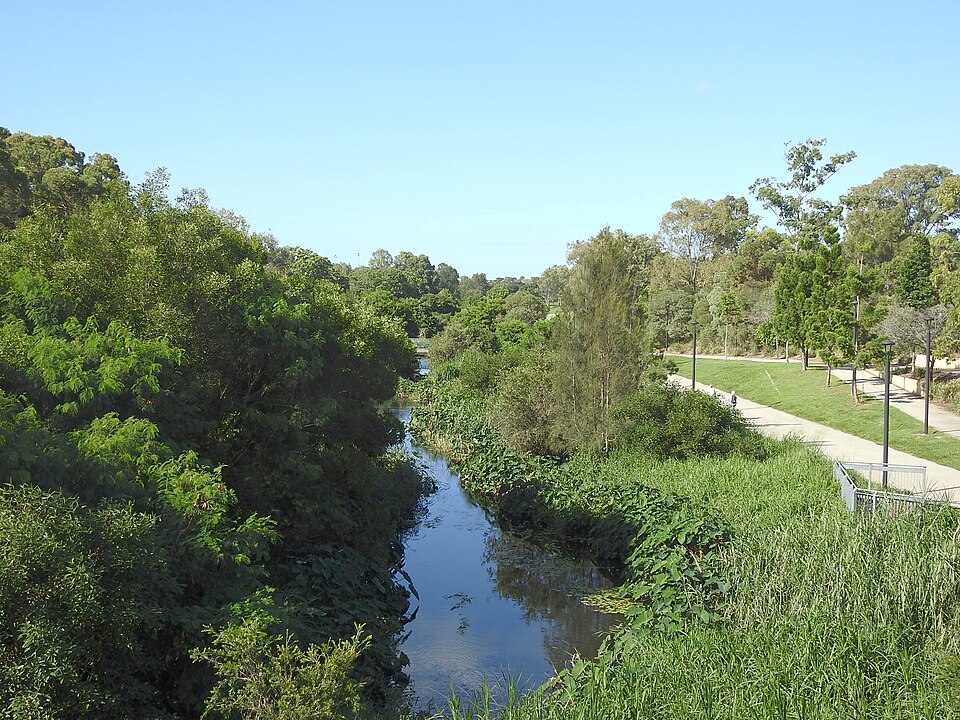
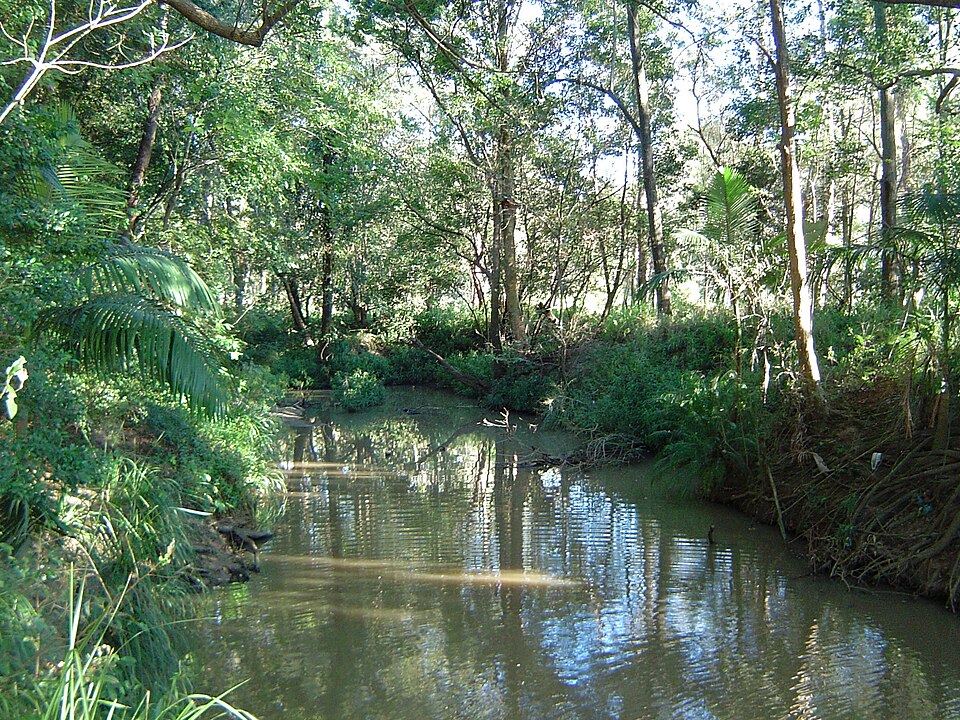
- Kedron Brook
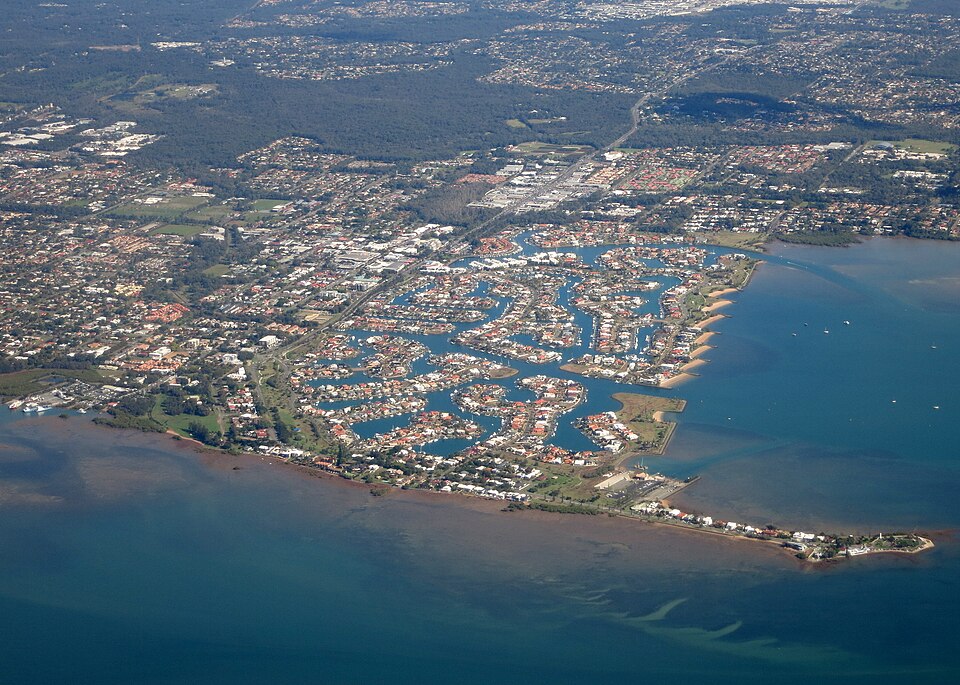
- Raby Bay
Nature close to Brisbane
The places people read most about, from the centre outwards.
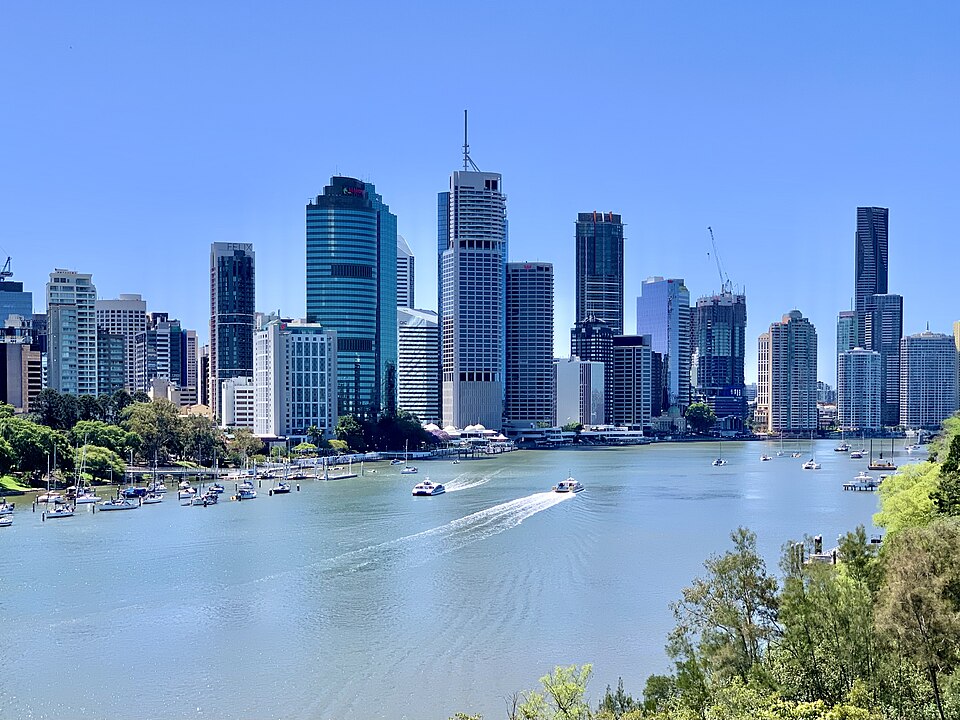

- South Bank Parklands Park · 1 km
- St Helena Island National Park National park · 22 km
- Redcliffe Peninsula Peninsula · 27 km
- Brisbane Botanic Gardens, Mount Coot-tha Park · 5 km
- City Botanic Gardens Park · 1 km
Marked walks
- QUT to New Farm5.1 km · 1 km from the centre
- Seven Hills Circuit2.2 km · 6 km from the centre
- Araucaria Track3 km · 11 km from the centre · marked by Queensland National Parks
- Gold Creek Trail2 km · 11 km from the centre
- Goanna Trail1.7 km · 11 km from the centre
- Turrbal Circuit Trail1.4 km · 14 km from the centre · marked by Queensland National Parks
- Gold Creek Reservoir Walking Track5.7 km · 15 km from the centre
Routes from OpenStreetMap via Waymarked Trails. Not checked by 4Planet: follow local signs and conditions.
Wildlife around Brisbane
The wild animals people record most within 50 km, 2016–2025. Tick the ones you have seen to build your own list.


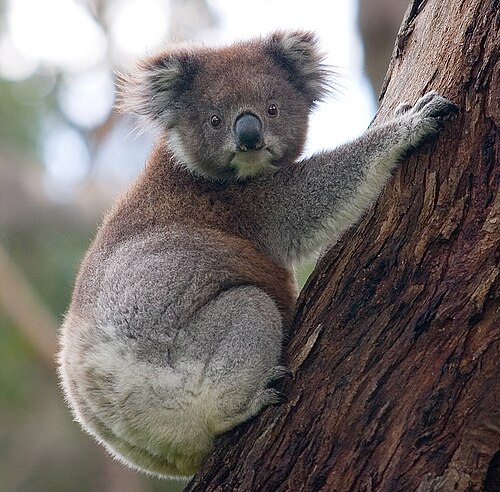

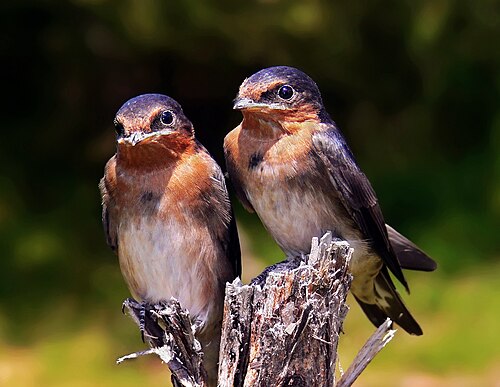


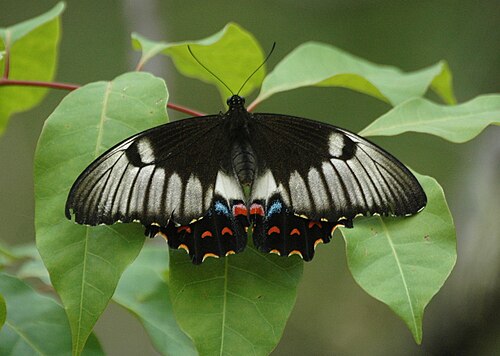
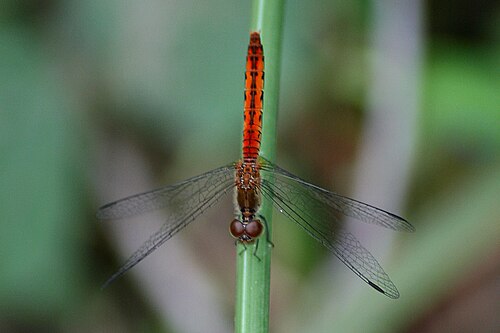

Seen in the last 30 days
What can you see near Brisbane now?
Month by month, from 5,807,601 records people shared within 50 km, 2016–2025.
At their peak in January

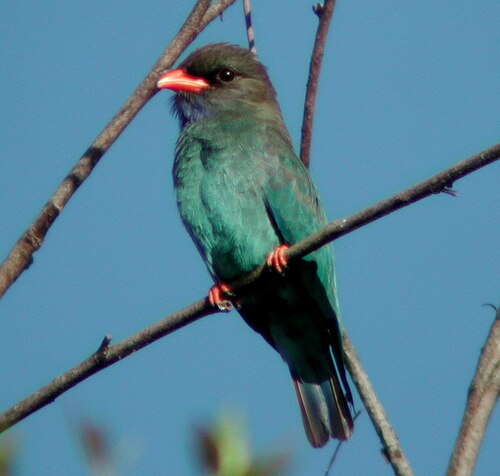
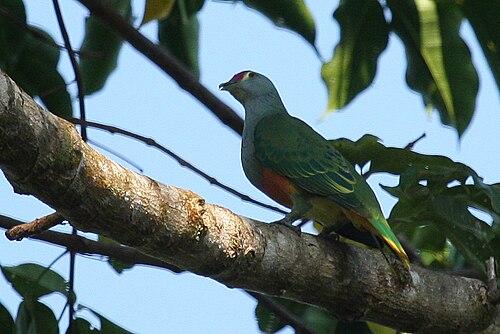
Most seen in January
Plants and fungi at their peak in January

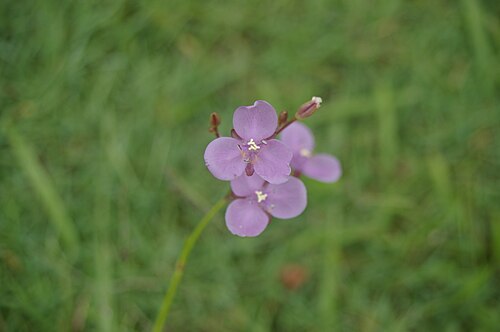
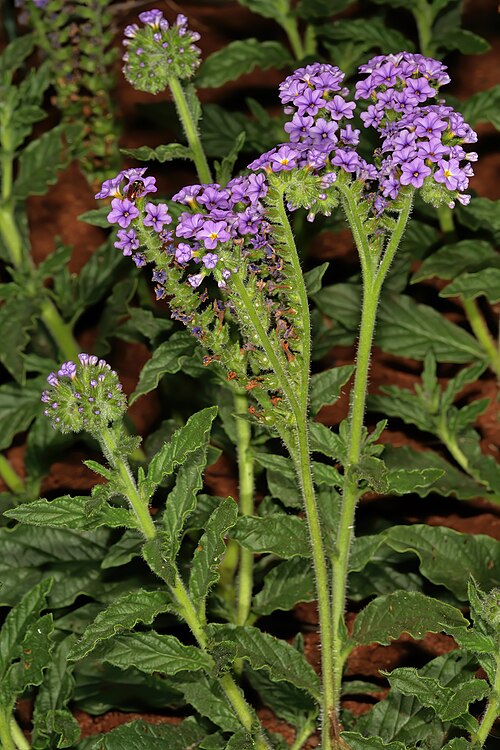
537,736 animal records in January.
At their peak in February
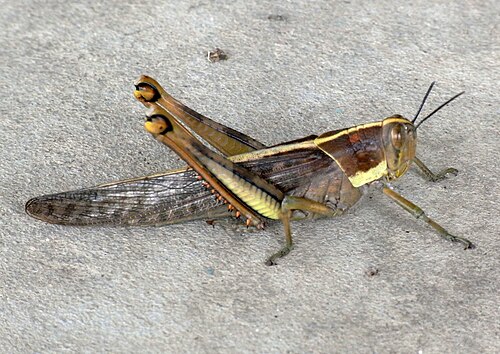

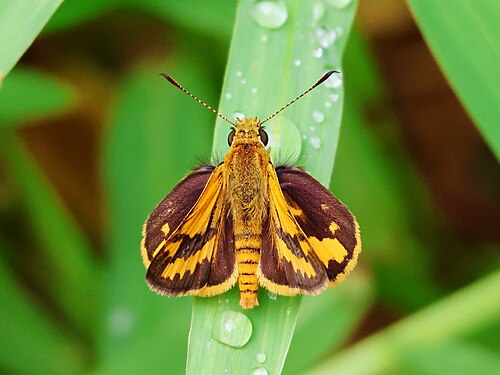
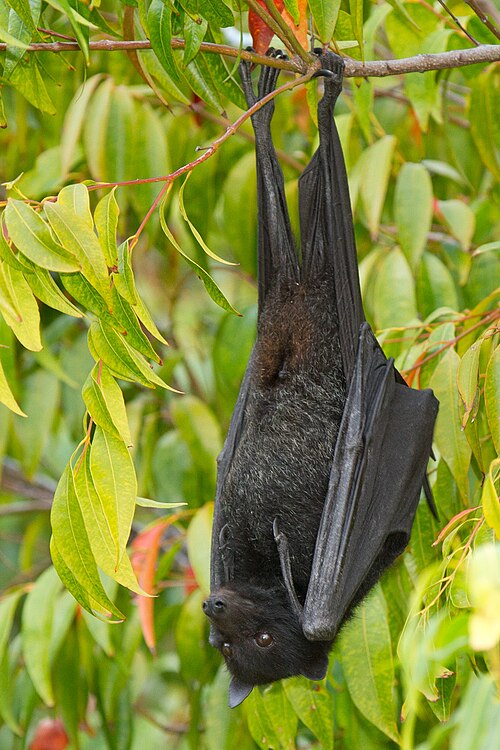
Most seen in February
Plants and fungi at their peak in February
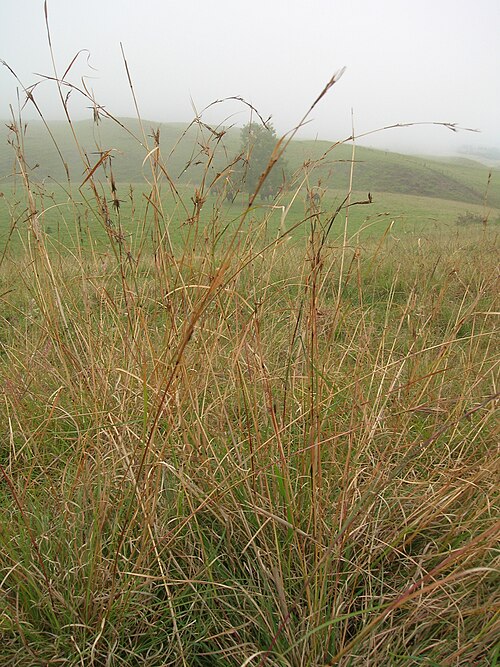
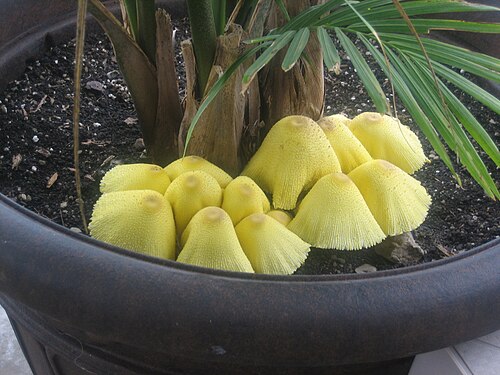
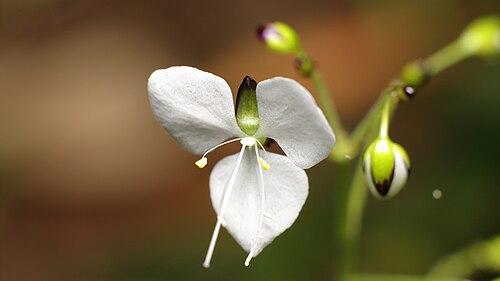
391,641 animal records in February.
At their peak in March


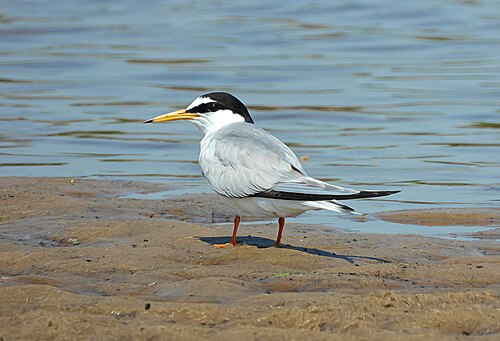
Most seen in March
Plants and fungi at their peak in March

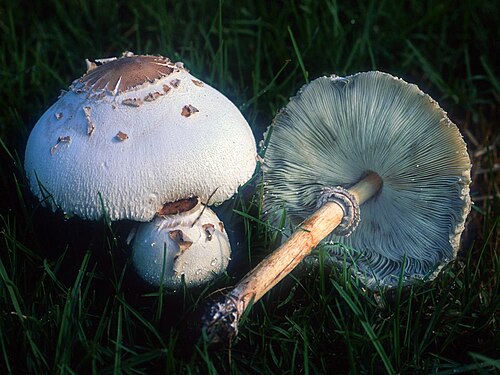
399,666 animal records in March.
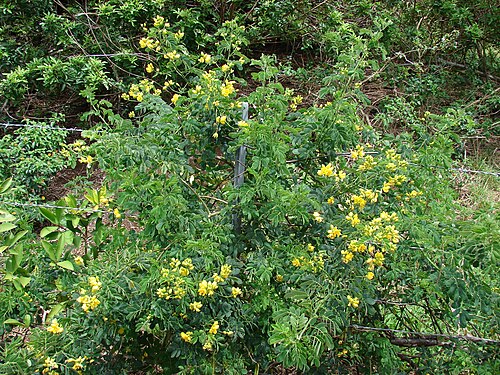
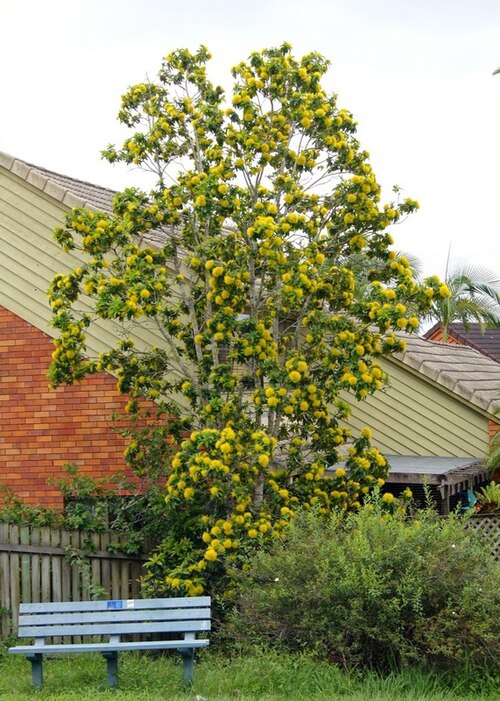
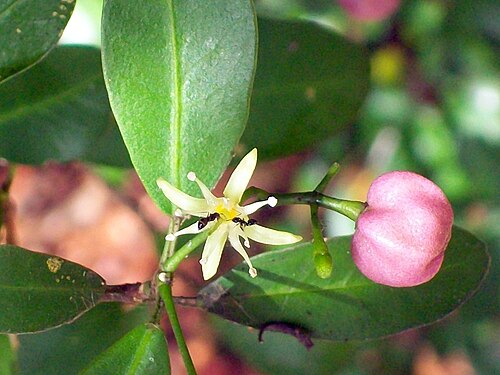
At their peak in May


Most seen in May
Plants and fungi at their peak in May
444,850 animal records in May.
At their peak in June

Most seen in June
Plants and fungi at their peak in June
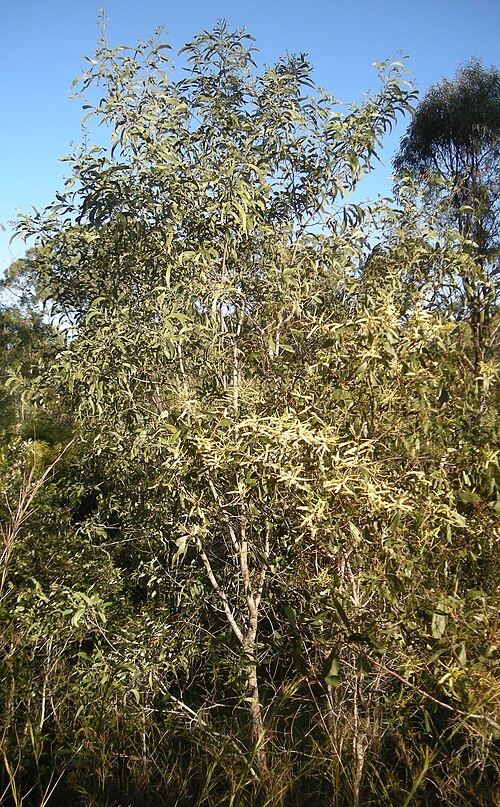
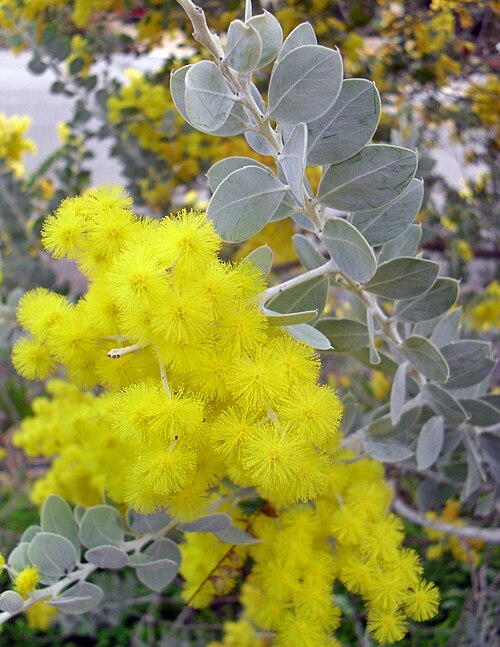
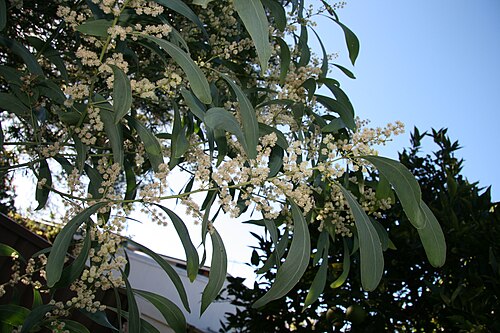
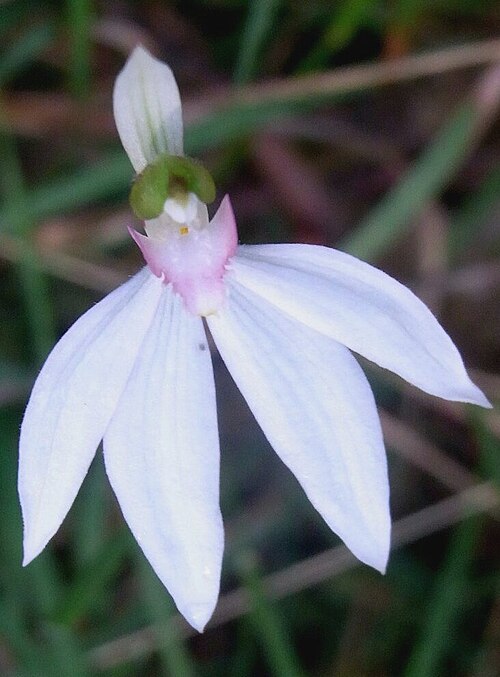
458,022 animal records in June.
At their peak in July

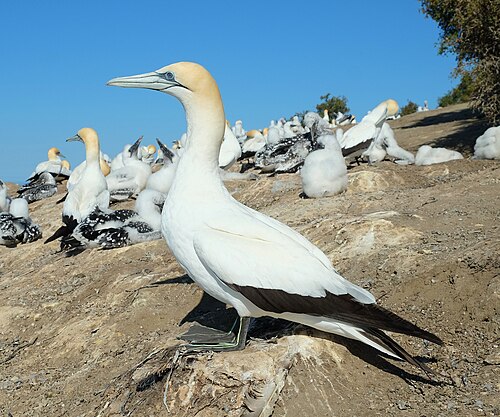
Most seen in July
Plants and fungi at their peak in July

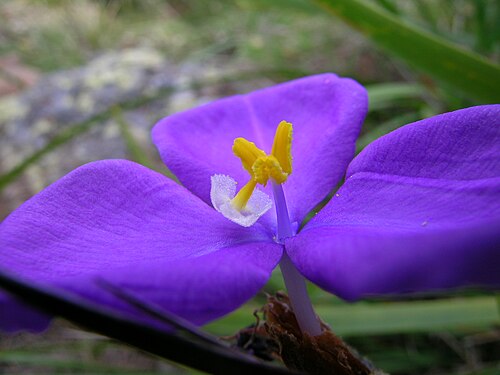
471,527 animal records in July.


At their peak in September
Most seen in September
Plants and fungi at their peak in September
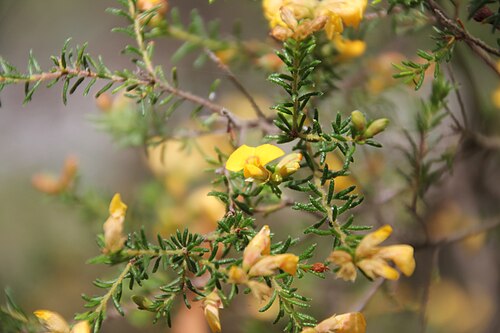


550,471 animal records in September.
At their peak in October
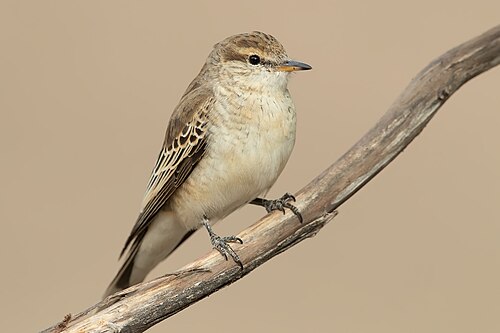


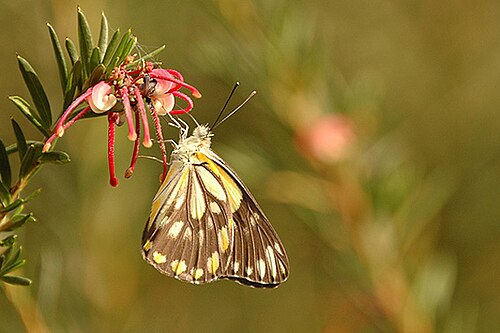
Most seen in October
Plants and fungi at their peak in October
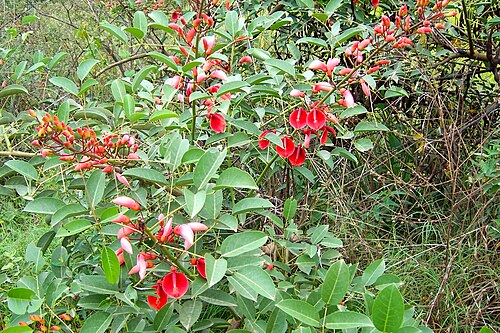
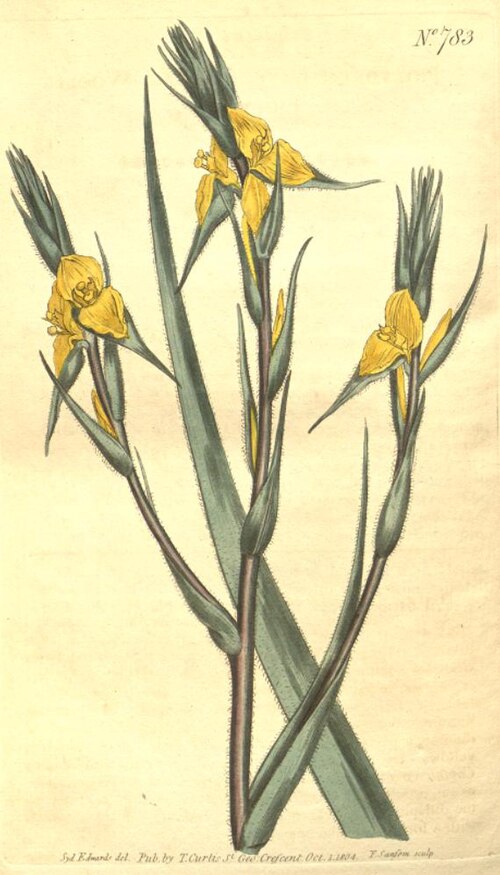


597,960 animal records in October.
At their peak in November

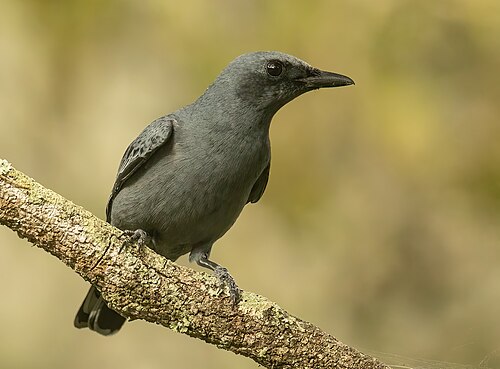
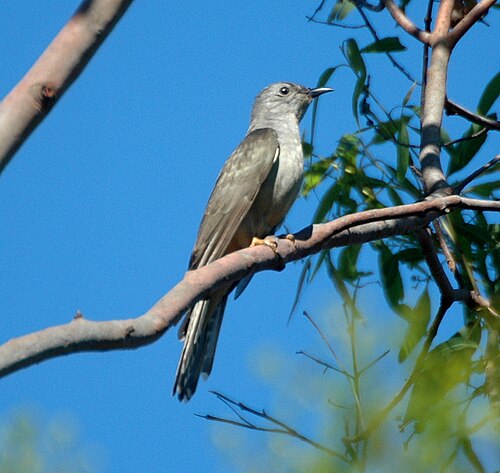
Most seen in November
Plants and fungi at their peak in November

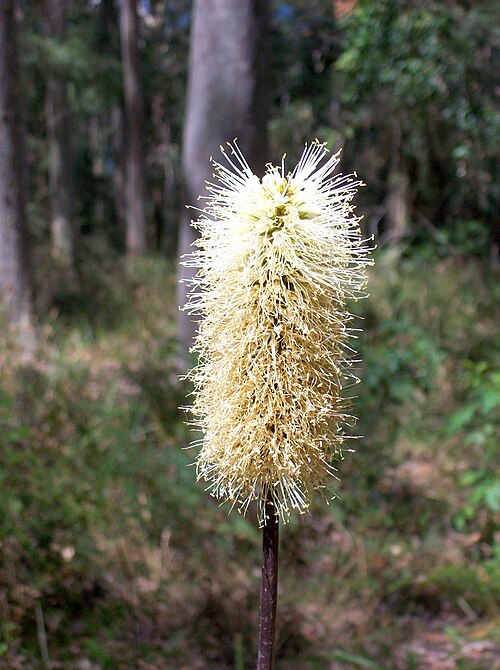

495,210 animal records in November.

Brisbane is getting warmer
+1.1 °CAverage temperature around Brisbane in 2016–2025, compared with 1981–1990.
Daylight: about 14 hours in December and 10 in June.
Seen something near Brisbane?
Share a photo of it on iNaturalist. Other naturalists help name it, and confirmed records go to GBIF, where scientists use them. That is where the lists on this page come from.
Explore next
What puts Brisbane under pressure, what helps, and who works on it.
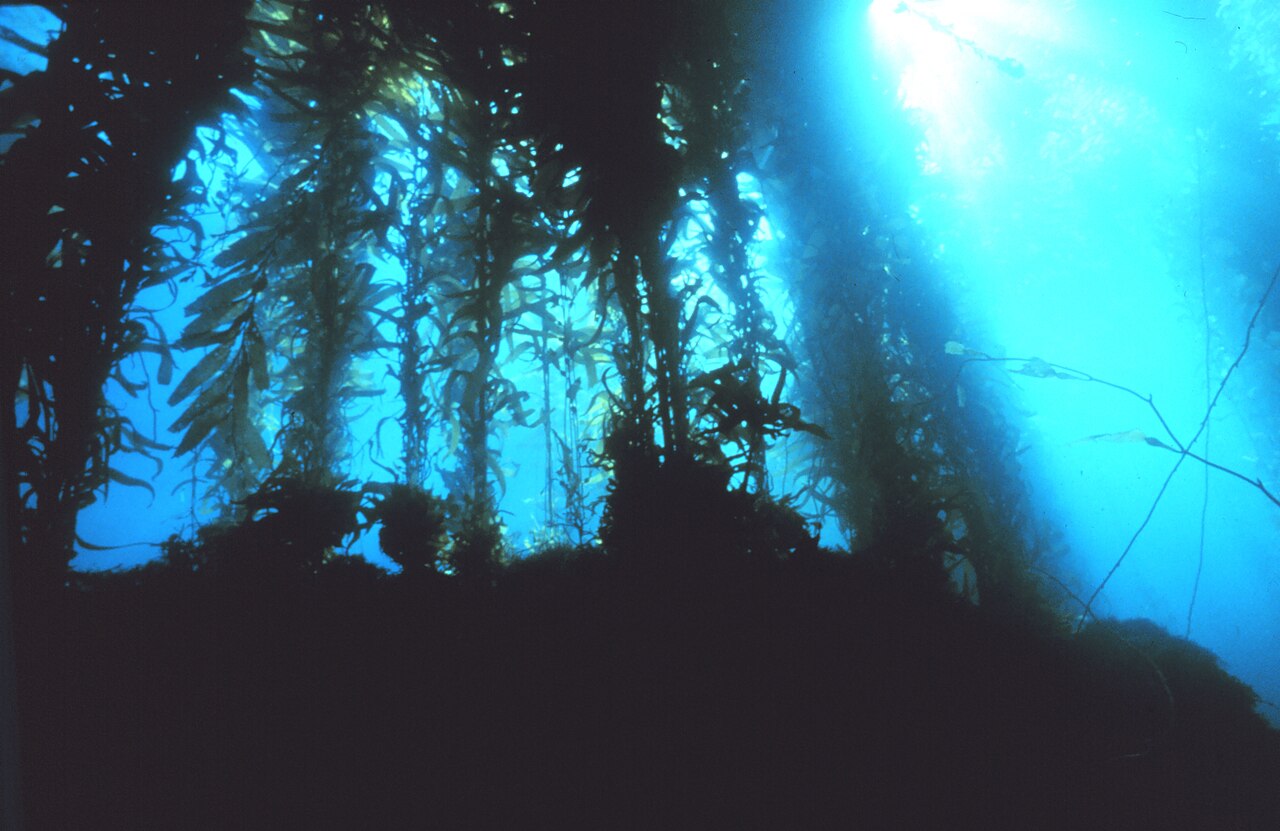
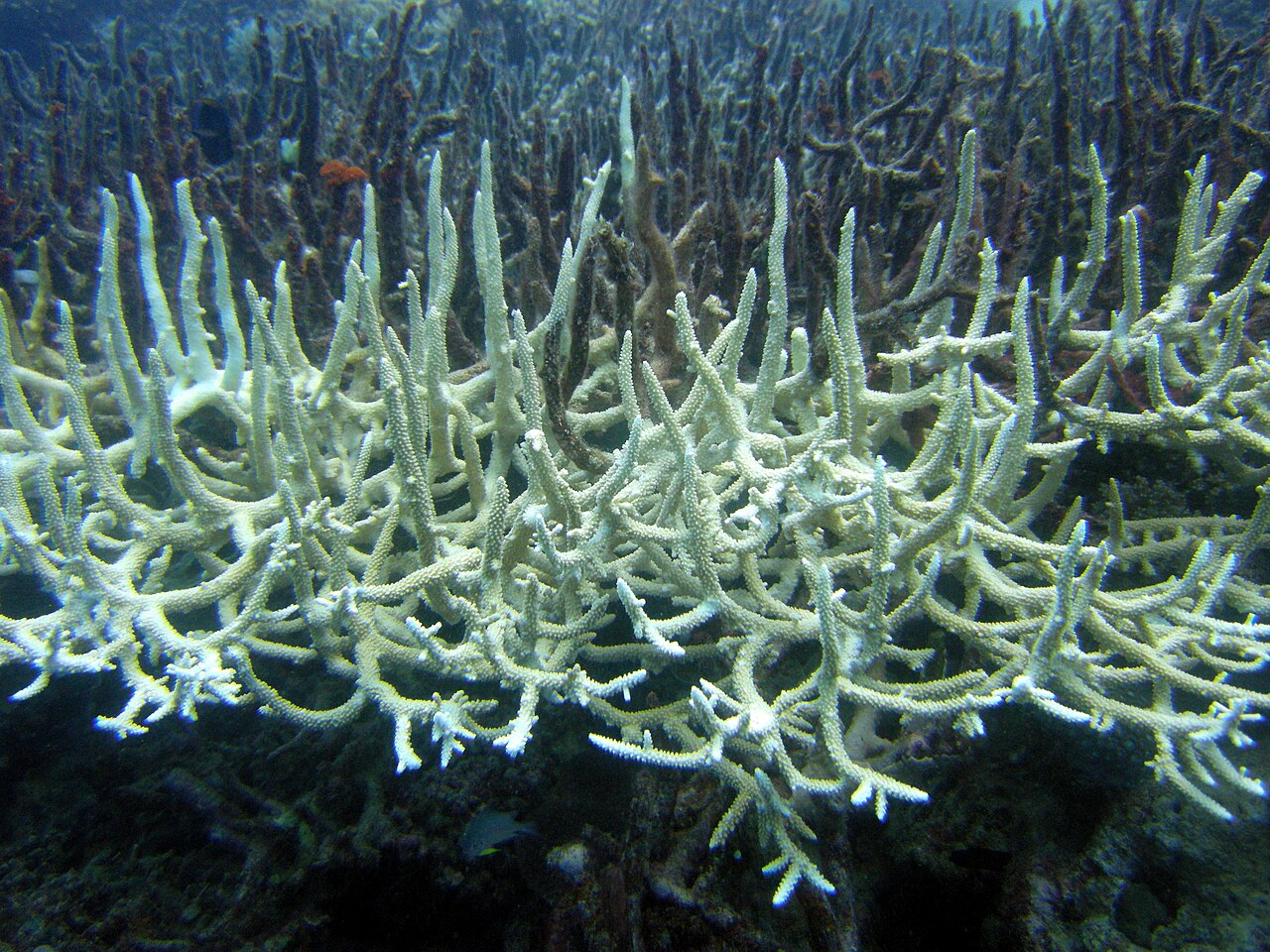
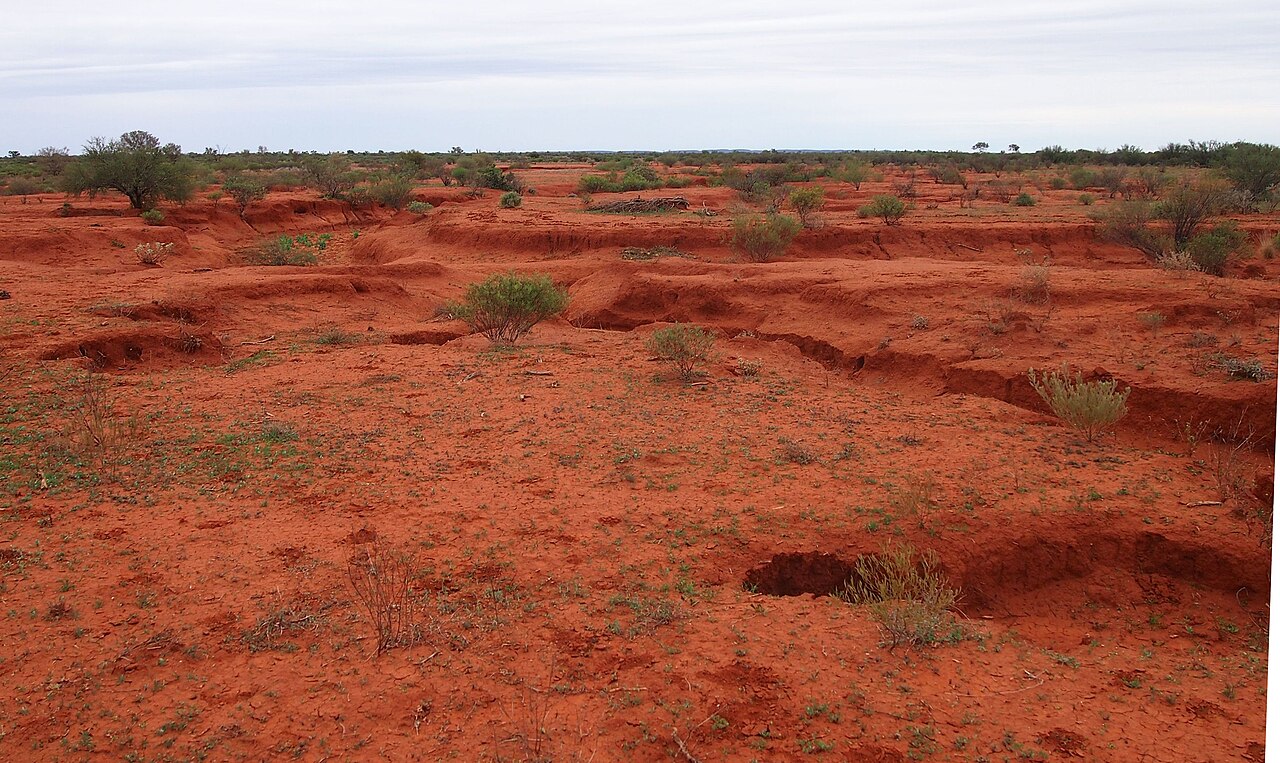
Brisbane on the living planet
More places near Brisbane
Sources and photo credits
- Wikidata · Brisbane (Q34932), facts and nature places
- Wikipedia page views · how well known each nature place is
- OpenStreetMap contributors via Waymarked Trails · marked walking routes (ODbL)
- GBIF · human observations within 50 km, 2016–2025 (5,807,601 animal records)
- NASA POWER · yearly temperature from satellite and model data (MERRA-2)
- MET Norway · weather now (shown live)
- Brisbane, Australia: Chris Olszewski, CC BY-SA 4.0
- Brisbane River, Brisbane: Chris Olszewski, CC BY-SA 4.0
- Bremer River, Brisbane: Cgoodwin, CC BY-SA 3.0
- Kedron Brook, Brisbane: Q8682, CC BY-SA 4.0
- Raby Bay, Brisbane: Nick-D, CC BY-SA 4.0
- Pine River, Brisbane: Shiftchange, CC0
- Bulimba Creek, Brisbane: Shiftchange, CC0
- Taylor Range, Brisbane: Cyron Ray Macey from Brisbane (-27.470963,153.026505), Australia, CC BY 2.0
- Breakfast Creek, Brisbane: Chris Olszewski, CC BY-SA 3.0
- Noisy miner: JJ Harrison (https://www.jjharrison.com.au/), CC BY-SA 3.0
- Coconut lorikeet: gailhampshire from Cradley, Malvern, U.K, CC BY 2.0
- Australian magpie: JJ Harrison (https://www.jjharrison.com.au/), CC BY-SA 3.0
- Koala: Diliff, CC BY-SA 3.0
- Torresian crow: Richard Mc Donald, CC BY-SA 3.0
- Welcome swallow: Benjamint444, CC BY-SA 3.0
- Australian water dragon: Matt from Melbourne, Australia, CC BY 2.0
- Blue skimmer: Summerdrought, CC BY-SA 4.0
- Common brushtail: Andrew Mercer (www.baldwhiteguy.co.nz), CC BY-SA 4.0
- Large citrus butterfly: Aviceda, CC BY-SA 3.0
- Red percher: Bill Higham, CC BY 2.0
- Carpet python: User:Haplochromis, CC BY-SA 3.0
- Channel-billed cuckoo: Aviceda, CC BY-SA 3.0
- Oriental dollarbird: Aviceda, CC BY-SA 3.0
- Rose-crowned fruit dove: Tim from Ithaca, CC BY 2.0
- Night and afternoon: Douglas Goldman, CC BY-SA 4.0
- Grass lily: John Robert McPherson, CC BY-SA 4.0
- Clasping heliotrope: SAplants, CC BY-SA 4.0
- Giant grasshopper: Quartl, CC BY-SA 3.0
- Blue moon: Anitava Roy, CC BY-SA 4.0
- Wide-brand grass-dart: Graham Winterflood, CC BY-SA 4.0
- Black flying fox: Andrew Mercer (www.baldwhiteguy.co.nz), CC BY-SA 4.0
- Barbwire grass: Forest & Kim Starr, CC BY 3.0
- Plantpot dapperling: Ryan Van Gelder, CC BY-SA 3.0
- Pointed aneilema: Dbmullerau, CC BY-SA 4.0
- Great knot: JJ Harrison (https://www.jjharrison.com.au/), CC BY-SA 3.0
- Pacific golden plover: Bering Land Bridge National Preserve, CC BY 2.0
- Grey-tailed tattler: JJ Harrison (https://www.jjharrison.com.au/), CC BY-SA 3.0
- Little tern: PetroKaterynych, CC BY 4.0
- Bellvine: Dinesh Valke from Thane, India, CC BY-SA 2.0
- False parasol: Nathan Wilson, CC BY-SA 3.0
- Easter cassia: Forest & Kim Starr, CC BY 3.0
- Golden penda: Tatiana Gerus from Brisbane, Australia, CC BY-SA 2.0
- Hard aspen: Poyt448 Peter Woodard, CC0
- Spotted pardalote: JJ Harrison (https://www.jjharrison.com.au/), CC BY-SA 3.0
- Rose robin: JJ Harrison (https://www.jjharrison.com.au/), CC BY-SA 4.0
- Eastern spinebill: JJ Harrison (https://www.jjharrison.com.au/), CC BY-SA 4.0
- Black wattle: Mark Marathon, CC BY-SA 3.0
- Pearl wattle: Bidgee, CC BY-SA 3.0
- Burra acacia: Casliber, CC BY-SA 3.0
- Painted fingers: Poyt448 Peter Woodard, CC BY-SA 3.0
- Scarlet myzomela: JJ Harrison (https://tiny.jjharrison.com.au/t/MjB99QSME4NWEmcd), CC BY-SA 4.0
- Australasian gannet: Pseudopanax at English Wikipedia, CC BY 4.0
- Zig-zag wattle: Ethel Aardvark, CC BY 3.0
- Silky purple flag: Macleay Grass Man, CC BY 2.0
- Coral-pea: KENPEI, CC BY-SA 3.0
- Pointed-leaved hovea: Tatiana Gerus, CC BY 2.0
- Pink boronia: Murray Fagg, CC BY 3.0 au
- Bronze bush-pea: Brisbane City Council, CC BY 2.0
- Prickly daviesia: Greg Tasney, CC BY-SA 4.0
- Slender western-rosemary: No machine-readable author provided. Eug assumed (based on copyright claims)., CC BY-SA 3.0
- White-winged triller: JJ Harrison (https://www.jjharrison.com.au/), CC BY-SA 4.0
- Little bronze cuckoo: Aviceda, CC BY-SA 3.0
- Red knot: JJ Harrison (https://www.jjharrison.com.au/), CC BY-SA 4.0
- Caper white: Tom Tarrant, CC BY-SA 3.0
- Cockspur coral tree: Tano4595, CC BY-SA 3.0
- Woolly-water-lily: John Sims, Public domain
- Scarlet pimpernel: Ryan Hodnett, CC BY-SA 4.0
- Old gray ruffles: keisotyo, CC BY-SA 3.0
- Pacific koel: Aviceda, CC BY-SA 3.0
- Common cicadabird: JJ Harrison (https://www.jjharrison.com.au/), CC BY-SA 4.0
- Brush cuckoo: Aviceda, CC BY-SA 3.0
- Hyacinth orchid: Rkitko, CC BY-SA 3.0
- Bottlebrush grasstree: Poyt448 Peter Woodard, Public domain
- Australian chestnut: Ethel Aardvark, CC BY 3.0
- Blue trumpet: Mark Marathon, CC BY-SA 3.0


Wildlife records show where people have seen and shared plants and animals, not everything that lives here; some places and months are recorded more than others. Sensitive species are never shown with a month or as seen recently. Routes come from OpenStreetMap and are not checked by 4Planet: follow local signs and conditions. Climate figures are NASA estimates for the area around Brisbane, not a single weather station.
Checked 2026-11-27.