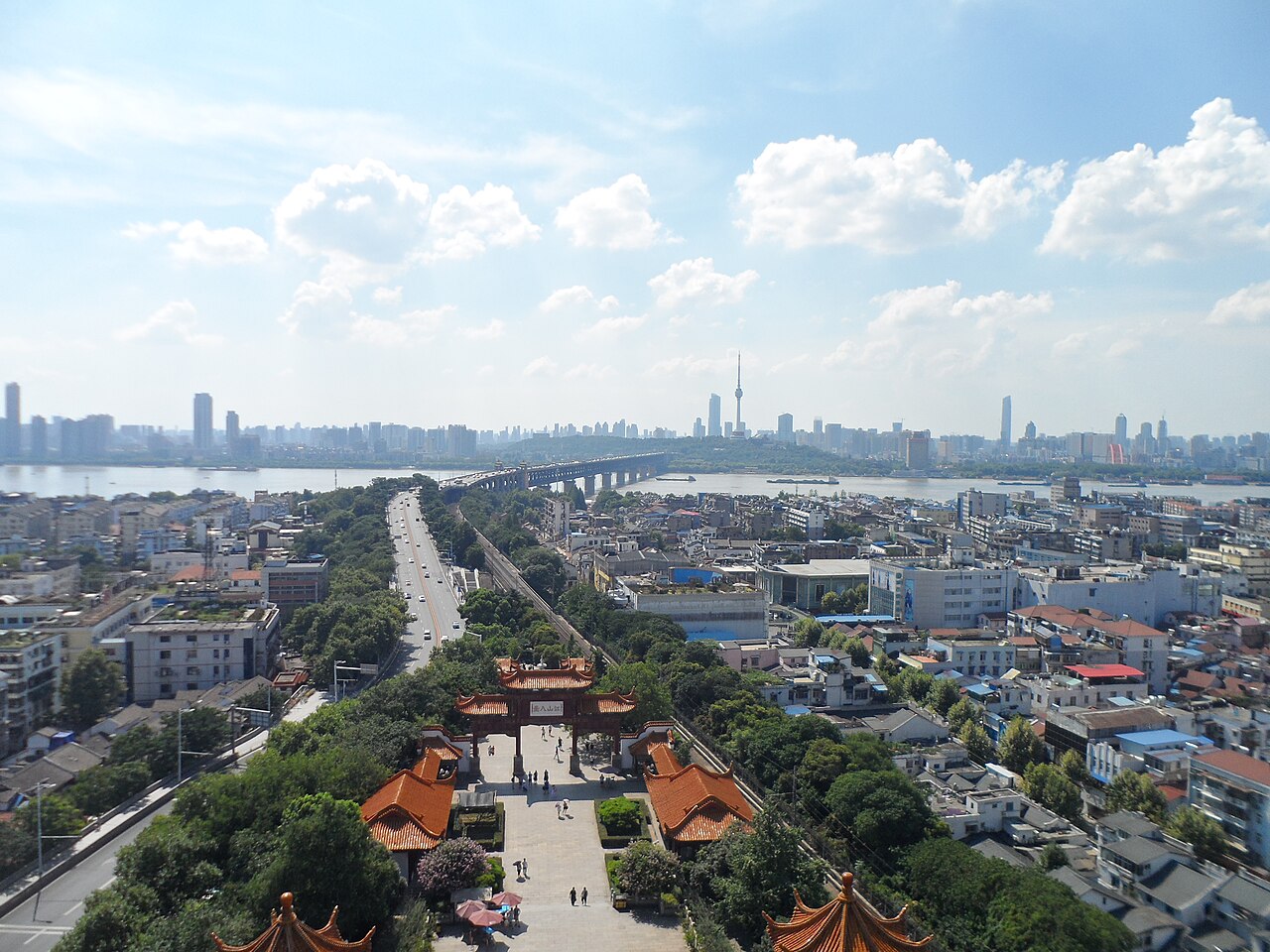
Wuhan
City in China
Within 30 km of the centre of Wuhan, the nature places people read about most are Han River, Wuhan Botanical Garden, East Lake and East Lake Cherry Blossom Park.
People have shared 51,713 wildlife records within 50 km of Wuhan in the last ten years. The wild animals recorded most often are the spotted dove, the light-vented bulbul, the oriental magpie, the pale grass blue and the marmalade hoverfly. Since the 1980s the area has become about 1.3 °C warmer.
Among the animals people record most around Wuhan, the annulated grasshopper and the grizzled pintail appear on no other city page here.
- Country
- China
- Population
- 12.3 million
- Area
- 8,569 km²
- Elevation
- 37 m
- Currency
- Renminbi
- Time zone
- UTC+08
- Daylight
- 10 to 14 hours
Figures from Wikidata; population 2020.
Wuhan on the map
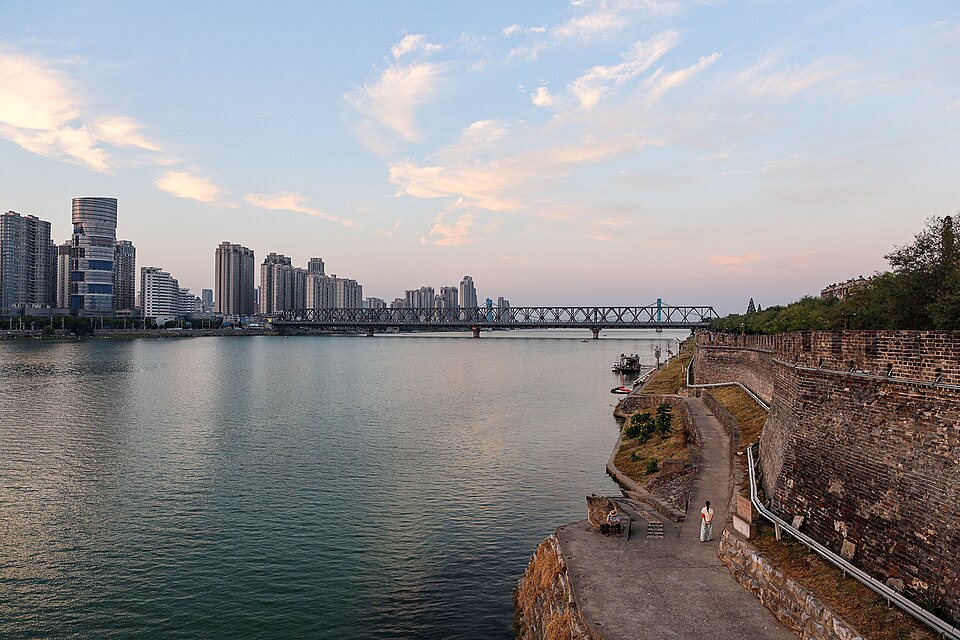
- Han River
- Wuhan Botanical Garden
- East Lake
- East Lake Cherry Blossom Park
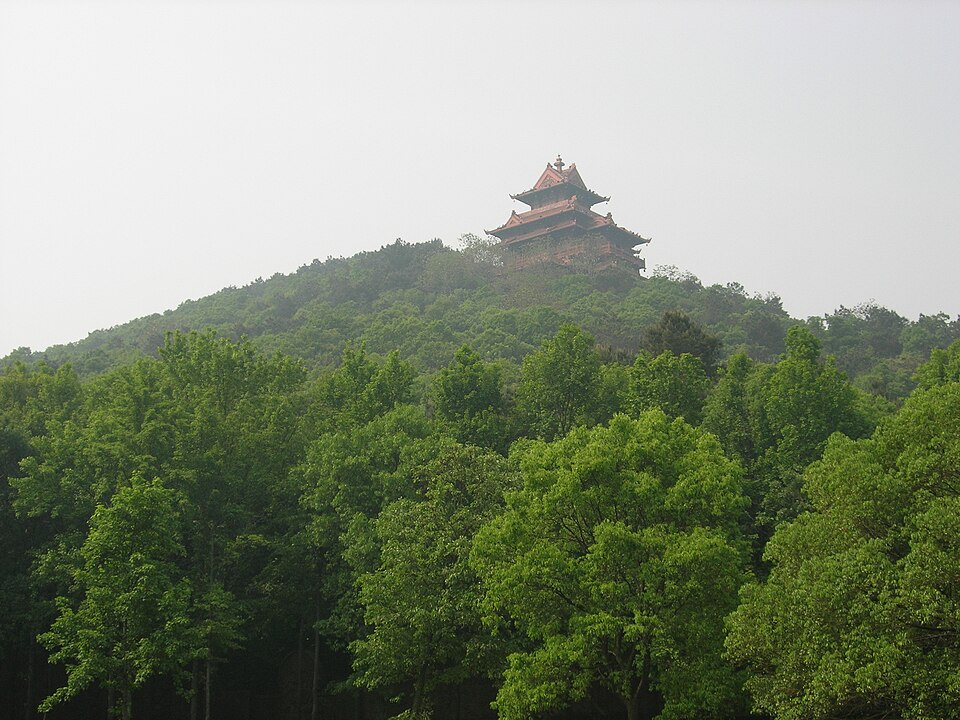
- Mount Mo
- Tangxun Lake
- South Lake
- She Shui
- Tortoise Hill
Nature close to Wuhan
The places people read most about, from the centre outwards.

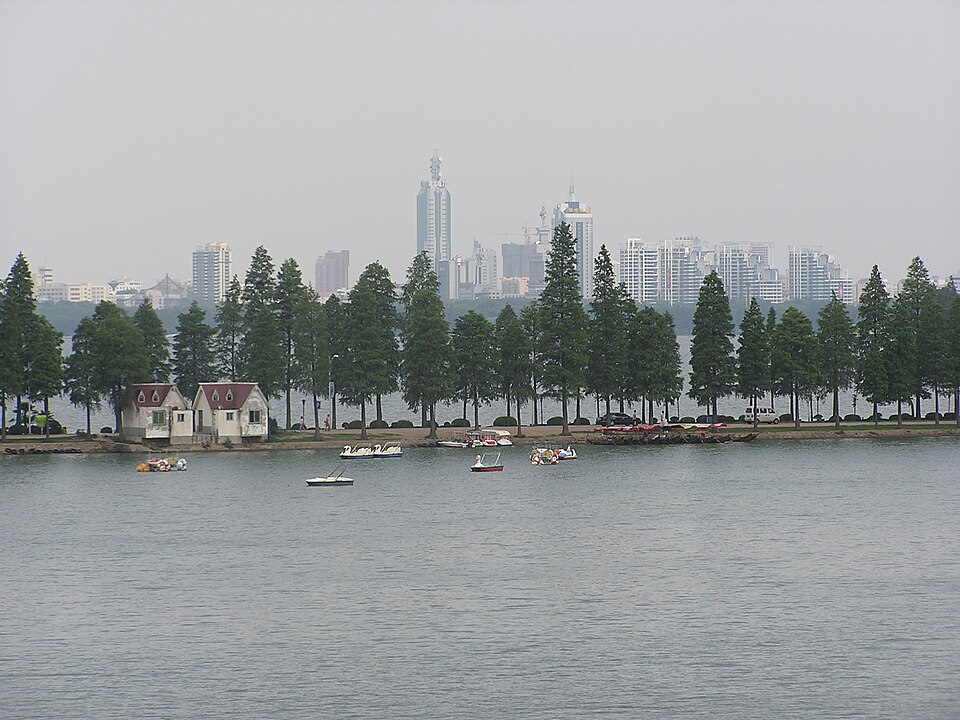
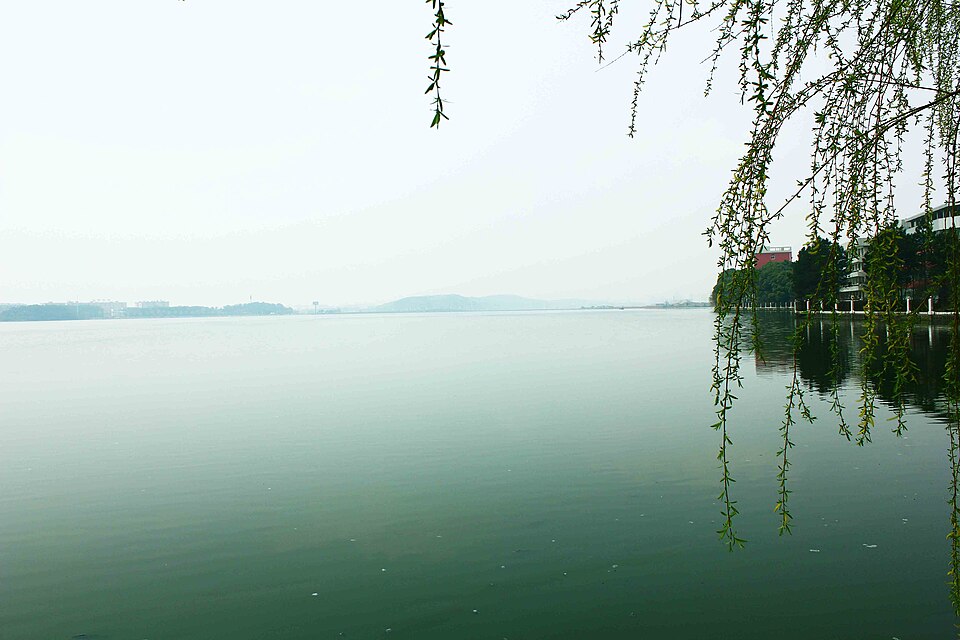
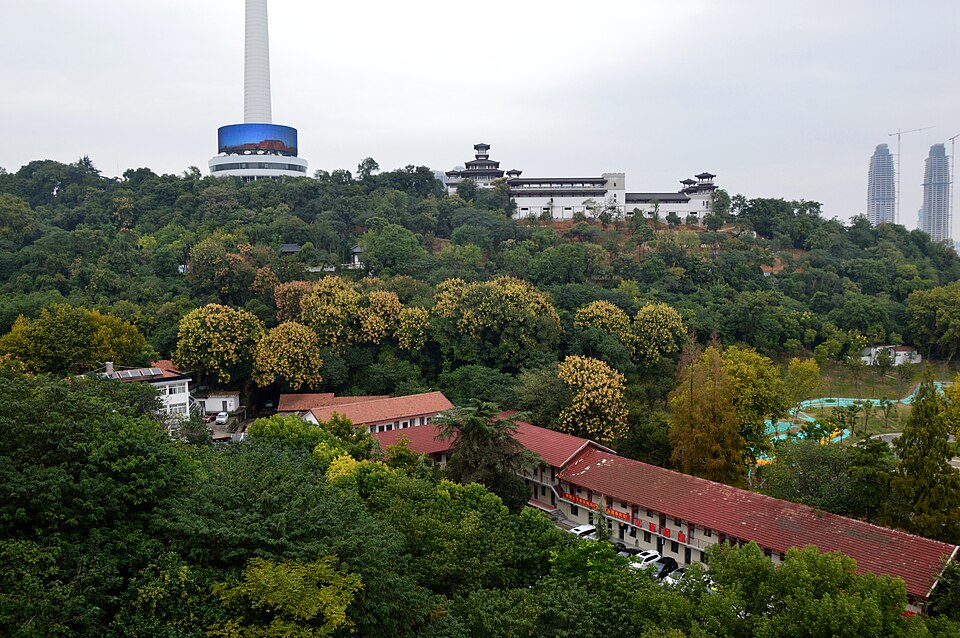
- East Lake Cherry Blossom Park Park · 12 km
- Tangxun Lake Lake · 19 km
- She Shui River · 9 km
- Moshui Lake Lake · 9 km
- Houhu Lake Lake · 16 km
- Luojiashan Hill · 9 km
Routes from OpenStreetMap via Waymarked Trails. Not checked by 4Planet: follow local signs and conditions.
Wildlife around Wuhan
The wild animals people record most within 50 km, 2016–2025. Tick the ones you have seen to build your own list.

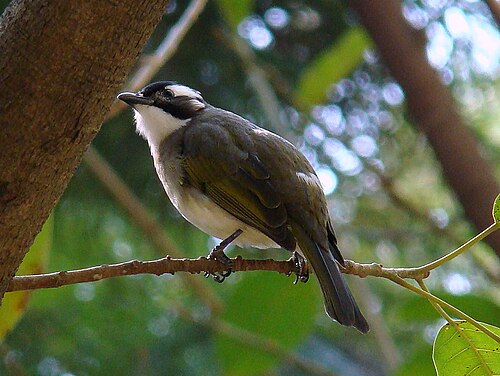


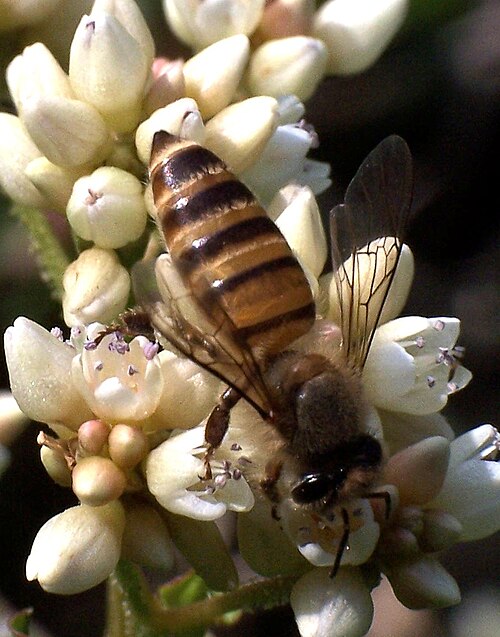
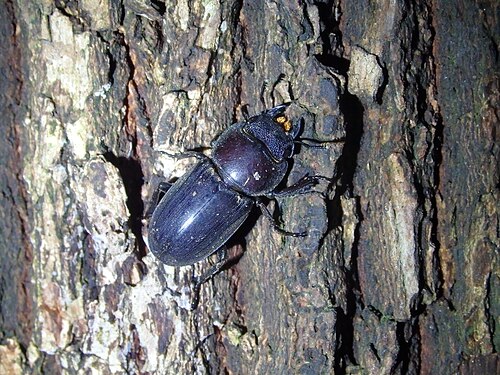
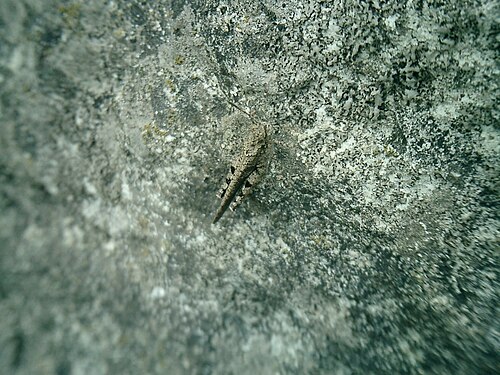

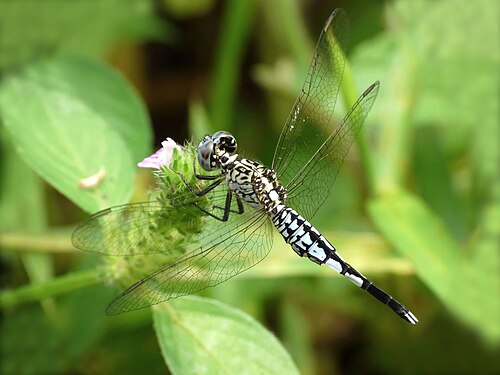
Seen in the last 30 days
What can you see near Wuhan now?
Month by month, from 51,713 records people shared within 50 km, 2016–2025.
At their peak in January


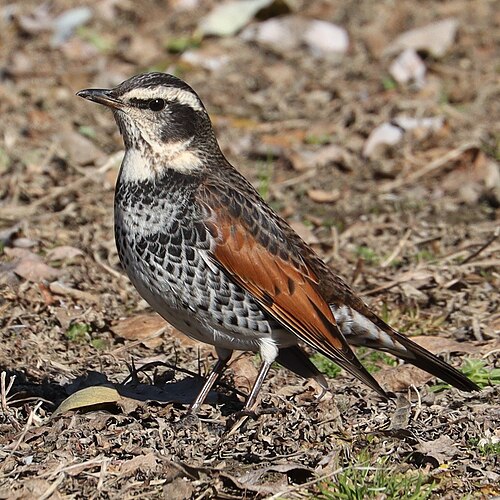

Most seen in January
5,812 animal records in January.
At their peak in February
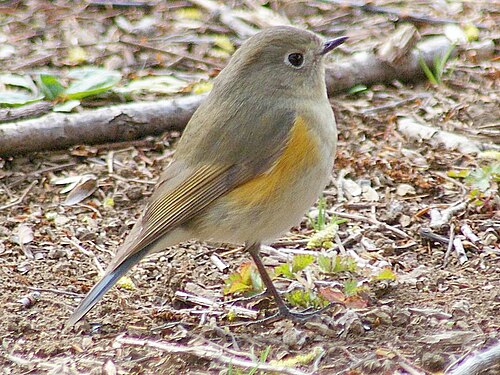


Most seen in February
2,819 animal records in February.
At their peak in March
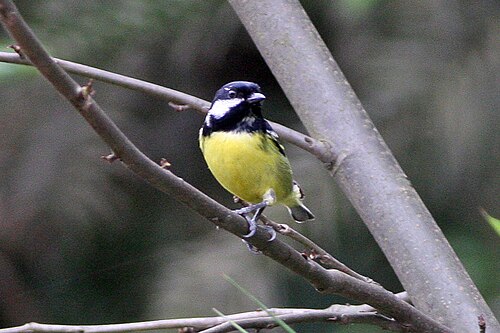
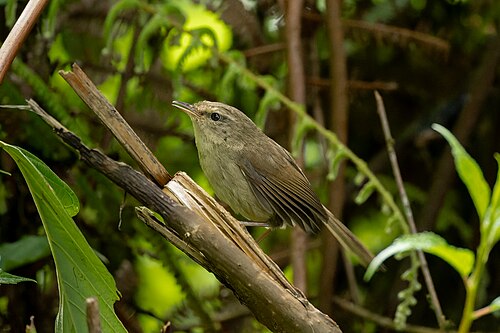
Most seen in March
4,307 animal records in March.
At their peak in April


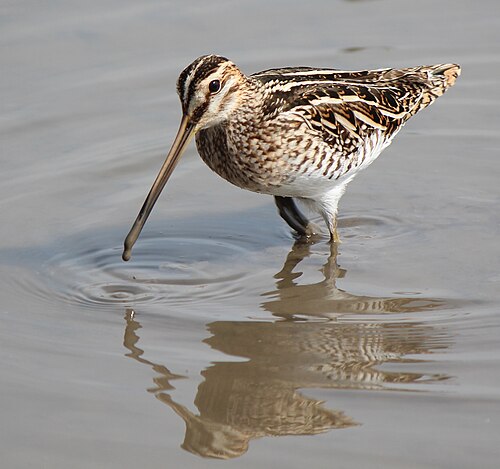
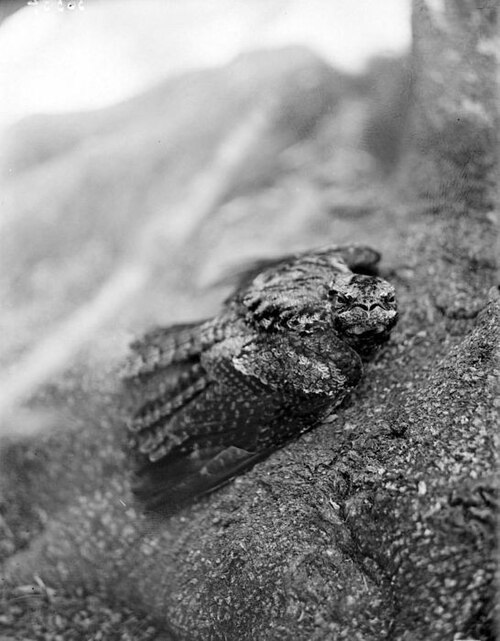
Most seen in April
7,159 animal records in April.
At their peak in May
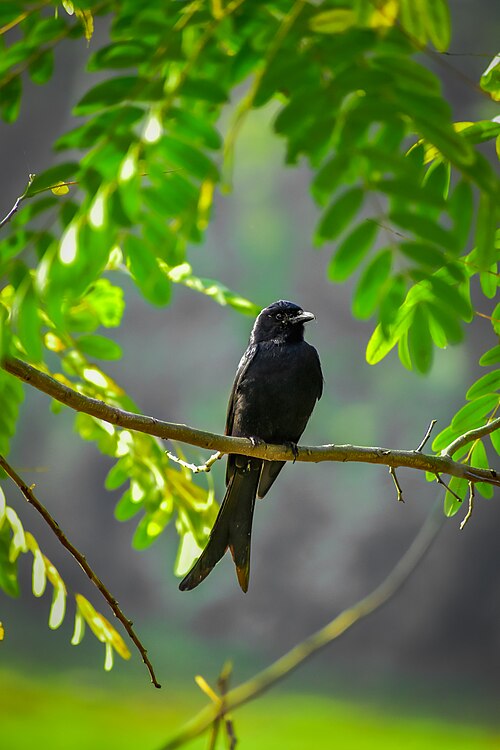
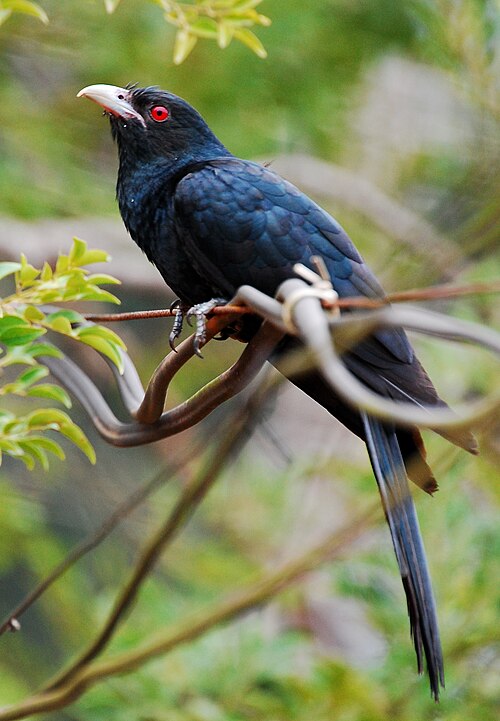

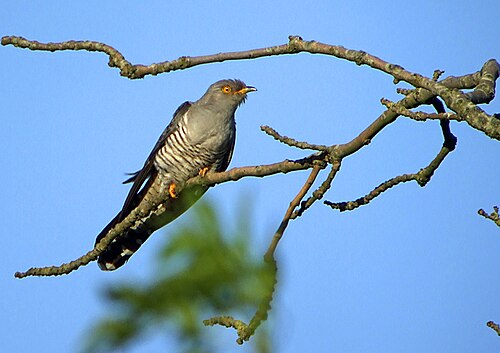
Most seen in May
6,515 animal records in May.
At their peak in June
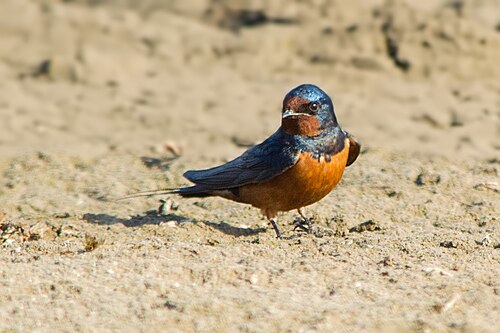


Most seen in June
2,947 animal records in June.
At their peak in July

Most seen in July
1,717 animal records in July.
At their peak in August
Most seen in August
2,292 animal records in August.

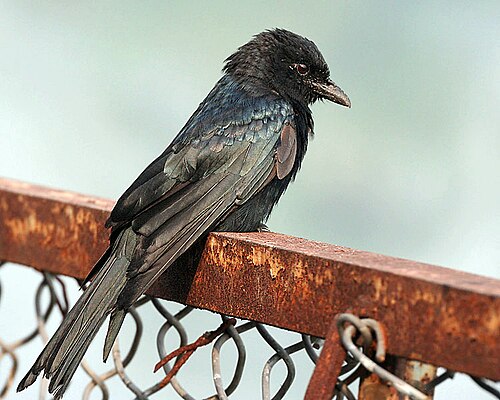
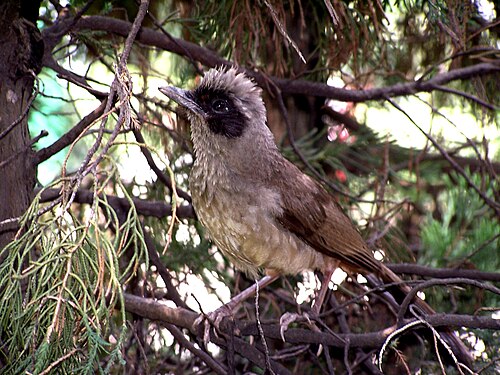
At their peak in October
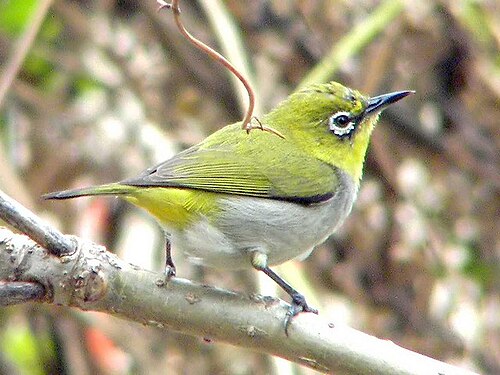
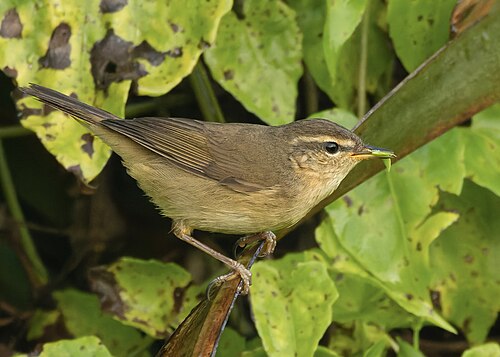
Most seen in October
5,545 animal records in October.
At their peak in November
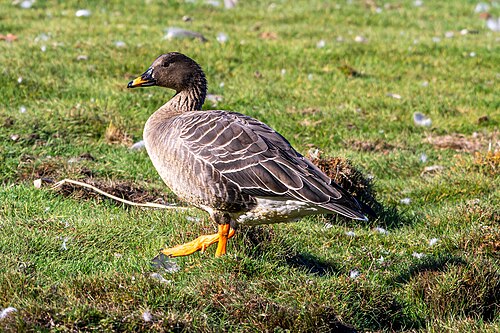


Most seen in November
3,607 animal records in November.
At their peak in December

Most seen in December
5,558 animal records in December.
Wuhan is getting warmer
+1.3 °CAverage temperature around Wuhan in 2016–2025, compared with 1981–1990.
Daylight: about 10 hours in December and 14 in June.
Seen something near Wuhan?
Share a photo of it on iNaturalist. Other naturalists help name it, and confirmed records go to GBIF, where scientists use them. That is where the lists on this page come from.
Explore next
What puts Wuhan under pressure, what helps, and who works on it.
Wuhan on the living planet
More places near Wuhan
Sources and photo credits
- Wikidata · Wuhan (Q11746), facts and nature places
- Wikipedia page views · how well known each nature place is
- OpenStreetMap contributors via Waymarked Trails · marked walking routes (ODbL)
- GBIF · human observations within 50 km, 2016–2025 (51,713 animal records)
- NASA POWER · yearly temperature from satellite and model data (MERRA-2)
- MET Norway · weather now (shown live)
- Wuhan, China: 螺钉, CC BY-SA 4.0
- Han River, Wuhan: Windmemories, CC BY-SA 4.0
- Wuhan Botanical Garden, Wuhan: Sun Jiao (Interaccoonale), CC BY-SA 4.0
- East Lake, Wuhan: gugganij, CC BY-SA 3.0
- Mount Mo, Wuhan: Jacky Lee, CC BY 3.0
- South Lake, Wuhan: Zhangmoon618, CC BY-SA 3.0
- Tortoise Hill, Wuhan: Augustokremo, CC BY-SA 4.0
- Spotted dove: iNaturalist/zinogre, CC BY-SA 4.0
- Light-vented bulbul: Earthshine.. at English Wikipedia, CC BY-SA 3.0
- Oriental magpie: Daniel Case, CC BY-SA 3.0
- Pale grass blue: Laitche, Public domain
- Marmalade hoverfly: Alvesgaspar, CC BY-SA 3.0
- Azure-winged magpie: Анар Өгөөмөр, CC BY-SA 4.0
- Chinese blackbird: zinogre, CC BY-SA 4.0
- Honey bee: Charles Lam, CC BY-SA 2.0
- Black stag beetle: Kinokoekuwagata, CC BY-SA 4.0
- Annulated grasshopper: Tomomarusan, CC BY 2.5
- Ditch jewel: J.M.Garg, CC BY 3.0
- Grizzled pintail: Jeevan Jose, Kerala, India, CC BY-SA 4.0
- Great crested grebe: caroline legg, CC BY 2.0
- Black-headed gull: Diliff, CC BY-SA 3.0
- Dusky thrush: Alpsdake, CC BY-SA 4.0
- Gadwall: Andreas Trepte, CC BY-SA 2.5
- Red-flanked bluetail: Materialscientist (talk), CC BY-SA 3.0
- Grey-backed thrush: Charles Lam from Hong Kong, China, CC BY-SA 2.0
- Brambling: mmlolek, CC BY 2.0
- Yellow-bellied tit: Ron Knight from Seaford, East Sussex, United Kingdom, CC BY 2.0
- Brown-flanked bush warbler: Tisha Mukherjee, CC BY-SA 4.0
- Amur stonechat: Flickr users CharlesLam, CC BY-SA 2.0
- Wood sandpiper: Koshy Koshy from Faridabad, Haryana, India, CC BY 2.0
- Common snipe: Alpsdake, CC BY-SA 3.0
- Grey nightjar: Unknown authorUnknown author, CC BY-SA 3.0
- Black drongo: Fabian Roudra Baroi, CC BY-SA 4.0
- Asian koel: Challiyan, CC BY-SA 4.0
- Brown shrike: J.M.Garg, CC BY-SA 3.0
- Common cuckoo: GabrielBuissart, CC BY-SA 3.0
- Barn swallow: Morhaf Aljanee, CC BY-SA 3.0
- Chinese pond heron: JJ Harrison (https://www.jjharrison.com.au/), CC BY-SA 3.0
- Eastern red-rumped swallow: yvesbas, CC BY 4.0
- Whiskered tern: Marek Szczepanek, CC BY-SA 3.0
- Masked laughingthrush: Charles Lam, CC BY-SA 2.0
- Yellow-browed warbler: Wich’yanan (Jay) Limparungpatthanakij, CC BY 4.0
- Ashy drongo: J.M.Garg, CC BY-SA 3.0
- Swinhoe's white-eye: Charles Lam, CC BY-SA 2.0
- Dusky warbler: Tisha Mukherjee, CC BY-SA 4.0
- Taiga bean goose: Hobbyfotowiki, CC0
- Greylag goose: Imran Shah from Islamabad, Pakistan, CC BY-SA 2.0
- Eurasian spoonbill: Andreas Trepte, CC BY-SA 2.5
- Northern lapwing: Andreas Trepte, CC BY-SA 2.5
- Great cormorant: Mathew Schwartz, CC BY 3.0


Wildlife records show where people have seen and shared plants and animals, not everything that lives here; some places and months are recorded more than others. Sensitive species are never shown with a month or as seen recently. Routes come from OpenStreetMap and are not checked by 4Planet: follow local signs and conditions. Climate figures are NASA estimates for the area around Wuhan, not a single weather station.
Checked 2026-11-26.