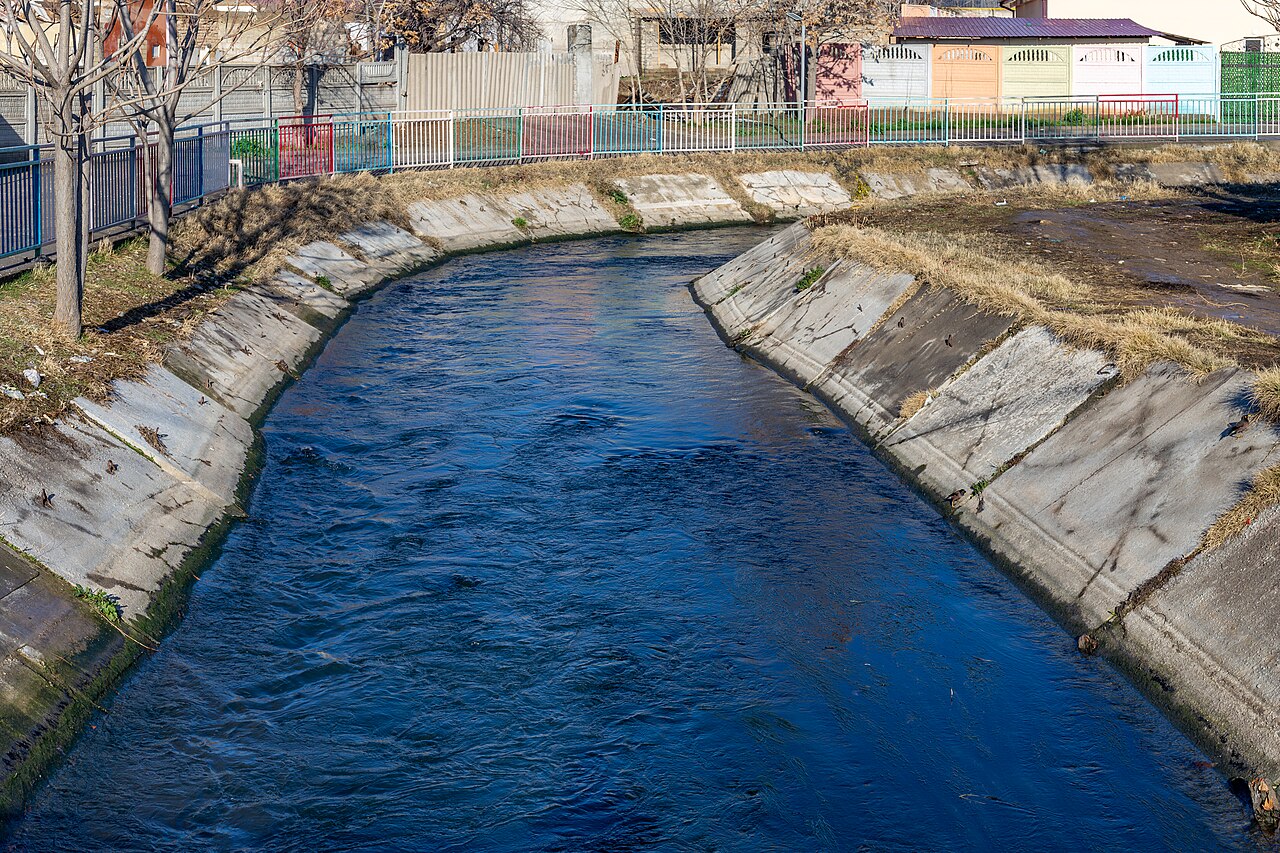
Tashkent
Capital of Uzbekistan
Within 30 km of the centre of Tashkent, the nature places people read about most are Tashkent City Park, Yangi Oʻzbekiston bogʻi, Victory Park, Tashkent and Anhor.
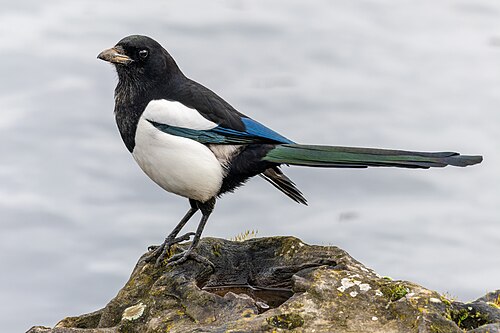
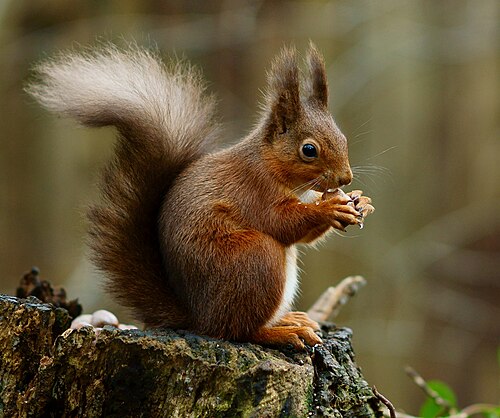
People have shared 11,597 wildlife records within 50 km of Tashkent in the last ten years. The wild animals recorded most often are the common myna, the Eurasian magpie, the rock dove, the laughing dove and the Eurasian red squirrel. Since the 1980s the area has become about 0.4 °C warmer.
Among the animals people record most around Tashkent, the arabian paper wasp and the bogdanov’s thin-toed gecko appear on no other city page here.
- Country
- Uzbekistan
- Population
- 3.0 million
- Area
- 335 km²
- Elevation
- 455 m
- Currency
- Uzbek som
- Time zone
- UTC+05
- Daylight
- 9 to 15 hours
Figures from Wikidata; population 2023.
Tashkent on the map
- Tashkent City Park
- Yangi Oʻzbekiston bogʻi
- Victory Park, Tashkent
- Anhor
- Qorasuw
- Salor
- Parkentsoy
- Qizilsoy
- Bakht lake
Nature close to Tashkent
The places people read most about, from the centre outwards.


- Tashkent City Park Park · 3 km
- Yangi Oʻzbekiston bogʻi Park · 13 km
- Victory Park, Tashkent Park · 7 km
- Anhor River · 10 km
- Qorasuw River · 7 km
- Bakht lake Lake · 9 km
- Akkurgan Canal Canal · 5 km
- Oqtepa Canal Canal · 7 km
- Burdzjar Canal · 8 km
- Damariq Canal Canal · 16 km
Routes from OpenStreetMap via Waymarked Trails. Not checked by 4Planet: follow local signs and conditions.
Wildlife around Tashkent
The wild animals people record most within 50 km, 2016–2025. Tick the ones you have seen to build your own list.





Seen in the last 30 days
What can you see near Tashkent now?
Month by month, from 11,597 records people shared within 50 km, 2016–2025.
At their peak in January

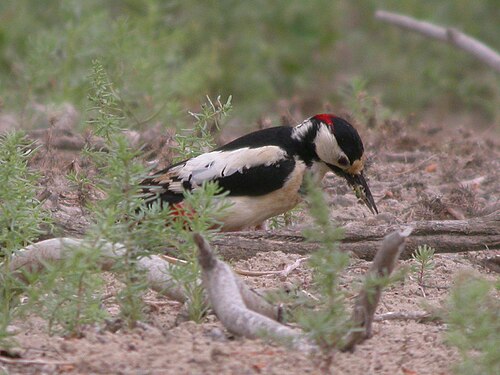

Most seen in January


649 animal records in January.
At their peak in February
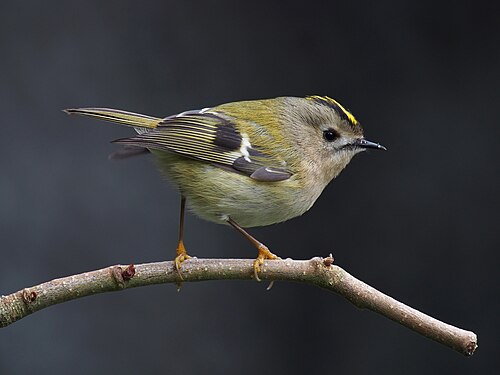
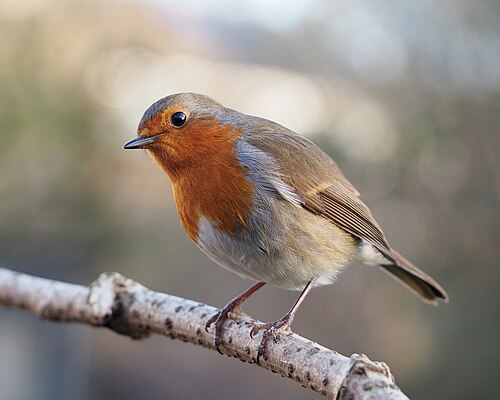
Most seen in February

910 animal records in February.
At their peak in March

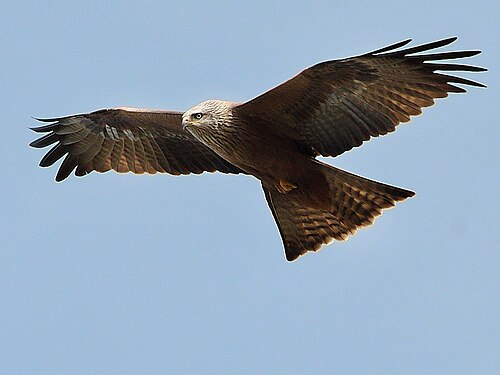
Most seen in March
1,051 animal records in March.
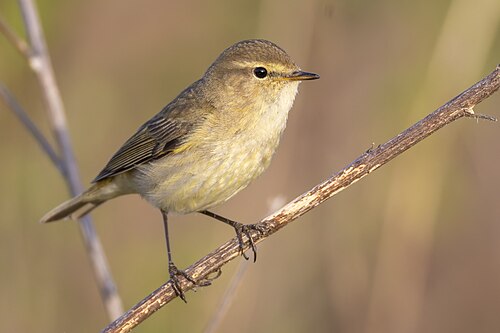
At their peak in April


Most seen in April

1,385 animal records in April.
At their peak in May


Most seen in May
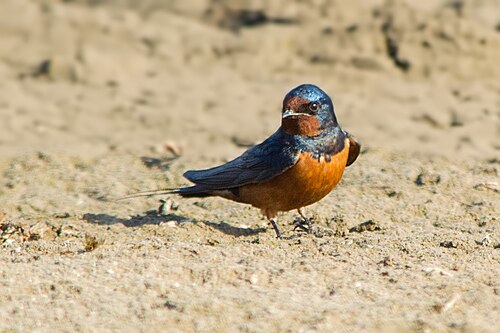
2,081 animal records in May.
At their peak in June

Most seen in June
627 animal records in June.
At their peak in July
Most seen in July
501 animal records in July.


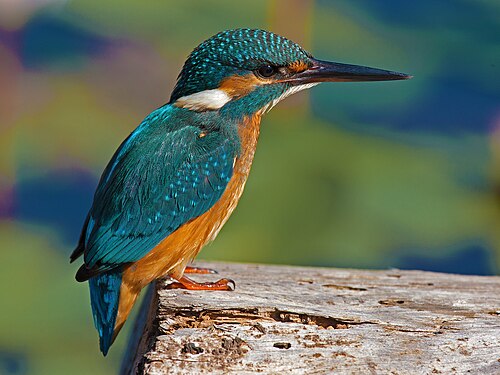
At their peak in October

Most seen in October

1,053 animal records in October.
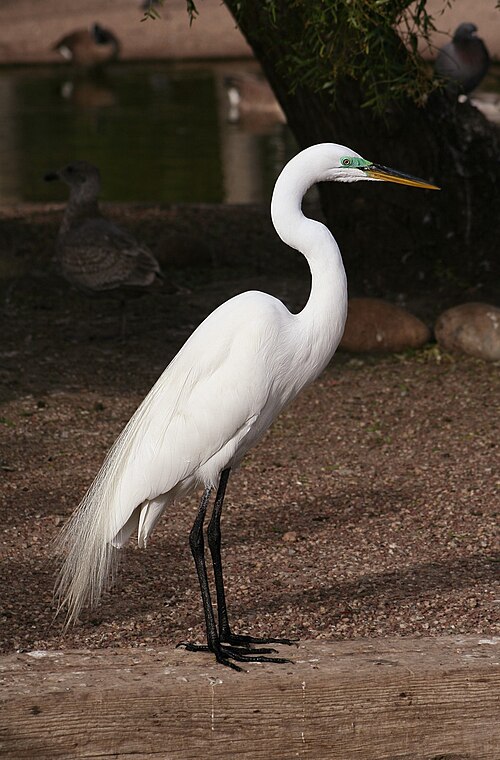
At their peak in November


Most seen in November
1,060 animal records in November.
At their peak in December

Most seen in December
603 animal records in December.
Tashkent is getting warmer
+0.4 °CAverage temperature around Tashkent in 2016–2025, compared with 1981–1990.
Daylight: about 9 hours in December and 15 in June.
Seen something near Tashkent?
Share a photo of it on iNaturalist. Other naturalists help name it, and confirmed records go to GBIF, where scientists use them. That is where the lists on this page come from.
Tashkent on the living planet
More places near Tashkent
Sources and photo credits
- Wikidata · Tashkent (Q269), facts and nature places
- Wikipedia page views · how well known each nature place is
- OpenStreetMap contributors via Waymarked Trails · marked walking routes (ODbL)
- GBIF · human observations within 50 km, 2016–2025 (11,597 animal records)
- NASA POWER · yearly temperature from satellite and model data (MERRA-2)
- MET Norway · weather now (shown live)
- Salor, Tashkent: Nikolai Bulykin, CC BY-SA 4.0
- Salor, Tashkent: Nikolai Bulykin, CC BY-SA 4.0
- Parkentsoy, Tashkent: Carpodacus, CC BY-SA 3.0
- Qizilsoy, Tashkent: Carpodacus, CC BY-SA 3.0
- Big Keles main canal, Tashkent: Carpodacus, CC BY-SA 3.0
- Common myna: Tisha Mukherjee, CC BY-SA 4.0
- Eurasian magpie: Alexis Lours, CC BY 4.0
- Rock dove: william_stephens, CC BY 4.0
- Laughing dove: Giles Laurent, CC BY-SA 4.0
- Eurasian red squirrel: Peter Trimming, CC BY 2.0
- Humming-bird hawk-moth: Thomas Bresson, CC BY 2.0
- Oriental hornet: KPFC, CC BY-SA 3.0
- Firebug: hedera.baltica from Wrocław, Poland, CC BY-SA 2.0
- Arabian paper wasp: Hopeland, CC BY 4.0
- Brown marmorated stink bug: Alexis Lours, CC BY 4.0
- Bogdanov’s thin-toed gecko: Yuliya Krasylenko, CC BY-SA 4.0
- Red runner cockroach: Cory Butterfield, CC BY 4.0
- Eurasian chaffinch: Gilles San Martin from Namur, Belgium, CC BY-SA 2.0
- Hooded crow: Donald Hobern from Copenhagen, Denmark, CC BY 2.0
- Brambling: mmlolek, CC BY 2.0
- Eversmann's redstart: Flickr user Alastair Rae . Photo uploaded to commons by user ltshears, CC BY-SA 2.0
- White-winged woodpecker: Flickr user Alastair Rae . Photo uploaded to commons by user ltshears, CC BY-SA 2.0
- Azure tit: Levashkin, CC BY-SA 4.0
- Black-throated thrush: soumyajit nandy from Kolkata, India, CC BY-SA 2.0
- Goldcrest: Francis C. Franklin, CC BY-SA 3.0
- European robin: Francis C. Franklin, CC BY-SA 3.0
- Eurasian hoopoe: Shantanu Kuveskar, CC BY-SA 3.0
- Black kite: Thomas Kraft (ThKraft), CC BY-SA 2.5
- Common swift: Alexis Lours, CC BY 4.0
- Common chiffchaff: Alexis Lours, CC BY 4.0
- Common house martin: MPF, CC BY 2.5
- Citrine wagtail: MPF, CC BY-SA 4.0
- Grey wagtail: gailhampshire from Cradley, Malvern, U.K, CC BY 2.0
- Barn swallow: Morhaf Aljanee, CC BY-SA 3.0
- Common tern: Alexis Lours, CC BY 4.0
- Blyth’s reed warbler: Tisha Mukherjee, CC BY-SA 4.0
- European roller: Saeed Davari, CC BY-SA 4.0
- Black-crowned night heron: Rhododendrites, CC BY-SA 4.0
- European bee-eater: Петро Катеринич, CC BY 4.0
- Lesser whitethroat: User:Aelwyn, CC BY-SA 3.0
- Western yellow wagtail: Kathy2408, CC BY-SA 4.0
- Rook: Brian Snelson from Hockley, Essex, England, CC BY 2.0
- Common kingfisher: Artemy Voikhansky, CC BY-SA 4.0
- Western jackdaw: Darkone, CC BY-SA 2.5
- Great cormorant: Mathew Schwartz, CC BY 3.0
- Black-headed gull: Diliff, CC BY-SA 3.0
- Great egret: Calibas, CC BY-SA 3.0
- Eurasian sparrowhawk: Meneer Zjeroen, CC BY 2.0


Wildlife records show where people have seen and shared plants and animals, not everything that lives here; some places and months are recorded more than others. Sensitive species are never shown with a month or as seen recently. Routes come from OpenStreetMap and are not checked by 4Planet: follow local signs and conditions. Climate figures are NASA estimates for the area around Tashkent, not a single weather station.
Checked 2026-11-21.