
Sevastopol
City in Ukraine
Within 30 km of the centre of Sevastopol, the nature places people read about most are Sevastopol Naval Base, Alma, Sevastopol Bay and Cape Fiolent, and marked walks close to the city include 2-й лесной кордон - Эски-Кермен and Соединительный Донаторский.
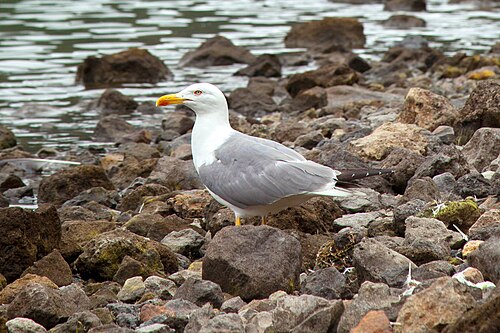
People have shared 15,442 wildlife records within 50 km of Sevastopol in the last ten years. The wild animals recorded most often are the Eurasian chaffinch, the common coot, the common wood pigeon, the yellow-legged gull and the common blackbird. Since the 1980s the area has become about 1.8 °C warmer.
- Country
- Ukraine
- Population
- 485,386
- Area
- 864 km²
- Elevation
- 15 m
- Currency
- Hryvnia
- Daylight
- 9 to 16 hours
Figures from Wikidata; population 2022.
Sevastopol on the map
- Sevastopol Naval Base
- Alma
- Sevastopol Bay
- Cape Fiolent
- Cape Aya
- Balaklava Bay
- Chorna River
- Sarych
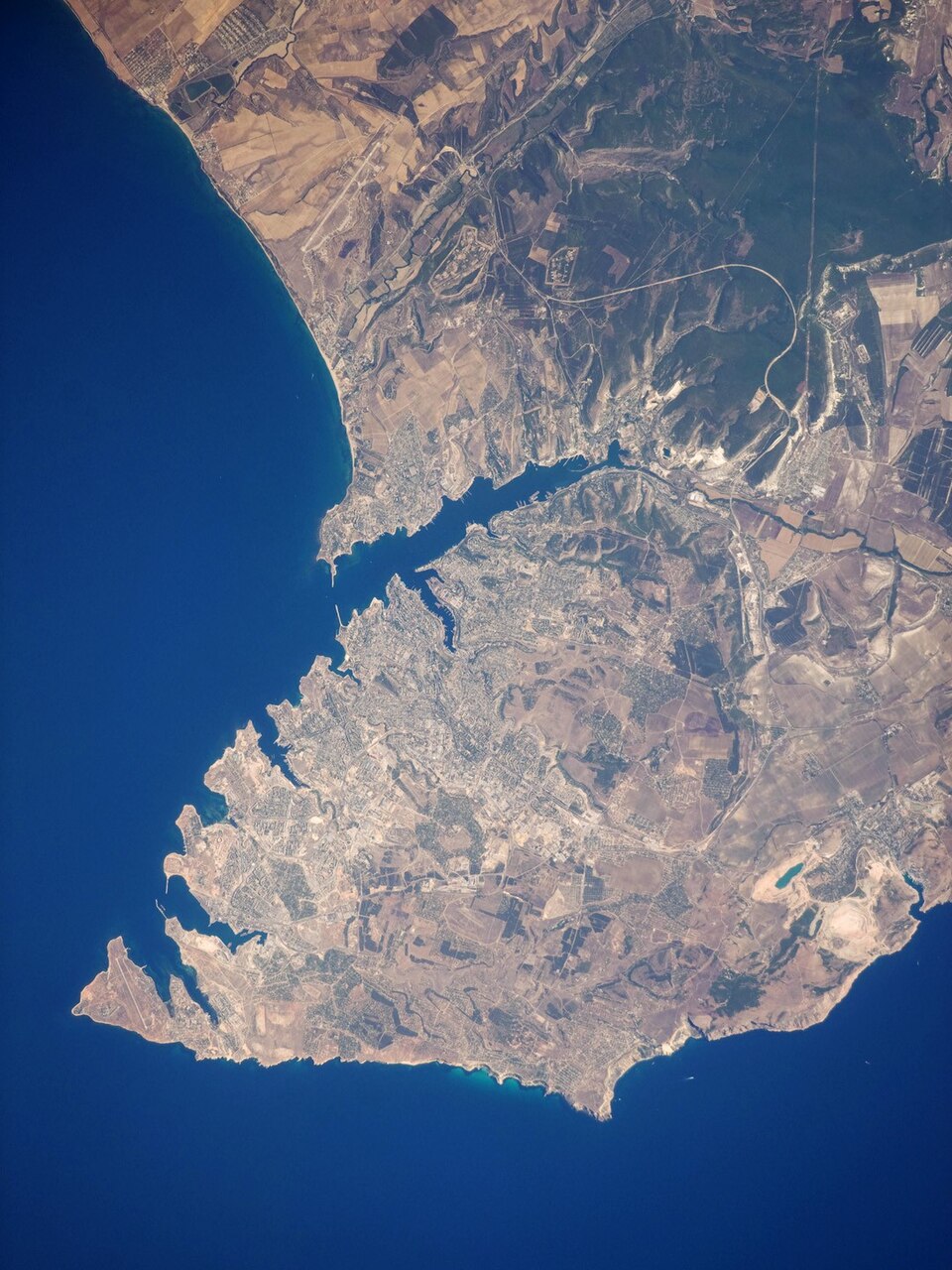
- Heracles peninsula
Nature close to Sevastopol
The places people read most about, from the centre outwards.

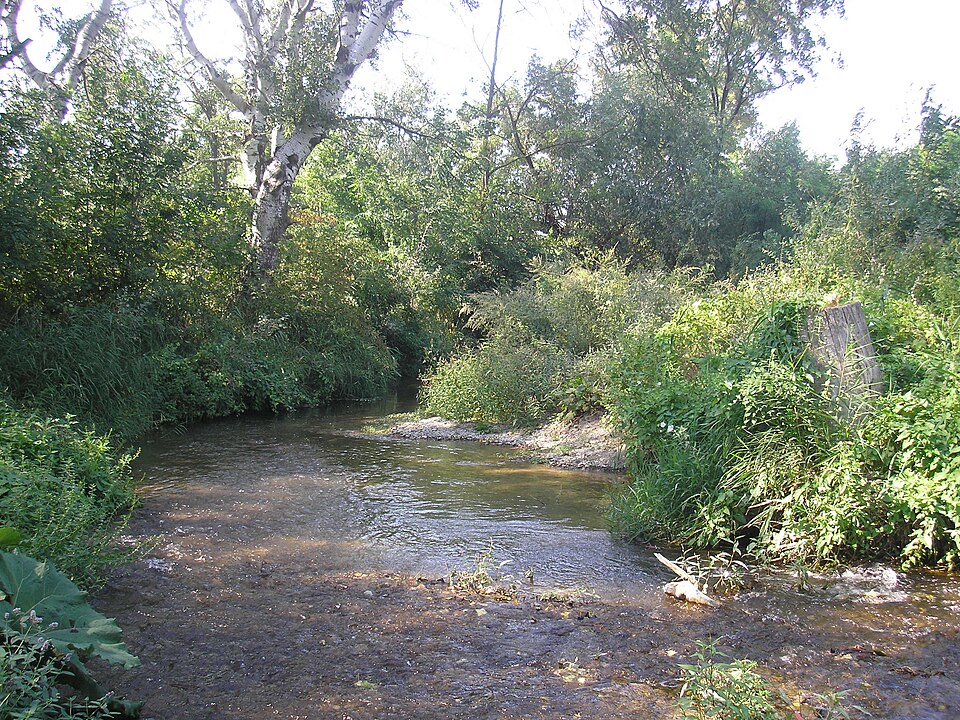
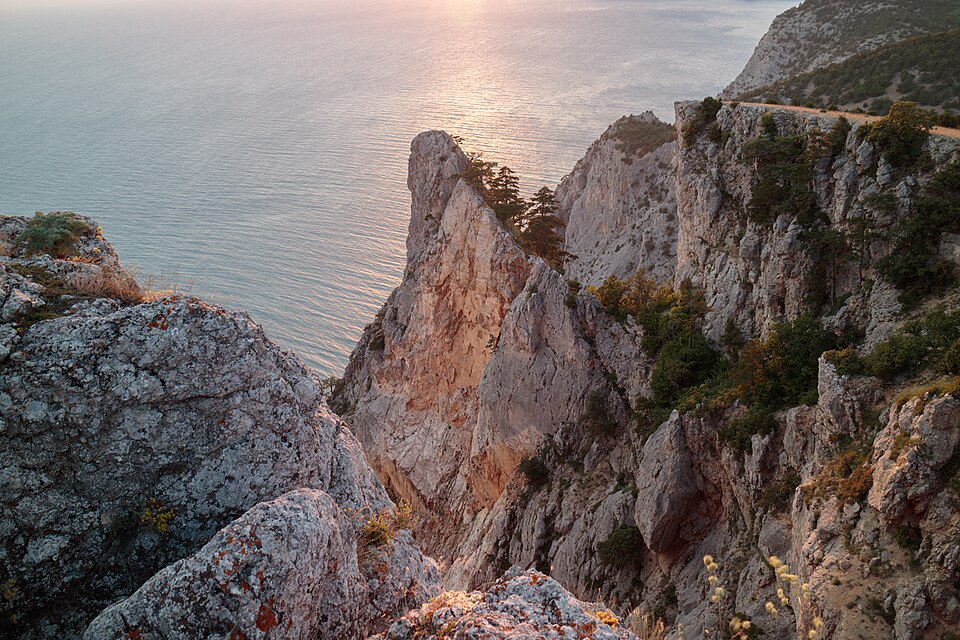
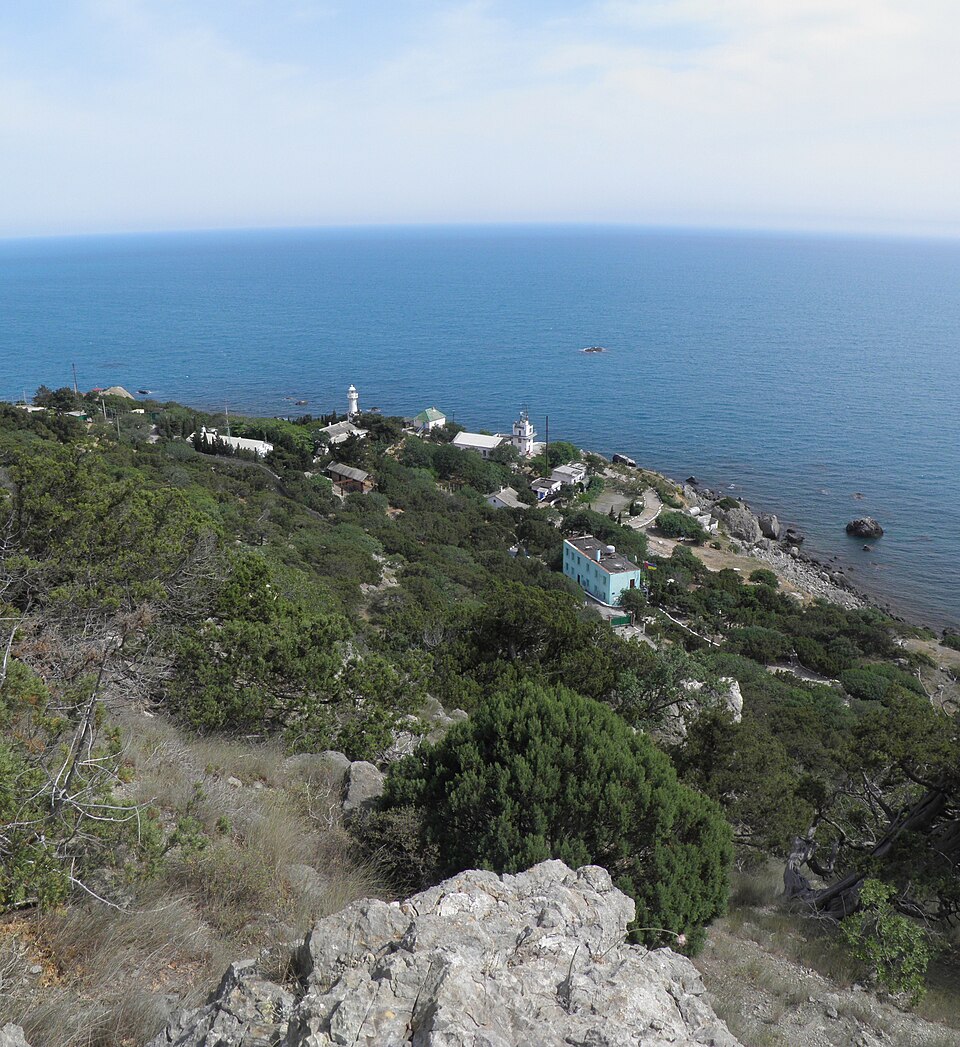
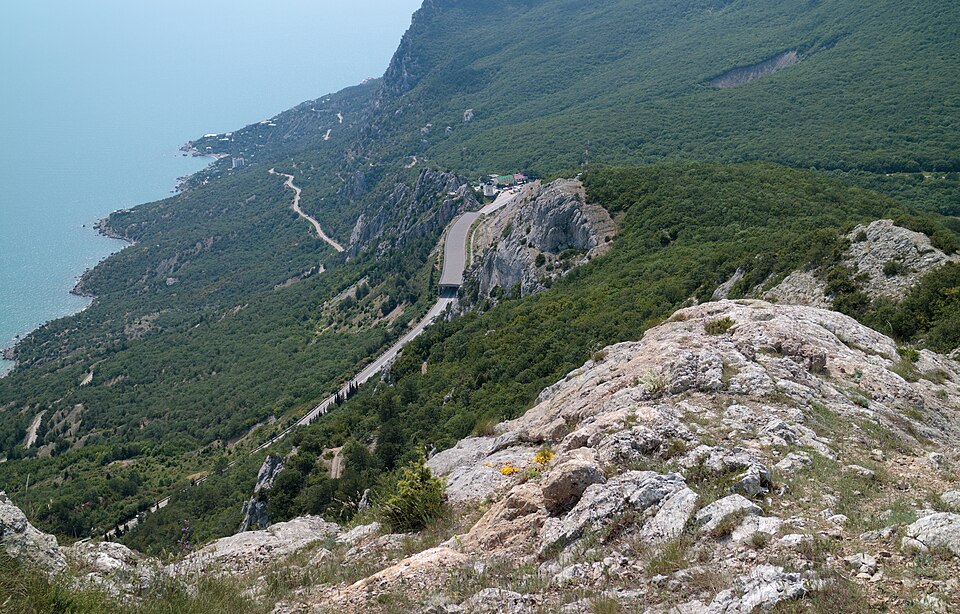
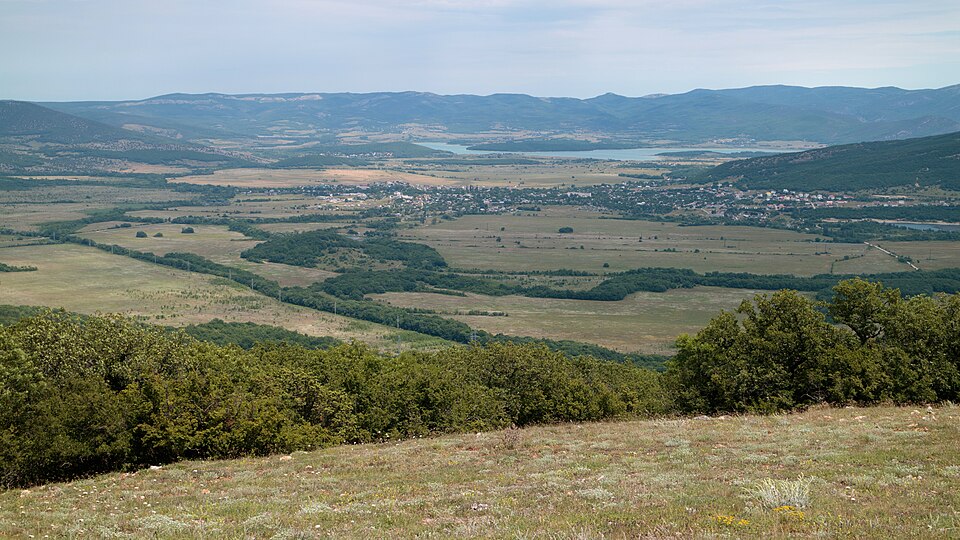
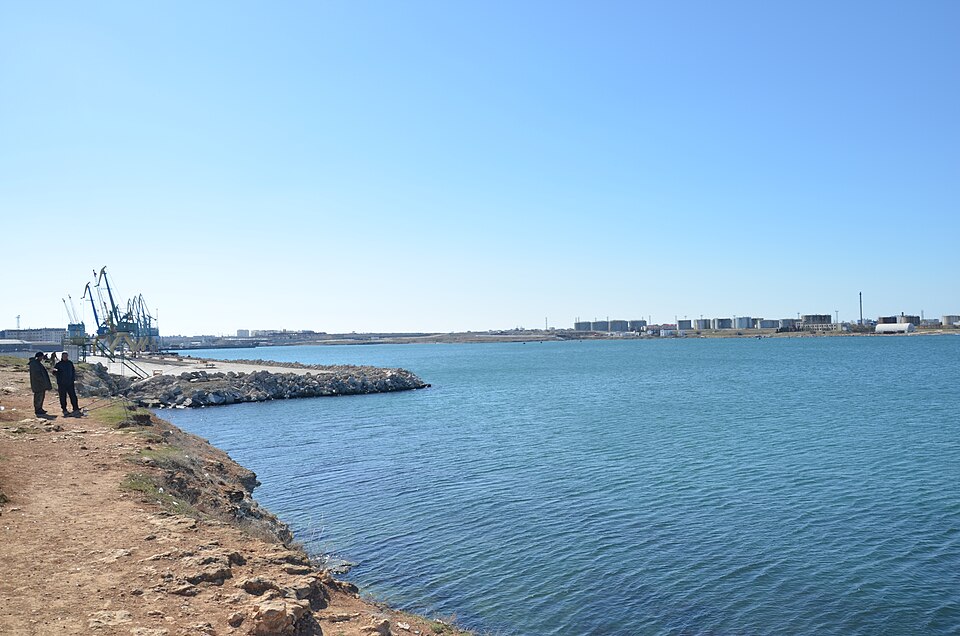
- Sevastopol Bay Fjord · 2 km
- Cape Fiolent Cape · 12 km
- Balaklava Bay Fjord · 13 km
- Chorna River River · 6 km
- Pivdenna Bay Cove · 1 km
Marked walks
- 2-й лесной кордон - Эски-Кермен2.9 km · 14 km from the centre
- Соединительный Донаторский4 km · 16 km from the centre
Long-distance trails through the area: Крымская Тропа (652 km), Большая Севастопольская тропа (116 km), WR (108 km).
Routes from OpenStreetMap via Waymarked Trails. Not checked by 4Planet: follow local signs and conditions.
Wildlife around Sevastopol
The wild animals people record most within 50 km, 2016–2025. Tick the ones you have seen to build your own list.



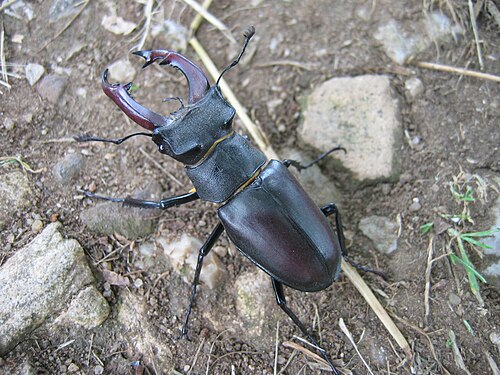
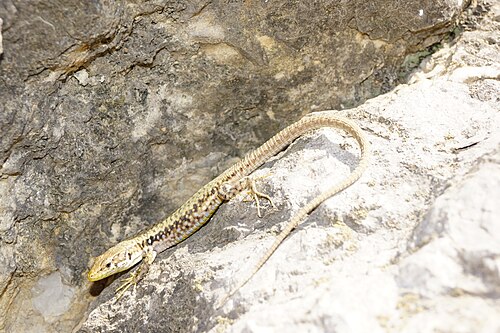

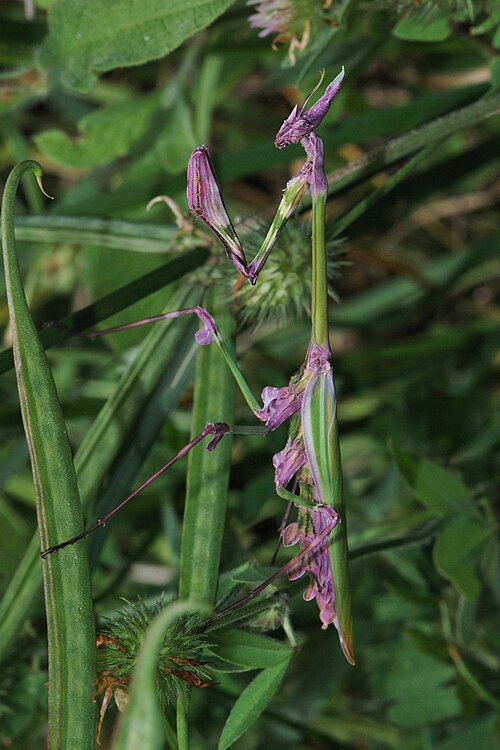
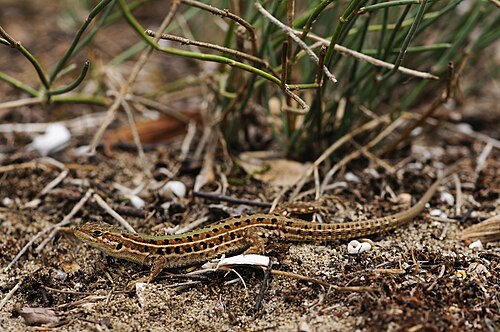

Seen in the last 30 days
What can you see near Sevastopol now?
Month by month, from 15,442 records people shared within 50 km, 2016–2025.
At their peak in January



Most seen in January


1,496 animal records in January.
At their peak in February


Most seen in February
904 animal records in February.
At their peak in March


Most seen in March
Plants and fungi at their peak in March
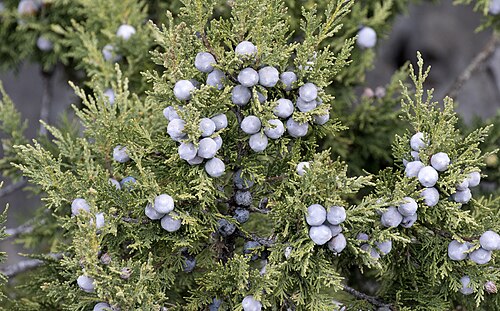

917 animal records in March.
At their peak in April


Most seen in April

Plants and fungi at their peak in April
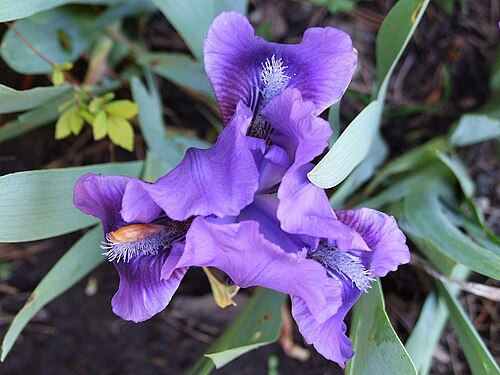
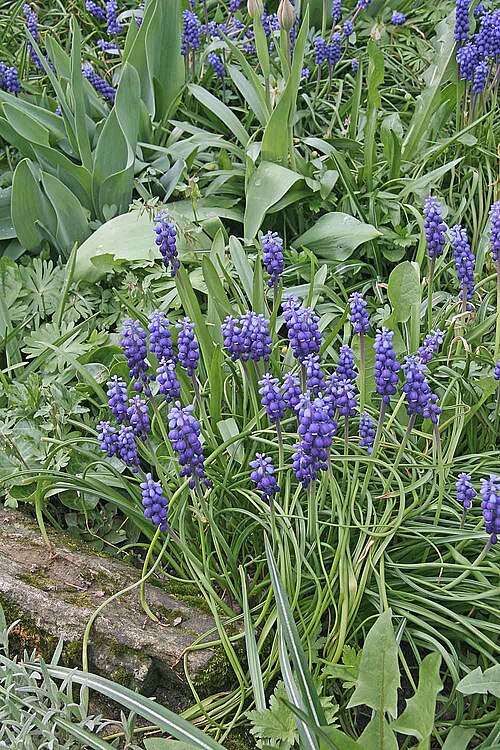


1,483 animal records in April.
At their peak in May

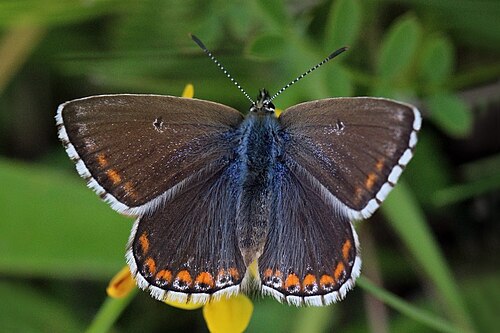
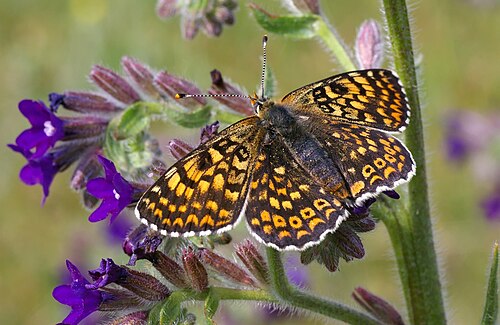
Most seen in May

Plants and fungi at their peak in May
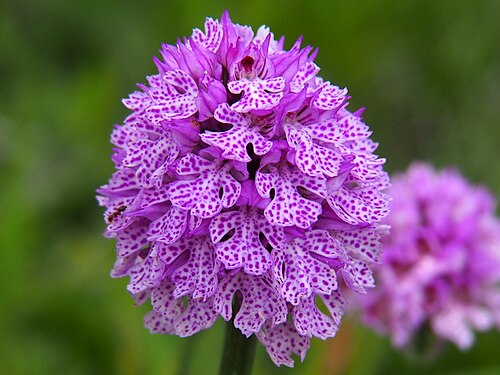
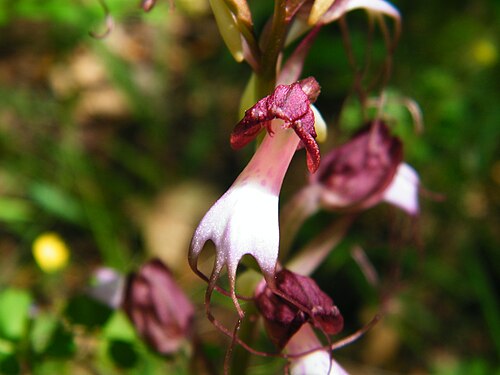
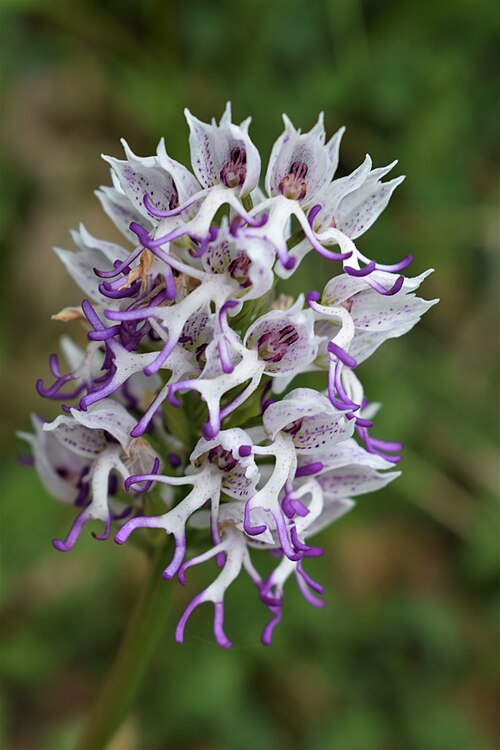
1,879 animal records in May.
At their peak in June

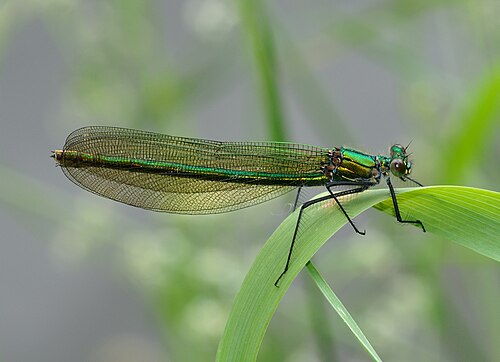
Most seen in June
Plants and fungi at their peak in June
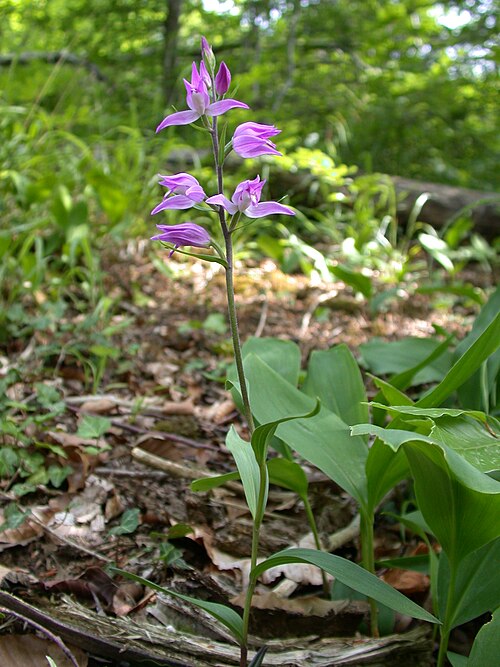
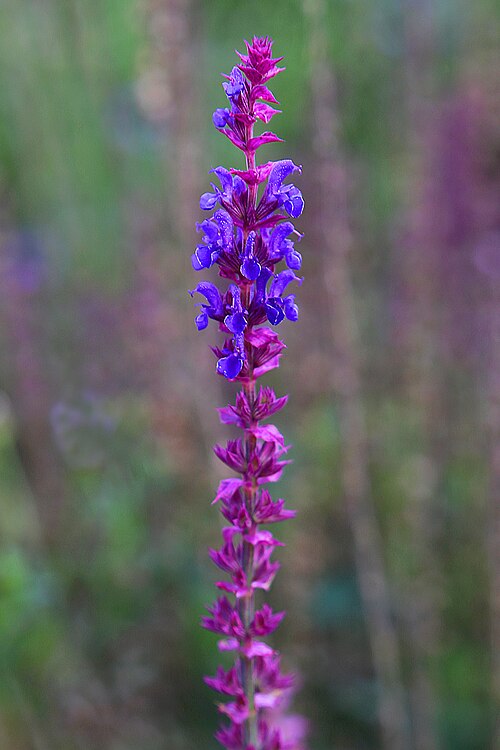
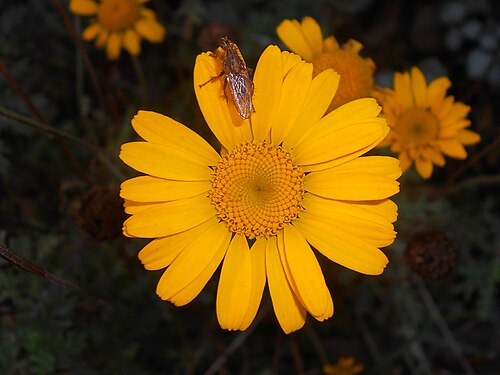
2,010 animal records in June.
At their peak in July
Most seen in July

Plants and fungi at their peak in July


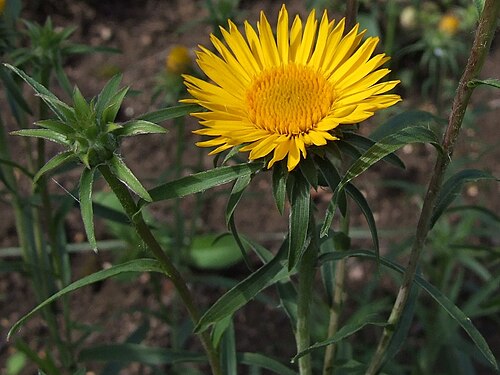
1,463 animal records in July.
At their peak in August
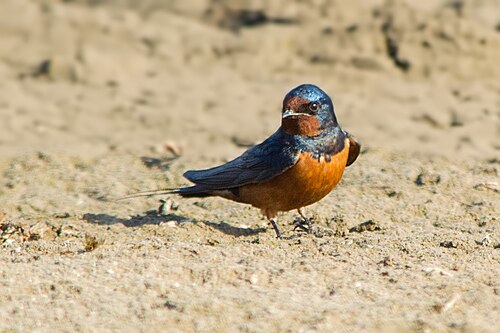


Most seen in August

Plants and fungi at their peak in August
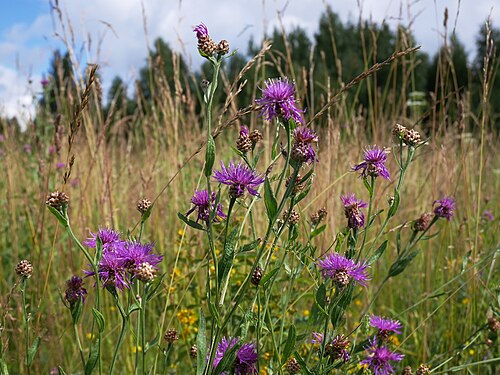


1,552 animal records in August.
At their peak in September
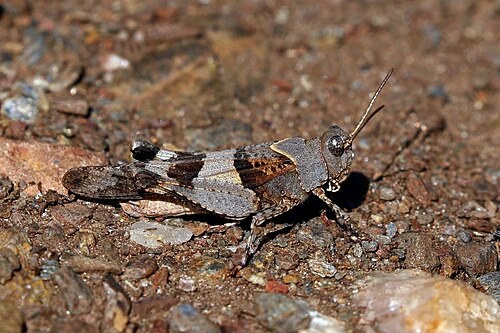
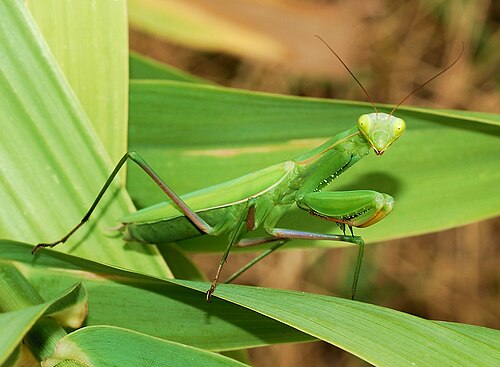
Most seen in September
Plants and fungi at their peak in September
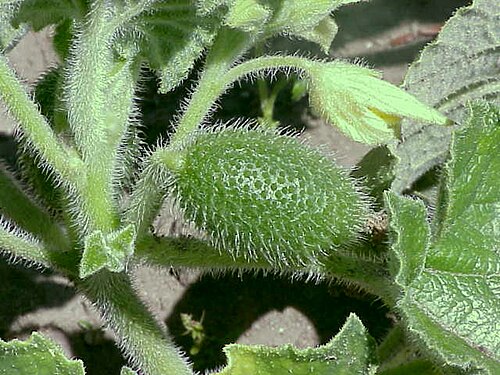
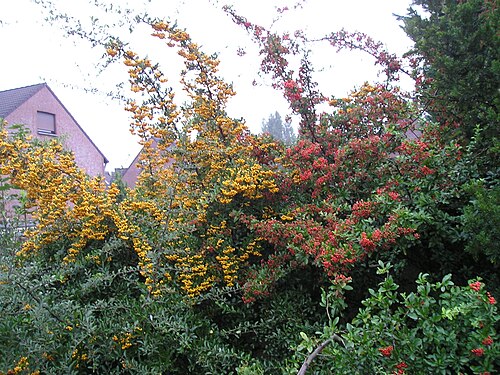
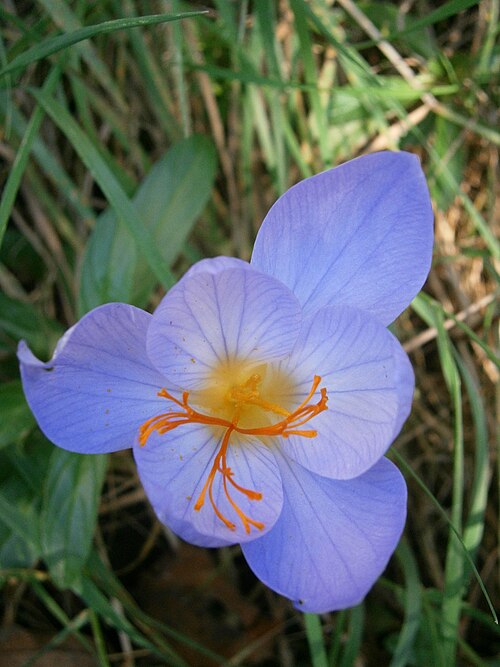
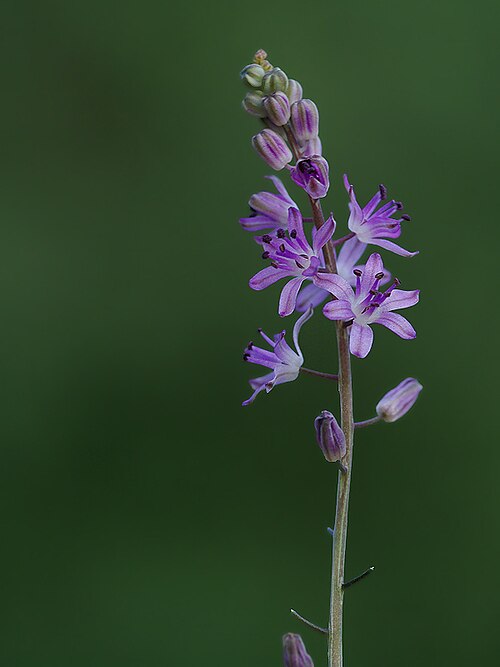
1,242 animal records in September.
At their peak in October

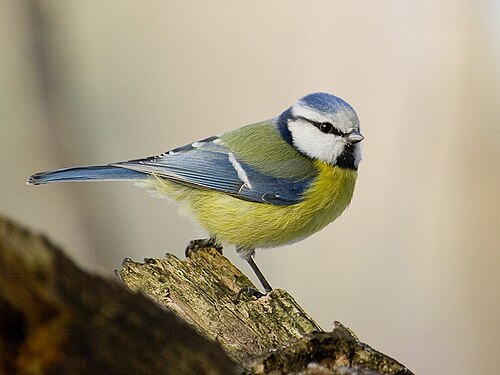
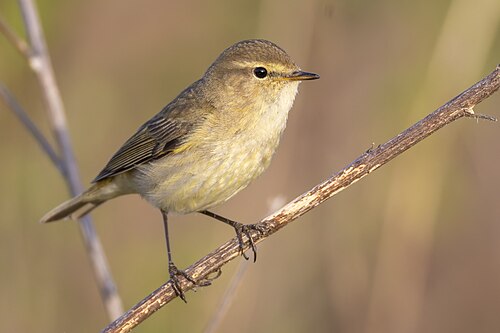
Most seen in October
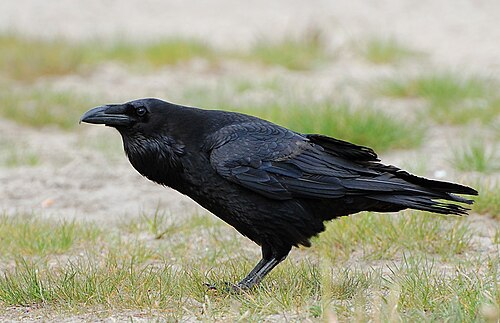
Plants and fungi at their peak in October
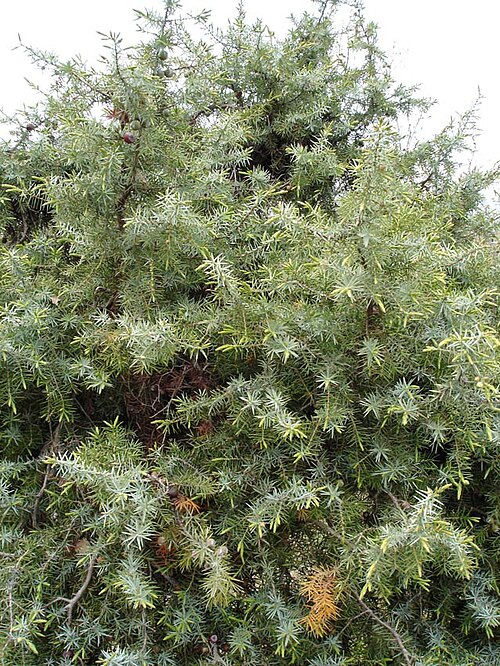

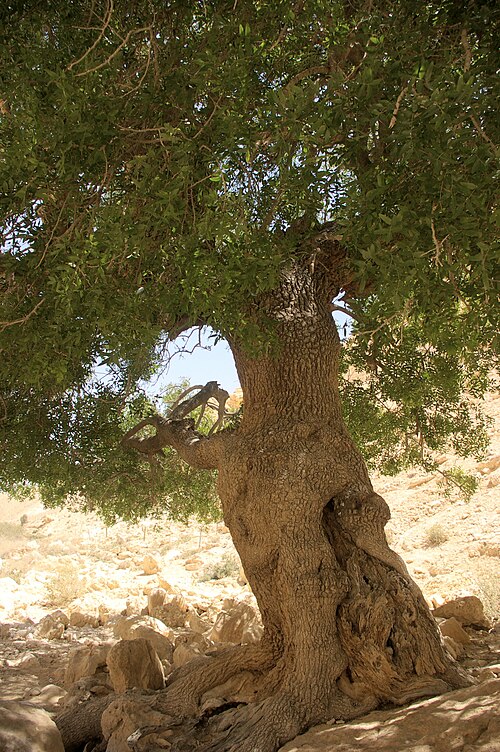

1,160 animal records in October.
At their peak in November

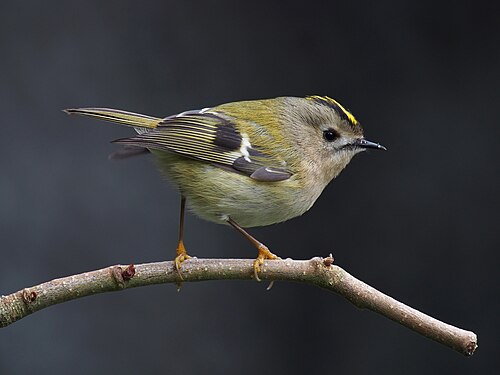


Most seen in November
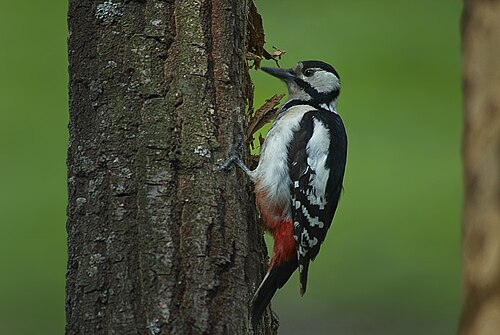
689 animal records in November.
At their peak in December

Most seen in December
647 animal records in December.
Sevastopol is getting warmer
+1.8 °CAverage temperature around Sevastopol in 2016–2025, compared with 1981–1990.
Daylight: about 9 hours in December and 16 in June.
Seen something near Sevastopol?
Share a photo of it on iNaturalist. Other naturalists help name it, and confirmed records go to GBIF, where scientists use them. That is where the lists on this page come from.
Sevastopol on the living planet
More places near Sevastopol
Sources and photo credits
- Wikidata · Sevastopol (Q7525), facts and nature places
- Wikipedia page views · how well known each nature place is
- OpenStreetMap contributors via Waymarked Trails · marked walking routes (ODbL)
- GBIF · human observations within 50 km, 2016–2025 (15,442 animal records)
- NASA POWER · yearly temperature from satellite and model data (MERRA-2)
- MET Norway · weather now (shown live)
- Sevastopol Naval Base, Sevastopol: Unknown crew of a German plane, Public domain
- Sevastopol Naval Base, Sevastopol: Unknown crew of a German plane, Public domain
- Alma, Sevastopol: Kosun, CC0
- Cape Aya, Sevastopol: Vyacheslav Argenberg, CC BY-SA 4.0
- Sarych, Sevastopol: Vimoculars, CC BY-SA 3.0
- Heracles peninsula, Sevastopol: This image was taken by the Nasa Expedition 20 crew., Public domain
- Laspi Pass, Sevastopol: Vyacheslav Argenberg, CC BY 4.0
- Baydar Valley, Sevastopol: Vyacheslav Argenberg, CC BY 4.0
- Kamiesch, Sevastopol: Юровский Александр, CC BY-SA 4.0
- Eurasian chaffinch: Gilles San Martin from Namur, Belgium, CC BY-SA 2.0
- Common coot: Zeynel Cebeci, CC BY-SA 4.0
- Common wood pigeon: Don Loarie, CC BY 4.0
- Yellow-legged gull: Cinty Ionescu from Bucharest, Romania, this edit MPF, CC BY 2.0
- Common blackbird: Hobbyfotowiki, CC0
- Stag beetle: No machine-readable author provided. Esv assumed (based on copyright claims)., Public domain
- Lindholm's lizard: Igor Banatskiy, CC BY-SA 3.0
- Transcaucasian giant mantis: Brunei, CC BY-SA 4.0
- Devil's mare: Gideon Pisanty (Gidip) גדעון פיזנטי, CC BY 3.0
- Balkan wall lizard: Benny Trapp, CC BY 3.0
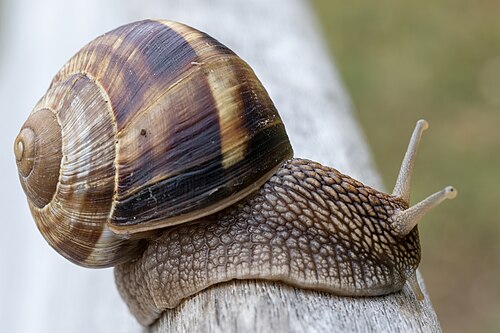
- Turkish snail: Alexis Lours, CC BY 2.0
- Chocolate-band snail: Nico Hernandez, CC BY 4.0
- Tufted duck: Alexis Lours, CC BY 4.0
- Black-headed gull: Diliff, CC BY-SA 3.0
- Great cormorant: Mathew Schwartz, CC BY 3.0
- Mallard: Rolf Dietrich Brecher from Germany, CC BY 2.0
- Common pochard: Hunter Desportes, CC BY 2.0
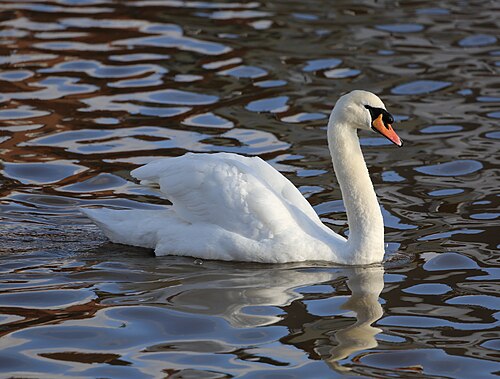
- Mute swan: Geni, CC BY-SA 4.0
- Little grebe: Zeynel Cebeci, CC BY-SA 4.0
- Great crested grebe: caroline legg, CC BY 2.0
- Hooded crow: Donald Hobern from Copenhagen, Denmark, CC BY 2.0
- Yelkouan shearwater: Julien Renoult, CC BY 4.0
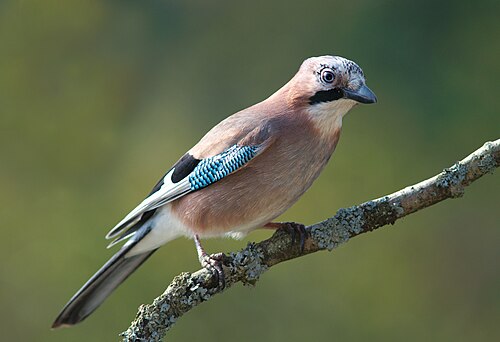
- Eurasian jay: Luc Viatour, CC BY-SA 3.0
- Black-throated loon: Robert Bergman, Public domain
- Black-necked grebe: ryanvanhuyssteen, CC BY 4.0
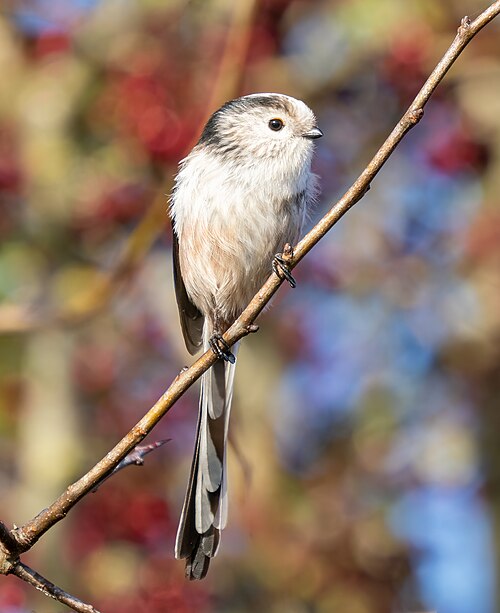
- Long-tailed tit: Rhododendrites, CC BY-SA 4.0
- Grecian juniper: Zeynel Cebeci, CC BY-SA 4.0
- Alpine squill: Florian Grossir, CC BY-SA 3.0
- Northern wheatear: Andreas Trepte, CC BY-SA 2.5
- Eurasian hoopoe: Shantanu Kuveskar, CC BY-SA 3.0
- Tree pipit: MPF, CC BY-SA 3.0
- Dwarf iris: Jerzy Opioła, CC BY-SA 4.0
- Grape-hyacinth: Prazak, CC BY-SA 3.0
- Red dead-nettle: Daniel J. Layton, CC BY-SA 4.0
- Sun spurge: Kızıl, CC BY-SA 4.0
- Red-backed shrike: Zeynel Cebeci, CC BY-SA 4.0
- Rose chafer: Chrumps, CC BY-SA 3.0
- Adonis blue: Charles J. Sharp, CC BY-SA 4.0
- Glanville fritillary: Christian Fischer, CC BY-SA 3.0
- Three-toothed orchid: Kookaburra91156, CC BY-SA 4.0
- Komper's orchid: Mr.Rosewater, CC BY-SA 3.0
- Monkey orchid: Μεταξία Φωτίου, CC BY-SA 4.0
- Painted lady: Sayan Sanyal, CC BY-SA 4.0
- Banded demoiselle: Quartl, CC BY-SA 3.0
- Red helleborine: Olivier Pichard, CC BY-SA 3.0
- Woodland sage: W. Bulach, CC BY-SA 4.0
- Golden chamomile: Salicyna, CC BY-SA 4.0
- Scarce swallowtail: Tbc, Public domain
- Lady's bedstraw: Bjoertvedt, CC BY-SA 3.0
- Wild marjoram: Ivar Leidus, CC BY-SA 4.0
- Sword-leaved inula: Jerzy Opioła, CC BY-SA 4.0
- Rock dove: william_stephens, CC BY 4.0
- Barn swallow: Morhaf Aljanee, CC BY-SA 3.0
- Common house martin: MPF, CC BY 2.5
- Red-veined darter: Alvesgaspar, CC BY 2.5
- Brown knapweed: cheloVechek / talk, CC BY-SA 4.0
- Ragweed: Dalgial, CC BY-SA 3.0
- Canadian fleabane: Andrey Zharkikh from Salt Lake City, USA, CC BY 2.0
- Blue-winged grasshopper: Charles J. Sharp, CC BY-SA 4.0
- European mantis: Alvesgaspar, CC BY-SA 3.0
- Squirting cucumber: Kurt Stueber, CC BY-SA 3.0
- Scarlet firethorn: noebse, CC BY-SA 2.5
- Bieberstein's crocus: Meneerke bloem, CC BY-SA 3.0
- Autumn squill: Zeynel Cebeci, CC BY-SA 4.0
- Northern raven: Accipiter (R. Altenkamp, Berlin), CC BY-SA 3.0
- Grey heron: Bengt Nyman from Vaxholm, Sweden, CC BY 2.0
- Eurasian blue tit: Sławek Staszczuk, CC BY-SA 3.0
- Common chiffchaff: Alexis Lours, CC BY 4.0
- Cade juniper: Jean Tosti, CC BY-SA 3.0
- Evergreen clematis: Michael Gasperl (Migas), CC BY-SA 3.0
- Mt. atlas mastic tree: איתן פרמן, CC BY-SA 3.0
- Tree of heaven: Darkone (talk · contribs), CC BY-SA 2.5
- Great spotted woodpecker: Плешков Алексей, CC BY-SA 3.0
- Mistle thrush: Alun Williams333, CC BY-SA 4.0
- Goldcrest: Francis C. Franklin, CC BY-SA 3.0
- Rook: Brian Snelson from Hockley, Essex, England, CC BY 2.0
- Common moorhen: gailhampshire from Cradley, Malvern, U.K, CC BY 2.0
- Great tit: Frank Vassen from Brussels, Belgium, CC BY 2.0


Wildlife records show where people have seen and shared plants and animals, not everything that lives here; some places and months are recorded more than others. Sensitive species are never shown with a month or as seen recently. Routes come from OpenStreetMap and are not checked by 4Planet: follow local signs and conditions. Climate figures are NASA estimates for the area around Sevastopol, not a single weather station.
Checked 2026-11-27.