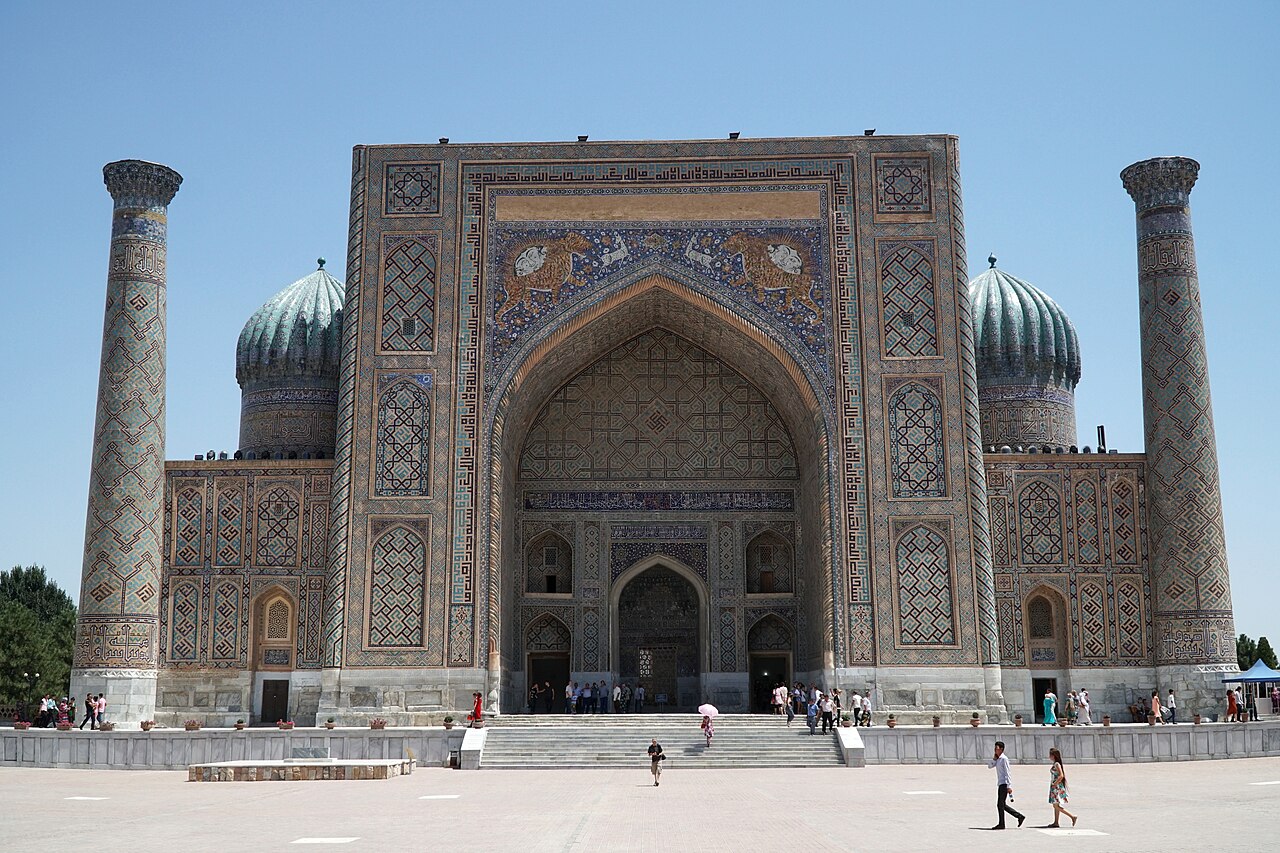
Samarkand
City in Uzbekistan
Within 30 km of the centre of Samarkand, the nature places people read about most are Akdar’ya, Amankutan cave, Zarafshan National Natural Park and Chupan-Ata Mausoleum.
People have shared 13,024 wildlife records within 50 km of Samarkand in the last ten years. The wild animals recorded most often are the common myna, the Eurasian magpie, the rock dove, the rook and the painted lady.
Among the animals people record most around Samarkand, the turkestan rock agama and the yellow ground squirrel appear on no other city page here.
- Country
- Uzbekistan
- Population
- 546,303
- Area
- 108 km²
- Elevation
- 702 m
- Currency
- Uzbek som
- Time zone
- UTC+05
- Daylight
- 9 to 15 hours
Figures from Wikidata; population 2020.
Samarkand on the map
- Akdar’ya
- Amankutan cave
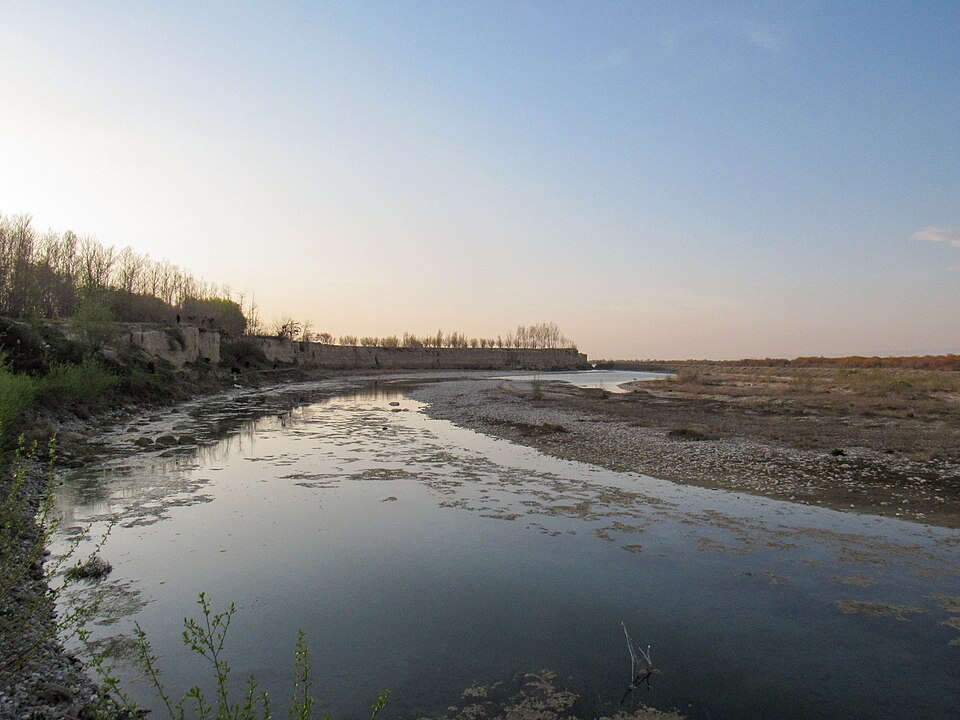
- Zarafshan National Natural Park
- Chupan-Ata Mausoleum
- Zeravshanskaya Dolina
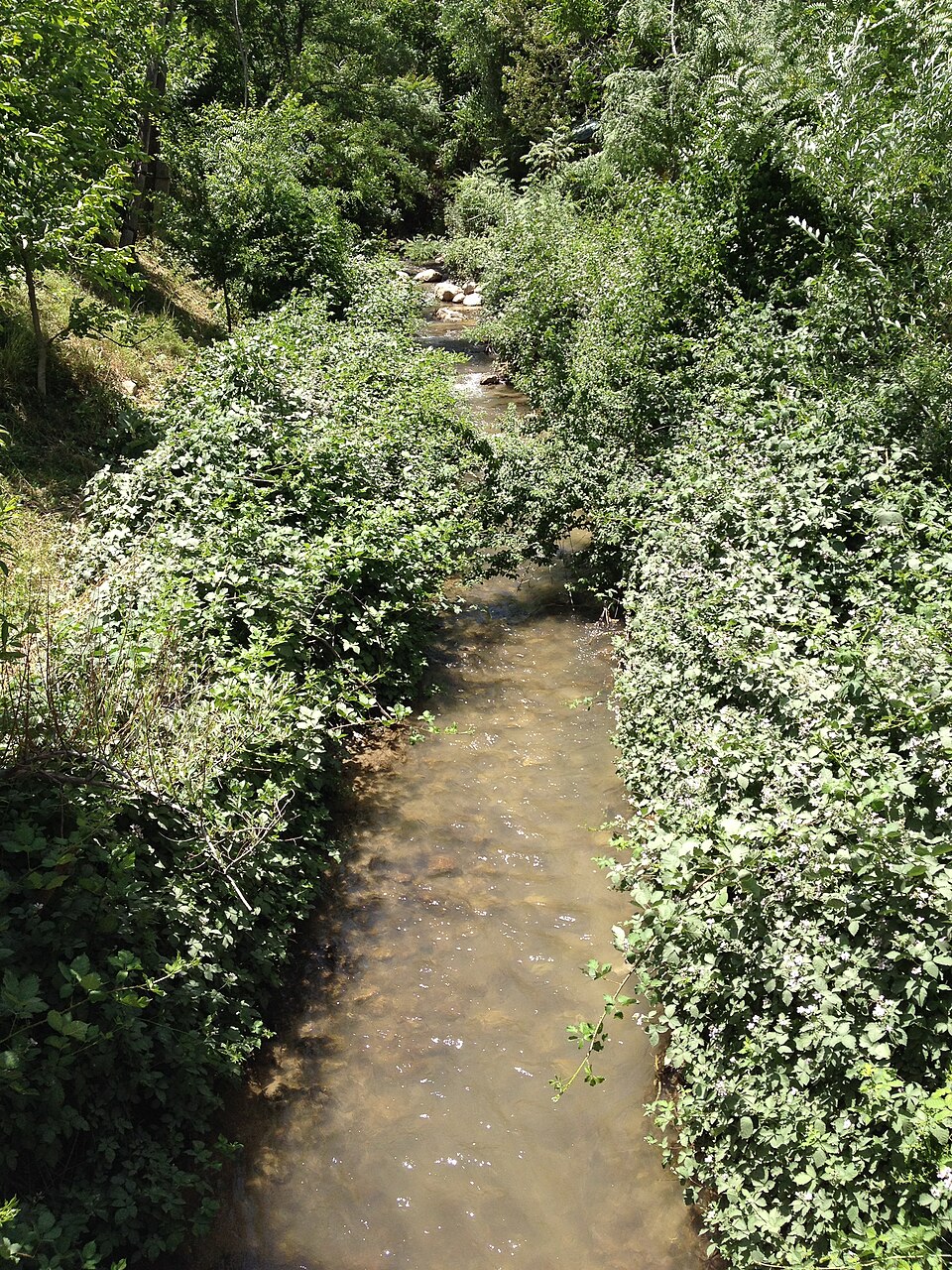
- Aman-Kutan Say River
- Darghom
- Siyob river
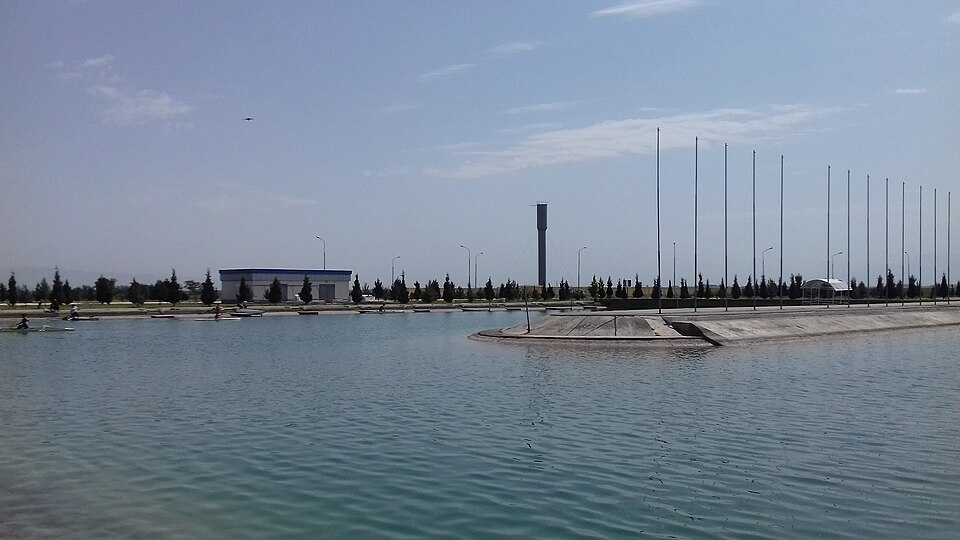
- Samarkand Rowing Canal
Nature close to Samarkand
The places people read most about, from the centre outwards.
- Akdar’ya River · 8 km
- Amankutan cave Cave · 28 km
- Chupan-Ata Mausoleum Hill · 6 km
- Zeravshanskaya Dolina Valley · 29 km
- Darghom Canal · 29 km
- Siyob river River · 15 km
- Agalyk Hill · 29 km
- Bodbodsoy River · 28 km
- Khrebet Karatepa Hill · 30 km
Routes from OpenStreetMap via Waymarked Trails. Not checked by 4Planet: follow local signs and conditions.
Wildlife around Samarkand
The wild animals people record most within 50 km, 2016–2025. Tick the ones you have seen to build your own list.

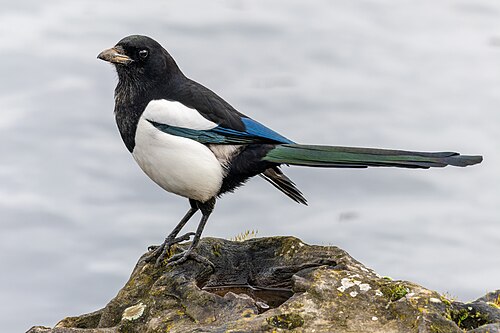


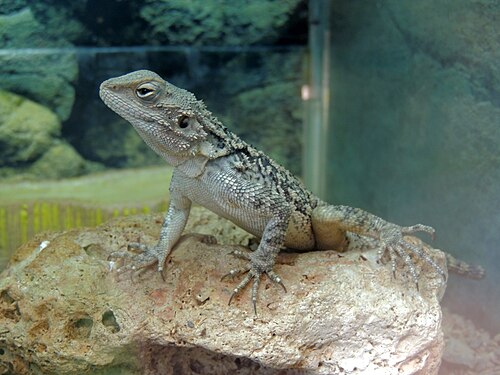
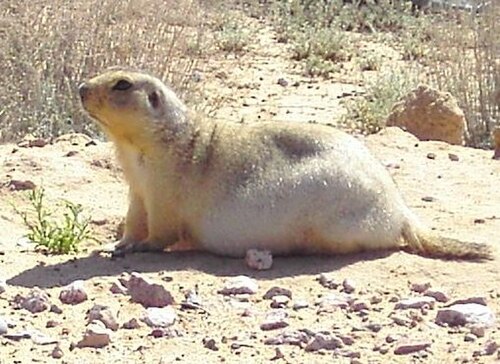
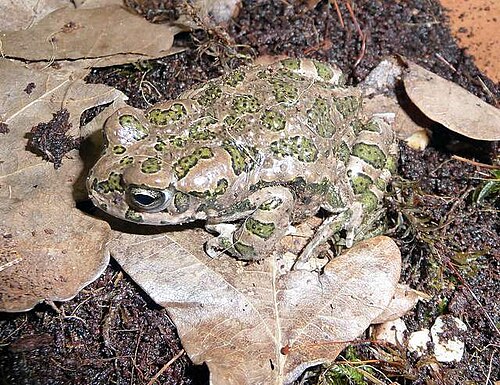

Seen in the last 30 days
What can you see near Samarkand now?
Month by month, from 13,024 records people shared within 50 km, 2016–2025.
Most seen in January

99 animal records in January.
At their peak in February


Most seen in February

1,808 animal records in February.










At their peak in November
Most seen in November
717 animal records in November.
At their peak in December

Most seen in December
565 animal records in December.
Samarkand is getting warmer
Daylight: about 9 hours in December and 15 in June.
Seen something near Samarkand?
Share a photo of it on iNaturalist. Other naturalists help name it, and confirmed records go to GBIF, where scientists use them. That is where the lists on this page come from.
Samarkand on the living planet
More places near Samarkand
Sources and photo credits
- Wikidata · Samarkand (Q5753), facts and nature places
- Wikipedia page views · how well known each nature place is
- OpenStreetMap contributors via Waymarked Trails · marked walking routes (ODbL)
- GBIF · human observations within 50 km, 2016–2025 (13,024 animal records)
- NASA POWER · yearly temperature from satellite and model data (MERRA-2)
- MET Norway · weather now (shown live)
- Samarkand, Uzbekistan: Adam Harangozó, CC BY-SA 4.0
- Zarafshan National Natural Park, Samarkand: Nikolai Bulykin, CC BY-SA 4.0
- Aman-Kutan Say River, Samarkand: Carpodacus, CC BY-SA 4.0
- Samarkand Rowing Canal, Samarkand: Akhemen, CC BY-SA 4.0
- Common myna: Tisha Mukherjee, CC BY-SA 4.0
- Eurasian magpie: Alexis Lours, CC BY 4.0
- Rock dove: william_stephens, CC BY 4.0
- Rook: Brian Snelson from Hockley, Essex, England, CC BY 2.0
- Painted lady: Sayan Sanyal, CC BY-SA 4.0
- Oriental hornet: KPFC, CC BY-SA 3.0
- Turkestan rock agama: Alexandronikos, CC BY-SA 3.0
- Yellow ground squirrel: Yuriy75, Public domain
- Pewzow's toad: Dr. Mikhail F. Bagaturov, CC BY-SA 4.0
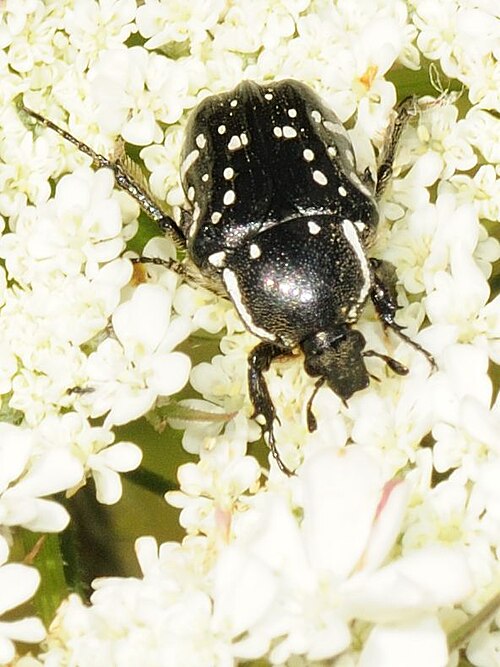
- Middle eastern flower scarab: Philipp Weigell, CC BY 3.0
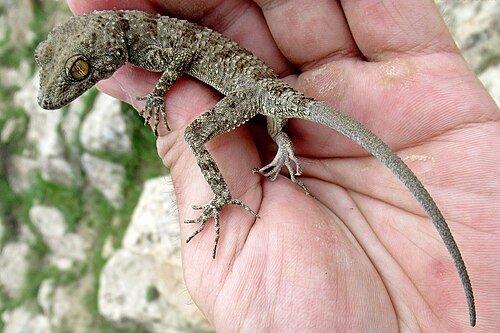
- Turkestan thin-toed gecko: Alexander A. Fomichev, CC BY 4.0
- Red-veined darter: Alvesgaspar, CC BY 2.5
- Great tit: Frank Vassen from Brussels, Belgium, CC BY 2.0
- Eurasian chaffinch: Gilles San Martin from Namur, Belgium, CC BY-SA 2.0
- Hooded crow: Donald Hobern from Copenhagen, Denmark, CC BY 2.0
- Black-throated thrush: soumyajit nandy from Kolkata, India, CC BY-SA 2.0
- Brambling: mmlolek, CC BY 2.0
- Black-headed gull: Diliff, CC BY-SA 3.0
- Mallard: Rolf Dietrich Brecher from Germany, CC BY 2.0
- Common pheasant: W. Bulach, CC BY-SA 4.0
- Siberian stonechat: J.M.Garg, CC BY-SA 3.0
- Tree pipit: MPF, CC BY-SA 3.0
- Common rosefinch: Adam Kumiszcza, CC BY-SA 3.0
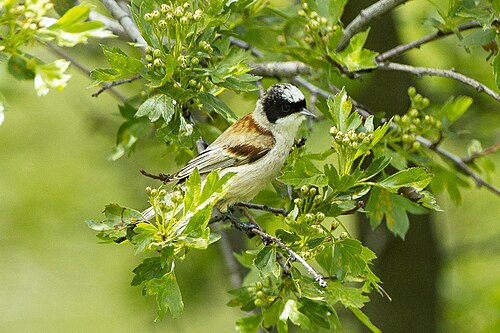
- White-crowned penduline tit: Francesco Veronesi, CC BY-SA 2.0
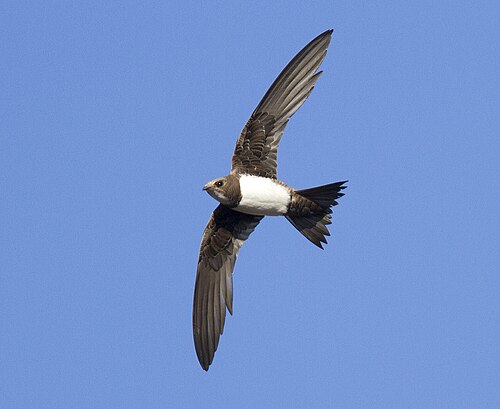
- Alpine swift: Lefteris Stavrakas, CC BY-SA 2.0
- Red-headed bunting: Ken and Nyetta, CC BY 2.0
- Blyth’s reed warbler: Tisha Mukherjee, CC BY-SA 4.0
- Greenish warbler: Dibyendu Ash, CC BY-SA 3.0
- Eastern olivaceous warbler: Zeynel Cebeci, CC BY-SA 4.0
- House sparrow: Rhododendrites, CC BY-SA 4.0
- Common nightingale: Արարատ Թրվանց, CC BY-SA 4.0
- Common tern: Alexis Lours, CC BY 4.0
- Laughing dove: Giles Laurent, CC BY-SA 4.0
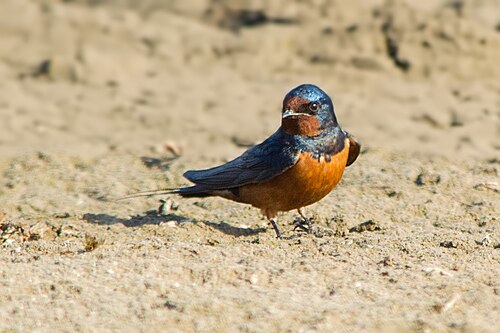
- Barn swallow: Morhaf Aljanee, CC BY-SA 3.0
- European roller: Saeed Davari, CC BY-SA 4.0
- Common wood pigeon: Don Loarie, CC BY 4.0
- Lesser whitethroat: User:Aelwyn, CC BY-SA 3.0
- European bee-eater: Петро Катеринич, CC BY 4.0
- Eurasian hobby: Imran Shah from Islamabad, Pakistan, CC BY-SA 2.0
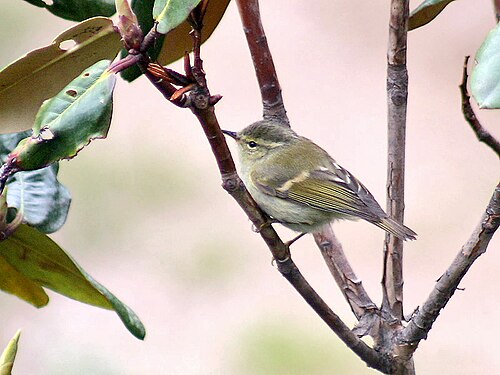
- Hume’s leaf warbler: J.M.Garg, CC BY-SA 3.0
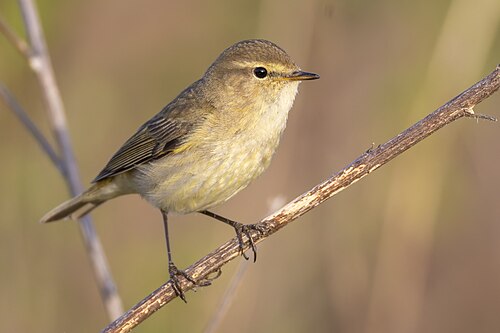
- Common chiffchaff: Alexis Lours, CC BY 4.0
- Western jackdaw: Darkone, CC BY-SA 2.5
- White stork: Carlos Delgado, CC BY-SA 3.0
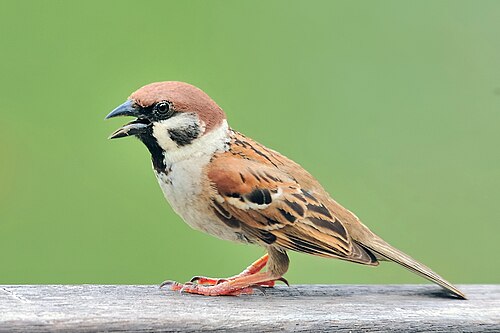
- Eurasian tree sparrow: Yiwenyiwen, CC BY-SA 4.0
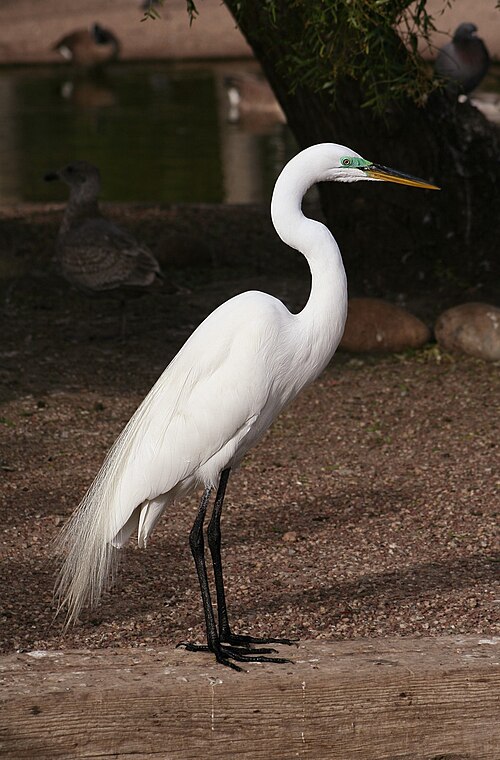
- Great egret: Calibas, CC BY-SA 3.0
- Pine bunting: Jargal Lamjav from Ulaanbaatar, Mongolia, CC BY 2.0


Wildlife records show where people have seen and shared plants and animals, not everything that lives here; some places and months are recorded more than others. Sensitive species are never shown with a month or as seen recently. Routes come from OpenStreetMap and are not checked by 4Planet: follow local signs and conditions. Climate figures are NASA estimates for the area around Samarkand, not a single weather station.
Checked 2026-11-27.