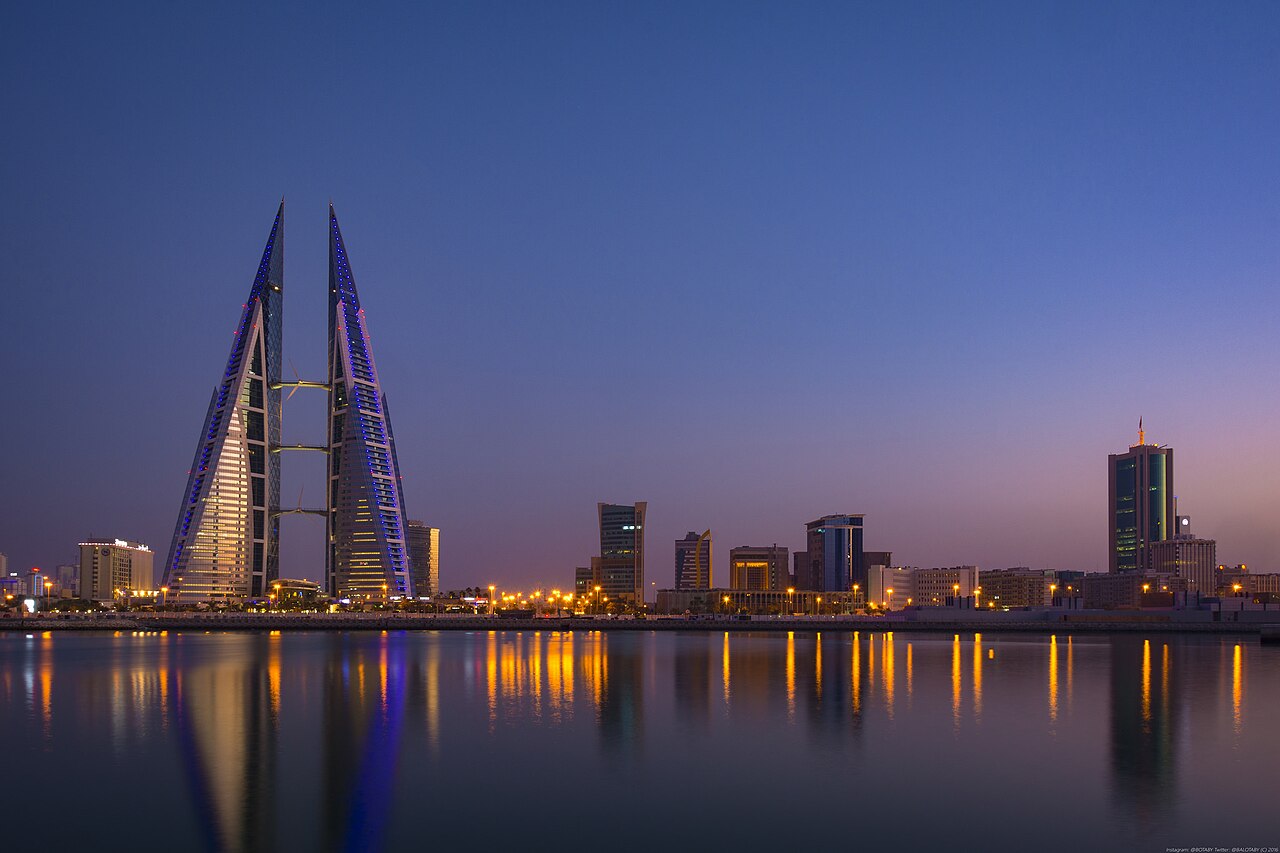
Manama
Capital of Bahrain
Within 30 km of the centre of Manama, the nature places people read about most are Bahrain, King Fahd Causeway, Bahrain Island and Sakhir.
People have shared 38,125 wildlife records within 50 km of Manama in the last ten years. The wild animals recorded most often are the red fox, the laughing dove, the house sparrow, the common myna and the Asian dwarf honey bee. Since the 1980s the area has become about 1.6 °C warmer.
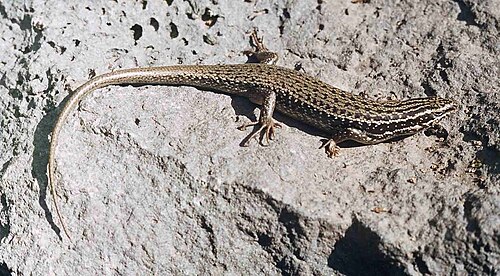
Among the animals people record most around Manama, the beet webworm moth and the southern grass skink appear on no other city page here.
- Country
- Bahrain
- Population
- 297,502
- Area
- 30 km²
- Currency
- Bahraini dinar
- Time zone
- UTC+03
- Daylight
- 11 to 14 hours
Figures from Wikidata; population 2012.
Manama on the map
- Bahrain
- King Fahd Causeway
- Bahrain Island
- Sakhir
- Passport Island
- Mountain of Smoke
- Mina Salman
- Muharraq Island
- Umm an Nasan
Nature close to Manama
The places people read most about, from the centre outwards.


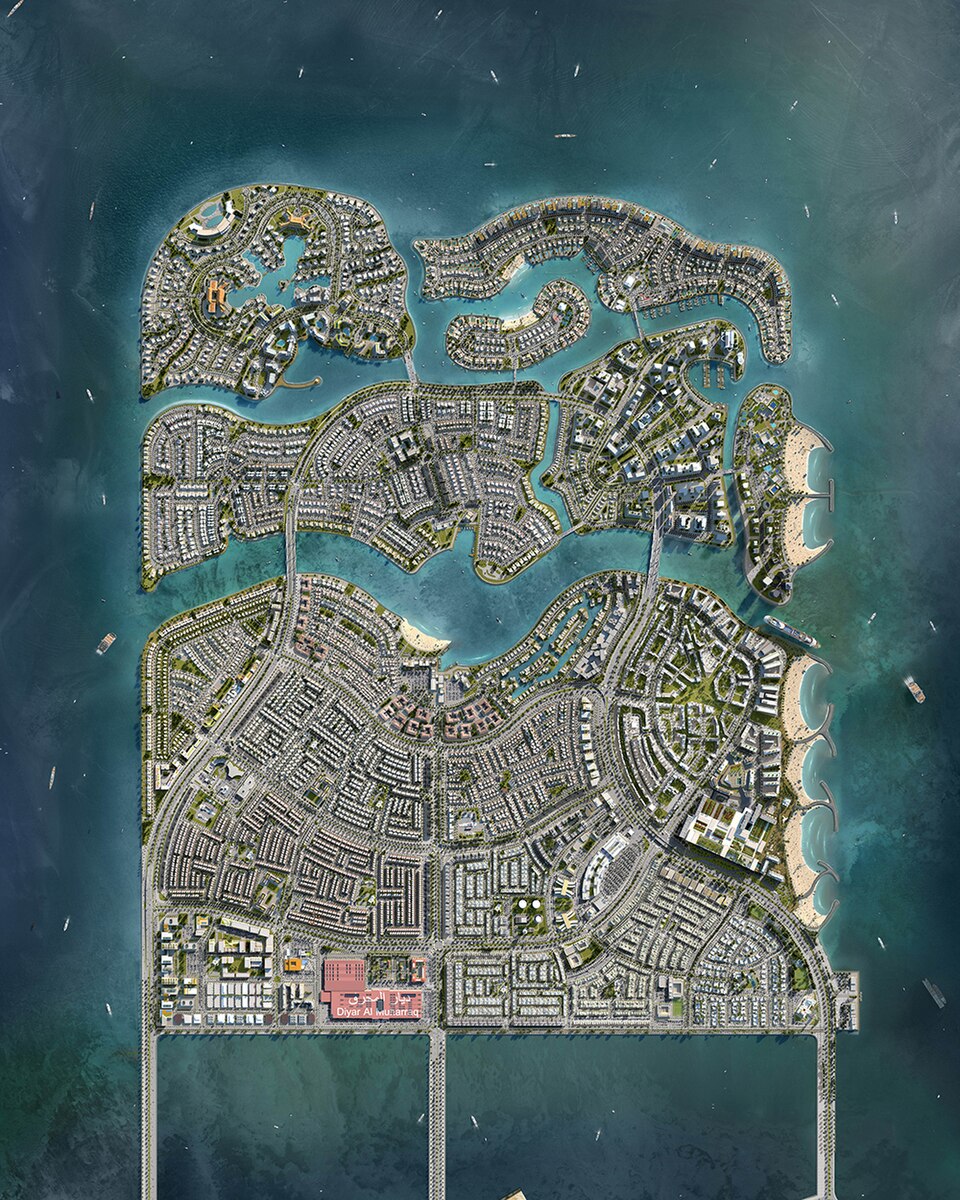
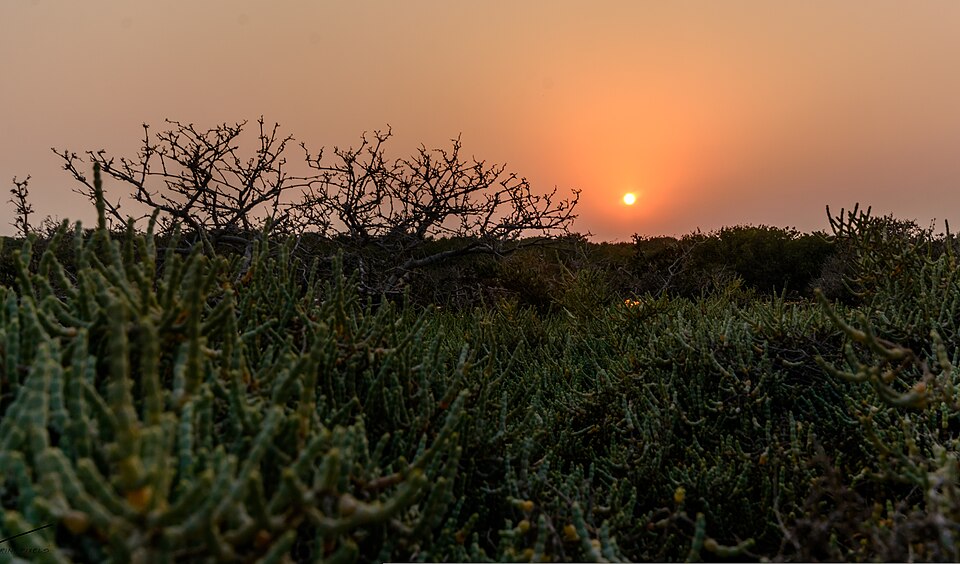
- Mountain of Smoke Hill · 20 km
- Mina Salman Port · 3 km
- Muharraq Island Island · 8 km
- Umm an Nasan Island · 20 km
- Jidda Island Island · 18 km
- Al Dar Island Island · 12 km
Routes from OpenStreetMap via Waymarked Trails. Not checked by 4Planet: follow local signs and conditions.
Wildlife around Manama
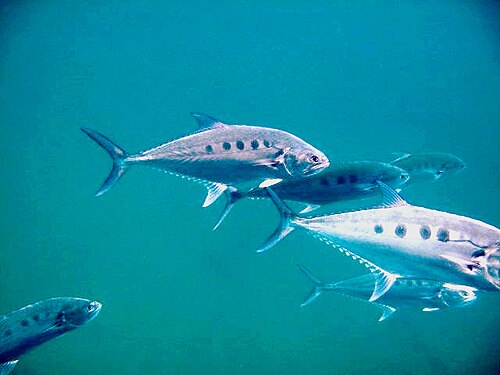
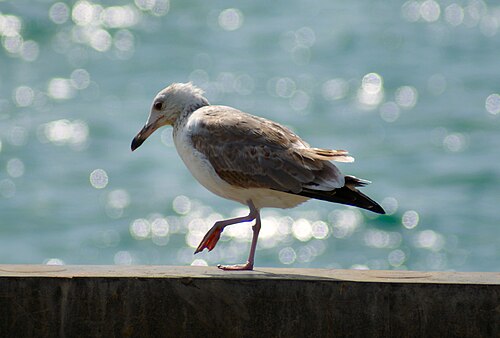
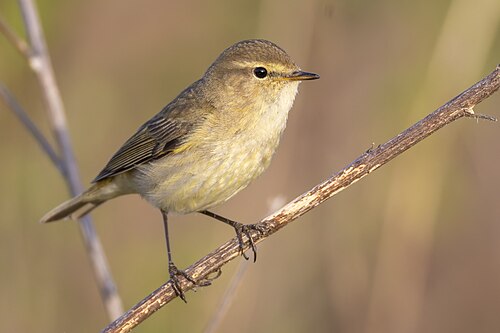
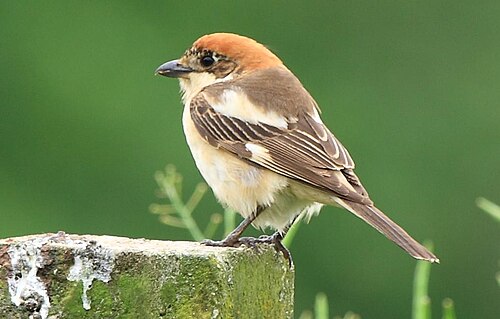
The wild animals people record most within 50 km, 2016–2025. Tick the ones you have seen to build your own list.


Seen in the last 30 days
What can you see near Manama now?
Month by month, from 38,125 records people shared within 50 km, 2016–2025.















Manama is getting warmer
+1.6 °CAverage temperature around Manama in 2016–2025, compared with 1981–1990.
Daylight: about 11 hours in December and 14 in June.
Seen something near Manama?
Share a photo of it on iNaturalist. Other naturalists help name it, and confirmed records go to GBIF, where scientists use them. That is where the lists on this page come from.
Manama on the living planet
More places near Manama
Sources and photo credits
- Wikidata · Manama (Q3882), facts and nature places
- Wikipedia page views · how well known each nature place is
- OpenStreetMap contributors via Waymarked Trails · marked walking routes (ODbL)
- GBIF · human observations within 50 km, 2016–2025 (38,125 animal records)
- NASA POWER · yearly temperature from satellite and model data (MERRA-2)
- MET Norway · weather now (shown live)
- Manama, Bahrain: B.alotaby, CC BY-SA 4.0
- Bahrain, Manama: Wadiia, CC BY-SA 4.0
- King Fahd Causeway, Manama: Greens n cornbread, CC BY 2.0
- Bahrain Island, Manama: NASA/STS-78, Public domain
- Sakhir, Manama: കാക്കര, CC BY-SA 3.0
- Passport Island, Manama: Earth Science and Remote Sensing Unit, Lyndon B. Johnson Space Center, Public domain
- Amwaj Islands, Manama: Alhaddadm at English Wikipedia, CC BY-SA 3.0
- Diyar Al Muharraq, Manama: Diyar Al Muharraq, CC BY-SA 4.0
- Tubli Bay, Manama: Nkssrinivas, CC BY-SA 4.0
- Red fox: ClaudiaTen, CC BY-SA 4.0
- Laughing dove: Giles Laurent, CC BY-SA 4.0
- House sparrow: Rhododendrites, CC BY-SA 4.0
- Common myna: Tisha Mukherjee, CC BY-SA 4.0
- Asian dwarf honey bee: Rainer Breitling, CC BY 4.0
- Slender skimmer: Charles J. Sharp, CC BY-SA 4.0
- Painted lady: Sayan Sanyal, CC BY-SA 4.0
- Beet webworm moth: Andy Reago & Chrissy McClarren, CC BY 2.0
- Southern grass skink: Tigran Tadevosyan, CC BY 4.0
- Talang queenfish: Abdullajid U. Basali, CC BY 3.0
- Indian roller: Koshyk, CC BY 2.0
- Eurasian skylark: El Golli Mohamed, CC BY-SA 4.0
- Great crested grebe: caroline legg, CC BY 2.0
- Bluethroat: Ragnhild&Neil Crawford from Sweden, CC BY-SA 2.0
- Siberian stonechat: J.M.Garg, CC BY-SA 3.0
- Pallas's gull: Nepenthes, CC BY-SA 3.0
- European stonechat: Frank Vassen from Brussels, Belgium, CC BY 2.0
- Common chiffchaff: Alexis Lours, CC BY 4.0
- Pied wheatear: Ron Knight from Seaford, East Sussex, United Kingdom, CC BY 2.0
- Northern wheatear: Andreas Trepte, CC BY-SA 2.5
- Woodchat shrike: Lanius_senator01.jpg: chausinho derivative work: Bogbumper (talk), CC BY-SA 2.0
- European bee-eater: Петро Катеринич, CC BY 4.0
- Common redstart: Aconcagua (talk), CC BY-SA 3.0
- Willow warbler: Andreas Trepte, CC BY-SA 2.5
- Red-backed shrike: Zeynel Cebeci, CC BY-SA 4.0
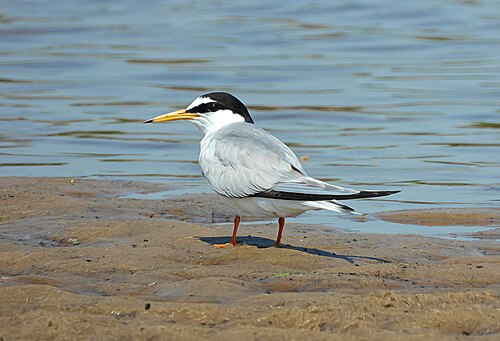
- Little tern: PetroKaterynych, CC BY 4.0
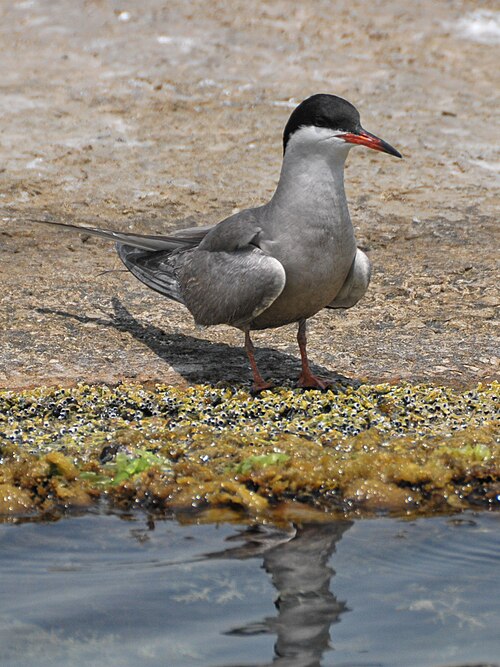
- White-cheeked tern: william_stephens, CC BY 4.0
- Black-crowned night heron: Rhododendrites, CC BY-SA 4.0
- Lesser crested tern: Shantanu Kuveskar, CC BY-SA 4.0
- Saunders's tern: hungryholobiont, CC BY 4.0
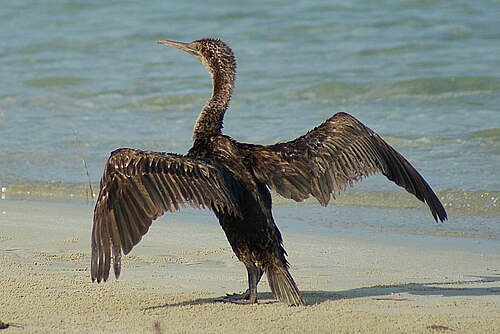
- Socotra cormorant: Nepenthes, CC BY-SA 4.0
- Greater sand plover: MPF, CC BY-SA 4.0
- Black-winged stilt: Kingshuk Mondal, CC BY 4.0
- Ruddy turnstone: JJ Harrison (jjharrison89@facebook.com, CC BY-SA 4.0
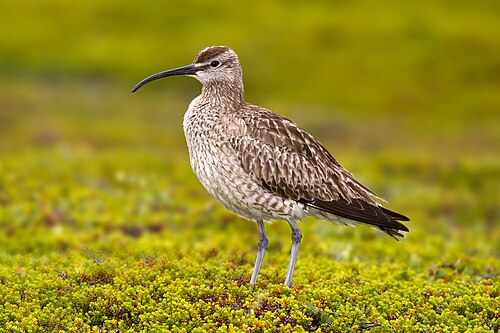
- Eurasian whimbrel: Andreas Trepte, CC BY-SA 2.5
- Grey plover: Hans Hillewaert, CC BY-SA 3.0
- Western yellow wagtail: Kathy2408, CC BY-SA 4.0
- Common whitethroat: Steve Garvie from Dunfermline, Fife, Scotland, CC BY-SA 2.0
- Crested lark: Zeynel Cebeci, CC BY-SA 4.0
- Blue-cheeked bee-eater: El Golli Mohamed, CC BY-SA 4.0
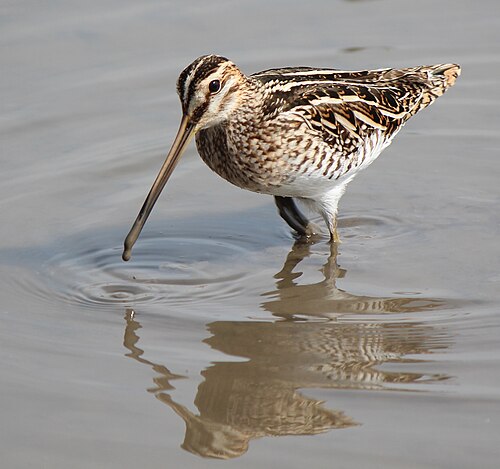
- Common snipe: Alpsdake, CC BY-SA 3.0
- Grey hypocolius: Original: Pkspks Cropped by باسم, CC BY-SA 3.0
- Pacific golden plover: Bering Land Bridge National Preserve, CC BY 2.0
- Northern pintail: Frank Schulenburg, CC BY-SA 4.0
- White wagtail: Jac. Janssen from BAARLO LB, NL, CC BY 2.0
- Eurasian sparrowhawk: Meneer Zjeroen, CC BY 2.0
- Song thrush: Charles J. Sharp, CC BY-SA 4.0
- Pied kingfisher: Charles J. Sharp, CC BY-SA 4.0


Wildlife records show where people have seen and shared plants and animals, not everything that lives here; some places and months are recorded more than others. Sensitive species are never shown with a month or as seen recently. Routes come from OpenStreetMap and are not checked by 4Planet: follow local signs and conditions. Climate figures are NASA estimates for the area around Manama, not a single weather station.
Checked 2026-11-21.