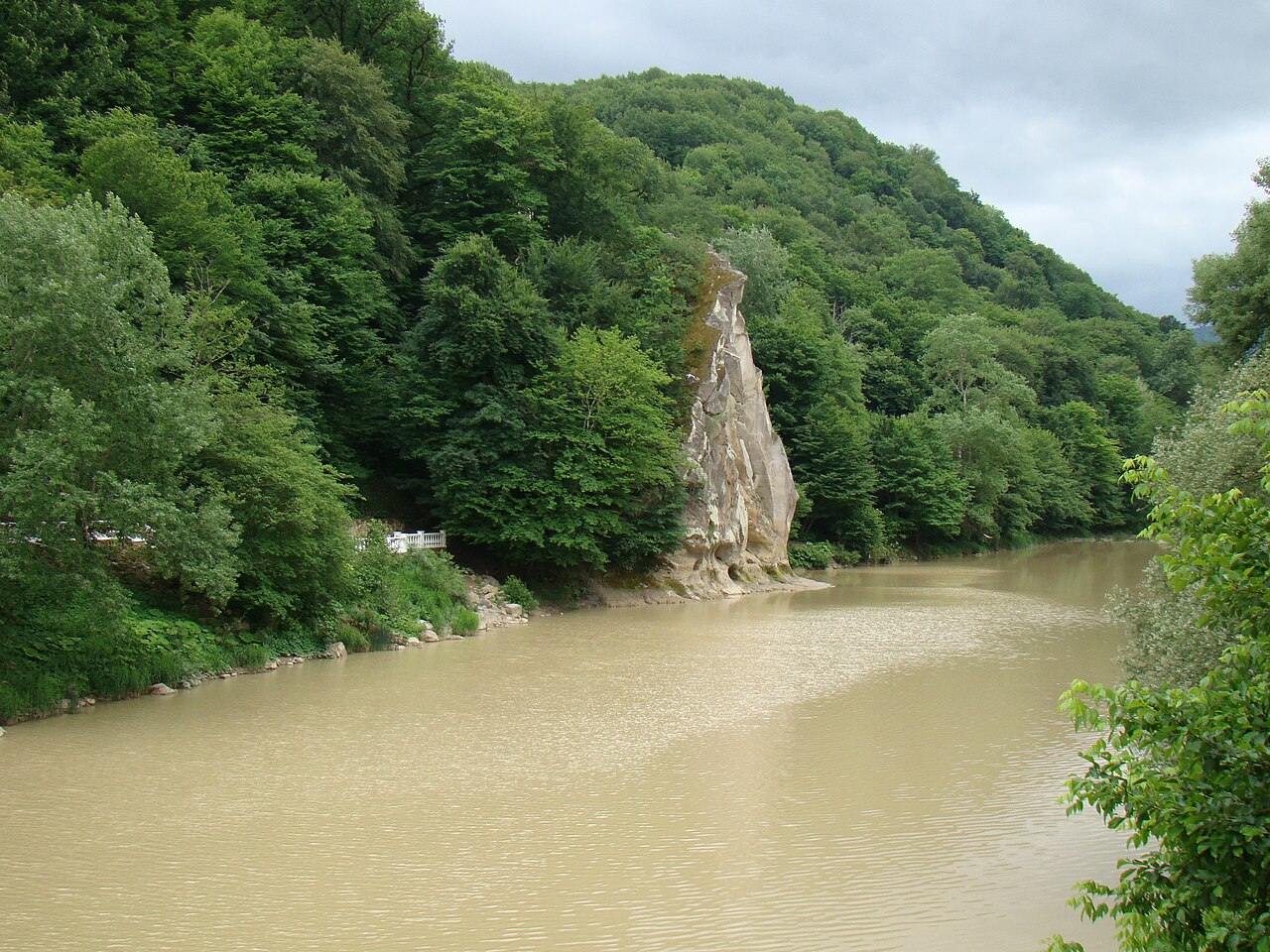
Krasnodar
City in Russia
Within 30 km of the centre of Krasnodar, the nature places people read about most are Shapsug Reservoir, Psekups, Krasnodar Reservoir and Shebsh.
People have shared 25,673 wildlife records within 50 km of Krasnodar in the last ten years. The wild animals recorded most often are the common buzzard, the mallard, the Eurasian jay, the common coot and the grey heron. Since the 1980s the area has become about 2.1 °C warmer.
- Country
- Russia
- Population
- 1.2 million
- Area
- 339 km²
- Elevation
- 25 m
- Currency
- Russian ruble
- Daylight
- 9 to 16 hours
Figures from Wikidata; population 2025.
Krasnodar on the map
- Shapsug Reservoir
- Psekups
- Krasnodar Reservoir
- Shebsh
- Ubin
- Afips
- Chiby
- Ponura Vtoraya
- Bzyuk
Nature close to Krasnodar
The places people read most about, from the centre outwards.
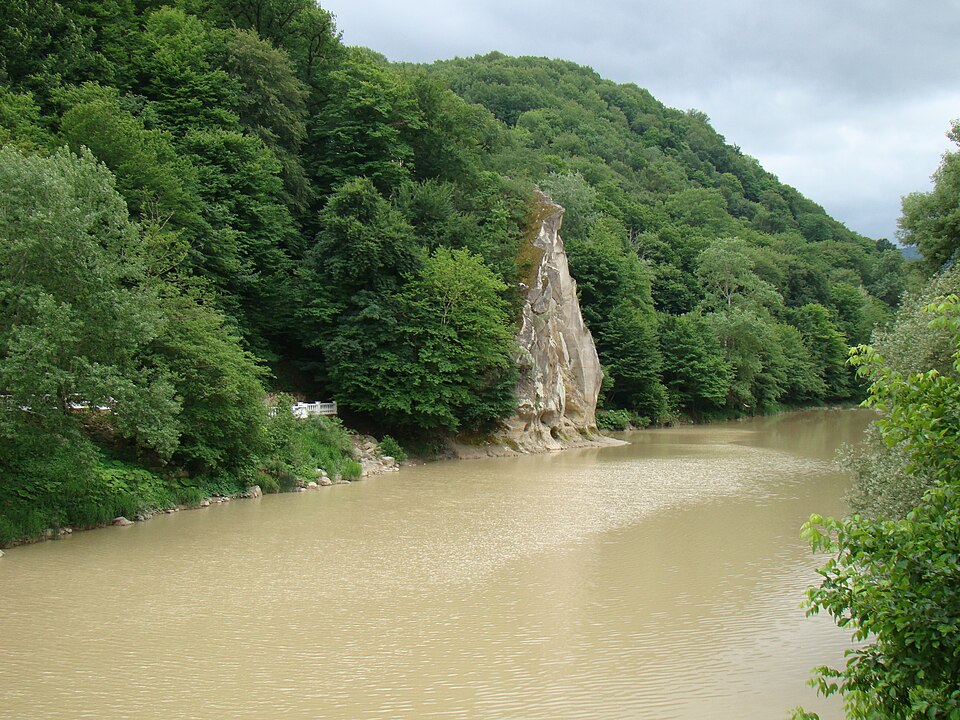
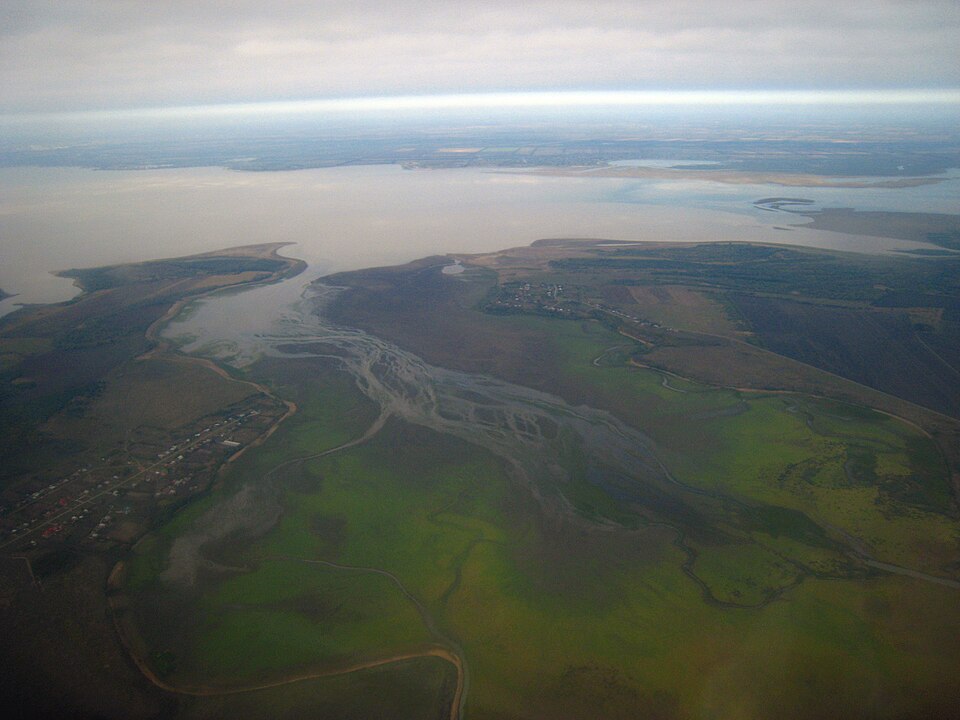
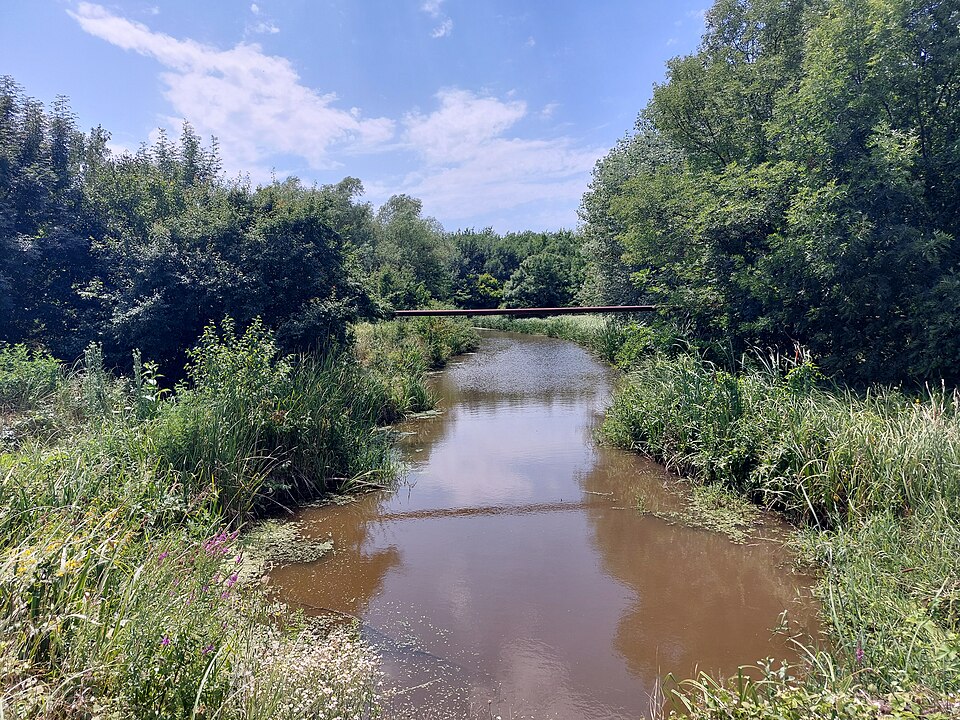
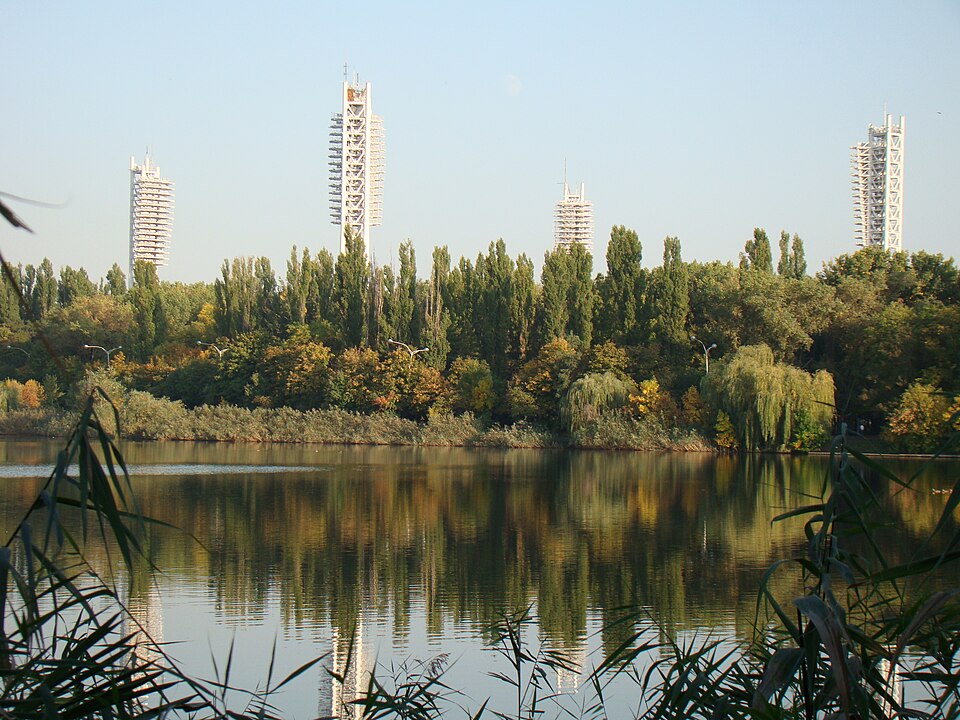
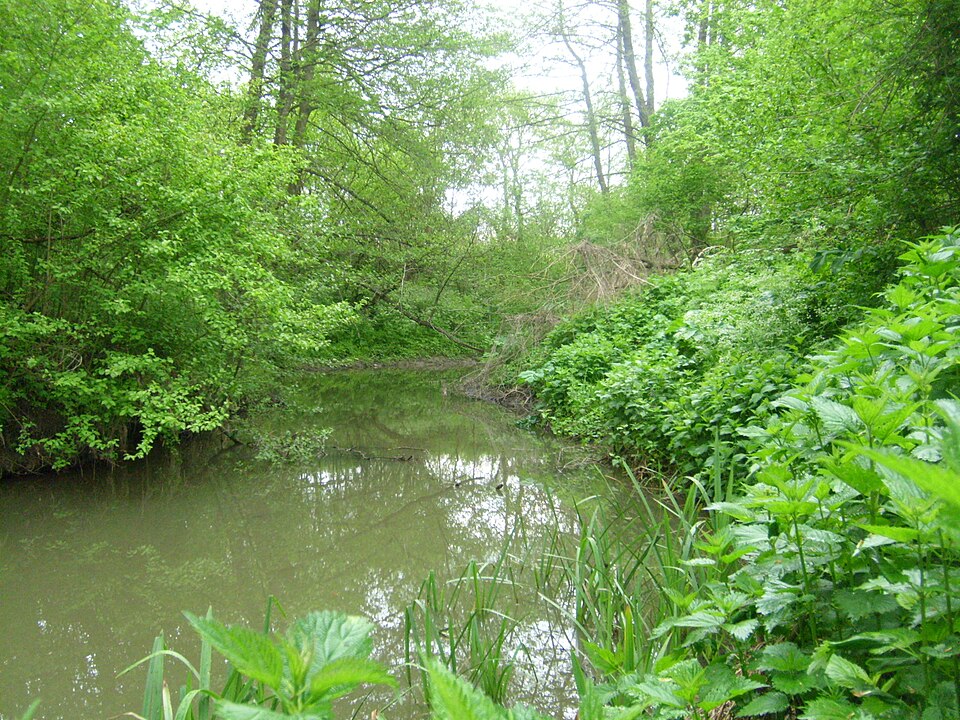
- Shapsug Reservoir Reservoir · 14 km
- Shebsh River · 21 km
- Ubin River · 18 km
- Afips River · 15 km
- Chiby River · 9 km
- Ponura Vtoraya River · 23 km
- Une-Ubat River · 18 km
- Vodoga River · 25 km
- Ilin River · 30 km
Routes from OpenStreetMap via Waymarked Trails. Not checked by 4Planet: follow local signs and conditions.
Wildlife around Krasnodar
The wild animals people record most within 50 km, 2016–2025. Tick the ones you have seen to build your own list.
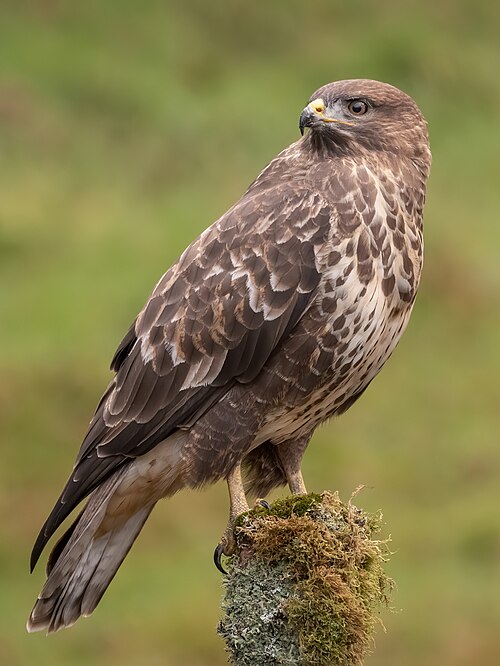

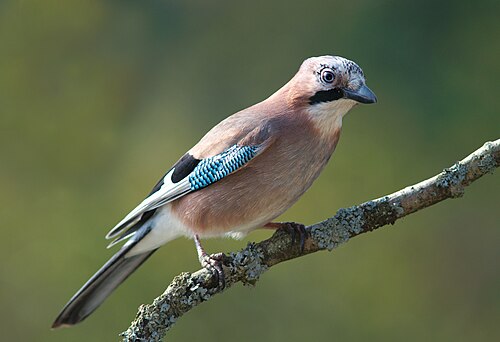


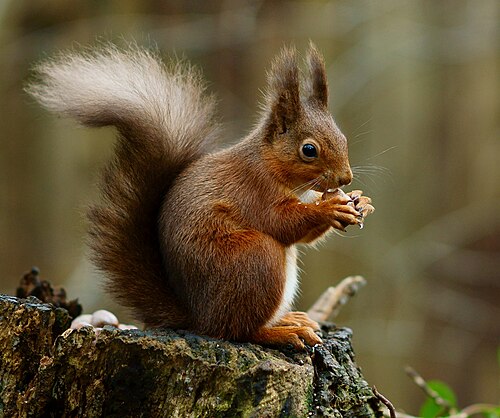

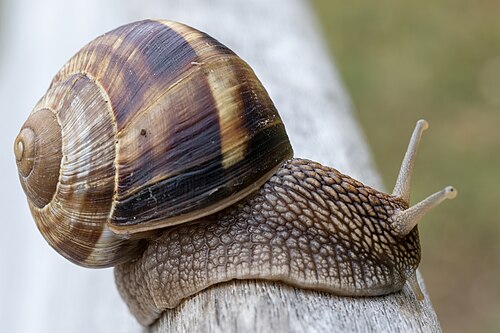


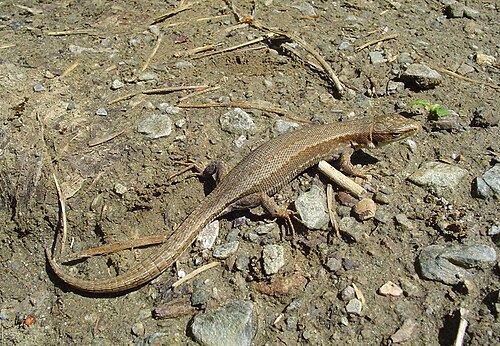

Seen in the last 30 days
What can you see near Krasnodar now?
Month by month, from 25,673 records people shared within 50 km, 2016–2025.
At their peak in January


Most seen in January

3,498 animal records in January.
At their peak in February


Most seen in February
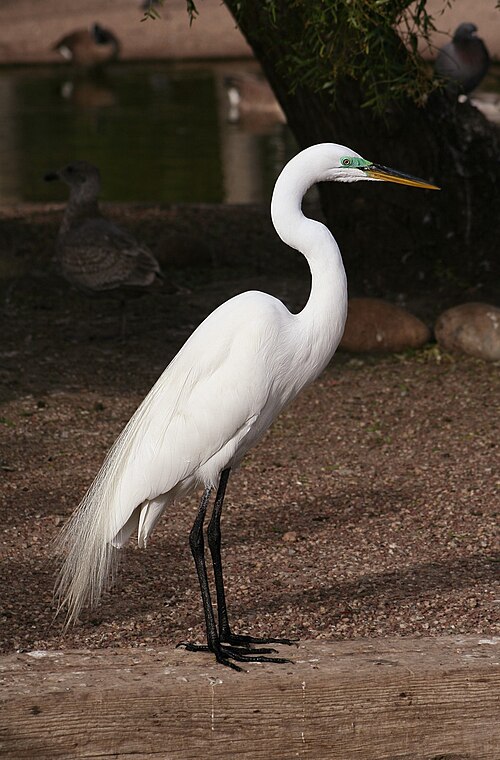
2,416 animal records in February.
At their peak in March
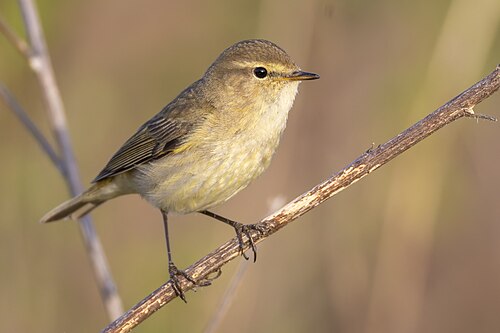


Most seen in March


3,030 animal records in March.
At their peak in April
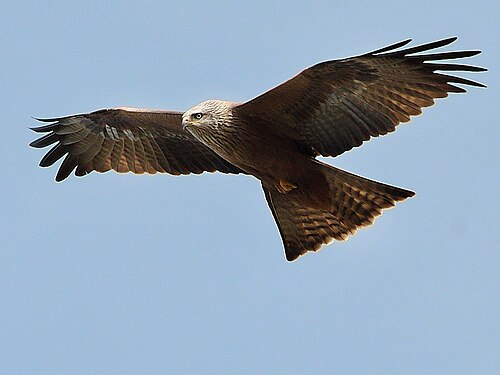


Most seen in April
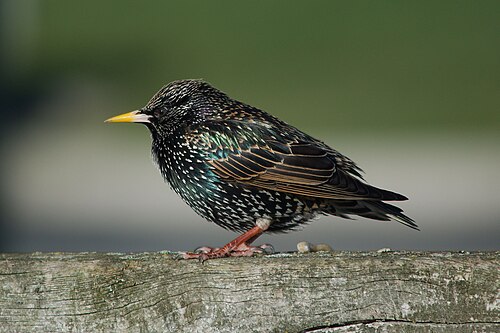
3,317 animal records in April.
At their peak in May

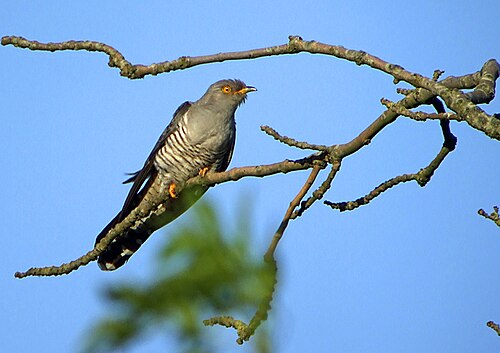

Most seen in May


3,247 animal records in May.
At their peak in June


Most seen in June

2,093 animal records in June.


At their peak in October
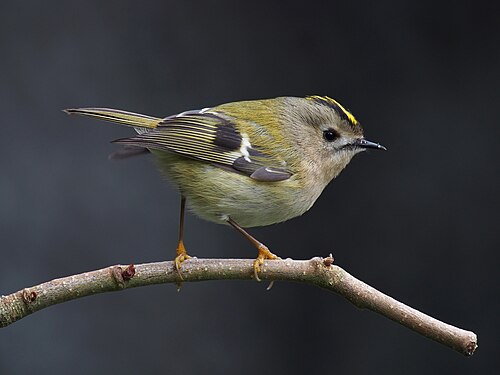
Most seen in October


1,287 animal records in October.
At their peak in November
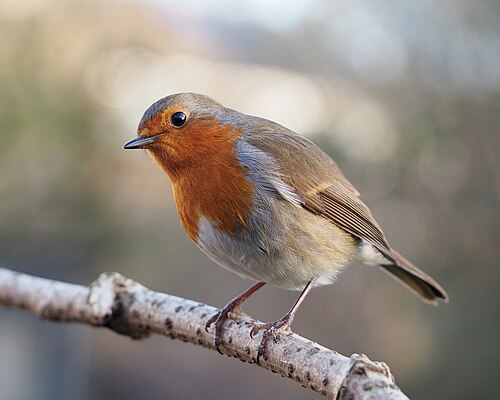
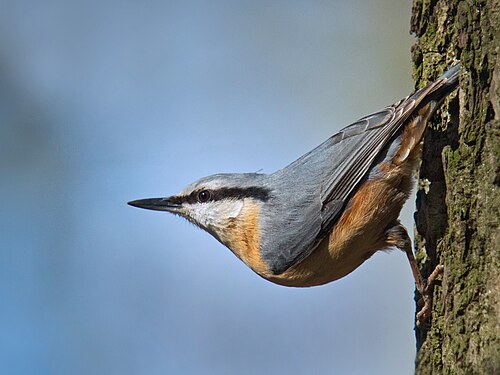
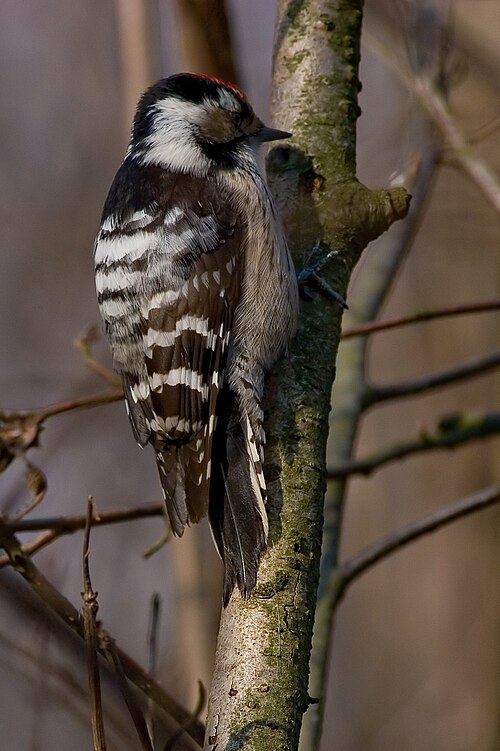
Most seen in November

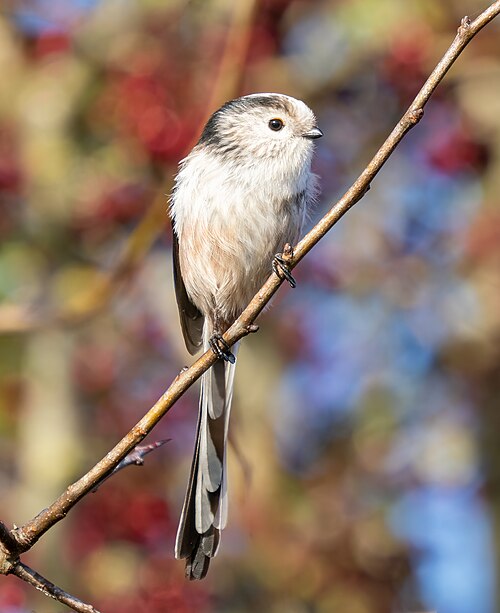
1,056 animal records in November.
At their peak in December
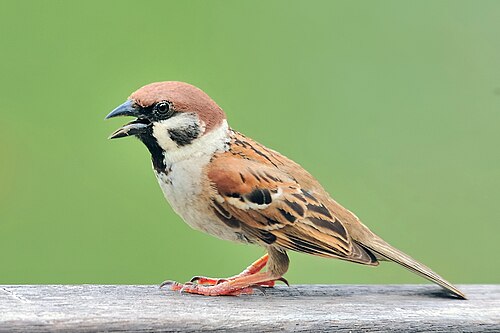
Most seen in December
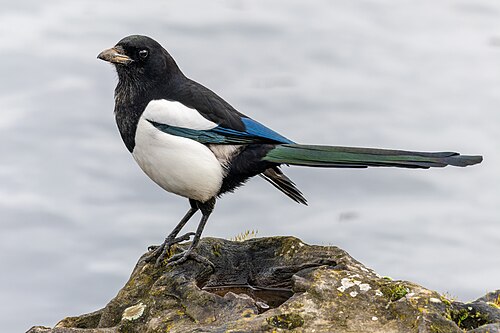
1,727 animal records in December.
Krasnodar is getting warmer
+2.1 °CAverage temperature around Krasnodar in 2016–2025, compared with 1981–1990.
Daylight: about 9 hours in December and 16 in June.
Seen something near Krasnodar?
Share a photo of it on iNaturalist. Other naturalists help name it, and confirmed records go to GBIF, where scientists use them. That is where the lists on this page come from.
Explore next
What puts Krasnodar under pressure, what helps, and who works on it.
Krasnodar on the living planet
More places near Krasnodar
Sources and photo credits
- Wikidata · Krasnodar (Q3646), facts and nature places
- Wikipedia page views · how well known each nature place is
- OpenStreetMap contributors via Waymarked Trails · marked walking routes (ODbL)
- GBIF · human observations within 50 km, 2016–2025 (25,673 animal records)
- NASA POWER · yearly temperature from satellite and model data (MERRA-2)
- MET Norway · weather now (shown live)
- Psekups, Krasnodar: Yuriy75, CC BY-SA 3.0
- Psekups, Krasnodar: Yuriy75, CC BY-SA 3.0
- Krasnodar Reservoir, Krasnodar: User "Gaggarin" in Panoramio.com, CC BY 3.0
- Bzyuk, Krasnodar: Nonexyst, CC BY 4.0
- Karasun, Krasnodar: Yuriy75, CC BY-SA 3.0
- Sups, Krasnodar: Антон Литвин, Public domain
- Common buzzard: caroline legg, CC BY 2.0
- Mallard: Rolf Dietrich Brecher from Germany, CC BY 2.0
- Eurasian jay: Luc Viatour, CC BY-SA 3.0
- Common coot: Zeynel Cebeci, CC BY-SA 4.0
- Grey heron: Bengt Nyman from Vaxholm, Sweden, CC BY 2.0
- Eurasian red squirrel: Peter Trimming, CC BY 2.0
- Blue-tailed damselfly: Charles J. Sharp, CC BY-SA 3.0
- Turkish snail: Alexis Lours, CC BY 2.0
- Transcaucasian giant mantis: Brunei, CC BY-SA 4.0
- Marsh frog: Charles J. Sharp, CC BY-SA 4.0
- Meadow lizard: Kiril Kapustin, CC BY 2.5
- Brown marmorated stink bug: Alexis Lours, CC BY 4.0
- Eurasian chaffinch: Gilles San Martin from Namur, Belgium, CC BY-SA 2.0
- Great cormorant: Mathew Schwartz, CC BY 3.0
- Little grebe: Zeynel Cebeci, CC BY-SA 4.0
- Yellowhammer: Ómar Runólfsson, CC BY 2.0
- Fieldfare: Frankie Fouganthin, CC BY-SA 4.0
- Great egret: Calibas, CC BY-SA 3.0
- Eurasian teal: Koshy Koshy from Faridabad, Haryana, India, CC BY 2.0
- Hawfinch: Marek Szczepanek, CC BY-SA 3.0
- Common blackbird: Hobbyfotowiki, CC0
- Great tit: Frank Vassen from Brussels, Belgium, CC BY 2.0
- Common chiffchaff: Alexis Lours, CC BY 4.0
- European greenfinch: Estormiz, CC0
- Black redstart: Siva301in, CC BY-SA 3.0
- Common pochard: Hunter Desportes, CC BY 2.0
- Common starling: marsupium photography, CC BY-SA 2.0
- Black kite: Thomas Kraft (ThKraft), CC BY-SA 2.5
- Common nightingale: Արարատ Թրվանց, CC BY-SA 4.0
- Eurasian blackcap: Ron Knight from Seaford, East Sussex, United Kingdom, CC BY 2.0
- European stonechat: Frank Vassen from Brussels, Belgium, CC BY 2.0
- Red-backed shrike: Zeynel Cebeci, CC BY-SA 4.0
- Common whitethroat: Steve Garvie from Dunfermline, Fife, Scotland, CC BY-SA 2.0
- Little egret: El Golli Mohamed, CC BY-SA 4.0
- Great reed warbler: Andreas Trepte, CC BY-SA 2.5
- Common cuckoo: GabrielBuissart, CC BY-SA 3.0
- European bee-eater: Петро Катеринич, CC BY 4.0
- Black-crowned night heron: Rhododendrites, CC BY-SA 4.0
- Purple heron: Yathin S Krishnappa, CC BY-SA 3.0
- Squacco heron: Levi Adriano Dias, CC BY-SA 4.0
- White-tailed skimmer: Philipp Weigell, CC BY 3.0
- Whiskered tern: Marek Szczepanek, CC BY-SA 3.0
- Common moorhen: gailhampshire from Cradley, Malvern, U.K, CC BY 2.0
- Common wood pigeon: Don Loarie, CC BY 4.0
- Hooded crow: Donald Hobern from Copenhagen, Denmark, CC BY 2.0
- Goldcrest: Francis C. Franklin, CC BY-SA 3.0
- Rook: Brian Snelson from Hockley, Essex, England, CC BY 2.0
- Long-tailed tit: Rhododendrites, CC BY-SA 4.0
- European robin: Francis C. Franklin, CC BY-SA 3.0
- Eurasian nuthatch: Frank Vassen, CC BY 2.0
- Lesser spotted woodpecker: Thermos, CC BY-SA 2.5
- Eurasian magpie: Alexis Lours, CC BY 4.0
- Eurasian tree sparrow: Yiwenyiwen, CC BY-SA 4.0


Wildlife records show where people have seen and shared plants and animals, not everything that lives here; some places and months are recorded more than others. Sensitive species are never shown with a month or as seen recently. Routes come from OpenStreetMap and are not checked by 4Planet: follow local signs and conditions. Climate figures are NASA estimates for the area around Krasnodar, not a single weather station.
Checked 2026-11-24.