Kobe
City in Japan
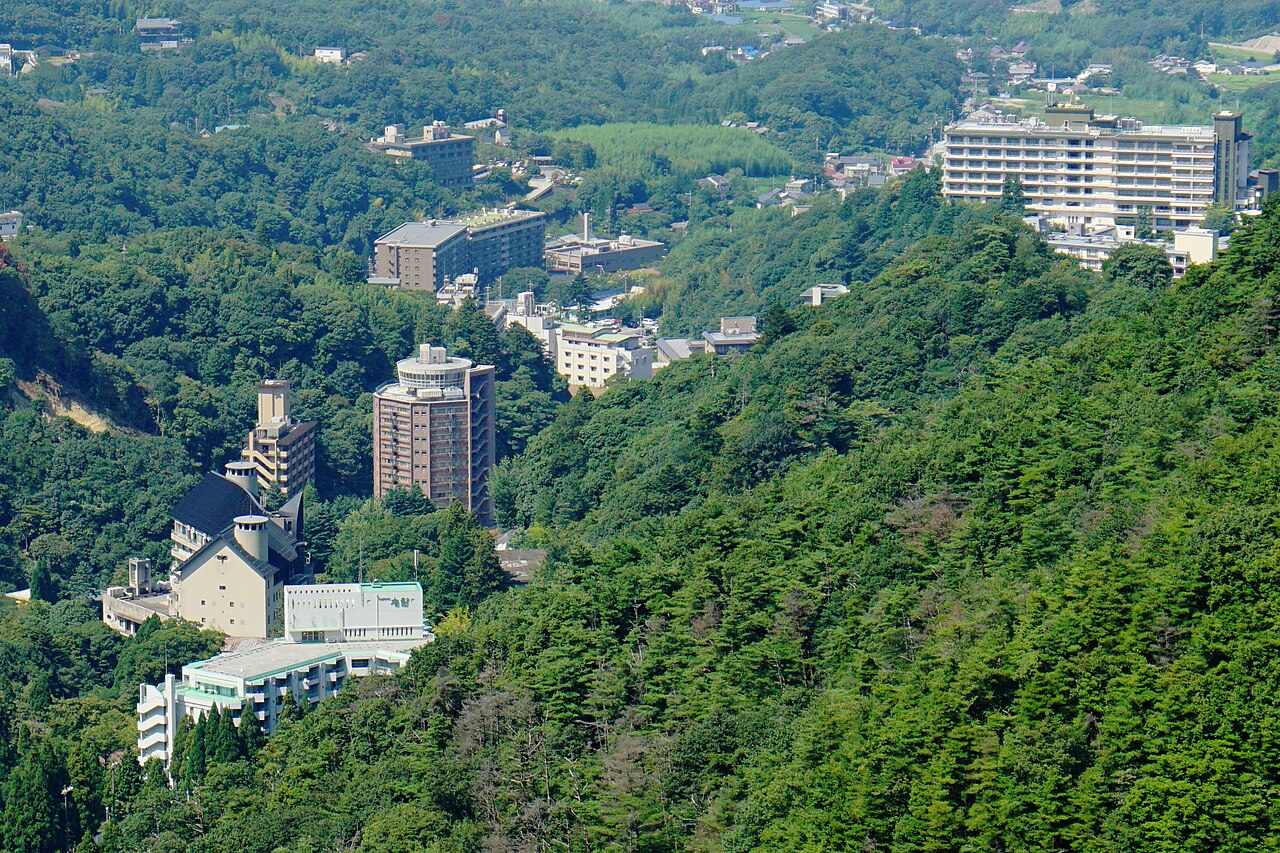
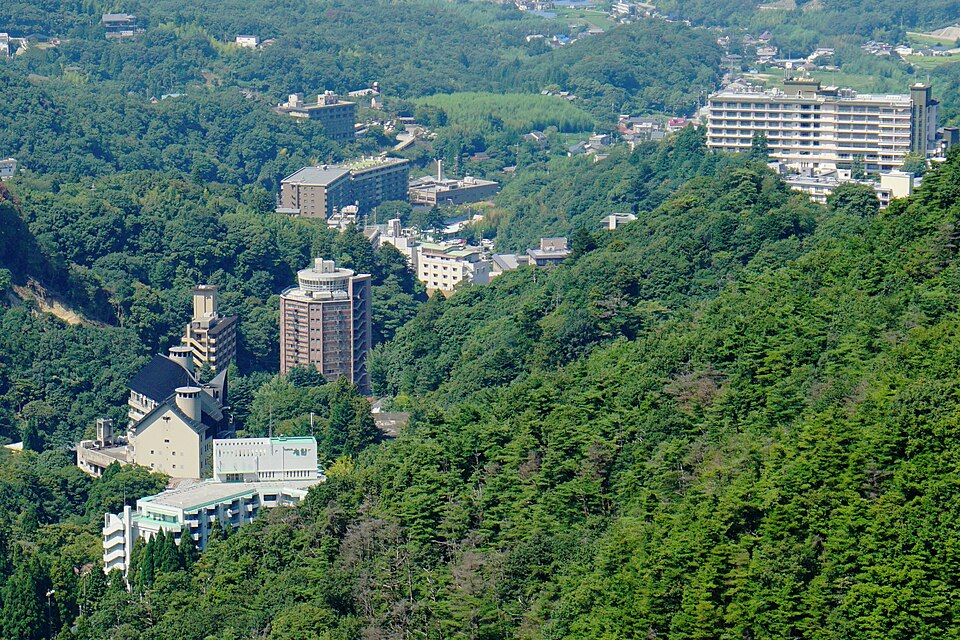
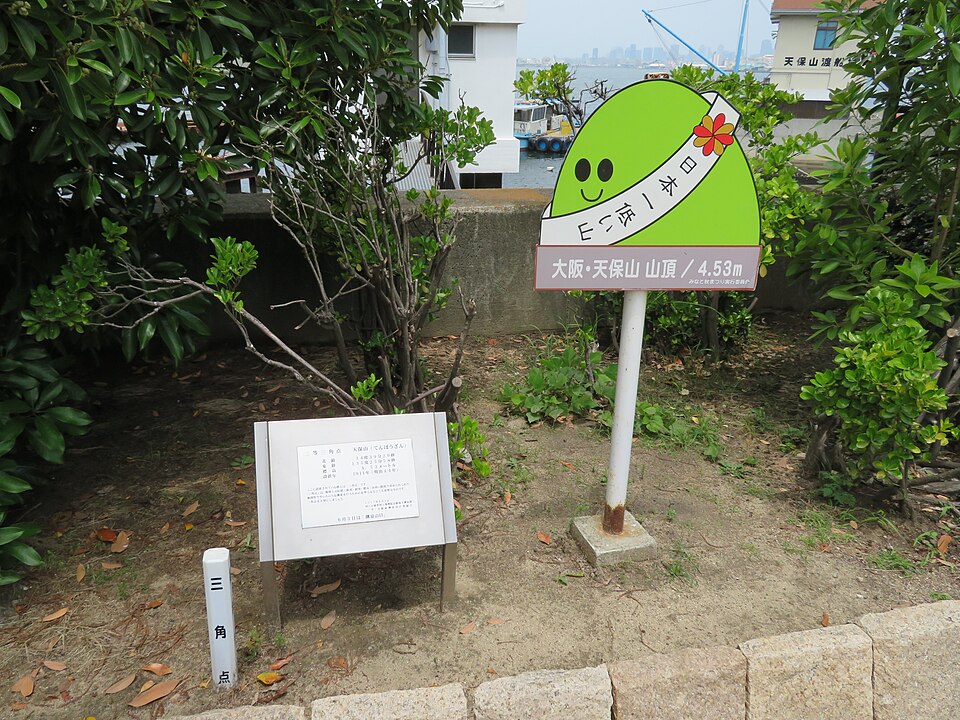
Within 30 km of the centre of Kobe, the nature places people read about most are Osaka Aquarium Kaiyukan, Arima Onsen, Mount Tenpō and Yumeshima.
People have shared 237,448 wildlife records within 50 km of Kobe in the last ten years. The wild animals recorded most often are the Eurasian tree sparrow, the eastern spot-billed duck, the brown-eared bulbul, the grey heron and the large-billed crow. Since the 1980s the area has become about 0.9 °C warmer.
- Country
- Japan
- Population
- 1.5 million
- Area
- 557 km²
- Currency
- Yen
- Time zone
- UTC+09
- Daylight
- 10 to 15 hours
Figures from Wikidata; population 2021.
Kobe on the map
- Osaka Aquarium Kaiyukan
- Arima Onsen
- Mount Tenpō
- Yumeshima
- Yodo River
- Nakanoshima
- Osaka Bay
- Rokkō Island
- Mount Rokkō
Nature close to Kobe
The places people read most about, from the centre outwards.
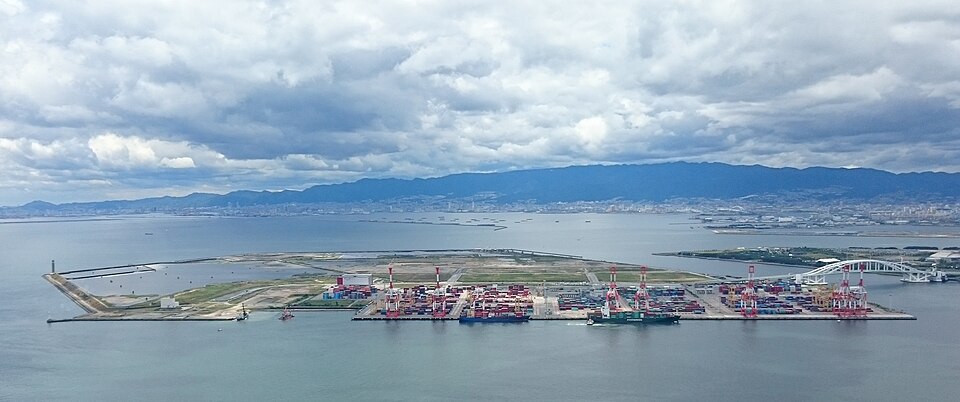
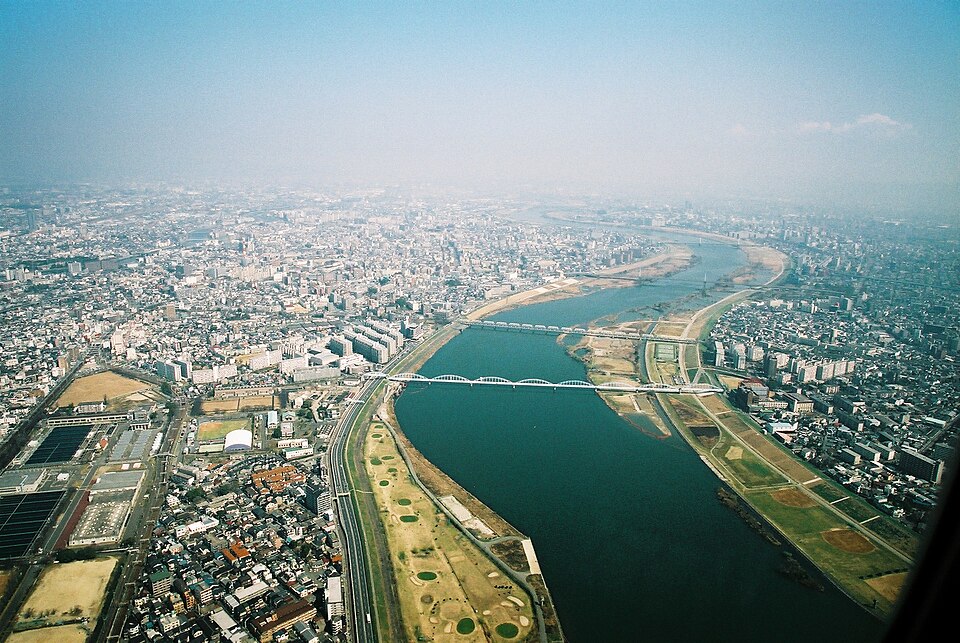
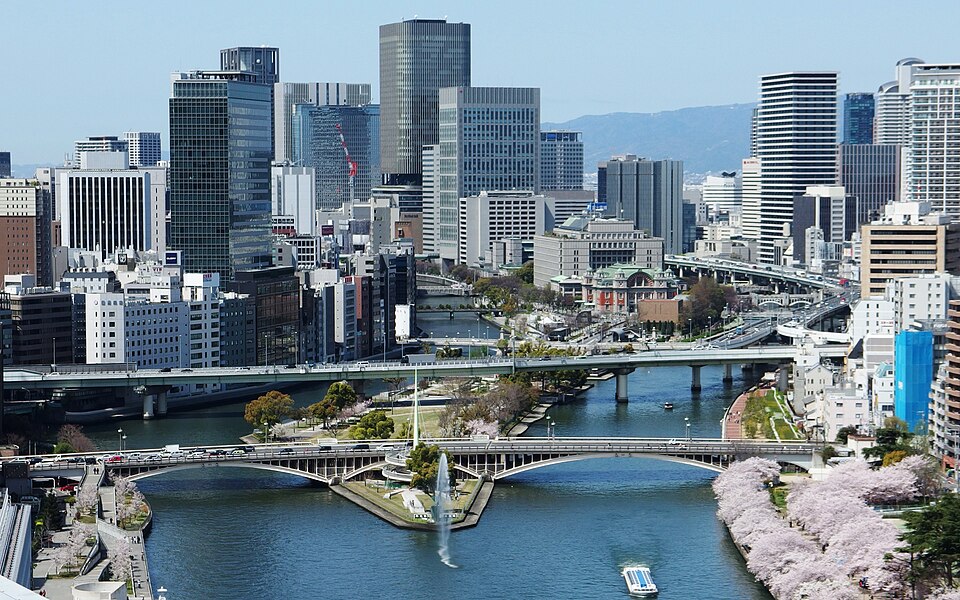
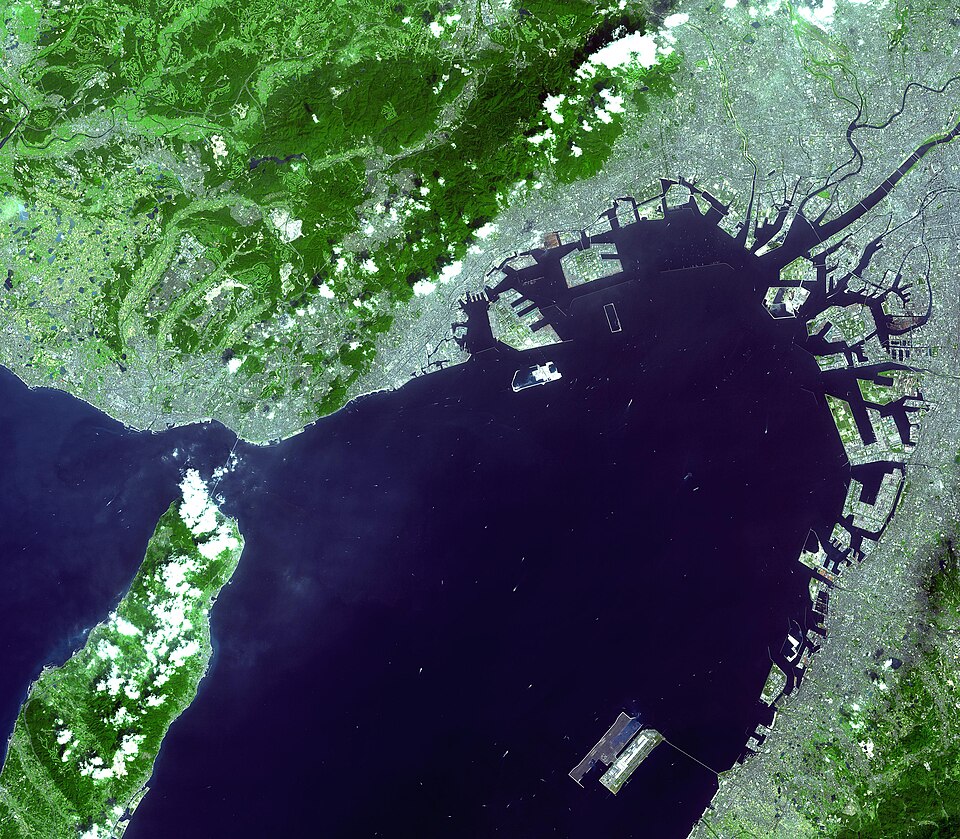
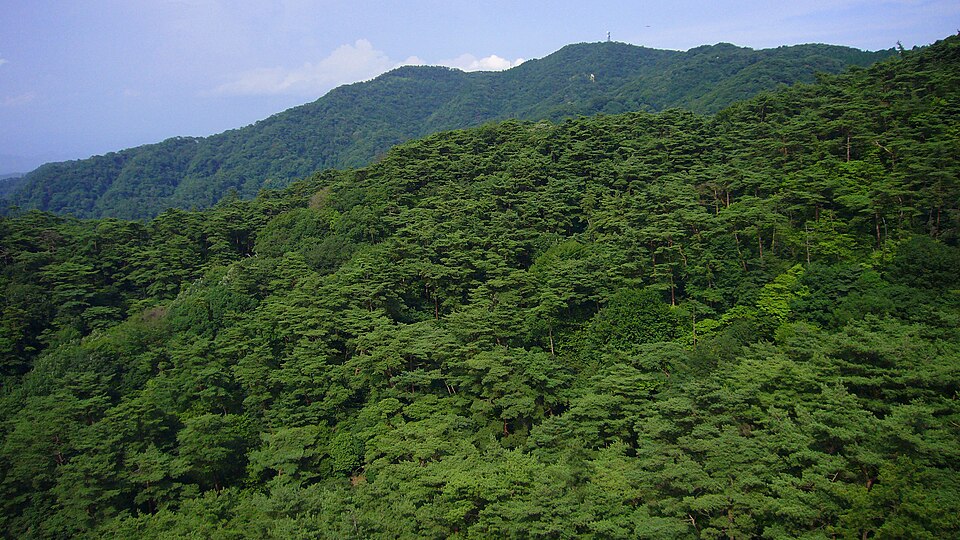
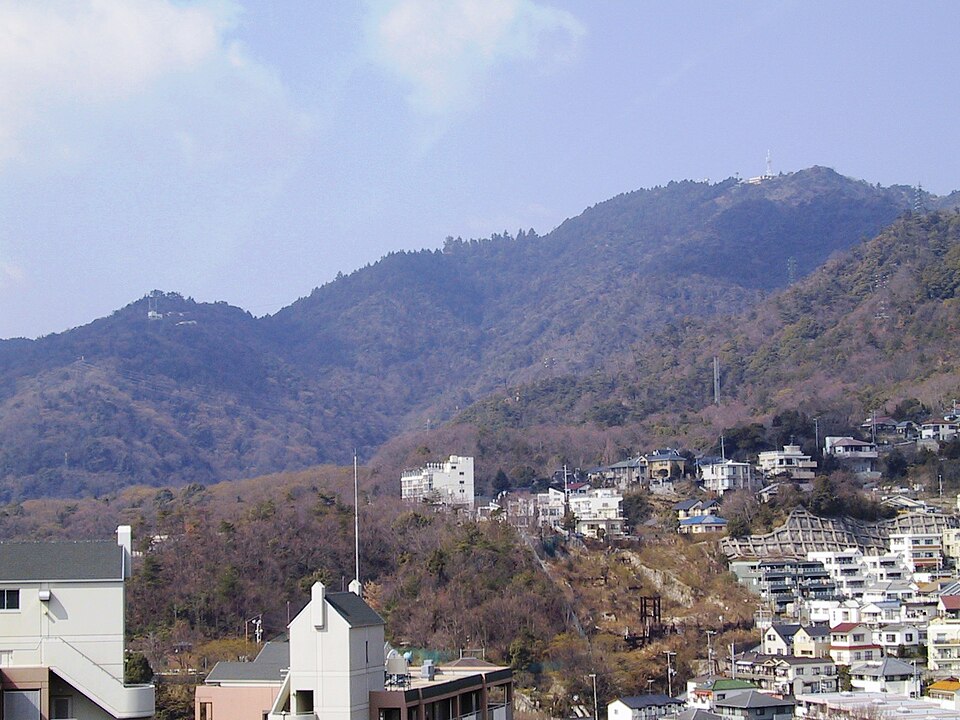
- Osaka Aquarium Kaiyukan Public aquarium · 22 km
- Rokkō Island Island · 7 km
- Port Island Island · 3 km
Routes from OpenStreetMap via Waymarked Trails. Not checked by 4Planet: follow local signs and conditions.
Wildlife around Kobe
The wild animals people record most within 50 km, 2016–2025. Tick the ones you have seen to build your own list.
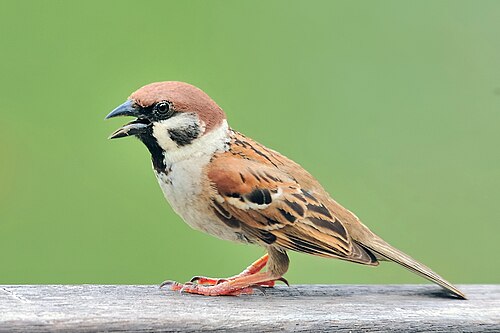


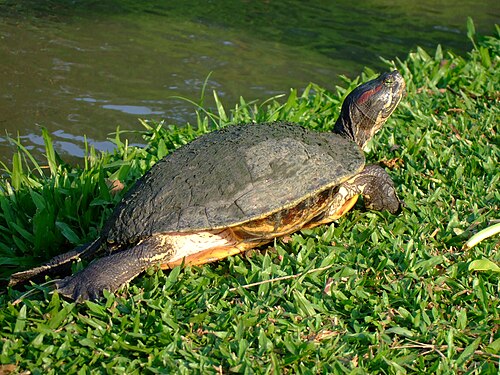

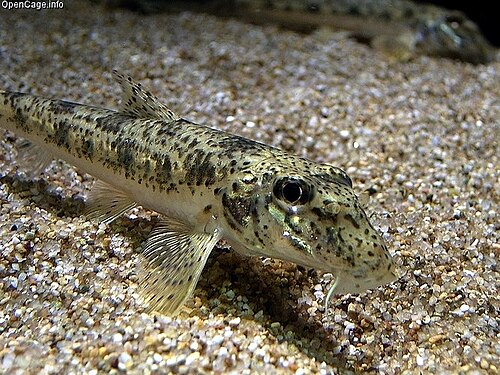
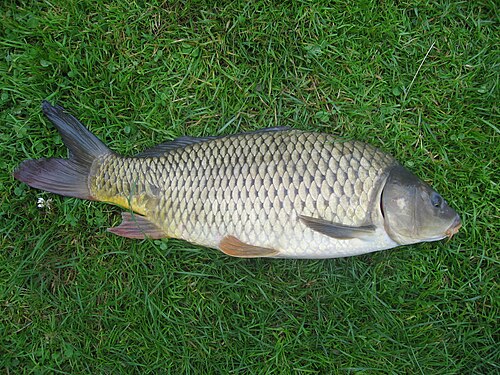
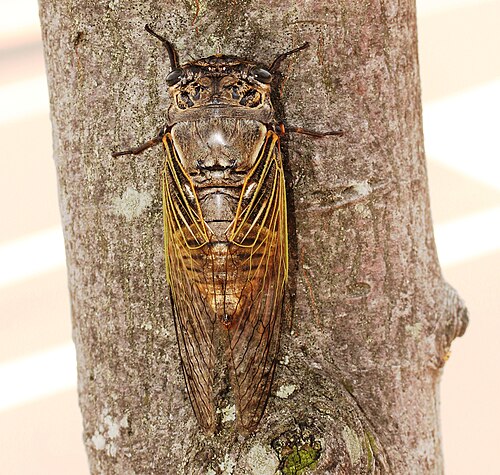

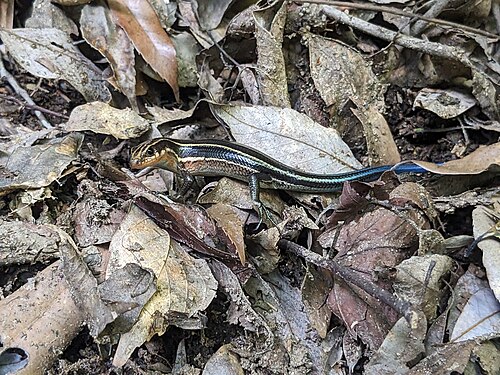
Seen in the last 30 days
What can you see near Kobe now?
Month by month, from 237,448 records people shared within 50 km, 2016–2025.
At their peak in January


Most seen in January

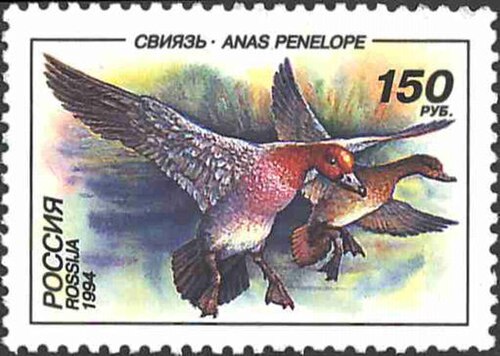
21,748 animal records in January.
At their peak in February

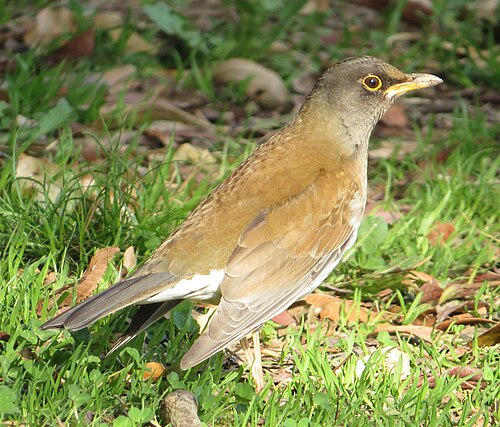
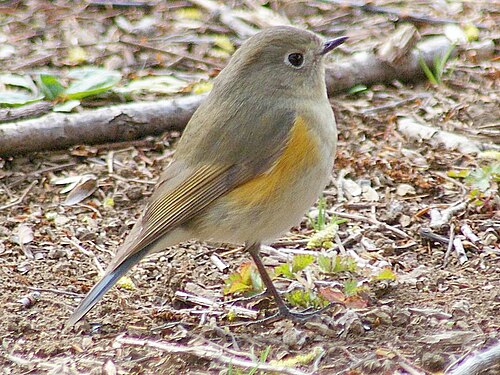
Most seen in February
19,517 animal records in February.
At their peak in March
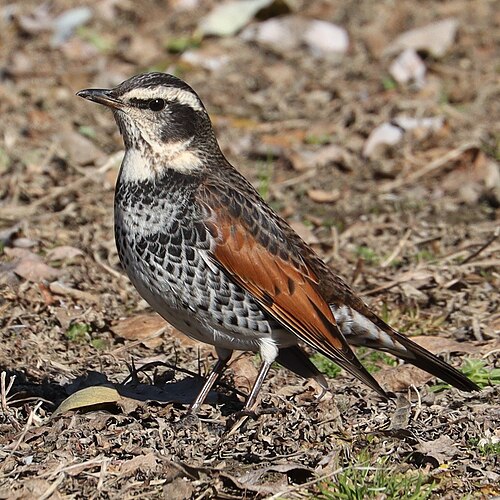


Most seen in March
24,513 animal records in March.

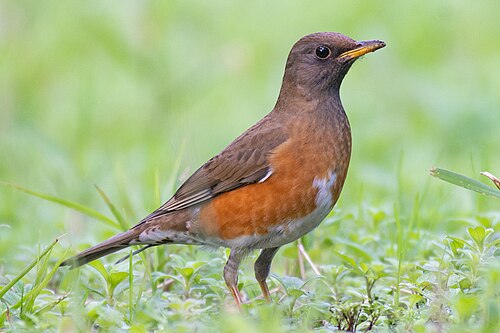
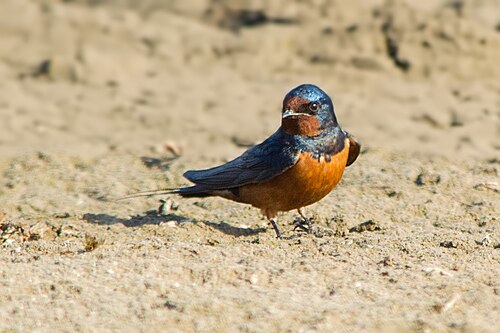


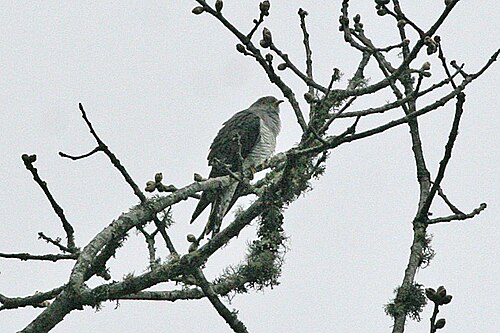
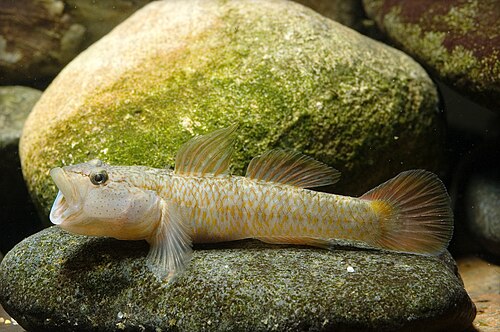

At their peak in July


Most seen in July

10,699 animal records in July.

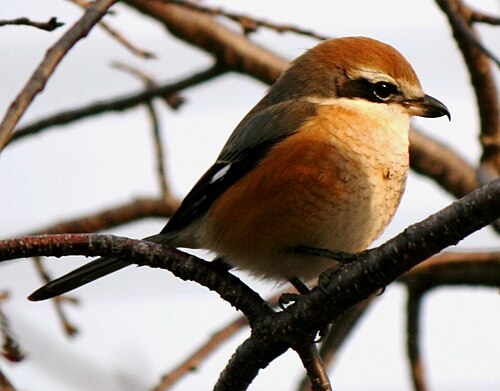
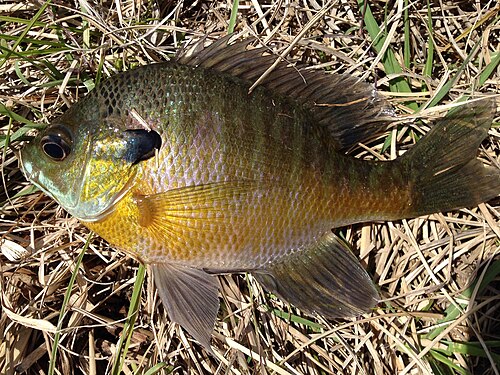
At their peak in November


Most seen in November
23,880 animal records in November.
At their peak in December

Most seen in December

25,013 animal records in December.
Kobe is getting warmer
+0.9 °CAverage temperature around Kobe in 2016–2025, compared with 1981–1990.
Daylight: about 10 hours in December and 15 in June.
Seen something near Kobe?
Share a photo of it on iNaturalist. Other naturalists help name it, and confirmed records go to GBIF, where scientists use them. That is where the lists on this page come from.
Explore next
What puts Kobe under pressure, what helps, and who works on it.
Kobe on the living planet
More places near Kobe
Sources and photo credits
- Wikidata · Kobe (Q48320), facts and nature places
- Wikipedia page views · how well known each nature place is
- OpenStreetMap contributors via Waymarked Trails · marked walking routes (ODbL)
- GBIF · human observations within 50 km, 2016–2025 (237,448 animal records)
- NASA POWER · yearly temperature from satellite and model data (MERRA-2)
- MET Norway · weather now (shown live)
- Arima Onsen, Kobe: 663highland, CC BY 2.5
- Arima Onsen, Kobe: 663highland, CC BY 2.5
- Mount Tenpō, Kobe: KishujiRapid, CC BY-SA 4.0
- Yumeshima, Kobe: 黄犬太郎, CC BY-SA 4.0
- Yodo River, Kobe: Hyougushi's photos, CC BY-SA 2.0
- Nakanoshima, Kobe: Mc681, CC BY-SA 4.0
- Osaka Bay, Kobe: NASA/GSFC/MITI/ERSDAC/JAROS, and U.S./Japan ASTER Science Team, Public domain
- Mount Rokkō, Kobe: 663highland, CC BY 2.5
- Mount Maya, Kobe: Mass Ave 975, CC BY-SA 3.0
- Eurasian tree sparrow: Yiwenyiwen, CC BY-SA 4.0
- Eastern spot-billed duck: Kuribo, CC BY-SA 2.0
- Brown-eared bulbul: Alpsdake, CC BY-SA 3.0
- Grey heron: Bengt Nyman from Vaxholm, Sweden, CC BY 2.0
- Large-billed crow: Tisha Mukherjee, CC BY-SA 4.0
- Pond slider: Happyswissman, CC BY 3.0
- Joro spider: Christina Butler from Georgia, United States, CC BY 2.0
- Kamatsuka: Unknown authorUnknown author, CC BY-SA 2.5
- Common carp: Dezidor, CC BY-SA 3.0
- Bear cicada: Alpsdake, CC BY-SA 3.0
- White-tailed skimmer: Philipp Weigell, CC BY 3.0
- Japanese skink: jpuf, CC0
- Common coot: Zeynel Cebeci, CC BY-SA 4.0
- Eurasian wigeon: Почта России, Public domain
- Black-headed gull: Diliff, CC BY-SA 3.0
- Northern pintail: Frank Schulenburg, CC BY-SA 4.0
- Smew: MPF, CC BY-SA 3.0
- Common shelduck: MPF, CC BY-SA 4.0
- Gadwall: Andreas Trepte, CC BY-SA 2.5
- Pale thrush: Alpsdake, CC BY-SA 3.0
- Red-flanked bluetail: Materialscientist (talk), CC BY-SA 3.0
- Dusky thrush: Alpsdake, CC BY-SA 4.0
- Reed bunting: MPF, CC BY-SA 4.0
- Long-tailed rosefinch: Попов Евгений, CC BY-SA 3.0
- Barn swallow: Morhaf Aljanee, CC BY-SA 3.0
- Narcissus flycatcher: muangpaisuetrong, CC0
- Brown-headed thrush: 尹若宇 (oscaryin), CC BY-SA 4.0
- Oriental reed warbler: J.M.Garg, CC BY-SA 3.0
- Grey-tailed tattler: JJ Harrison (https://www.jjharrison.com.au/), CC BY-SA 3.0
- Lesser cuckoo: Ron Knight from Seaford, East Sussex, United Kingdom, CC BY 2.0
- Lizard goby: Seotaro, CC BY-SA 3.0
- Eastern red-rumped swallow: yvesbas, CC BY 4.0
- Rock dove: william_stephens, CC BY 4.0
- Common moorhen: gailhampshire from Cradley, Malvern, U.K, CC BY 2.0
- Black-tailed gull: Angie from Sawara, Chiba-ken, Japan, CC BY 2.0
- Oriental turtle dove: J. Patrick Fischer, CC BY-SA 4.0
- Bull-headed shrike: Alpsdake, CC BY-SA 3.0
- Bluegill: Fredlyfish4, CC BY-SA 3.0
- Daurian redstart: Laitche, CC BY-SA 4.0
- Eurasian sparrowhawk: Meneer Zjeroen, CC BY 2.0
- Eurasian spoonbill: Andreas Trepte, CC BY-SA 2.5
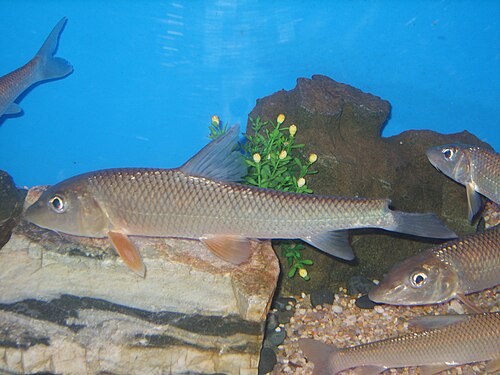
- Amur barbel: dalgial, CC BY-SA 3.0
- Great cormorant: Mathew Schwartz, CC BY 3.0
- Vega gull: ALAN SCHMIERER, CC0


Wildlife records show where people have seen and shared plants and animals, not everything that lives here; some places and months are recorded more than others. Sensitive species are never shown with a month or as seen recently. Routes come from OpenStreetMap and are not checked by 4Planet: follow local signs and conditions. Climate figures are NASA estimates for the area around Kobe, not a single weather station.
Checked 2026-11-27.