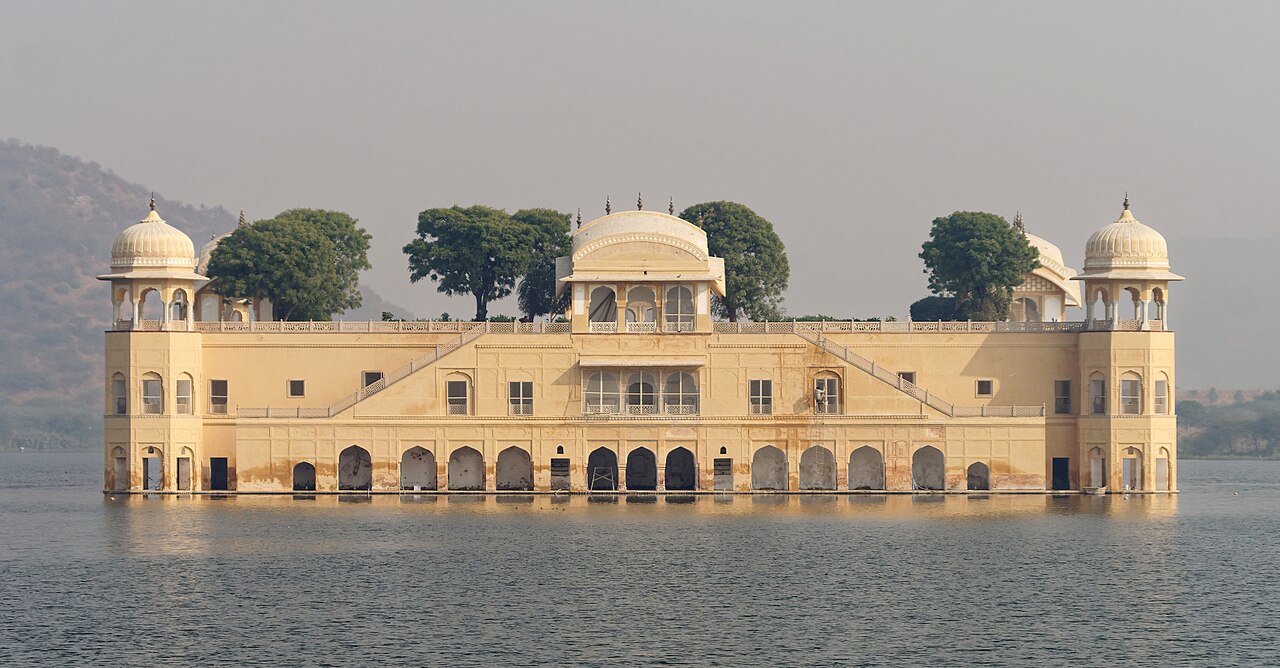
Jaipur
City in India
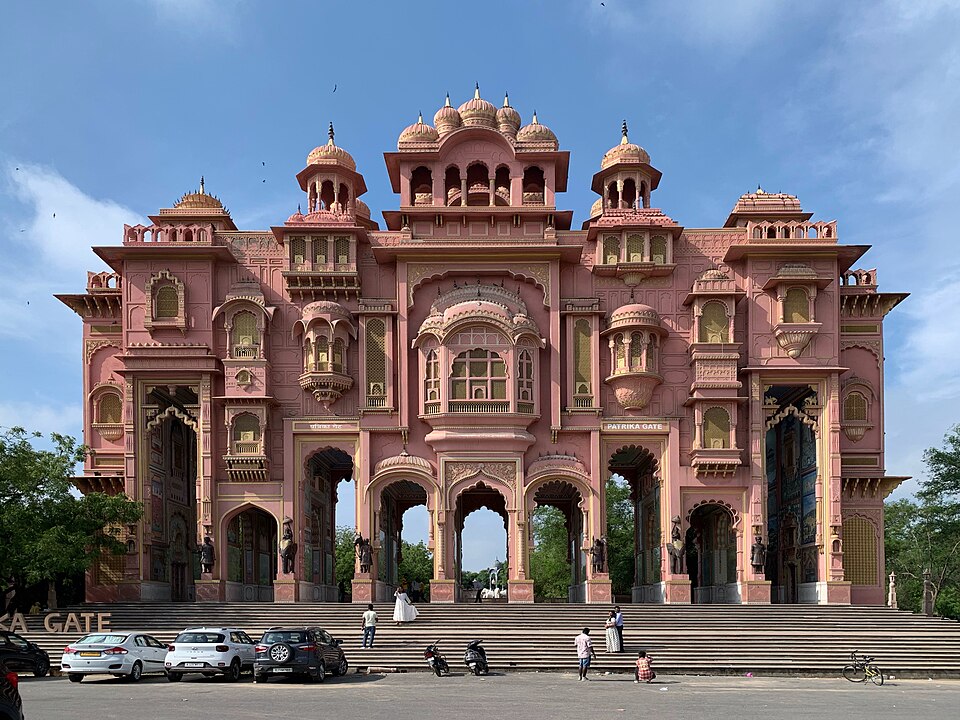
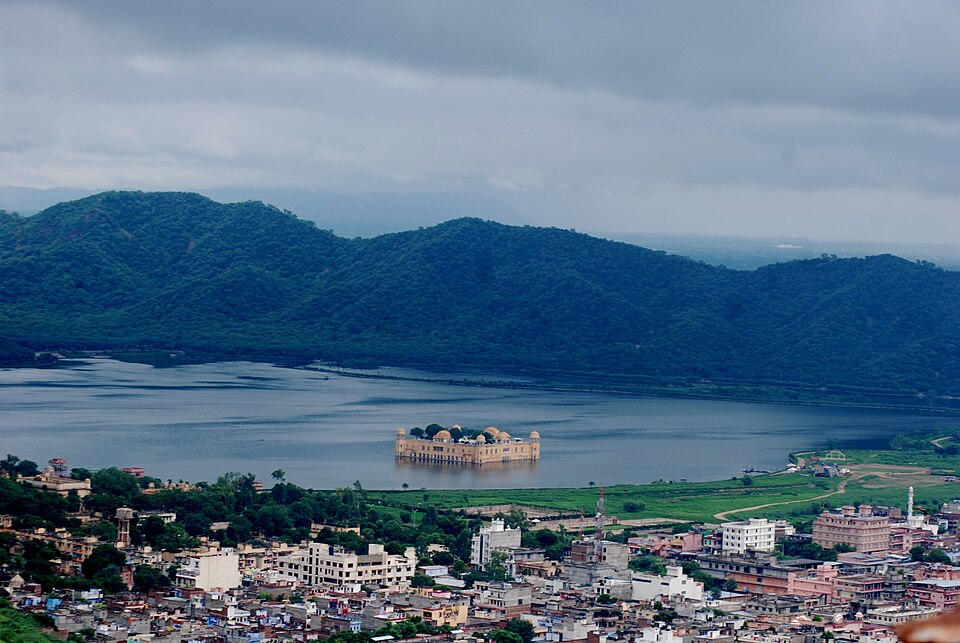
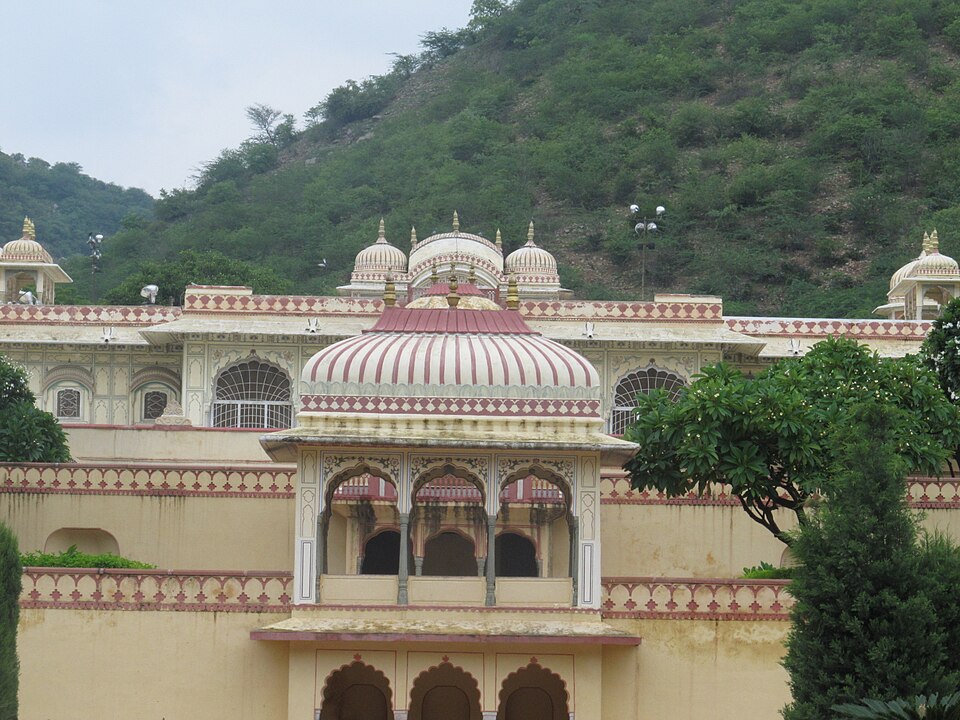
Within 30 km of the centre of Jaipur, the nature places people read about most are Jal Mahal, Jawahar Circle, Man Sagar Lake and Sisodiya Rani Bagh, and marked walks close to the city include Papad K Balaji to Charan Mandir.
People have shared 166,399 wildlife records within 50 km of Jaipur in the last ten years. The wild animals recorded most often are the rock dove, the common myna, the red-vented bulbul, the rose-ringed parakeet and the rhesus macaque.
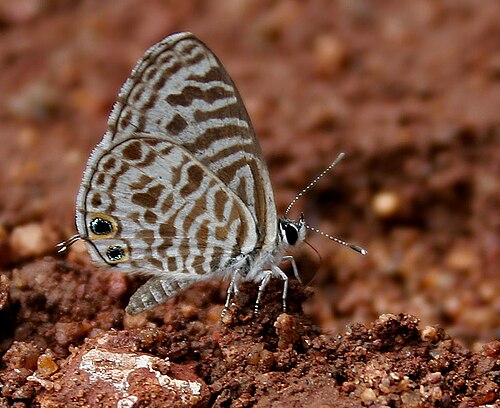
Among the animals people record most around Jaipur, the plumbago blue and the coromandel marsh dart appear on no other city page here.
- Country
- India
- Population
- 3.1 million
- Area
- 467 km²
- Elevation
- 431 m
- Currency
- Indian rupee
- Daylight
- 11 to 14 hours
Figures from Wikidata; population 2011.
Jaipur on the map
- Jal Mahal
- Jawahar Circle
- Man Sagar Lake
- Sisodiya Rani Bagh
- Kanak Vrindavan
- Maota Lake
- City Park, Jaipur
- Jhalana Amagarh leopard conservation reserve
- Ramgarh Lake
Nature close to Jaipur
The places people read most about, from the centre outwards.

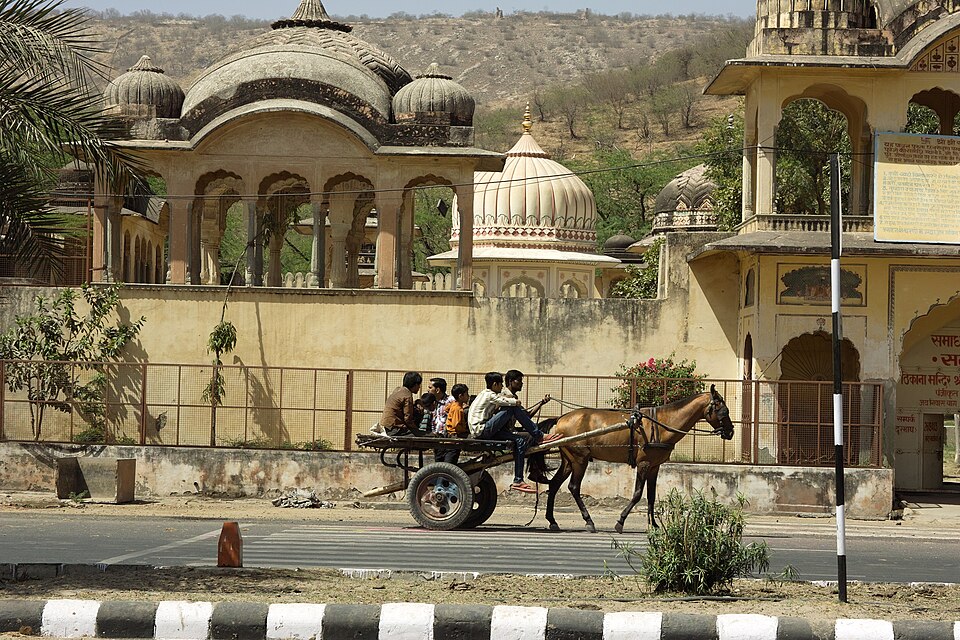
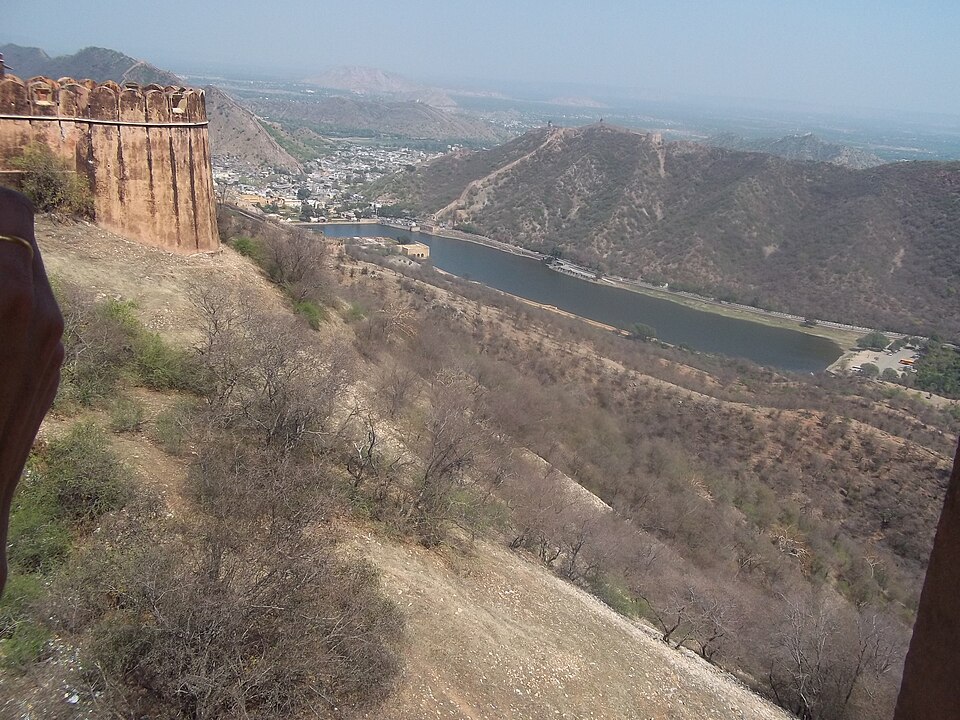
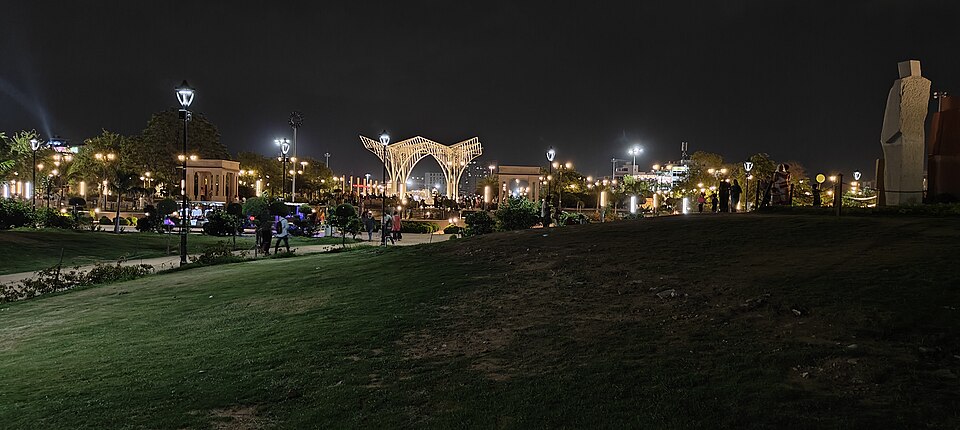
- Jhalana Amagarh leopard conservation reserve Nature reserve · 4 km
- Ramgarh Lake Lake · 28 km
- Ram Niwas Garden Park · 1 km
Marked walks
- Papad K Balaji to Charan Mandir5.1 km · 5 km from the centre
Routes from OpenStreetMap via Waymarked Trails. Not checked by 4Planet: follow local signs and conditions.
Wildlife around Jaipur
The wild animals people record most within 50 km, 2016–2025. Tick the ones you have seen to build your own list.


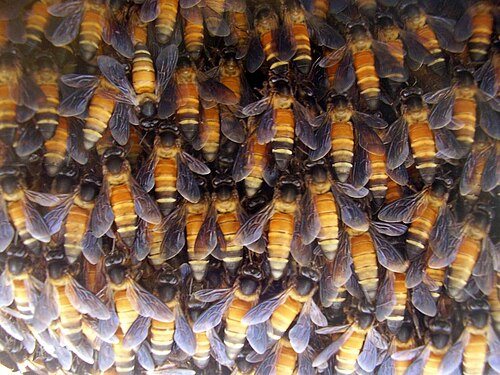

Seen in the last 30 days
What can you see near Jaipur now?
Month by month, from 166,399 records people shared within 50 km, 2016–2025.

















Jaipur is getting cooler
Daylight: about 11 hours in December and 14 in June.
Seen something near Jaipur?
Share a photo of it on iNaturalist. Other naturalists help name it, and confirmed records go to GBIF, where scientists use them. That is where the lists on this page come from.
Explore next
What puts Jaipur under pressure, what helps, and who works on it.
Jaipur on the living planet
More places near Jaipur
Sources and photo credits
- Wikidata · Jaipur (Q66485), facts and nature places
- Wikipedia page views · how well known each nature place is
- OpenStreetMap contributors via Waymarked Trails · marked walking routes (ODbL)
- GBIF · human observations within 50 km, 2016–2025 (166,399 animal records)
- NASA POWER · yearly temperature from satellite and model data (MERRA-2)
- MET Norway · weather now (shown live)
- Jal Mahal, Jaipur: Jakub Hałun, CC BY-SA 4.0
- Jal Mahal, Jaipur: Jakub Hałun, CC BY-SA 4.0
- Jawahar Circle, Jaipur: Chainwit., CC BY-SA 4.0
- Man Sagar Lake, Jaipur: Ajay Parikh 103, CC BY-SA 3.0
- Sisodiya Rani Bagh, Jaipur: Shishir.k 96, CC BY-SA 4.0
- Kanak Vrindavan, Jaipur: ArishG, CC BY-SA 3.0
- Maota Lake, Jaipur: Swapnil.Karambelkar, CC BY-SA 4.0
- City Park, Jaipur, Jaipur: Mukesh.kfc, CC BY 4.0
- Rock dove: william_stephens, CC BY 4.0
- Common myna: Tisha Mukherjee, CC BY-SA 4.0
- Red-vented bulbul: K. Hari Krishnan, CC BY-SA 3.0
- Rose-ringed parakeet: mourad-harzallah, CC BY 4.0
- Rhesus macaque: Yann Forget, CC BY-SA 4.0
- Nilgai: The original uploader was Karthickbala at Tamil Wikipedia., Public domain
- Northern palm squirrel: Thomas Schoch, CC BY-SA 3.0
- Plain tiger: Zeynel Cebeci, CC BY-SA 4.0
- Tropical bluetail: Laitche, Public domain
- Giant honey bee: Original uploader was Bksimonb at en.wikipedia, CC BY-SA 3.0
- Plumbago blue: J.M.Garg, CC BY 3.0
- Coromandel marsh dart: Joydeep, CC BY-SA 3.0
- Grey-headed canary-flycatcher: Tisha Mukherjee, CC BY-SA 4.0
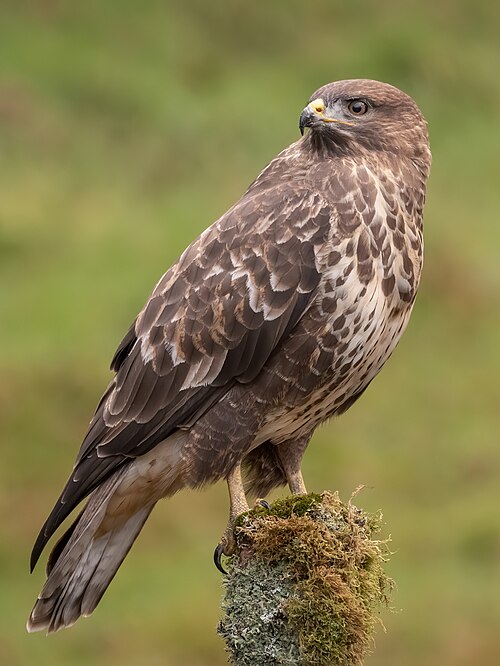
- Common buzzard: caroline legg, CC BY 2.0
- Dunlin: Mdf, edited by Fir0002, CC BY-SA 3.0
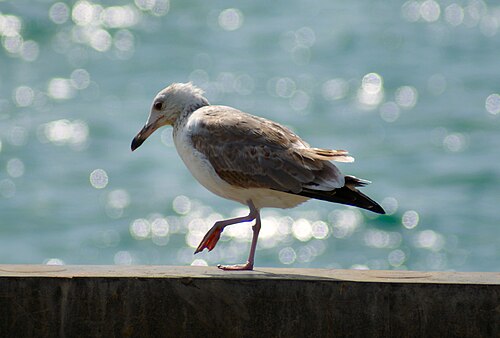
- Pallas's gull: Nepenthes, CC BY-SA 3.0
- Gadwall: Andreas Trepte, CC BY-SA 2.5
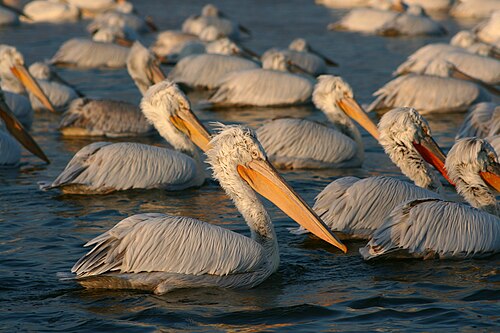
- Dalmatian pelican: RoubinakiM, CC BY-SA 4.0
- Greylag goose: Imran Shah from Islamabad, Pakistan, CC BY-SA 2.0
- White-capped bunting: Imran Shah from Islamabad, Pakistan, CC BY-SA 2.0
- Ashy drongo: J.M.Garg, CC BY-SA 3.0
- Asian woolly-necked stork: Kaippally, CC BY 2.5
- Laughing dove: Giles Laurent, CC BY-SA 4.0
- Cinereous tit: Imran Shah from Islamabad, Pakistan, CC BY-SA 2.0
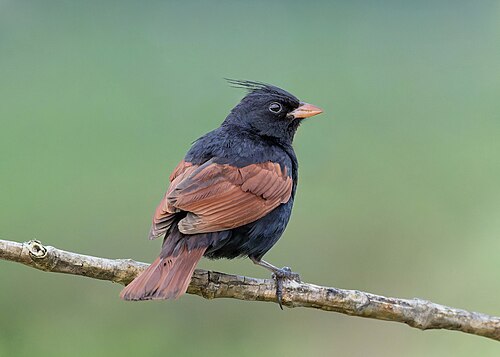
- Crested bunting: Tisha Mukherjee, CC BY-SA 4.0
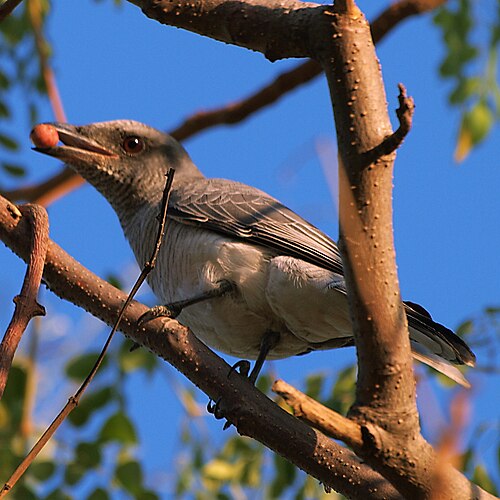
- Large cuckoo-shrike: Shanthanu Bhardwaj, CC BY-SA 2.0
- Blyth’s reed warbler: Tisha Mukherjee, CC BY-SA 4.0
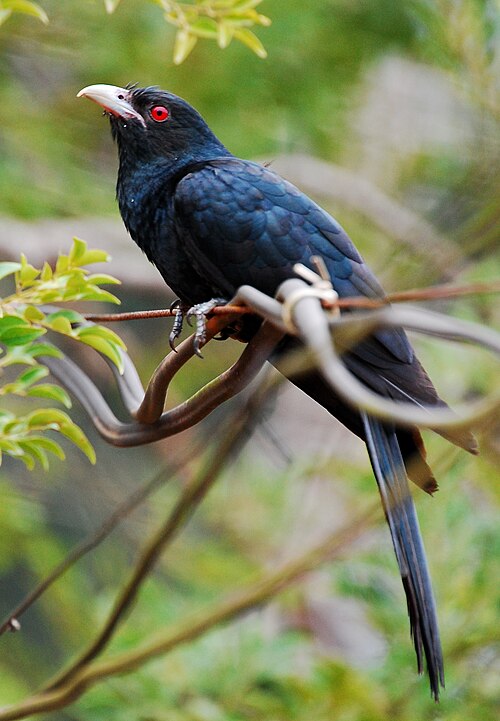
- Asian koel: Challiyan, CC BY-SA 4.0
- Indian golden oriole: Swardeepak, CC BY 4.0
- Small minivet: Tisha Mukherjee, CC BY-SA 4.0
- Jacobin cuckoo: J.M.Garg, CC BY-SA 4.0
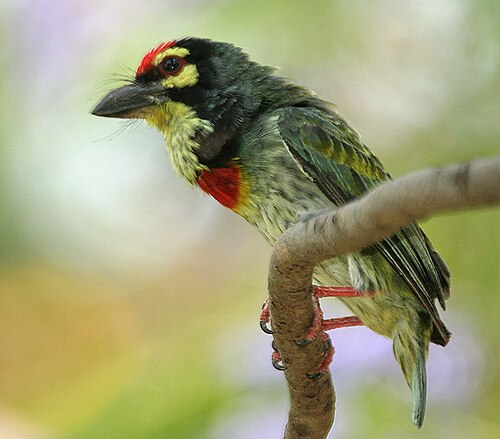
- Coppersmith barbet: J.M.Garg, CC BY 3.0
- Baya weaver: Tisha Mukherjee, CC BY-SA 4.0
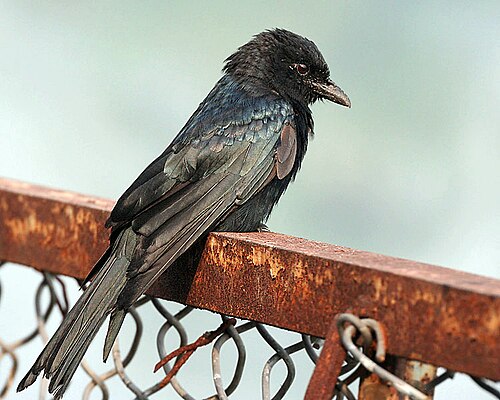
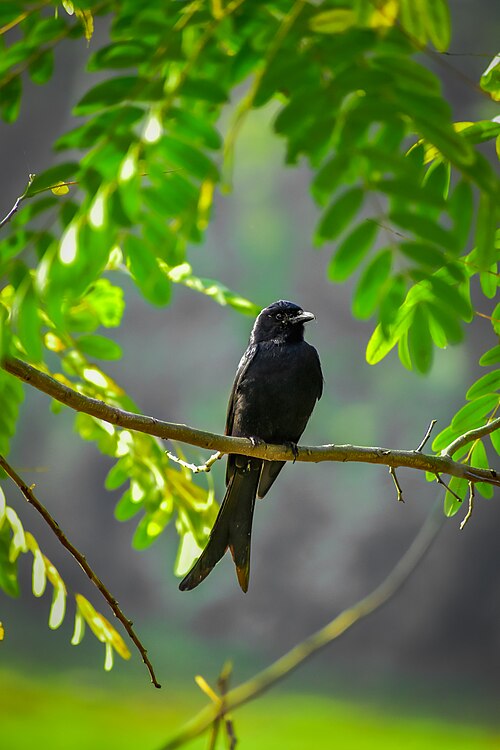
- Black drongo: Fabian Roudra Baroi, CC BY-SA 4.0
- Indian roller: Koshyk, CC BY 2.0
- Blue-cheeked bee-eater: El Golli Mohamed, CC BY-SA 4.0
- European roller: Saeed Davari, CC BY-SA 4.0
- Sulphur-bellied warbler: J.M.Garg, CC BY-SA 3.0
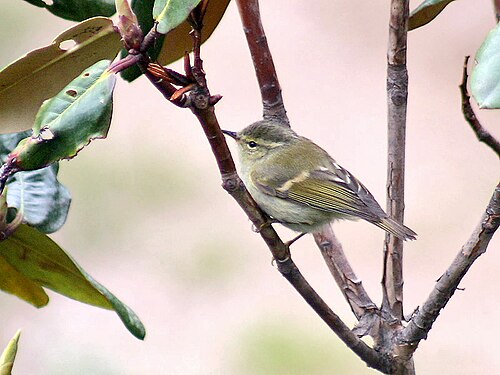
- Hume’s leaf warbler: J.M.Garg, CC BY-SA 3.0
- Bluethroat: Ragnhild&Neil Crawford from Sweden, CC BY-SA 2.0
- Booted eagle: Vicente Zumel, CC BY-SA 3.0
- Ruddy shelduck: J.M.Garg, CC BY-SA 3.0
- White-tailed lapwing: Elşad İbrahimov, CC BY-SA 4.0


Wildlife records show where people have seen and shared plants and animals, not everything that lives here; some places and months are recorded more than others. Sensitive species are never shown with a month or as seen recently. Routes come from OpenStreetMap and are not checked by 4Planet: follow local signs and conditions. Climate figures are NASA estimates for the area around Jaipur, not a single weather station.
Checked 2026-11-27.