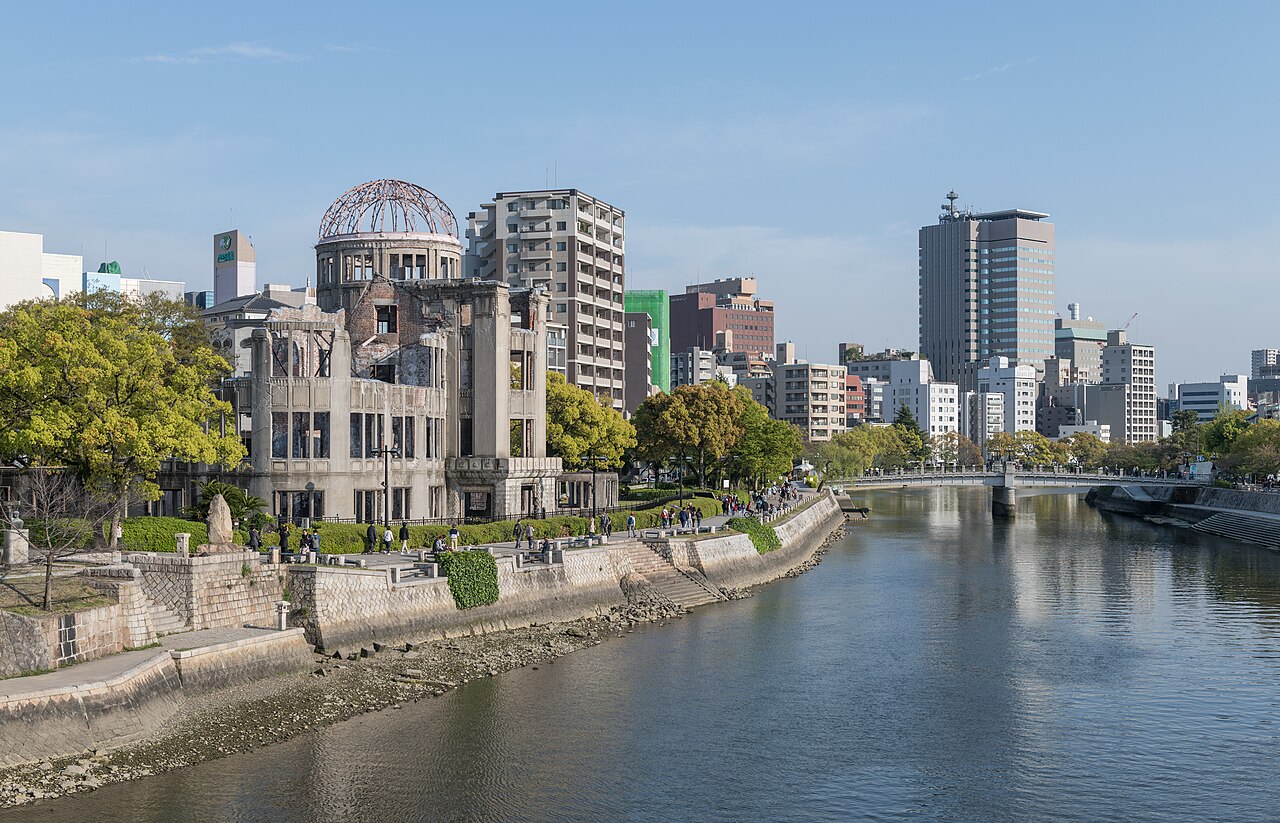
Hiroshima
City in Japan
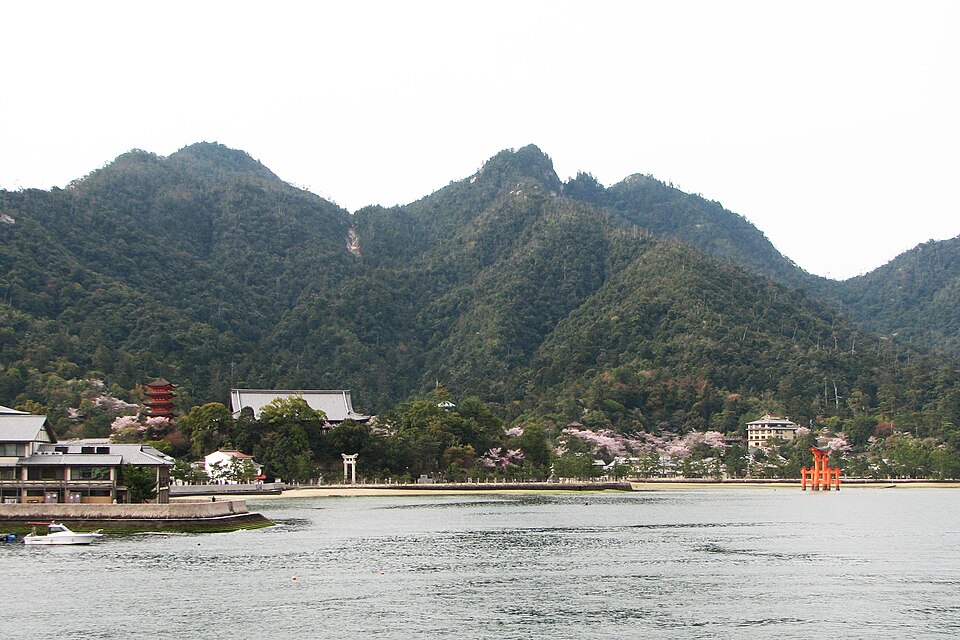
Within 30 km of the centre of Hiroshima, the nature places people read about most are Itsukushima, Kure Naval Arsenal, Mount Misen and Shukkei-en, and marked walks close to the city include 鈴ヶ峰登山コース, 宮島の自然満喫コース and 動植物観察コース.
People have shared 26,745 wildlife records within 50 km of Hiroshima in the last ten years. The wild animals recorded most often are the Eurasian tree sparrow, the large-billed crow, the brown-eared bulbul, the grey heron and the black kite. Since the 1980s the area has become about 1 °C warmer.
Among the animals people record most around Hiroshima, the japanese minnow and the frog goby appear on no other city page here.
- Country
- Japan
- Population
- 1.2 million
- Area
- 905 km²
- Currency
- Yen
- Time zone
- UTC+09
- Daylight
- 10 to 14 hours
Figures from Wikidata; population 2021.
Hiroshima on the map
- Itsukushima
- Kure Naval Arsenal
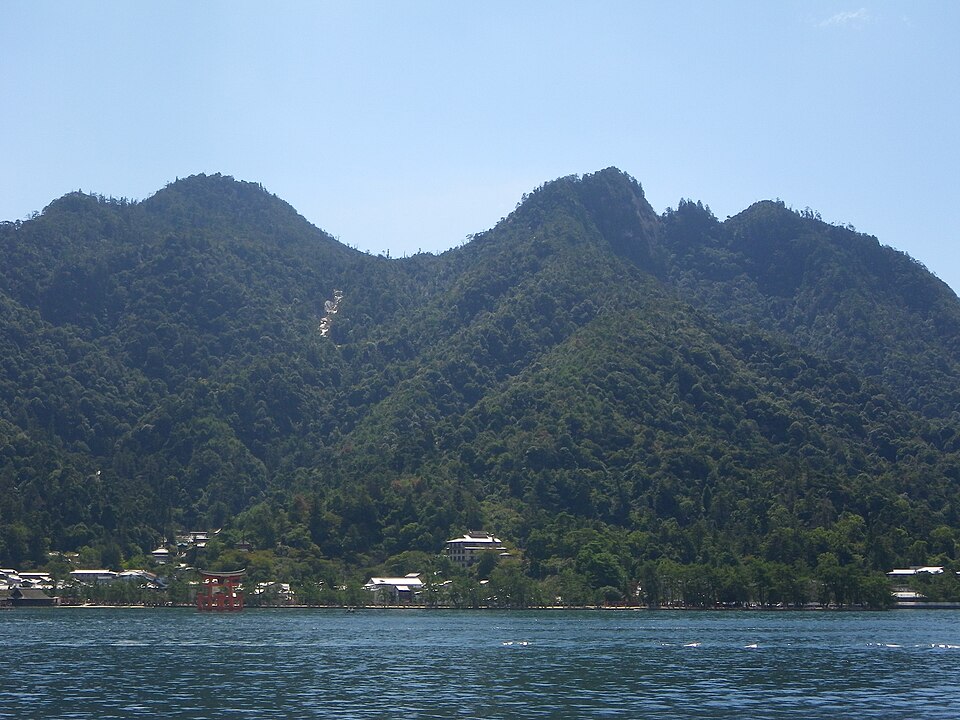
- Mount Misen
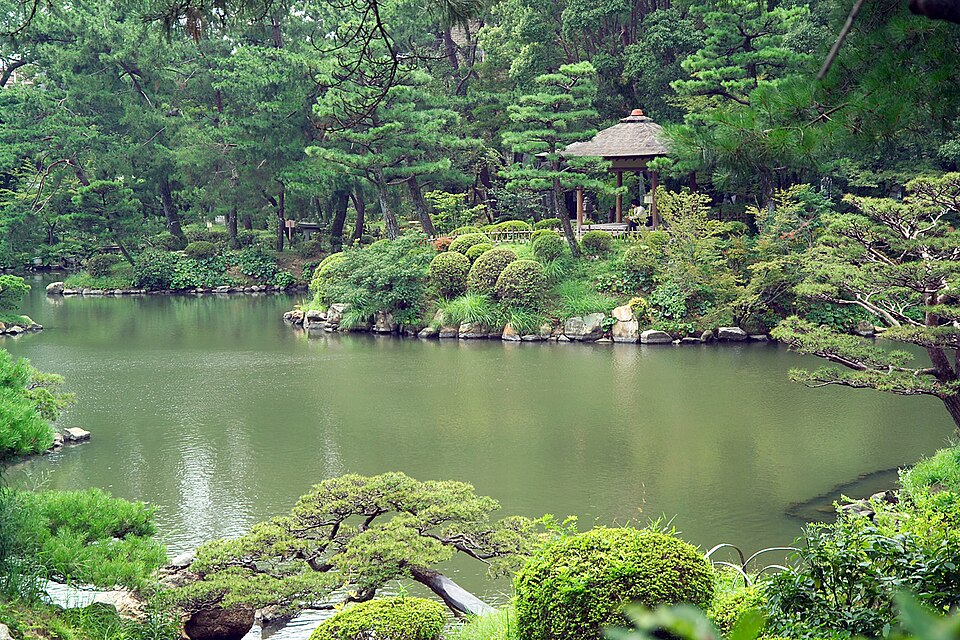
- Shukkei-en
- Etajima
- JMSDF Kure Naval Base
- Hiroshima Bay
- Ōta River
- Ninoshima
Nature close to Hiroshima
The places people read most about, from the centre outwards.

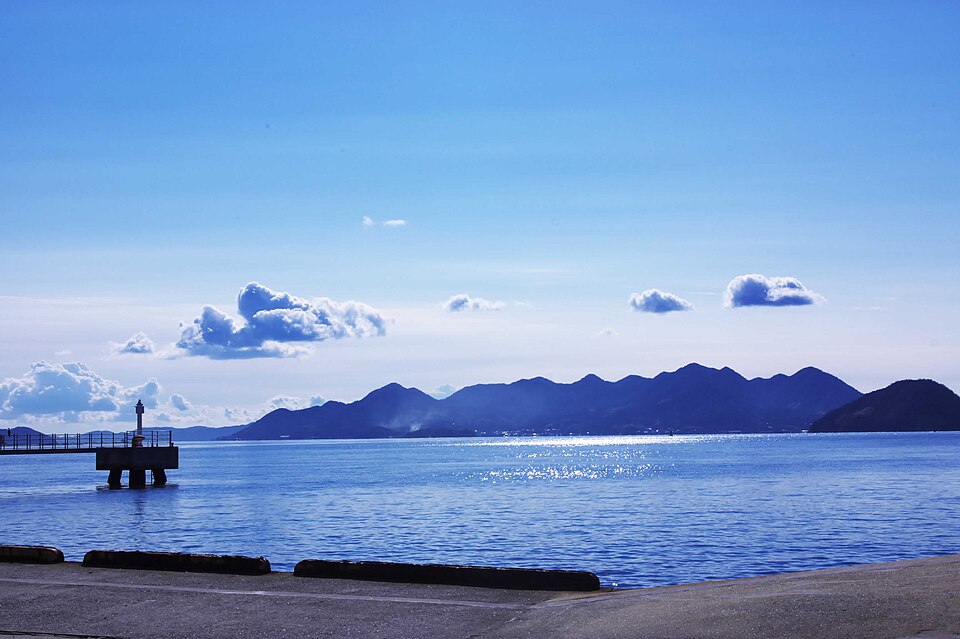

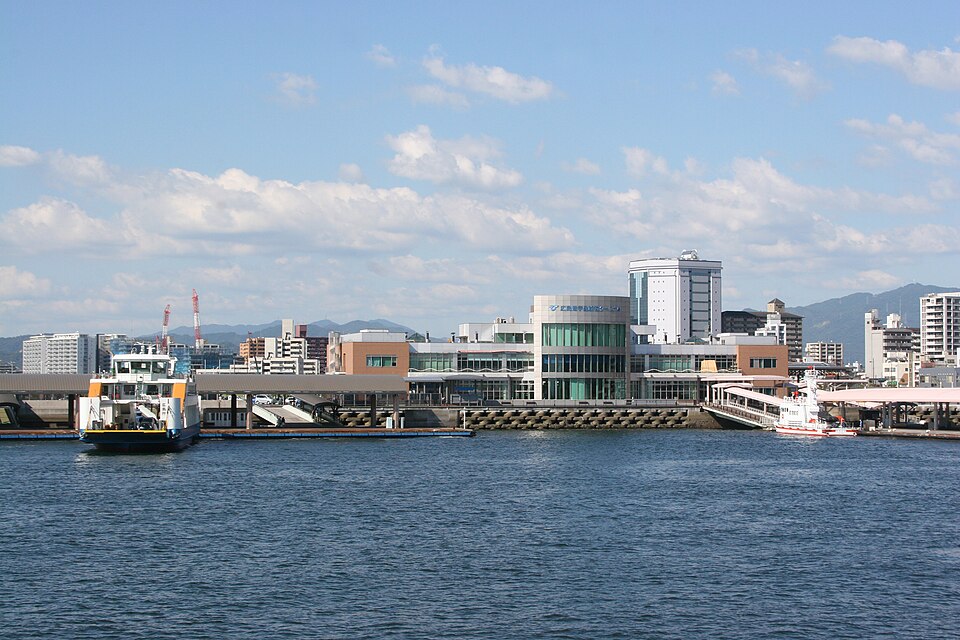
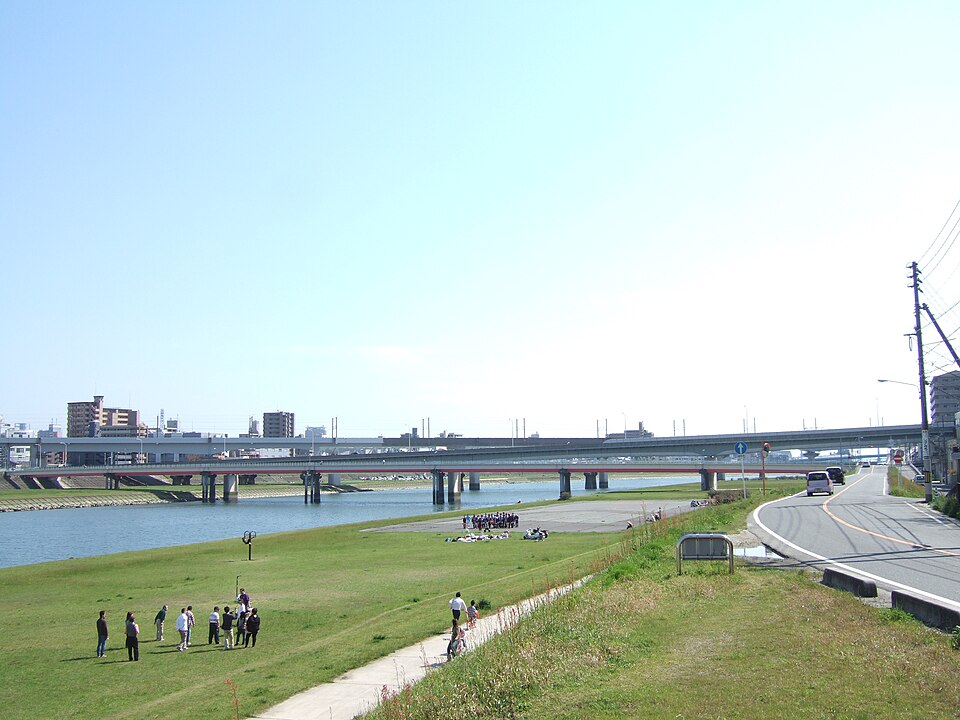
- Ninoshima Island · 8 km
- Miyajima Public Aquarium Public aquarium · 16 km
- Hiroshima Botanical Garden Park · 10 km
- Momijidani Park Park · 16 km
Marked walks
- 鈴ヶ峰登山コース3.7 km · 7 km from the centre
- 宮島の自然満喫コース7.3 km · 16 km from the centre
- 動植物観察コース7.2 km · 16 km from the centre
- 地形・地質観察コース7.2 km · 16 km from the centre
- 弥山登山道 紅葉谷ルート1.7 km · 16 km from the centre
- 歴史文化体験コース1.6 km · 16 km from the centre
Routes from OpenStreetMap via Waymarked Trails. Not checked by 4Planet: follow local signs and conditions.
Wildlife around Hiroshima
The wild animals people record most within 50 km, 2016–2025. Tick the ones you have seen to build your own list.
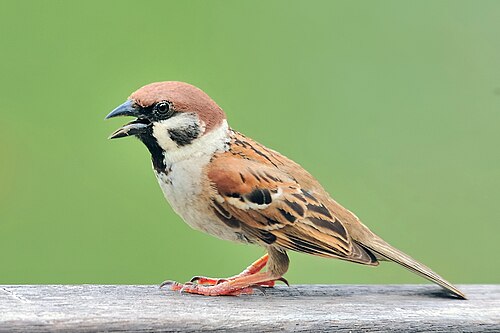


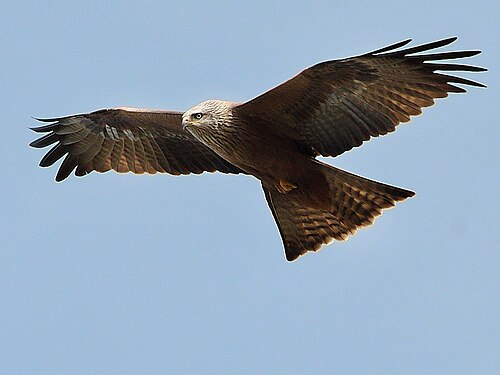
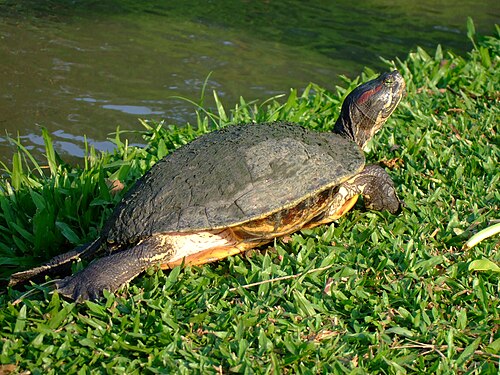


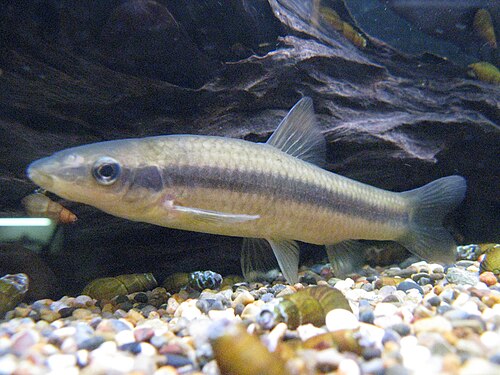
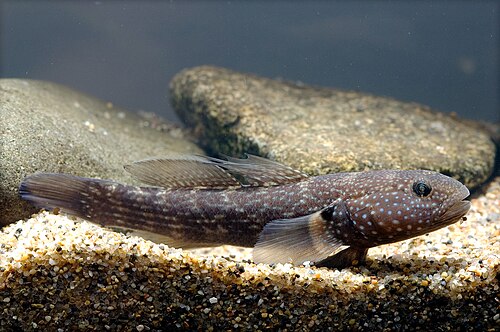
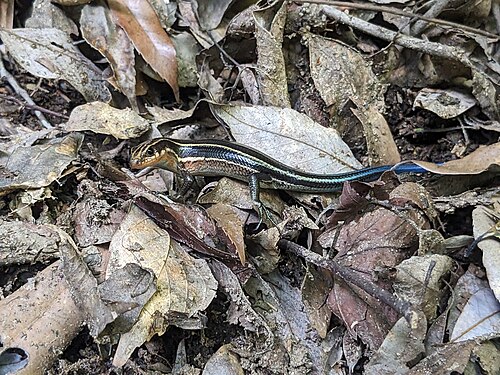
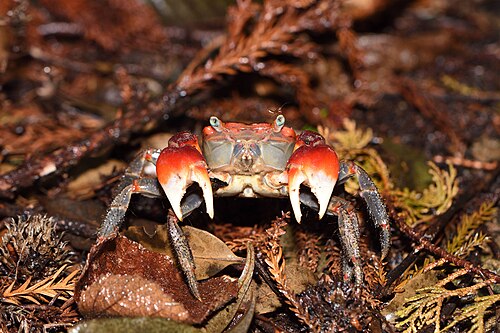
Seen in the last 30 days
What can you see near Hiroshima now?
Month by month, from 26,745 records people shared within 50 km, 2016–2025.
At their peak in January


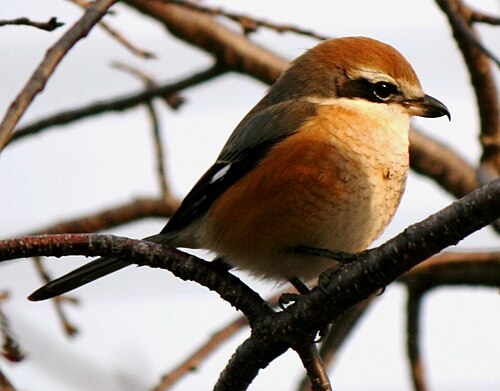
Most seen in January

2,219 animal records in January.
At their peak in February
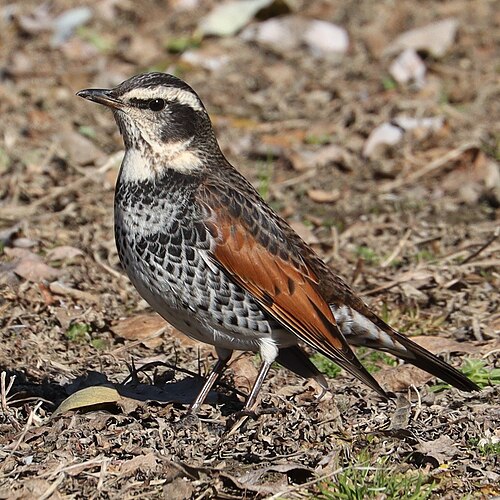
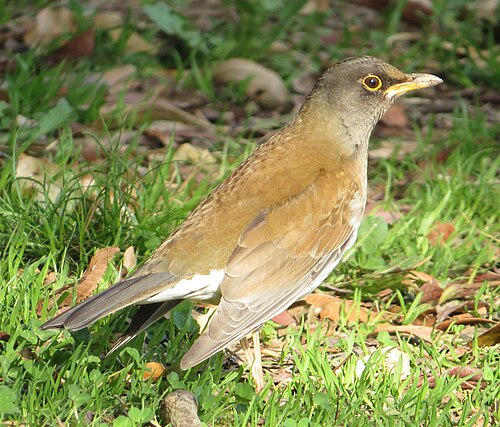
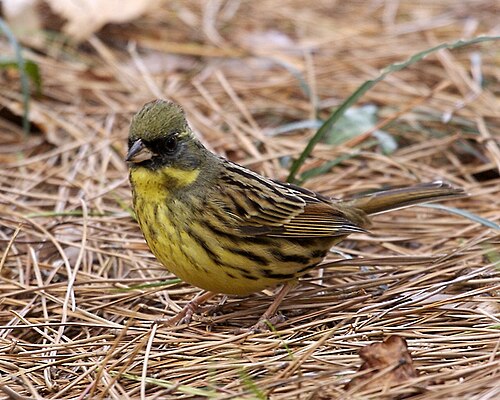
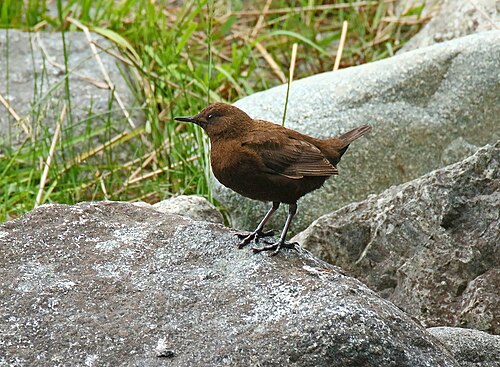
Most seen in February
1,558 animal records in February.
At their peak in March
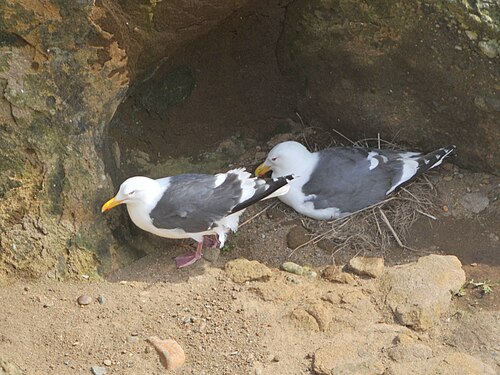
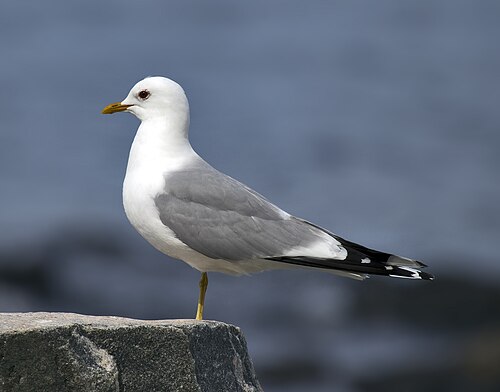
Most seen in March
2,609 animal records in March.
At their peak in April

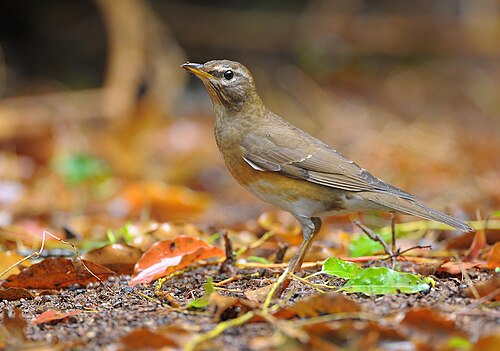

Most seen in April
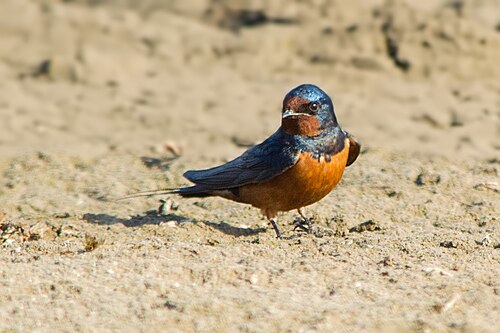
3,431 animal records in April.
At their peak in May
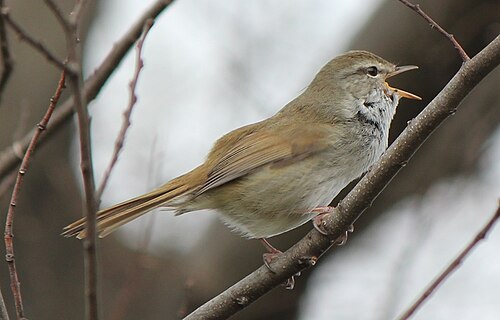


Most seen in May
3,320 animal records in May.
At their peak in June
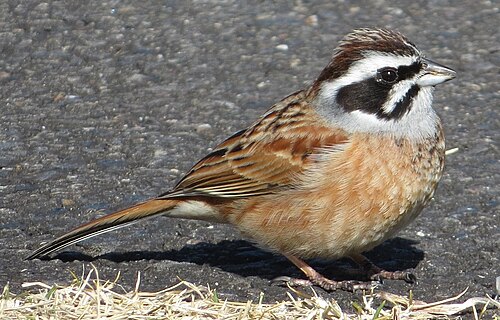
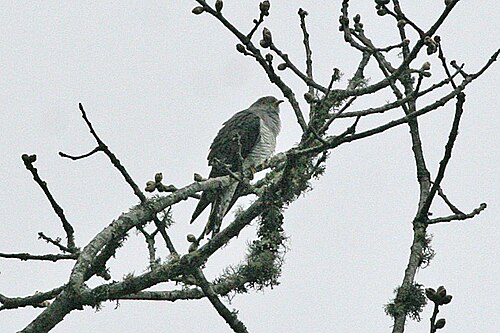
Most seen in June
1,596 animal records in June.
At their peak in August
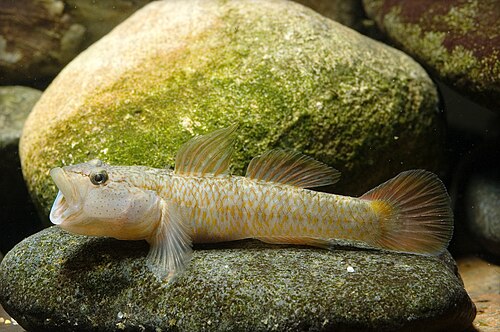

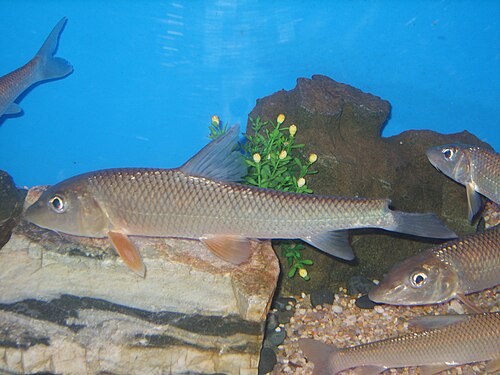
Most seen in August


1,860 animal records in August.
At their peak in November
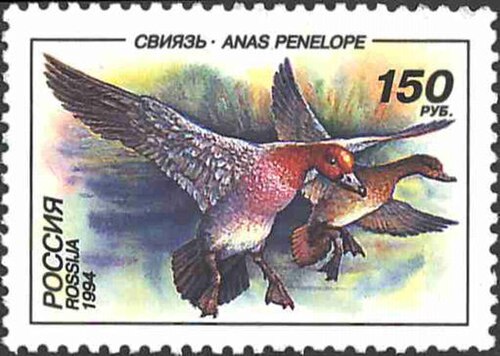

Most seen in November
2,281 animal records in November.
At their peak in December


Most seen in December

1,893 animal records in December.
Hiroshima is getting warmer
+1.0 °CAverage temperature around Hiroshima in 2016–2025, compared with 1981–1990.
Daylight: about 10 hours in December and 14 in June.
Seen something near Hiroshima?
Share a photo of it on iNaturalist. Other naturalists help name it, and confirmed records go to GBIF, where scientists use them. That is where the lists on this page come from.
Explore next
What puts Hiroshima under pressure, what helps, and who works on it.
Hiroshima on the living planet
More places near Hiroshima
Sources and photo credits
- Wikidata · Hiroshima (Q34664), facts and nature places
- Wikipedia page views · how well known each nature place is
- OpenStreetMap contributors via Waymarked Trails · marked walking routes (ODbL)
- GBIF · human observations within 50 km, 2016–2025 (26,745 animal records)
- NASA POWER · yearly temperature from satellite and model data (MERRA-2)
- MET Norway · weather now (shown live)
- Hiroshima, Japan: DXR, CC BY-SA 4.0
- Itsukushima, Hiroshima: Bernard Gagnon, CC BY-SA 3.0
- Kure Naval Arsenal, Hiroshima: Asahi Shimbun, Public domain
- Mount Misen, Hiroshima: As6022014, CC BY-SA 3.0
- Shukkei-en, Hiroshima: No machine-readable author provided. Fg2 assumed (based on copyright claims)., Public domain
- Etajima, Hiroshima: 柳田亮, CC BY-SA 3.0
- JMSDF Kure Naval Base, Hiroshima: Kuma83, CC BY-SA 4.0
- Hiroshima Bay, Hiroshima: Aude, CC BY-SA 3.0
- Ōta River, Hiroshima: Ujinaport, CC BY 3.0
- Eurasian tree sparrow: Yiwenyiwen, CC BY-SA 4.0
- Large-billed crow: Tisha Mukherjee, CC BY-SA 4.0
- Brown-eared bulbul: Alpsdake, CC BY-SA 3.0
- Grey heron: Bengt Nyman from Vaxholm, Sweden, CC BY 2.0
- Black kite: Thomas Kraft (ThKraft), CC BY-SA 2.5
- Pond slider: Happyswissman, CC BY 3.0
- Joro spider: Christina Butler from Georgia, United States, CC BY 2.0
- Pale grass blue: Laitche, Public domain
- Japanese minnow: KENPEI, CC BY-SA 3.0
- Frog goby: Seotaro, CC BY-SA 3.0
- Japanese skink: jpuf, CC0
- Red-clawed crab: Ffish.asia, CC BY 4.0
- Daurian redstart: Laitche, CC BY-SA 4.0
- Mallard: Rolf Dietrich Brecher from Germany, CC BY 2.0
- Common pochard: Hunter Desportes, CC BY 2.0
- Eurasian teal: Koshy Koshy from Faridabad, Haryana, India, CC BY 2.0
- Bull-headed shrike: Alpsdake, CC BY-SA 3.0
- Dusky thrush: Alpsdake, CC BY-SA 4.0
- Pale thrush: Alpsdake, CC BY-SA 3.0
- Masked bunting: Lip Kee from Singapore, Republic of Singapore, CC BY-SA 2.0
- Brown dipper: Imran Shah from Islamabad, Pakistan, CC BY-SA 2.0
- Slaty-backed gull: Original: ほくなん. This edit: MPF, Public domain
- Common gull: Andreas Trepte, CC BY-SA 2.5
- Barn swallow: Morhaf Aljanee, CC BY-SA 3.0
- Green pheasant: Alpsdake, CC BY-SA 3.0
- Eyebrowed thrush: Robert tdc, CC BY-SA 2.0
- Eurasian siskin: Sławek Staszczuk (photoss [AT] hotmail.co.uk), CC BY-SA 3.0
- Japanese bush warbler: Alpsdake, CC BY-SA 3.0
- Eastern red-rumped swallow: yvesbas, CC BY 4.0
- Narcissus flycatcher: muangpaisuetrong, CC0
- Eurasian skylark: El Golli Mohamed, CC BY-SA 4.0
- Meadow bunting: Alpsdake, CC BY-SA 3.0
- Lesser cuckoo: Ron Knight from Seaford, East Sussex, United Kingdom, CC BY 2.0
- Little egret: El Golli Mohamed, CC BY-SA 4.0
- Great cormorant: Mathew Schwartz, CC BY 3.0
- Oriental turtle dove: J. Patrick Fischer, CC BY-SA 4.0
- Lizard goby: Seotaro, CC BY-SA 3.0
- Black-tailed gull: Angie from Sawara, Chiba-ken, Japan, CC BY 2.0
- Amur barbel: dalgial, CC BY-SA 3.0
- Eurasian wigeon: Почта России, Public domain
- Common coot: Zeynel Cebeci, CC BY-SA 4.0
- White wagtail: Jac. Janssen from BAARLO LB, NL, CC BY 2.0
- Gadwall: Andreas Trepte, CC BY-SA 2.5
- Little grebe: Zeynel Cebeci, CC BY-SA 4.0


Wildlife records show where people have seen and shared plants and animals, not everything that lives here; some places and months are recorded more than others. Sensitive species are never shown with a month or as seen recently. Routes come from OpenStreetMap and are not checked by 4Planet: follow local signs and conditions. Climate figures are NASA estimates for the area around Hiroshima, not a single weather station.
Checked 2026-11-27.