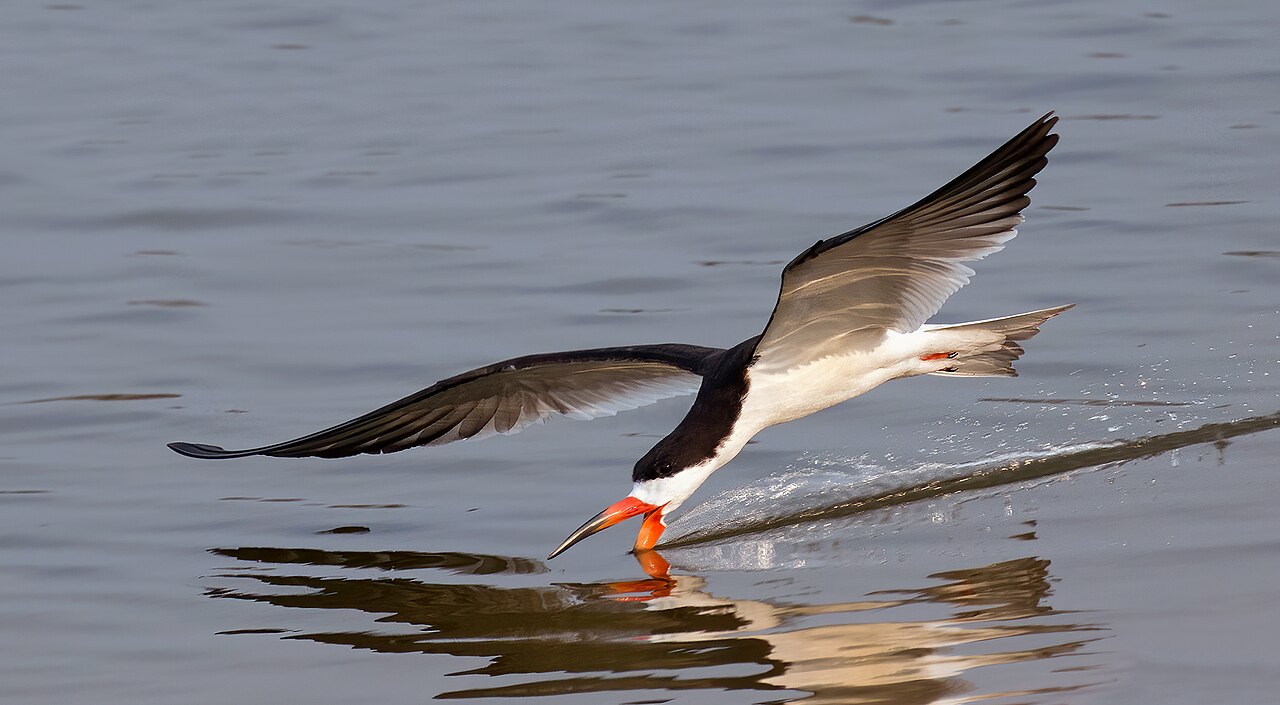
Wetlands
Marshes, swamps, floodplains and bogs worldwide
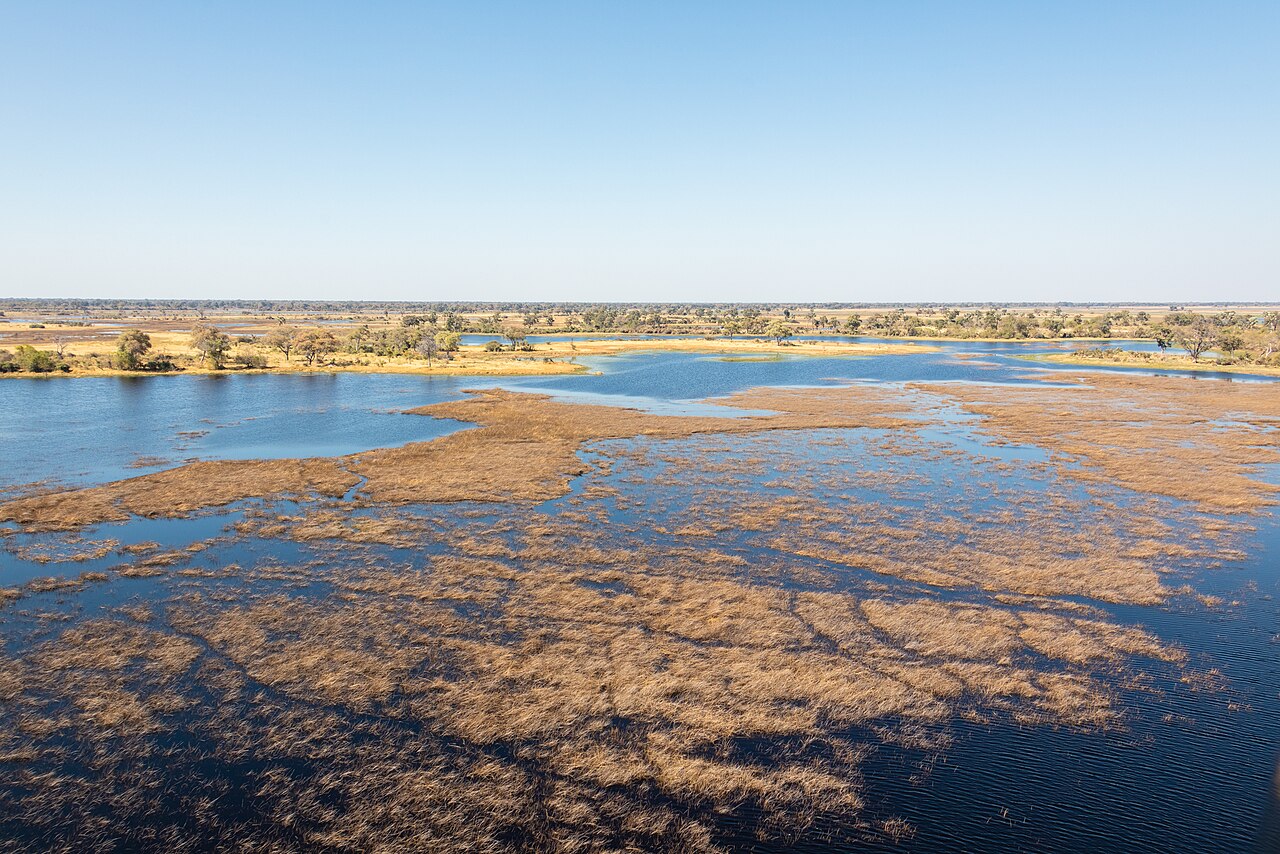
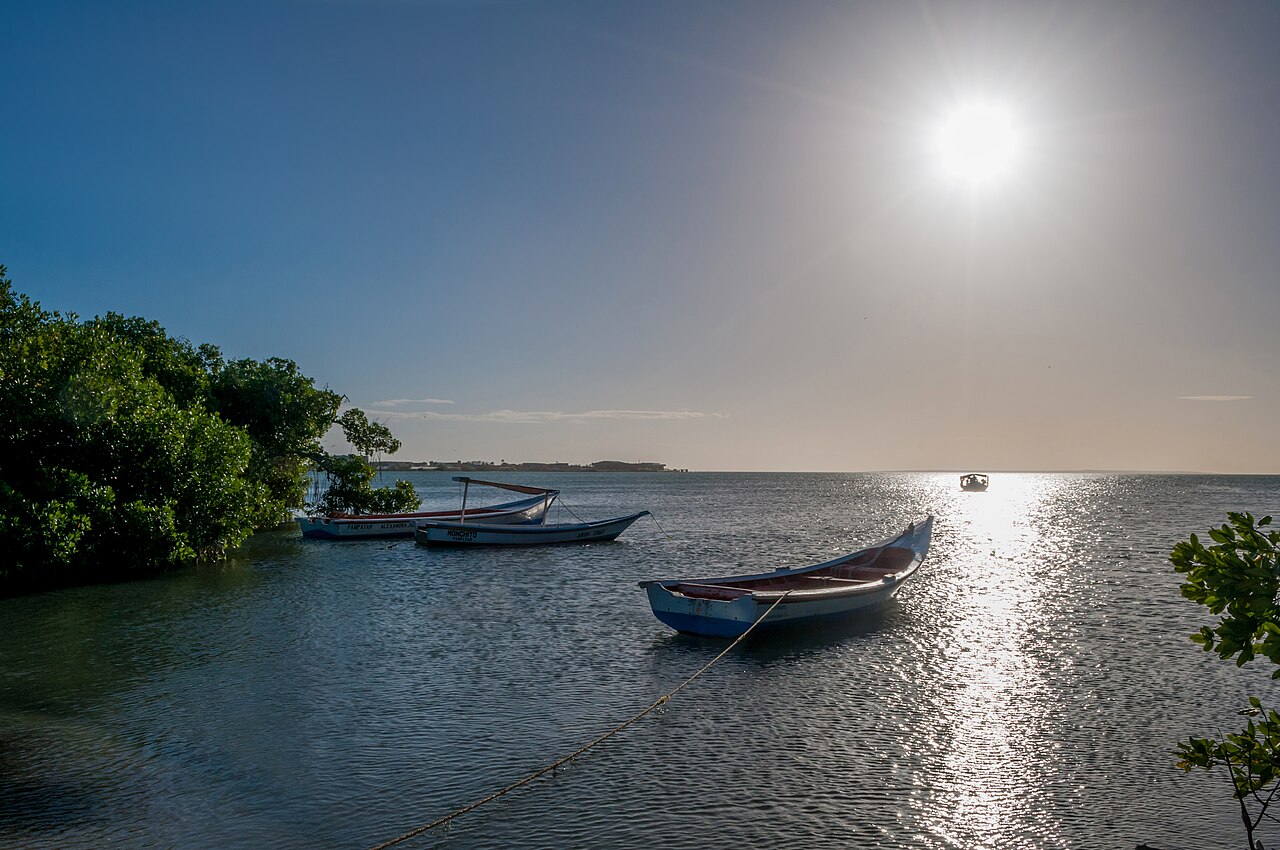
Wetlands are land that is covered by water for at least part of the year: marshes, swamps, floodplains and bogs. They store floodwater, clean it and hold more carbon than almost any other land, and they are home to huge numbers of birds.
People have shared 3,885,502 records of animals and plants from the Pantanal, Brazil, the Okavango Delta, Botswana and the Camargue, France with GBIF in ten years. This page shows the 32 species recorded most often there, and 90 links between them that studies have recorded: who eats whom.
- Kind
- Habitat
- Where
- Marshes, swamps, floodplains and bogs worldwide
- Species shown
- 32, the most recorded
- Food web
- 90 recorded links between them
- Records
- 3,885,502 in 2016–2025
- Sample areas
- the Pantanal, Brazil, the Okavango Delta, Botswana, the Camargue, France
Who eats whom in wetlands
Food flows upwards: plants and small animals at the bottom, hunters at the top. Tap a species to see its links, then take it out of the web to see who would lose food.
Tap a species.
All 90 recorded links
- Great egret eats Common carp
- Great egret eats Stripeless tree frog
- Great egret eats Natterjack
- Great egret eats Viperine snake
- Great egret eats Western green lizard
- Great egret eats Western spadefoot
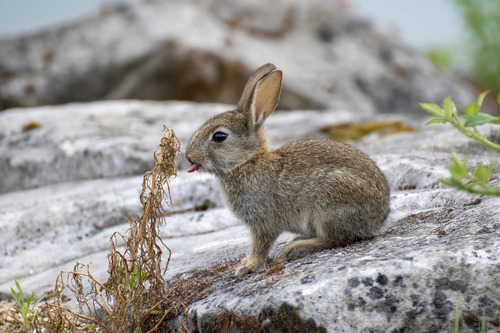
- Great egret eats European rabbit
- Great egret eats Cetti's warbler
- Little egret eats Viperine snake
- Little egret eats Stripeless tree frog
- Little egret eats Western green lizard
- Little egret eats Western spadefoot
- Little egret eats Common carp
- Grey heron eats European rabbit
- Grey heron eats Natterjack
- Grey heron eats Western green lizard
- Grey heron eats Western spadefoot
- Grey heron eats Viperine snake
- Grey heron eats Stripeless tree frog
- Grey heron eats Chub
- Grey heron eats Common carp
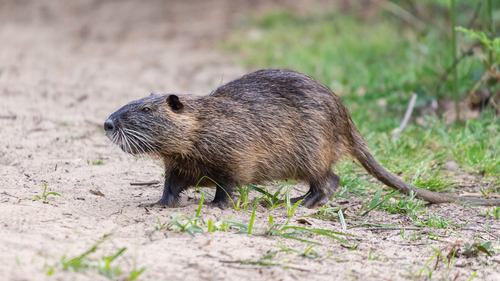
- Grey heron eats Coypu
- Yellow-legged gull eats Chub
- Yellow-legged gull eats Common carp
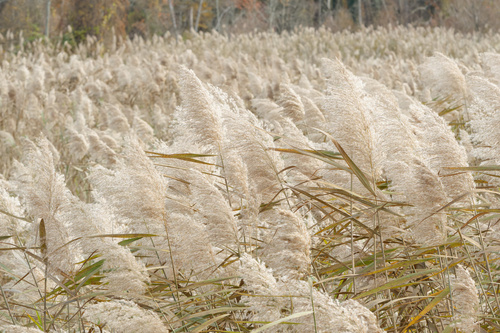
- Mallard eats Common reed
- Mallard eats Western spadefoot
- Mallard eats Natterjack
- Mallard eats Stripeless tree frog
- Coypu eats Common reed
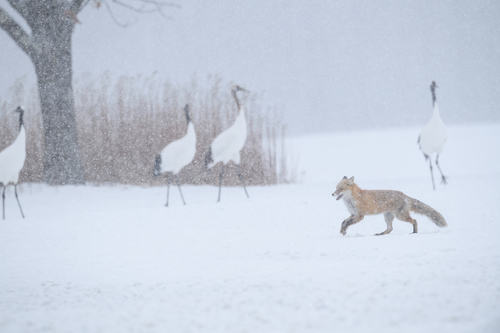
- Red fox eats Common carp
- Red fox eats Moorish gecko
- Red fox eats Ocellated lizard
- Red fox eats Natterjack
- Red fox eats Mallard
- Red fox eats Common wall lizard
- Red fox eats European rabbit
- Red fox eats Western spadefoot
- Red fox eats Stripeless tree frog
- Red fox eats Cetti's warbler
- Red fox eats Greater flamingo
- Red fox eats Montpellier snake
- Red fox eats Western green lizard
- Red fox eats Viperine snake
- Red fox eats Little egret
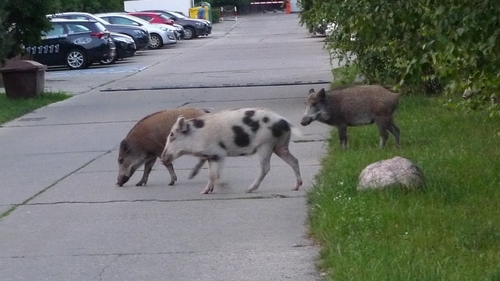
- Red fox eats Wild boar
- Red fox eats Coypu
- Red fox eats Yellow-legged gull
- Wild boar eats Western spadefoot
- Wild boar eats Stripeless tree frog
- Wild boar eats Mallard
- Wild boar eats European rabbit
- Wild boar eats Natterjack
- Wild boar eats Greater flamingo
- Wild boar eats Montpellier snake
- Wild boar eats Viperine snake
- Wild boar eats Common wall lizard
- Wild boar eats Western green lizard
- Wild boar eats Ocellated lizard
- Wild boar eats Great egret
- Wild boar eats Red fox
- Western green lizard eats Ocellated lizard
- Western green lizard eats Montpellier snake
- Western green lizard eats Cetti's warbler
- Western green lizard eats Viperine snake
- Western green lizard eats Common wall lizard
- Viperine snake eats Stripeless tree frog
- Viperine snake eats Western spadefoot
- Viperine snake eats Natterjack
- Montpellier snake eats Western green lizard
- Montpellier snake eats Ocellated lizard
- Montpellier snake eats Viperine snake
- Montpellier snake eats Grey heron
- Montpellier snake eats Common wall lizard
- Montpellier snake eats Cetti's warbler
- Montpellier snake eats Little egret
- Montpellier snake eats European rabbit
- Montpellier snake eats Moorish gecko
- Montpellier snake eats Great egret
- Ocellated lizard eats Viperine snake
- Ocellated lizard eats Common wall lizard
- Ocellated lizard eats Western spadefoot
- Ocellated lizard eats Western green lizard
- Ocellated lizard eats Montpellier snake
- Ocellated lizard eats Cetti's warbler
- Ocellated lizard eats Stripeless tree frog
- Ocellated lizard eats European rabbit
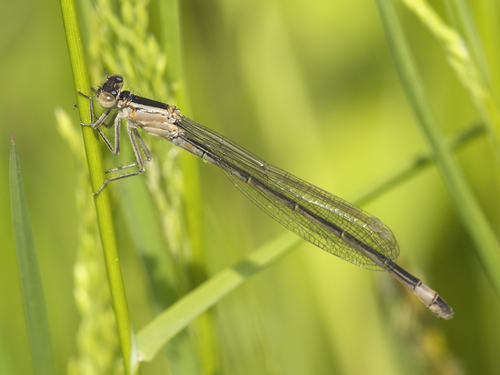
- Common carp eats Blue-tailed damselfly
- Chub eats Blue-tailed damselfly
- Chub eats Common carp
- Black-Tailed skimmer eats Blue-tailed damselfly
Links that studies have recorded between the species on this page (GloBI). Real food webs hold far more species and links, and animals switch food when one runs short.
Who lives in wetlands
The species people record most often in the Pantanal, Brazil, the Okavango Delta, Botswana, the Camargue, France, 2016–2025.
Birds

Mammals
Reptiles
Amphibians


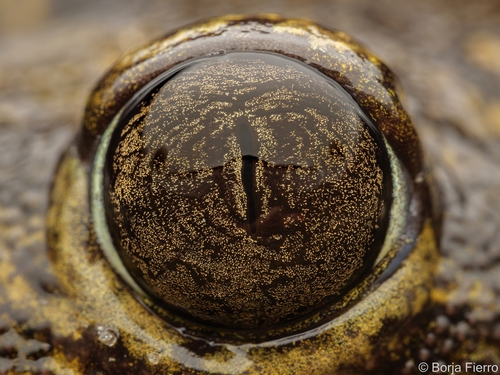
Fish
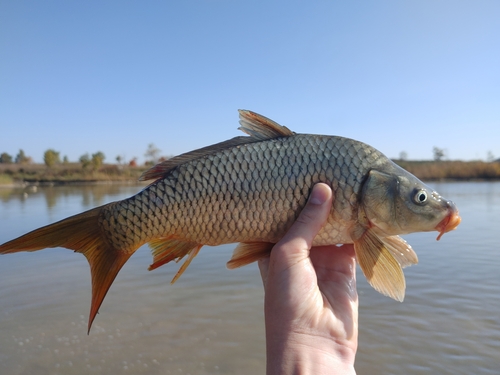

Insects
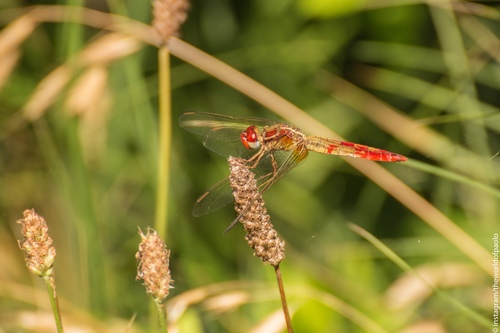
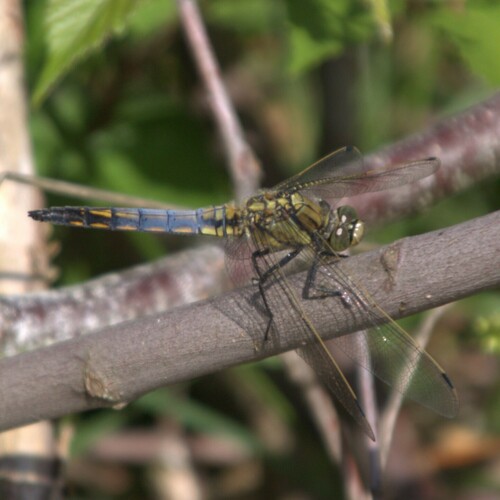
Plants
What threatens wetlands, and what helps
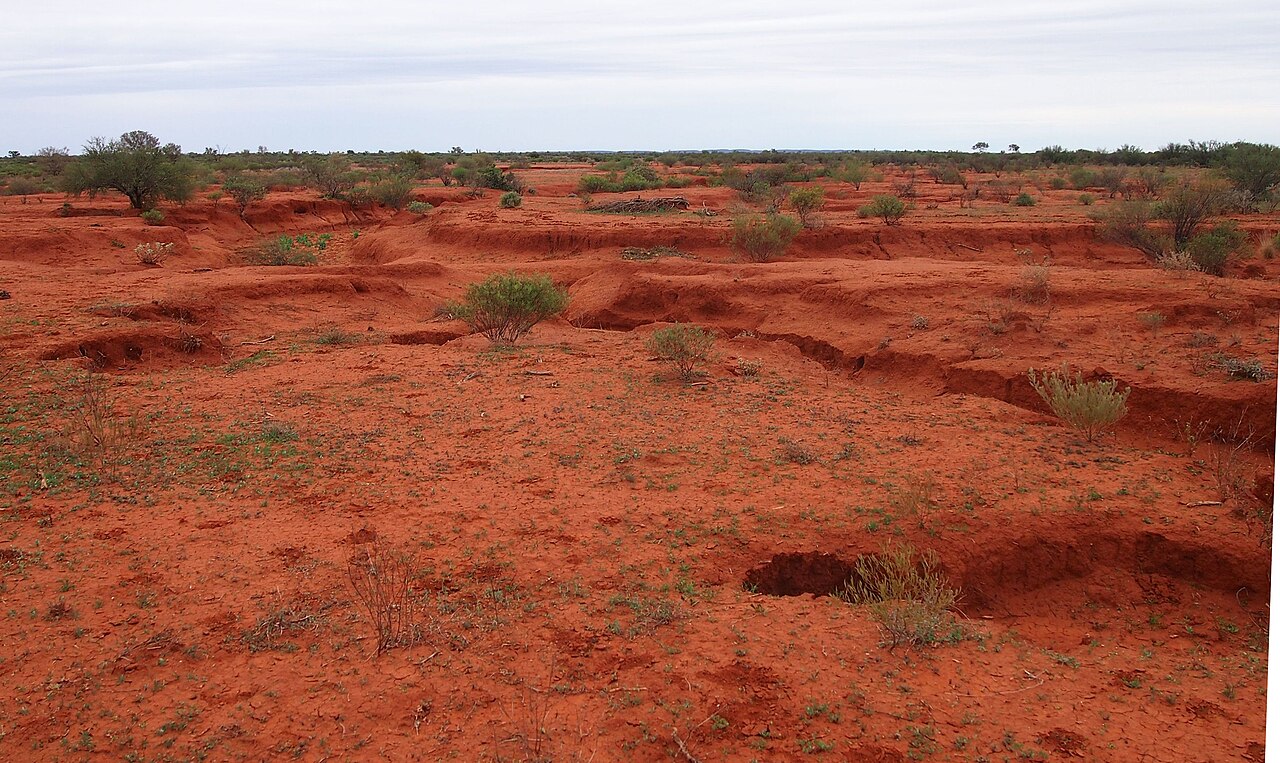
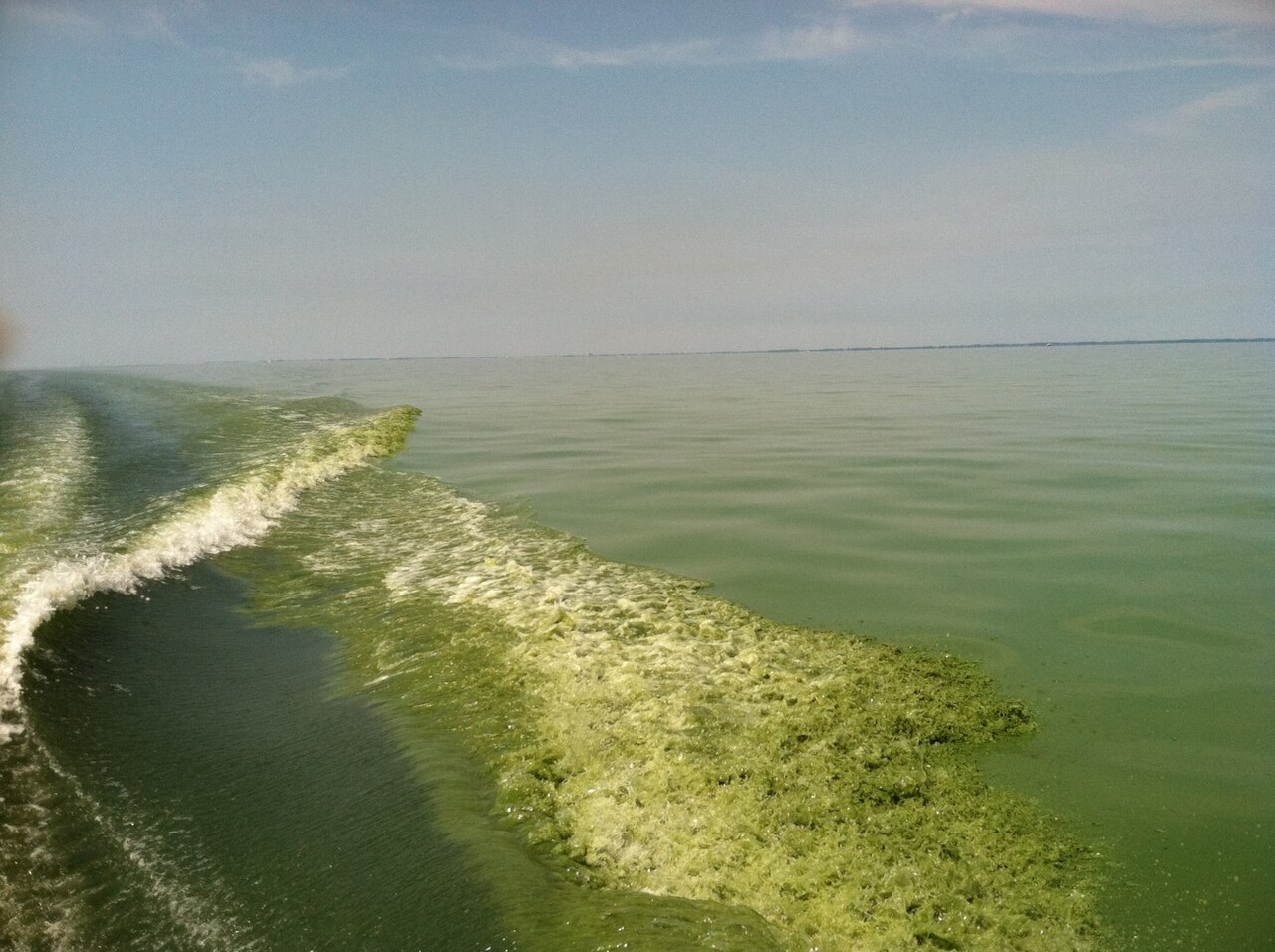
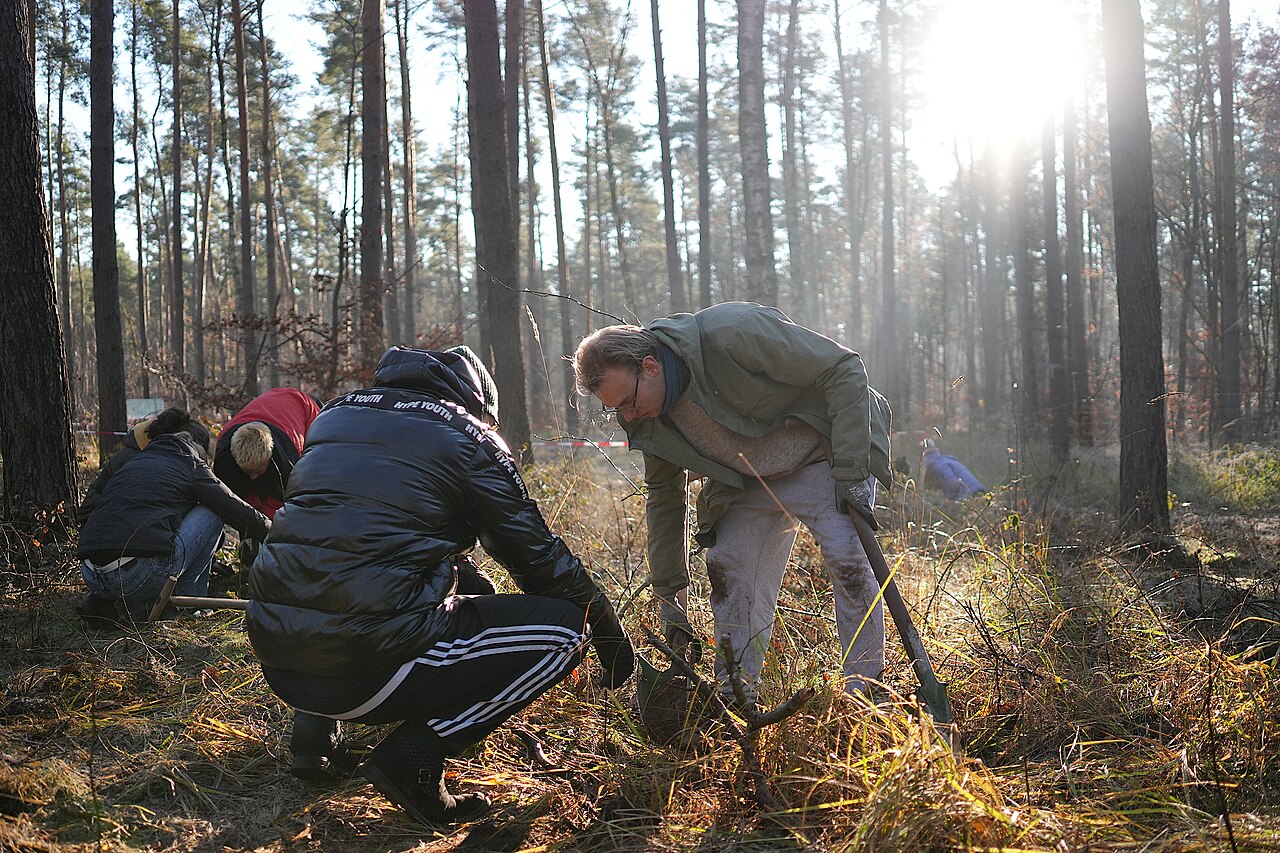
Wetlands are drained for farming and building, and polluted by water from fields and towns. A large share of the world's wetlands has been lost since 1900.
Protecting wetlands under the Ramsar Convention, letting rivers flood their plains again, and rewetting drained peatland.
Explore and share
Explore next
What puts wetlands under pressure, what helps, and who works on it.
Questions people ask
What animals live in wetlands?
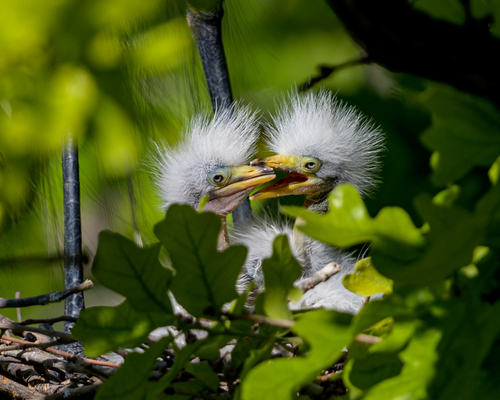
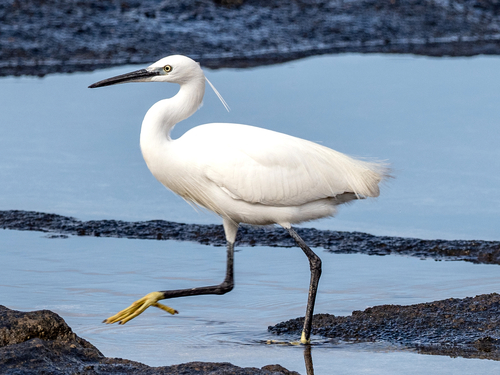
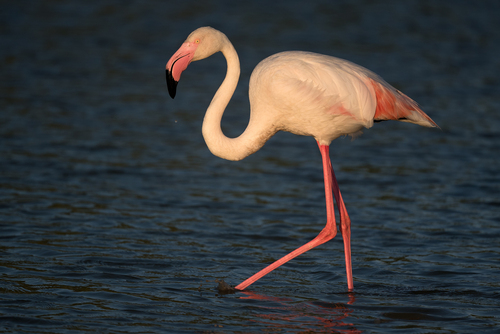
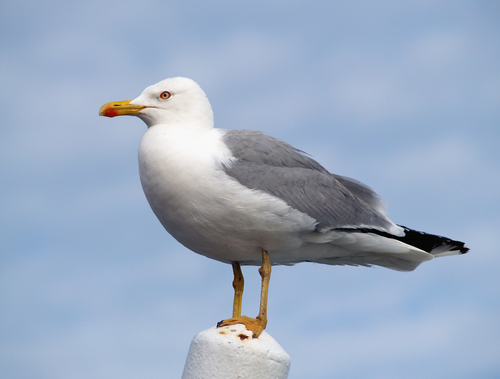
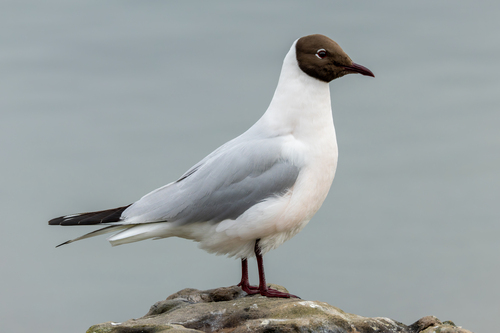
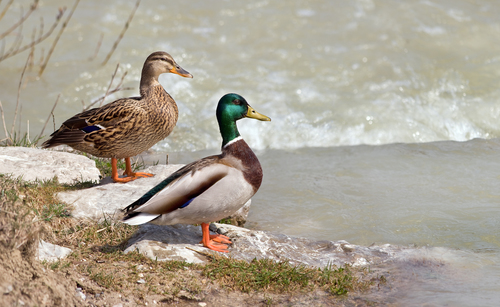
Among the animals people record most often in wetlands: great egret, little egret, grey heron, greater flamingo, yellow-legged gull, black-headed gull, cetti's warbler and mallard. Based on GBIF records from the Pantanal, Brazil, the Okavango Delta, Botswana and the Camargue, France, 2016–2025.
What is the food chain in wetlands?
Some of the feeding links studies have recorded among its species: the red fox eats the european rabbit, the red fox eats the wild boar, the red fox eats the coypu and the montpellier snake eats the moorish gecko. Source: GloBI.
What threatens wetlands?
Wetlands are drained for farming and building, and polluted by water from fields and towns. A large share of the world's wetlands has been lost since 1900.
How can wetlands be protected?
Protecting wetlands under the Ramsar Convention, letting rivers flood their plains again, and rewetting drained peatland.
Sources and photo credits
- GBIF · human observations in the Pantanal, Brazil, the Okavango Delta, Botswana, the Camargue, France, 2016–2025
- GloBI · recorded feeding links between species
- Ramsar Convention on Wetlands
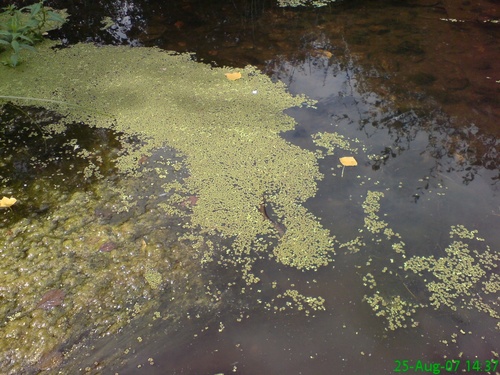
- Wetland in Warta Mouth National Park, Poland: Charles J. Sharp, CC BY-SA 4.0
- Great egret: Shiva Shenoy, CC BY 4.0
- Little egret: Bengt Nyman, CC BY 4.0
- Grey heron: Frank Sengpiel, CC BY 4.0
- Greater flamingo: Pierre-Marie Epiney, CC BY-SA 4.0
- Yellow-legged gull: Jörg Hempel, CC BY-SA 4.0
- Black-headed gull: Alexis Lours, CC BY 4.0
- Cetti's warbler: Simone Luccini, CC BY 4.0
- Mallard: anonymous, CC BY-SA 4.0
- Coypu: euqirneto, CC BY 4.0
- Red fox: Morten Ross, CC BY 4.0
- Wild boar: aga_l_, CC BY 4.0
- European rabbit: Alexis Lours, CC BY 4.0
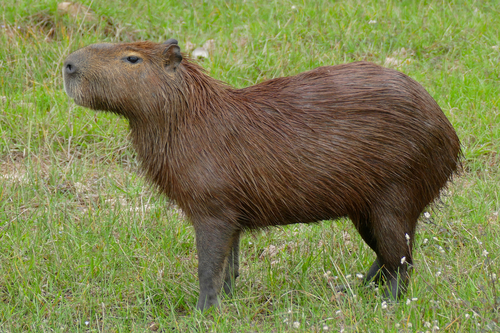
- Capybara: Bernard DUPONT, CC BY-SA 4.0
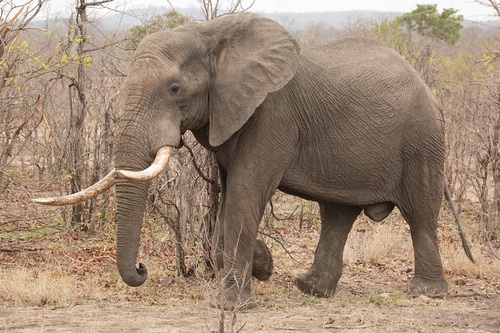
- African elephant: dhfischer, CC BY 4.0
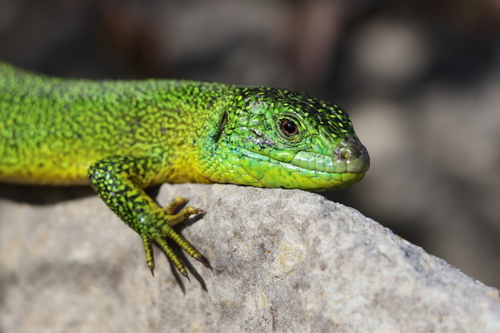
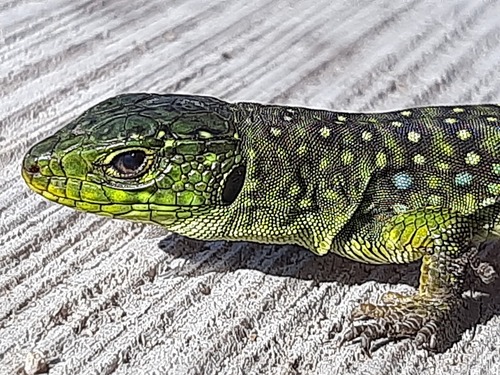
- Western green lizard: Diego González Dopico, CC BY 4.0
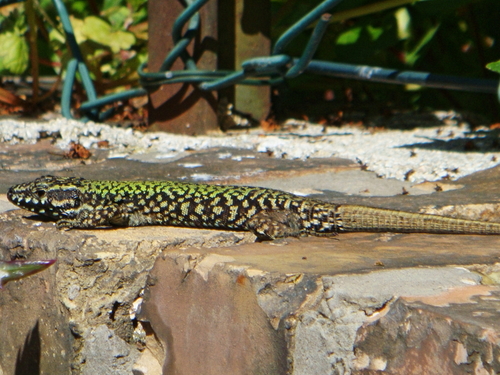
- Common wall lizard: Gianni Del Bufalo bygdb, CC BY 4.0
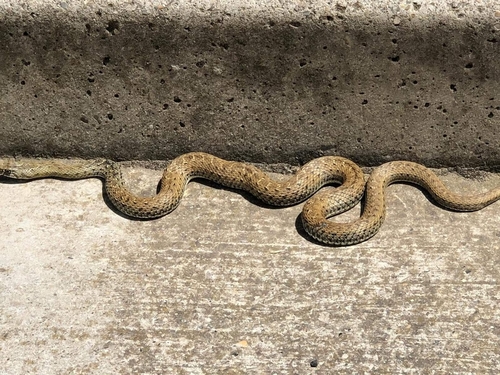
- Viperine snake: ManOnEarth, CC BY 4.0
- Montpellier snake: Samuel GUIRAUDOU, CC BY 4.0
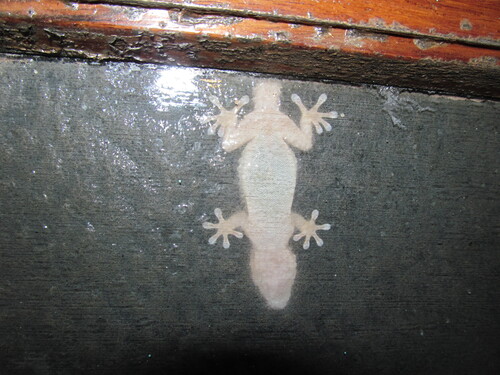
- Moorish gecko: zebedeugalinha, CC BY 4.0
- Ocellated lizard: franciscodocampo, CC BY 4.0
- Stripeless tree frog: Thomas Galewski, CC BY 4.0
- Natterjack: Gilles San Martin, CC BY-SA 4.0
- Western spadefoot: Borja Fierro-Leva, CC BY 4.0
- Common carp: Quinn, CC BY 4.0
- Chub: Emőke Dénes, CC BY-SA 4.0
- Scarlet dragonfly: Paolo Zucca, CC BY 4.0
- Black-Tailed skimmer: Arthur Gelling, CC BY 4.0
- Blue-tailed damselfly: Jörg Hempel, CC BY-SA 4.0
- Alkali seepweed: Don Loarie, CC BY 4.0
- Common reed: Donald Davesne, CC BY 4.0
- Eastern baccharis: Douglas Goldman, CC BY-SA 4.0
- False indigo: Douglas Goldman, CC BY-SA 4.0

Species lists come from records people have shared in a few sample areas, not a full inventory of wetlands, and well-watched groups such as birds are recorded far more than insects or fungi. The food web shows only links that studies have recorded between the species on this page.
Checked 2026-11-20.