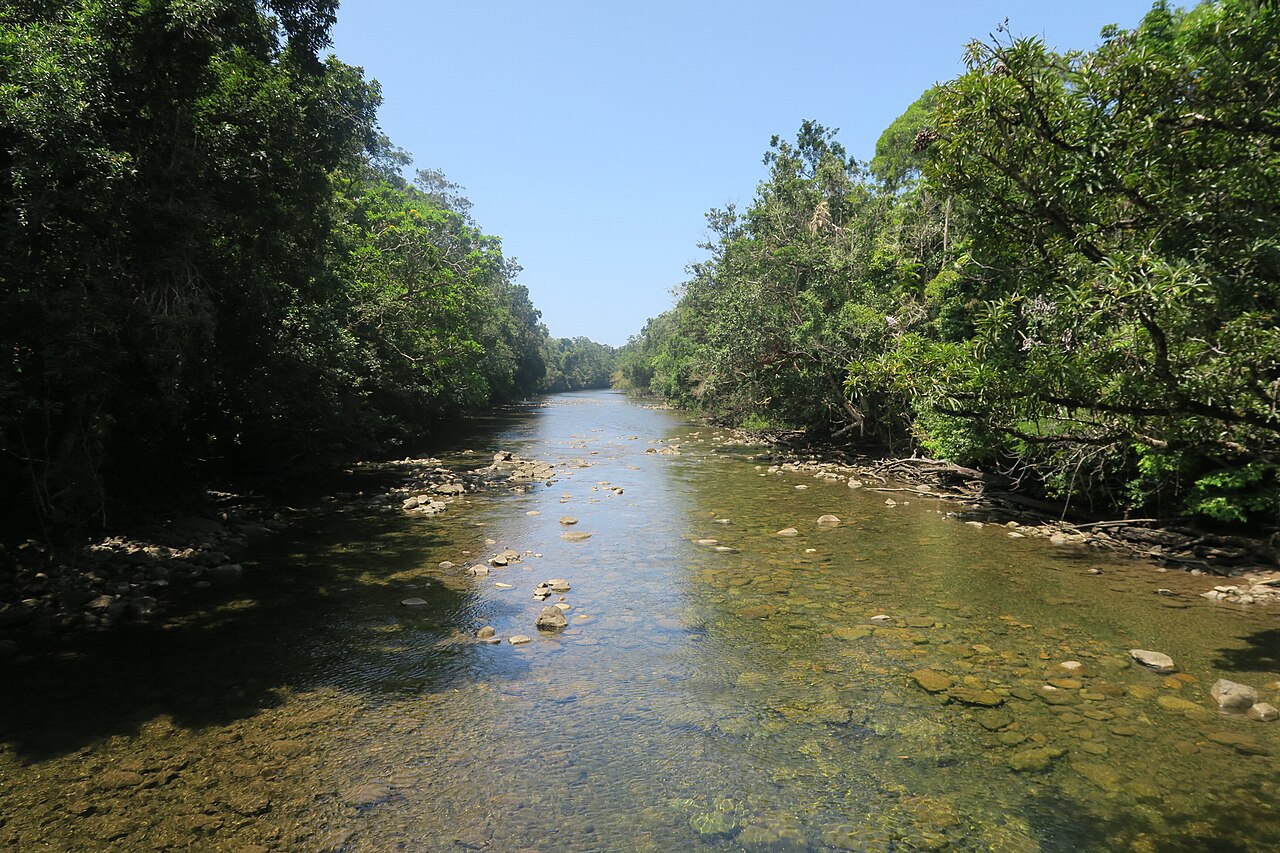
Wet Tropics of Queensland
The north-east coast of Queensland, Australia
The Wet Tropics stretch for some 450 kilometres along the north-east coast of Australia and cover about 894,420 hectares, mostly tropical rainforest. They contain relicts of the great Gondwanan forest that covered Australia and part of Antarctica 50 to 100 million years ago.
The Wet Tropics cover less than 0.2% of Australia, but UNESCO counts here 30% of the country's marsupial species, 60% of its bat species, 40% of its bird species, 30% of its frog species and 60% of its butterfly species.
People have shared 353,585 records of animals and plants from the Daintree and Cape Tribulation and the rainforests of the Atherton Tableland with GBIF in ten years. This page shows the 36 species recorded most often there, and 8 links between them that studies have recorded: who eats whom.
- Kind
- Ecosystem
- Where
- The north-east coast of Queensland, Australia
- Species shown
- 36, the most recorded
- Food web
- 8 recorded links between them
- Records
- 353,585 in 2016–2025
- Sample areas
- the Daintree and Cape Tribulation, the rainforests of the Atherton Tableland
Who eats whom in the Wet Tropics of Queensland
Food flows upwards: plants and small animals at the bottom, hunters at the top. Tap a species to see its links, then take it out of the web to see who would lose food.
Tap a species.
All 8 recorded links
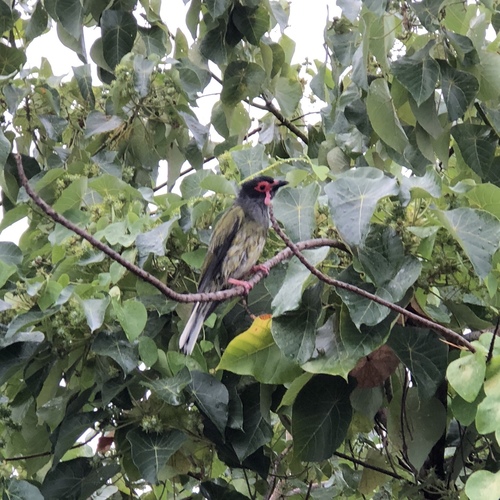
- Lewin's honeyeater eats Australian umbrella tree
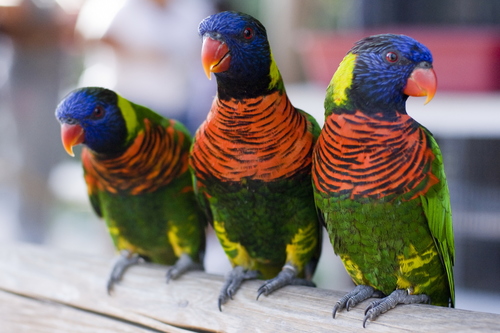
- Coconut lorikeet eats Australian umbrella tree
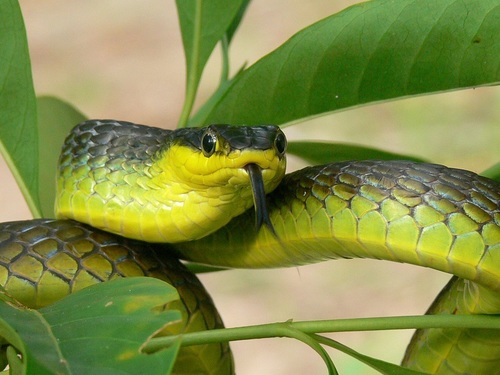
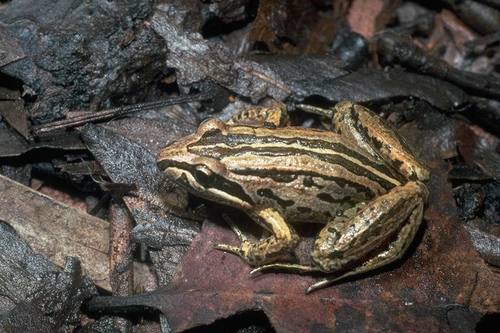
- Common tree snake eats Brown frog
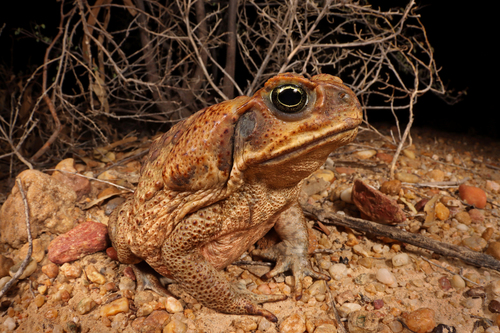
- Common tree snake eats Cane toad
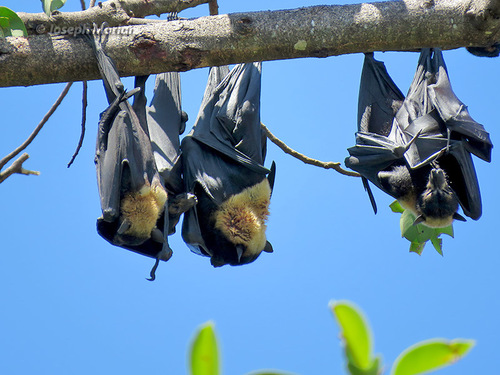
- Scrub python eats Spectacled flying fox
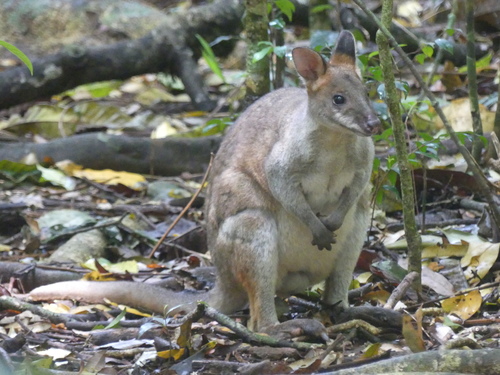
- Scrub python eats Red-legged pademelon
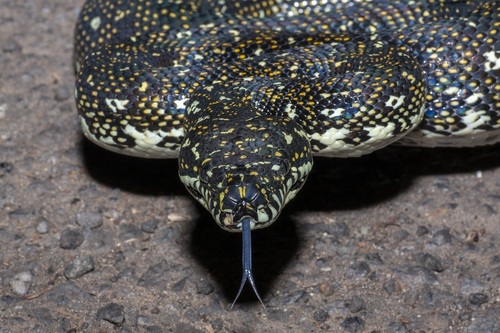
- Carpet python eats Cane toad
- Carpet python eats Spectacled flying fox
Links that studies have recorded between the species on this page (GloBI). Real food webs hold far more species and links, and animals switch food when one runs short.
Who lives in the Wet Tropics of Queensland
The species people record most often in the Daintree and Cape Tribulation, the rainforests of the Atherton Tableland, 2016–2025.
Mammals

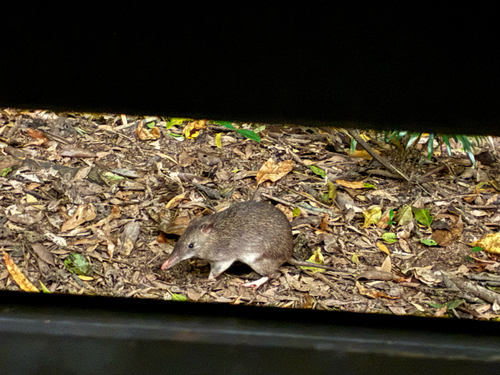
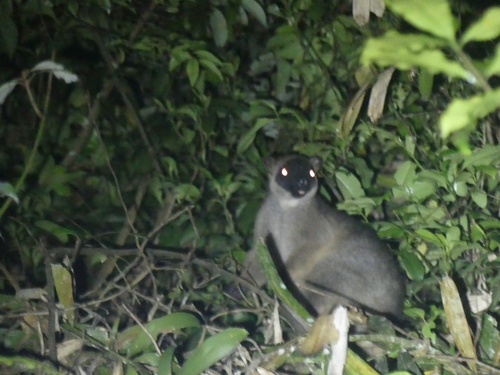
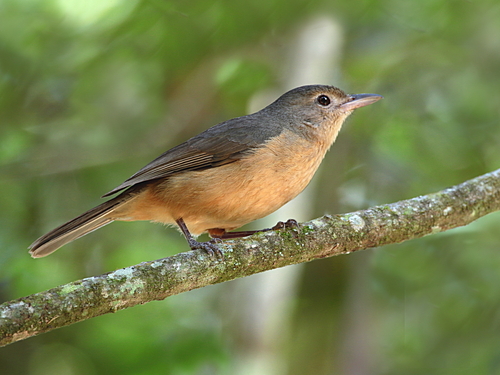
Birds
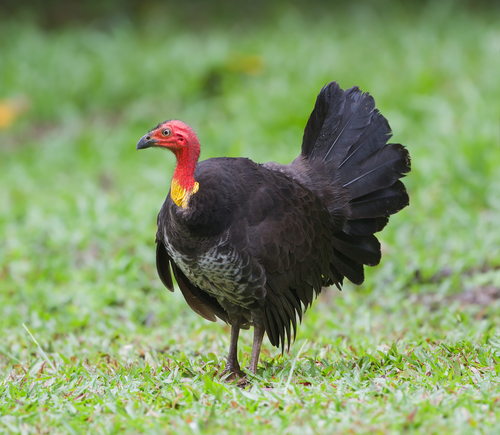
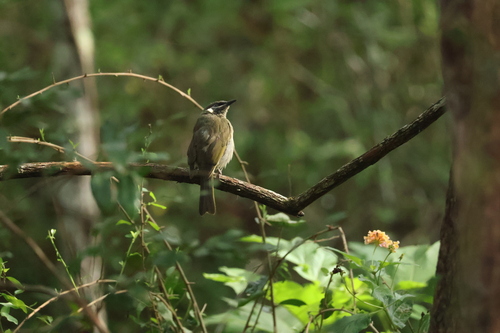

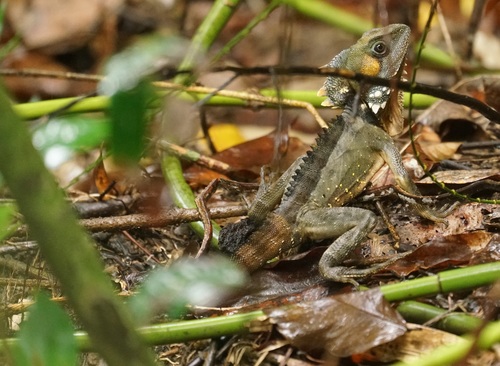
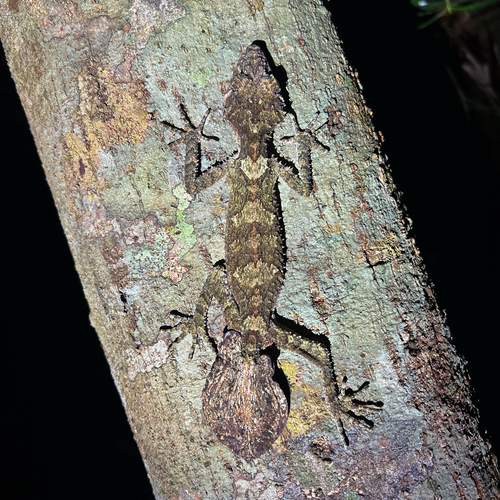
Reptiles

Amphibians


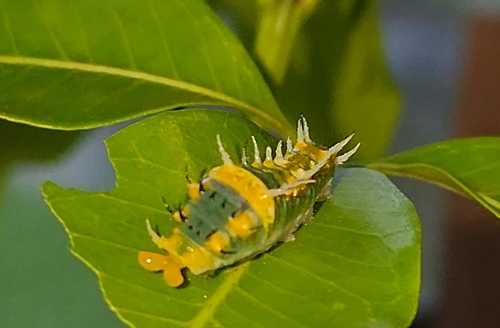
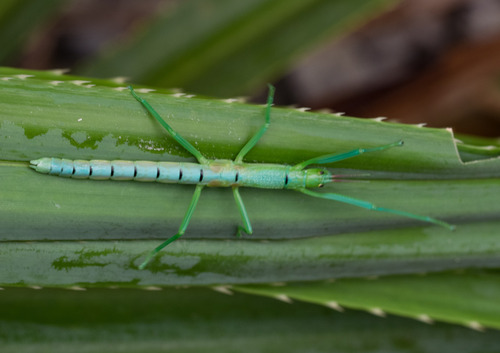
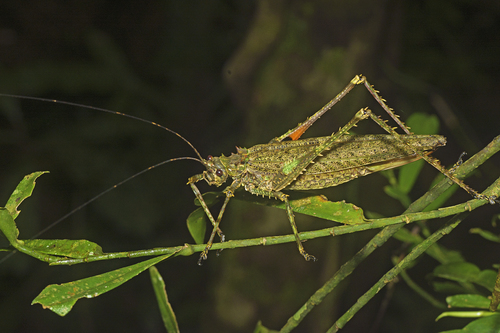
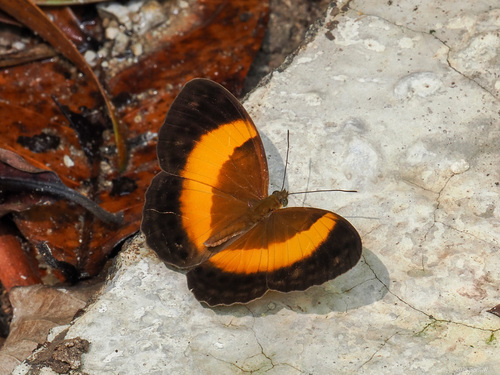
Insects
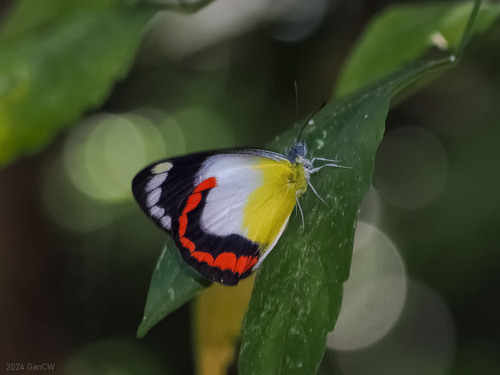
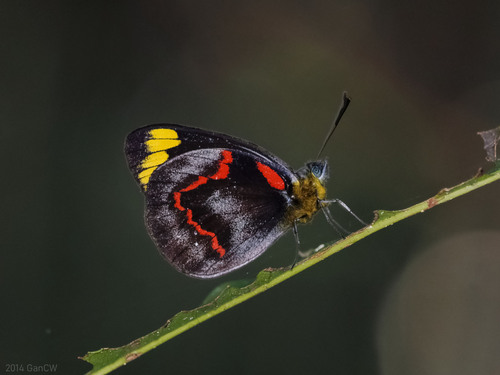
Plants
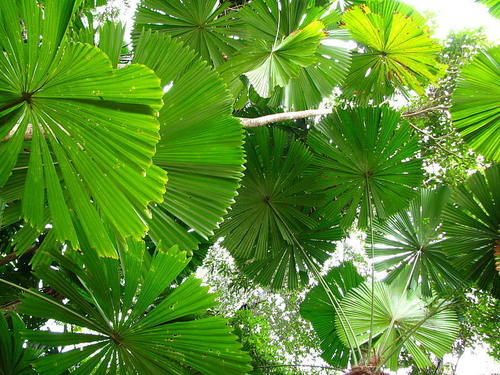
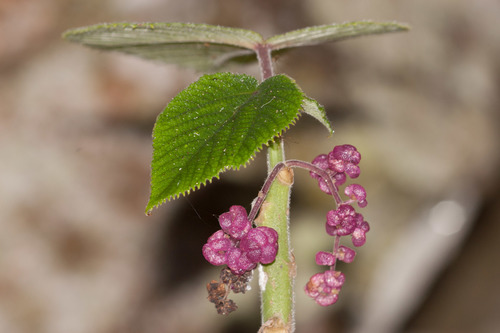
What threatens the Wet Tropics of Queensland, and what helps
Invasive species, fragmentation and altered water and fire regimes still affect the forest, UNESCO notes, and climate change is a key emerging threat: even a small rise in temperature is predicted to shrink the ranges of almost every vertebrate found only here.
Logging has been banned since 1987, and the share of the area in protected tenure has grown from 14% at listing to over 65%, managed jointly by the Australian and Queensland governments through the Wet Tropics Management Authority.
Explore and share
Questions people ask
What animals live in the Wet Tropics of Queensland?
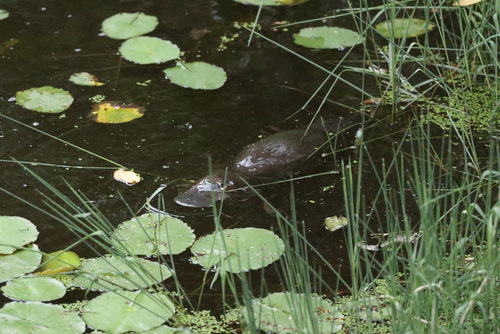
Among the animals people record most often in the Wet Tropics of Queensland: platypus, spectacled flying fox, red-legged pademelon, striped possum, queensland barred bandicoot, lumholtz's tree kangaroo, australian brushturkey and lewin's honeyeater. Based on GBIF records from the Daintree and Cape Tribulation and the rainforests of the Atherton Tableland, 2016–2025.
What is the food chain in the Wet Tropics of Queensland?
Some of the feeding links studies have recorded among its species: the carpet python eats the cane toad, the common tree snake eats the brown frog, the lewin's honeyeater eats the australian umbrella tree and the coconut lorikeet eats the australian umbrella tree. Source: GloBI.
What threatens the Wet Tropics of Queensland?
Invasive species, fragmentation and altered water and fire regimes still affect the forest, UNESCO notes, and climate change is a key emerging threat: even a small rise in temperature is predicted to shrink the ranges of almost every vertebrate found only here.
How can the Wet Tropics of Queensland be protected?
Logging has been banned since 1987, and the share of the area in protected tenure has grown from 14% at listing to over 65%, managed jointly by the Australian and Queensland governments through the Wet Tropics Management Authority.
Sources and photo credits
- GBIF · human observations in the Daintree and Cape Tribulation, the rainforests of the Atherton Tableland, 2016–2025
- GloBI · recorded feeding links between species
- UNESCO World Heritage Centre · Wet Tropics of Queensland
- A clear river running between walls of rainforest in the Daintree, Queensland, Australia: Felix Dance, CC BY 2.0
- Platypus: Richard Fuller, CC0
- Spectacled flying fox: Joseph Morlan, CC BY-SA 4.0
- Red-legged pademelon: Valentin Moser, CC BY 4.0
- Striped possum: no rights reserved, uploaded by Justin Philbois, CC0
- Queensland barred bandicoot: Julie Hart, CC BY 4.0
- Lumholtz's tree kangaroo: Valentin Moser, CC BY 4.0
- Australian brushturkey: JJ Harrison, CC BY 4.0
- Lewin's honeyeater: Patrick Connolly, CC BY 4.0
- Orange-footed scrubfowl: Graham Winterflood, CC BY-SA 4.0
- Australasian figbird: elawrey, CC BY 4.0
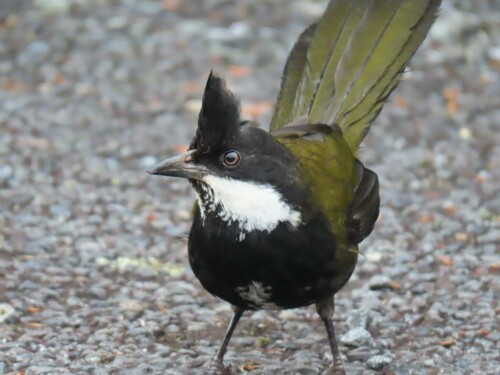
- Eastern whipbird: pimelea, CC BY 4.0
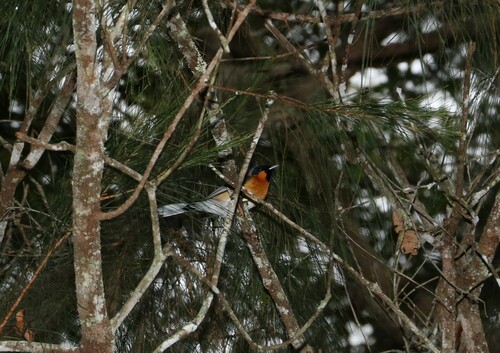
- Spectacled monarch: Greg Tasney, CC BY-SA 4.0
- Coconut lorikeet: Vincent Liu, CC BY 4.0
- Little shrikethrush: Graham Winterflood, CC BY-SA 4.0
- Boyd's forest dragon: Tim, CC BY 4.0
- Common tree snake: dhfischer, CC BY 4.0
- Leaf-tailed gecko: James K. Douch, CC BY-SA 4.0
- Scrub python: dhfischer, CC BY 4.0
- Carpet python: dhfischer, CC BY 4.0
- Mourning gecko: karliatje, CC BY 4.0
- Cane toad: Connor Margetts, CC BY 4.0
- Brown frog: Jean-Marc Hero, CC BY-SA 4.0
- Northern barred frog: Greg Tasney, CC BY-SA 4.0
- Fry’s frog: LiquidGhoul, CC BY-SA 4.0
- Blue emperor: Jane C Frost, CC BY 4.0
- Peppermint stick-insect: Paul Whitington, CC BY 4.0
- Giant spiny forest katydid: Tony Eales, CC BY-SA 4.0
- Bordered rustic: Cheongweei Gan, CC BY 4.0
- Red-banded jezebel: Cheongweei Gan, CC BY 4.0
- Black jezebel: Cheongweei Gan, CC BY 4.0
- Fan palm: tanetahi, CC BY 4.0
- Gimpi gimpi: Rolf Lawrenz, CC BY 4.0
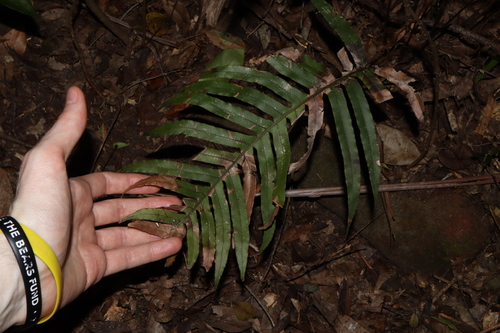
- Gristle fern: Thomas Mesaglio, CC BY 4.0
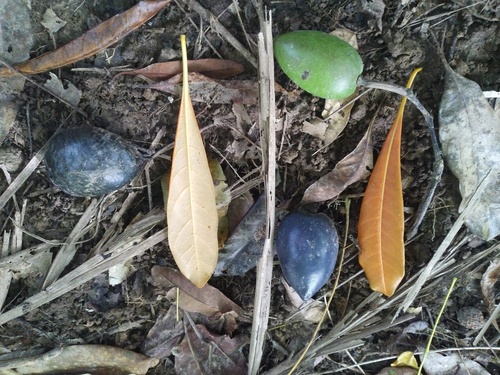
- Cassowary plumtree: Steve Fitzgerald, CC BY-SA 4.0
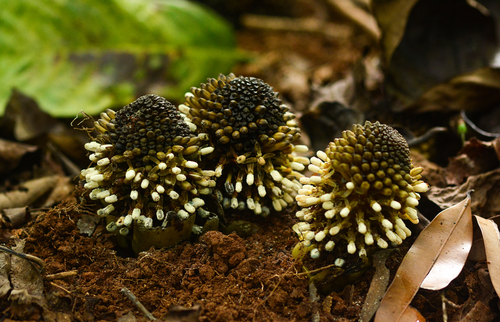
- Balanophora: no rights reserved, uploaded by Sushant More, CC0
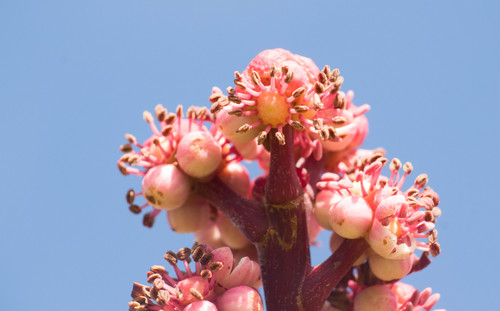
- Australian umbrella tree: Kevin Faccenda, CC BY 4.0

Species lists come from records people have shared in a few sample areas, not a full inventory of the Wet Tropics of Queensland, and well-watched groups such as birds are recorded far more than insects or fungi. The food web shows only links that studies have recorded between the species on this page.
Checked 2026-11-22.