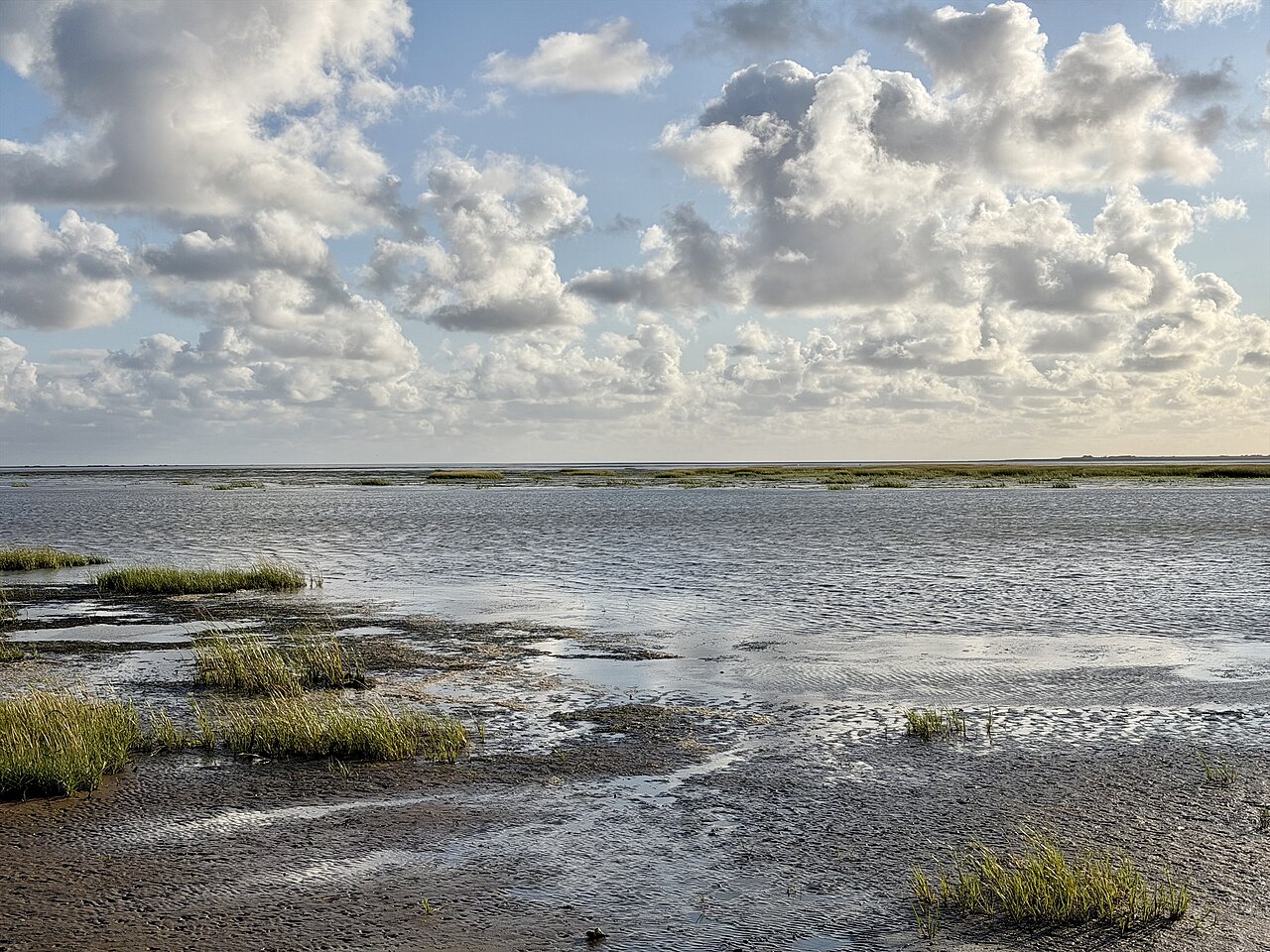
Wadden Sea
North Sea coast of the Netherlands, Germany and Denmark
The Wadden Sea is the largest unbroken system of intertidal sand and mud flats in the world, along the coasts of the Netherlands, Germany and Denmark. Up to 6.1 million birds can be there at the same time, and on average 10 to 12 million pass through each year. Its salt marshes hold around 2,300 species of plants and animals, and its marine and brackish waters another 2,700.
People have shared 1,867,021 records of animals and plants from the North Frisian Halligen, the Dutch Wadden Sea off Terschelling and Ameland and Rømø and Mandø in Denmark with GBIF in ten years. This page shows the 30 species recorded most often there, and 53 links between them that studies have recorded: who eats whom.
- Kind
- Ecosystem
- Where
- North Sea coast of the Netherlands, Germany and Denmark
- Species shown
- 30, the most recorded
- Food web
- 53 recorded links between them
- Records
- 1,867,021 in 2016–2025
- Sample areas
- the North Frisian Halligen, the Dutch Wadden Sea off Terschelling and Ameland, Rømø and Mandø in Denmark
Who eats whom in the Wadden Sea
Food flows upwards: plants and small animals at the bottom, hunters at the top. Tap a species to see its links, then take it out of the web to see who would lose food.
Tap a species.
All 53 recorded links
- Eurasian oystercatcher eats Green crab
- Eurasian curlew eats Eurasian oystercatcher
- Eurasian curlew eats Common redshank
- Eurasian curlew eats Northern lapwing
- Eurasian curlew eats Green crab
- Common shelduck eats Green crab
- Common redshank eats Green crab
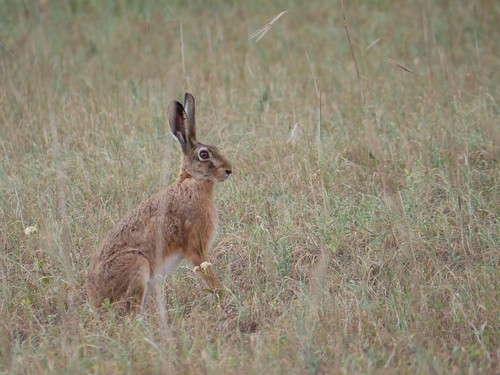
- Common buzzard eats European hare
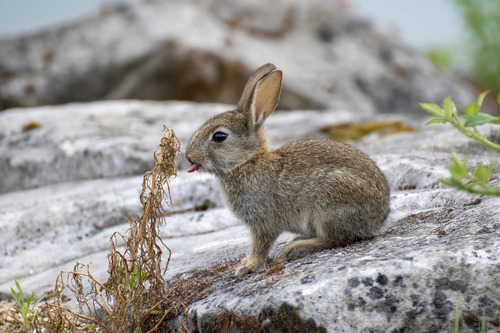
- Common buzzard eats European rabbit
- Common buzzard eats Common kestrel
- Common kestrel eats Meadow pipit
- Common kestrel eats Northern lapwing
- Common kestrel eats European hare
- Common kestrel eats Common shelduck
- Common kestrel eats European rabbit
- Black-headed gull eats European eel
- Black-headed gull eats Green crab
- Black-headed gull eats Northern pike
- Black-headed gull eats Three-spined stickleback
- Western marsh harrier eats Black-headed gull
- Western marsh harrier eats Common redshank
- Western marsh harrier eats European rabbit
- Western marsh harrier eats Northern lapwing
- Western marsh harrier eats Brent goose
- Western marsh harrier eats Common shelduck
- Western marsh harrier eats Eurasian curlew
- Western marsh harrier eats Eurasian oystercatcher
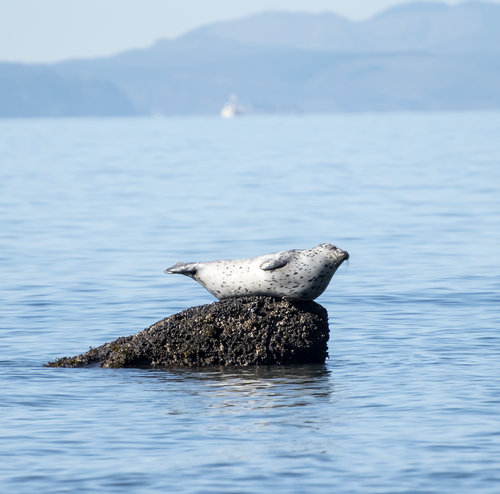
- Harbor seal eats Three-spined stickleback
- Harbor seal eats Atlantic herring
- Harbor seal eats Green crab
- Harbor seal eats European eel
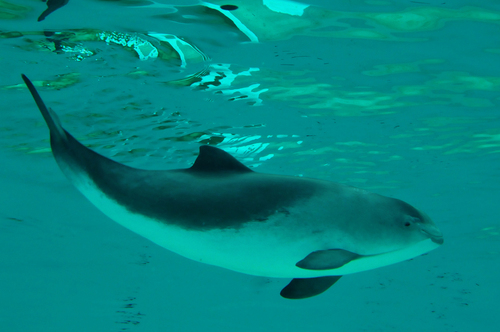
- Harbor porpoise eats Atlantic herring
- Harbor porpoise eats European eel
- Grey seal eats Green crab
- Grey seal eats Atlantic herring
- Grey seal eats Harbor seal
- Grey seal eats Harbor porpoise
- Grey seal eats Northern pike
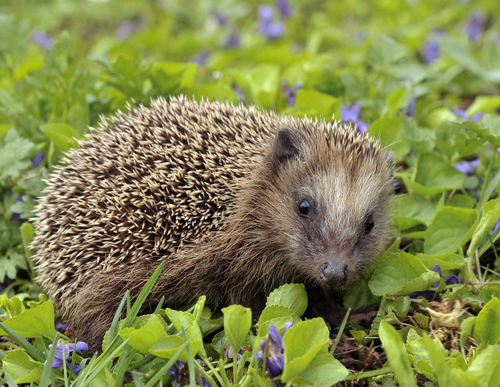
- West European hedgehog eats Meadow pipit
- Northern pike eats Atlantic herring
- Northern pike eats European eel
- Northern pike eats Three-spined stickleback
- Atlantic herring eats Green crab
- Atlantic herring eats Three-spined stickleback
- Atlantic herring eats European eel
- Three-spined stickleback eats Atlantic herring
- European eel eats Green crab
- European eel eats Three-spined stickleback
- European eel eats Northern pike
- European eel eats Atlantic herring
- Green crab eats European eel
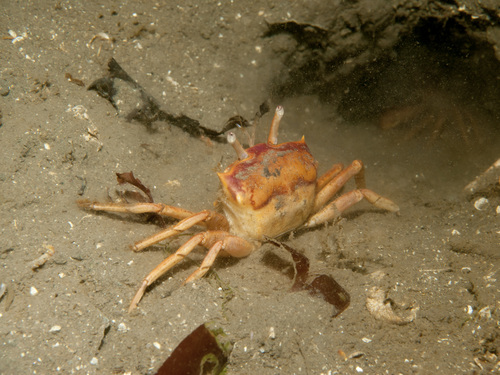
- Green crab eats Edible crab
- Edible crab eats Green crab
Links that studies have recorded between the species on this page (GloBI). Real food webs hold far more species and links, and animals switch food when one runs short.
Who lives in the Wadden Sea
The species people record most often in the North Frisian Halligen, the Dutch Wadden Sea off Terschelling and Ameland, Rømø and Mandø in Denmark, 2016–2025.
Birds



Mammals

Fish


Crustaceans

Plants

What threatens the Wadden Sea, and what helps
UNESCO names fishing, harbours, nearby industry including oil and gas rigs and wind farms, shipping, building for homes and tourism, and climate change as the key threats.
The three countries look after it as one place through the Trilateral Wadden Sea Cooperation, and across most of the area natural processes are left undisturbed.
Explore and share
Questions people ask
What animals live in the Wadden Sea?
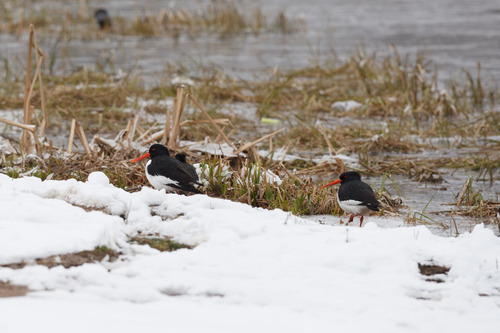
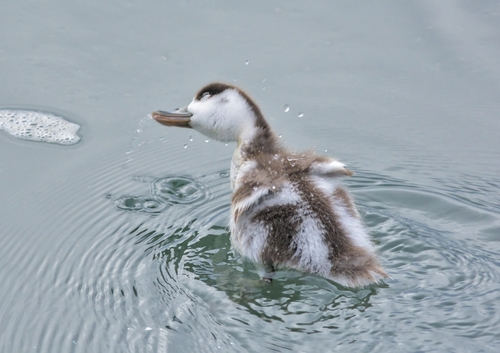
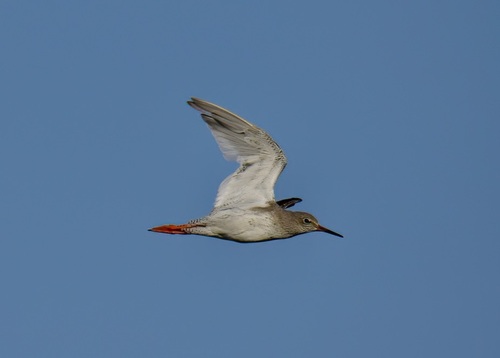
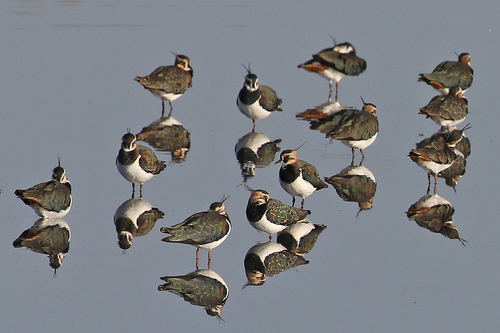
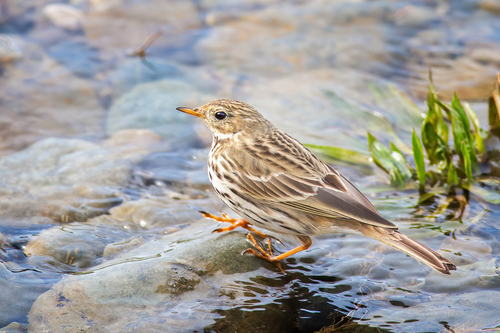
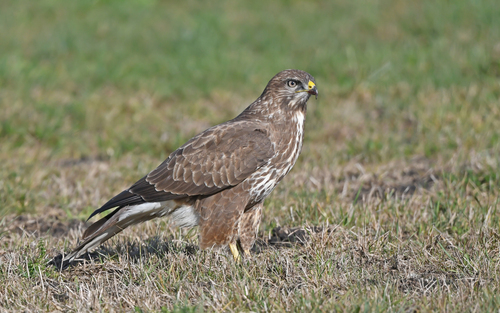
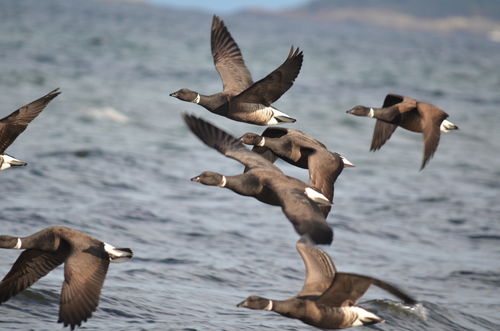
Among the animals people record most often in the Wadden Sea: eurasian oystercatcher, eurasian curlew, common shelduck, common redshank, northern lapwing, meadow pipit, common buzzard and brent goose. Based on GBIF records from the North Frisian Halligen, the Dutch Wadden Sea off Terschelling and Ameland and Rømø and Mandø in Denmark, 2016–2025.
What is the food chain in the Wadden Sea?
Some of the feeding links studies have recorded among its species: the grey seal eats the atlantic herring, the northern pike eats the three-spined stickleback, the northern pike eats the atlantic herring and the northern pike eats the european eel. Source: GloBI.
What threatens the Wadden Sea?
UNESCO names fishing, harbours, nearby industry including oil and gas rigs and wind farms, shipping, building for homes and tourism, and climate change as the key threats.
How can the Wadden Sea be protected?
The three countries look after it as one place through the Trilateral Wadden Sea Cooperation, and across most of the area natural processes are left undisturbed.
Sources and photo credits
- GBIF · human observations in the North Frisian Halligen, the Dutch Wadden Sea off Terschelling and Ameland, Rømø and Mandø in Denmark, 2016–2025
- GloBI · recorded feeding links between species
- UNESCO World Heritage Centre · Wadden Sea
- Common Wadden Sea Secretariat
- Tidal flats, pools and saltmarsh grass in the Danish Wadden Sea: Olgierd Rudak, CC BY-SA 4.0
- Eurasian oystercatcher: Вячеслав Шуплецов, CC BY 4.0
- Eurasian curlew: Joanne Goldby, CC BY-SA 4.0
- Common shelduck: Daniel Seth Jackson, CC BY 4.0
- Common redshank: Luiz Lapa, CC BY 4.0
- Northern lapwing: Roy Lowry, CC BY 4.0
- Meadow pipit: egorbirder, CC BY 4.0
- Common buzzard: Christoph Moning, CC BY 4.0
- Brent goose: Liam Steele, CC BY 4.0
- Common kestrel: Thorsten Hackbarth, CC BY 4.0
- Black-headed gull: Christoph Moning, CC BY 4.0
- Greylag goose: Imran Shah, CC BY-SA 4.0
- Western marsh harrier: Artem Kuznetsov, CC BY 4.0
- Harbor seal: David Badke, CC BY-SA 4.0
- European hare: Alexis Tinker-Tsavalas, CC BY 4.0
- Harbor porpoise: Ecomare/Salko de Wolf Den Hoorn Texel, CC BY-SA 4.0
- European rabbit: Alexis Lours, CC BY 4.0
- Grey seal: Dean Hester, CC BY 4.0
- West European hedgehog: Michael Gäbler, CC BY-SA 4.0
- Northern pike: Dirk Godlinski, CC BY-SA 4.0
- Atlantic herring: Simon Rolph, CC BY 4.0
- Three-spined stickleback: Kasper Malmberg, CC BY 4.0
- European eel: Julien Renoult, CC BY 4.0
- Green crab: Sandy Rae, CC BY 4.0
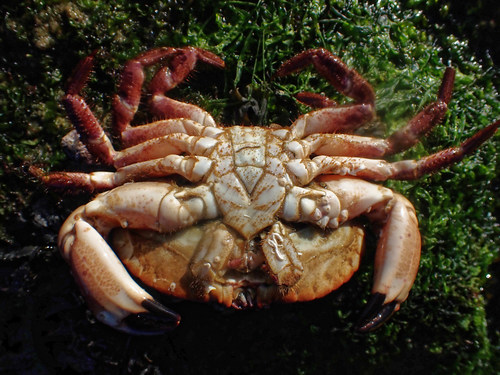
- Angular crab: Bernard Picton, CC BY 4.0
- Edible crab: Donald Davesne, CC BY 4.0
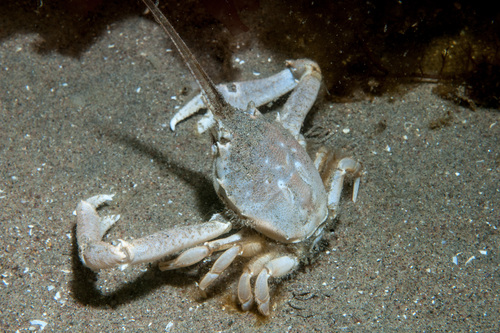
- Masked crab: Bernard Picton, CC BY 4.0
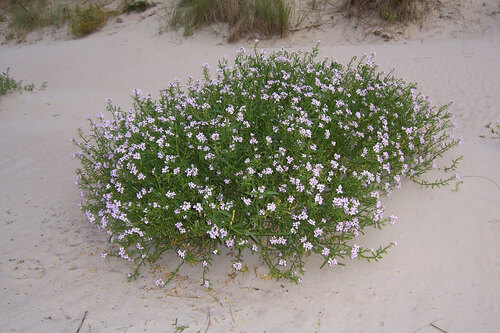
- Sea rocket: Jürgen Howaldt, CC BY-SA 4.0
- Sea milkwort: Arnstein Rønning, CC BY-SA 4.0
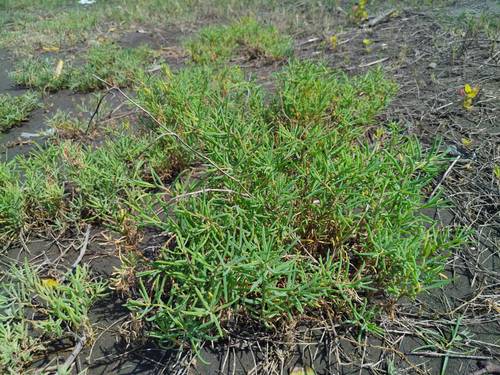
- Herbaceous seepweed: ncueeleo, CC BY-SA 4.0
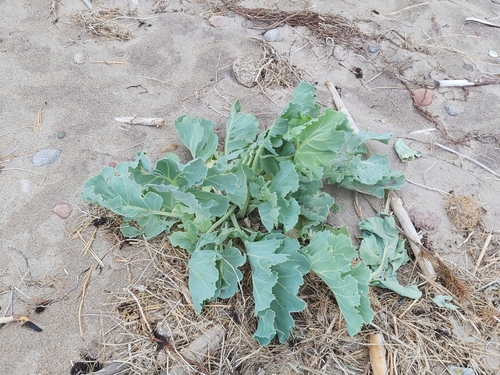
- Sea kale: Tomas Pocius, CC0

Species lists come from records people have shared in a few sample areas, not a full inventory of the Wadden Sea, and well-watched groups such as birds are recorded far more than insects or fungi. The food web shows only links that studies have recorded between the species on this page.
Checked 2026-11-22.