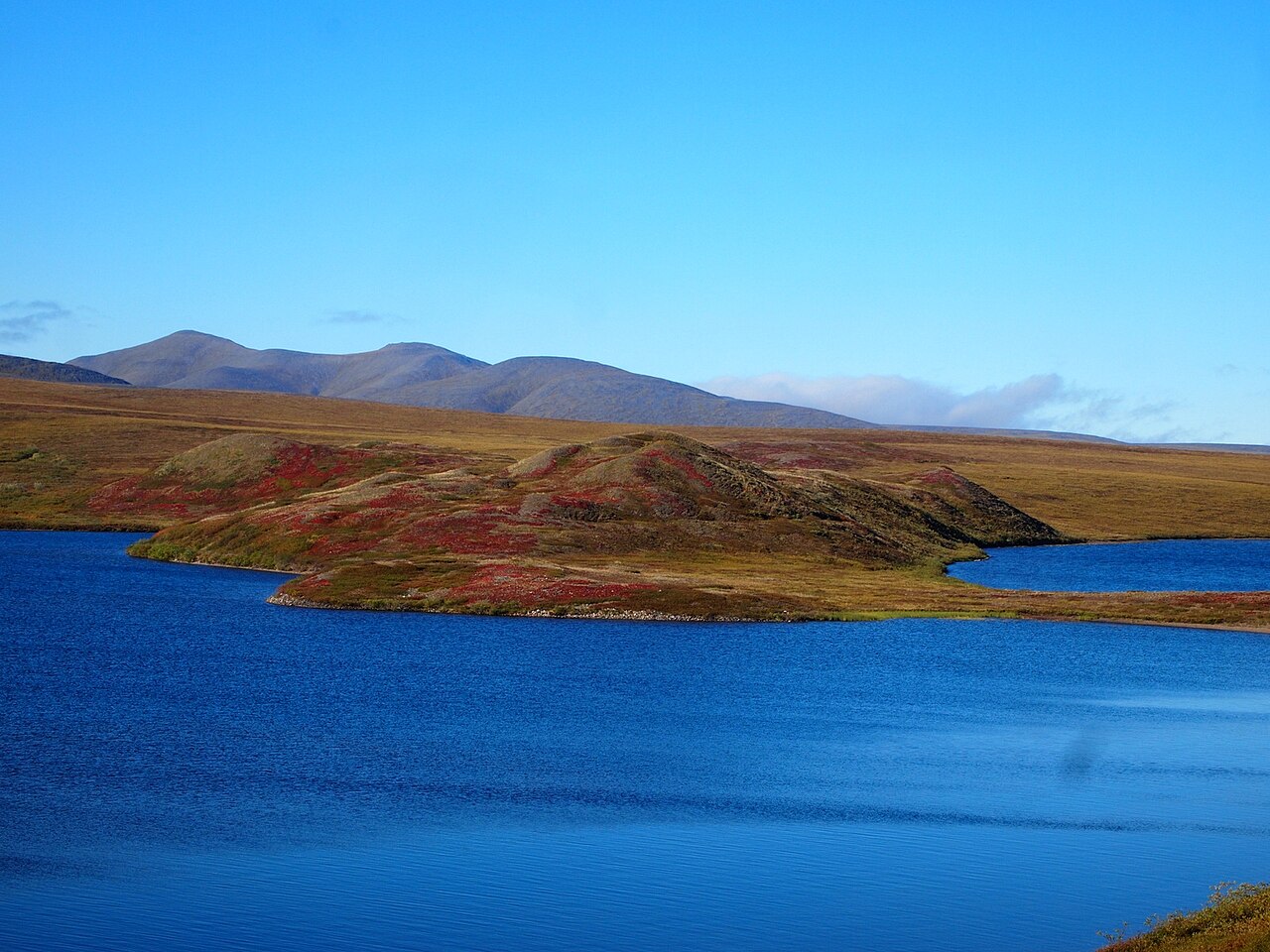
Tundra
Treeless land around the Arctic, and high mountains
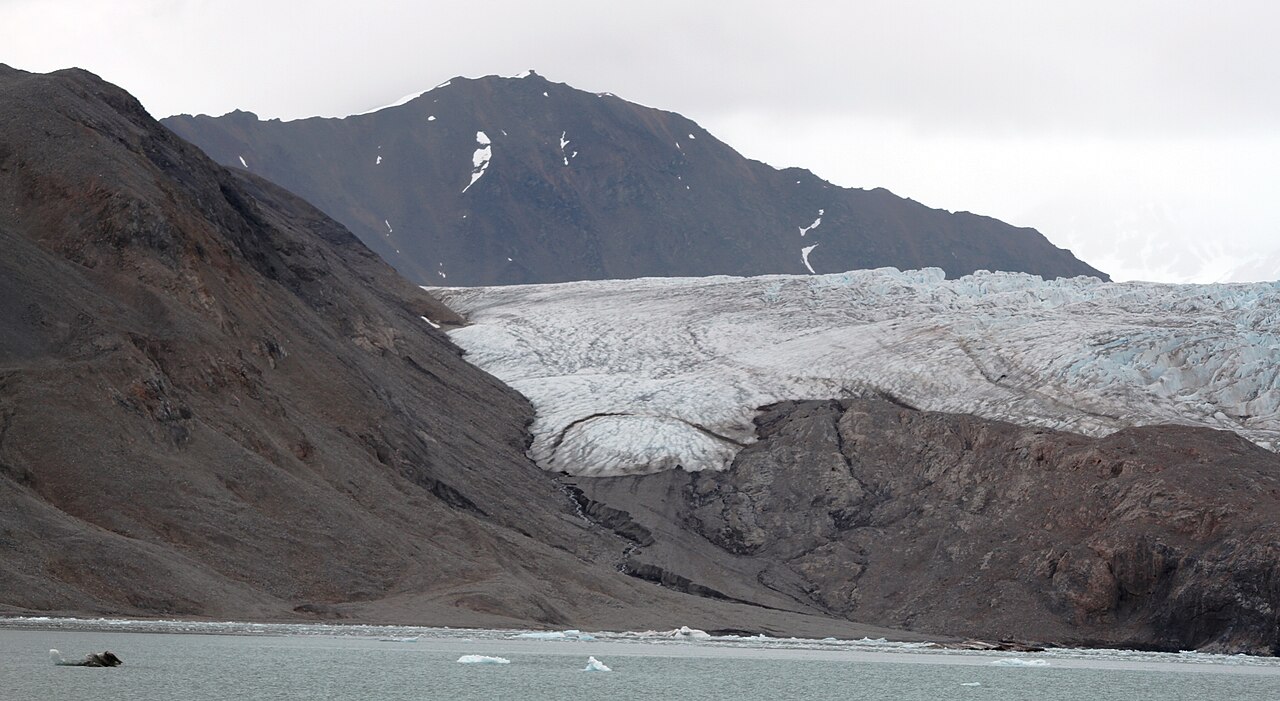
The tundra is the treeless land of the far north, where the ground below the surface stays frozen all year. Summers are short and bright: millions of birds come to breed, and low plants flower within weeks before the long winter returns.
People have shared 173,481 records of animals and plants from the North Slope of Alaska and Svalbard with GBIF in ten years. This page shows the 22 species recorded most often there, and 27 links between them that studies have recorded: who eats whom.
- Kind
- Habitat
- Where
- Treeless land around the Arctic, and high mountains
- Species shown
- 22, the most recorded
- Food web
- 27 recorded links between them
- Records
- 173,481 in 2016–2025
- Sample areas
- the North Slope of Alaska, Svalbard
Who eats whom in the tundra
Food flows upwards: plants and small animals at the bottom, hunters at the top. Tap a species to see its links, then take it out of the web to see who would lose food.
Tap a species.
All 27 recorded links
- Reindeer eats Purple saxifrage
- Arctic fox eats Reindeer
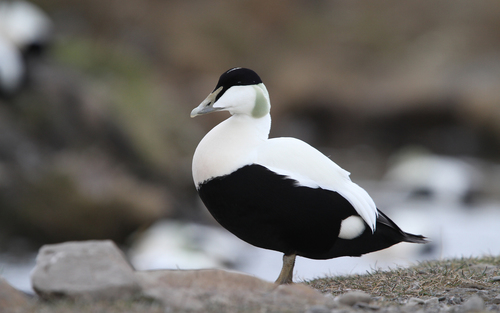
- Arctic fox eats Common eider
- Arctic fox eats Purple sandpiper
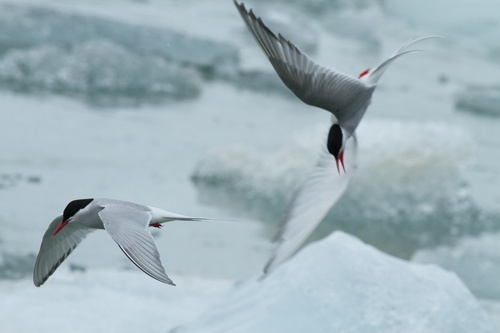
- Arctic fox eats Arctic tern
- Arctic fox eats Glaucous gull
- Arctic fox eats Barnacle goose
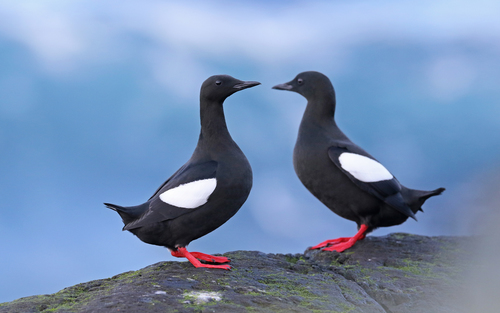
- Arctic fox eats Black guillemot
- Arctic fox eats Snow bunting
- Polar bear eats Walrus
- Polar bear eats Beluga
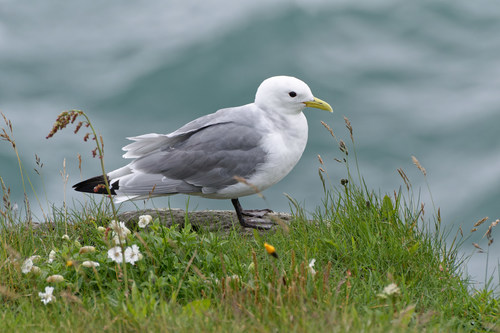
- Polar bear eats Black-legged kittiwake
- Polar bear eats Glaucous gull
- Polar bear eats Black guillemot
- Polar bear eats Arctic fox
- Polar bear eats Barnacle goose
- Polar bear eats Common eider
- Polar bear eats Snow bunting
- Polar bear eats Harbor seal
- Polar bear eats Reindeer
- Glaucous gull eats Walrus
- Glaucous gull eats Black guillemot
- Glaucous gull eats Black-legged kittiwake
- Glaucous gull eats Common eider
- Glaucous gull eats Snow bunting
- Glaucous gull eats Purple sandpiper
- Snow bunting eats Moss campion
Links that studies have recorded between the species on this page (GloBI). Real food webs hold far more species and links, and animals switch food when one runs short.
Who lives in the tundra
The species people record most often in the North Slope of Alaska, Svalbard, 2016–2025.
Mammals



Birds



Plants
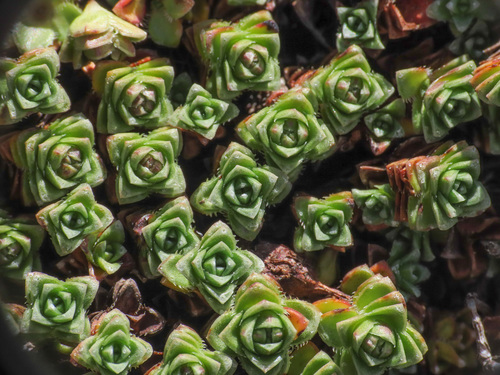
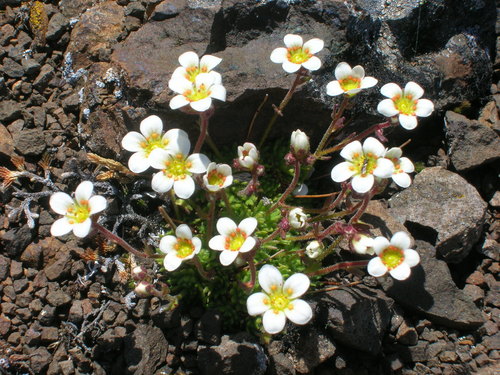

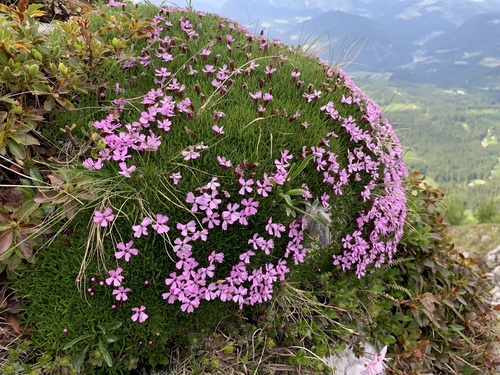
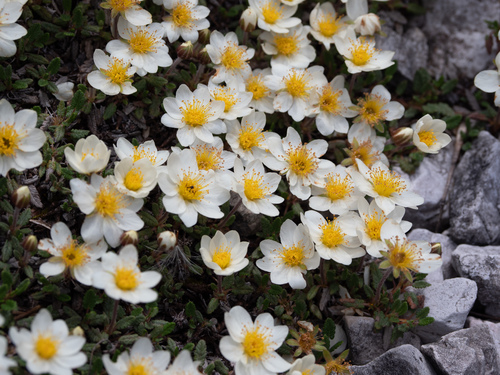
Insects

What threatens the tundra, and what helps
The Arctic is warming several times faster than the global average. Permafrost thaws, shrubs spread north, and animals that depend on snow and ice lose their habitat.
Cutting emissions worldwide, and protecting large areas so that animals can move as the climate changes.
Explore and share
Explore next
What puts the tundra under pressure, what helps, and who works on it.
Questions people ask
What animals live in the tundra?
Among the animals people record most often in the tundra: reindeer, walrus, arctic fox, polar bear, harbor seal, beluga, glaucous gull and common eider. Based on GBIF records from the North Slope of Alaska and Svalbard, 2016–2025.
What is the food chain in the tundra?
Some of the feeding links studies have recorded among its species: the polar bear eats the walrus, the polar bear eats the beluga, the polar bear eats the harbor seal and the reindeer eats the purple saxifrage. Source: GloBI.
What threatens the tundra?
The Arctic is warming several times faster than the global average. Permafrost thaws, shrubs spread north, and animals that depend on snow and ice lose their habitat.
How can the tundra be protected?
Cutting emissions worldwide, and protecting large areas so that animals can move as the climate changes.
Sources and photo credits
- GBIF · human observations in the North Slope of Alaska, Svalbard, 2016–2025
- GloBI · recorded feeding links between species
- NOAA · Arctic Report Card
- Arctic tundra in autumn colours beside a lake in Alaska: NPS Photo, Public domain
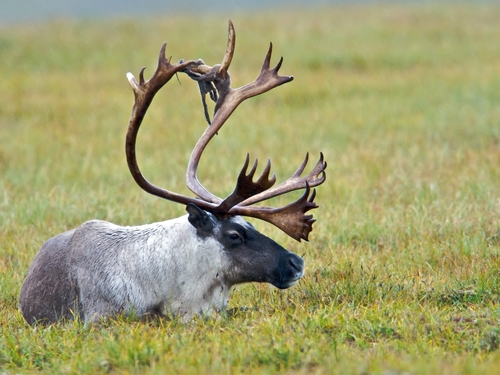
- Reindeer: Bering Land Bridge National Preserve, CC BY 4.0
- Walrus: Sheelagh Halsey, CC BY 4.0
- Arctic fox: Emma, CC BY 4.0
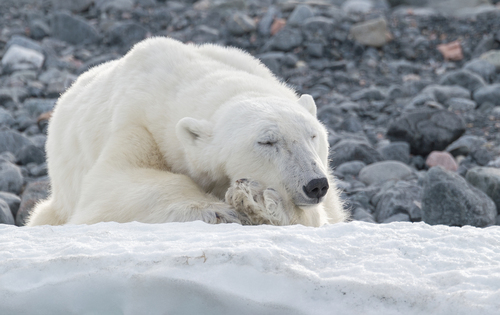
- Polar bear: Morten Ross, CC BY 4.0
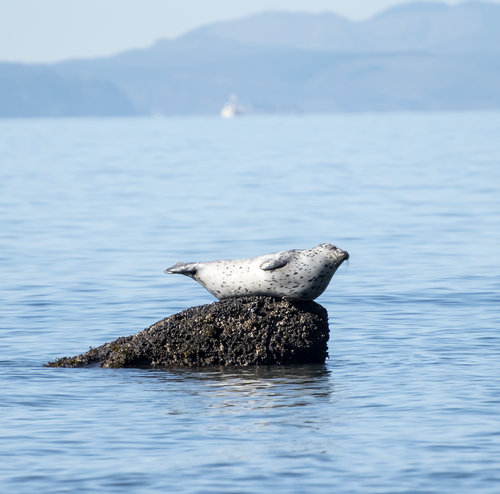
- Harbor seal: David Badke, CC BY-SA 4.0
- Beluga: Hafiz Issadeen, CC BY 4.0
- Glaucous gull: Alastair Rae, CC BY-SA 4.0
- Common eider: Christoph Moning, CC BY 4.0
- Black guillemot: Christoph Moning, CC BY 4.0
- Black-legged kittiwake: Donald Davesne, CC BY 4.0
- Arctic tern: Brian Gratwicke, CC BY 4.0
- Purple sandpiper: Christoph Moning, CC BY 4.0
- Barnacle goose: Christoph Moning, CC BY 4.0
- Snow bunting: Christoph Moning, CC BY 4.0
- Purple saxifrage: Emanuele Santarelli, CC BY-SA 4.0
- Tufted saxifrage: J Brew, CC BY-SA 4.0
- Alpine bistort: Alastair Rae, CC BY-SA 4.0
- Moss campion: Katrin Simon, CC BY 4.0
- Mountain avens: William Stephens, CC BY 4.0
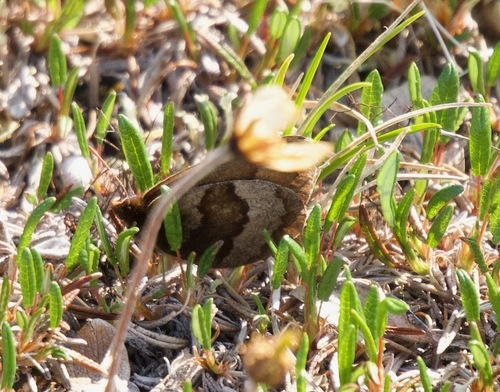
- Banded Alpine: Donald Hampton, CC BY-SA 4.0
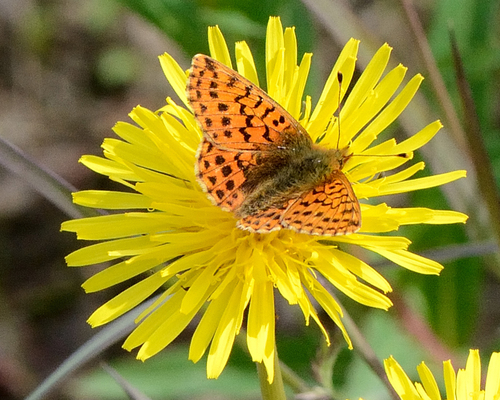
- Mountain fritillary: Fyodor Pudovikov, CC BY 4.0
- Treeline emerald: Oleg Kosterin, CC BY 4.0

Species lists come from records people have shared in a few sample areas, not a full inventory of the tundra, and well-watched groups such as birds are recorded far more than insects or fungi. The food web shows only links that studies have recorded between the species on this page.
Checked 2026-11-21.