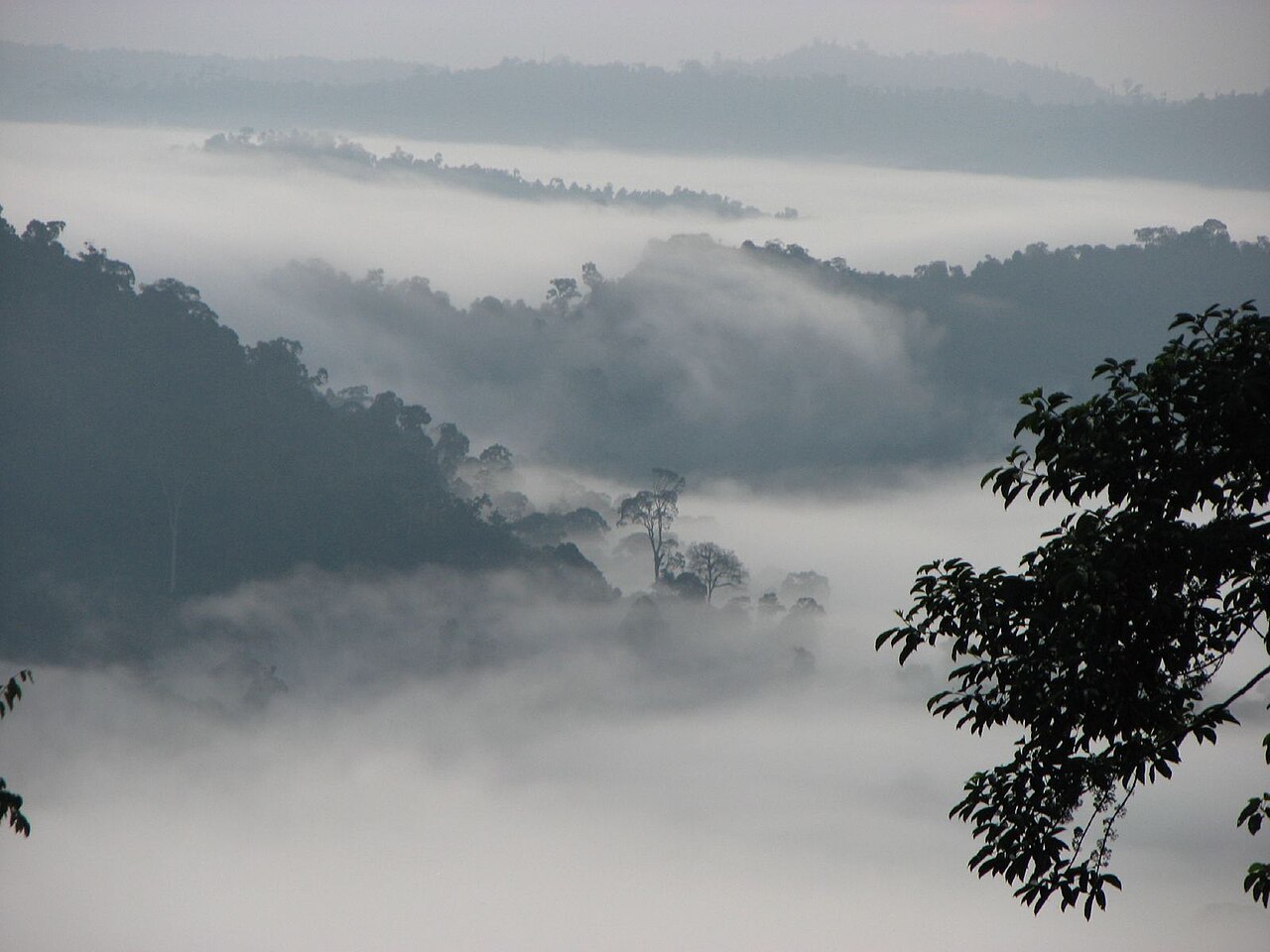
Tropical rainforests
Near the equator in South America, Africa, Asia and Australia
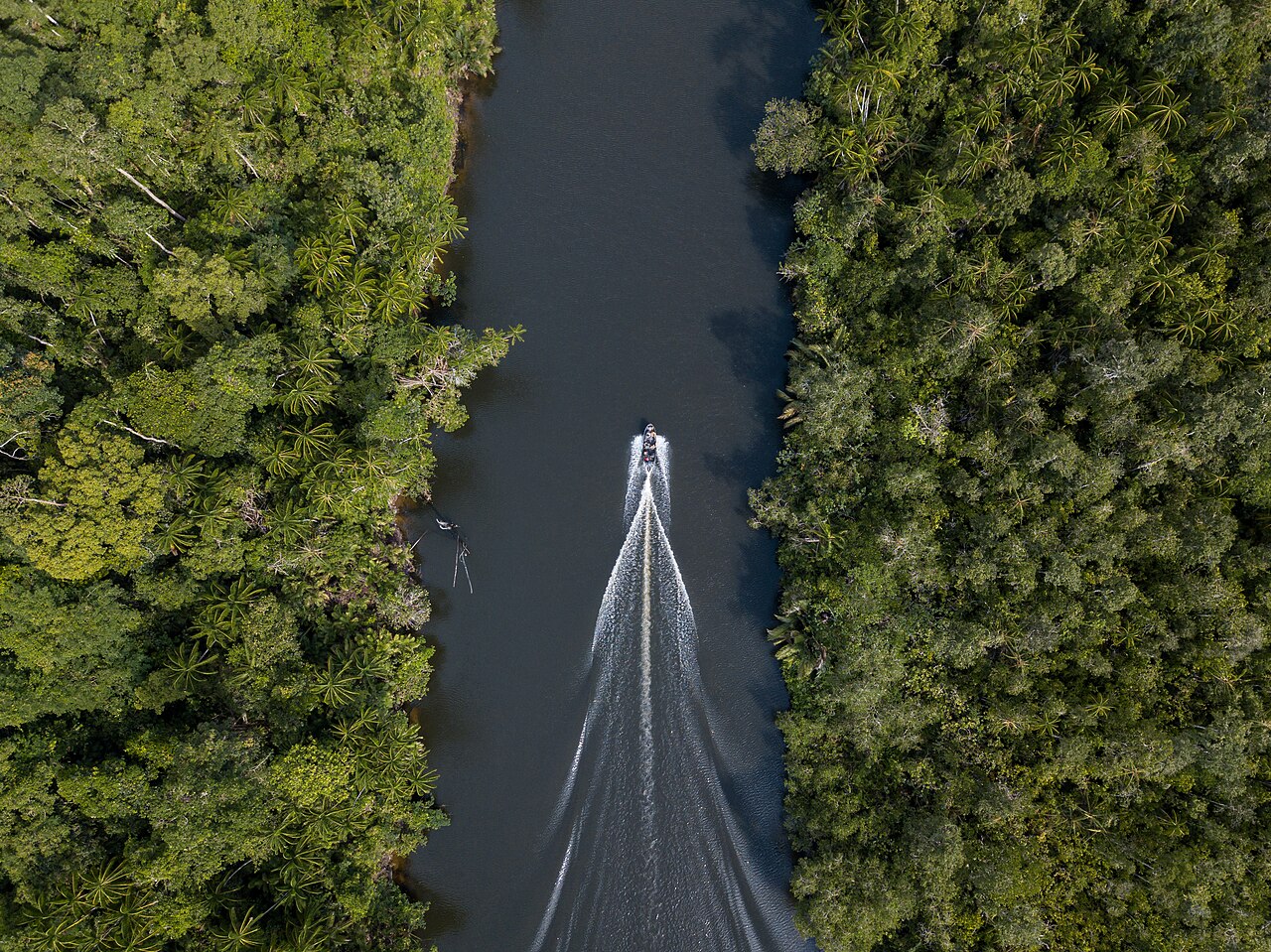
Tropical rainforests grow near the equator, where it is warm and wet all year. They cover a small part of the land but hold more than half of its plant and animal species, living in layers from the forest floor to the sunlit canopy.
People have shared 1,382,195 records of animals and plants from Sabah, Borneo, the Osa Peninsula, Costa Rica and the Daintree, Australia with GBIF in ten years. This page shows the 34 species recorded most often there, and 9 links between them that studies have recorded: who eats whom.
- Kind
- Habitat
- Where
- Near the equator in South America, Africa, Asia and Australia
- Species shown
- 34, the most recorded
- Food web
- 9 recorded links between them
- Records
- 1,382,195 in 2016–2025
- Sample areas
- Sabah, Borneo, the Osa Peninsula, Costa Rica, the Daintree, Australia
Who eats whom in tropical rainforests
Food flows upwards: plants and small animals at the bottom, hunters at the top. Tap a species to see its links, then take it out of the web to see who would lose food.
Tap a species.
All 9 recorded links
- Crab-eating macaque eats Coconut palm
- Panamanian white-faced capuchin eats Coconut palm
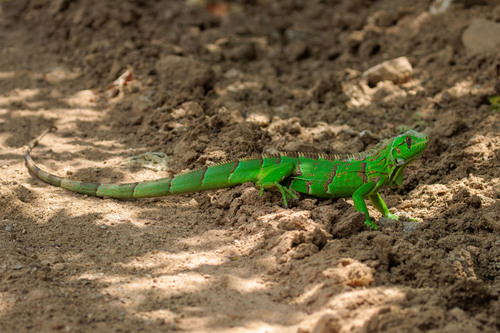
- Black vulture eats Green iguana
- Black vulture eats Coconut palm
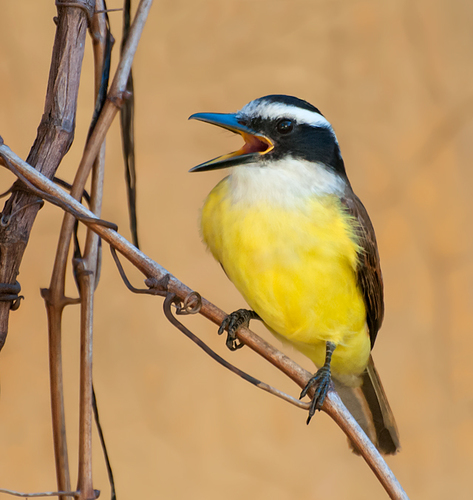
- Great kiskadee eats Green iguana
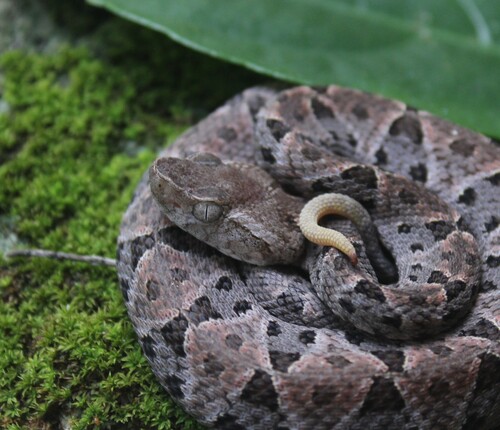
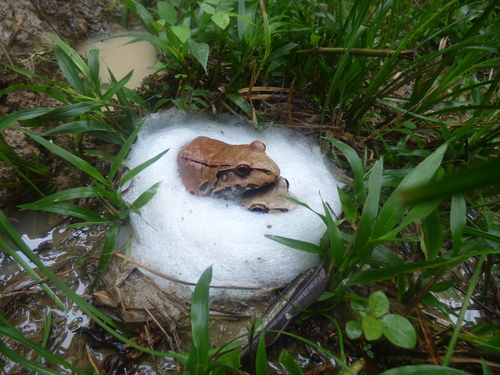
- Terciopelo eats Savage's thin-toed frog
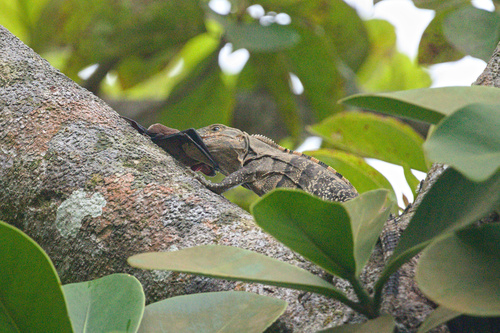
- Black spiny-tailed iguana eats Green iguana
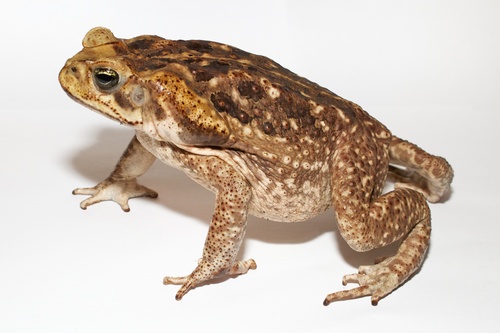
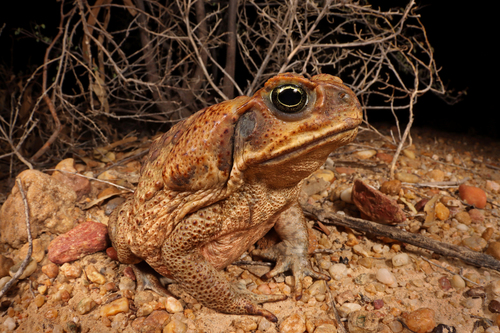
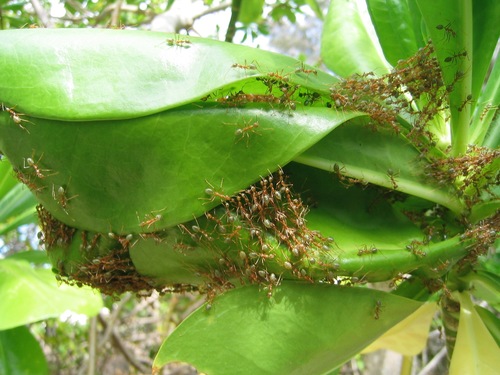
- Asian weaver ant eats Cane toad
- Asian weaver ant eats Fan palm
Links that studies have recorded between the species on this page (GloBI). Real food webs hold far more species and links, and animals switch food when one runs short.
Who lives in tropical rainforests
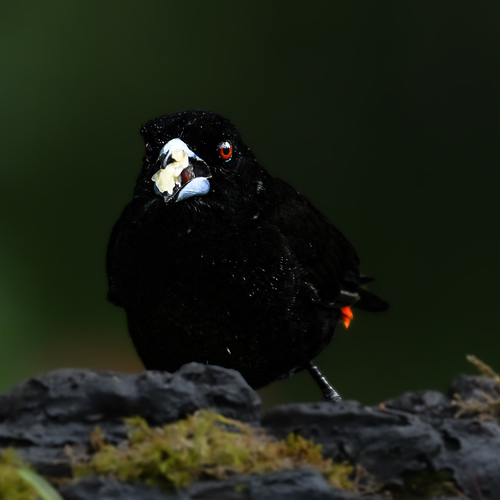
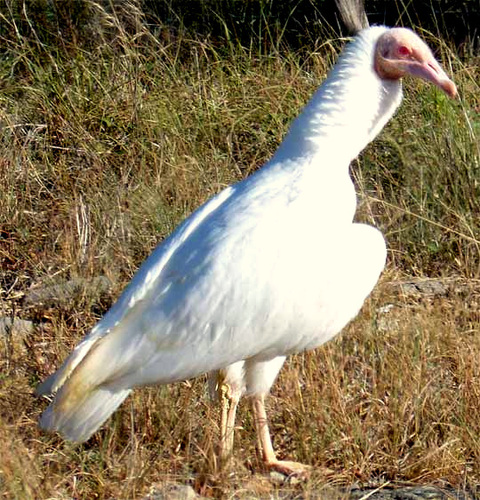
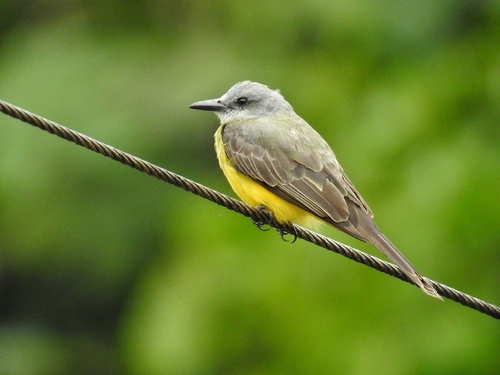
The species people record most often in Sabah, Borneo, the Osa Peninsula, Costa Rica, the Daintree, Australia, 2016–2025.
Mammals

Birds
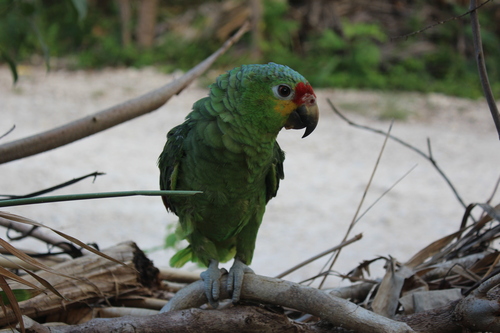
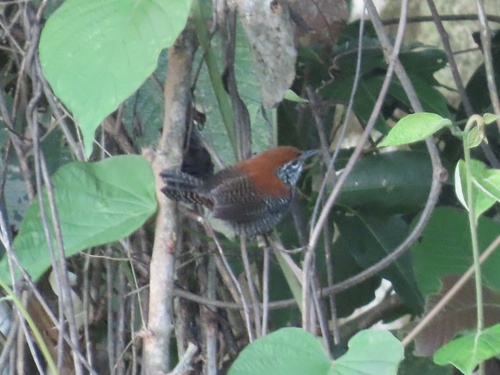
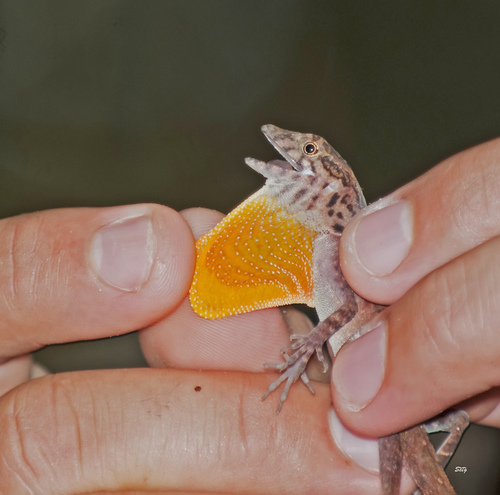
Reptiles
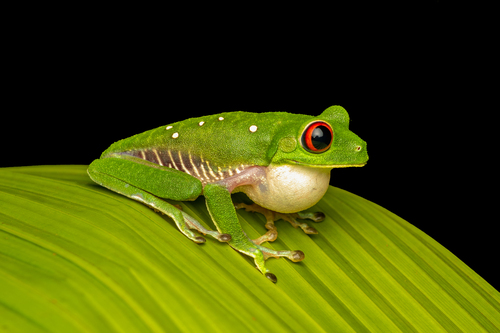
Amphibians


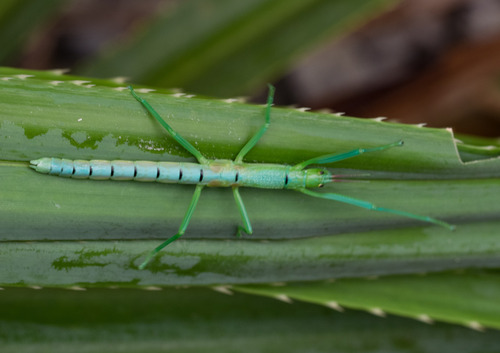
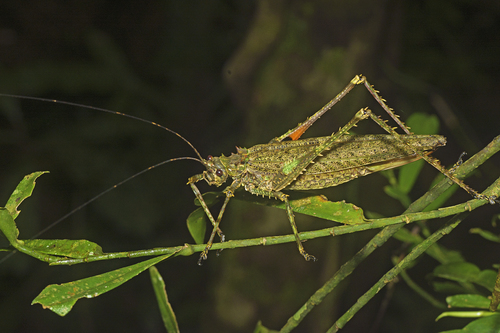
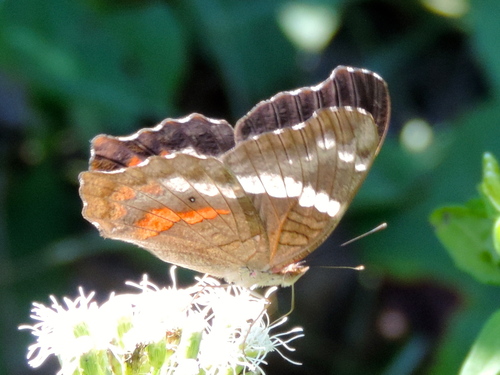
Insects


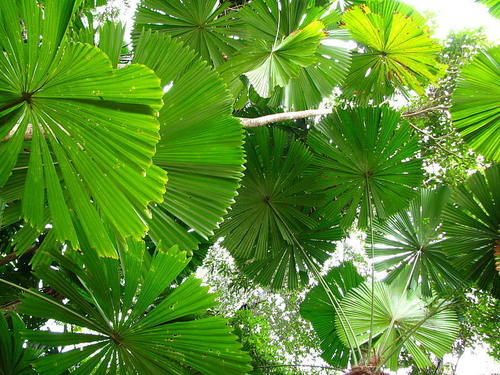
Plants

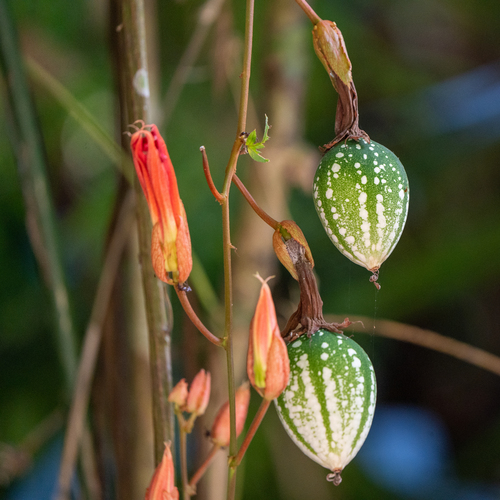
What threatens tropical rainforests, and what helps
Clearing for farms, plantations such as oil palm, logging and mining, and fire. Tropical forests lose millions of hectares every year.
Protected areas and Indigenous lands, products from land that was not newly cleared, and restoring forest on degraded land.
Explore and share
Explore next
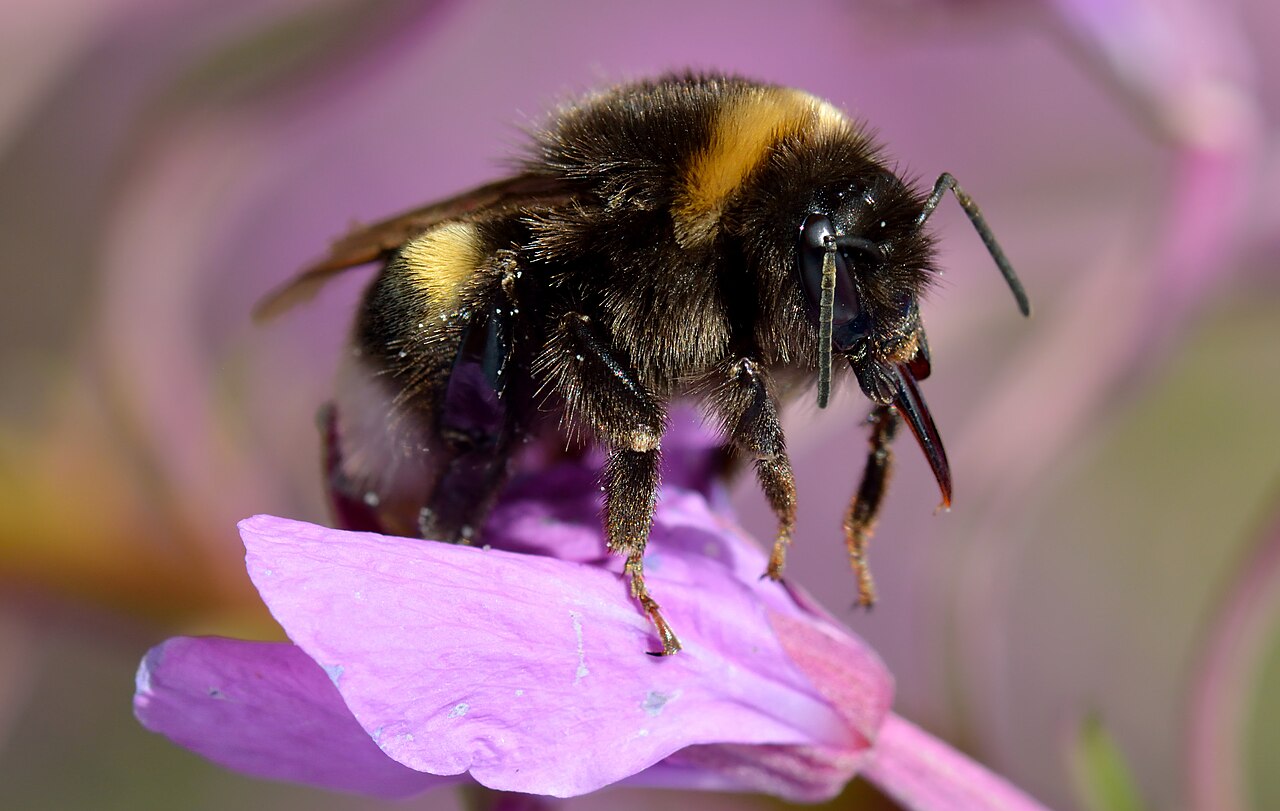
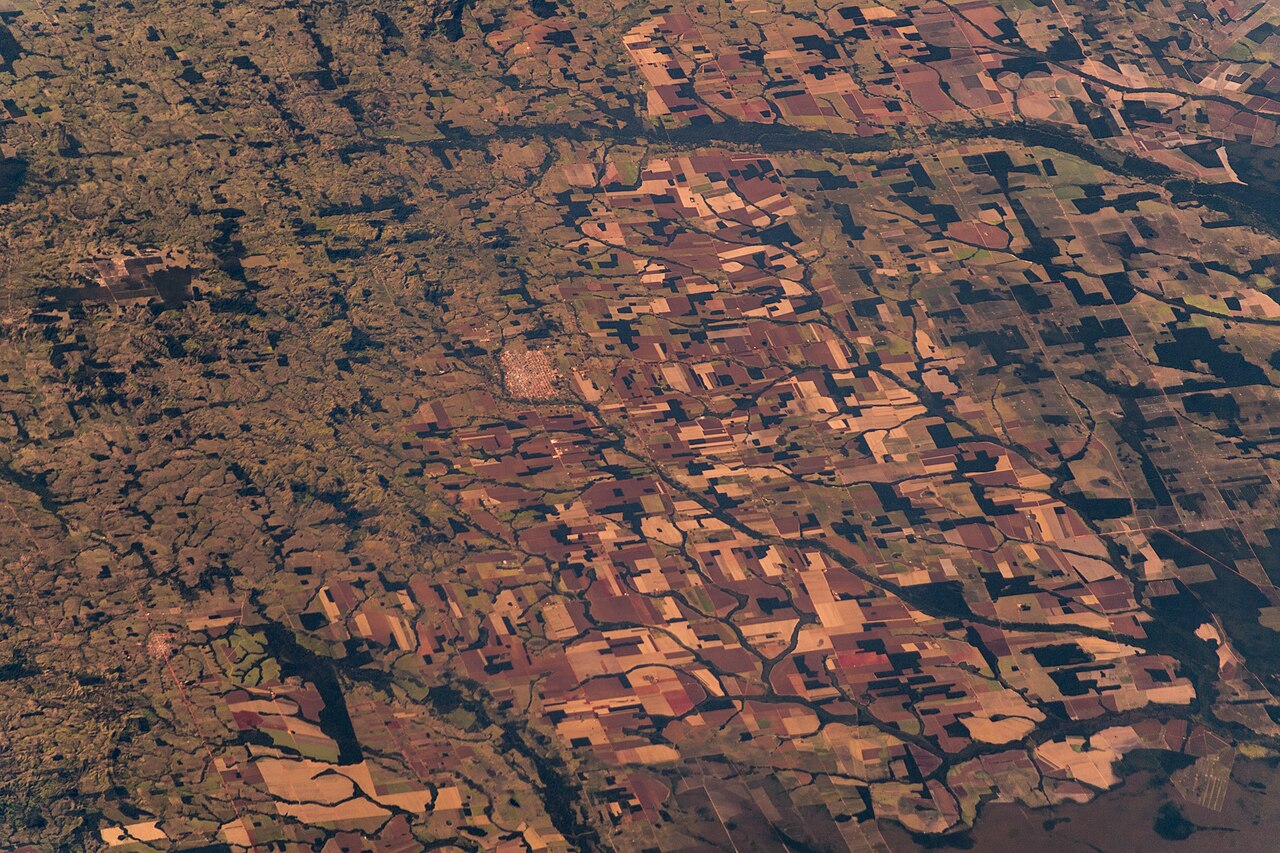
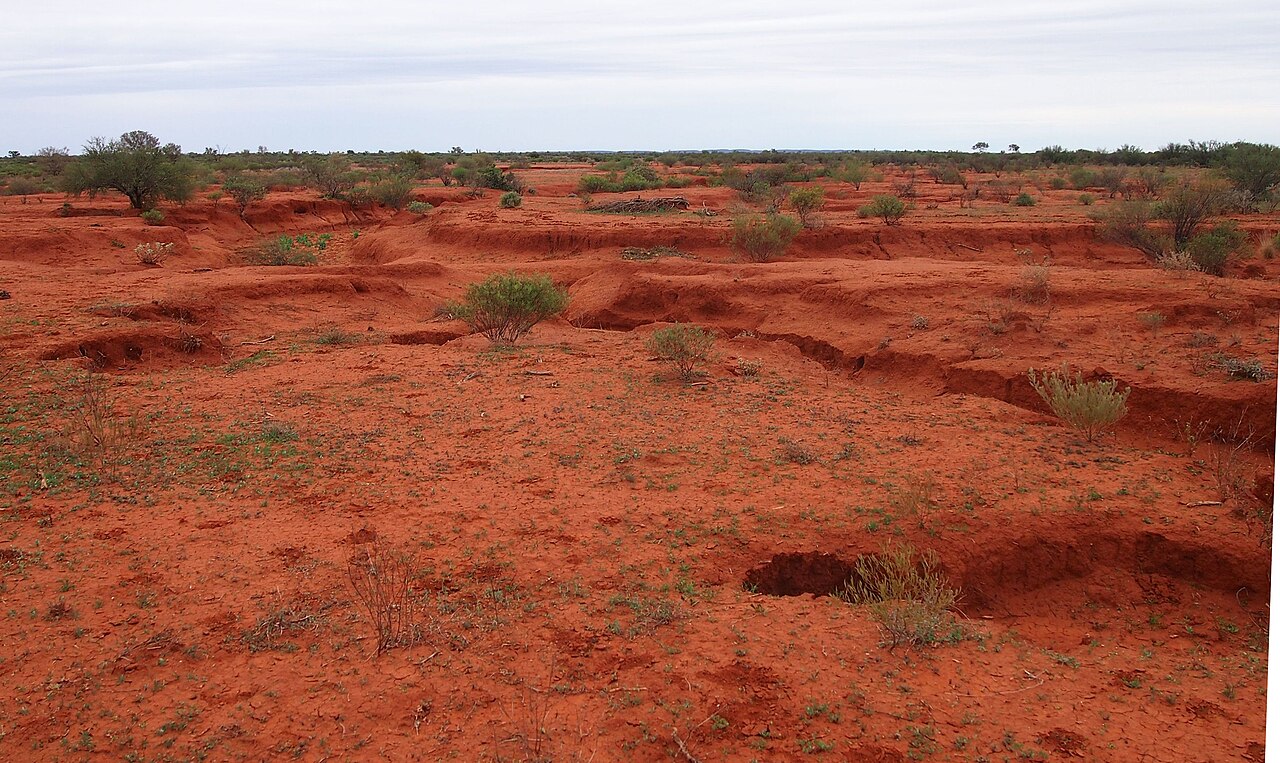
What puts tropical rainforests under pressure, what helps, and who works on it.

Questions people ask
What animals live in tropical rainforests?
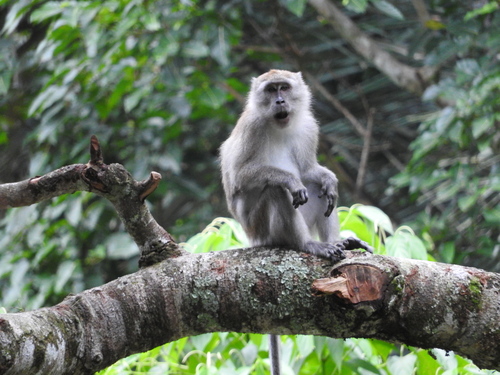
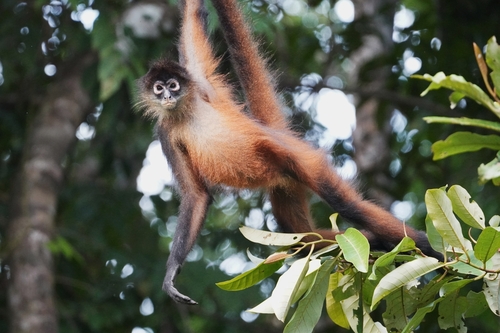
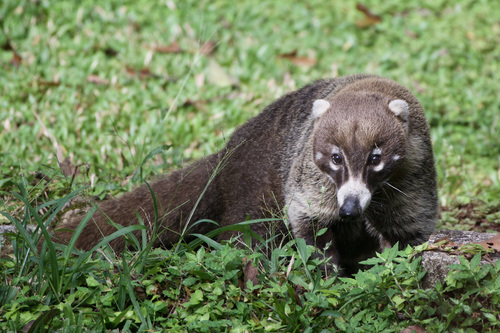
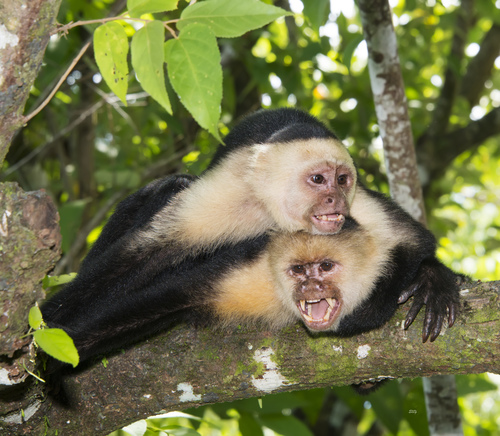
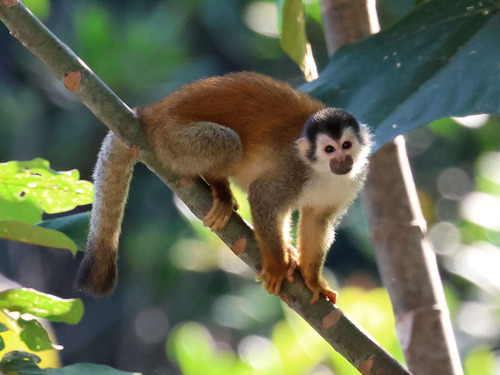
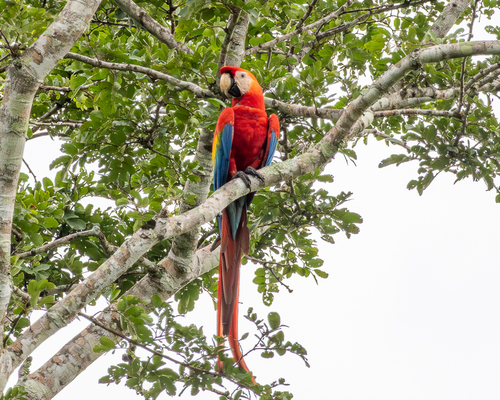
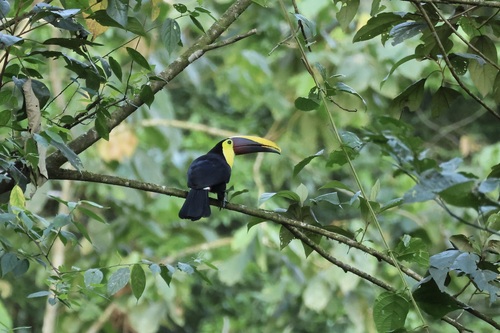
Among the animals people record most often in tropical rainforests: crab-eating macaque, central american spider monkey, proboscis monkey, white-nosed coati, panamanian white-faced capuchin, central american squirrel monkey, scarlet macaw and yellow-throated toucan. Based on GBIF records from Sabah, Borneo, the Osa Peninsula, Costa Rica and the Daintree, Australia, 2016–2025.
What is the food chain in tropical rainforests?
Some of the feeding links studies have recorded among its species: the black vulture eats the green iguana, the great kiskadee eats the green iguana, the asian weaver ant eats the cane toad and the crab-eating macaque eats the coconut palm. Source: GloBI.
What threatens tropical rainforests?
Clearing for farms, plantations such as oil palm, logging and mining, and fire. Tropical forests lose millions of hectares every year.
How can tropical rainforests be protected?
Protected areas and Indigenous lands, products from land that was not newly cleared, and restoring forest on degraded land.
Sources and photo credits
- GBIF · human observations in Sabah, Borneo, the Osa Peninsula, Costa Rica, the Daintree, Australia, 2016–2025
- GloBI · recorded feeding links between species
- Global Forest Watch · tree cover loss data
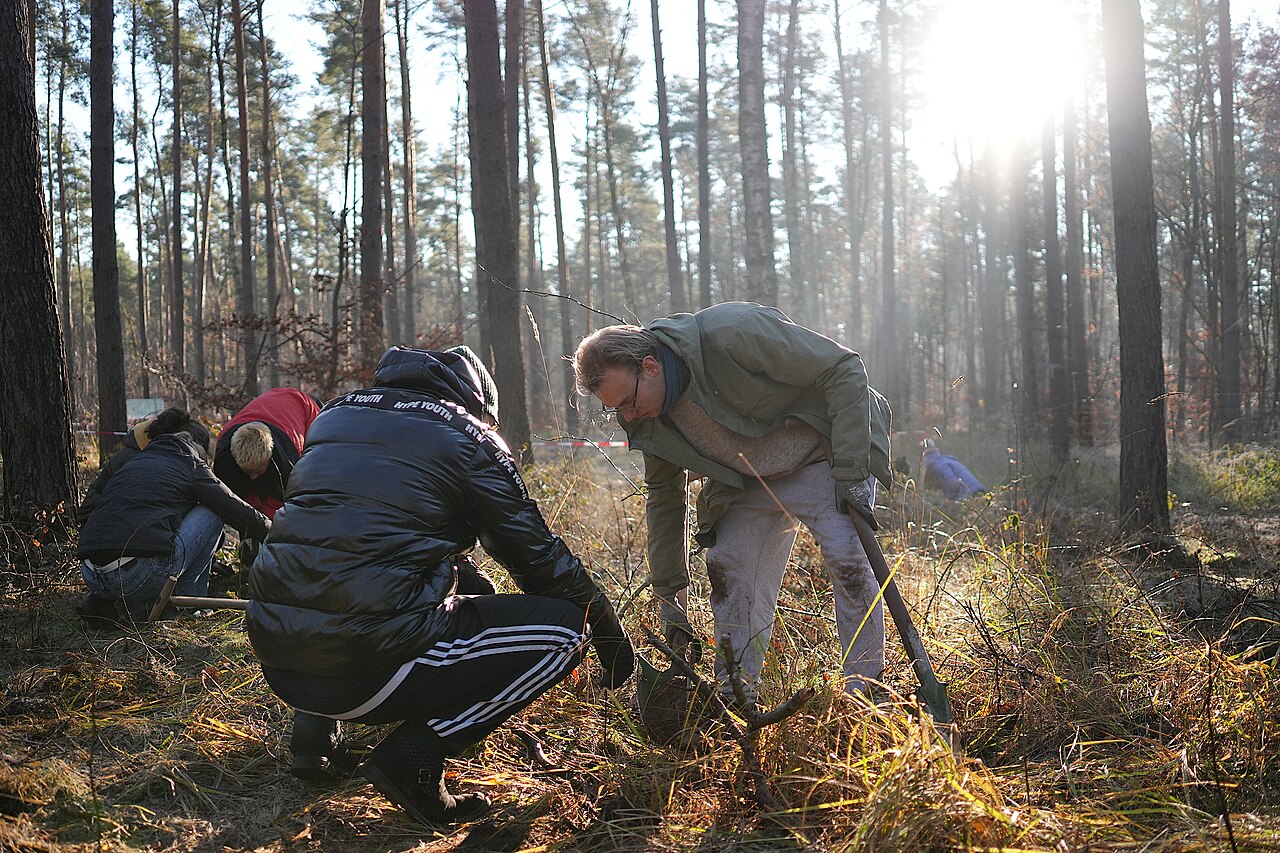
- Mist rising over lowland rainforest at sunrise in Danum Valley, Borneo: Rob and Stephanie Levy, CC BY 2.0
- Crab-eating macaque: Subir B. Shakya, CC BY 4.0
- Central American spider monkey: no rights reserved, uploaded by relet, CC0
- Proboscis monkey: Bernard DUPONT, CC BY-SA 4.0
- White-nosed coati: no rights reserved, uploaded by Dario Taraborelli, CC0
- Panamanian white-faced capuchin: Seig, CC BY 4.0
- Central American squirrel monkey: Daniel Ghyselinck, CC BY 4.0
- Scarlet macaw: NINA WENÓLI, CC0
- Yellow-throated toucan: er-birds, CC BY 4.0
- Passerini's tanager: Catriona Hall, CC0
- Black vulture: Jim, CC0
- Great kiskadee: Dario Sanches, CC BY-SA 4.0
- Tropical kingbird: Esteban Poveda, CC BY 4.0
- Red-lored amazon: Ricard Busquets Reverte, CC BY 4.0
- Riverside wren: Theo Rickert, CC BY 4.0
- Many-scaled anole: Seig, CC BY 4.0
- Green iguana: Thomaz de Carvalho Callado, CC BY 4.0
- Terciopelo: Ricard Busquets Reverte, CC BY 4.0
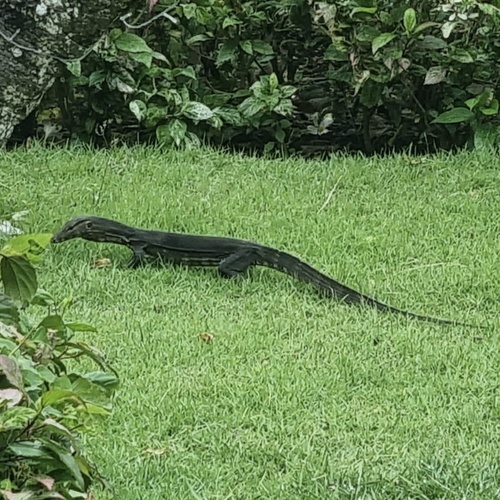
- Common water monitor: Sockrosma, CC BY 4.0
- Black spiny-tailed iguana: Attila Oláh, CC BY 4.0
- Mesoamerican cane toad: Brian Gratwicke, CC BY 4.0
- Rosenberg's gladiator treefrog: Don Loarie, CC BY 4.0
- Savage's thin-toed frog: Daniel van der Post, CC0
- Red-eyed treefrog: Luke Padon, CC BY 4.0
- Central American smilisca: Kurt lindhult, CC BY-SA 4.0
- Cane toad: Connor Margetts, CC BY 4.0
- Peppermint stick-insect: Paul Whitington, CC BY 4.0
- Giant spiny forest katydid: Tony Eales, CC BY-SA 4.0
- Banded peacock: Francisco Farriols Sarabia, CC BY 4.0
- Asian weaver ant: Geoff Shuetrim, CC BY 4.0
- White peacock: Carlos Alexandre Mattos Raposo, CC BY 4.0
- Green page moth: Luis Perez, CC BY 4.0
- Fan palm: tanetahi, CC BY 4.0
- Coconut palm: Douglas Goldman, CC BY-SA 4.0
- Perfumed passionflower: Anthony Batista, CC BY 4.0

Species lists come from records people have shared in a few sample areas, not a full inventory of tropical rainforests, and well-watched groups such as birds are recorded far more than insects or fungi. The food web shows only links that studies have recorded between the species on this page.
Checked 2026-11-20.