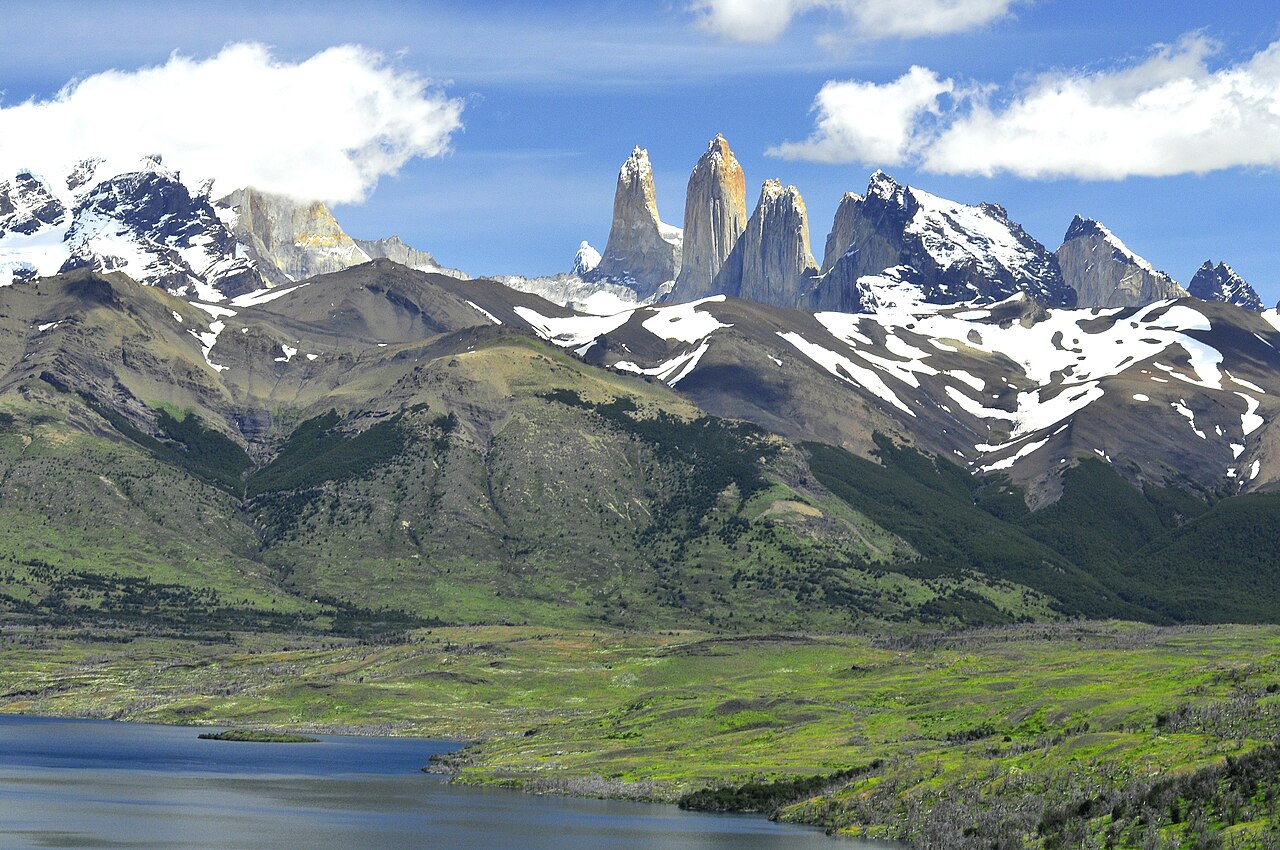
Torres del Paine
Patagonia, Chile
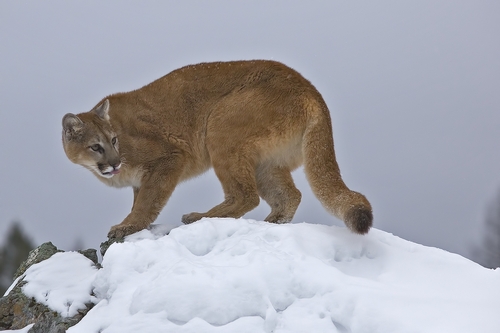
Torres del Paine is a national park in Chilean Patagonia, where granite towers rise above glaciers, lakes and wind-swept steppe. Guanacos graze the open plains, and pumas hunt them, more easily seen here than almost anywhere else.
People have shared 74,771 records of animals and plants from Torres del Paine National Park with GBIF in ten years. This page shows the 24 species recorded most often there, and 14 links between them that studies have recorded: who eats whom.
- Kind
- Ecosystem
- Where
- Patagonia, Chile
- Species shown
- 24, the most recorded
- Food web
- 14 recorded links between them
- Records
- 74,771 in 2016–2025
- Sample areas
- Torres del Paine National Park
Who eats whom in Torres del Paine
Food flows upwards: plants and small animals at the bottom, hunters at the top. Tap a species to see its links, then take it out of the web to see who would lose food.
Tap a species.
All 14 recorded links
- Cougar eats Big hairy armadillo
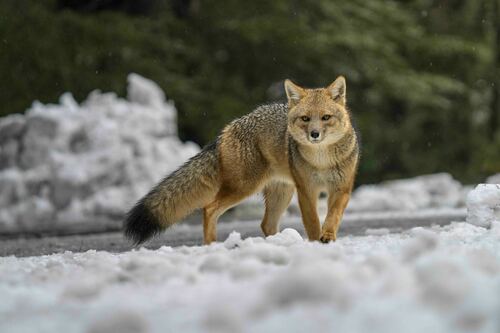
- Cougar eats Culpeo
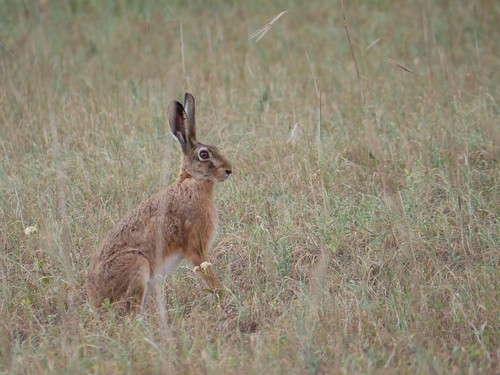
- Cougar eats European hare
- Culpeo eats Big hairy armadillo
- Culpeo eats Cougar
- Culpeo eats European hare
- Culpeo eats Guemal
- Rufous-collared sparrow eats Prickly heath
- Austral thrush eats Prickly heath
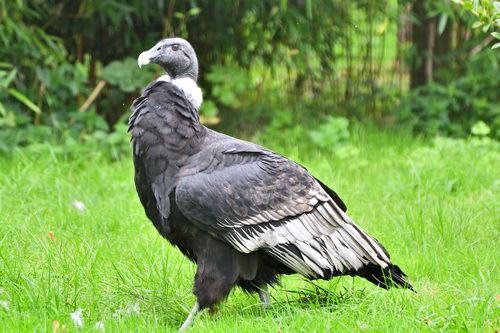
- Andean condor eats European hare
- Andean condor eats Cougar
- Andean condor eats Upland goose
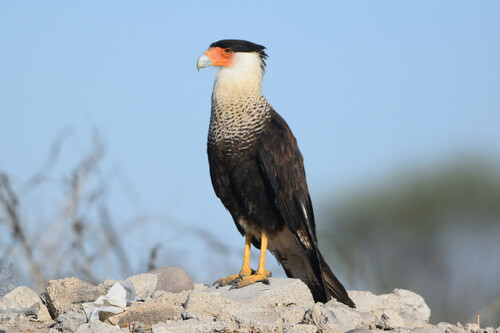
- Crested caracara eats European hare
- Crested caracara eats Southern lapwing
Links that studies have recorded between the species on this page (GloBI). Real food webs hold far more species and links, and animals switch food when one runs short.
Who lives in Torres del Paine
The species people record most often in Torres del Paine National Park, 2016–2025.
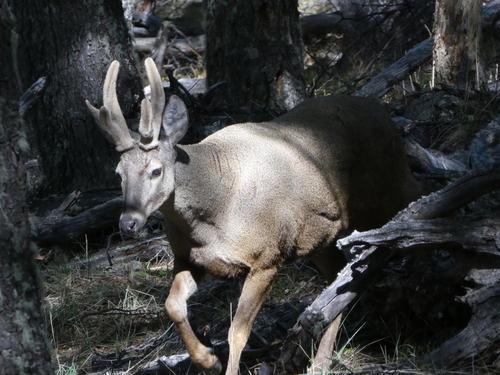
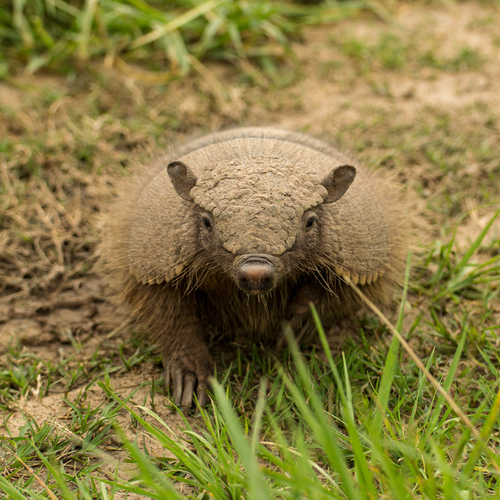
Mammals
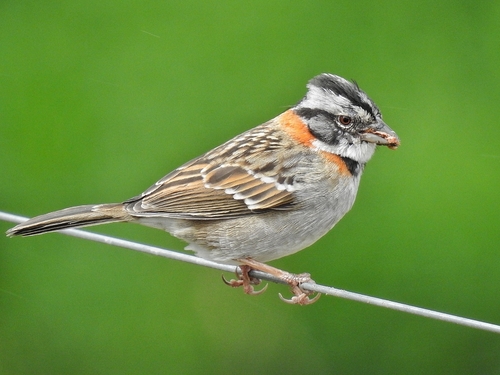
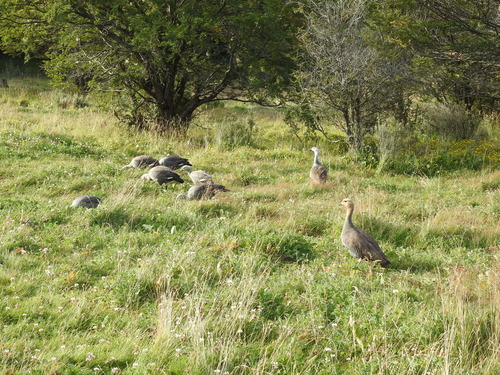
Birds


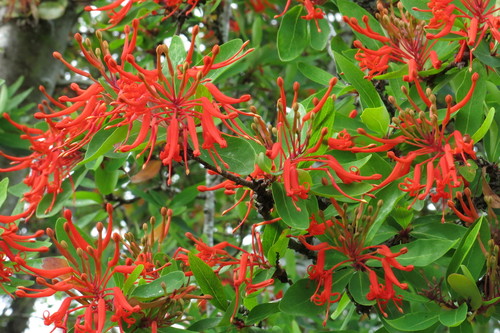
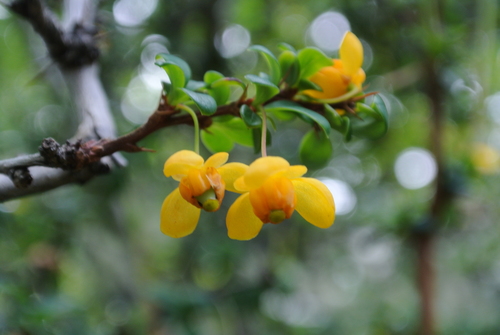
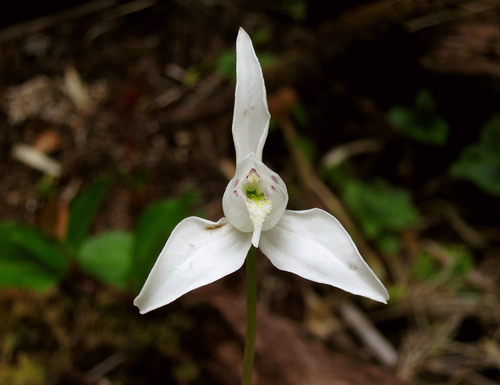
Plants


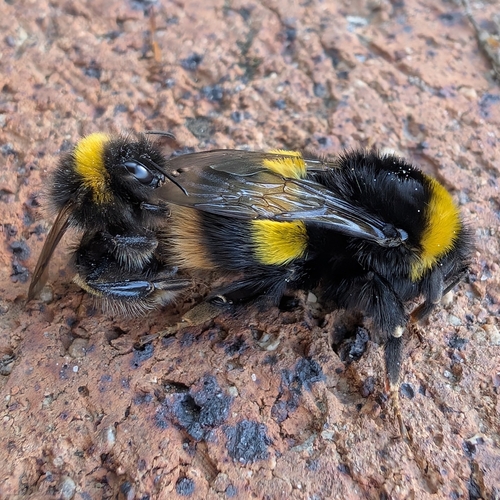
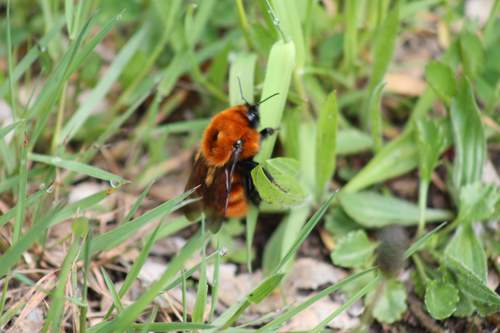
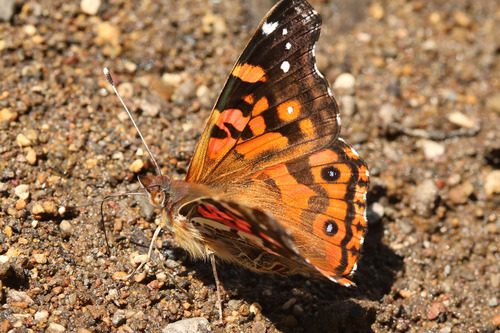
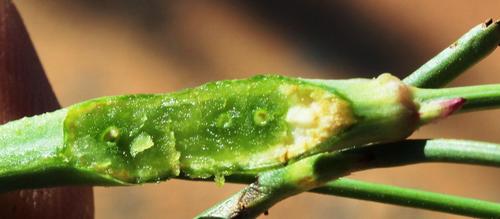
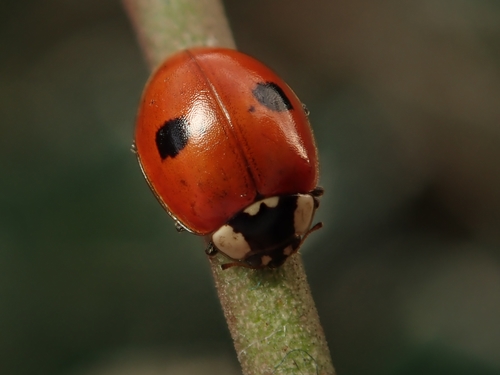
Insects

What threatens Torres del Paine, and what helps
Wildfires started by visitors burned large parts of the park in 2005 and 2011. Grazing, heavy tourism and warmer, drier winds also change the steppe and forest.
Strict fire rules, replanting burned forest and protecting guanacos and pumas across the park and neighbouring ranches help the ecosystem recover.
Explore and share
Explore next
What puts Torres del Paine under pressure, what helps, and who works on it.
Questions people ask
What animals live in Torres del Paine?
Among the animals people record most often in Torres del Paine: cougar, culpeo, european hare, guemal, big hairy armadillo, rufous-collared sparrow, upland goose and austral thrush. Based on GBIF records from Torres del Paine National Park, 2016–2025.
What is the food chain in Torres del Paine?
Some of the feeding links studies have recorded among its species: the cougar eats the european hare, the culpeo eats the european hare, the andean condor eats the cougar and the cougar eats the big hairy armadillo. Source: GloBI.
What threatens Torres del Paine?
Wildfires started by visitors burned large parts of the park in 2005 and 2011. Grazing, heavy tourism and warmer, drier winds also change the steppe and forest.
How can Torres del Paine be protected?
Strict fire rules, replanting burned forest and protecting guanacos and pumas across the park and neighbouring ranches help the ecosystem recover.
Sources and photo credits
- GBIF · human observations in Torres del Paine National Park, 2016–2025
- GloBI · recorded feeding links between species
- CONAF · Torres del Paine
- UNESCO · Torres del Paine Biosphere Reserve
- The granite towers of Torres del Paine above Laguna Azul, Chile: LBM1948, CC BY-SA 4.0
- Cougar: Elaine R. Wilson, CC BY-SA 4.0
- Culpeo: Luciano Massa, CC BY 4.0
- European hare: Alexis Tinker-Tsavalas, CC BY 4.0
- Guemal: Philipp Pavelka, CC BY 4.0
- Big hairy armadillo: Facundo Chieffo, CC BY 4.0
- Rufous-collared sparrow: Esteban Poveda, CC BY 4.0
- Upland goose: María Regina Silva, CC BY 4.0
- Austral thrush: payayita, CC BY-SA 4.0
- Andean condor: René Cortin, CC BY-SA 4.0
- Crested caracara: Juan Cruzado Cortés, CC BY 4.0
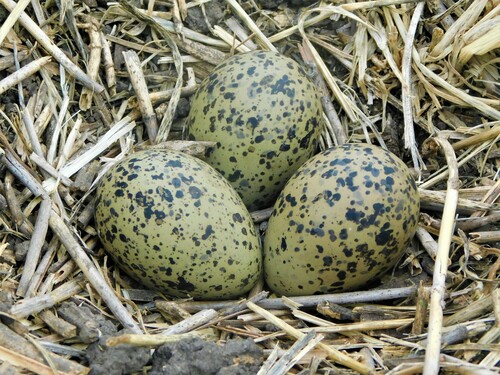
- Southern lapwing: no rights reserved, uploaded by Sebastián Gómez Barboza Silveira, CC0
- Southern house wren: Nicolás Villaseca Merino, CC BY-SA 4.0
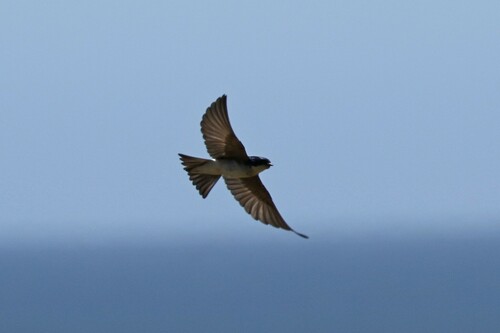
- Chilean swallow: ivesklein, CC BY 4.0
- Chilean firebush: John Barkla, CC BY 4.0
- Mother-in-law cushion: Nicolas Olejnik, CC BY 4.0
- Box-leaved barberry: Sarka Masova, CC BY 4.0
- Prickly heath: Jorge Herreros de Lartundo, CC BY 4.0
- Dog orchid: Miguel Vieira, CC BY 4.0
- Buff-tailed bumblebee: Alan Flisch, CC BY 4.0
- Giant bumble bee: Nelson Atencio, CC BY 4.0
- Chilean lady: Holger Braun, CC BY 4.0
- Cat's ear gall wasp: Tony Rebelo, CC BY-SA 4.0
- Common wasp: Tom, CC BY 4.0
- Twospotted lady beetle: Alexis Tinker-Tsavalas, CC BY 4.0

Species lists come from records people have shared in a few sample areas, not a full inventory of Torres del Paine, and well-watched groups such as birds are recorded far more than insects or fungi. The food web shows only links that studies have recorded between the species on this page.
Checked 2026-11-20.