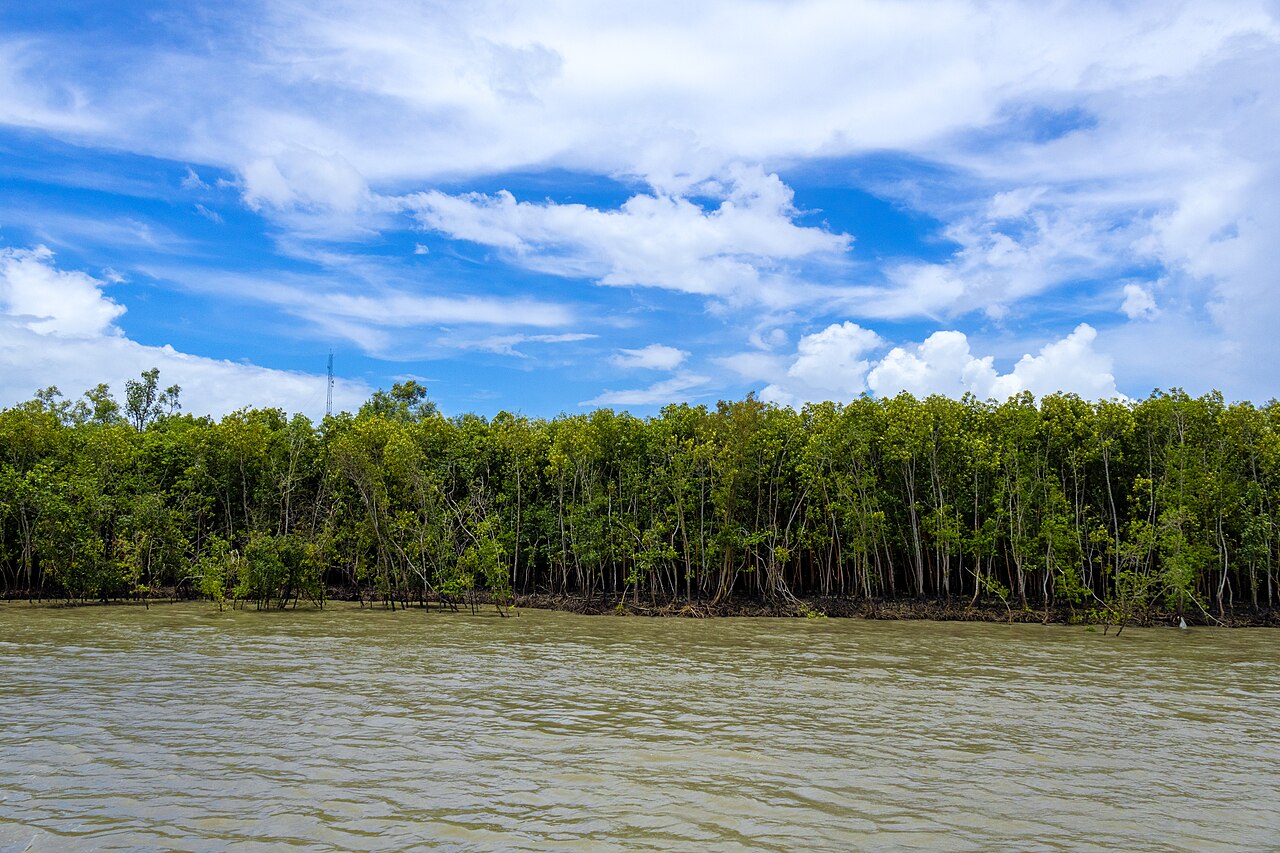
Sundarbans
Ganges, Brahmaputra and Meghna delta, India and Bangladesh
The Sundarbans covers 10,000 km² of land and water in the delta of the Ganges, Brahmaputra and Meghna rivers on the Bay of Bengal, more than half of it in India and the rest in Bangladesh. It holds the world's largest area of mangrove forest, constantly reshaped by the tides. Its tigers live an almost amphibious life, swimming long distances and eating fish, crabs and water monitors, and Irrawaddy and Ganges river dolphins swim its channels.
People have shared 159,208 records of animals and plants from the Indian Sundarbans and the Bangladesh Sundarbans with GBIF in ten years. This page shows the 35 species recorded most often there, and 9 links between them that studies have recorded: who eats whom.
- Kind
- Ecosystem
- Where
- Ganges, Brahmaputra and Meghna delta, India and Bangladesh
- Species shown
- 35, the most recorded
- Food web
- 9 recorded links between them
- Records
- 159,208 in 2016–2025
- Sample areas
- the Indian Sundarbans, the Bangladesh Sundarbans
Who eats whom in the Sundarbans
Food flows upwards: plants and small animals at the bottom, hunters at the top. Tap a species to see its links, then take it out of the web to see who would lose food.
Tap a species.
All 9 recorded links
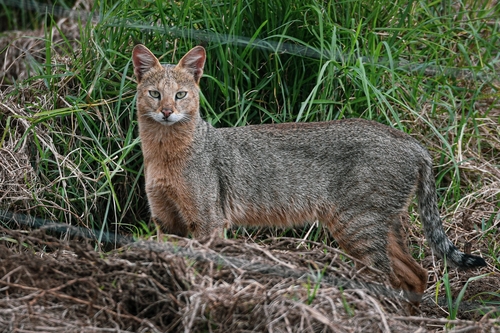
- Jungle cat eats Common sandpiper
- Jungle cat eats Chital
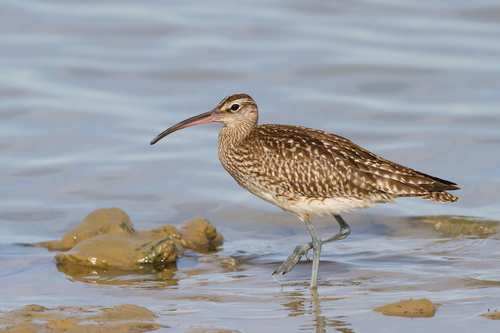
- White-throated kingfisher eats Whimbrel
- White-throated kingfisher eats Common sandpiper
- White-throated kingfisher eats Asiatic water snake
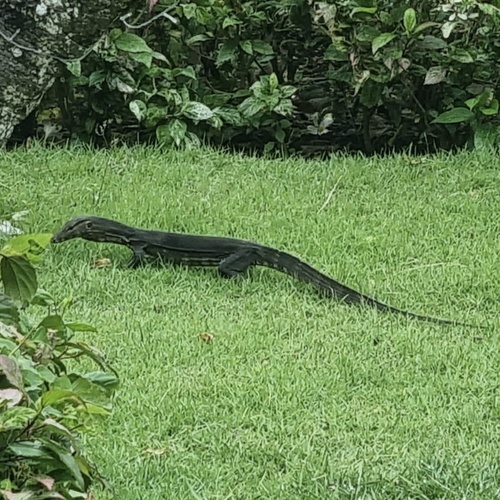
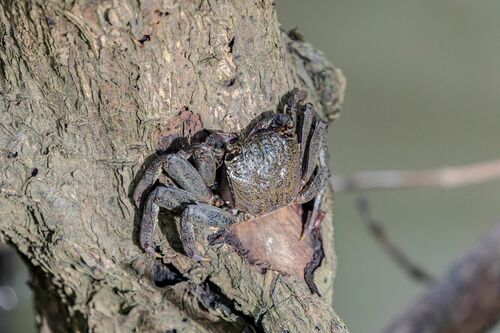
- Common water monitor eats Violet tree-climbing crab
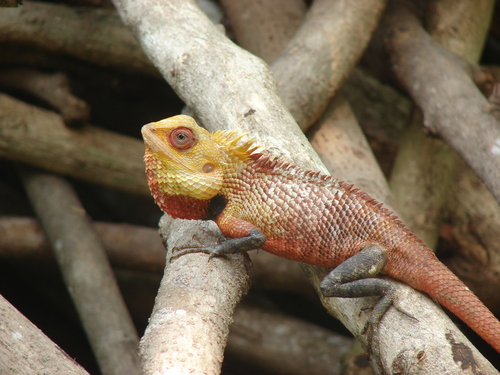
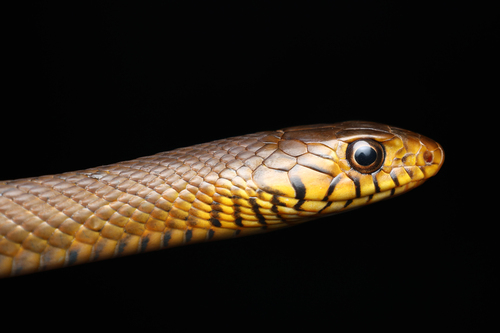
- Oriental ratsnake eats Eastern garden lizard
- Oriental ratsnake eats Asiatic water snake
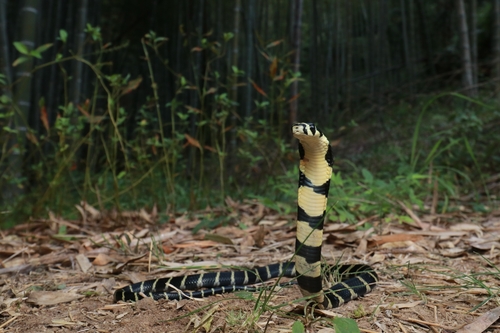
- Hamadryad eats Oriental ratsnake
Links that studies have recorded between the species on this page (GloBI). Real food webs hold far more species and links, and animals switch food when one runs short.
Who lives in the Sundarbans
The species people record most often in the Indian Sundarbans, the Bangladesh Sundarbans, 2016–2025.
Mammals




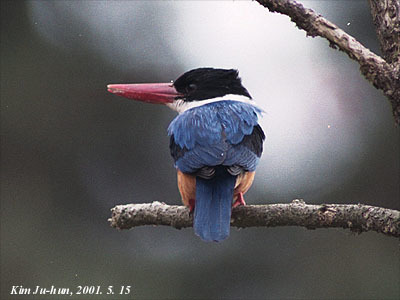
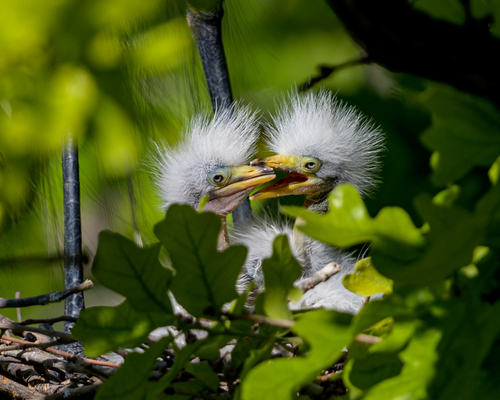
Birds
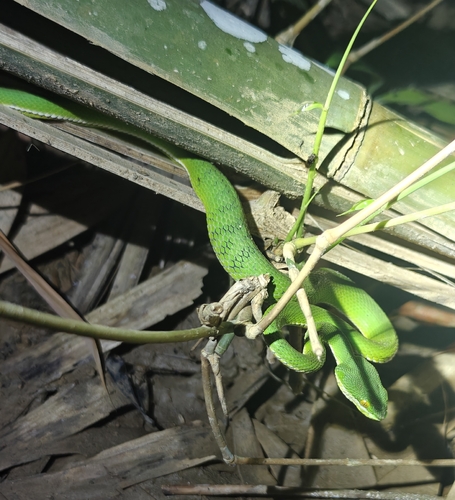
Reptiles

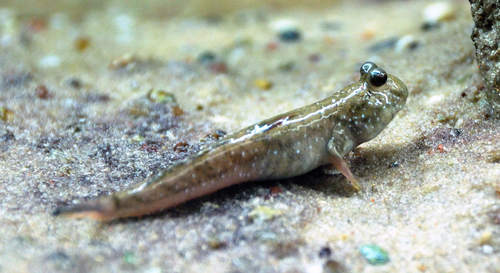
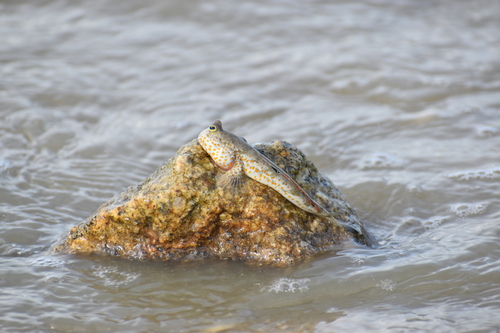
Fish

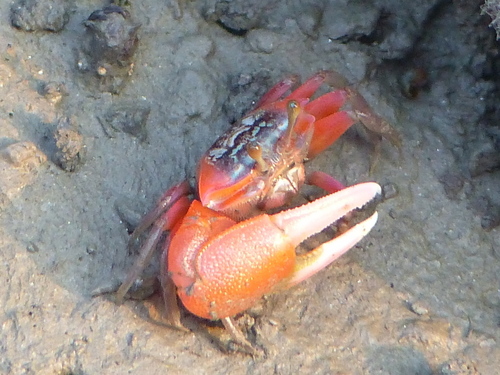
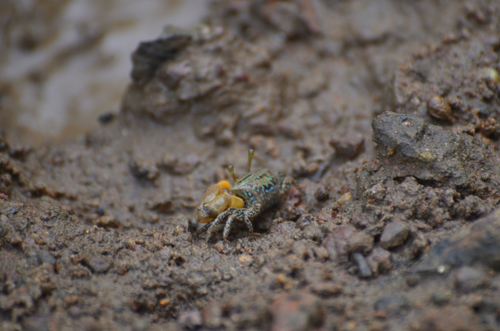
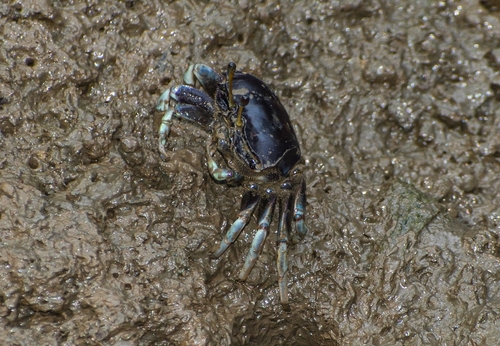
Crustaceans
Plants
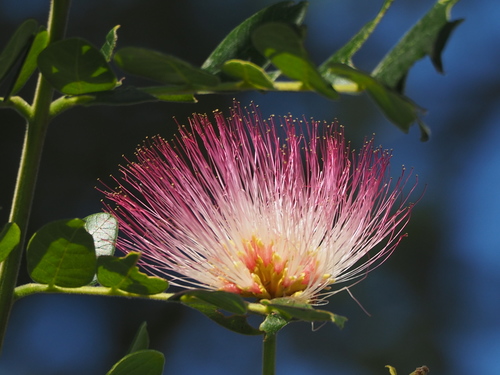
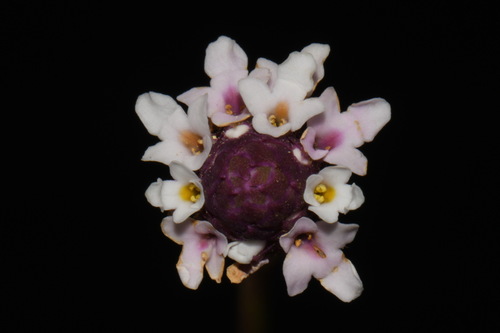
What threatens the Sundarbans, and what helps
Up to 40% of the Ganges' dry-season flow is diverted upstream, which changes how salty the Indian Sundarbans is, with effects that are not yet clearly understood. Oil spills are a further threat to dolphins, seabirds and the forest itself.
Both countries protect their side as World Heritage: India's Sundarbans National Park since 1987, and The Sundarbans in Bangladesh right next to it, known for 260 bird species as well as the Bengal tiger.
Explore and share
Questions people ask
What animals live in the Sundarbans?
Among the animals people record most often in the Sundarbans: chital, rhesus monkey, jungle cat, fishing cat, irrawaddy dolphin, ganges river dolphin, collared kingfisher and common sandpiper. Based on GBIF records from the Indian Sundarbans and the Bangladesh Sundarbans, 2016–2025.
What is the food chain in the Sundarbans?
Some of the feeding links studies have recorded among its species: the jungle cat eats the common sandpiper, the jungle cat eats the chital, the white-throated kingfisher eats the whimbrel and the white-throated kingfisher eats the common sandpiper. Source: GloBI.
What threatens the Sundarbans?
Up to 40% of the Ganges' dry-season flow is diverted upstream, which changes how salty the Indian Sundarbans is, with effects that are not yet clearly understood. Oil spills are a further threat to dolphins, seabirds and the forest itself.
How can the Sundarbans be protected?
Both countries protect their side as World Heritage: India's Sundarbans National Park since 1987, and The Sundarbans in Bangladesh right next to it, known for 260 bird species as well as the Bengal tiger.
Sources and photo credits
- GBIF · human observations in the Indian Sundarbans, the Bangladesh Sundarbans, 2016–2025
- GloBI · recorded feeding links between species
- UNESCO World Heritage Centre · Sundarbans National Park
- UNESCO World Heritage Centre · The Sundarbans
- Dense mangrove forest at high tide in the Sundarban Tiger Reserve, India: Kingshuk Mondal, CC BY 4.0
- Chital: Buck Valley Ranch, CC BY 4.0
- Rhesus monkey: Donald Hobern, CC BY 4.0
- Jungle cat: Harshad Sharma, CC BY 4.0
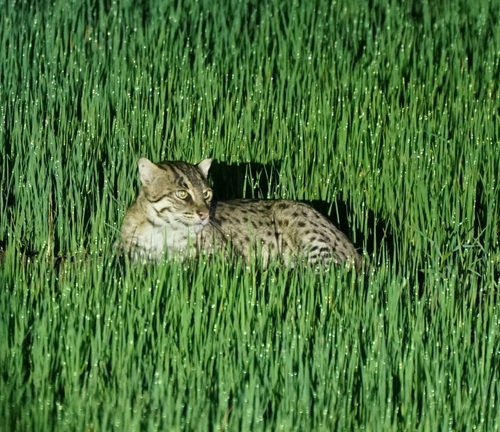
- Fishing cat: Tim, CC BY 4.0
- Irrawaddy dolphin: Long Vu, CC BY 4.0
- Ganges river dolphin: Fábio Olmos, CC BY 4.0
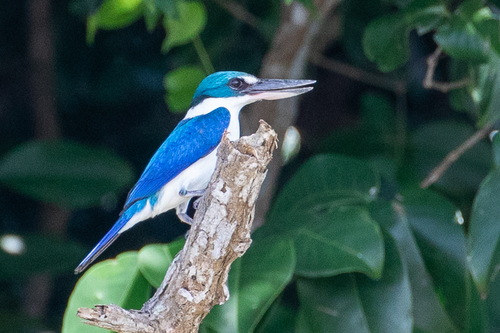
- Collared kingfisher: Yuan Zhuang, CC BY-SA 4.0
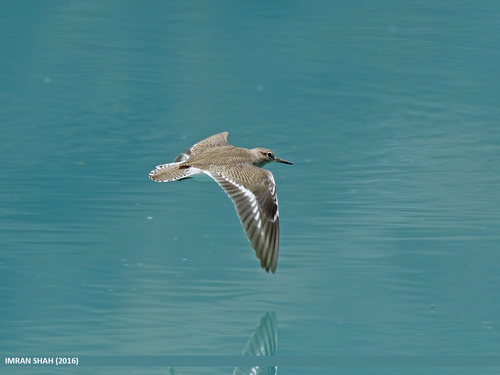
- Common sandpiper: Imran Shah, CC BY-SA 4.0
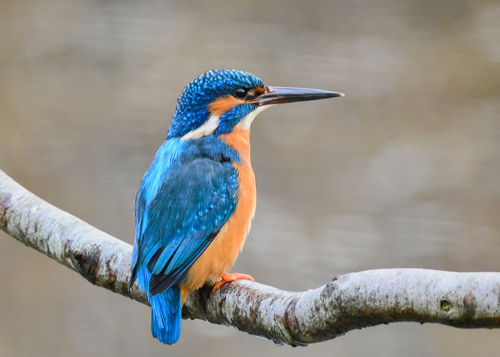
- Common kingfisher: Frank Sengpiel, CC BY 4.0
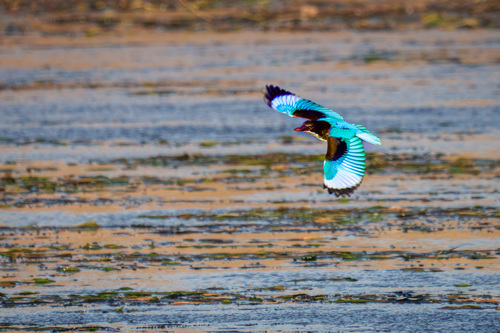
- White-throated kingfisher: Шальнов Кирилл, CC BY 4.0
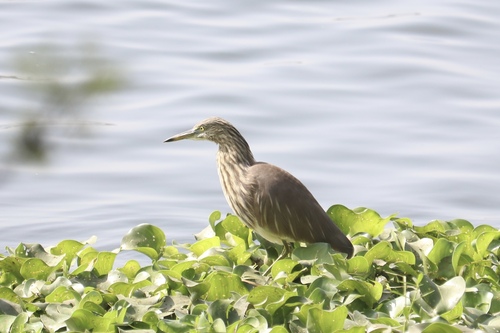
- Indian pond heron: sam-rajnikant, CC BY 4.0
- Black-capped kingfisher: Kim, Hyun-tae, CC BY 4.0
- Whimbrel: Pierre Dalous, CC BY-SA 4.0
- Great egret: Shiva Shenoy, CC BY 4.0
- Common water monitor: Sockrosma, CC BY 4.0
- Bamboo pitviper: Ashwin Viswanathan, CC BY 4.0
- Eastern garden lizard: Devika M B, CC BY 4.0
- Asiatic water snake: Sunny Joseph, CC BY 4.0
- Oriental ratsnake: Arun Kumar Thyadi, CC BY-SA 4.0
- Hamadryad: Max Tibby, CC0
- Blue-spotted mudskipper: Ian Dugdale, CC BY 4.0
- Pearse's mudskipper: Michael K. Oliver, Ph.D., CC BY-SA 4.0
- Gold-spotted mudskipper: Mok Zhuang Yu, CC BY 4.0
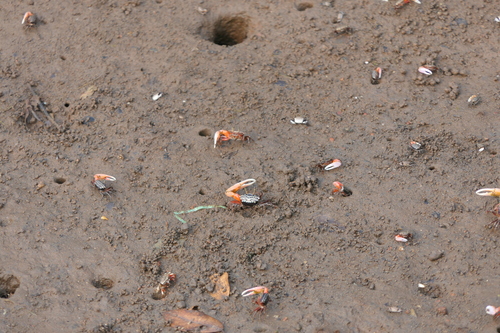
- Rose fiddler crab: no rights reserved, uploaded by Simon Tonge, CC0
- Motley fiddler crab: Chandu Bandi, CC BY 4.0
- Violet tree-climbing crab: Utain Pummarin, CC BY 4.0
- Pink-clawed fiddler crab: Dinesh Valke, CC BY-SA 4.0
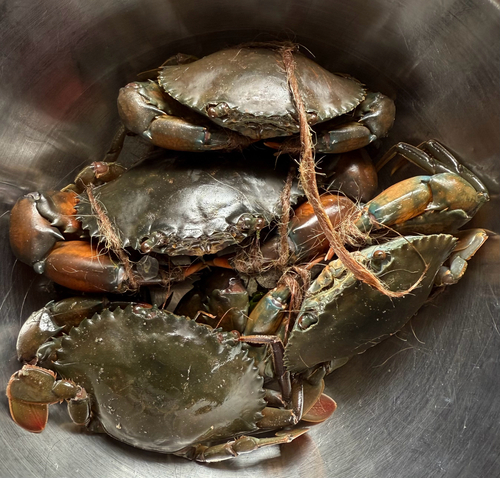
- Orange mud crab: Aparna Shyam, CC BY 4.0
- Alcock's fiddler crab: Tejas M, CC BY 4.0
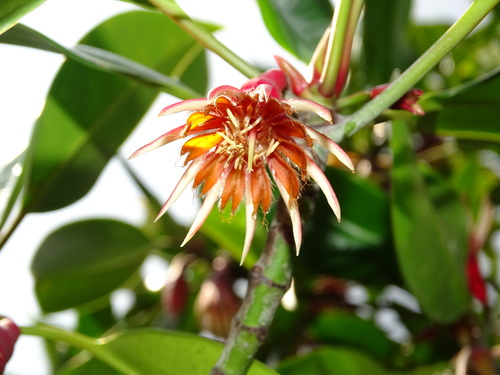
- Oriental mangrove: no rights reserved, uploaded by 葉子, CC0
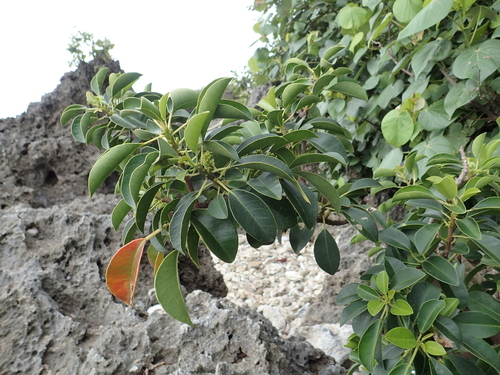
- Blind-your-eye: no rights reserved, uploaded by 葉子, CC0
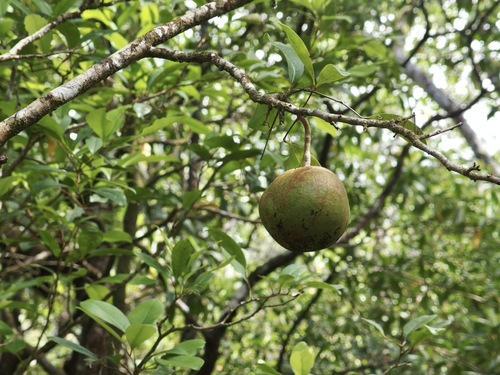
- Apple mangrove: Sue Carnahan, CC BY 4.0
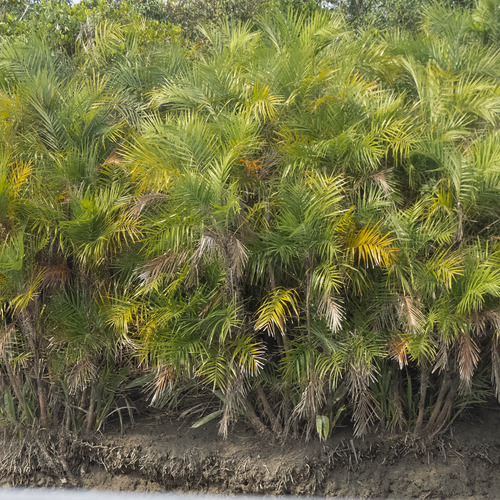
- Mangrove date palm: Paulmathi Vinod, CC BY 4.0
- Raintree: no rights reserved, uploaded by 葉子, CC0
- Frogfruit: Brian Finzel, CC BY-SA 4.0

Species lists come from records people have shared in a few sample areas, not a full inventory of the Sundarbans, and well-watched groups such as birds are recorded far more than insects or fungi. The food web shows only links that studies have recorded between the species on this page.
Checked 2026-11-22.