Sian Ka'an
The east coast of the Yucatán peninsula, Mexico
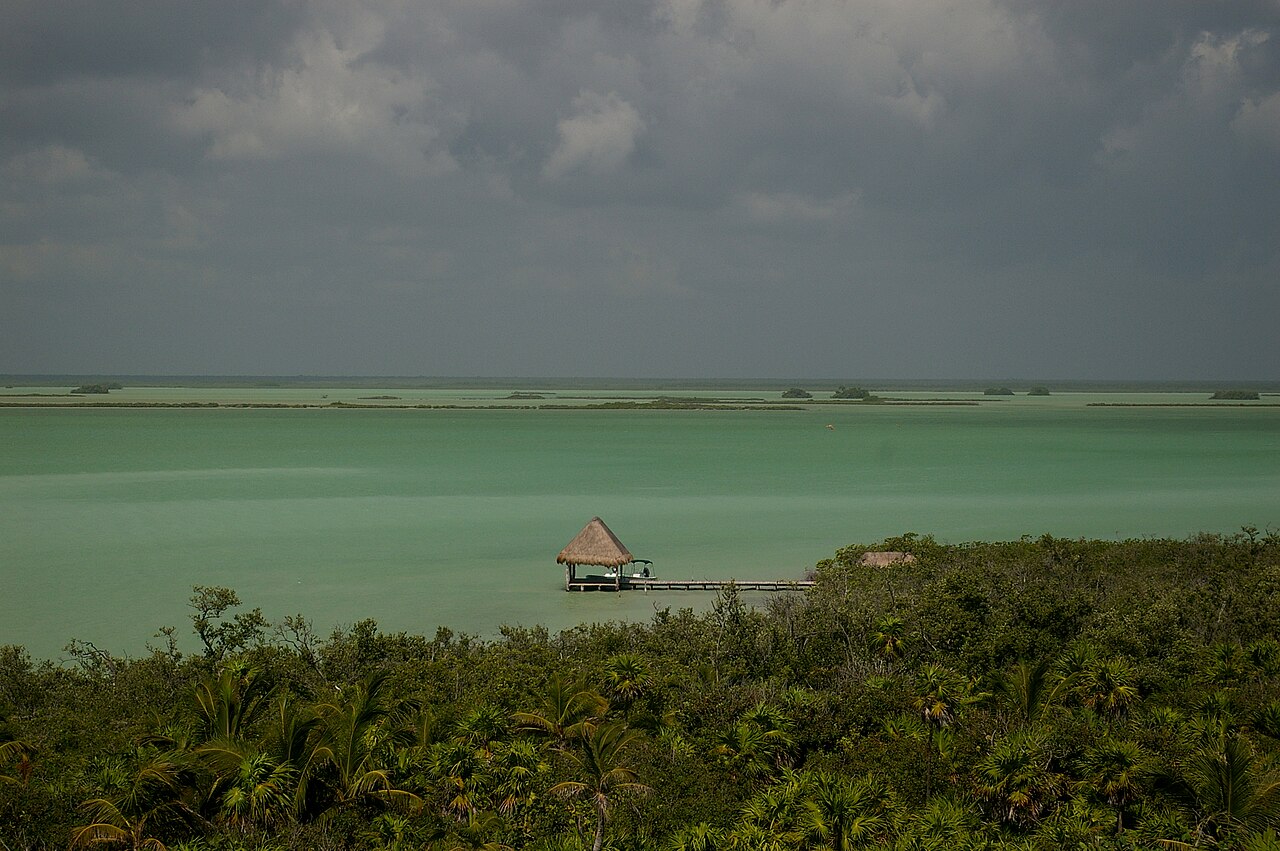
Sian Ka'an, 'origin of the sky' in the language of the Maya, is one of Mexico's largest protected areas: 528,148 hectares of tropical forest, palm savannah, wetlands, lagoons and mangroves, and 120,000 hectares of sea with part of the Mesoamerican Barrier Reef and seagrass beds.
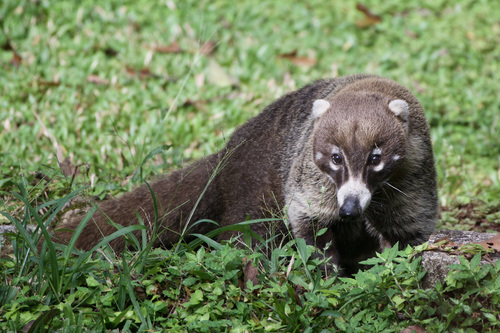
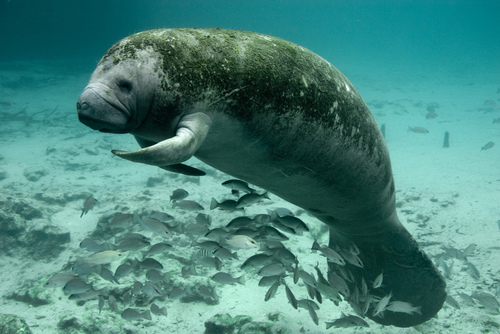
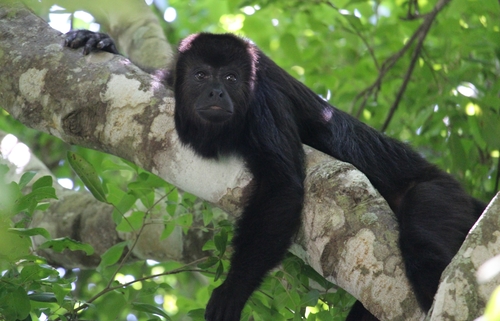
More than 100 mammals live here, among them the jaguar, puma, ocelot and Central American tapir, together with some 330 bird species, the West Indian manatee, four nesting sea turtles and more than 400 species of fish. Some cenotes, isolated sinkholes, hold species found in that single sinkhole and nowhere else.
People have shared 307,894 records of animals and plants from the forests, lagoons and coast of Sian Ka'an with GBIF in ten years. This page shows the 33 species recorded most often there, and 16 links between them that studies have recorded: who eats whom.
- Kind
- Ecosystem
- Where
- The east coast of the Yucatán peninsula, Mexico
- Species shown
- 33, the most recorded
- Food web
- 16 recorded links between them
- Records
- 307,894 in 2016–2025
- Sample areas
- the forests, lagoons and coast of Sian Ka'an
Who eats whom in Sian Ka'an
Food flows upwards: plants and small animals at the bottom, hunters at the top. Tap a species to see its links, then take it out of the web to see who would lose food.
Tap a species.
All 16 recorded links
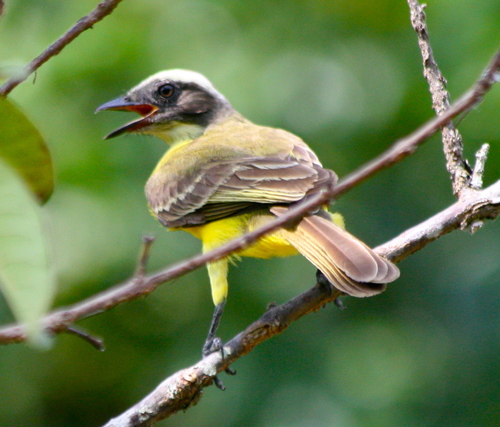
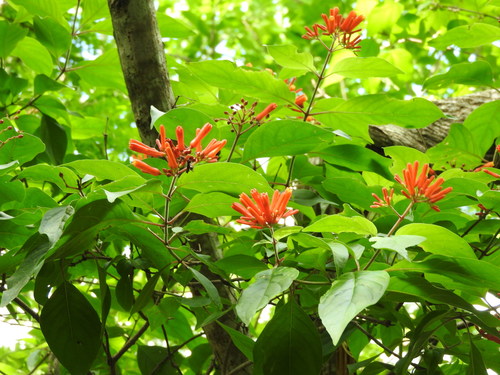
- Social flycatcher eats Scarletbush
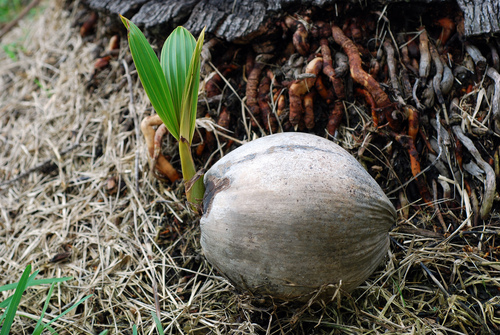
- Yucatan jay eats Coconut palm
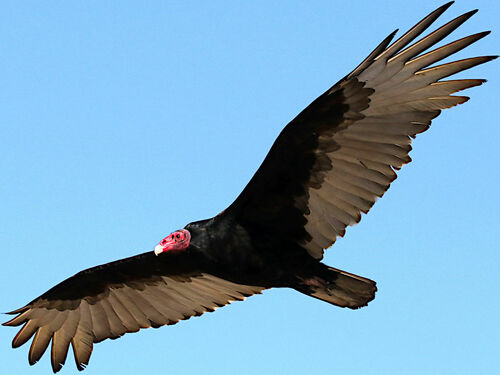
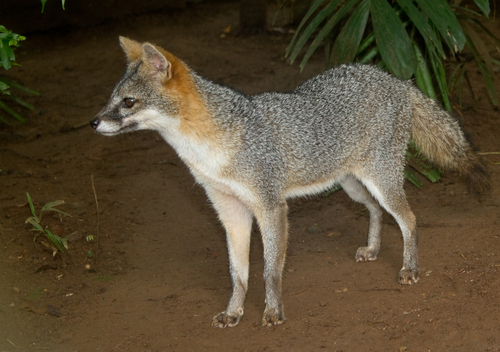
- Turkey vulture eats Gray fox
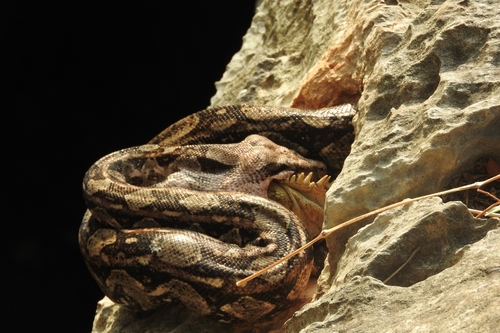
- Turkey vulture eats Central American boa
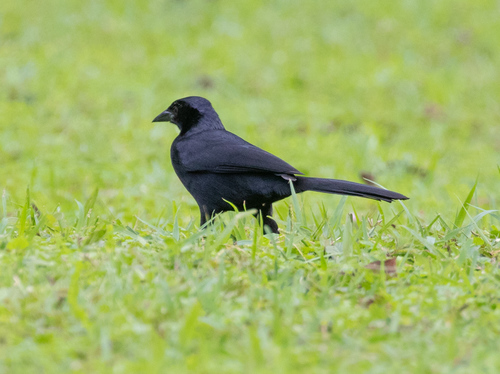
- Turkey vulture eats Great-tailed grackle
- Turkey vulture eats West Indian manatee
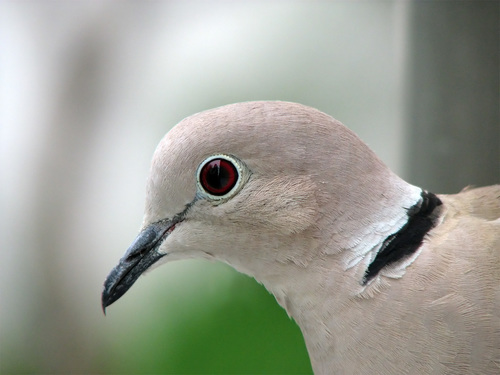
- Turkey vulture eats Eurasian collared dove
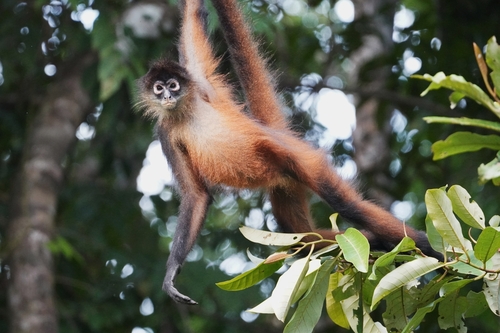
- Central American spider monkey eats Florida thatch palm
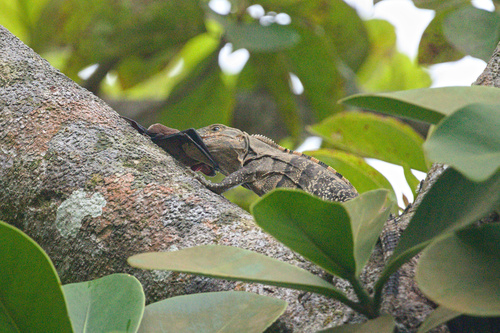
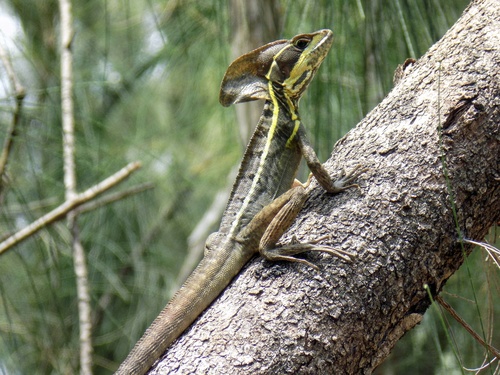
- Black spiny-tailed iguana eats Brown basilisk
- Black spiny-tailed iguana eats Eurasian collared dove
- Central American boa eats Gray fox
- Central American boa eats Black spiny-tailed iguana
- Central American boa eats Great-tailed grackle
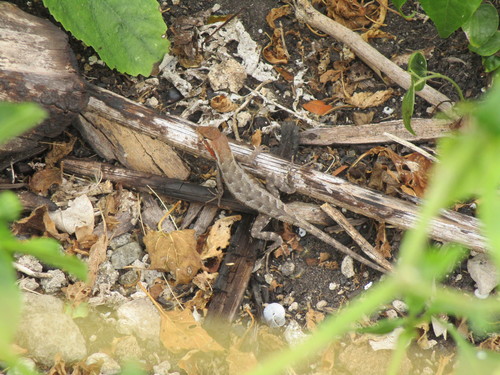
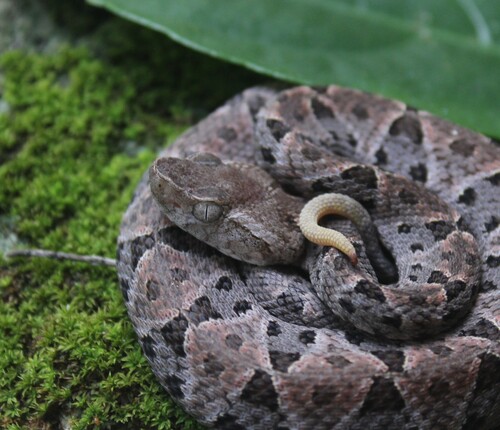
- Terciopelo eats Yellow-spotted spiny lizard
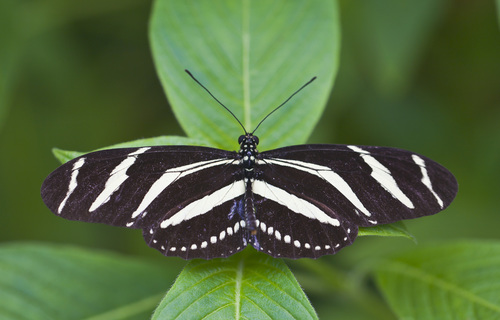
- Zebra heliconian eats Scarletbush
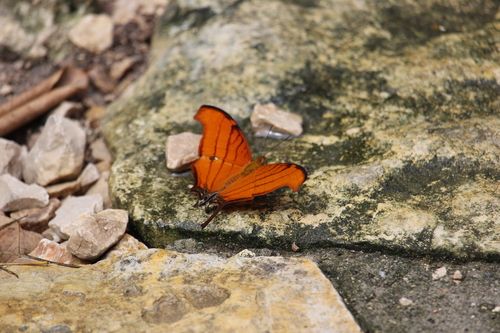
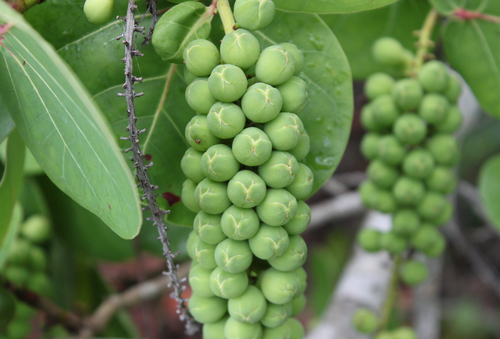
- Ruddy daggerwing eats Seagrape
Links that studies have recorded between the species on this page (GloBI). Real food webs hold far more species and links, and animals switch food when one runs short.
Who lives in Sian Ka'an
The species people record most often in the forests, lagoons and coast of Sian Ka'an, 2016–2025.
Birds

Mammals

Reptiles
Insects

Plants



What threatens Sian Ka'an, and what helps
Tourism near Tulum and Cancún, fishing that has reduced species such as the spiny lobster, fires set to clear land and invasive species all press on the reserve, UNESCO notes.
Sian Ka'an became a nature reserve in 1982 and a biosphere reserve in 1986, and is managed by Mexico's protected areas agency with local communities, scientists and NGOs through an advisory council.
Explore and share
Questions people ask
What animals live in Sian Ka'an?
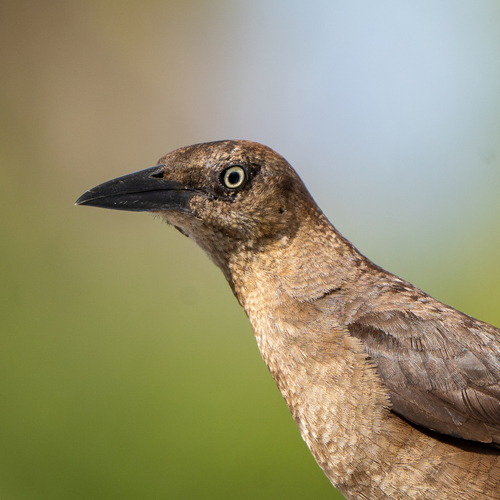
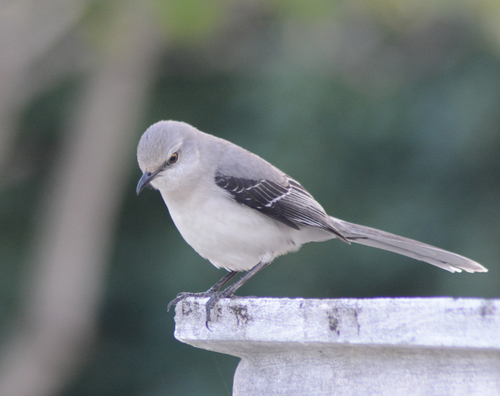
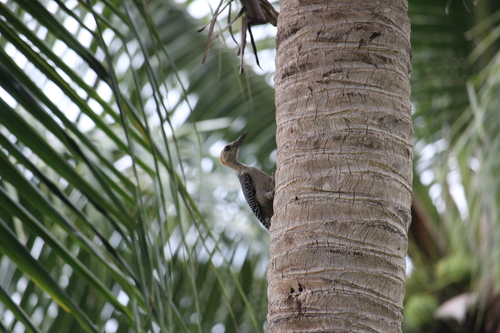
Among the animals people record most often in Sian Ka'an: great-tailed grackle, tropical mockingbird, golden-fronted woodpecker, social flycatcher, melodious blackbird, yucatan jay, turkey vulture and eurasian collared dove. Based on GBIF records from the forests, lagoons and coast of Sian Ka'an, 2016–2025.
What is the food chain in Sian Ka'an?
Some of the feeding links studies have recorded among its species: the turkey vulture eats the gray fox, the black spiny-tailed iguana eats the eurasian collared dove, the central american boa eats the black spiny-tailed iguana and the zebra heliconian eats the scarletbush. Source: GloBI.
What threatens Sian Ka'an?
Tourism near Tulum and Cancún, fishing that has reduced species such as the spiny lobster, fires set to clear land and invasive species all press on the reserve, UNESCO notes.
How can Sian Ka'an be protected?
Sian Ka'an became a nature reserve in 1982 and a biosphere reserve in 1986, and is managed by Mexico's protected areas agency with local communities, scientists and NGOs through an advisory council.
Sources and photo credits
- GBIF · human observations in the forests, lagoons and coast of Sian Ka'an, 2016–2025
- GloBI · recorded feeding links between species
- UNESCO World Heritage Centre · Sian Ka'an
- A lagoon and coastal forest in the Sian Ka'an Biosphere Reserve, Quintana Roo, Mexico: Tim, CC BY-SA 2.0
- Great-tailed grackle: Anthony Batista, CC BY 4.0
- Tropical mockingbird: Gonzalo Zepeda Martínez, CC BY-SA 4.0
- Golden-fronted woodpecker: Ricard Busquets Reverte, CC BY 4.0
- Social flycatcher: no rights reserved, CC0
- Melodious blackbird: avocat, CC BY 4.0
- Yucatan jay: Tony Hisgett, CC BY 4.0
- Turkey vulture: Peterwchen, CC BY-SA 4.0
- Eurasian collared dove: Iruka, CC BY-SA 4.0
- Bottlenose dolphin: Laurent Bouveret, CC BY-SA 4.0
- White-nosed coati: no rights reserved, uploaded by Dario Taraborelli, CC0
- West Indian manatee: U.S. Fish and Wildlife Service Headquarters, CC BY 4.0
- Guatemalan black howler: Ricard Busquets Reverte, CC BY 4.0
- Central American spider monkey: no rights reserved, uploaded by relet, CC0
- Gray fox: Brian Gratwicke, CC BY 4.0
- Black spiny-tailed iguana: Attila Oláh, CC BY 4.0
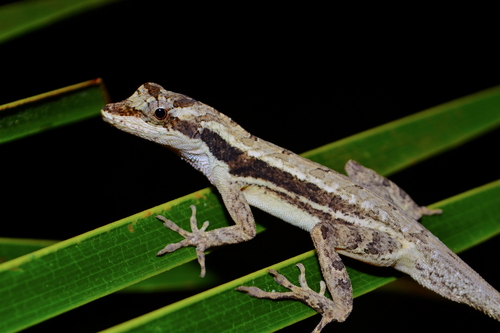
- Ghost anole: Daniel Pineda Vera, CC BY 4.0
- Central American boa: Sebastián de Jesús Herrera Buenfil, CC BY 4.0
- Yellow-spotted spiny lizard: Jorge Armín Escalante-Pasos, CC BY 4.0
- Brown basilisk: Nick Tobler (Cowturtle), CC BY 4.0
- Terciopelo: Ricard Busquets Reverte, CC BY 4.0
- Blue monarch: Jean-Paul Boerekamps, CC0
- Giant red-winged grasshopper: Christine Loew, CC BY 4.0
- Zebra heliconian: Diego Delso, CC BY-SA 4.0
- Ruddy daggerwing: Ricard Busquets Reverte, CC BY 4.0
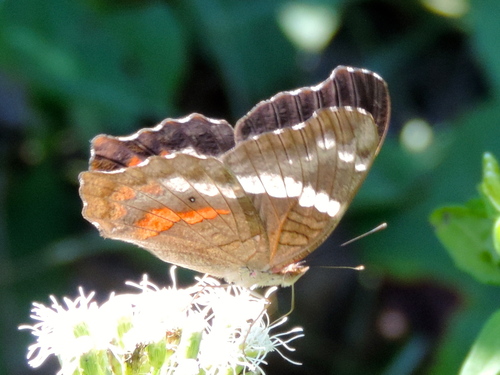
- Banded peacock: Francisco Farriols Sarabia, CC BY 4.0
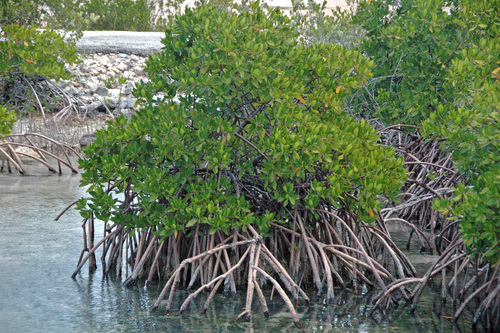
- Red mangrove: James St. John, CC BY 4.0
- Christina’s ant-loving orchid: Thibaud Aronson, CC BY-SA 4.0
- Coconut palm: Douglas Goldman, CC BY-SA 4.0
- Florida thatch palm: Drew Avery, CC BY 4.0
- Seagrape: Eridan Xharahi, CC BY 4.0
- Scarletbush: Francisco Farriols Sarabia, CC BY 4.0
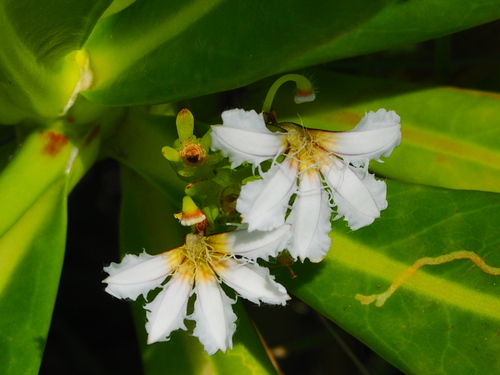
- Beach naupaka: no rights reserved, uploaded by 葉子, CC0
- Largeleaf geigertree: Jean Meunier, CC BY 4.0

Species lists come from records people have shared in a few sample areas, not a full inventory of Sian Ka'an, and well-watched groups such as birds are recorded far more than insects or fungi. The food web shows only links that studies have recorded between the species on this page.
Checked 2026-11-22.