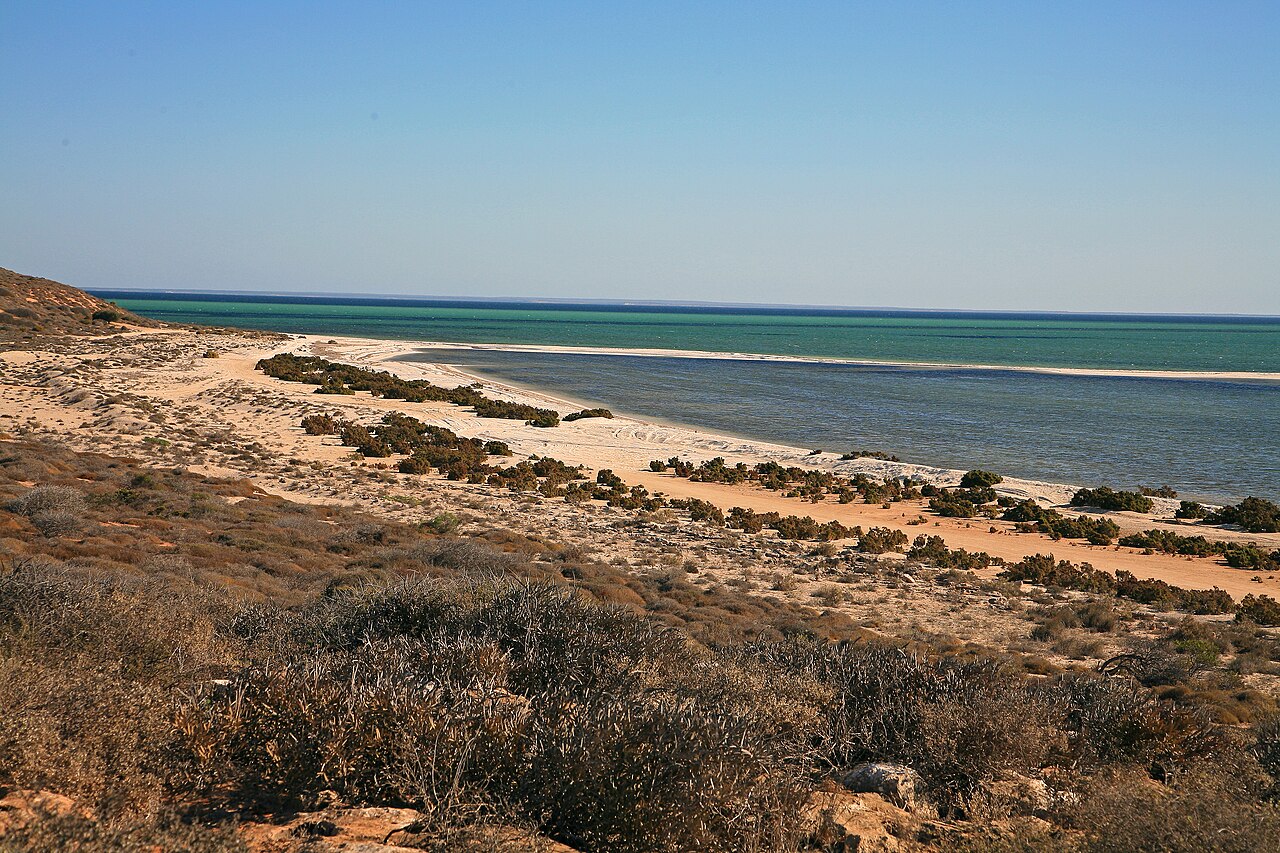
Shark Bay
The most westerly point of Australia, on the Indian Ocean coast of Western Australia
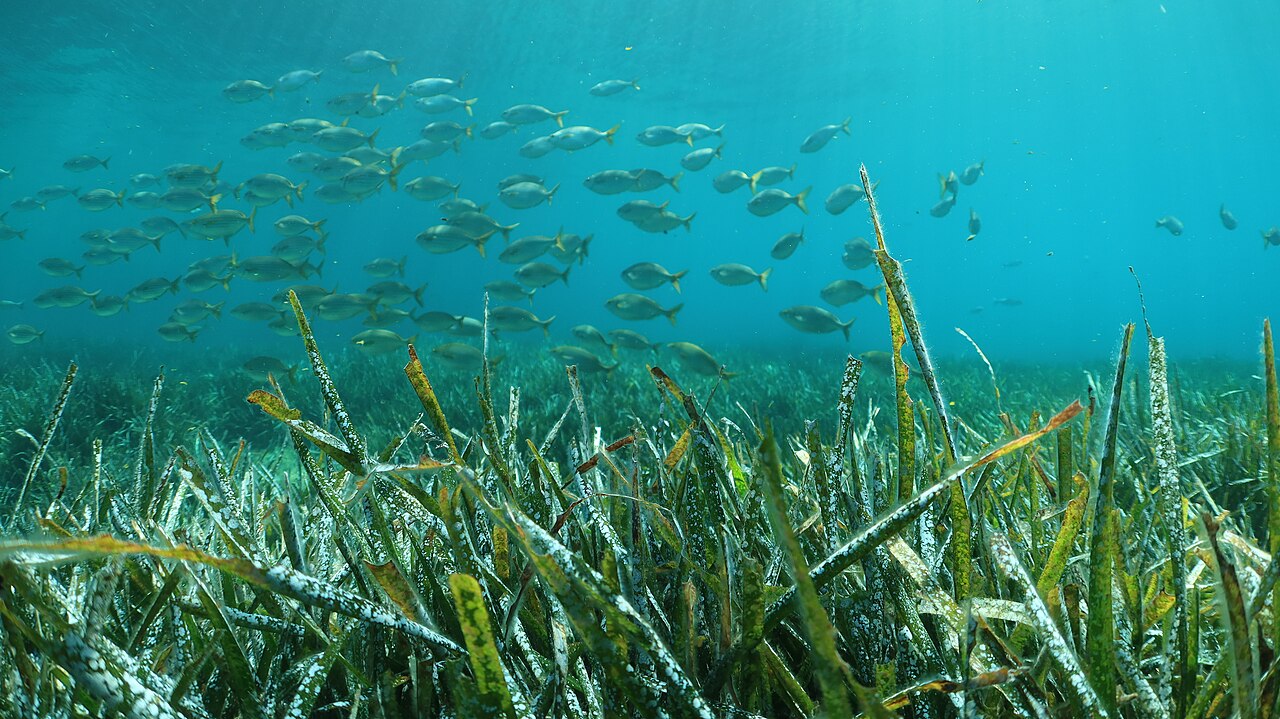
Shark Bay, at the most westerly point of Australia, covers some 2.2 million hectares, about 70% of it sea. It holds one of the largest and most diverse seagrass beds in the world, and around 11,000 dugongs, which makes it one of the most secure strongholds for the species anywhere. Humpback and southern right whales stop here on migration, and a famous population of bottlenose dolphins lives in the bay.
People have shared 81,961 records of animals and plants from Peron Peninsula and Monkey Mia and Hamelin Pool and the eastern bay with GBIF in ten years. This page shows the 29 species recorded most often there, and 2 links between them that studies have recorded: who eats whom.
- Kind
- Ecosystem
- Where
- The most westerly point of Australia, on the Indian Ocean coast of Western Australia
- Species shown
- 29, the most recorded
- Food web
- 2 recorded links between them
- Records
- 81,961 in 2016–2025
- Sample areas
- Peron Peninsula and Monkey Mia, Hamelin Pool and the eastern bay
Who eats whom in Shark Bay
Food flows upwards: plants and small animals at the bottom, hunters at the top. Tap a species to see its links, then take it out of the web to see who would lose food.
Tap a species.
All 2 recorded links
- Dugong eats Gray mangrove
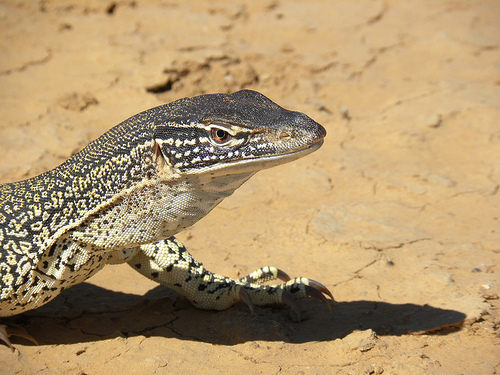
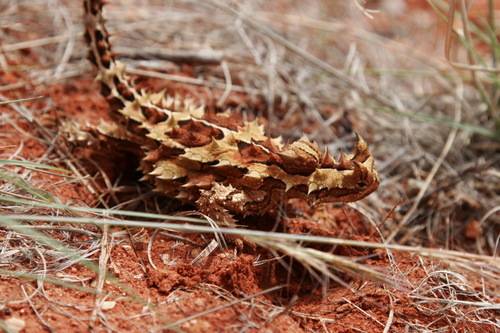
- Gould's goanna eats Thorny devil
Links that studies have recorded between the species on this page (GloBI). Real food webs hold far more species and links, and animals switch food when one runs short.
Who lives in Shark Bay
The species people record most often in Peron Peninsula and Monkey Mia, Hamelin Pool and the eastern bay, 2016–2025.
Mammals


Birds

Reptiles
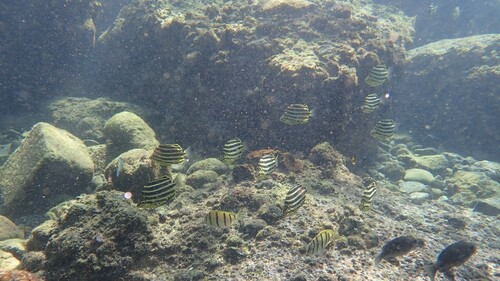
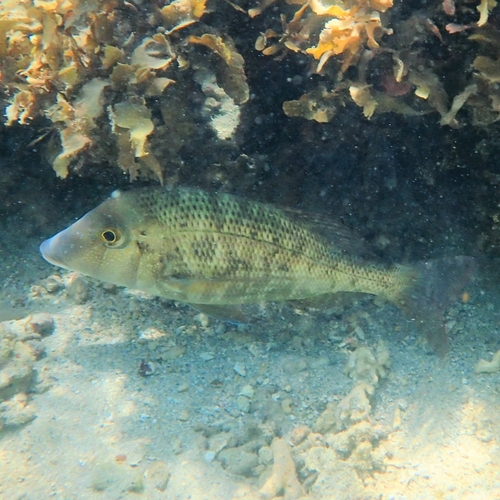
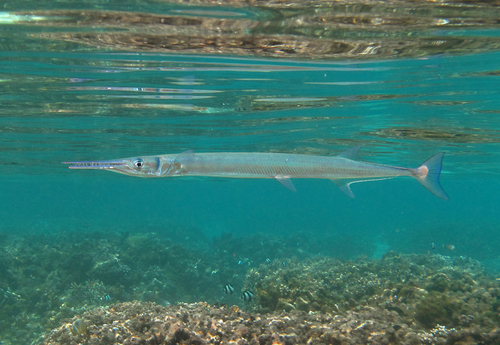
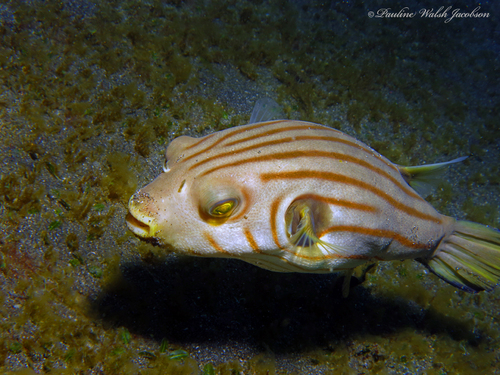
Fish

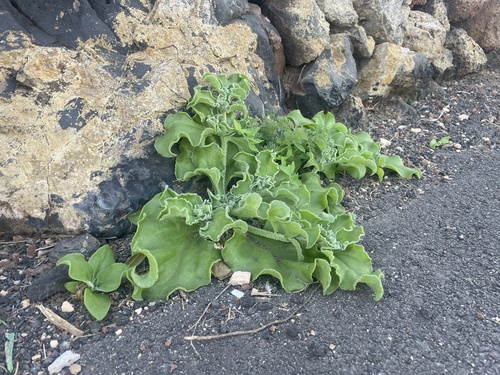
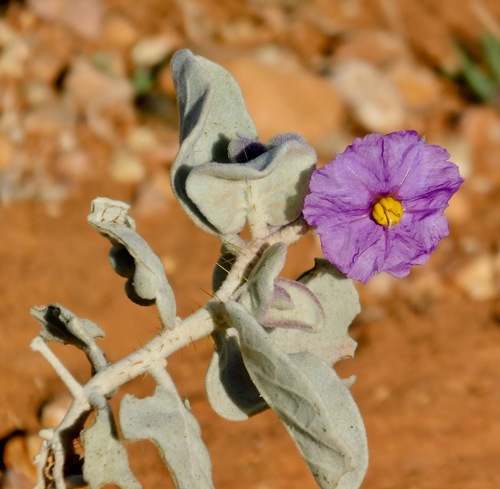
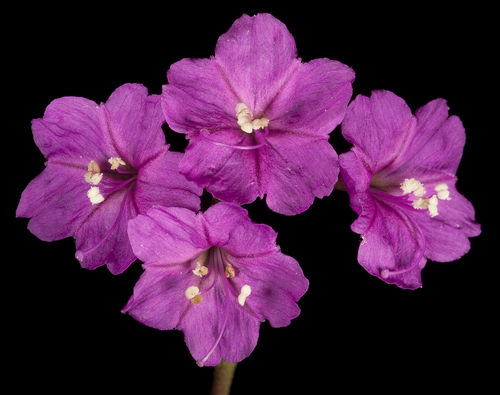
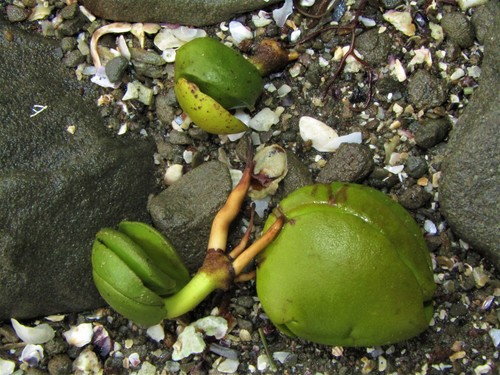
Plants

What threatens Shark Bay, and what helps
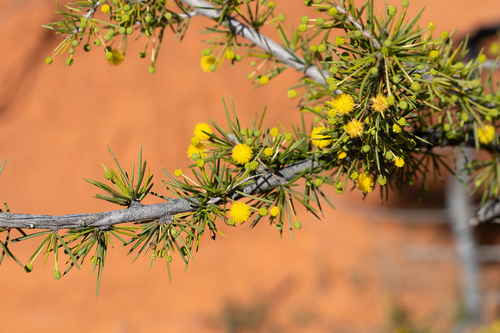
UNESCO warns that climate change could affect the bay's complex marine ecosystem, which rests on its seagrass meadows.
Under an agreement between the Australian Government and the State of Western Australia, the state government manages the bay in line with Australia's duties under the World Heritage Convention.
Explore and share
Explore next
What puts Shark Bay under pressure, what helps, and who works on it.
Questions people ask
What animals live in Shark Bay?
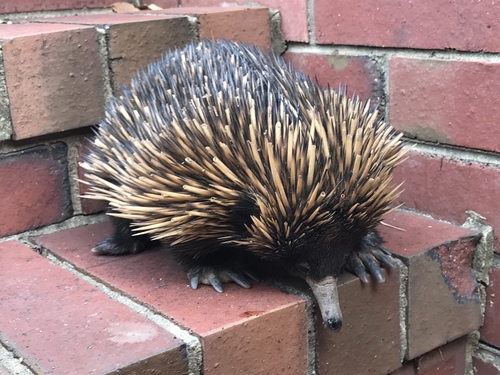
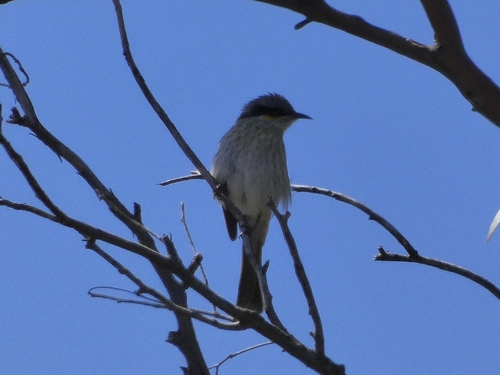
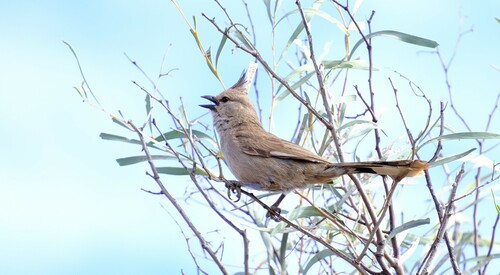
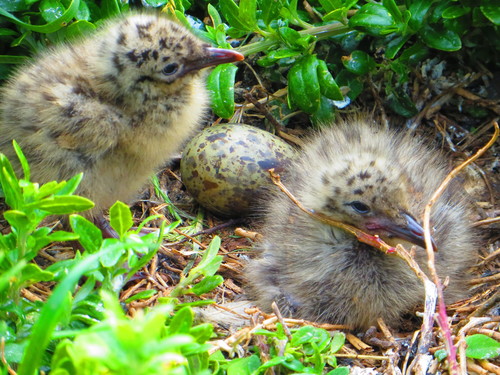
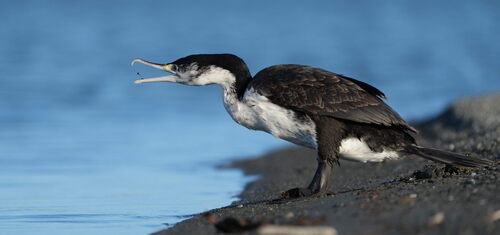
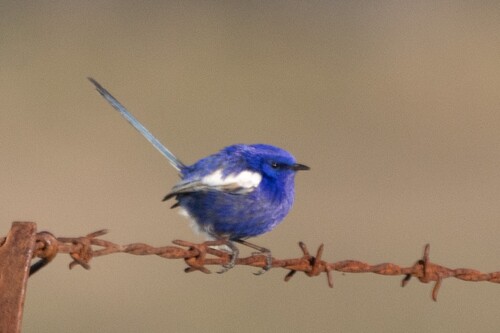
Among the animals people record most often in Shark Bay: dugong, indo-pacific bottlenose dolphin, short-beaked echidna, singing honeyeater, chiming wedgebill, silver gull, australian pied cormorant and white-winged fairywren. Based on GBIF records from Peron Peninsula and Monkey Mia and Hamelin Pool and the eastern bay, 2016–2025.
What is the food chain in Shark Bay?
Some of the feeding links studies have recorded among its species: the dugong eats the gray mangrove and the gould's goanna eats the thorny devil. Source: GloBI.
What threatens Shark Bay?
UNESCO warns that climate change could affect the bay's complex marine ecosystem, which rests on its seagrass meadows.
How can Shark Bay be protected?
Under an agreement between the Australian Government and the State of Western Australia, the state government manages the bay in line with Australia's duties under the World Heritage Convention.
Sources and photo credits
- GBIF · human observations in Peron Peninsula and Monkey Mia, Hamelin Pool and the eastern bay, 2016–2025
- GloBI · recorded feeding links between species
- UNESCO World Heritage Centre · Shark Bay, Western Australia
- Red dunes, scrub and turquoise water on the coast of Shark Bay, Western Australia: W. Bulach, CC BY-SA 4.0
- Dugong: Lord Mountbatten, CC BY-SA 4.0
- Indo-Pacific bottlenose dolphin: טל שמע, CC BY-SA 4.0
- Short-beaked echidna: neotrigonia, CC0
- Singing honeyeater: jaimshae, CC BY 4.0
- Chiming wedgebill: Peter Crowcroft, CC BY 4.0
- Silver gull: DiverDave, CC BY-SA 4.0
- Australian pied cormorant: William Harland, CC BY 4.0
- White-winged fairywren: Jodhan Fine, CC0
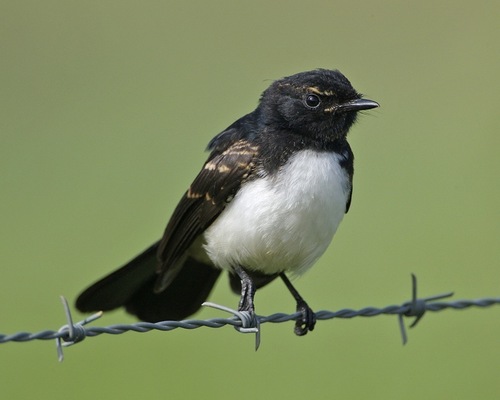
- Willie wagtail: Lip Kee, CC BY-SA 4.0
- Crested pigeon: JJ Harrison, CC BY-SA 4.0
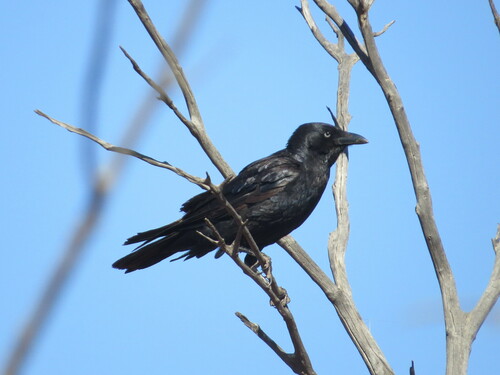
- Little crow: ian_mcallan, CC BY 4.0
- Gould's goanna: Alan Couch, CC BY 4.0
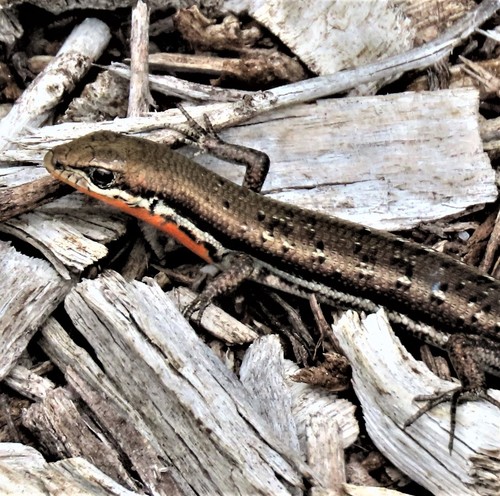
- West coast morethia skink: pimelea, CC BY 4.0
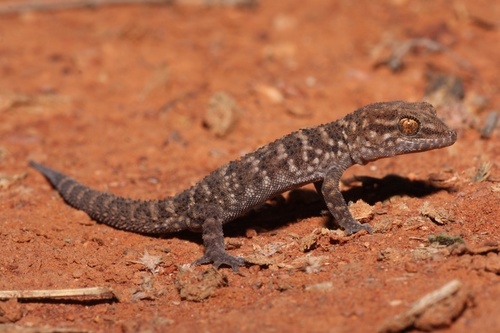
- Bynoe's gecko: dhfischer, CC BY 4.0
- Thorny devil: Steve Shattuck, CC BY 4.0
- West-coast laterite ctenotus: Grady Duffy, CC BY 4.0
- Shadow goby: 葉子, CC0
- Green-striped coral bream: Belinda Forbes, CC BY 4.0
- Stripey: Nicola Crockford, CC BY 4.0
- Grass emperor: Luke Lythgoe, CC BY 4.0
- Golden trevally: Rickard Zerpe, CC BY 4.0
- Houndfish: Philippe Bourjon, CC BY-SA 4.0
- Striped puffer: Pauline Walsh Jacobson, CC BY 4.0
- Common iceplant: Riccardo Rocca, CC BY 4.0
- Flannelbush: desertnaturalist, CC BY 4.0
- Pink gum-fruit: Kevin Thiele, CC BY 4.0
- Prince-of-Wales-feather: T. Hammer, CC BY 4.0
- Gray mangrove: Saryu Mae 前 朝琉, CC BY 4.0
- Dead finish: Kym Nicolson, CC BY 4.0

Species lists come from records people have shared in a few sample areas, not a full inventory of Shark Bay, and well-watched groups such as birds are recorded far more than insects or fungi. The food web shows only links that studies have recorded between the species on this page.
Checked 2026-11-22.