Savannas
Tropical grasslands with scattered trees, mainly in Africa, South America and Australia
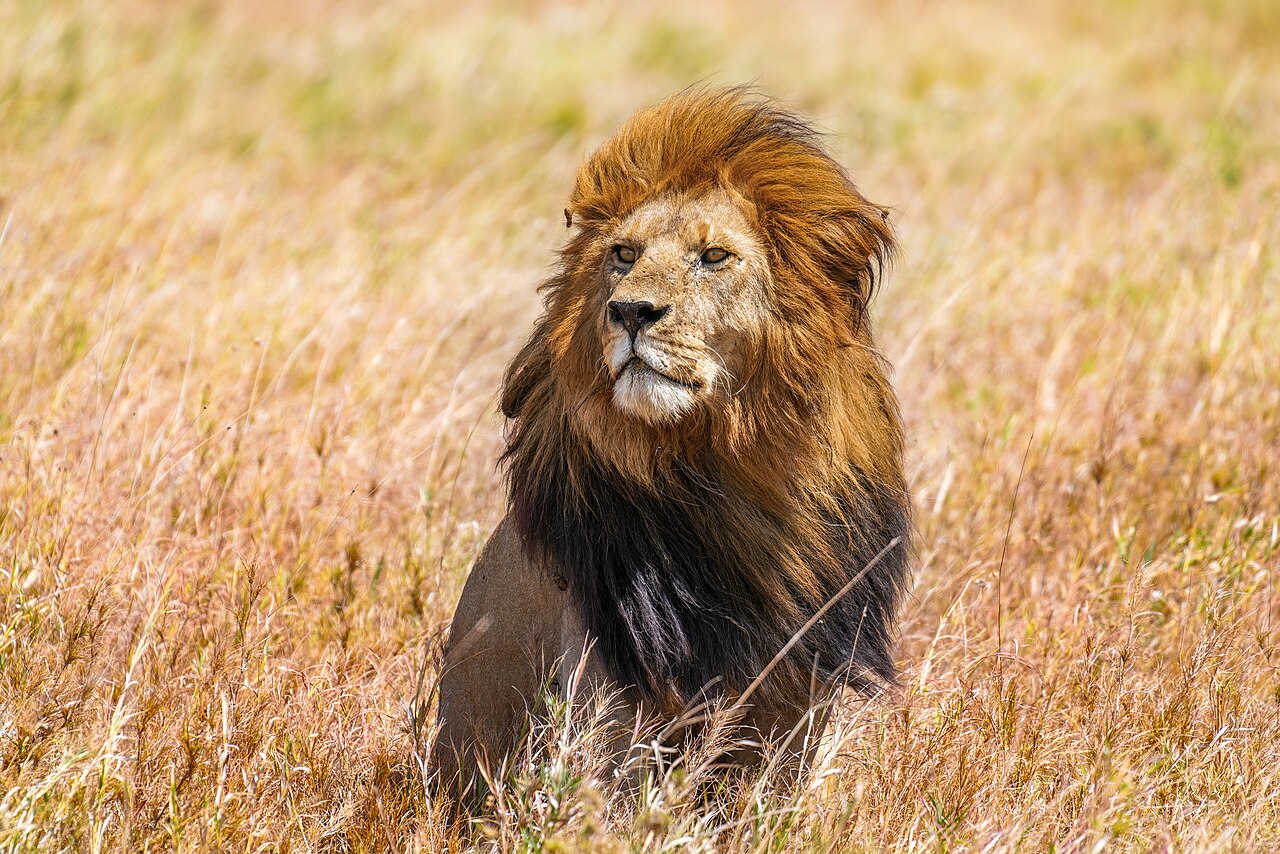
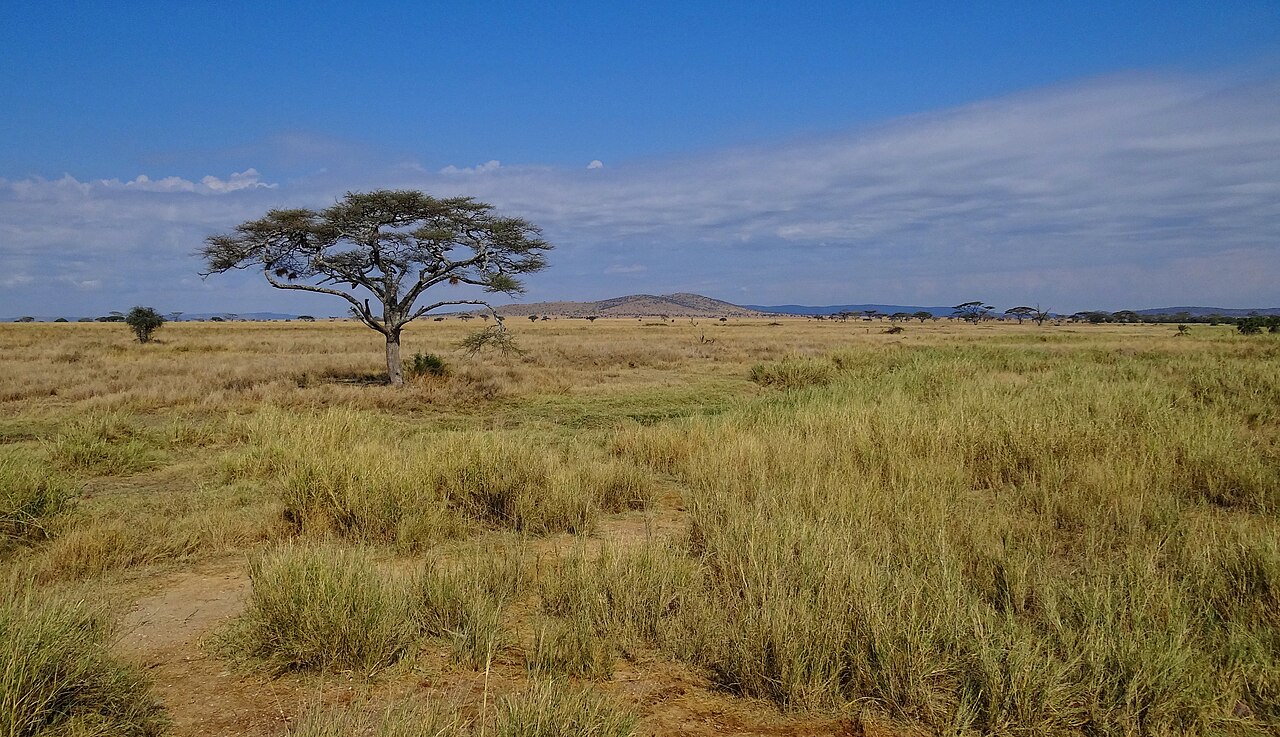
Savannas are grasslands with scattered trees, shaped by a long dry season, fire and grazing animals. The African savanna holds the greatest gatherings of large mammals left on Earth, from wildebeest herds to the lions and hyenas that hunt them.
People have shared 2,864,863 records of animals and plants from the Serengeti, Tanzania and Kruger National Park, South Africa with GBIF in ten years. This page shows the 26 species recorded most often there, and 20 links between them that studies have recorded: who eats whom.
- Kind
- Habitat
- Where
- Tropical grasslands with scattered trees, mainly in Africa, South America and Australia
- Species shown
- 26, the most recorded
- Food web
- 20 recorded links between them
- Records
- 2,864,863 in 2016–2025
- Sample areas
- the Serengeti, Tanzania, Kruger National Park, South Africa
Who eats whom in the savanna
Food flows upwards: plants and small animals at the bottom, hunters at the top. Tap a species to see its links, then take it out of the web to see who would lose food.
Tap a species.
All 20 recorded links
- African elephant eats Baobab
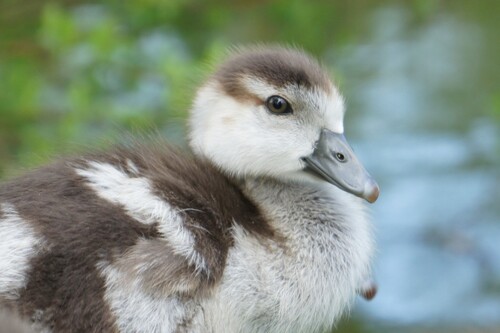
- Lion eats Egyptian goose
- Lion eats Plains zebra
- Lion eats Common hippopotamus
- Lion eats Waterbuck
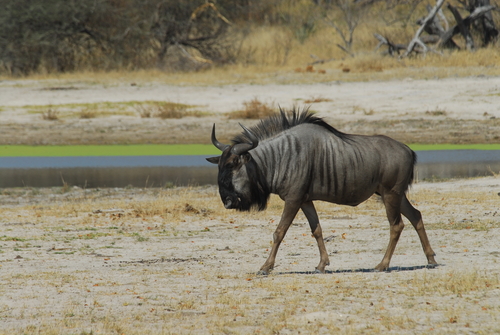
- Lion eats Blue wildebeest
- Lion eats Impala
- Lion eats African buffalo
- Lion eats African elephant
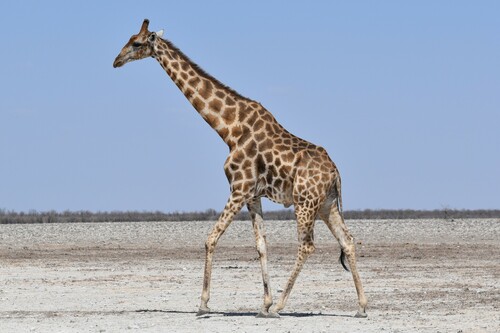
- Lion eats Southern giraffe
- Spotted hyena eats Common hippopotamus
- Spotted hyena eats Blue wildebeest
- Spotted hyena eats Plains zebra
- Spotted hyena eats Impala
- Spotted hyena eats Southern giraffe
- Spotted hyena eats African buffalo
- Spotted hyena eats African elephant
- Spotted hyena eats Waterbuck
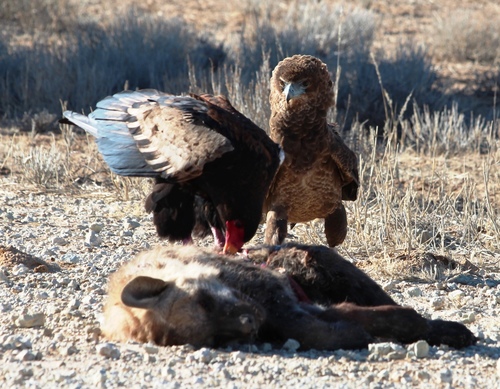
- Bateleur eats Spotted hyena
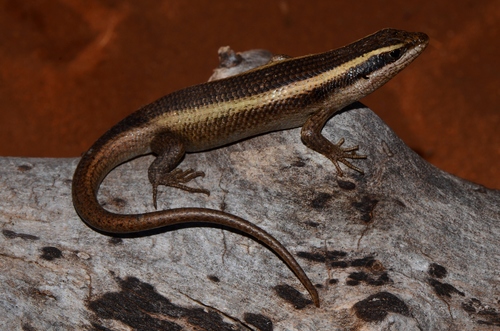
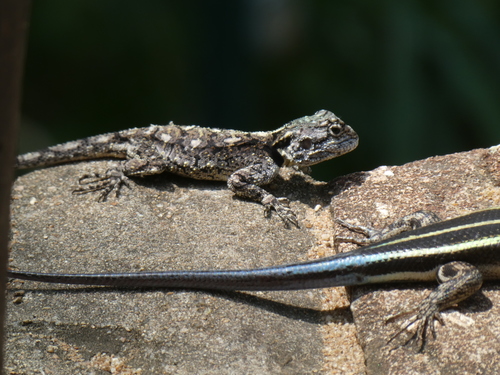
- African striped mabuya eats Southern tree agama
Links that studies have recorded between the species on this page (GloBI). Real food webs hold far more species and links, and animals switch food when one runs short.
Who lives in the savanna
The species people record most often in the Serengeti, Tanzania, Kruger National Park, South Africa, 2016–2025.
Mammals





Birds




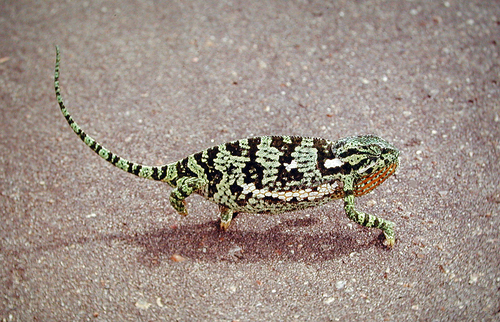
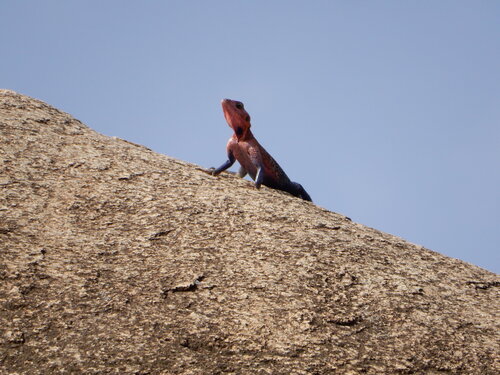
Reptiles
Plants


What threatens the savanna, and what helps
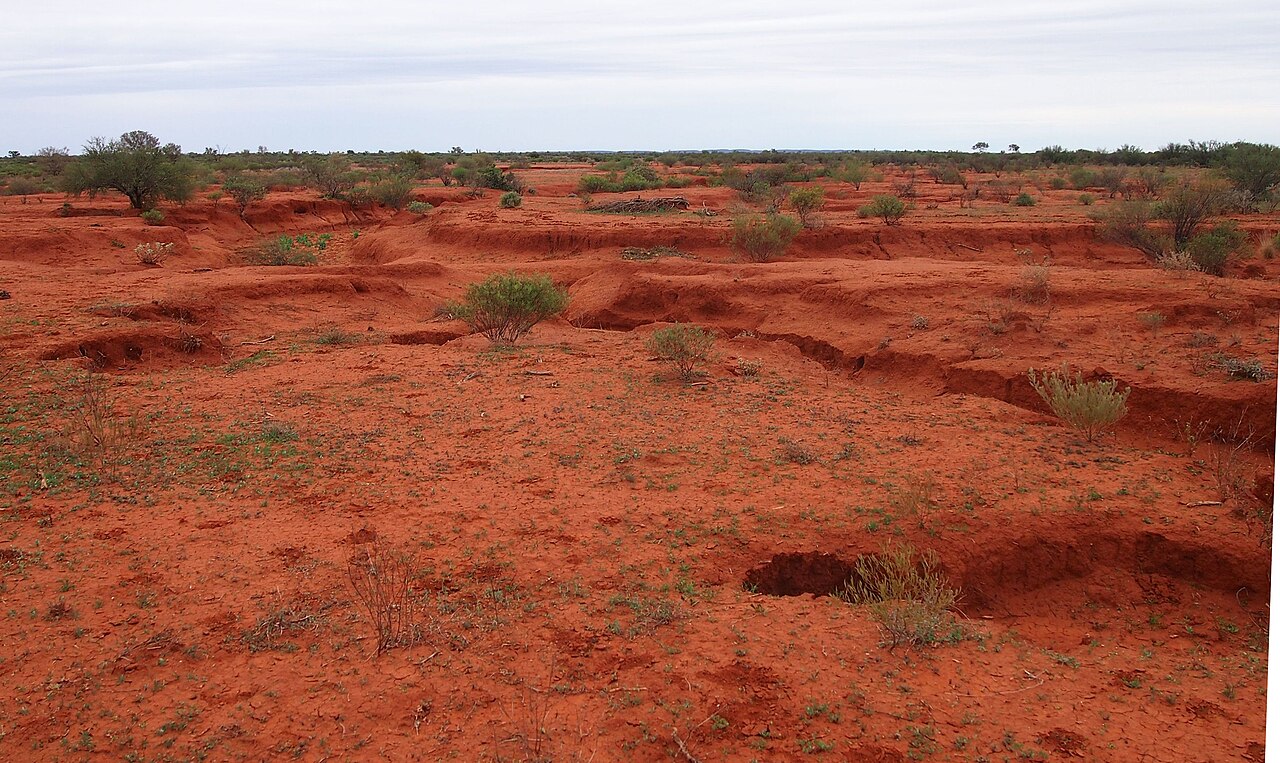
Farms and settlements are turning savanna into cropland, and fences and roads cut the routes that herds follow. Poaching and conflict with people threaten large animals.
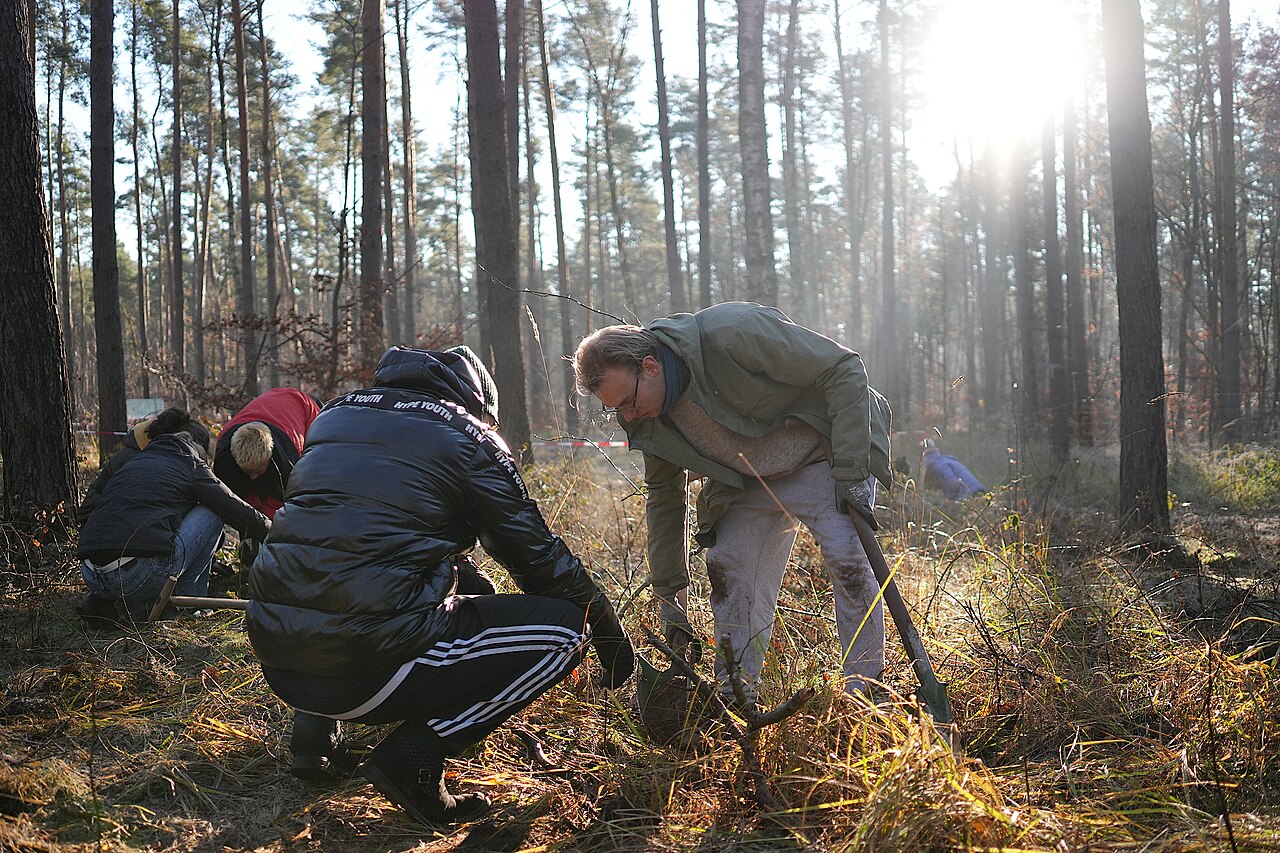
Large connected protected areas and wildlife corridors, and income from wildlife that reaches the people who live alongside it.
Explore and share
Explore next
What puts the savanna under pressure, what helps, and who works on it.

Questions people ask
What animals live in the savanna?
Among the animals people record most often in the savanna: african elephant, lion, plains zebra, impala, spotted hyena, african buffalo, blue wildebeest and common hippopotamus. Based on GBIF records from the Serengeti, Tanzania and Kruger National Park, South Africa, 2016–2025.
What is the food chain in the savanna?
Some of the feeding links studies have recorded among its species: the lion eats the common hippopotamus, the lion eats the waterbuck, the lion eats the plains zebra and the lion eats the impala. Source: GloBI.
What threatens the savanna?
Farms and settlements are turning savanna into cropland, and fences and roads cut the routes that herds follow. Poaching and conflict with people threaten large animals.
How can the savanna be protected?
Large connected protected areas and wildlife corridors, and income from wildlife that reaches the people who live alongside it.
Sources and photo credits
- GBIF · human observations in the Serengeti, Tanzania, Kruger National Park, South Africa, 2016–2025
- GloBI · recorded feeding links between species
- Serengeti National Park · Tanzania National Parks
- Savanna in the Serengeti, Tanzania: Giles Laurent, CC BY-SA 4.0
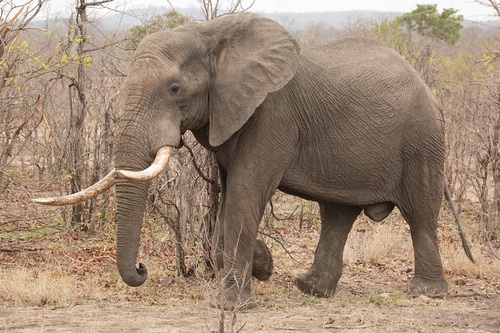
- African elephant: dhfischer, CC BY 4.0
- Lion: datadan, CC BY 4.0
- Plains zebra: Connor Long, CC BY-SA 4.0
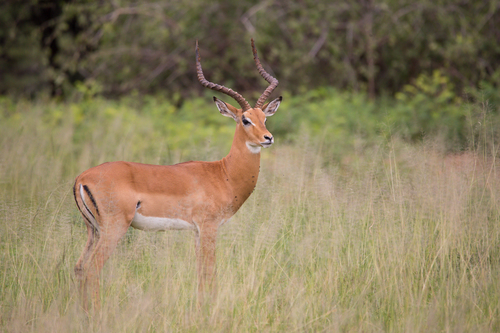
- Impala: Diogo Luiz, CC BY 4.0
- Spotted hyena: Liaka ac, CC BY-SA 4.0
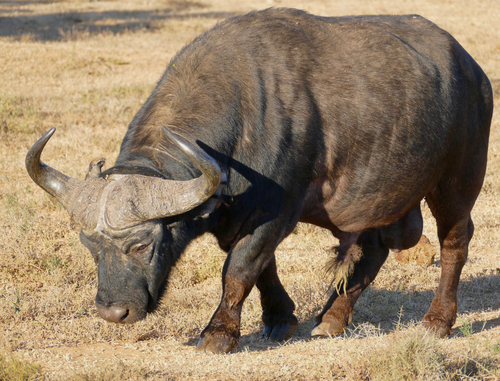
- African buffalo: Bernard DUPONT, CC BY-SA 4.0
- Blue wildebeest: Philipp, CC0
- Common hippopotamus: Tommy Andriollo, CC BY 4.0
- Southern giraffe: Tia Offner, CC BY 4.0
- Waterbuck: Rafael Tosi, CC BY 4.0
- Ring-necked dove: Peter Thomas, CC BY-SA 4.0
- Lilac-breasted roller: Justin Ponder, CC BY 4.0
- Egyptian goose: Alex Press, CC BY 4.0
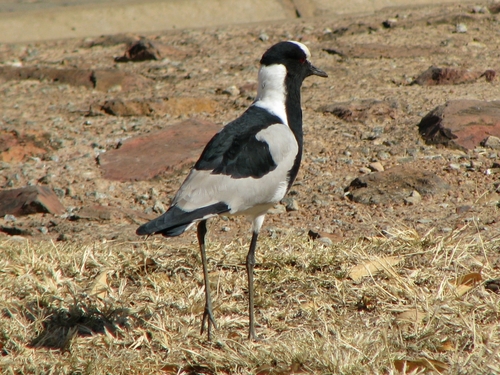
- Blacksmith lapwing: Stefan Wolmarans, CC BY 4.0
- Fork-tailed drongo: Charles J Sharp, CC BY-SA 4.0
- Bateleur: Tony Rebelo, CC BY-SA 4.0
- Southern yellow-billed hornbill: 116916927065934112165, CC BY 4.0
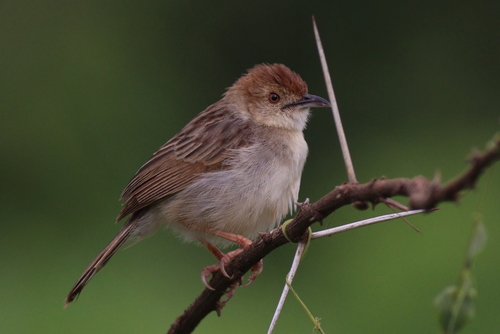
- Rattling cisticola: Jan Ebr & Ivana Ebrová, CC BY 4.0
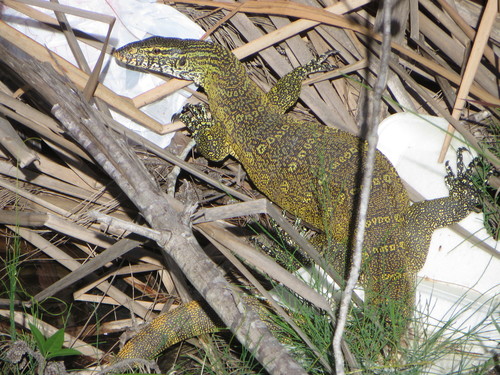
- Nile monitor: Ben Machado, CC BY 4.0
- African striped mabuya: no rights reserved, uploaded by Marius Burger, CC0
- Southern tree agama: datadan, CC BY 4.0
- Flapneck chameleon: Christoph Moning, CC BY 4.0
- Mwanza flat-headed agama: karliatje, CC BY 4.0
- Desert-rose: Morten Ross, CC BY 4.0
- Baobab: Karthik Thrikkadeeri, CC BY 4.0
- Sausage tree: Rod Waddington, CC BY-SA 4.0

Species lists come from records people have shared in a few sample areas, not a full inventory of the savanna, and well-watched groups such as birds are recorded far more than insects or fungi. The food web shows only links that studies have recorded between the species on this page.
Checked 2026-11-20.