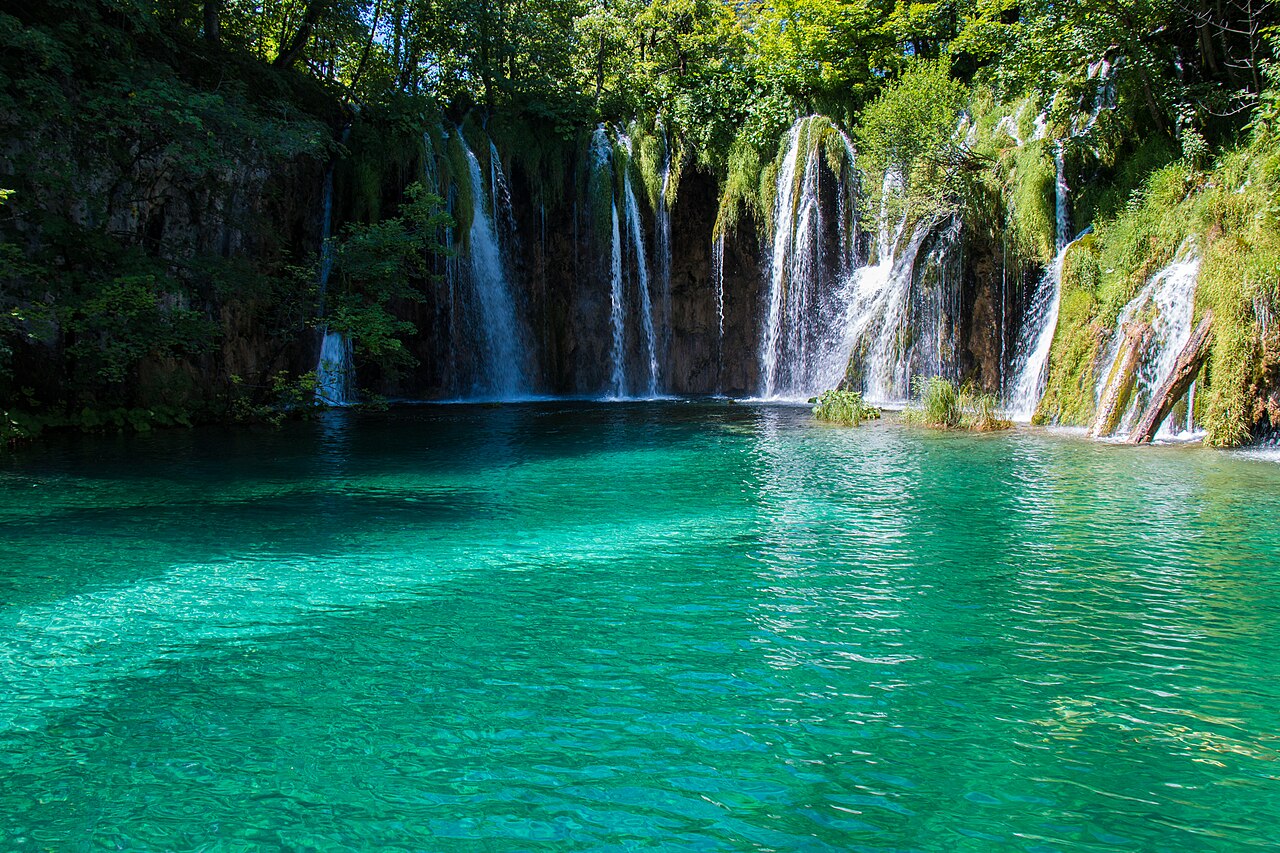
Plitvice Lakes National Park
The Dinaric mountains of central Croatia
Plitvice Lakes is Croatia's largest national park, covering almost 30,000 hectares in the Dinaric mountains. Its chain of lakes is held in place by natural dams of tufa. Water flowing over the karst rock is naturally supersaturated with calcium carbonate, and over thousands of years it has laid down the barriers that create the lakes and waterfalls.
People have shared 39,764 records of animals and plants from the Plitvice lakes and surrounding forest with GBIF in ten years. This page shows the 34 species recorded most often there, and 82 links between them that studies have recorded: who eats whom.
- Kind
- Ecosystem
- Where
- The Dinaric mountains of central Croatia
- Species shown
- 34, the most recorded
- Food web
- 82 recorded links between them
- Records
- 39,764 in 2016–2025
- Sample areas
- the Plitvice lakes and surrounding forest
Who eats whom in Plitvice Lakes National Park
Food flows upwards: plants and small animals at the bottom, hunters at the top. Tap a species to see its links, then take it out of the web to see who would lose food.
Tap a species.
All 82 recorded links
- Eurasian red squirrel eats Beech
- Eurasian red squirrel eats European robin
- Eurasian red squirrel eats Common blackbird
- Eurasian red squirrel eats Common chaffinch
- Eurasian red squirrel eats Great tit
- Eurasian red squirrel eats Eurasian blackcap
- European otter eats Common frog
- European otter eats Mallard
- European otter eats Marsh frog
- European otter eats Agile frog
- European otter eats Northern pike
- European badger eats Agile frog
- European badger eats Grey wagtail
- European badger eats Common frog
- European badger eats Bank vole
- European badger eats Marsh frog
- Common chaffinch eats Beech
- Common chaffinch eats European smoketree
- Common chaffinch eats Cyclamen
- Common chaffinch eats Bastard balm
- Common chaffinch eats Hemp agrimony
- Common chaffinch eats European mistletoe
- Common chaffinch eats Asian large skipper
- Mallard eats Beech
- Mallard eats Bastard balm
- Mallard eats Cyclamen
- Mallard eats European smoketree
- Mallard eats European mistletoe
- Mallard eats Hemp agrimony
- Mallard eats Marsh frog
- Mallard eats Agile frog
- Mallard eats Fire salamander
- Mallard eats Common frog
- Mallard eats Smooth newt
- Great tit eats Bastard balm
- Great tit eats European smoketree
- Great tit eats Hemp agrimony
- Great tit eats Beech
- Great tit eats Cyclamen
- Great tit eats European mistletoe
- Great tit eats Asian large skipper
- Common blackbird eats Bastard balm
- Common blackbird eats European smoketree
- Common blackbird eats Hemp agrimony
- Common blackbird eats Cyclamen
- Common blackbird eats Beech
- Common blackbird eats European mistletoe
- Common blackbird eats European robin
- Common blackbird eats Eurasian blackcap
- Common blackbird eats Common frog
- European robin eats European smoketree
- European robin eats Beech
- European robin eats Hemp agrimony
- European robin eats Bastard balm
- European robin eats Cyclamen
- European robin eats European mistletoe
- European robin eats Asian large skipper
- Eurasian nuthatch eats Bastard balm
- Eurasian nuthatch eats European smoketree
- Eurasian nuthatch eats Cyclamen
- Eurasian nuthatch eats Hemp agrimony
- Eurasian nuthatch eats European mistletoe
- Eurasian nuthatch eats Beech
- Eurasian nuthatch eats Asian large skipper
- Eurasian blackcap eats European mistletoe
- Eurasian blackcap eats Asian large skipper
- Grey wagtail eats Common frog
- Grey wagtail eats Agile frog
- Grey wagtail eats Marsh frog
- Grey wagtail eats Asian large skipper
- Fire salamander eats Lesser horseshoe bat
- Fire salamander eats Mallard
- Marsh frog eats Fire salamander
- Marsh frog eats Common frog
- Marsh frog eats Smooth newt
- Marsh frog eats Agile frog
- Marsh frog eats Grey wagtail
- Northern pike eats Small pincertail
- Northern pike eats Common blue damselfly
- Northern pike eats Beautiful demoiselle
- Stag beetle eats Beech
- Asian large skipper eats Hemp agrimony
Links that studies have recorded between the species on this page (GloBI). Real food webs hold far more species and links, and animals switch food when one runs short.
Who lives in Plitvice Lakes National Park
The species people record most often in the Plitvice lakes and surrounding forest, 2016–2025.
Mammals


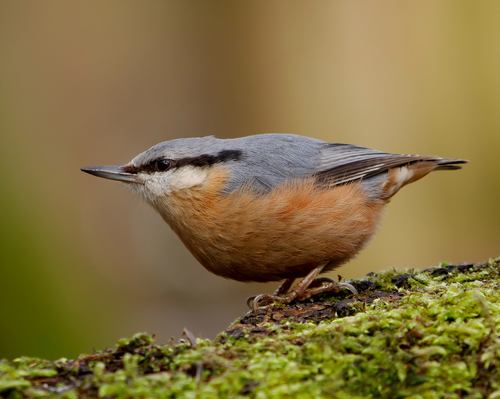
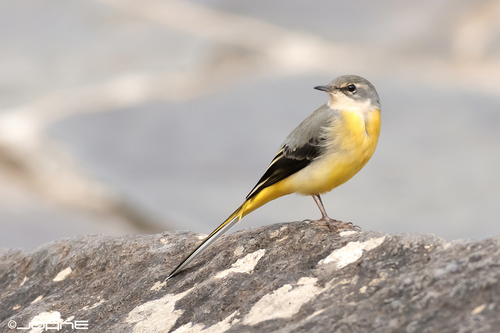
Birds



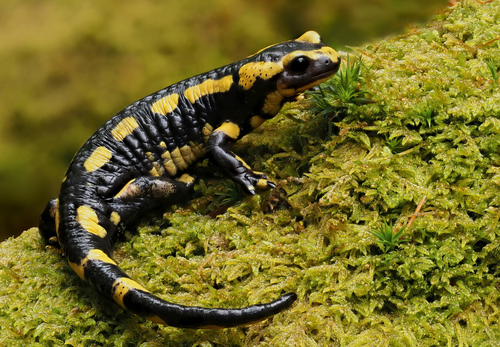
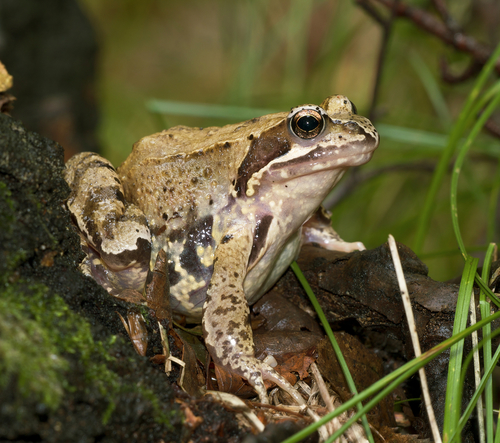
Amphibians


Fish

Insects




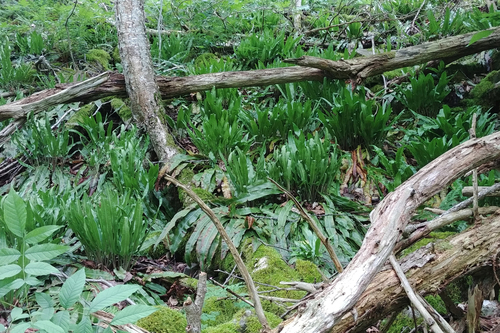
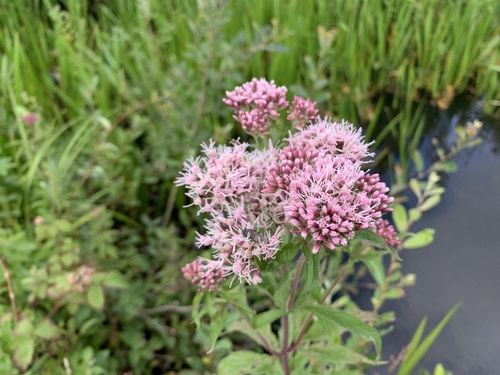
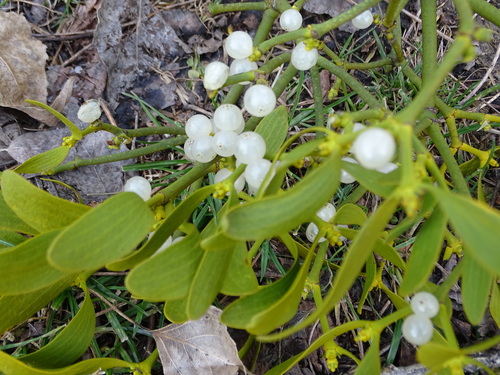
Plants


What threatens Plitvice Lakes National Park, and what helps
Heavy visitor numbers can damage the fragile tufa barriers directly, UNESCO warns, and wastewater from tourism brings the risk of polluted water and excess nutrients in a system that depends on very clean water.
Logging is banned in the park's forests, and UNESCO calls planning, surveillance and education of everyone involved indispensable to keeping the water clean.
Explore and share
Questions people ask
What animals live in Plitvice Lakes National Park?
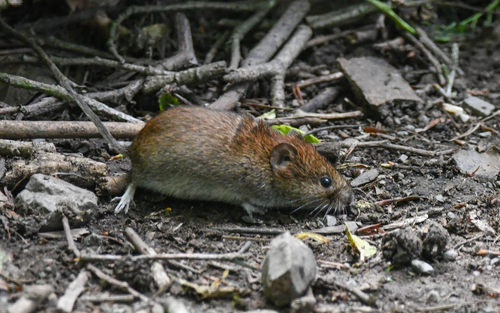
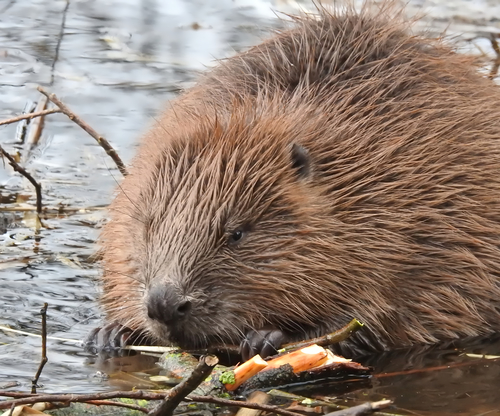
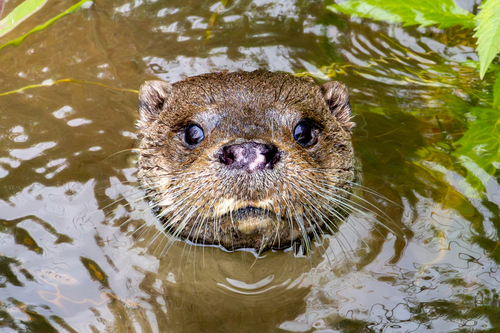
Among the animals people record most often in Plitvice Lakes National Park: eurasian red squirrel, bank vole, eurasian beaver, european otter, lesser horseshoe bat, european badger, common chaffinch and mallard. Based on GBIF records from the Plitvice lakes and surrounding forest, 2016–2025.
What is the food chain in Plitvice Lakes National Park?
Some of the feeding links studies have recorded among its species: the eurasian red squirrel eats the european robin, the eurasian red squirrel eats the common blackbird, the eurasian red squirrel eats the common chaffinch and the eurasian red squirrel eats the great tit. Source: GloBI.
What threatens Plitvice Lakes National Park?
Heavy visitor numbers can damage the fragile tufa barriers directly, UNESCO warns, and wastewater from tourism brings the risk of polluted water and excess nutrients in a system that depends on very clean water.
How can Plitvice Lakes National Park be protected?
Logging is banned in the park's forests, and UNESCO calls planning, surveillance and education of everyone involved indispensable to keeping the water clean.
Sources and photo credits
- GBIF · human observations in the Plitvice lakes and surrounding forest, 2016–2025
- GloBI · recorded feeding links between species
- UNESCO World Heritage Centre · Plitvice Lakes National Park
- Waterfalls pouring into a turquoise lake at Plitvice Lakes National Park, Croatia: Tesla Delacroix, CC BY-SA 4.0
- Eurasian red squirrel: Rhododendrites, CC BY-SA 4.0
- Bank vole: Frank Sengpiel, CC BY 4.0
- Eurasian beaver: no rights reserved, uploaded by Nicolás Tamargo, CC0
- European otter: Diego González Dopico, CC BY 4.0
- Lesser horseshoe bat: Jessica, CC BY-SA 4.0
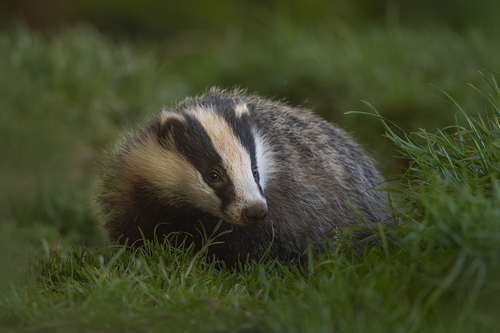
- European badger: caroline legg, CC BY 4.0
- Common chaffinch: William Stephens, CC BY 4.0
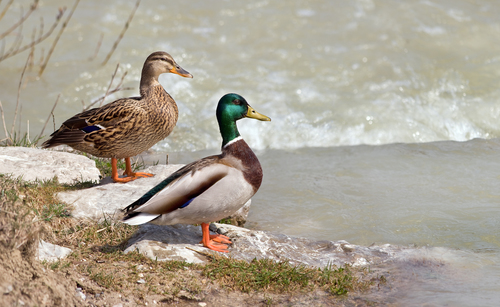
- Mallard: anonymous, CC BY-SA 4.0
- Great tit: hedera.baltica, CC BY-SA 4.0
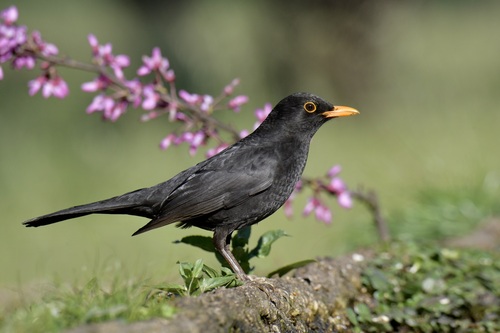
- Common blackbird: Luiz Lapa, CC BY 4.0
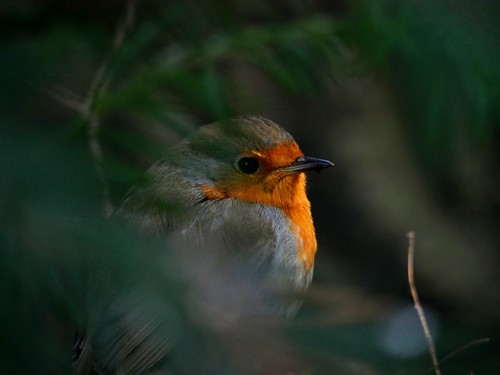
- European robin: Alexis Tinker-Tsavalas, CC BY 4.0
- Eurasian nuthatch: Frank Vassen, CC BY 4.0
- Eurasian blackcap: Stefan Berndtsson, CC BY 4.0
- Grey wagtail: Juan Emilio, CC BY-SA 4.0
- Fire salamander: Frank Vassen, CC BY 4.0
- Marsh frog: Petra & Wilfried, CC BY 4.0
- Agile frog: Laurent Lebois, CC BY 4.0
- Common frog: Jörg Hempel, CC BY-SA 4.0
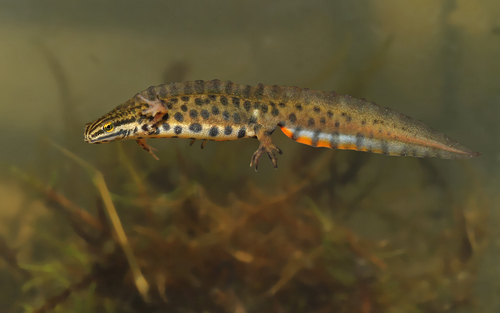
- Smooth newt: Christoph Moning, CC BY 4.0
- Northern pike: Dirk Godlinski, CC BY-SA 4.0
- Beautiful demoiselle: rober025, CC BY 4.0
- Small pincertail: Jörg Hempel, CC BY-SA 4.0
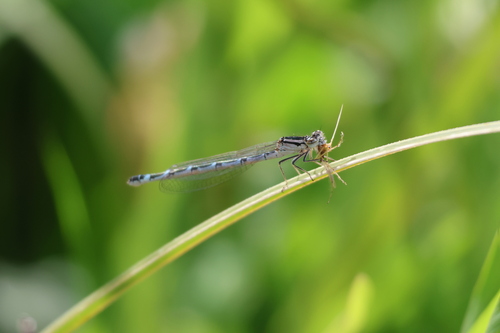
- Common blue damselfly: Diego González Dopico, CC BY 4.0
- Stag beetle: Diego González Dopico, CC BY 4.0
- Scarce chaser: no rights reserved, uploaded by Simon Tonge, CC0
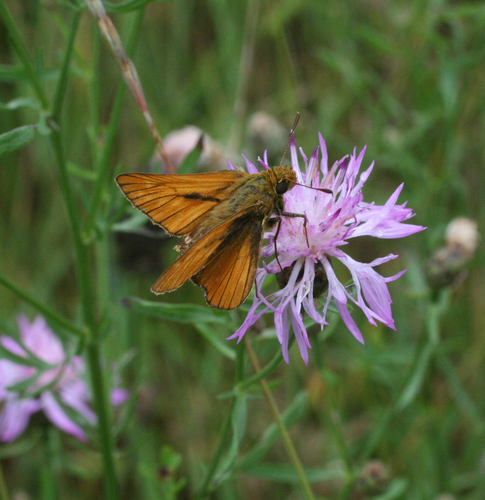
- Asian large skipper: Oleg Kosterin, CC BY 4.0
- European smoketree: Roman, CC BY 4.0
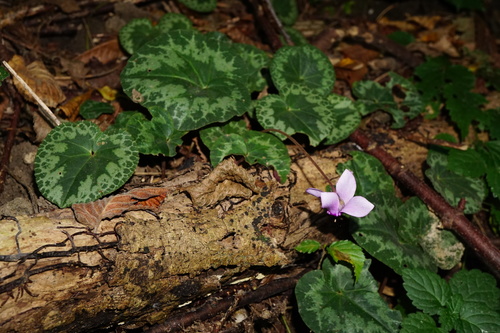
- Cyclamen: Patrick Hacker, CC BY 4.0
- Hart's-tongue fern: Randy A Nonenmacher, CC BY 4.0
- Hemp agrimony: no rights reserved, CC0
- Beech: Marino Linić, CC0
- European mistletoe: Patrick Hacker, CC BY 4.0
- Bastard balm: Mark Ahsmann, CC BY-SA 4.0
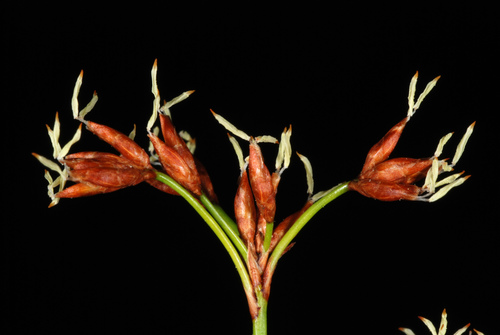
- Great fen-sedge: Douglas Goldman, CC BY-SA 4.0

Species lists come from records people have shared in a few sample areas, not a full inventory of Plitvice Lakes National Park, and well-watched groups such as birds are recorded far more than insects or fungi. The food web shows only links that studies have recorded between the species on this page.
Checked 2026-11-22.