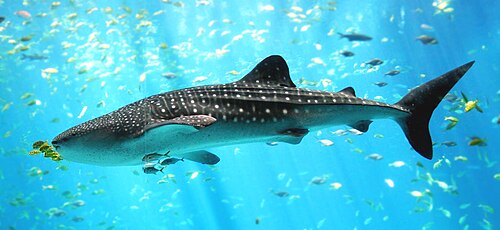
 Whale sharkRhincodon typus
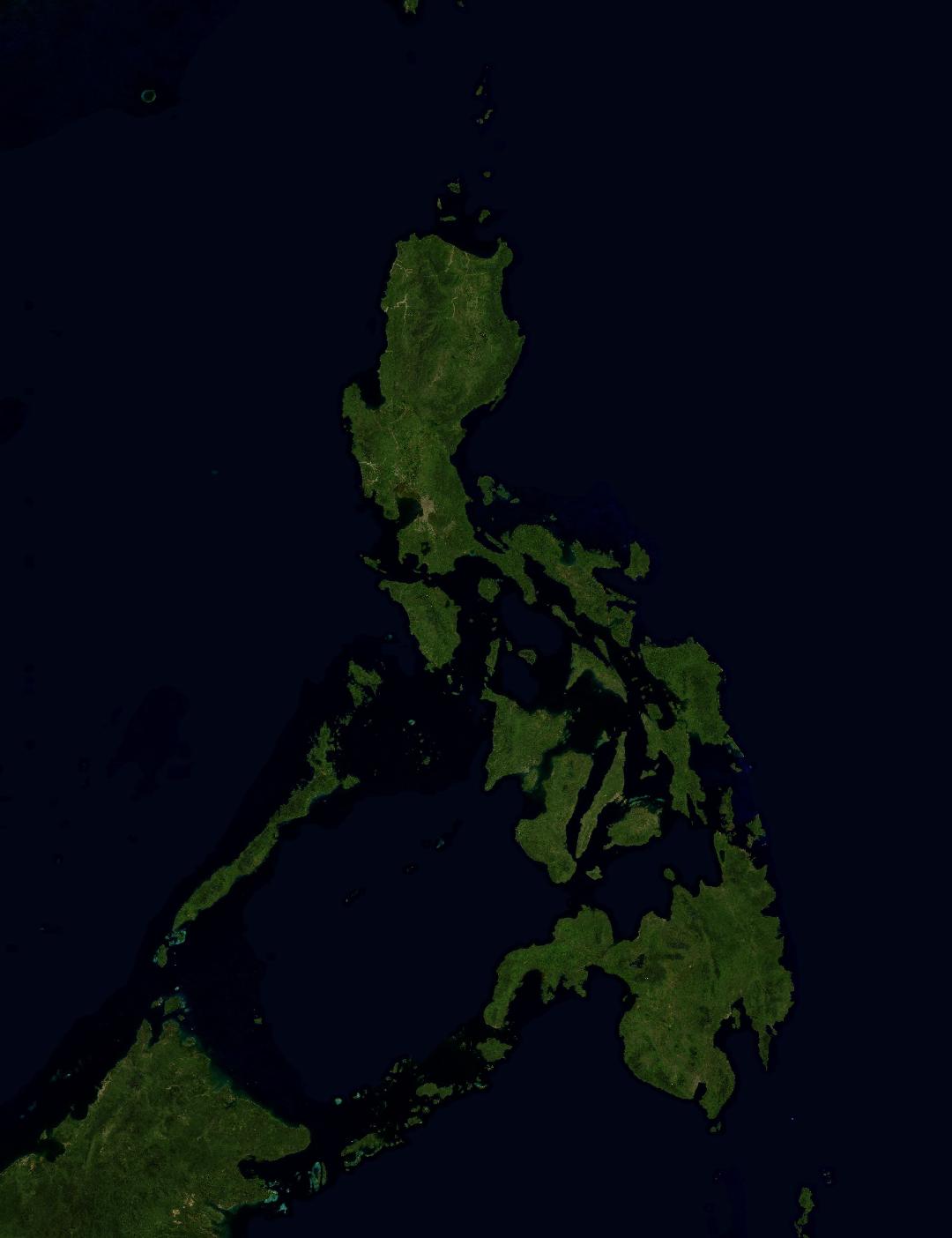
Philippines
An island country in South East Asia, in the western Pacific.
Image: NASA Blue Marble. Borders: Natural Earth.
The Philippines is made up of more than 7,000 islands. Mountains and volcanoes form their backbone, rainforest covers the highest slopes, and long coasts are lined with mangroves, seagrass and coral reefs.
The country sits at the edge of the Coral Triangle, the richest area of coral reefs on Earth. Many of its animals live nowhere else, such as the Philippine eagle, one of the largest eagles in the world, and the tiny tarsier.
It is one of only 2 country pages here that feature the greater blue-ringed octopus.
Philippines
- Capital
- Manila
- Population
- 113 million
- Area
- 343,448 km²
- Continent
- Asia
- Highest point
- Mount Apo, 2,954 m
- Languages
- Filipino, English, Taglish
- Currency
- Philippine peso
Figures from Wikidata; population 2024.
Philippines in pictures
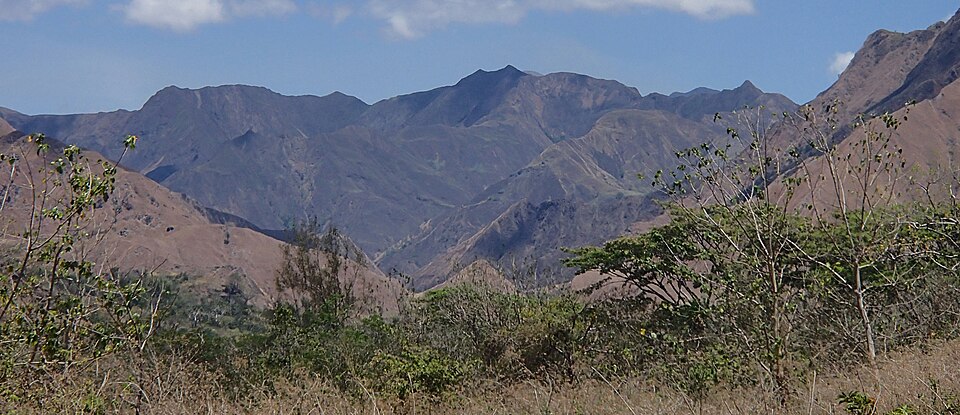
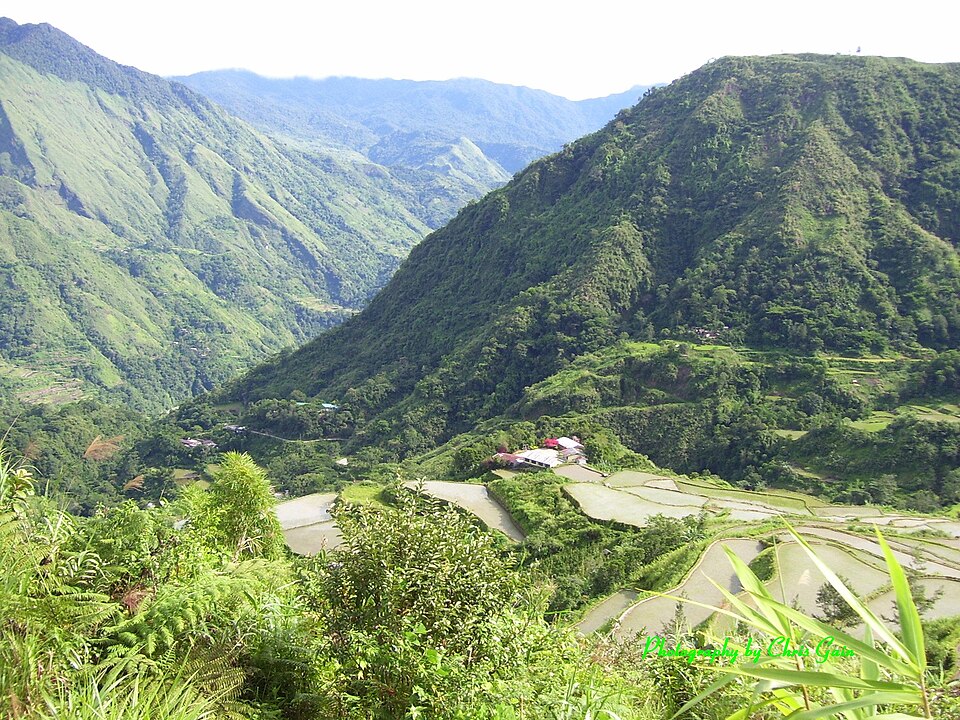
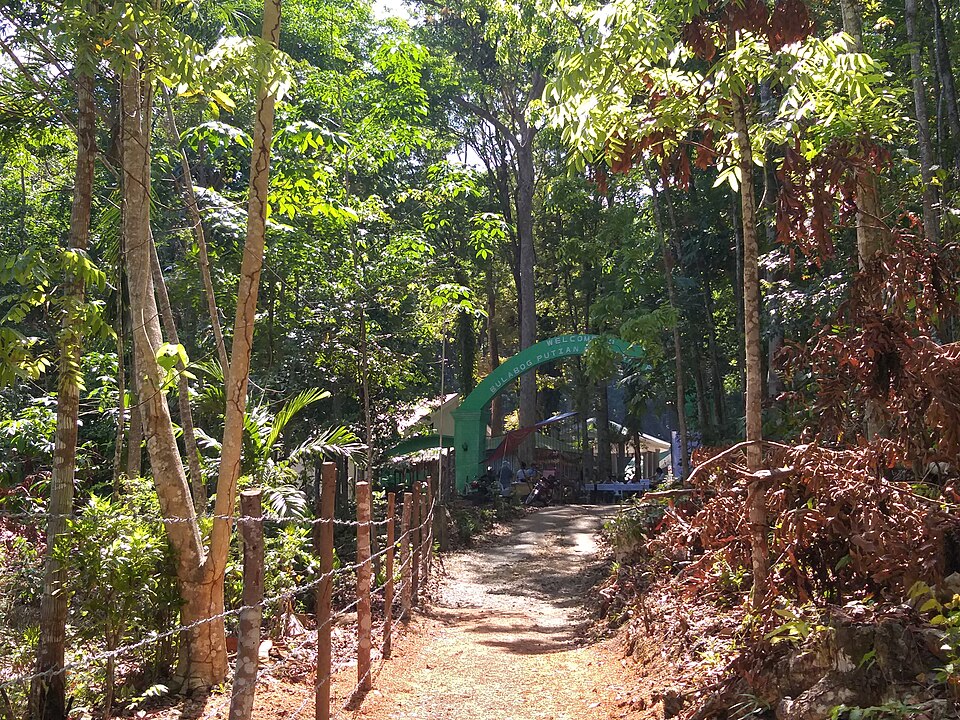
Which animals live in Philippines?
Among the animals recorded in Philippines are the whale shark, the greater blue-ringed octopus, the peacock mantis shrimp, the green sea turtle and the common kingfisher. These are wildlife records shared through GBIF, not a full list of the animals that live here.
Whale sharkRhincodon typus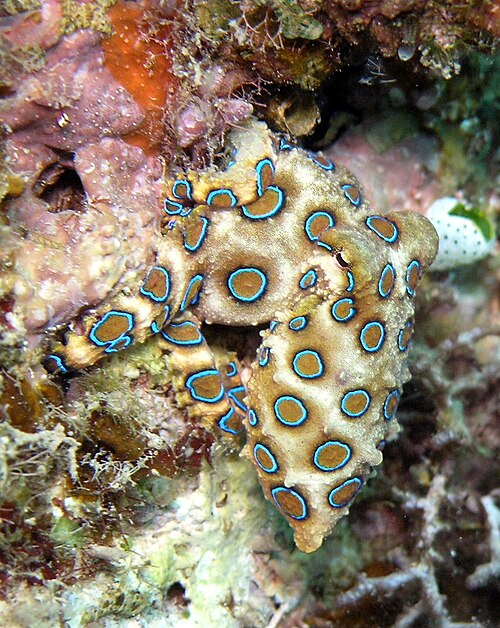 Greater blue-ringed octopusHapalochlaena lunulata
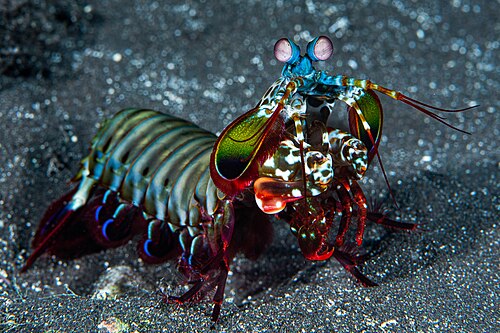 Peacock mantis shrimpOdontodactylus scyllarus
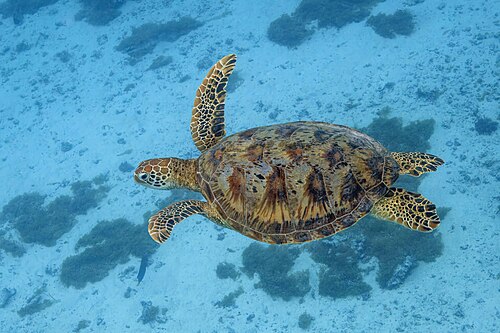 Green sea turtleChelonia mydas
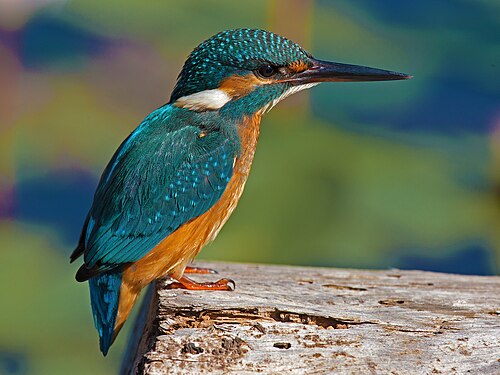 Common kingfisherAlcedo atthis
Where can you see them?
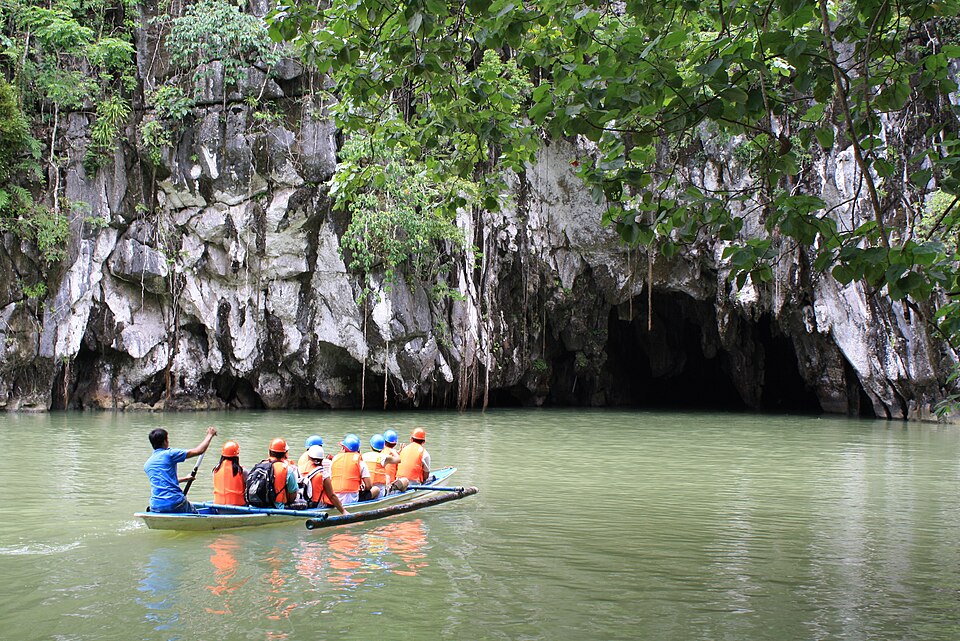
- Puerto Princesa Subterranean River National ParkEstablished 1999 · 22,202 km² · UNESCO
- Hundred Islands National ParkEstablished 1940
- Aurora Memorial National ParkEstablished 1937 · 5,676 km²
- Bataan National ParkEstablished 1945 · 257 km²
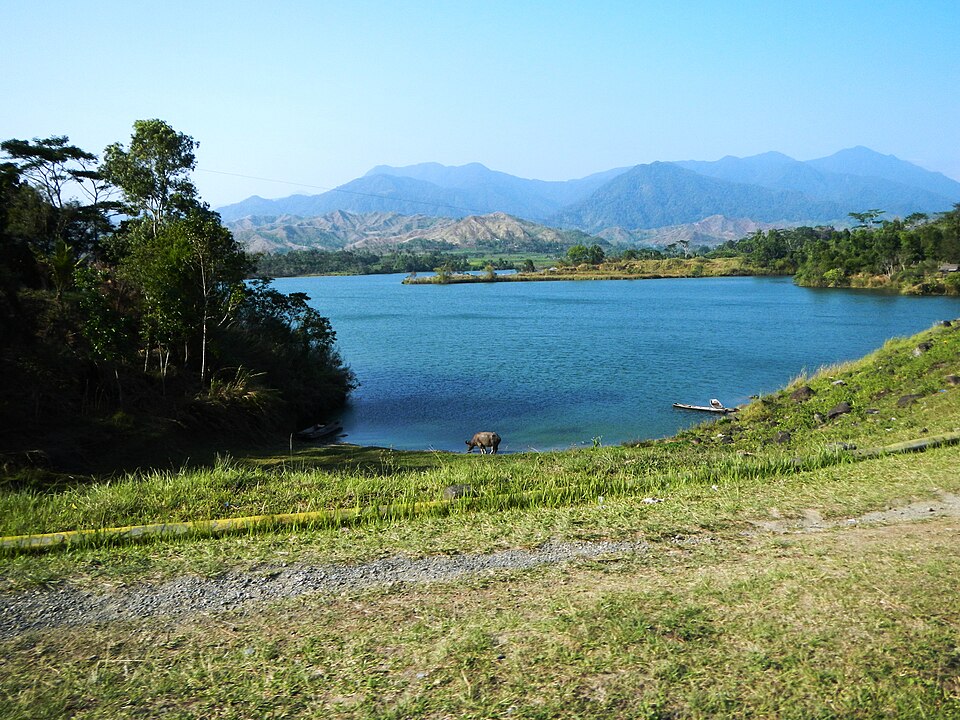
- Mounts Iglit–Baco National ParkEstablished 1970 · 754 km²
- Balbalasang-Balbalan National ParkEstablished 1972 · 3,923 km²
What is putting pressure on nature here?
Most of the original forest has been cleared over the past century, and coasts have lost mangroves to fish ponds and building. Reefs suffer from overfishing, destructive fishing and warming seas, and typhoons are becoming more intense.
Learn more about Philippines
Explore next
What puts Philippines under pressure, what helps, and who works on it.
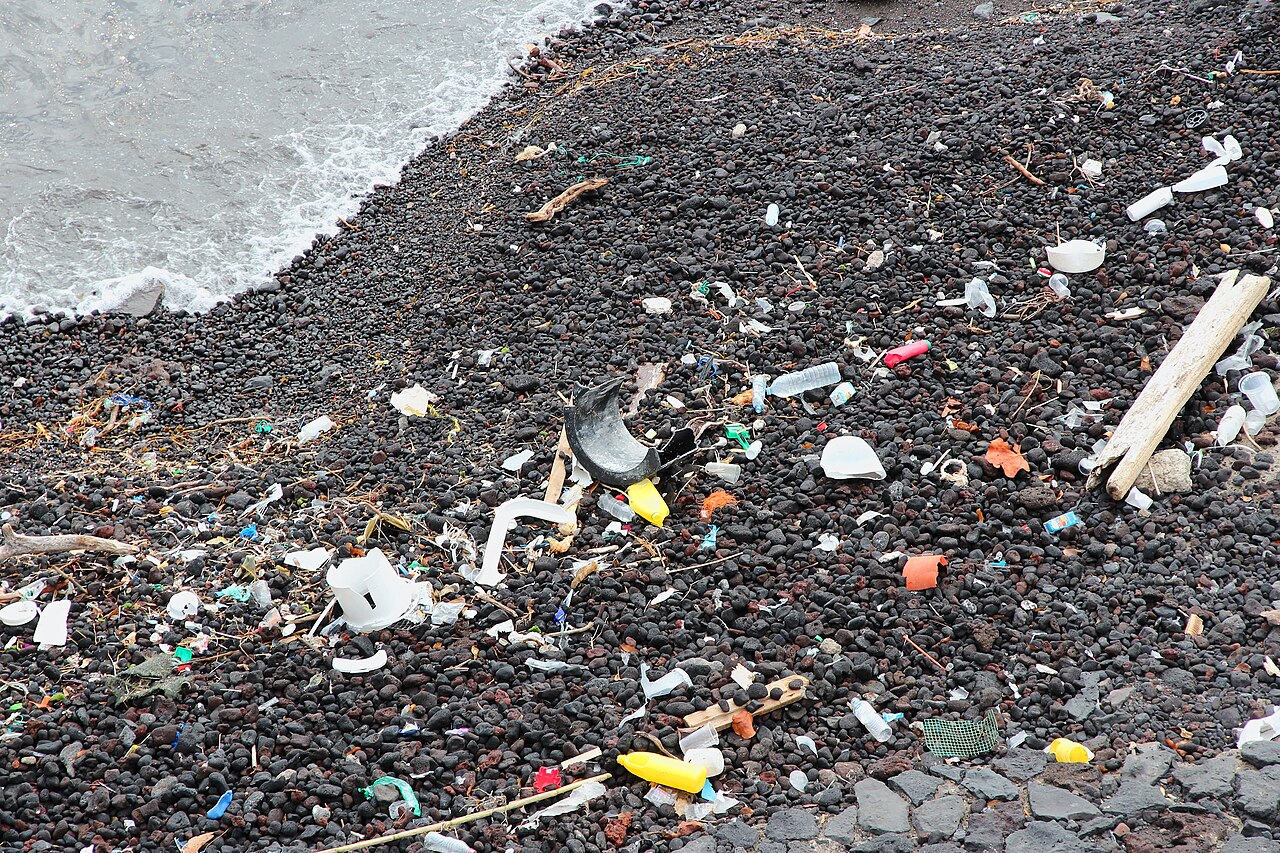
Philippines on the living planet
Keep exploring from Philippines
Species pages with records from Philippines
Eurasian tree sparrowBarn swallowRock doveBlack-crowned night heronGreat egretCommon kingfisherCommon greenshankWood sandpiperOspreyPeregrine falconBlack-headed gullRose-ringed parakeet
Countries nearby
Sources and photo credits
- Wikidata · Philippines (Q928), facts and national parks
- Convention on Biological Diversity · the Philippines country profile
- GBIF · human observations in Philippines, used to choose the species
- Natural Earth · country borders, public domain
- NASA GIBS · Blue Marble imagery, public domain
- Puerto Princesa Subterranean River National Park, Philippines: Mike Gonzalez, CC BY-SA 3.0
- Aurora Memorial National Park, Philippines: Judgefloro, CC BY-SA 3.0
- Mounts Iglit–Baco National Park, Philippines: Allan Siquioco, CC BY 3.0
- Balbalasang-Balbalan National Park, Philippines: Gubernatoria, CC BY 2.5 au
- Bulabog Putian National Park, Philippines: BSrap, CC BY-SA 4.0
- Whale shark: User:Zac Wolf (original), en:User:Stefan (cropping), CC BY-SA 2.5
- Greater blue-ringed octopus: Jens Petersen, CC BY 2.5
- Peacock mantis shrimp: Cédric Péneau, CC BY-SA 4.0
- Green sea turtle: Charles J. Sharp, CC BY-SA 4.0
- Common kingfisher: Artemy Voikhansky, CC BY-SA 4.0


Borders and the capital show where Philippines is. Wildlife records show where people have seen animals, not where they all live today.
Checked 2026-11-19.