Pantanal
Western central Brazil
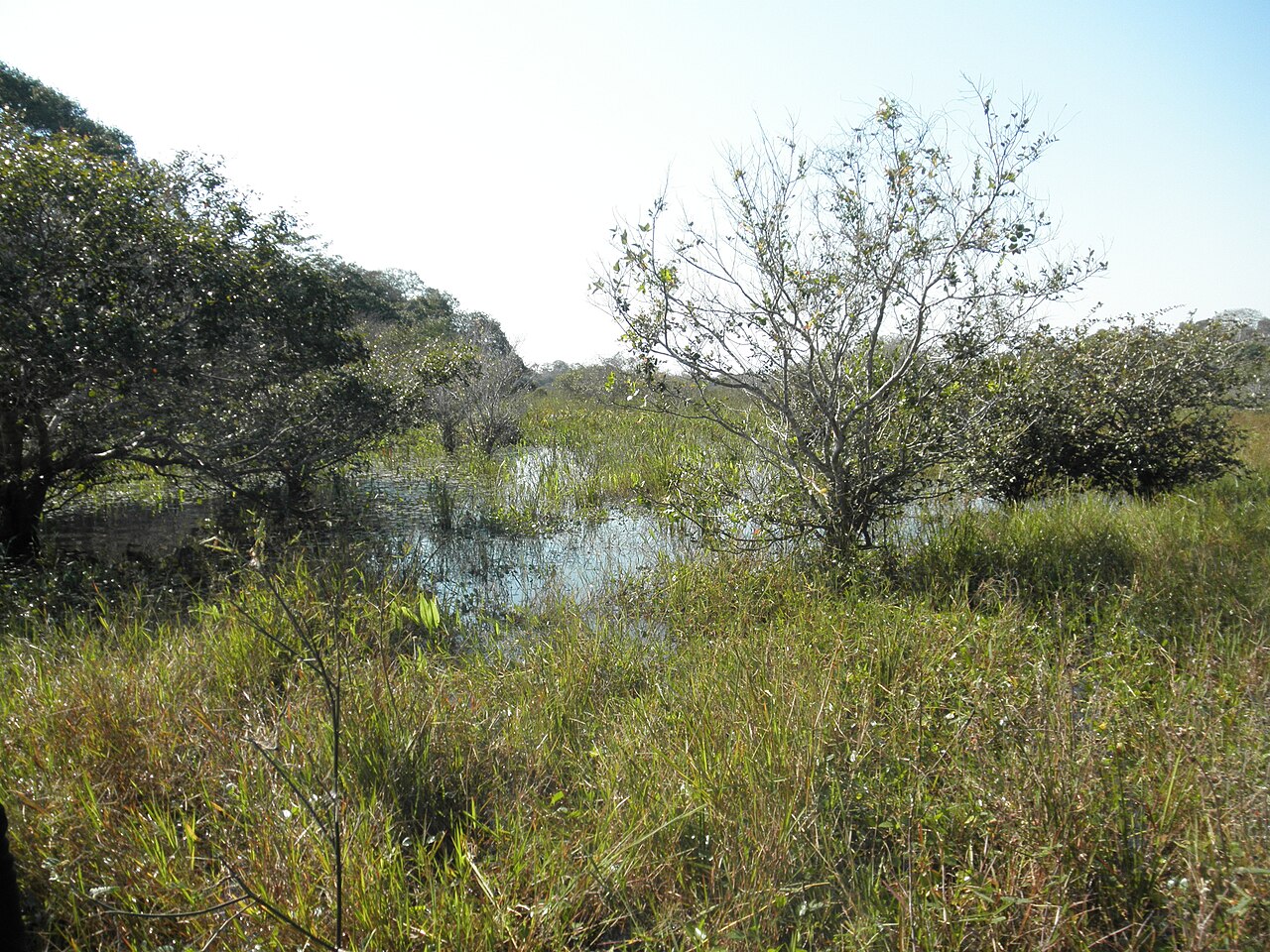
The Pantanal in western central Brazil is one of the world's largest freshwater wetlands. Between October and April its rivers overflow and flood vast areas. The UNESCO Pantanal Conservation Area, four protected areas covering 187,818 hectares, is 1.3% of the region and shelters threatened animals such as the giant otter, giant anteater, giant armadillo, marsh deer and hyacinth macaw, the largest parrot in the world.
People have shared 1,734,584 records of animals and plants from the northern Pantanal along the Transpantaneira and the southern Pantanal near Miranda with GBIF in ten years. This page shows the 34 species recorded most often there, and 28 links between them that studies have recorded: who eats whom.
- Kind
- Ecosystem
- Where
- Western central Brazil
- Species shown
- 34, the most recorded
- Food web
- 28 recorded links between them
- Records
- 1,734,584 in 2016–2025
- Sample areas
- the northern Pantanal along the Transpantaneira, the southern Pantanal near Miranda
Who eats whom in the Pantanal
Food flows upwards: plants and small animals at the bottom, hunters at the top. Tap a species to see its links, then take it out of the web to see who would lose food.
Tap a species.
All 28 recorded links
- Crab-eating fox eats Urucuri palm
- Crab-eating fox eats Caranday palm
- Crab-eating fox eats Giant ameiva
- Crab-eating fox eats Argentine black and white tegu
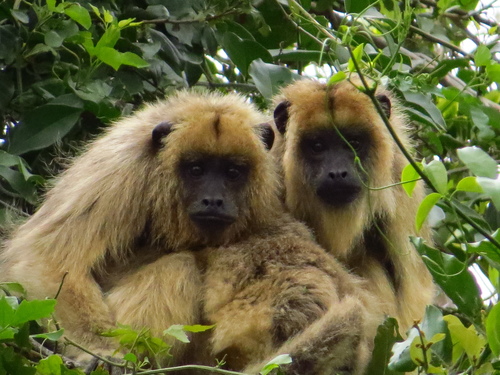
- Black howler eats Urucuri palm
- Black howler eats Caranday palm
- South American coati eats Urucuri palm
- South American coati eats Caranday palm
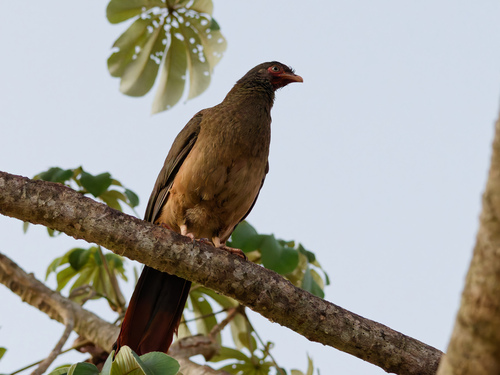
- Chaco chachalaca eats Caranday palm
- Chaco chachalaca eats Urucuri palm
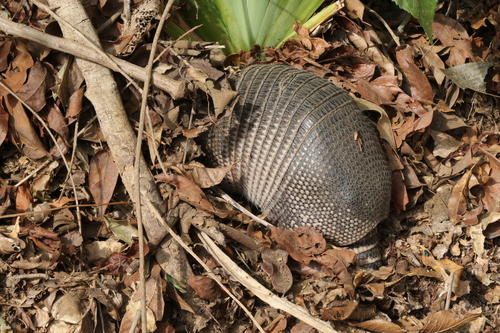
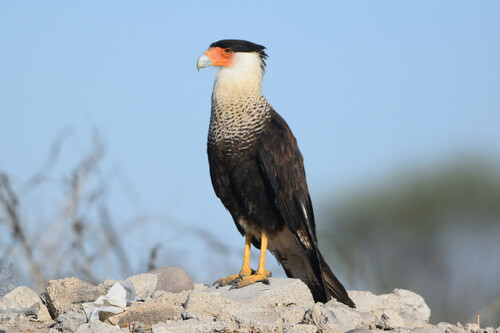
- Crested caracara eats Nine-banded armadillo
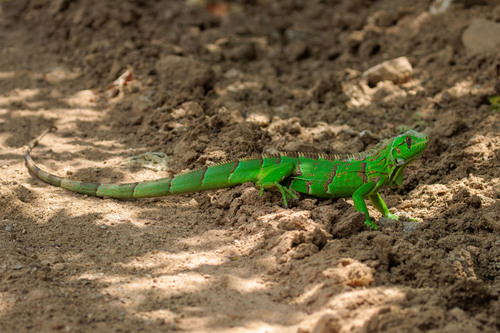
- Crested caracara eats Green iguana
- Crested caracara eats Urucuri palm
- Crested caracara eats Capybara
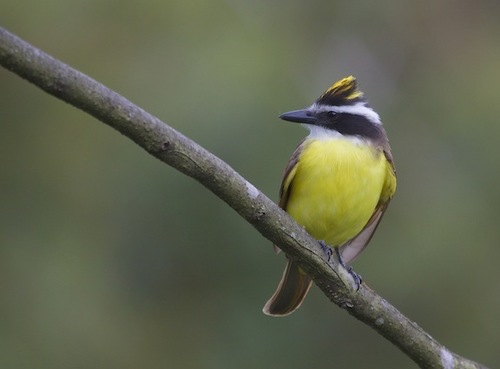
- Great kiskadee eats Urucuri palm
- Great kiskadee eats Caranday palm
- Great kiskadee eats Green iguana
- Black vulture eats Great egret
- Black vulture eats Green iguana
- Black vulture eats Capybara
- Black vulture eats Nine-banded armadillo
- Great egret eats Green iguana
- Argentine black and white tegu eats Nine-banded armadillo
- Yellow anaconda eats South American coati
- Yellow anaconda eats Great egret
- Yellow anaconda eats Capybara
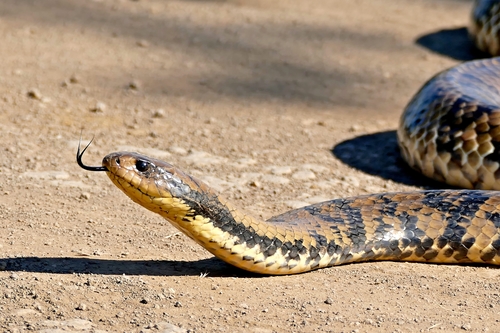
- Yellow anaconda eats False water cobra
- Yellow anaconda eats Chaco chachalaca
Links that studies have recorded between the species on this page (GloBI). Real food webs hold far more species and links, and animals switch food when one runs short.
Who lives in the Pantanal
The species people record most often in the northern Pantanal along the Transpantaneira, the southern Pantanal near Miranda, 2016–2025.
Mammals


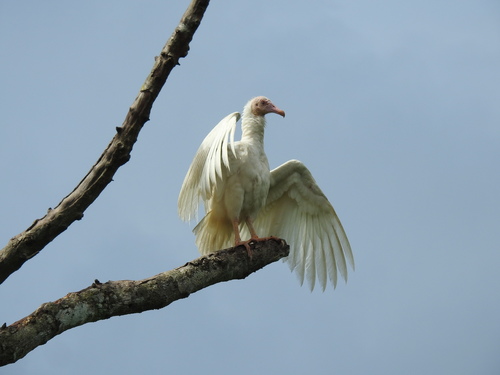
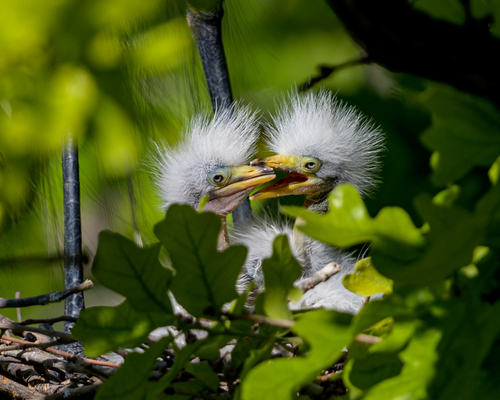
Birds

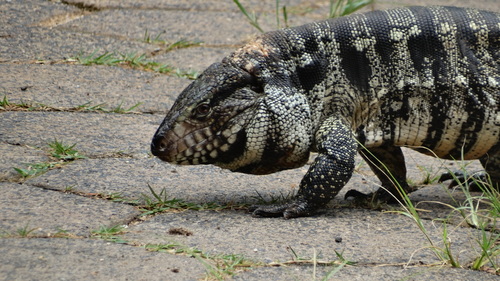
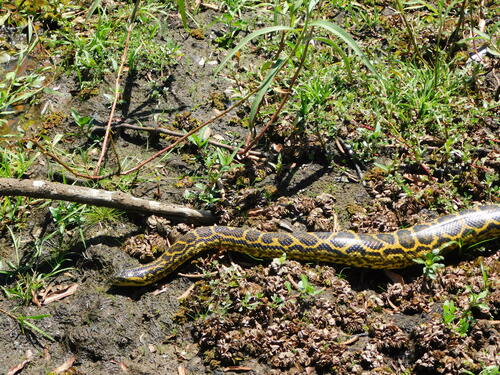
Reptiles

Insects

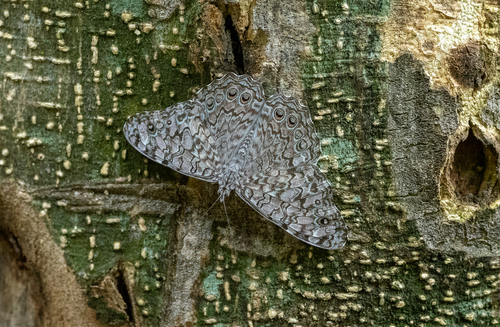
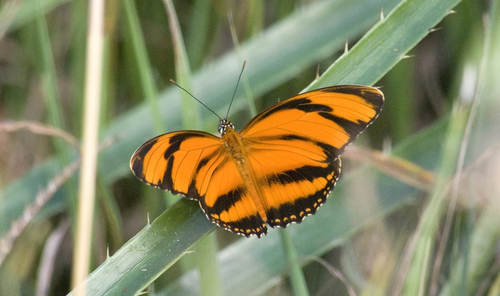
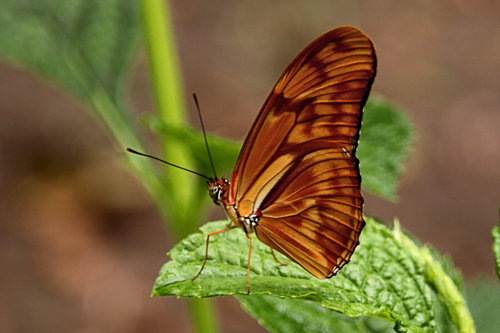
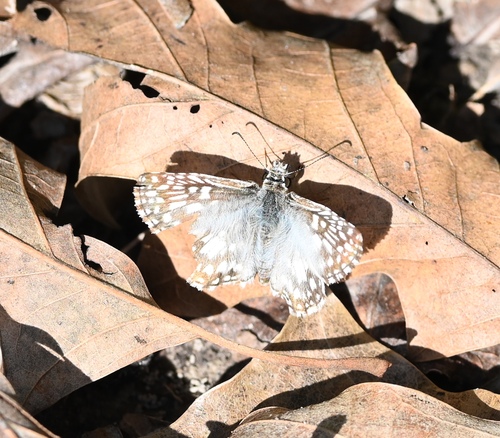
Plants

What threatens the Pantanal, and what helps
UNESCO rates the Pantanal as highly fragile. Dredging, overfishing, deforestation, erosion, waste water, dams that change how the water moves and canals cut into its rivers all threaten the region.
Its core is protected by federal decree. Pantanal Matogrossense National Park has Brazil's strictest level of protection and is run by ICMBio, the federal biodiversity agency, alongside three special reserves kept for conservation.
Explore and share
Questions people ask
What animals live in the Pantanal?
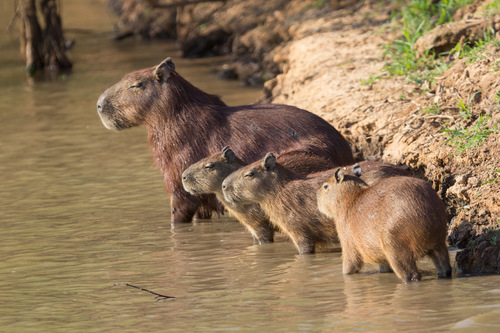
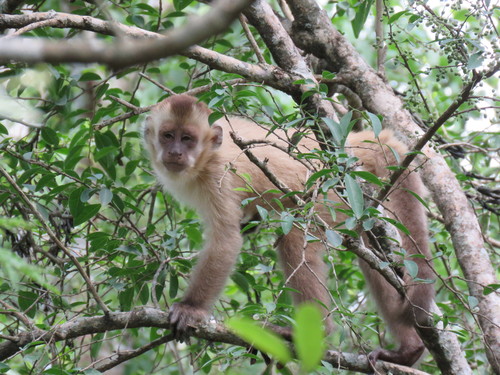
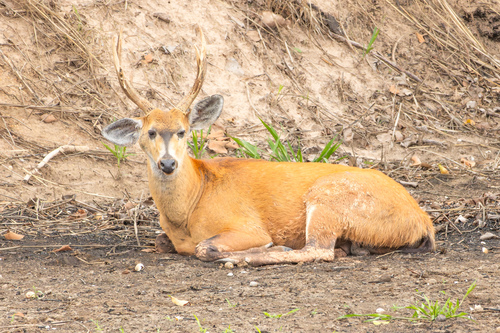
Among the animals people record most often in the Pantanal: capybara, giant otter, crab-eating fox, hooded capuchin, black howler, marsh deer, south american coati and nine-banded armadillo. Based on GBIF records from the northern Pantanal along the Transpantaneira and the southern Pantanal near Miranda, 2016–2025.
What is the food chain in the Pantanal?
Some of the feeding links studies have recorded among its species: the crested caracara eats the nine-banded armadillo, the crested caracara eats the green iguana, the black vulture eats the nine-banded armadillo and the crab-eating fox eats the caranday palm. Source: GloBI.
What threatens the Pantanal?
UNESCO rates the Pantanal as highly fragile. Dredging, overfishing, deforestation, erosion, waste water, dams that change how the water moves and canals cut into its rivers all threaten the region.
How can the Pantanal be protected?
Its core is protected by federal decree. Pantanal Matogrossense National Park has Brazil's strictest level of protection and is run by ICMBio, the federal biodiversity agency, alongside three special reserves kept for conservation.
Sources and photo credits
- GBIF · human observations in the northern Pantanal along the Transpantaneira, the southern Pantanal near Miranda, 2016–2025
- GloBI · recorded feeding links between species
- UNESCO World Heritage Centre · Pantanal Conservation Area
- ICMBio · Parque Nacional do Pantanal Matogrossense
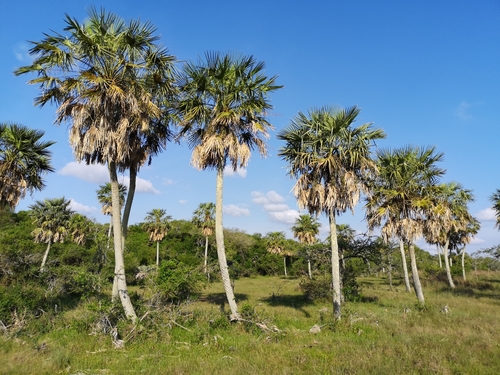
- Marsh, grassland and trees in the southern Pantanal, Brazil: Stoni111121, CC BY-SA 4.0
- Capybara: avocat, CC BY 4.0
- Giant otter: avocat, CC BY 4.0
- Crab-eating fox: Michael, CC0
- Hooded capuchin: Nicolas Olejnik, CC BY 4.0
- Black howler: Leonel Roget, CC BY 4.0
- Marsh deer: Francisco V. Bezerra Neto, CC BY-SA 4.0
- South American coati: no rights reserved, uploaded by Diego Carús, CC0
- Nine-banded armadillo: Bruno Henrique Aranda, CC BY 4.0
- Chaco chachalaca: Donald Davesne, CC BY 4.0
- Crested caracara: Juan Cruzado Cortés, CC BY 4.0
- Great kiskadee: Gregory "Slobirdr" Smith, CC BY-SA 4.0
- Cocoi heron: Luis G Restrepo, CC BY 4.0
- Jabiru: Alastair Rae, CC BY-SA 4.0
- Black vulture: Luis Mora, CC BY 4.0
- Yellow-billed cardinal: Nicolas Olejnik, CC BY 4.0
- Great egret: Shiva Shenoy, CC BY 4.0
- Argentine black and white tegu: Bruno Henrique Aranda, CC BY 4.0
- Yellow anaconda: Sebastián Gómez Barboza Silveira, CC0
- Green iguana: Thomaz de Carvalho Callado, CC BY 4.0
- Giant ameiva: Alex Popovkin, Bahia, Brazil, CC BY 4.0
- False water cobra: Bernard DUPONT, CC BY-SA 4.0
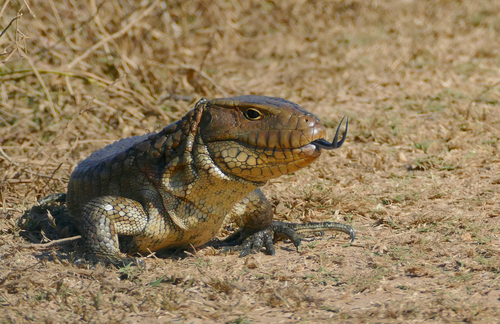
- Paraguay caiman lizard: Bernard DUPONT, CC BY-SA 4.0
- White peacock: Carlos Alexandre Mattos Raposo, CC BY 4.0
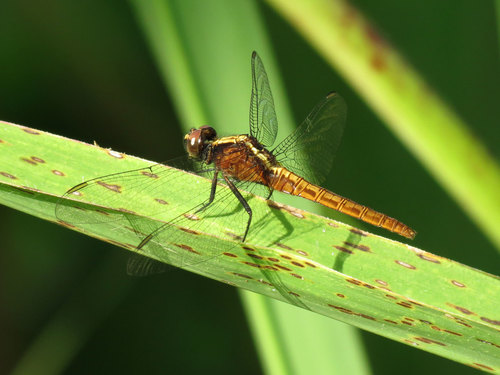
- Flame-tailed pondhawk: Katja Schulz, CC BY 4.0
- Gray cracker: Forest Botial-Jarvis, CC BY 4.0
- Banded orange heliconian: Nicolas Olejnik, CC BY 4.0
- Julia heliconian: no rights reserved, uploaded by Dennis White, CC0
- Tropical checkered-skipper: Amber M. King, CC BY 4.0
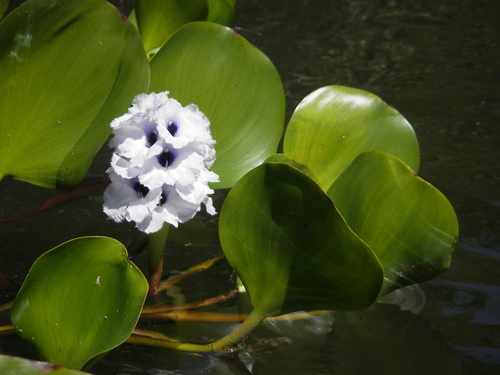
- Saw-petal water-hyacinth: no rights reserved, CC0
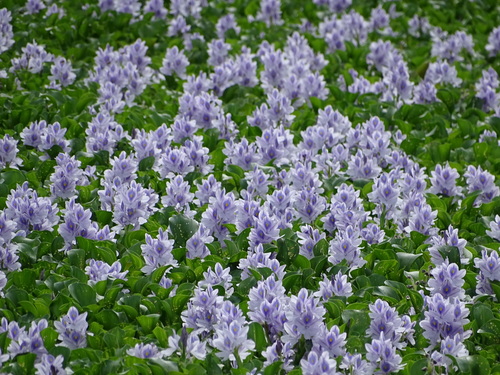
- Floating water-hyacinth: no rights reserved, uploaded by 葉子, CC0
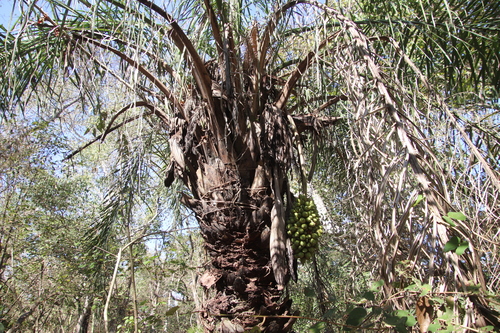
- Urucuri palm: Millie Basden, CC BY 4.0
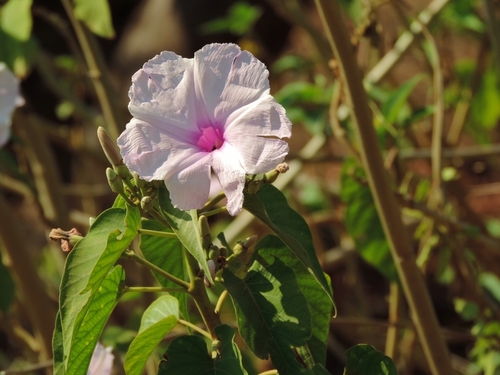
- Gloria de la manana: i_c_riddell, CC BY 4.0
- Ant-tree: Todd Boland, CC BY 4.0
- Caranday palm: Jens-Christian Svenning, CC BY 4.0

Species lists come from records people have shared in a few sample areas, not a full inventory of the Pantanal, and well-watched groups such as birds are recorded far more than insects or fungi. The food web shows only links that studies have recorded between the species on this page.
Checked 2026-11-22.