Okavango Delta
North-west Botswana, fed by rivers from Angola and Namibia
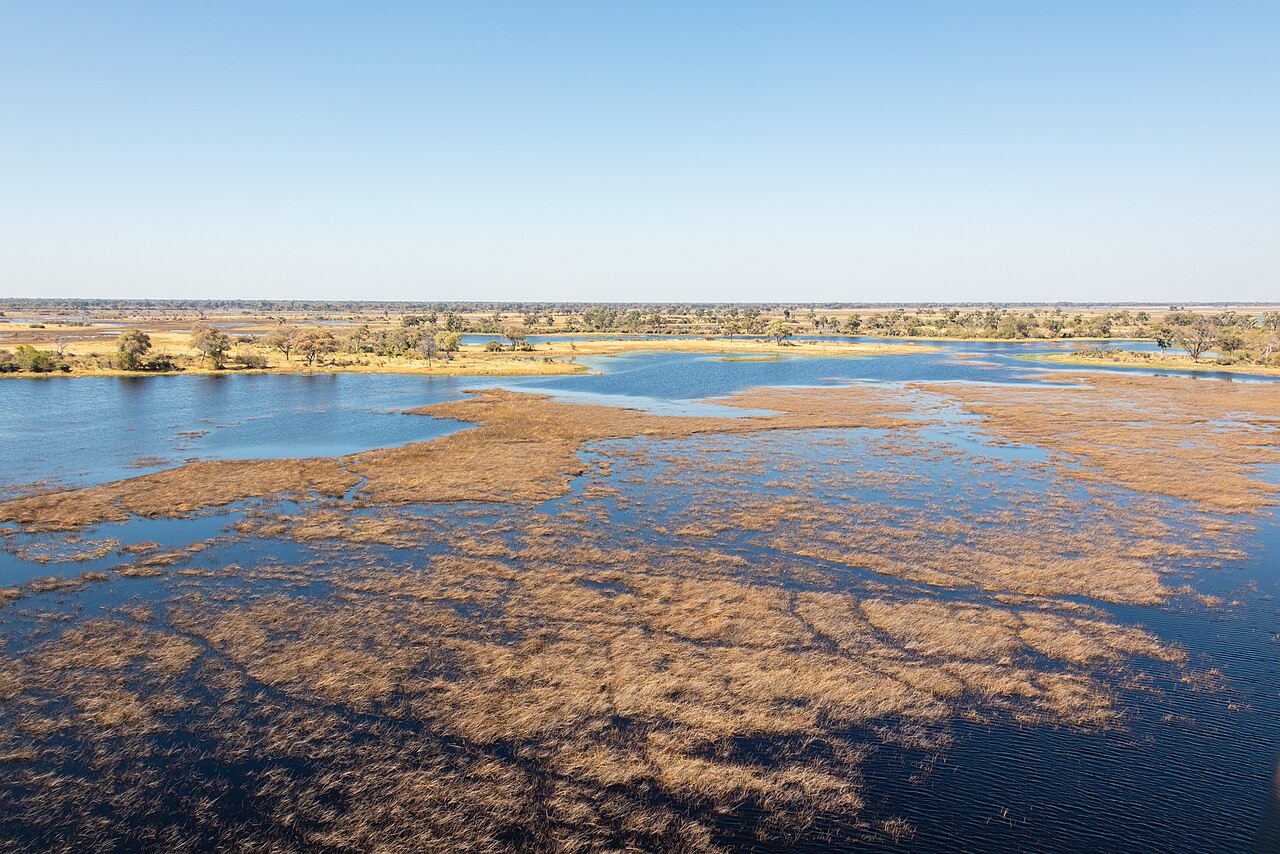
The Okavango Delta in north-west Botswana is one of the very few large inland deltas that never reach a sea or ocean. Its permanent swamps cover about 600,000 hectares, with up to 1.2 million hectares of grassland that floods every year. The flood arrives in the dry season, so plants and animals time their lives to it, and 33 kinds of water bird live here in numbers above 0.5% of their world or regional population.
People have shared 508,162 records of animals and plants from Moremi Game Reserve and the Okavango Panhandle and central delta with GBIF in ten years. This page shows the 39 species recorded most often there, and 10 links between them that studies have recorded: who eats whom.
- Kind
- Ecosystem
- Where
- North-west Botswana, fed by rivers from Angola and Namibia
- Species shown
- 39, the most recorded
- Food web
- 10 recorded links between them
- Records
- 508,162 in 2016–2025
- Sample areas
- Moremi Game Reserve, the Okavango Panhandle and central delta
Who eats whom in the Okavango Delta
Food flows upwards: plants and small animals at the bottom, hunters at the top. Tap a species to see its links, then take it out of the web to see who would lose food.
Tap a species.
All 10 recorded links
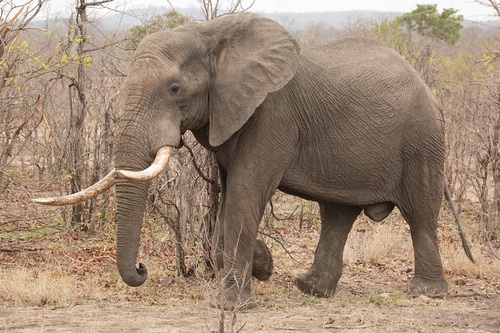
- African elephant eats Mopane
- African elephant eats Baobab
- Lion eats Plains zebra
- Lion eats Common hippopotamus
- Lion eats Lechwe
- Lion eats Waterbuck
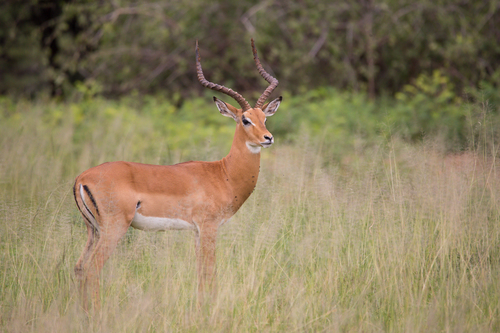
- Lion eats Impala
- Lion eats African elephant
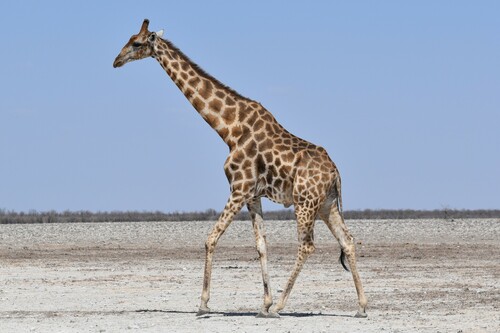
- Lion eats Southern giraffe
- African fish eagle eats African jacana
Links that studies have recorded between the species on this page (GloBI). Real food webs hold far more species and links, and animals switch food when one runs short.
Who lives in the Okavango Delta
The species people record most often in Moremi Game Reserve, the Okavango Panhandle and central delta, 2016–2025.
Mammals





Birds
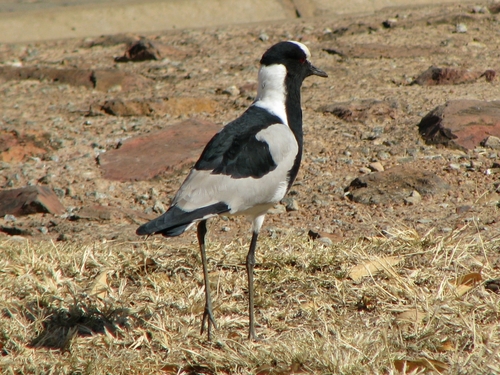

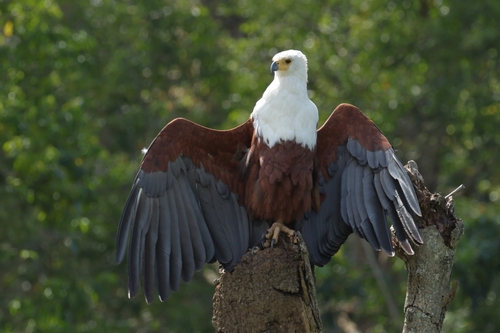
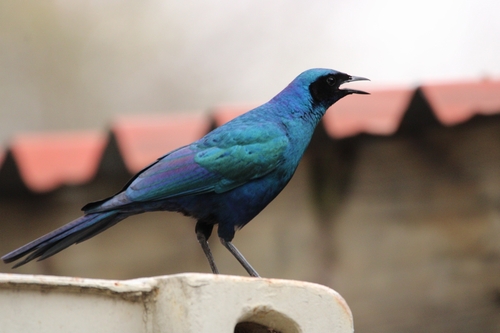


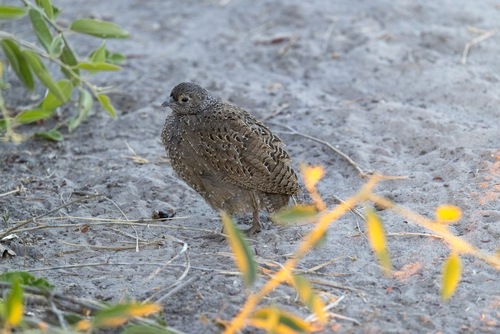
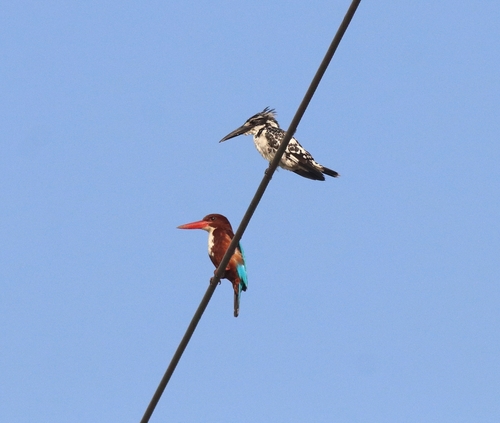
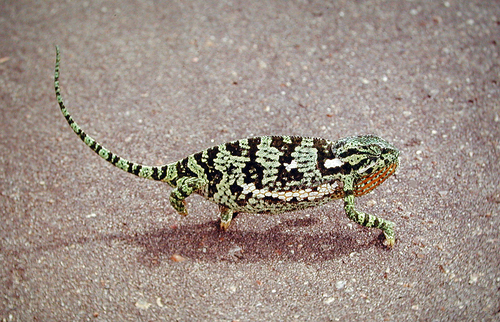
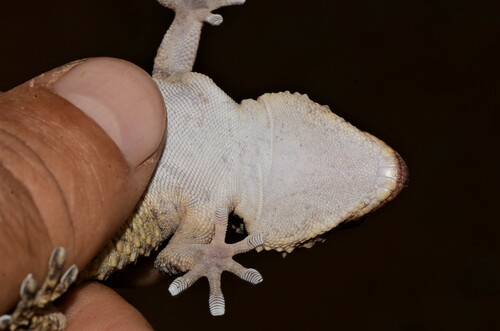
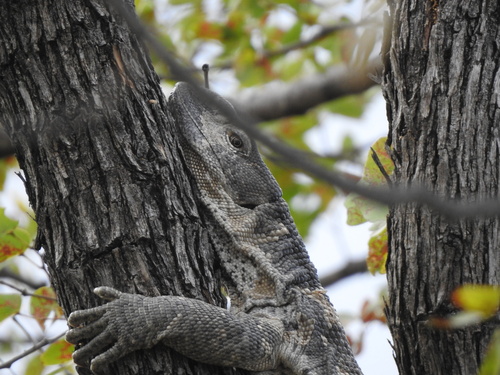
Reptiles
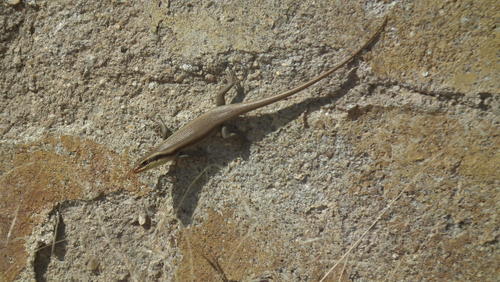
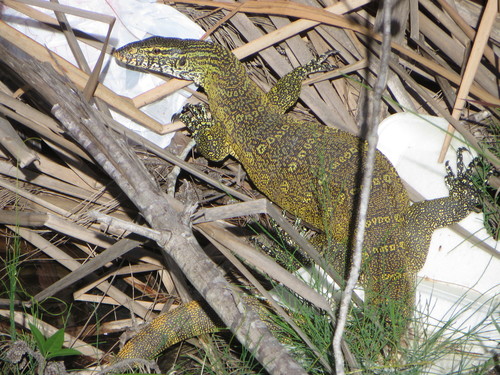
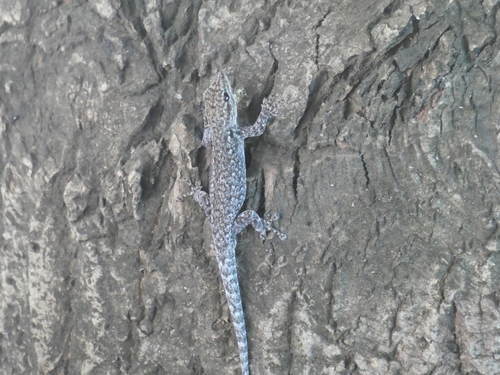
Amphibians
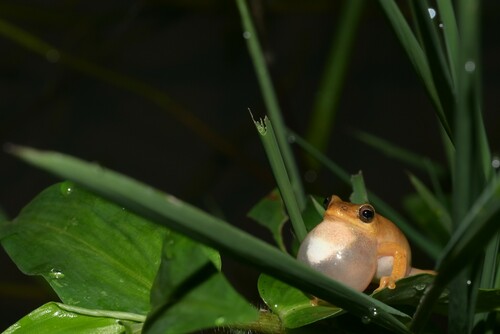
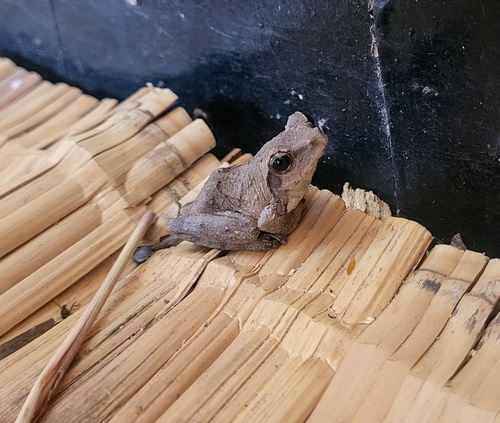
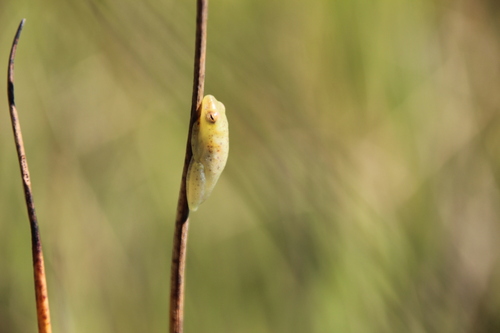
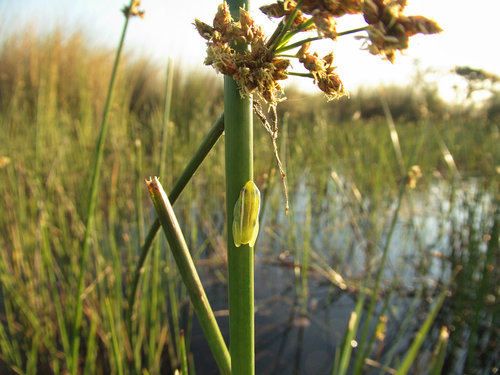

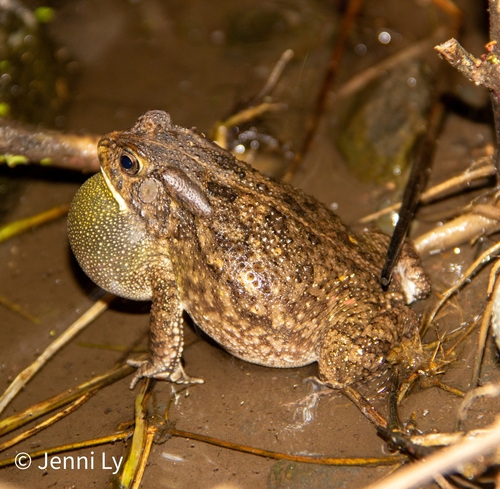
Insects

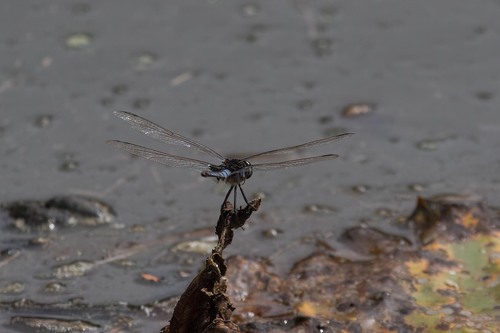

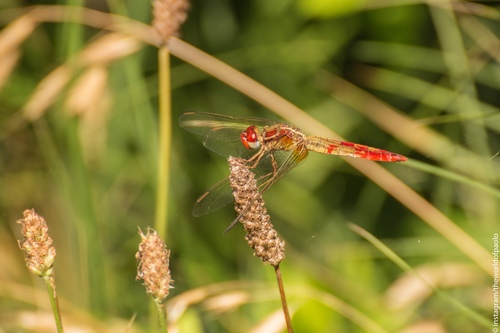


Plants


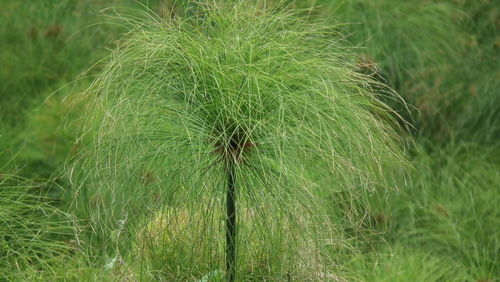
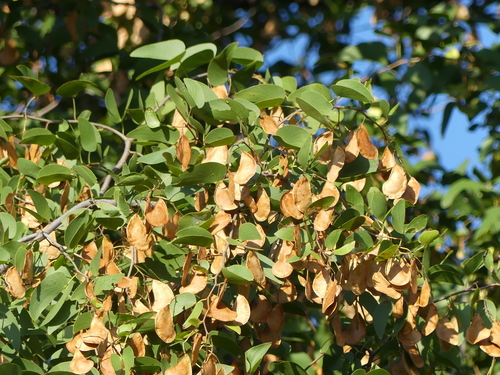

What threatens the Okavango Delta, and what helps
Everything here depends on water arriving from Angola and Namibia. UNESCO warns that dams, taking too much water and new irrigation upstream would upset the floods the whole delta lives by, and that mining near it needs constant watch.
The source rivers still have no large dams or major water abstraction, and Angola, Botswana and Namibia manage the whole river together through the Permanent Okavango River Basin Water Commission (OKACOM).
Explore and share
Questions people ask
What animals live in the Okavango Delta?
Among the animals people record most often in the Okavango Delta: african elephant, lion, lechwe, southern giraffe, common hippopotamus, impala, plains zebra and waterbuck. Based on GBIF records from Moremi Game Reserve and the Okavango Panhandle and central delta, 2016–2025.
What is the food chain in the Okavango Delta?
Some of the feeding links studies have recorded among its species: the lion eats the common hippopotamus, the lion eats the waterbuck, the lion eats the plains zebra and the lion eats the impala. Source: GloBI.
What threatens the Okavango Delta?
Everything here depends on water arriving from Angola and Namibia. UNESCO warns that dams, taking too much water and new irrigation upstream would upset the floods the whole delta lives by, and that mining near it needs constant watch.
How can the Okavango Delta be protected?
The source rivers still have no large dams or major water abstraction, and Angola, Botswana and Namibia manage the whole river together through the Permanent Okavango River Basin Water Commission (OKACOM).
Sources and photo credits
- GBIF · human observations in Moremi Game Reserve, the Okavango Panhandle and central delta, 2016–2025
- GloBI · recorded feeding links between species
- UNESCO World Heritage Centre · Okavango Delta
- OKACOM · Permanent Okavango River Basin Water Commission
- Aerial view of channels and floodplains in the Okavango Delta, Botswana: Diego Delso, CC BY-SA 4.0
- African elephant: dhfischer, CC BY 4.0
- Lion: David Knox, CC BY-SA 4.0
- Lechwe: Peter Archdale, CC BY 4.0
- Southern giraffe: Tia Offner, CC BY 4.0
- Common hippopotamus: Tommy Andriollo, CC BY 4.0
- Impala: Diogo Luiz, CC BY 4.0
- Plains zebra: Connor Long, CC BY-SA 4.0
- Waterbuck: Rafael Tosi, CC BY 4.0
- Blacksmith lapwing: Stefan Wolmarans, CC BY 4.0
- Lilac-breasted roller: Justin Ponder, CC BY 4.0
- African fish eagle: Barry Stewart, CC BY 4.0
- Burchell's starling: no rights reserved, uploaded by Damien Wallace, CC0
- African jacana: Jan Ebr & Ivana Ebrová, CC BY 4.0
- Ring-necked dove: Peter Thomas, CC BY-SA 4.0
- Red-billed spurfowl: Anil Madhavapeddy, CC BY 4.0
- Pied kingfisher: Afsar Nayakkan, CC BY 4.0
- Wahlberg's striped skink: Shaun Swanepoel, CC BY 4.0
- Nile monitor: Ben Machado, CC BY 4.0
- Chobe dwarf gecko: datadan, CC BY 4.0
- Flapneck chameleon: Christoph Moning, CC BY 4.0
- Button-scaled gecko: no rights reserved, uploaded by Marius Burger, CC0
- White-throated monitor: Anna Stalcup, CC0
- Angolan reed frog: Marius Burger, CC0
- Southern foam-nest frog: Eric, CC0
- Long reed frog: Erwin Sieben, CC0
- Benguella reed frog: Peter Archdale, CC BY 4.0
- African spotted frog: National Geographic Okavango Wilderness Project, CC BY 4.0
- African common toad: Jenni Ly, CC BY 4.0
- Banded groundling: Christiaan Viljoen, CC BY 4.0
- Blue basker: Dan Harville, CC BY-SA 4.0
- African caper white: Robert Taylor, CC BY 4.0
- Scarlet dragonfly: Paolo Zucca, CC BY 4.0
- Plain tiger: i_c_riddell, CC BY 4.0
- Skylight flutterer: Charles Sharp, CC BY 4.0
- Blue lotus: Bernard DUPONT, CC BY-SA 4.0
- Sausage tree: Rod Waddington, CC BY-SA 4.0
- Papyrus: Shaun Swanepoel, CC BY 4.0
- Mopane: Simon Tonge, CC0
- Baobab: Karthik Thrikkadeeri, CC BY 4.0

Species lists come from records people have shared in a few sample areas, not a full inventory of the Okavango Delta, and well-watched groups such as birds are recorded far more than insects or fungi. The food web shows only links that studies have recorded between the species on this page.
Checked 2026-11-22.