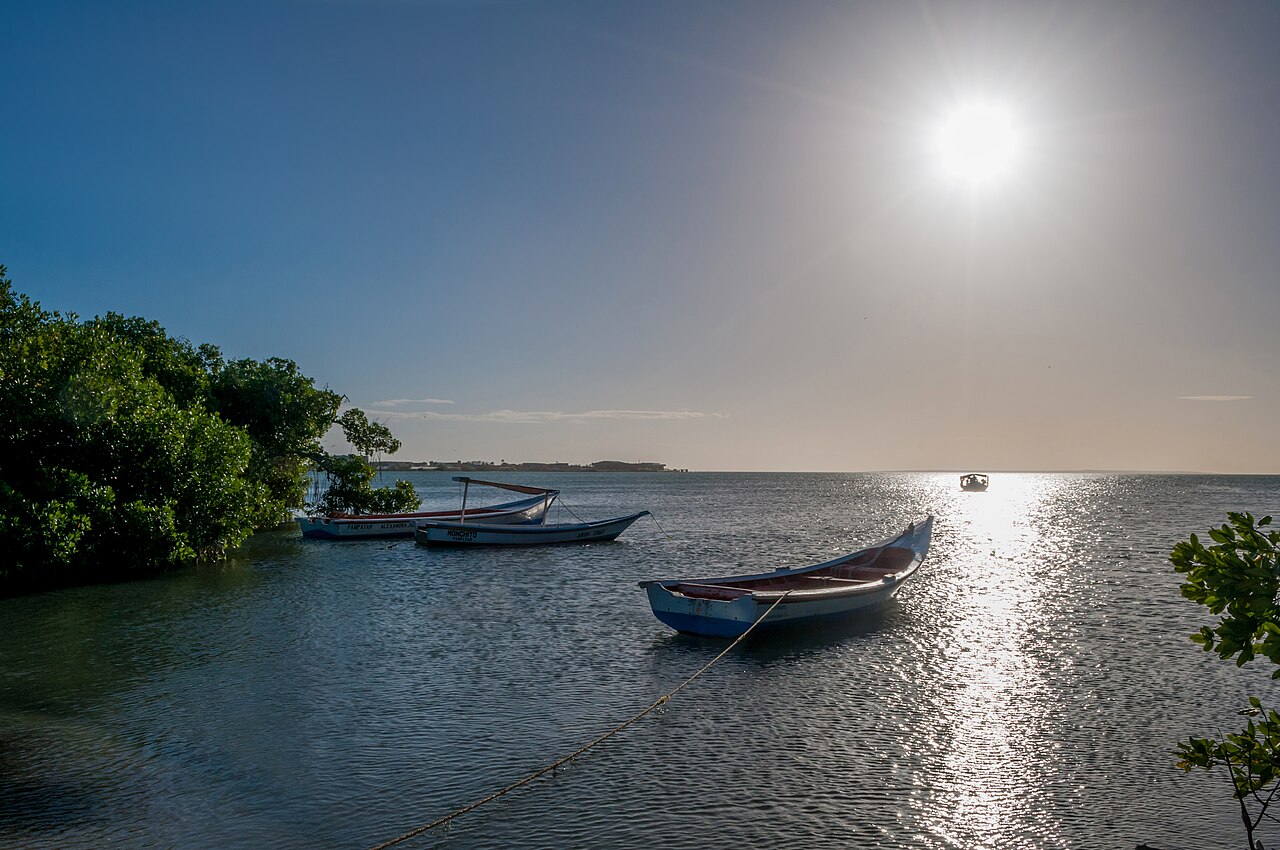
Mangroves
Tropical and subtropical coasts, between land and sea
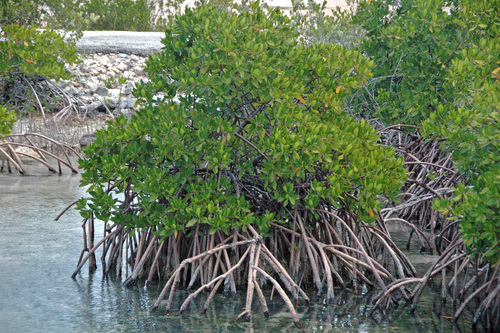
Mangroves are forests of salt-tolerant trees that grow where the tide comes in, on tropical and subtropical coasts. Their tangled roots shelter young fish, hold mud in place and break the force of waves and storms, and their soils store large amounts of carbon.
People have shared 572,111 records of animals and plants from the Sundarbans, Bangladesh and India and the Everglades mangrove coast, Florida with GBIF in ten years. This page shows the 33 species recorded most often there, and 41 links between them that studies have recorded: who eats whom.
- Kind
- Habitat
- Where
- Tropical and subtropical coasts, between land and sea
- Species shown
- 33, the most recorded
- Food web
- 41 recorded links between them
- Records
- 572,111 in 2016–2025
- Sample areas
- the Sundarbans, Bangladesh and India, the Everglades mangrove coast, Florida
Who eats whom in mangroves
Food flows upwards: plants and small animals at the bottom, hunters at the top. Tap a species to see its links, then take it out of the web to see who would lose food.
Tap a species.
All 41 recorded links
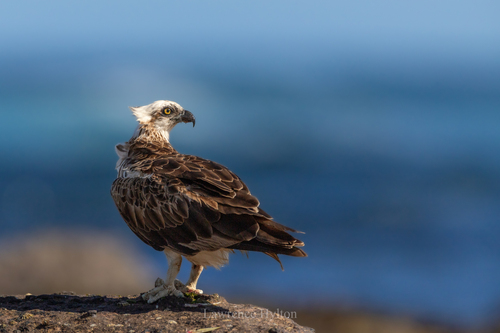
- Osprey eats Atlantic needlefish
- Osprey eats Florida gar
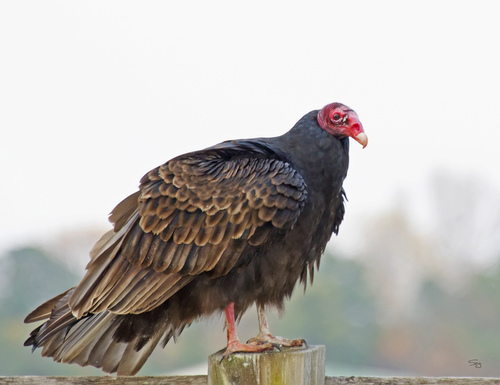
- Turkey vulture eats Great egret
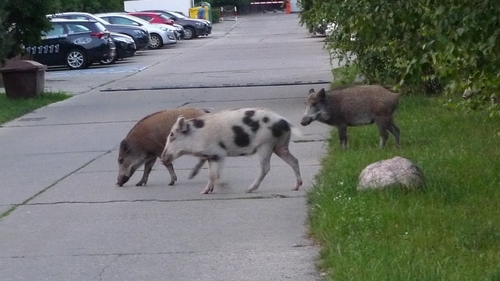
- Turkey vulture eats Wild boar
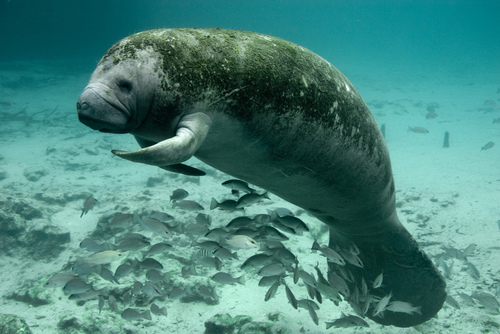
- Turkey vulture eats West Indian manatee
- Turkey vulture eats Bobcat
- Great egret eats Mayan cichlid
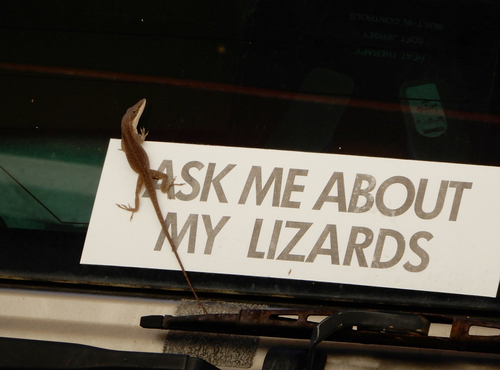
- Great egret eats Cuban brown anole
- Great egret eats Blue crab
- Great egret eats Green anole
- American white ibis eats Mangrove tree crab
- American white ibis eats Blue crab
- Black vulture eats Great egret
- Black vulture eats Bottlenose dolphin
- Black vulture eats Bobcat
- Black vulture eats Chital
- Black vulture eats Wild boar
- Red-shouldered hawk eats Cuban brown anole
- Red-shouldered hawk eats Green anole
- Red-shouldered hawk eats American crow
- Red-shouldered hawk eats Red-bellied woodpecker
- Red-bellied woodpecker eats Green anole
- Red-bellied woodpecker eats Cuban brown anole
- Bottlenose dolphin eats Blue crab
- Bottlenose dolphin eats Atlantic needlefish
- Wild boar eats Great egret
- Bobcat eats American crow
- Bobcat eats Chital
- Bobcat eats Wild boar
- Bobcat eats American white ibis
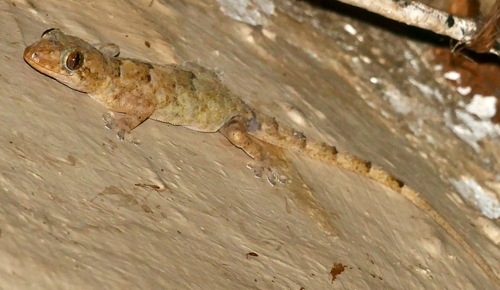
- Cuban brown anole eats Cosmopolitan house gecko
- Cuban brown anole eats Green anole
- Green anole eats Cuban brown anole
- Cosmopolitan house gecko eats Cuban brown anole
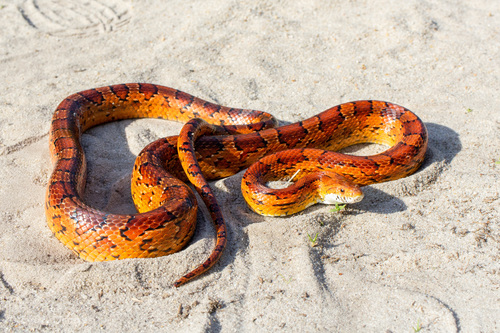
- Red cornsnake eats Green anole
- Red cornsnake eats Cuban brown anole
- Red cornsnake eats Cosmopolitan house gecko
- Florida gar eats Osprey
- Atlantic needlefish eats Blue crab
- Mangrove tree crab eats Red mangrove
- Great land crab eats Red mangrove
Links that studies have recorded between the species on this page (GloBI). Real food webs hold far more species and links, and animals switch food when one runs short.
Who lives in mangroves
The species people record most often in the Sundarbans, Bangladesh and India, the Everglades mangrove coast, Florida, 2016–2025.
Birds
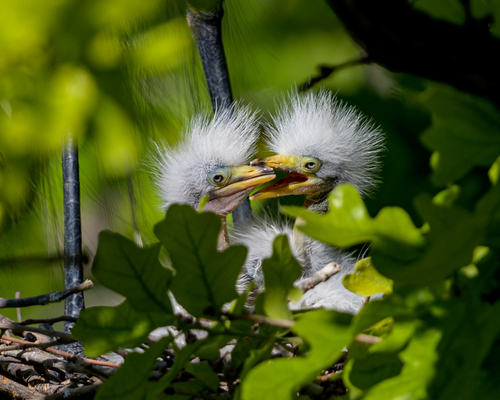
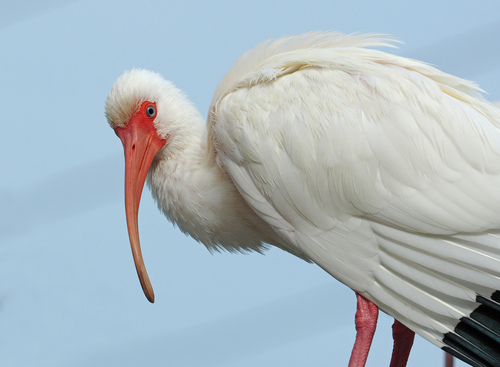

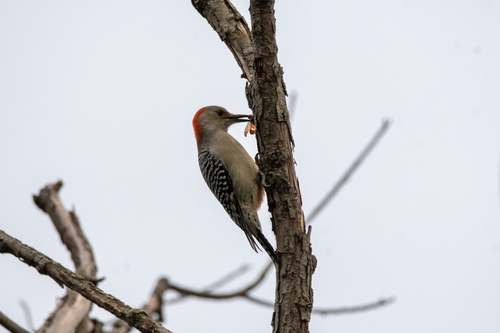
Mammals



Reptiles
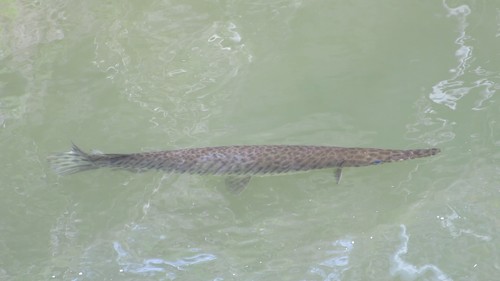
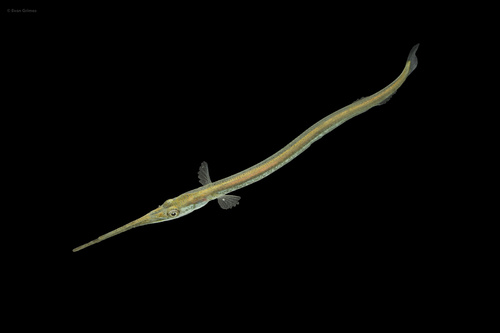
Fish


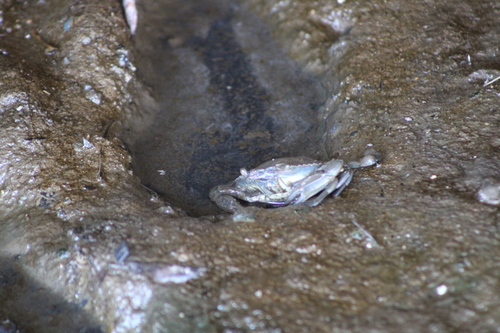
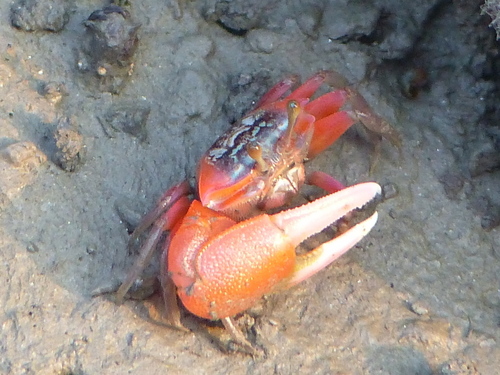
Crustaceans

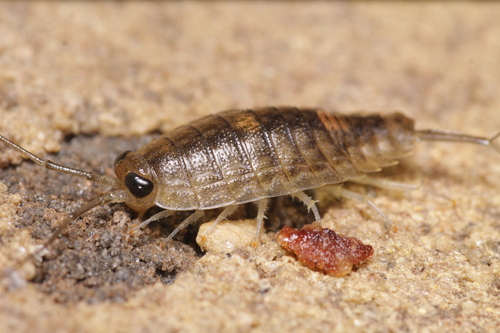
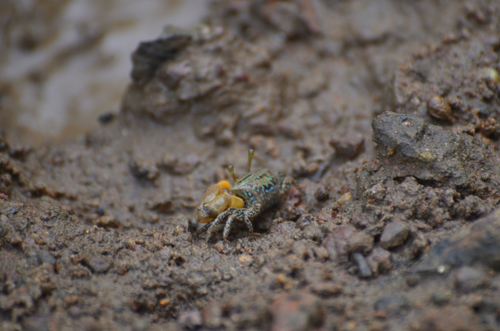
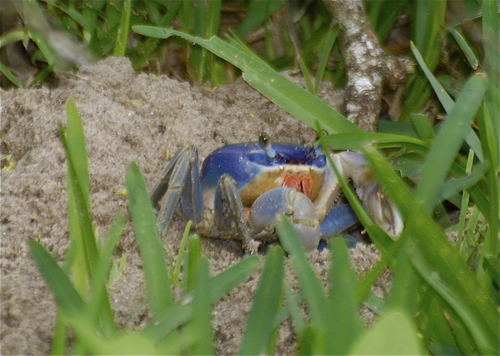
Plants


What threatens mangroves, and what helps
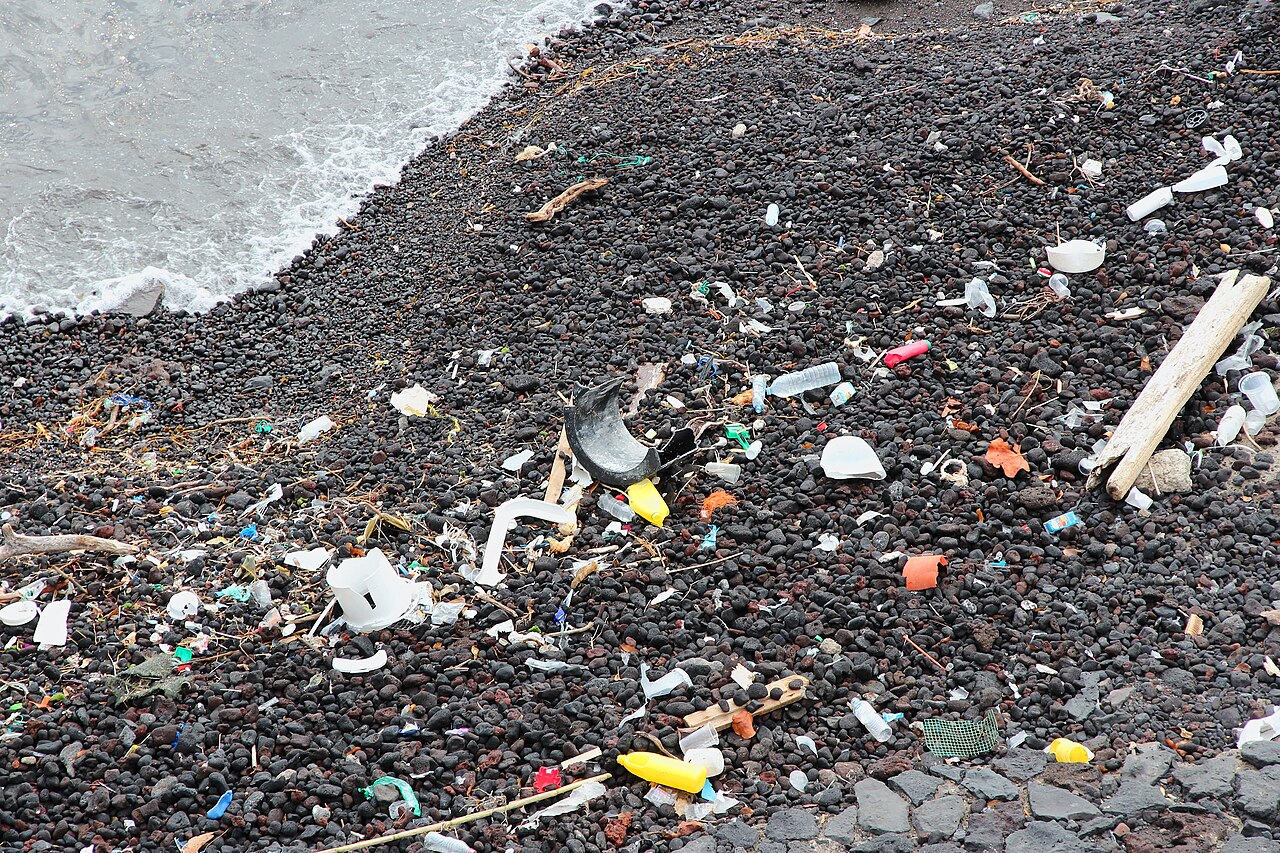
Mangroves have been cut for shrimp ponds, rice fields, timber and coastal building, and are squeezed by rising seas where there is no room to move inland.
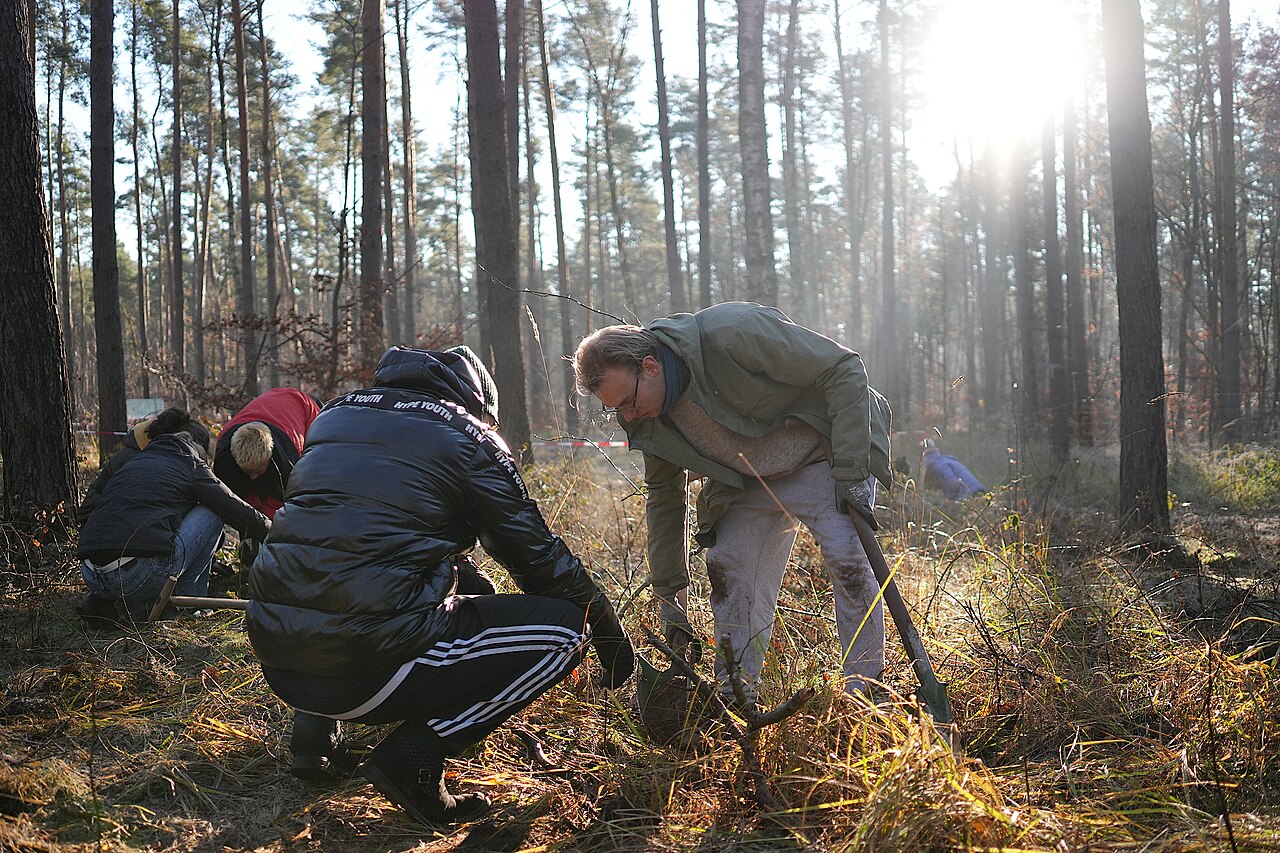
Protecting what is left and restoring mangroves where the water and soil still suit them. Restoration works best when the natural tidal flow is brought back.
Explore and share
Explore next
What puts mangroves under pressure, what helps, and who works on it.

Questions people ask
What animals live in mangroves?
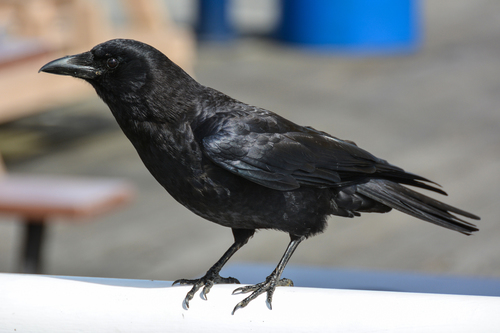
Among the animals people record most often in mangroves: osprey, american crow, turkey vulture, great egret, american white ibis, black vulture, red-shouldered hawk and red-bellied woodpecker. Based on GBIF records from the Sundarbans, Bangladesh and India and the Everglades mangrove coast, Florida, 2016–2025.
What is the food chain in mangroves?
Some of the feeding links studies have recorded among its species: the osprey eats the atlantic needlefish, the great egret eats the cuban brown anole, the turkey vulture eats the great egret and the turkey vulture eats the wild boar. Source: GloBI.
What threatens mangroves?
Mangroves have been cut for shrimp ponds, rice fields, timber and coastal building, and are squeezed by rising seas where there is no room to move inland.
How can mangroves be protected?
Protecting what is left and restoring mangroves where the water and soil still suit them. Restoration works best when the natural tidal flow is brought back.
Sources and photo credits
- GBIF · human observations in the Sundarbans, Bangladesh and India, the Everglades mangrove coast, Florida, 2016–2025
- GloBI · recorded feeding links between species
- Global Mangrove Watch · mangrove extent and change
- Mangrove trees at the water's edge in Kannur, India: Wilfredor, CC0
- Osprey: Lawrence Hylton, CC BY 4.0
- American crow: Gordon Leggett, CC BY-SA 4.0
- Turkey vulture: Seig, CC BY 4.0
- Great egret: Shiva Shenoy, CC BY 4.0
- American white ibis: Judy Gallagher, CC BY 4.0
- Black vulture: Jim, CC0
- Red-shouldered hawk: Jonathan Eisen, CC BY 4.0
- Red-bellied woodpecker: Troy B, CC BY 4.0
- West Indian manatee: U.S. Fish and Wildlife Service Headquarters, CC BY 4.0
- Chital: Jan Ebr & Ivana Ebrová, CC BY 4.0
- Rhesus monkey: Donald Hobern, CC BY 4.0
- Bottlenose dolphin: Laurent Bouveret, CC BY-SA 4.0
- Wild boar: aga_l_, CC BY 4.0
- Bobcat: ayden, CC BY 4.0
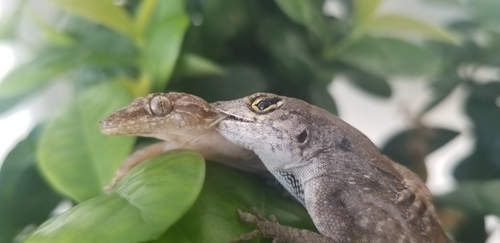
- Cuban brown anole: chloe ⋆˚꩜。, CC BY-SA 4.0
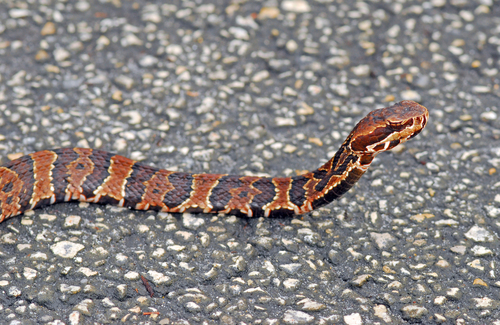
- Florida cottonmouth: Tom Kennedy, CC BY 4.0
- Green anole: Lyndsey, CC BY 4.0
- Scarlet snake: Peter Paplanus, CC BY 4.0
- Cosmopolitan house gecko: Bernard DUPONT, CC BY-SA 4.0
- Red cornsnake: evangrimes, CC BY 4.0
- Florida gar: Nonbinary-Naturalist, CC0
- Atlantic needlefish: evangrimes, CC BY 4.0
- Mayan cichlid: Christine Loew, CC BY 4.0
- Blue-spotted mudskipper: Ian Dugdale, CC BY 4.0
- Blue crab: Philip Schaffer, CC BY 4.0
- Mangrove tree crab: Annika Lindqvist, CC BY 4.0
- Rose fiddler crab: no rights reserved, uploaded by Simon Tonge, CC0
- Wharf roach: Sarah Abbate, CC BY 4.0
- Motley fiddler crab: Chandu Bandi, CC BY 4.0
- Great land crab: Jay Pruett, CC BY 4.0
- Red mangrove: James St. John, CC BY 4.0
- Redcardinal: Megan Hansen, CC BY-SA 4.0
- Black mangrove: Sam Kieschnick, CC BY 4.0

Species lists come from records people have shared in a few sample areas, not a full inventory of mangroves, and well-watched groups such as birds are recorded far more than insects or fungi. The food web shows only links that studies have recorded between the species on this page.
Checked 2026-11-20.