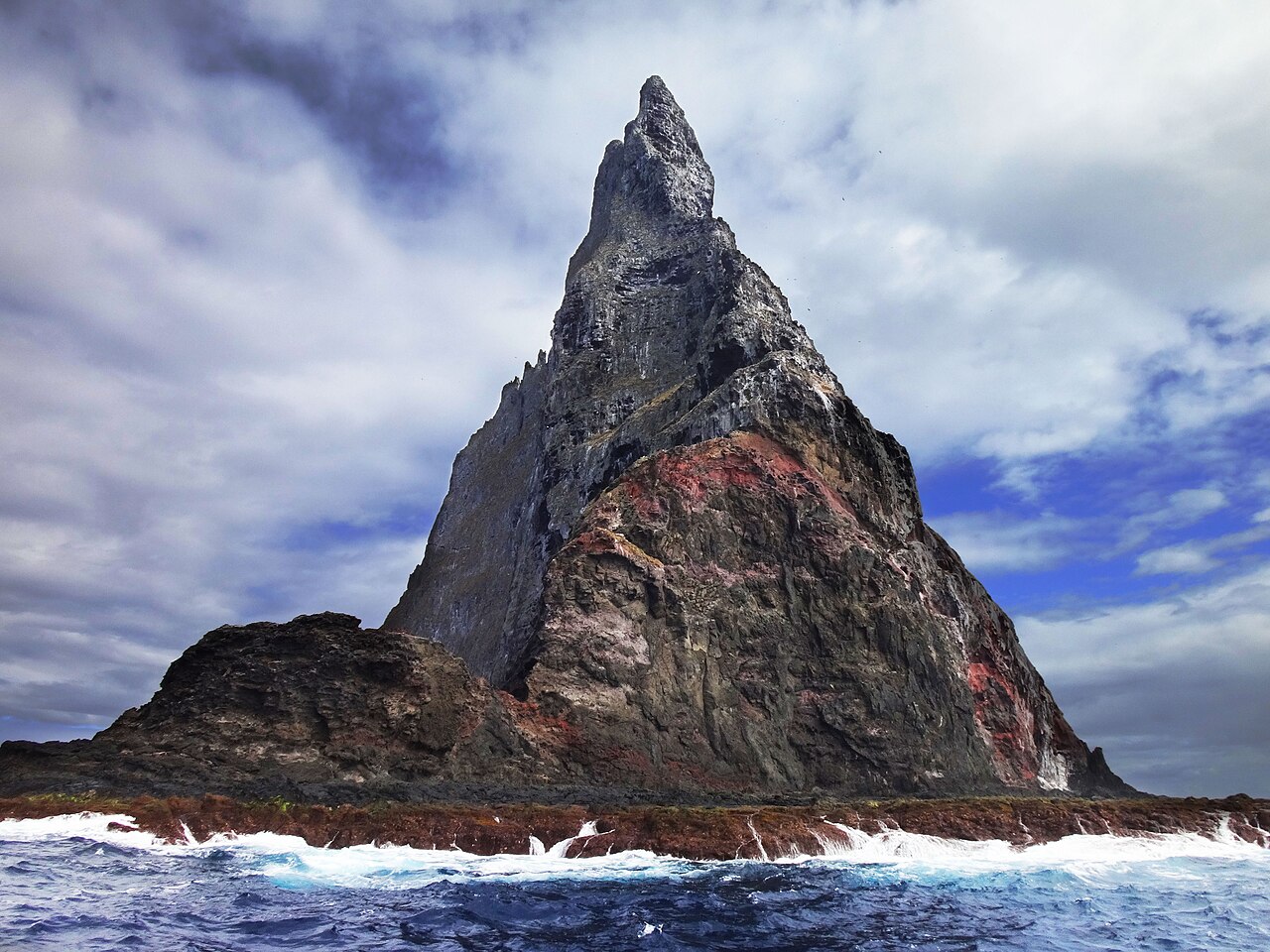
Lord Howe Island Group
The Tasman Sea, about 570 km east of Australia
The Lord Howe Island Group in the Tasman Sea is what remains of a large shield volcano. It covers 146,300 hectares, mostly sea, and has the most southerly true coral reef in the world.
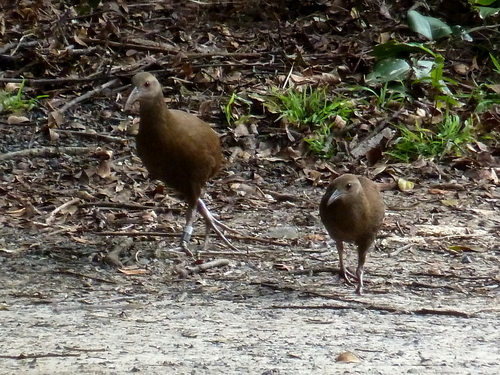
Its rarest residents became famous: the flightless Lord Howe woodhen, once regarded as one of the rarest birds on Earth, and the Lord Howe Island stick insect, the world's largest, feared extinct until it was found again on Balls Pyramid. The islands are the only major breeding place of the Providence petrel.
People have shared 83,741 records of animals and plants from Lord Howe Island, its lagoon and Balls Pyramid with GBIF in ten years. This page shows the 34 species recorded most often there, and 4 links between them that studies have recorded: who eats whom.
- Kind
- Ecosystem
- Where
- The Tasman Sea, about 570 km east of Australia
- Species shown
- 34, the most recorded
- Food web
- 4 recorded links between them
- Records
- 83,741 in 2016–2025
- Sample areas
- Lord Howe Island, its lagoon and Balls Pyramid
Who eats whom in the Lord Howe Island Group
Food flows upwards: plants and small animals at the bottom, hunters at the top. Tap a species to see its links, then take it out of the web to see who would lose food.
Tap a species.
All 4 recorded links
Links that studies have recorded between the species on this page (GloBI). Real food webs hold far more species and links, and animals switch food when one runs short.
Who lives in the Lord Howe Island Group
The species people record most often in Lord Howe Island, its lagoon and Balls Pyramid, 2016–2025.
Birds


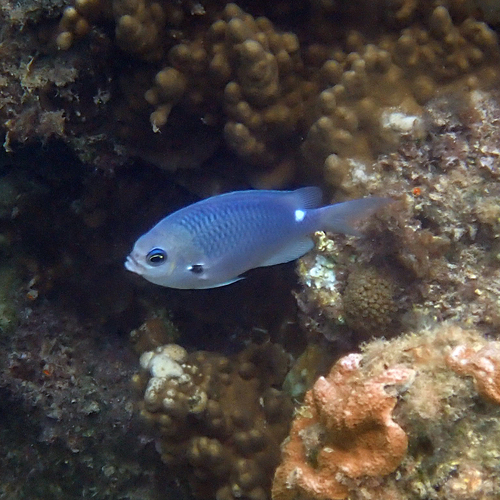
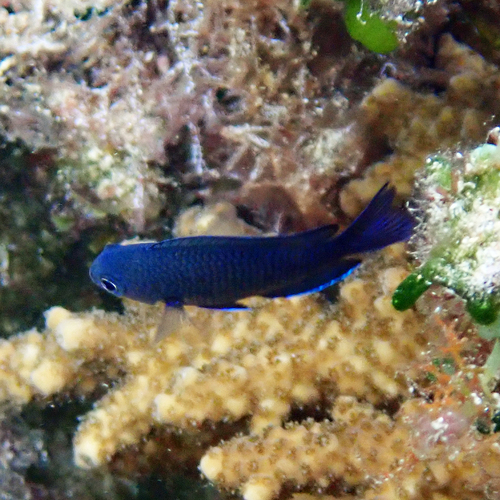
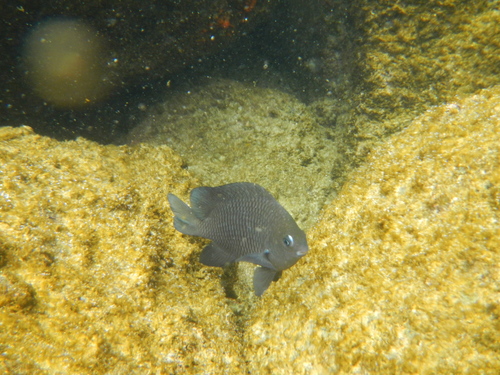
Fish
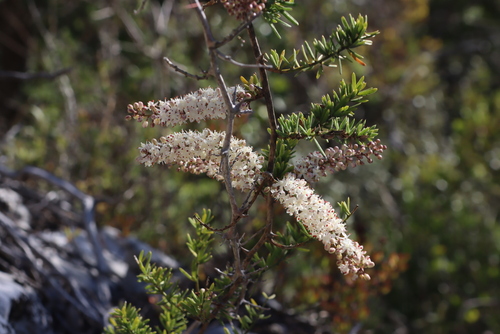
Plants



Insects
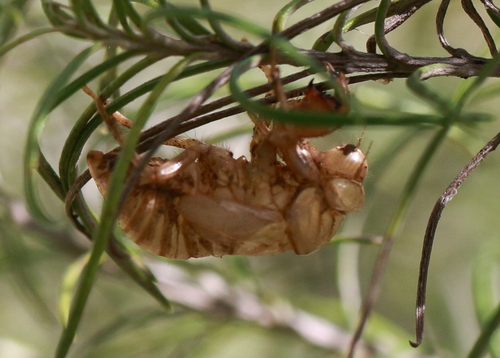
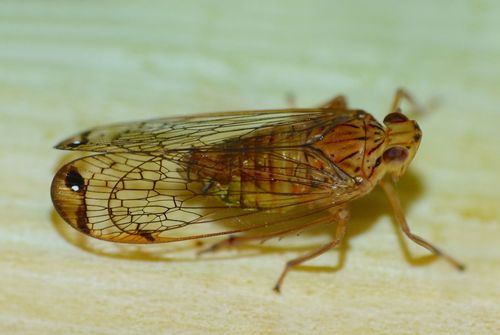
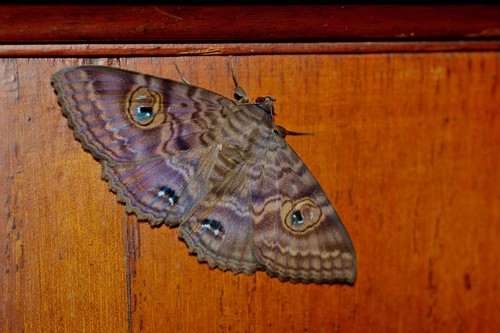
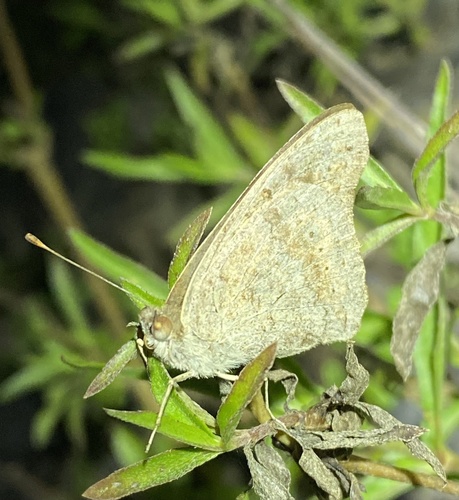
Reptiles
Mammals


What threatens the Lord Howe Island Group, and what helps
Fishing, tourism, invasive animals, plants and diseases, and climate change need ongoing attention, UNESCO notes; a number of endemic species disappeared after people arrived with the animals they brought.
Feral pigs and cats have been eradicated and goats almost, the woodhen's status has improved through a recovery programme, and weeds and introduced rodents are being tackled.
Explore and share
Questions people ask
What animals live in the Lord Howe Island Group?
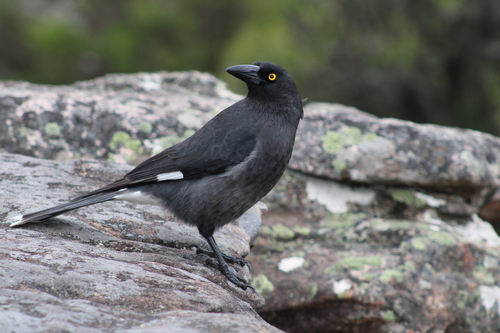
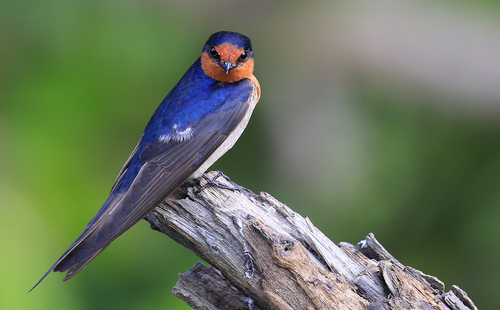
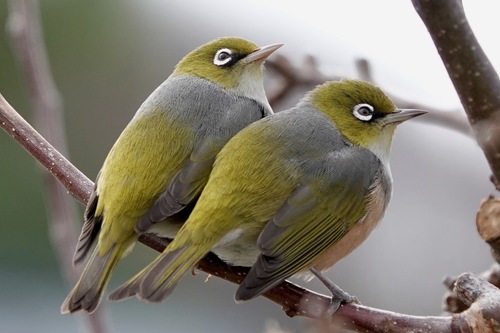
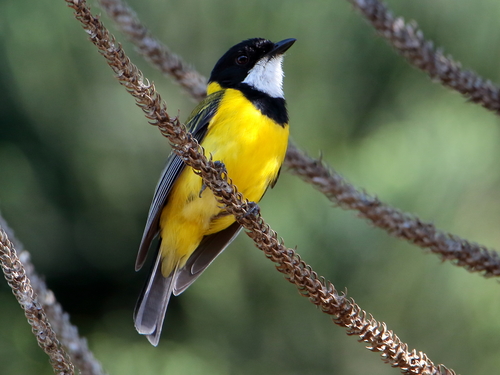
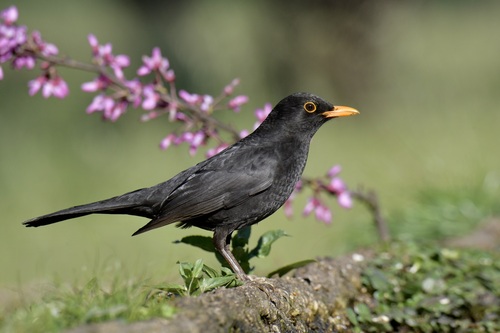
Among the animals people record most often in the Lord Howe Island Group: lord howe woodhen, pied currawong, buff-banded rail, sooty tern, welcome swallow, silvereye, australian golden whistler and common blackbird. Based on GBIF records from Lord Howe Island, its lagoon and Balls Pyramid, 2016–2025.
What is the food chain in the Lord Howe Island Group?
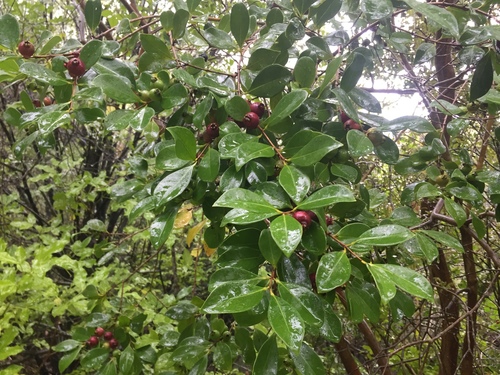
Some of the feeding links studies have recorded among its species: the silvereye eats the earleaf nightshade, the common blackbird eats the sprenger's asparagus fern, the strawberry guava eats the common blackbird and the strawberry guava eats the silvereye. Source: GloBI.
What threatens the Lord Howe Island Group?
Fishing, tourism, invasive animals, plants and diseases, and climate change need ongoing attention, UNESCO notes; a number of endemic species disappeared after people arrived with the animals they brought.
How can the Lord Howe Island Group be protected?
Feral pigs and cats have been eradicated and goats almost, the woodhen's status has improved through a recovery programme, and weeds and introduced rodents are being tackled.
Sources and photo credits
- GBIF · human observations in Lord Howe Island, its lagoon and Balls Pyramid, 2016–2025
- GloBI · recorded feeding links between species
- UNESCO World Heritage Centre · Lord Howe Island Group
- Balls Pyramid, a sheer volcanic spire rising from the Tasman Sea near Lord Howe Island: PotMart186, CC BY-SA 4.0
- Lord howe woodhen: Graham Winterflood, CC BY-SA 4.0
- Pied currawong: Grady Duffy, CC BY 4.0
- Buff-banded rail: Duncan, CC BY-SA 4.0
- Sooty tern: Kyle Van Houtan, CC BY 4.0
- Welcome swallow: Shane Walker, CC BY 4.0
- Silvereye: BIHNZ, CC BY 4.0
- Australian golden whistler: Graham Winterflood, CC BY-SA 4.0
- Common blackbird: Luiz Lapa, CC BY 4.0
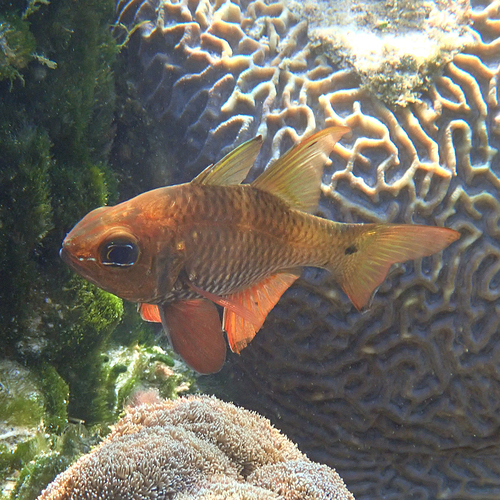
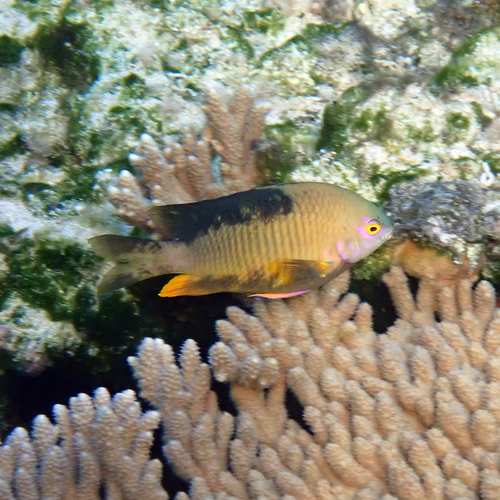
- Norfolk cardinalfish: Susan Prior, CC BY 4.0
- Coral sea gregory: Susan Prior, CC BY 4.0
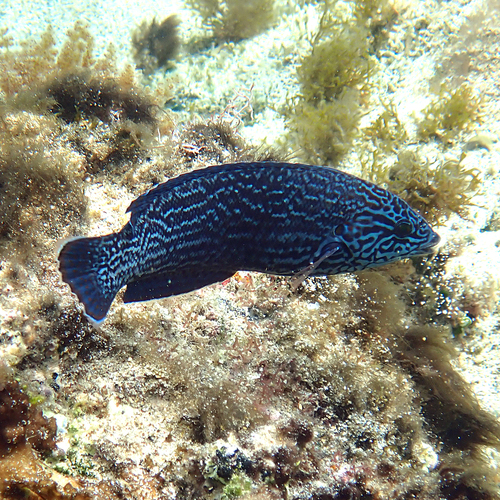
- Doubleheader: Susan Prior, CC BY 4.0
- Green moon wrasse: 呂一起(Lyu yi-chi), CC BY 4.0
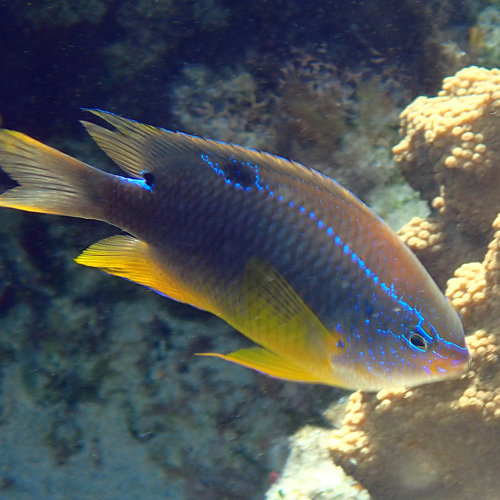
- Multispine damselfish: Susan Prior, CC BY 4.0
- Brown puller: Susan Prior, CC BY 4.0
- Southern damsel: Susan Prior, CC BY 4.0
- Pacific gregory: Erasmo Macaya Horta, CC BY 4.0
- Sprenger's asparagus fern: Tony Rebelo, CC BY-SA 4.0
- Strawberry guava: nick_goldwater, CC BY 4.0
- Mickey mouse plant: Thomas Mesaglio, CC BY 4.0
- Earleaf nightshade: Tony Rebelo, CC BY-SA 4.0
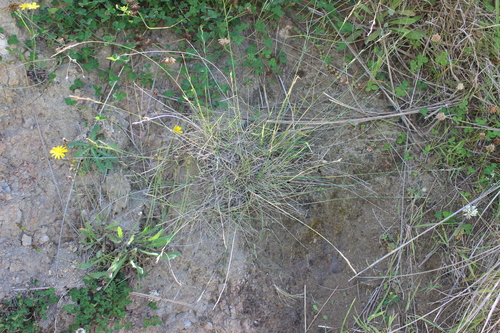
- Blue grass: Joe Dillon, CC BY 4.0
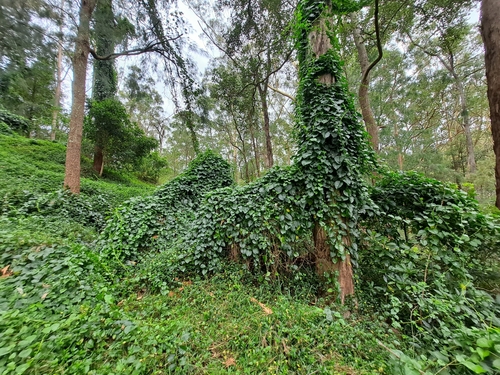
- Heartleaf madeiravine: Phil Price, CC BY 4.0
- Common asparagus fern: alessandradalia, CC BY-SA 4.0
- Ceylon lesser albatross: John Tann, CC BY 4.0
- Lord howe cicada: tobyyy, CC BY-SA 4.0
- Palm planthopper: Steve Kerr, CC BY 4.0
- Granny's cloak moth: Tatters ❀, CC BY-SA 4.0
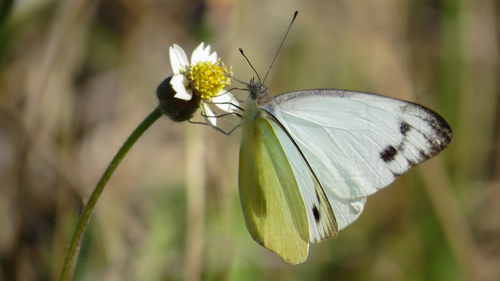
- Australian meadow argus: Greg Tasney, CC BY-SA 4.0
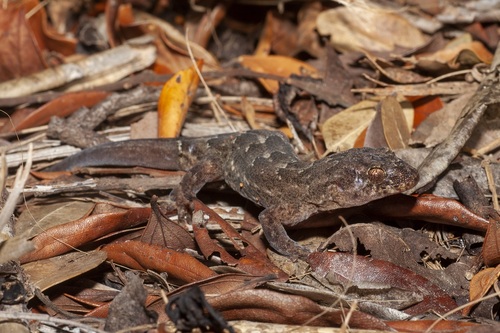
- Lord howe island marbled gecko: dhfischer, CC BY 4.0
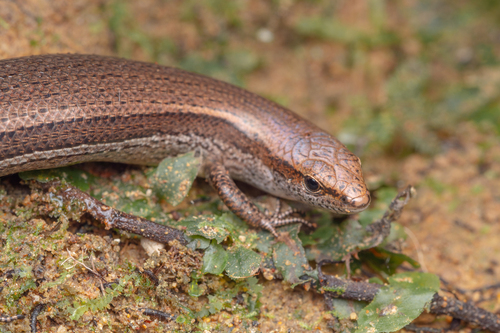
- Garden skink: Saryu Mae 前 朝琉, CC BY 4.0
- Bottlenose dolphin: Laurent Bouveret, CC BY-SA 4.0
- Subantarctic fur seal: Brian Gratwicke, CC BY 4.0
- Australasian fur seal: Sid Mosdell, CC BY 4.0
- Leopard seal: Mike Bowie, CC BY 4.0

Species lists come from records people have shared in a few sample areas, not a full inventory of the Lord Howe Island Group, and well-watched groups such as birds are recorded far more than insects or fungi. The food web shows only links that studies have recorded between the species on this page.
Checked 2026-11-22.