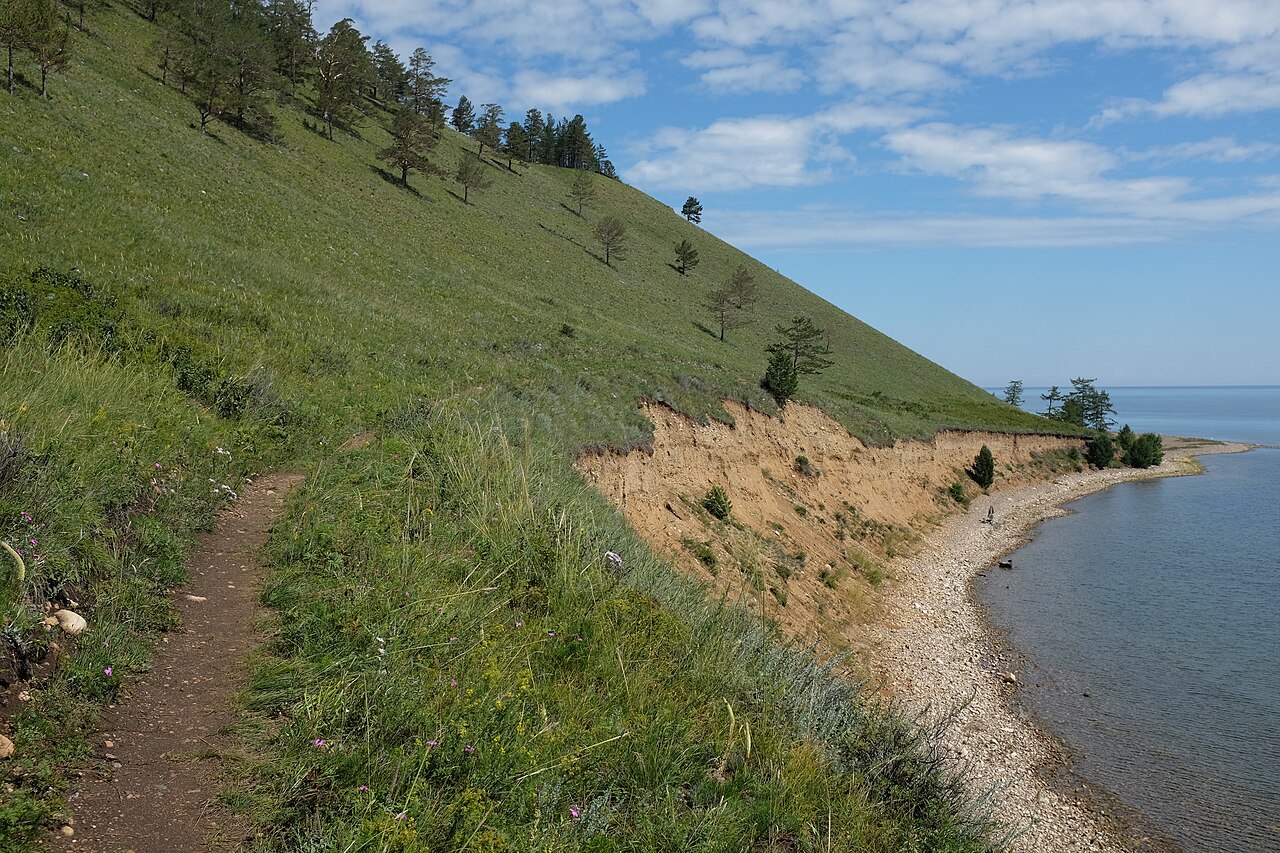
Lake Baikal
South-east Siberia, Russia
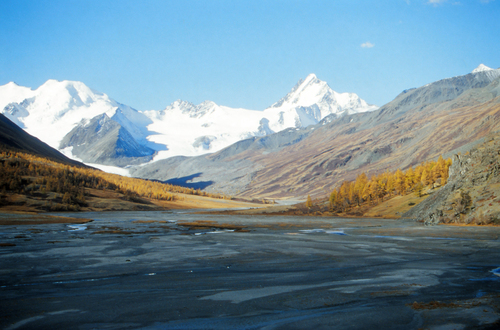
Lake Baikal in south-east Siberia is the oldest and deepest lake in the world: about 25 million years old and 1,700 metres deep. It covers 3.15 million hectares and holds 20% of all the unfrozen fresh water on Earth. Its long isolation has produced an outstanding variety of plants and animals found nowhere else, and one of the best known is the Baikal seal.
People have shared 86,439 records of animals and plants from the southern shore around Listvyanka and Olkhon Island with GBIF in ten years. This page shows the 29 species recorded most often there, and 58 links between them that studies have recorded: who eats whom.
- Kind
- Ecosystem
- Where
- South-east Siberia, Russia
- Species shown
- 29, the most recorded
- Food web
- 58 recorded links between them
- Records
- 86,439 in 2016–2025
- Sample areas
- the southern shore around Listvyanka, Olkhon Island
Who eats whom in Lake Baikal
Food flows upwards: plants and small animals at the bottom, hunters at the top. Tap a species to see its links, then take it out of the web to see who would lose food.
Tap a species.
All 58 recorded links
- Siberian chipmunk eats Willow tit
- Siberian chipmunk eats Eurasian red squirrel
- Siberian chipmunk eats Great tit
- Eurasian red squirrel eats Scots pine
- Eurasian red squirrel eats Siberian chipmunk
- Eurasian red squirrel eats Willow tit
- Eurasian red squirrel eats Great tit
- Red fox eats Rowan
- Red fox eats Siberian chipmunk
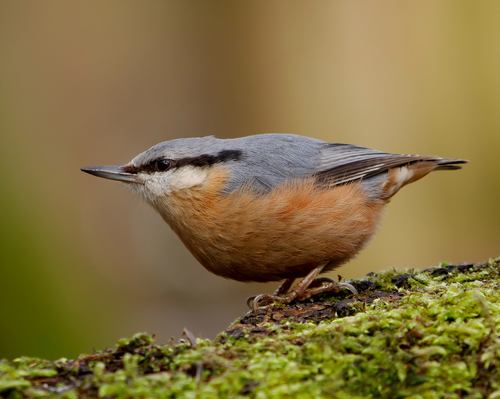
- Red fox eats Eurasian nuthatch
- Red fox eats Great cormorant
- Red fox eats Great tit
- Red fox eats Red deer
- Red fox eats Carrion crow
- Red fox eats White wagtail
- Red fox eats Eurasian red squirrel
- Red deer eats Scots pine
- White wagtail eats Ringlet
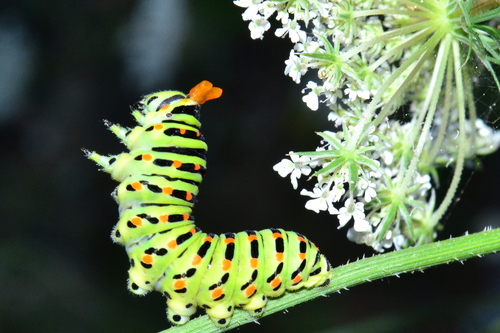
- White wagtail eats Swallowtail
- White wagtail eats Small tortoiseshell
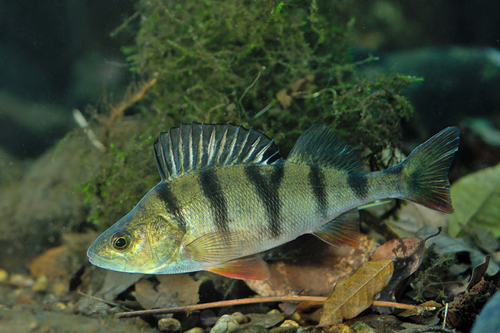
- Great cormorant eats Perch
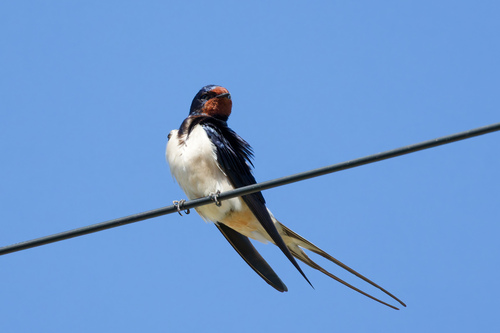
- Great cormorant eats Barn swallow
- Carrion crow eats Heath spotted-orchid
- Carrion crow eats Scots pine
- Carrion crow eats May lily
- Carrion crow eats Rowan
- Carrion crow eats Eurasian red squirrel
- Carrion crow eats Great tit
- Carrion crow eats Willow tit
- Carrion crow eats Great cormorant
- Carrion crow eats White wagtail
- Carrion crow eats Siberian chipmunk
- Eurasian nuthatch eats May lily
- Eurasian nuthatch eats Heath spotted-orchid
- Eurasian nuthatch eats Scots pine
- Eurasian nuthatch eats Rowan
- Eurasian nuthatch eats Ringlet
- Eurasian nuthatch eats Swallowtail
- Eurasian nuthatch eats Small tortoiseshell
- Barn swallow eats Swallowtail
- Barn swallow eats Ringlet
- Barn swallow eats Small tortoiseshell
- Great tit eats May lily
- Great tit eats Scots pine
- Great tit eats Heath spotted-orchid
- Great tit eats Rowan
- Great tit eats Small tortoiseshell
- Great tit eats Swallowtail
- Great tit eats Ringlet
- Willow tit eats Scots pine
- Willow tit eats May lily
- Willow tit eats Heath spotted-orchid
- Willow tit eats Rowan
- Willow tit eats Small tortoiseshell
- Willow tit eats Swallowtail
- Willow tit eats Ringlet
- Harlequin ladybird eats Scots pine
- Small tortoiseshell eats Heath spotted-orchid
Links that studies have recorded between the species on this page (GloBI). Real food webs hold far more species and links, and animals switch food when one runs short.
Who lives in Lake Baikal
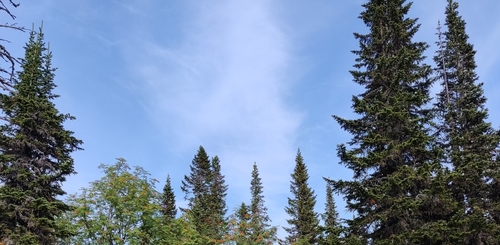
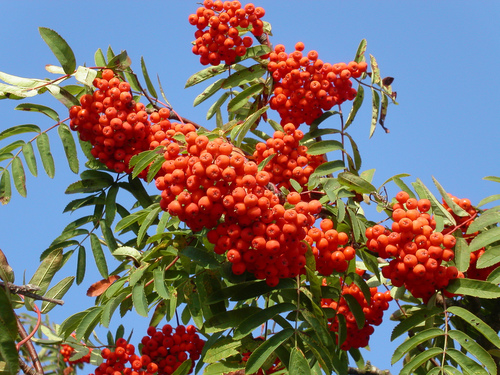
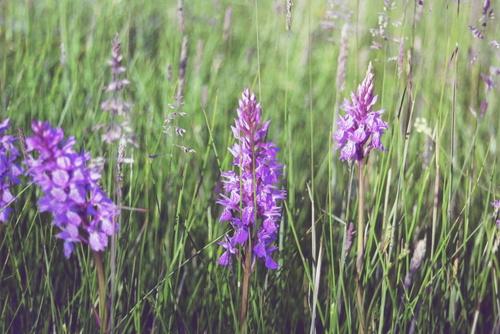
The species people record most often in the southern shore around Listvyanka, Olkhon Island, 2016–2025.
Mammals


Birds


Fish
Insects



Plants


What threatens Lake Baikal, and what helps
When UNESCO listed the lake it raised concern about pollution and other threats to its integrity. What flows in from the towns, farms and industry around it decides how clean its water stays.
The lake and its shores are protected as a World Heritage site, so their condition is reviewed by the World Heritage Committee and protected areas around the shore limit what can be built.
Explore and share
Questions people ask
What animals live in Lake Baikal?
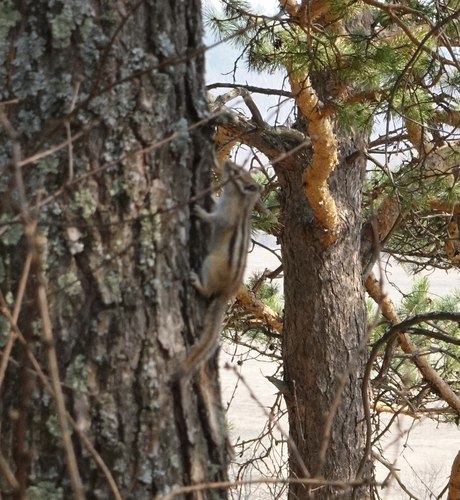
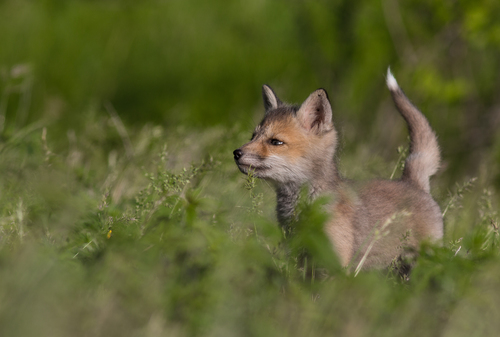
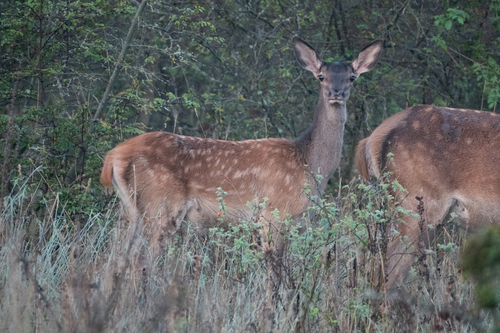
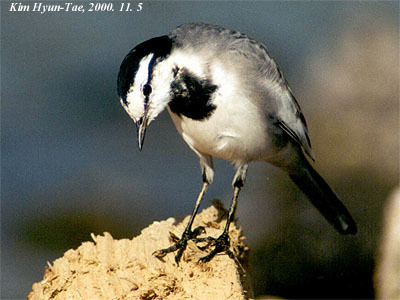
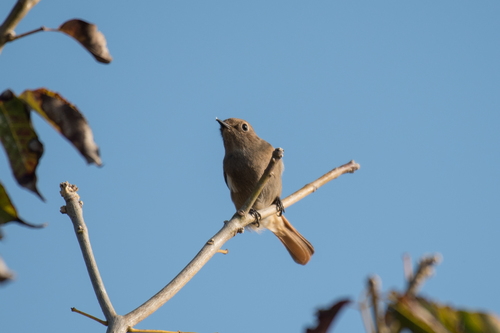
Among the animals people record most often in Lake Baikal: siberian chipmunk, baikal seal, eurasian red squirrel, long-tailed ground squirrel, red fox, red deer, white wagtail and daurian redstart. Based on GBIF records from the southern shore around Listvyanka and Olkhon Island, 2016–2025.
What is the food chain in Lake Baikal?
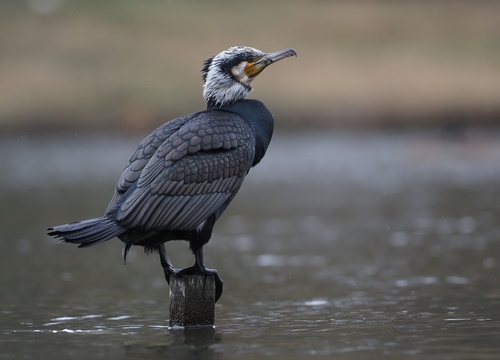
Some of the feeding links studies have recorded among its species: the great cormorant eats the perch, the red fox eats the red deer, the red fox eats the eurasian red squirrel and the siberian chipmunk eats the willow tit. Source: GloBI.
What threatens Lake Baikal?
When UNESCO listed the lake it raised concern about pollution and other threats to its integrity. What flows in from the towns, farms and industry around it decides how clean its water stays.
How can Lake Baikal be protected?
The lake and its shores are protected as a World Heritage site, so their condition is reviewed by the World Heritage Committee and protected areas around the shore limit what can be built.
Sources and photo credits
- GBIF · human observations in the southern shore around Listvyanka, Olkhon Island, 2016–2025
- GloBI · recorded feeding links between species
- UNESCO World Heritage Centre · Lake Baikal
- Grassy hills and a pebble shore on Lake Baikal, Siberia: Ludger Heide, CC BY-SA 2.0
- Siberian chipmunk: Oleg Kosterin, CC BY 4.0
- Baikal seal: Sergey Gabdurakhmanov, CC BY 4.0
- Eurasian red squirrel: Rhododendrites, CC BY-SA 4.0
- Long-tailed ground squirrel: Konstantin Malanchev, CC BY 4.0
- Red fox: Алина Урусова, CC BY 4.0
- Red deer: Demian Hiß, CC BY 4.0
- White wagtail: Kim, Hyun-tae, CC BY 4.0
- Daurian redstart: 尹若宇, CC BY-SA 4.0
- Great cormorant: Frank Vassen, CC BY 4.0
- Carrion crow: no rights reserved, uploaded by Charlie Farrell, CC0
- Eurasian nuthatch: Frank Vassen, CC BY 4.0
- Barn swallow: Donald Davesne, CC BY 4.0
- Great tit: hedera.baltica, CC BY-SA 4.0
- Willow tit: Andrew Bazdyrev, CC BY 4.0
- Perch: Gilles San Martin, CC BY-SA 4.0
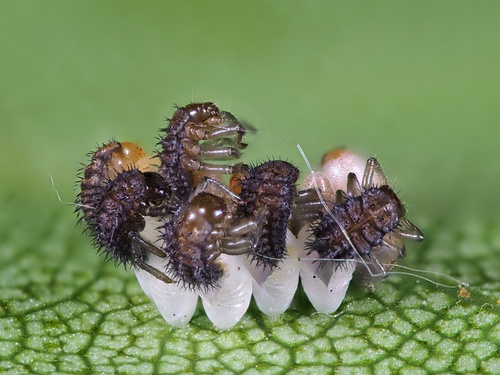
- Harlequin ladybird: Gilles San Martin, CC BY-SA 4.0
- Small tortoiseshell: Jörg Hempel, CC BY-SA 4.0
- Swallowtail: no rights reserved, uploaded by Marino Linić, CC0
- Nomion apollo: Vsevolod Rudyi, CC BY 4.0
- Ringlet: Didier, CC BY-SA 4.0
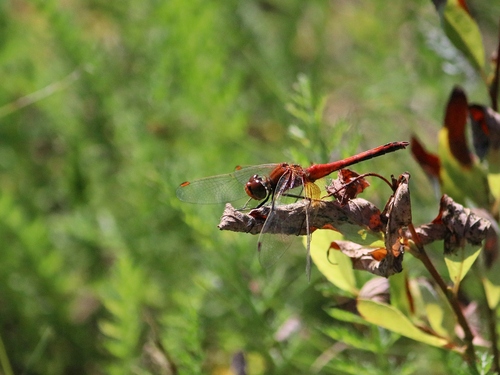
- Yellow-winged darter: uusijani, CC0
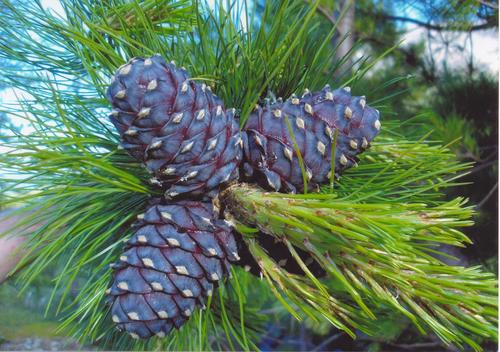
- Siberian pine: ugraland, CC BY 4.0
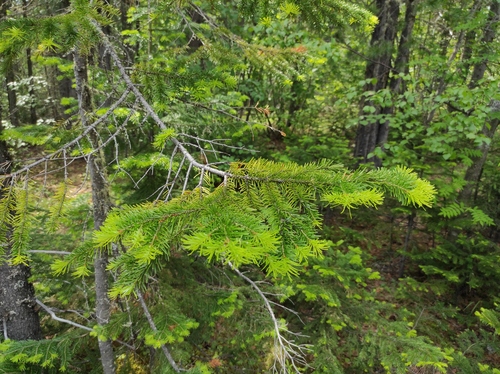
- Siberian fir: Valentin Kosterin, CC BY 4.0
- Scots pine: anemoneprojectors (no internet at the moment), CC BY-SA 4.0
- Siberian spruce: Алёна Карцева, CC0
- May lily: Sigitas Juzėnas, CC BY 4.0
- Rowan: Hans Kylberg, CC BY 4.0
- Heath spotted-orchid: zebedeugalinha, CC BY 4.0
- Siberian larch: Oleg Kosterin, CC BY 4.0

Species lists come from records people have shared in a few sample areas, not a full inventory of Lake Baikal, and well-watched groups such as birds are recorded far more than insects or fungi. The food web shows only links that studies have recorded between the species on this page.
Checked 2026-11-22.