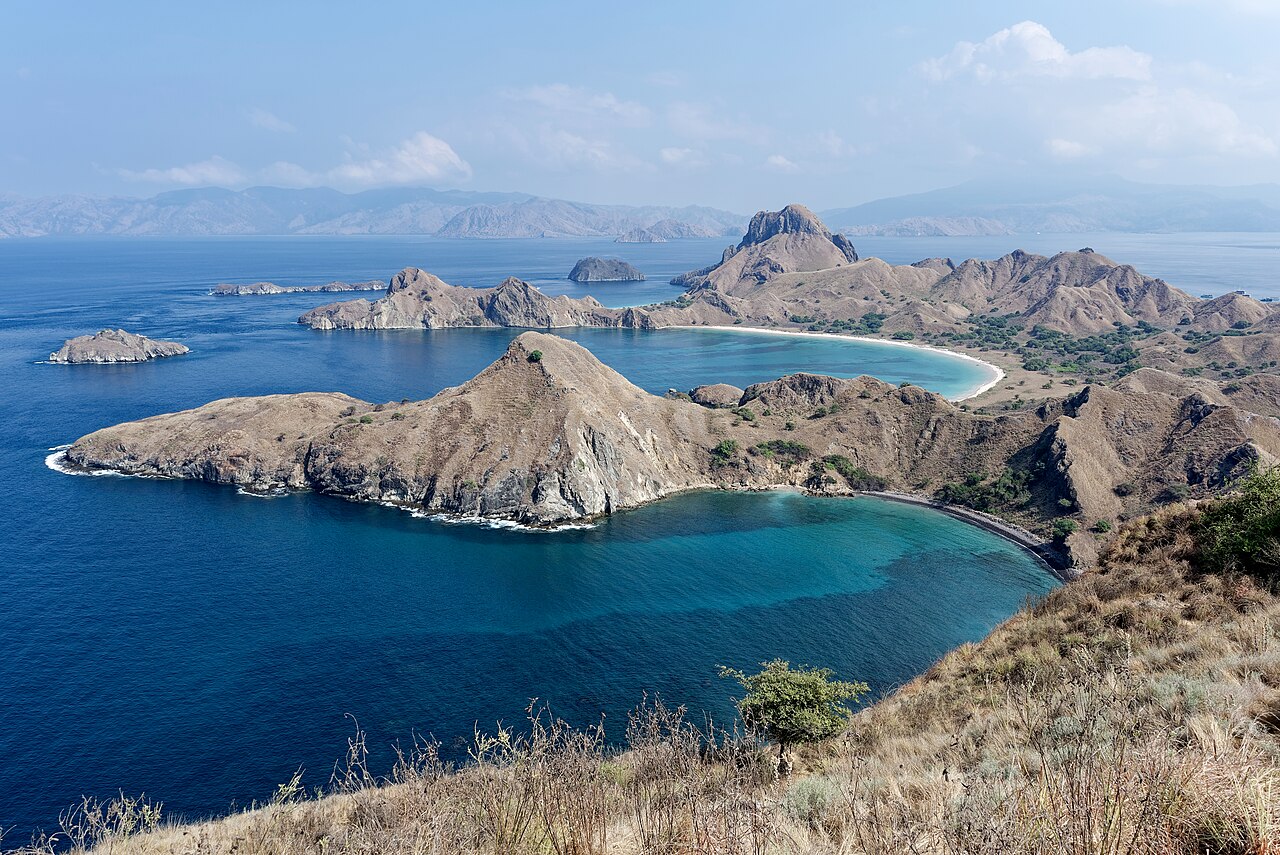
Komodo National Park
Lesser Sunda Islands, eastern Indonesia: Komodo, Rinca, Padar and the sea around them
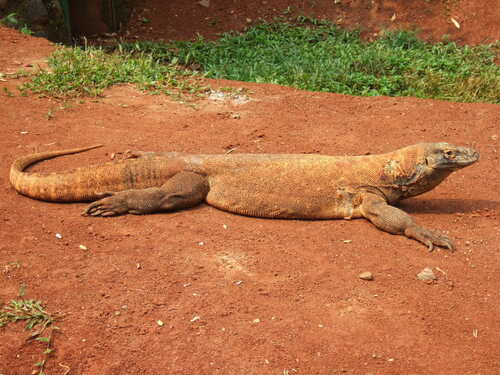
Komodo National Park in eastern Indonesia covers 219,322 hectares of volcanic islands and the sea around them. UNESCO counts around 5,700 Komodo dragons on its islands, the giant lizards that gave the park its name. Its coral reefs are very rich in species, and strong currents bring sea turtles, whales, dolphins and dugongs: the park records 10 species of dolphin and five species of sea turtle.
People have shared 28,320 records of animals and plants from Komodo and Padar islands and Rinca Island with GBIF in ten years. This page shows the 36 species recorded most often there, and 3 links between them that studies have recorded: who eats whom.
- Kind
- Ecosystem
- Where
- Lesser Sunda Islands, eastern Indonesia: Komodo, Rinca, Padar and the sea around them
- Species shown
- 36, the most recorded
- Food web
- 3 recorded links between them
- Records
- 28,320 in 2016–2025
- Sample areas
- Komodo and Padar islands, Rinca Island
Who eats whom in Komodo National Park
Food flows upwards: plants and small animals at the bottom, hunters at the top. Tap a species to see its links, then take it out of the web to see who would lose food.
Tap a species.
All 3 recorded links
Links that studies have recorded between the species on this page (GloBI). Real food webs hold far more species and links, and animals switch food when one runs short.
Who lives in Komodo National Park
The species people record most often in Komodo and Padar islands, Rinca Island, 2016–2025.
Mammals

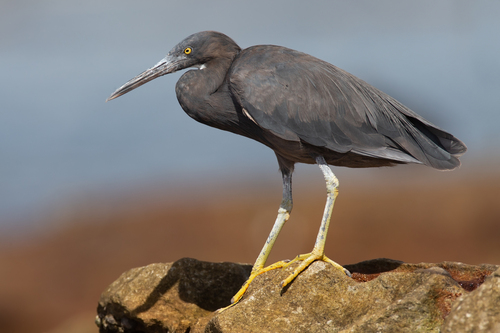
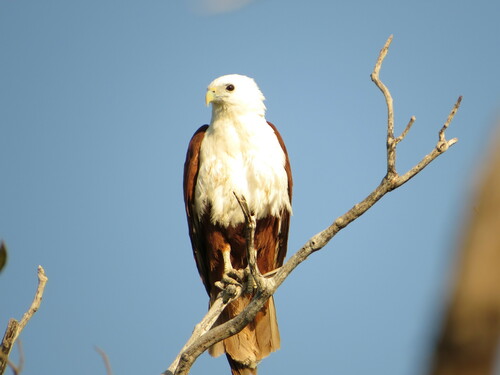
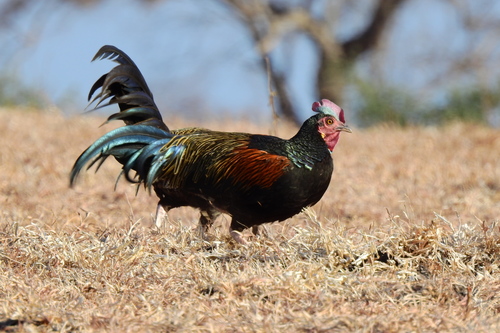
Birds

Reptiles

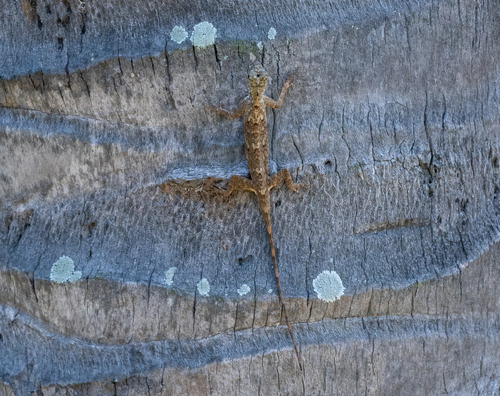
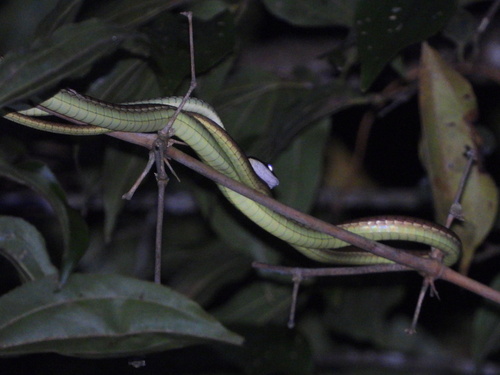
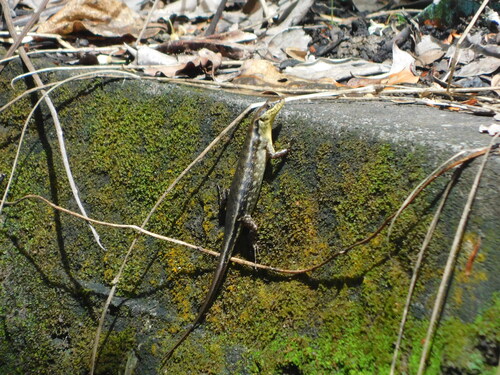
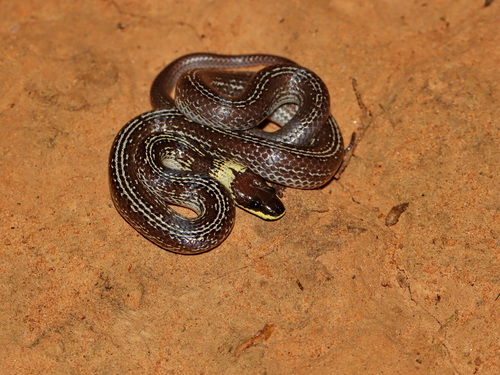
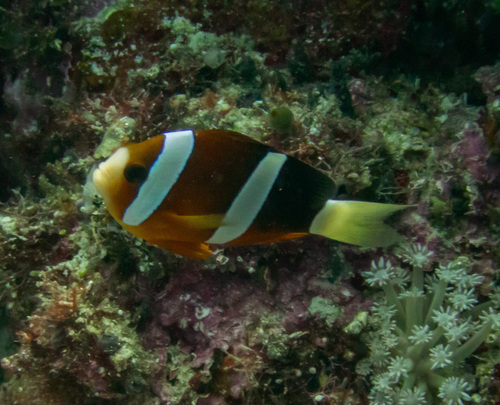
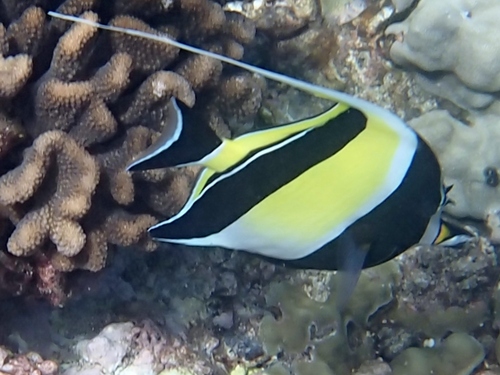
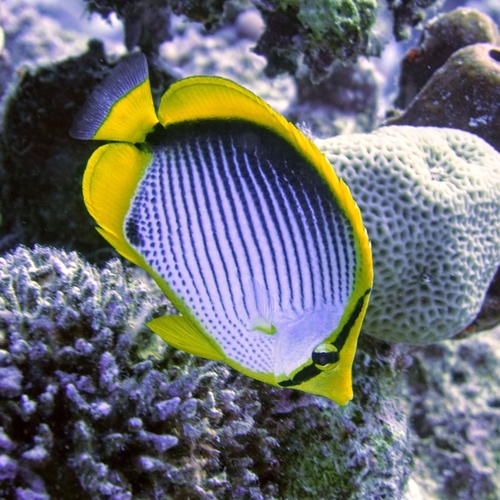
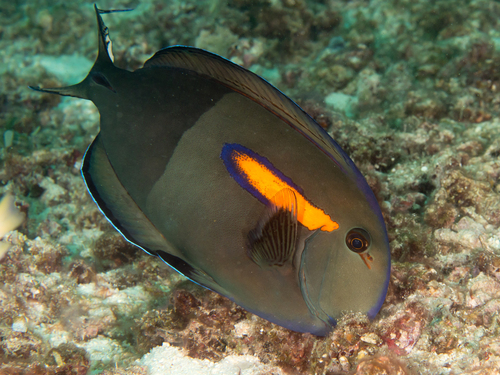
Fish


Insects
Plants


What threatens Komodo National Park, and what helps
UNESCO names illegal fishing and poaching as the main threats to the park and everything that makes it special.
The park is run by Indonesia's central government, rangers patrol the sea and the islands regularly, and staff can control which kinds of fishing are allowed in a wide marine buffer zone. Programmes with local villages work on sustainable use of the reefs and islands.
Explore and share
Questions people ask
What animals live in Komodo National Park?
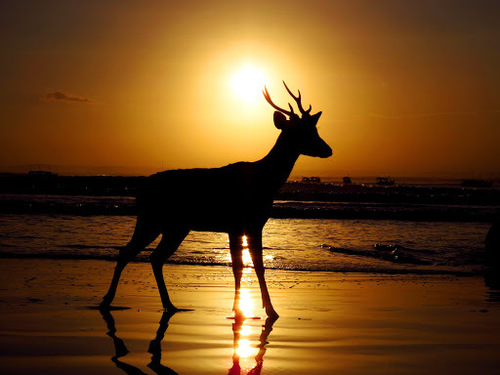
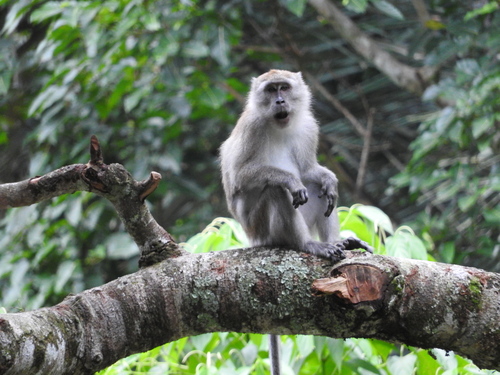
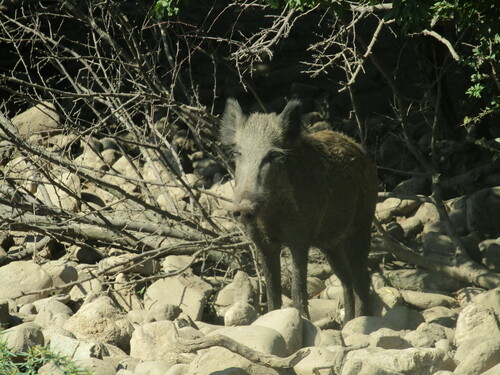
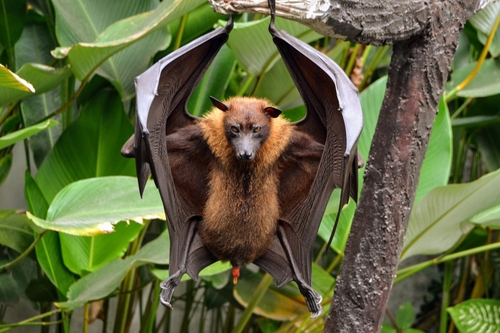
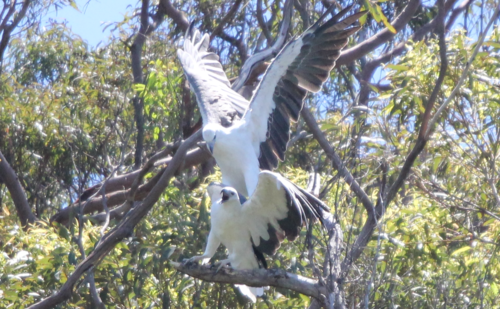
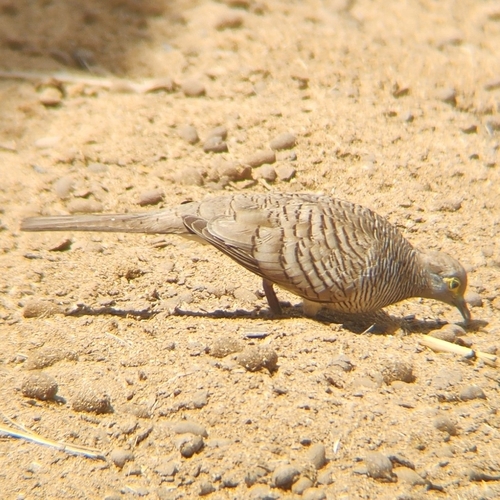
Among the animals people record most often in Komodo National Park: javan rusa, crab-eating macaque, wild boar, large flying fox, spinner dolphin, white-bellied sea eagle, barred dove and orange-footed scrubfowl. Based on GBIF records from Komodo and Padar islands and Rinca Island, 2016–2025.
What is the food chain in Komodo National Park?
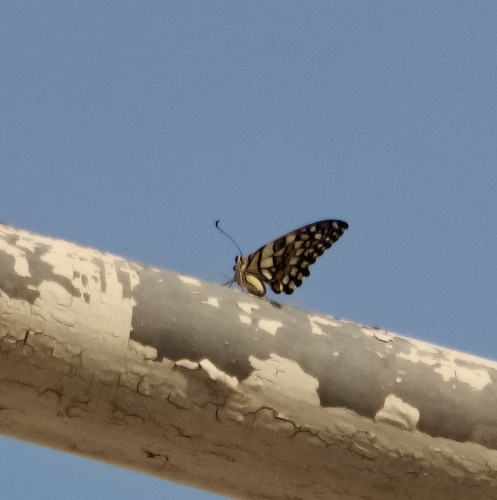
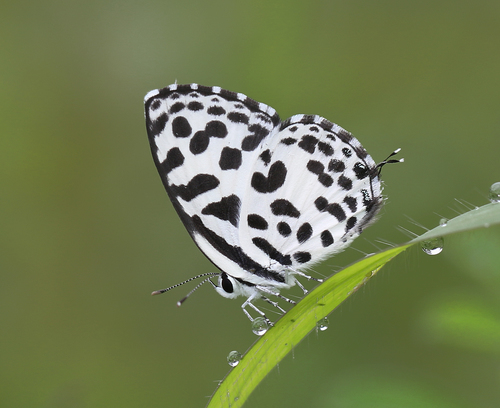
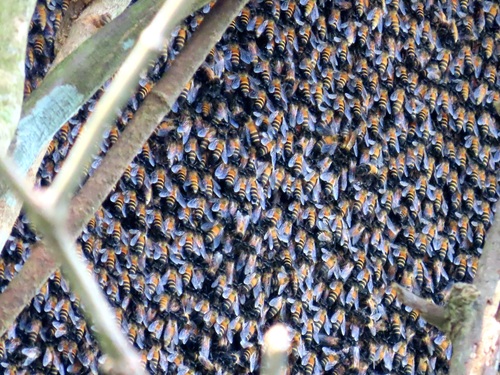
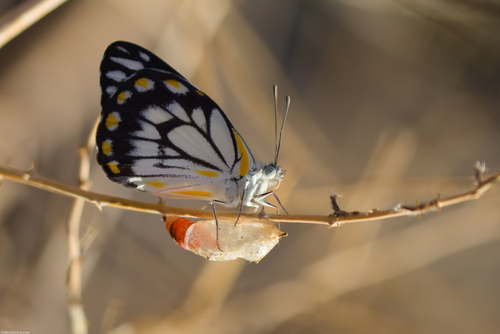
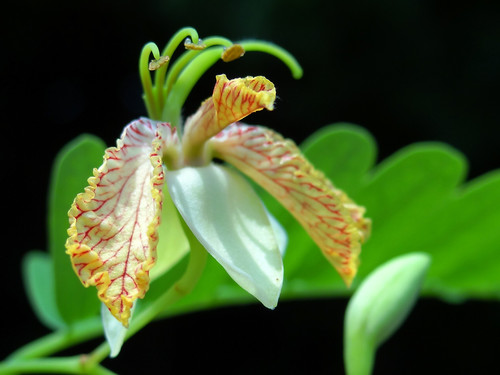
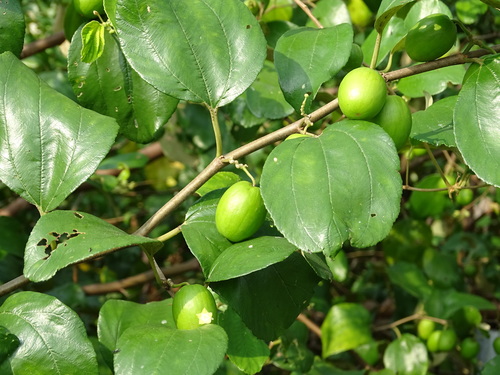
Some of the feeding links studies have recorded among its species: the checkered swallowtail eats the horseradish-tree, the common pierrot eats the indian jujube and the giant honey bee eats the horseradish-tree. Source: GloBI.
What threatens Komodo National Park?
UNESCO names illegal fishing and poaching as the main threats to the park and everything that makes it special.
How can Komodo National Park be protected?
The park is run by Indonesia's central government, rangers patrol the sea and the islands regularly, and staff can control which kinds of fishing are allowed in a wide marine buffer zone. Programmes with local villages work on sustainable use of the reefs and islands.
Sources and photo credits
- GBIF · human observations in Komodo and Padar islands, Rinca Island, 2016–2025
- GloBI · recorded feeding links between species
- UNESCO World Heritage Centre · Komodo National Park
- Padar Island's bays and ridges in Komodo National Park, Indonesia: Jakub Hałun, CC BY 4.0
- Javan rusa: Jason Alexander, CC BY 4.0
- Crab-eating macaque: Subir B. Shakya, CC BY 4.0
- Wild boar: SteveM4560, CC BY 4.0
- Large flying fox: Pirataber, CC BY 4.0
- Spinner dolphin: Alexander Vasenin, CC BY-SA 4.0
- White-bellied sea eagle: Will Cornwell, CC BY 4.0
- Barred dove: Octavianti Shanna, CC BY 4.0
- Orange-footed scrubfowl: Graham Winterflood, CC BY-SA 4.0
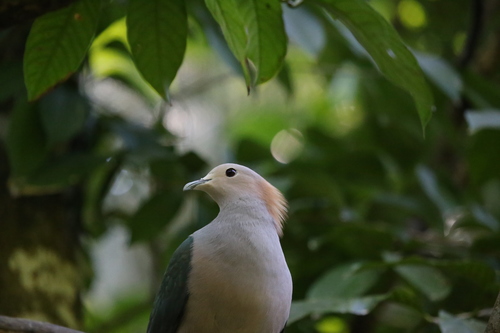
- Green imperial pigeon: cuatrok77, CC BY-SA 4.0
- Pacific reef heron: JJ Harrison, CC BY-SA 4.0
- Brahminy kite: pimelea, CC BY 4.0
- Green junglefowl: ꦥꦤ꧀ꦗꦶꦒꦸꦱ꧀ꦠꦶꦄꦏ꧀ꦧꦂ, CC BY 4.0
- Komodo dragon: Midori, CC BY-SA 4.0
- White-lipped island pitviper: Hinrich Kaiser, CC BY 4.0
- Boschma's flying dragon: Forest Botial-Jarvis, CC BY 4.0
- Lesser sundas bronzeback: Светлана Царахова, CC0
- Lesser sunda dark-throated skink: Legawa, Everest C., CC BY 4.0
- Common wolf snake: Ian Dugdale, CC BY 4.0
- Yellowtail clownfish: portioid, CC BY 4.0
- Moorish idol: Rusty, CC BY 4.0
- Blackbacked butterflyfish: Ben Costamagna, CC BY 4.0
- Titan triggerfish: Michal Honskus, CC BY 4.0
- Blackeye thicklip: Emanuele Santarelli, CC BY-SA 4.0
- Giant moray: Derek Keats, CC BY 4.0
- Orangespot tang: Rickard Zerpe, CC BY 4.0
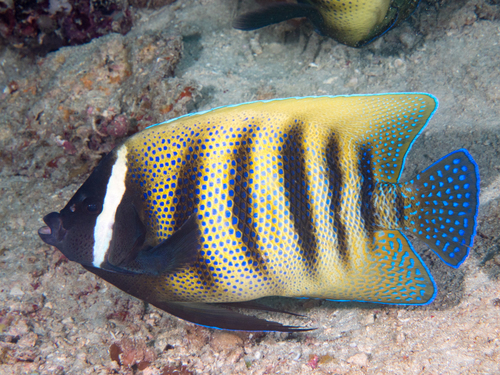
- Sixbanded angelfish: Rickard Zerpe, CC BY 4.0
- Checkered swallowtail: Mitul and Vijul Singh, CC BY 4.0
- Common pierrot: Milind Bhakare, CC BY-SA 4.0
- Giant honey bee: lunarjade, CC BY 4.0
- Caper white: Third Silence, CC BY-SA 4.0
- Rattleweed: no rights reserved, uploaded by Sushant More, CC0
- Tamarind: no rights reserved, uploaded by 葉子, CC0
- Indian jujube: no rights reserved, uploaded by 葉子, CC0
- Horseradish-tree: no rights reserved, uploaded by 葉子, CC0
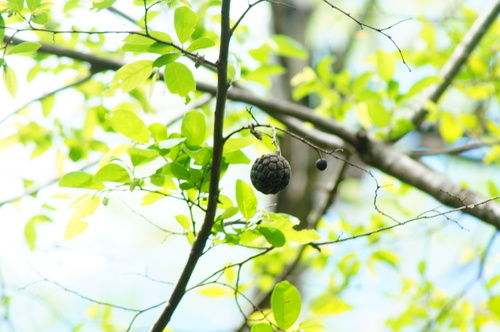
- Sugar apple: Carlos Domínguez-Rodríguez, CC BY 4.0
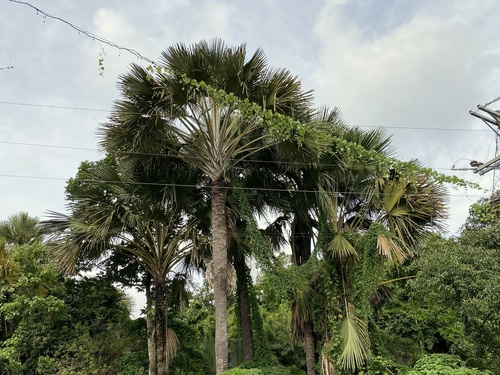
- Toddy palm: AnnLazaro, CC BY-SA 4.0

Species lists come from records people have shared in a few sample areas, not a full inventory of Komodo National Park, and well-watched groups such as birds are recorded far more than insects or fungi. The food web shows only links that studies have recorded between the species on this page.
Checked 2026-11-22.