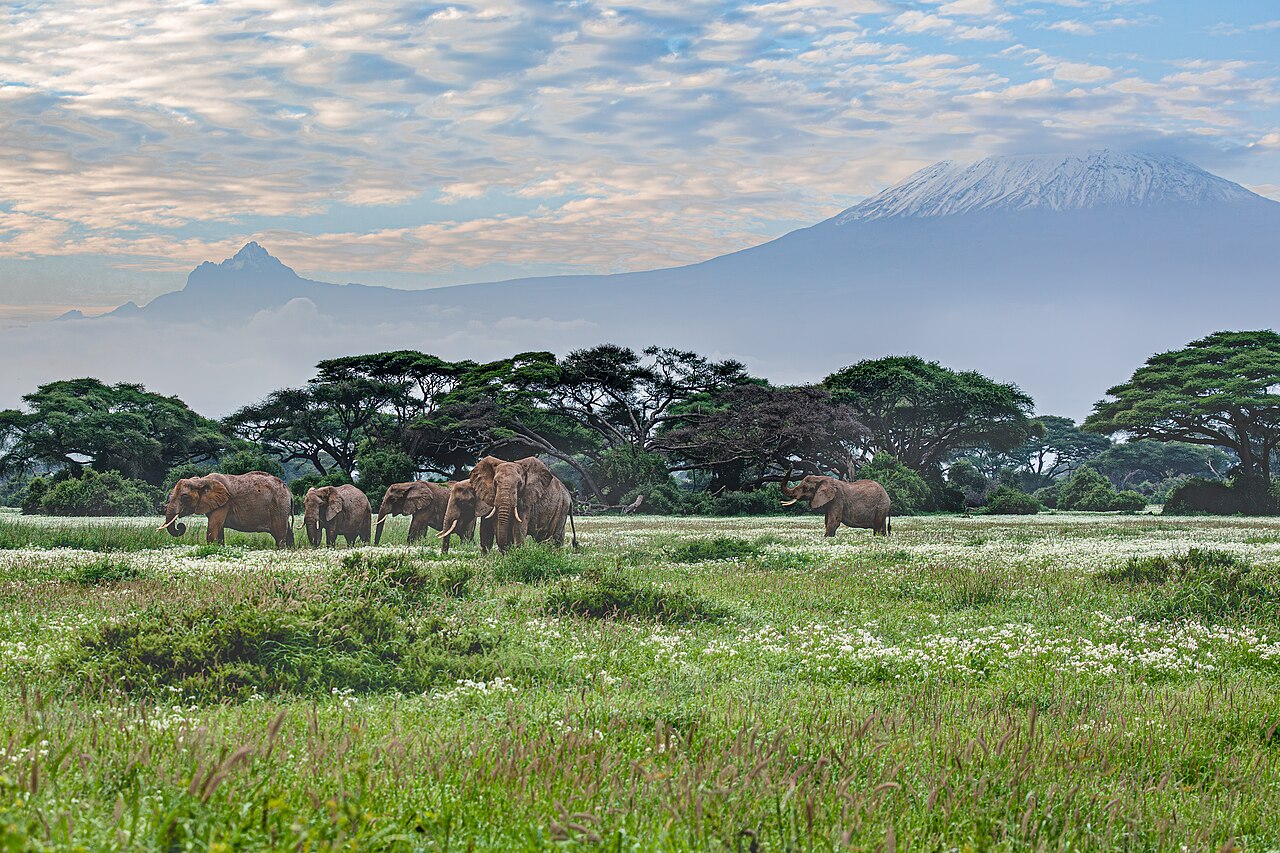
Kilimanjaro National Park
North-east Tanzania, near the border with Kenya
Kilimanjaro National Park covers some 75,575 hectares and protects the highest mountain in Africa, a free-standing volcano that rises 4,877 metres above the plains to 5,895 metres at its peak. Climbing it means passing through five vegetation zones: lower slopes, montane forest, heath and moorland, alpine desert and the summit. The forest belt is especially rich in mammals, many of them endangered.
People have shared 34,426 records of animals and plants from the forest belt and moorland of Kilimanjaro with GBIF in ten years. This page shows the 37 species recorded most often there.
- Kind
- Ecosystem
- Where
- North-east Tanzania, near the border with Kenya
- Species shown
- 37, the most recorded
- Food web
- 0 recorded links between them
- Records
- 34,426 in 2016–2025
- Sample areas
- the forest belt and moorland of Kilimanjaro
Who lives in Kilimanjaro National Park
The species people record most often in the forest belt and moorland of Kilimanjaro, 2016–2025.
Mammals

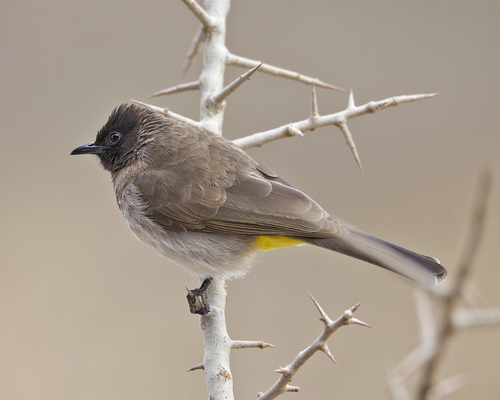
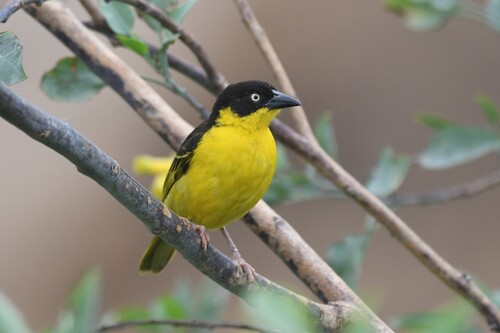
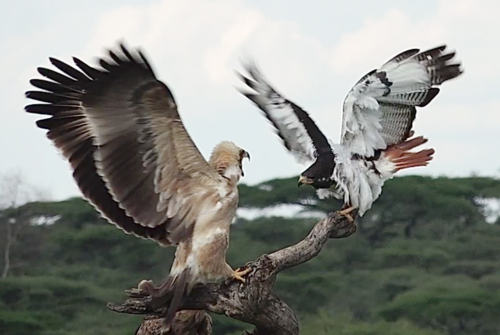
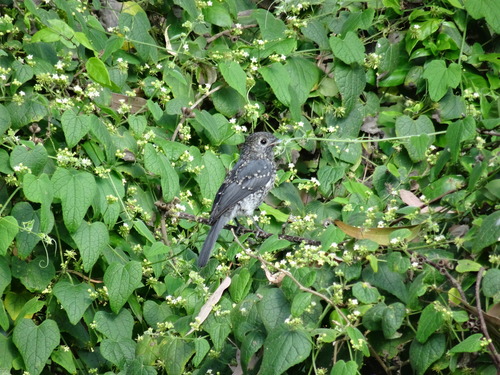
Birds



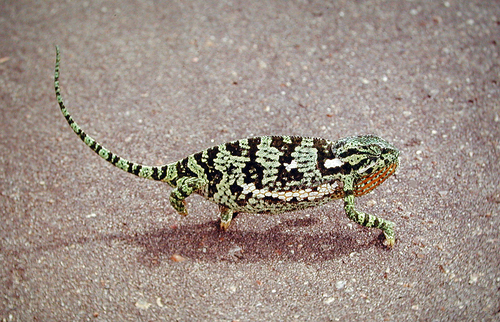
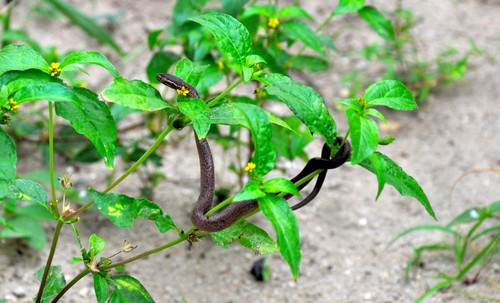
Reptiles
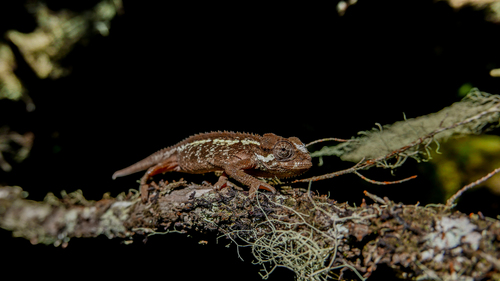
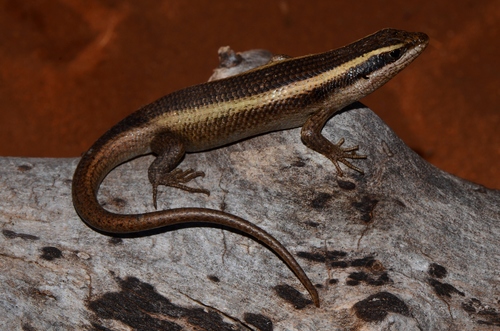
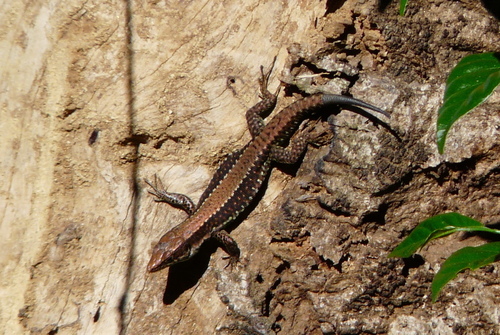
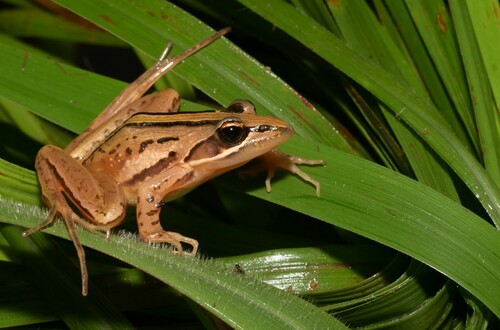
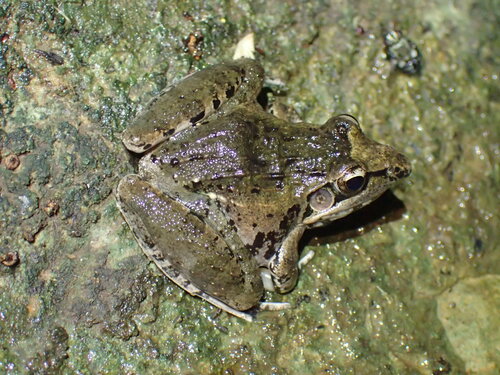
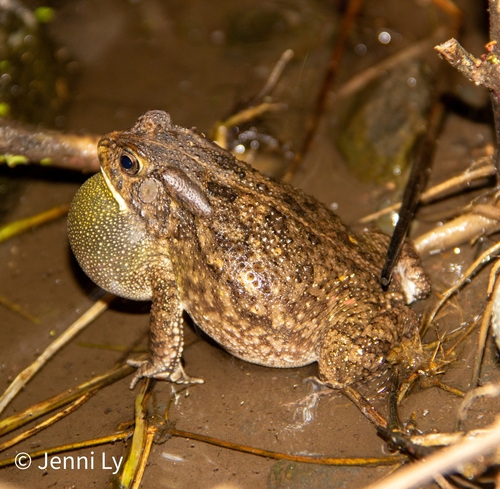
Amphibians
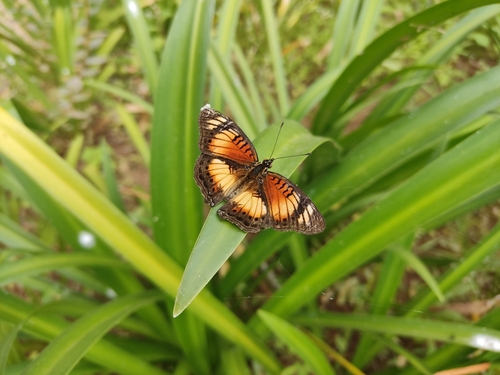
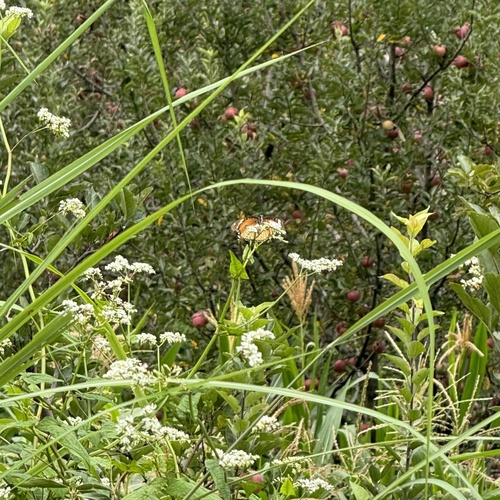
Insects




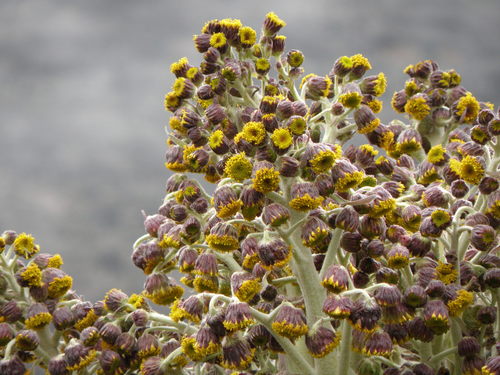
Plants

What threatens Kilimanjaro National Park, and what helps
UNESCO lists growing pressure from land use around the park, air and water pollution, invasive species, fire and climate change. Kilimanjaro's glaciers are retreating, and UNESCO names them as especially vulnerable to a warming climate.
The mountain is protected as a national park under Tanzanian law, with a management plan in place.
Explore and share
Questions people ask
What animals live in Kilimanjaro National Park?
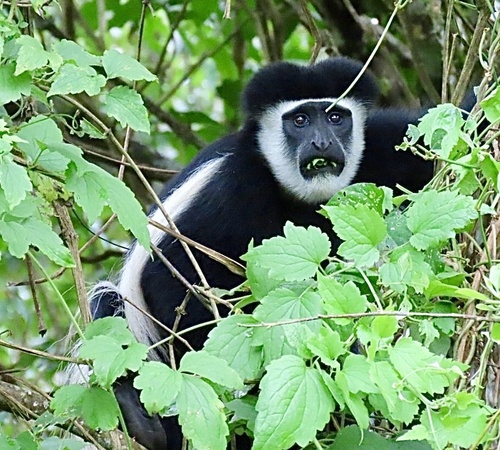
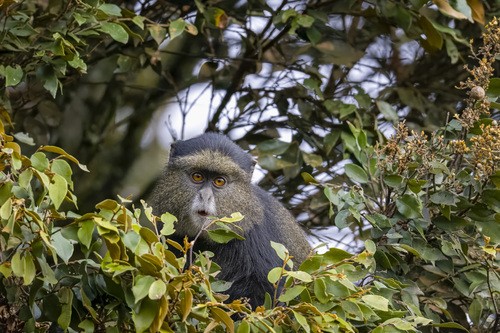
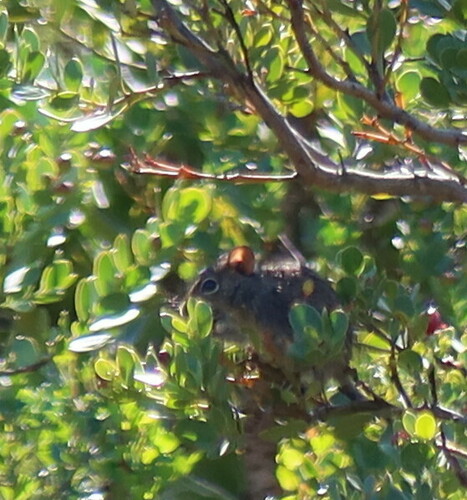
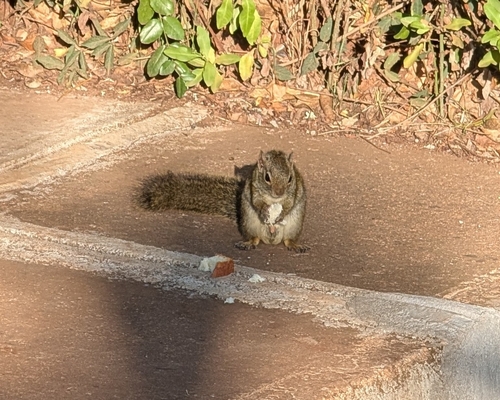
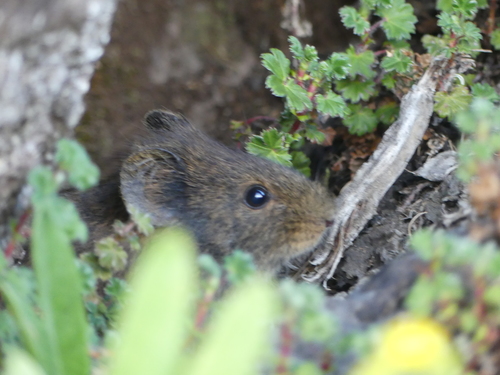
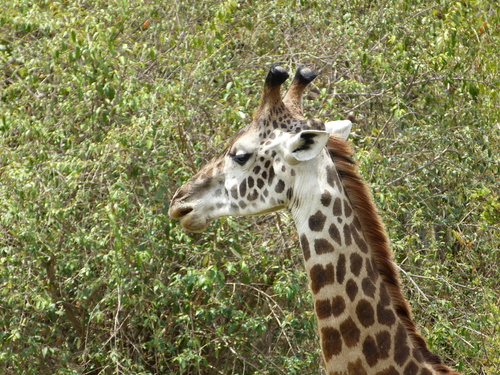
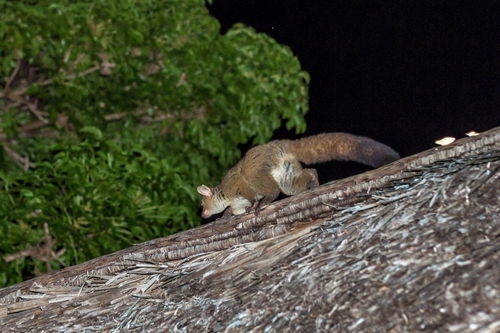
Among the animals people record most often in Kilimanjaro National Park: mount kilimanjaro guereza, blue monkey, mesic four-striped grass rat, ochre bush squirrel, mount kilimanjaro vlei rat, masai giraffe, northern greater galago and common hippopotamus. Based on GBIF records from the forest belt and moorland of Kilimanjaro, 2016–2025.
What threatens Kilimanjaro National Park?
UNESCO lists growing pressure from land use around the park, air and water pollution, invasive species, fire and climate change. Kilimanjaro's glaciers are retreating, and UNESCO names them as especially vulnerable to a warming climate.
How can Kilimanjaro National Park be protected?
The mountain is protected as a national park under Tanzanian law, with a management plan in place.
Sources and photo credits
- GBIF · human observations in the forest belt and moorland of Kilimanjaro, 2016–2025
- GloBI · recorded feeding links between species
- UNESCO World Heritage Centre · Kilimanjaro National Park
- Elephants on the plains of Amboseli, Kenya, below Kilimanjaro's snowy summit: Ninaras, CC BY 4.0
- Mount kilimanjaro guereza: Irene, CC0
- Blue monkey: Romain Boisseau, CC BY-SA 4.0
- Mesic four-striped grass rat: Diana Studer, CC BY 4.0
- Ochre bush squirrel: Jono, CC BY 4.0
- Mount kilimanjaro vlei rat: Valentin Moser, CC BY 4.0
- Masai giraffe: no rights reserved, uploaded by Jean-Paul Boerekamps, CC0
- Northern greater galago: Josh Baryia, CC BY 4.0
- Common hippopotamus: Tommy Andriollo, CC BY 4.0
- Variable sunbird: i_c_riddell, CC BY 4.0
- Common bulbul: Lip Kee, CC BY-SA 4.0
- White-necked raven: Brian Gratwicke, CC BY 4.0
- Red-eyed dove: Florin Feneru, CC BY 4.0
- Baglafecht weaver: Tristan Jobin, CC BY 4.0
- Augur buzzard: Donald Hampton, CC BY-SA 4.0
- White-eyed slaty flycatcher: Stefan Haag, CC BY 4.0
- Broad-ringed white-eye: Martin Jung, CC BY 4.0
- Tanzanian montane dwarf chameleon: Mitchell Robinson, CC BY-SA 4.0
- African striped mabuya: no rights reserved, uploaded by Marius Burger, CC0
- Jackson's forest lizard: no rights reserved, uploaded by Simon Tonge, CC0
- Flapneck chameleon: Christoph Moning, CC BY 4.0
- Brown house snake: Diossina, CC BY 4.0
- Mount meru stream frog: Marius Burger, CC0
- Anchieta's ridged frog: Mahomed Desai, CC BY 4.0
- African common toad: Jenni Ly, CC BY 4.0
- Soldier pansy: M Rutherford, CC BY 4.0
- Little commodore: Viken, CC BY 4.0
- Citrus swallowtail: Sunčana Bradley, CC BY 4.0
- Garden locust: gailhampshire, CC BY 4.0
- Mimic: Name, CC BY 4.0
- African caper white: Robert Taylor, CC BY 4.0
- Giant groundsel: Jean Jacques Godon, CC BY 4.0
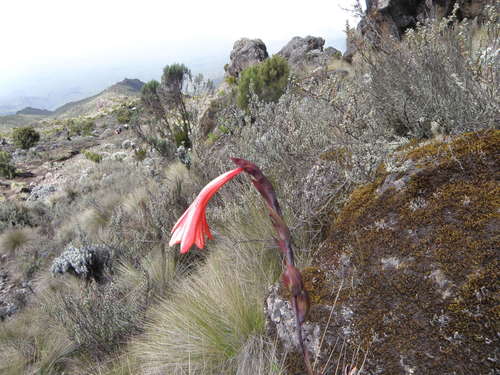
- Mackinders gladiolus: Jean Jacques Godon, CC BY 4.0
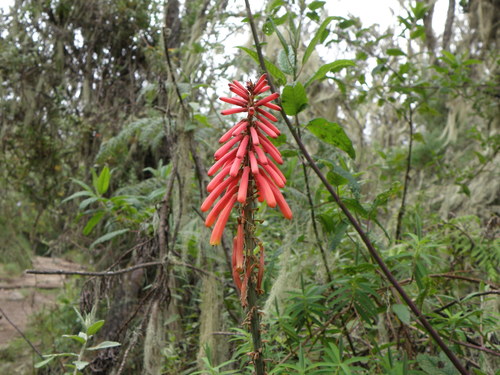
- Alpine poker: Jean Jacques Godon, CC BY 4.0
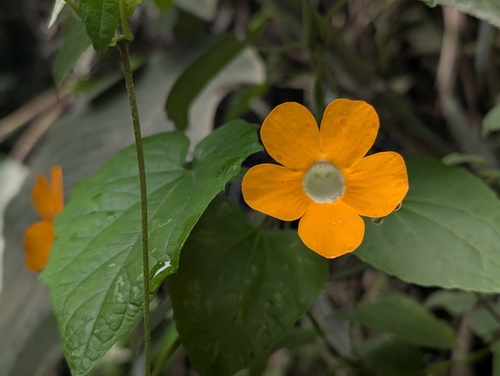
- Blackeyed susan vine: no rights reserved, uploaded by Zoltán Stekkelpak, CC0
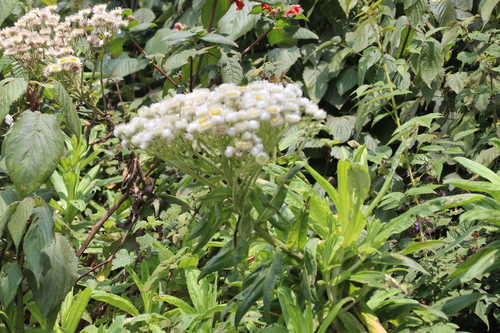
- Everlasting-flower: Erwin Sieben, CC0
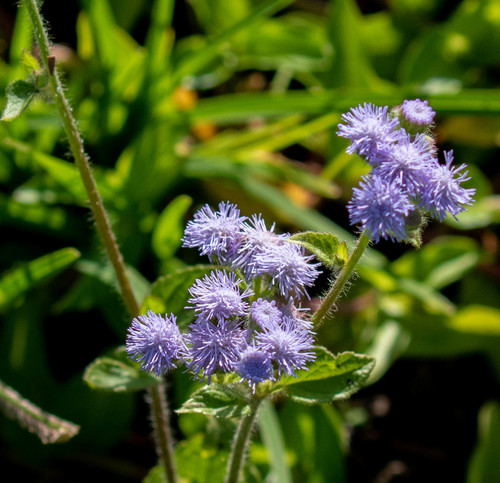
- Bluemink: Dan Fitzgerald (Fitz), CC0
- Devil's horsewhip: Dinesh Valke, CC BY-SA 4.0

Species lists come from records people have shared in a few sample areas, not a full inventory of Kilimanjaro National Park, and well-watched groups such as birds are recorded far more than insects or fungi. The food web shows only links that studies have recorded between the species on this page.
Checked 2026-11-22.