
Ha Long Bay and Cat Ba Archipelago
The Gulf of Tonkin in north-east Viet Nam
Ha Long Bay and the Cat Ba Archipelago cover 65,650 hectares and include 1,133 islands and islets. They are the most extensive and best known example of tower karst invaded by the sea: limestone hills drowned by rising water, leaving towers, sheer cliffs, caves and marine lakes in drowned sinkholes.
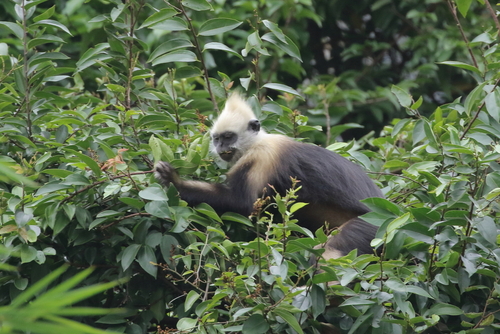
Cat Ba, the largest island, has a wild forested interior and is home to a small population of the Cat Ba langur, a critically endangered primate found nowhere else.
People have shared 10,283 records of animals and plants from Ha Long Bay and the Cat Ba Archipelago with GBIF in ten years. This page shows the 38 species recorded most often there, and 10 links between them that studies have recorded: who eats whom.
- Kind
- Ecosystem
- Where
- The Gulf of Tonkin in north-east Viet Nam
- Species shown
- 38, the most recorded
- Food web
- 10 recorded links between them
- Records
- 10,283 in 2016–2025
- Sample areas
- Ha Long Bay and the Cat Ba Archipelago
Who eats whom in Ha Long Bay and the Cat Ba Archipelago
Food flows upwards: plants and small animals at the bottom, hunters at the top. Tap a species to see its links, then take it out of the web to see who would lose food.
Tap a species.
All 10 recorded links
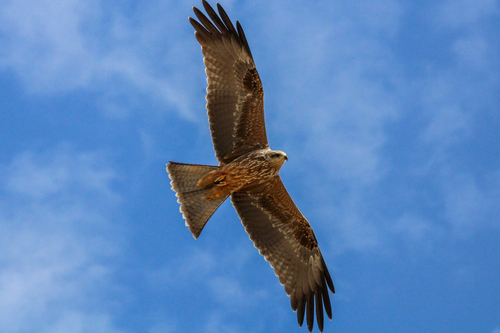
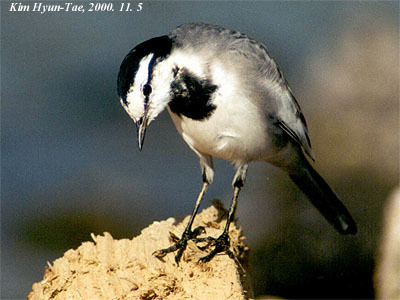
- Black kite eats White wagtail
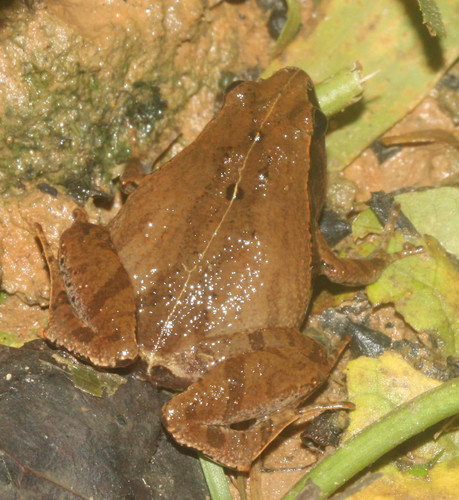
- Brown mabuya eats Arcuate-spotted pygmy frog
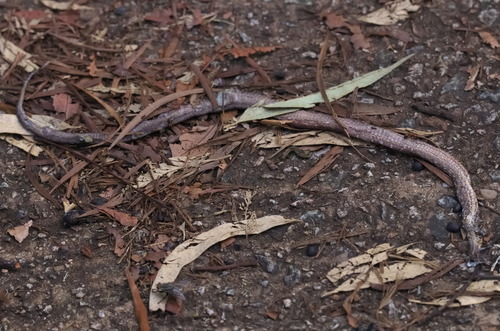
- Common mock viper eats Brown mabuya
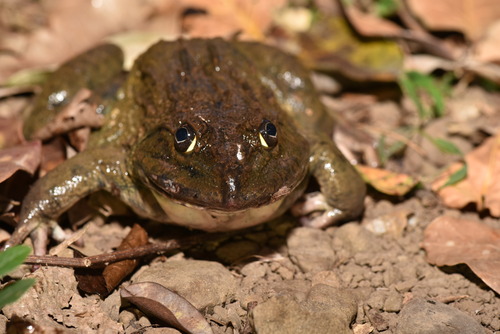
- Common mock viper eats Boie's wart frog
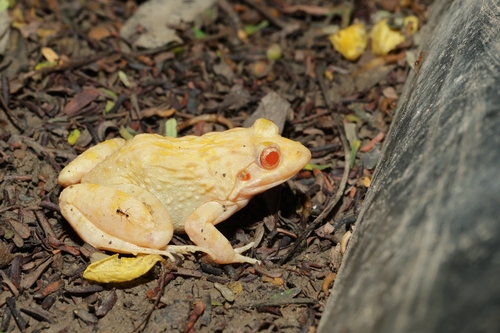
- Brown spotted pitviper eats Broad-folded frog
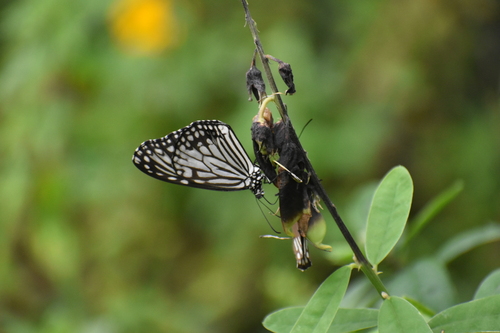
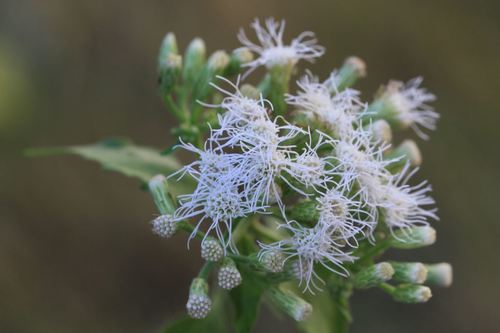
- Glassy tiger eats Shepherd's needles
- Glassy tiger eats Siam weed
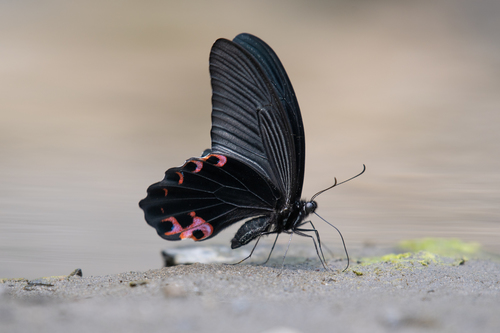
- Common rose eats Siam weed
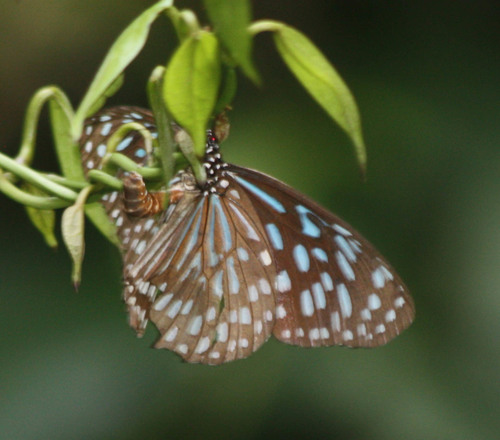
- Dark blue tiger eats Siam weed
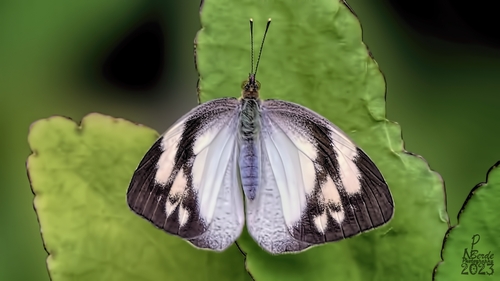
- Yellow orange tip eats Siam weed
Links that studies have recorded between the species on this page (GloBI). Real food webs hold far more species and links, and animals switch food when one runs short.
Who lives in Ha Long Bay and the Cat Ba Archipelago
The species people record most often in Ha Long Bay and the Cat Ba Archipelago, 2016–2025.
Mammals


Birds


Reptiles

Amphibians

Insects

Plants



What threatens Ha Long Bay and the Cat Ba Archipelago, and what helps
Rising visitor numbers and tourism development remain a management challenge, UNESCO notes, and the Cat Ba langur is still affected by disturbance from tourism, few individuals and fragmented groups.
Cat Ba has been a national park since 1986 and a marine protected area since 2010. Cruise ships and waste discharge are regulated, and langur conservation is a national priority.
Explore and share
Questions people ask
What animals live in Ha Long Bay and the Cat Ba Archipelago?
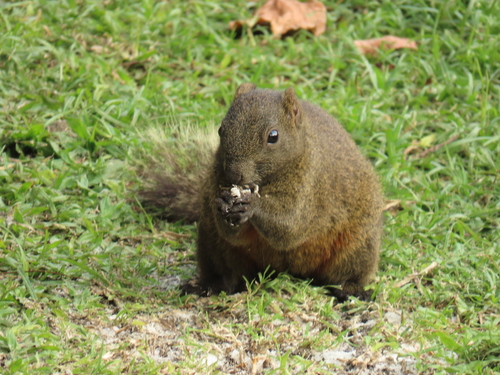
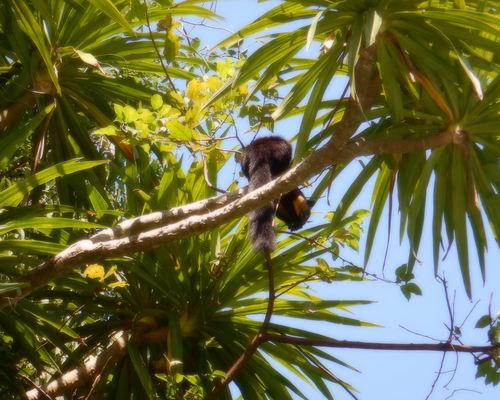
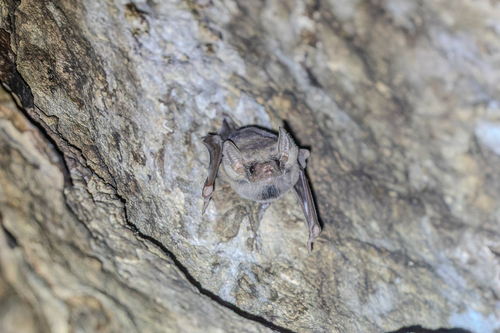
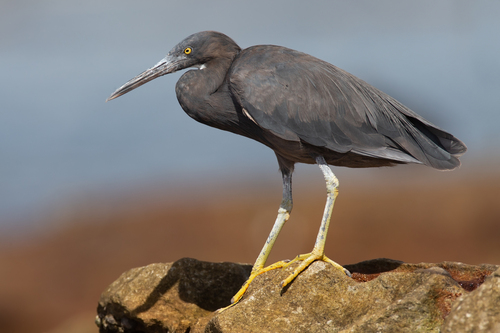
Among the animals people record most often in Ha Long Bay and the Cat Ba Archipelago: rhesus monkey, pallas's squirrel, cat ba langur, black giant squirrel, leopard cat, black-bearded tomb bat, black kite and pacific reef heron. Based on GBIF records from Ha Long Bay and the Cat Ba Archipelago, 2016–2025.
What is the food chain in Ha Long Bay and the Cat Ba Archipelago?
Some of the feeding links studies have recorded among its species: the black kite eats the white wagtail, the brown mabuya eats the arcuate-spotted pygmy frog, the glassy tiger eats the siam weed and the common mock viper eats the brown mabuya. Source: GloBI.
What threatens Ha Long Bay and the Cat Ba Archipelago?
Rising visitor numbers and tourism development remain a management challenge, UNESCO notes, and the Cat Ba langur is still affected by disturbance from tourism, few individuals and fragmented groups.
How can Ha Long Bay and the Cat Ba Archipelago be protected?
Cat Ba has been a national park since 1986 and a marine protected area since 2010. Cruise ships and waste discharge are regulated, and langur conservation is a national priority.
Sources and photo credits
- GBIF · human observations in Ha Long Bay and the Cat Ba Archipelago, 2016–2025
- GloBI · recorded feeding links between species
- UNESCO World Heritage Centre · Ha Long Bay - Cat Ba Archipelago
- Limestone karst islands in layers at dusk in Ha Long Bay, Viet Nam: lumoplank, CC0
- Rhesus monkey: Donald Hobern, CC BY 4.0
- Pallas's squirrel: chiuluan, CC BY 4.0
- Cat ba langur: Richard Fuller, CC0
- Black giant squirrel: datadan, CC BY 4.0
- Leopard cat: Utain Pummarin, CC BY 4.0
- Black-bearded tomb bat: Utain Pummarin, CC BY 4.0
- Black kite: no rights reserved, uploaded by Joshua S. Martin, CC0
- Pacific reef heron: JJ Harrison, CC BY-SA 4.0
- Blue rock thrush: Ani Sarkisyan, CC BY 4.0
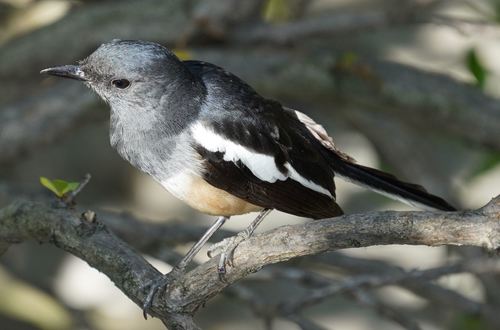
- Oriental magpie-robin: carbenoid, CC BY 4.0
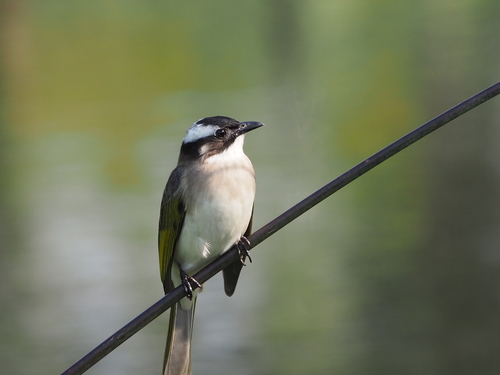
- Light-vented bulbul: no rights reserved, uploaded by 葉子, CC0
- White wagtail: Kim, Hyun-tae, CC BY 4.0
- Common tailorbird: Parth Kansara, CC BY 4.0
- Chinese pond heron: Kim, Hyun-tae, CC BY 4.0
- Brown mabuya: no rights reserved, CC0
- Common mock viper: portioid, CC BY 4.0
- Brown pricklenape: Christoph Moning, CC BY 4.0
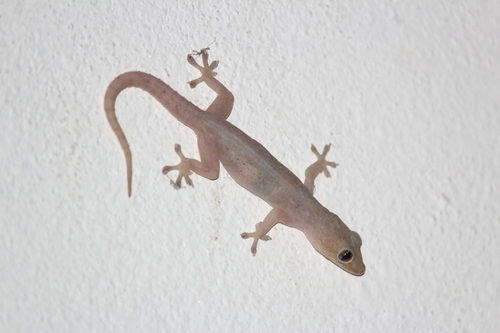
- Common house gecko: Ricard Busquets Reverte, CC BY 4.0
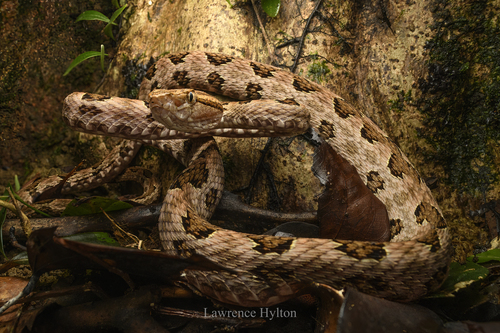
- Brown spotted pitviper: Lawrence Hylton, CC BY 4.0
- Nganson bronzeback: 蝗莺, CC0
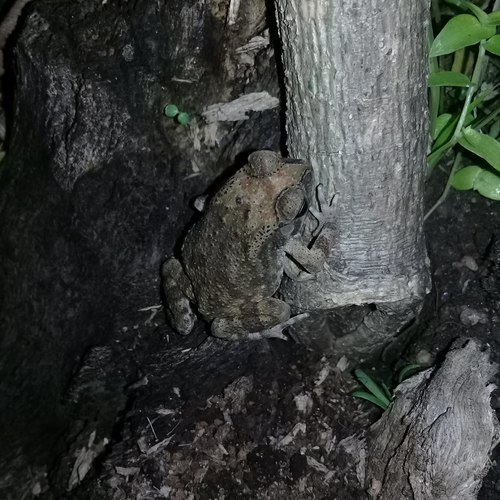
- Common sunda toad: Vihansith Kulatunga, CC BY-SA 4.0
- Boie's wart frog: 林正文, CC BY 4.0
- Arcuate-spotted pygmy frog: no rights reserved, uploaded by Scott Loarie, CC0
- Asian peters frog: Yung-Lun Lin, CC BY 4.0
- Broad-folded frog: Austin 0201, CC BY 4.0
- Glassy tiger: Gannu03, CC BY-SA 4.0
- Common rose: Charles Lam, CC BY-SA 4.0
- Dark blue tiger: no rights reserved, uploaded by Scott Loarie, CC0
- Yellow orange tip: Nishant Purushottam Berde, CC BY 4.0
- Spangle: 尹若宇, CC BY-SA 4.0
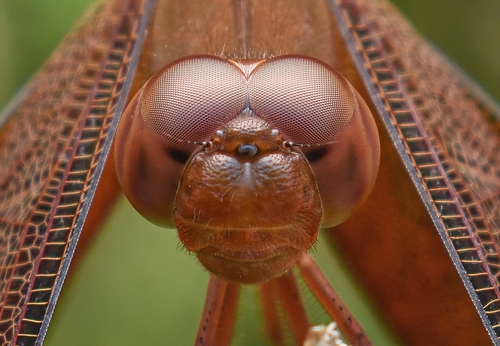
- Fulvous forest skimmer: Tejas M, CC BY 4.0
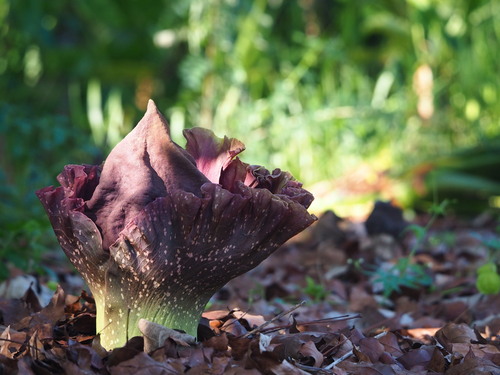
- Whitespot giant arum: no rights reserved, uploaded by 葉子, CC0
- Cambodian dragon tree: Eric Knight, CC BY 4.0
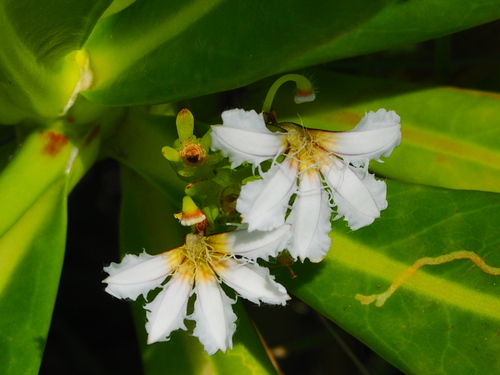
- Beach naupaka: no rights reserved, uploaded by 葉子, CC0
- Ha long cycad: Shawn O'Donnell, CC BY 4.0
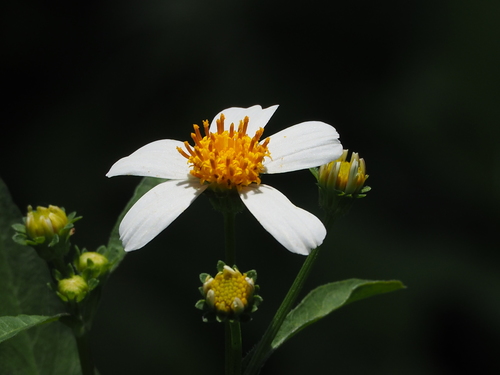
- Shepherd's needles: no rights reserved, uploaded by 葉子, CC0
- Ladder brake: Jason Alexander, CC BY 4.0
- Siam weed: Brian Oakes Haiti Hunter, CC BY 4.0

Species lists come from records people have shared in a few sample areas, not a full inventory of Ha Long Bay and the Cat Ba Archipelago, and well-watched groups such as birds are recorded far more than insects or fungi. The food web shows only links that studies have recorded between the species on this page.
Checked 2026-11-22.