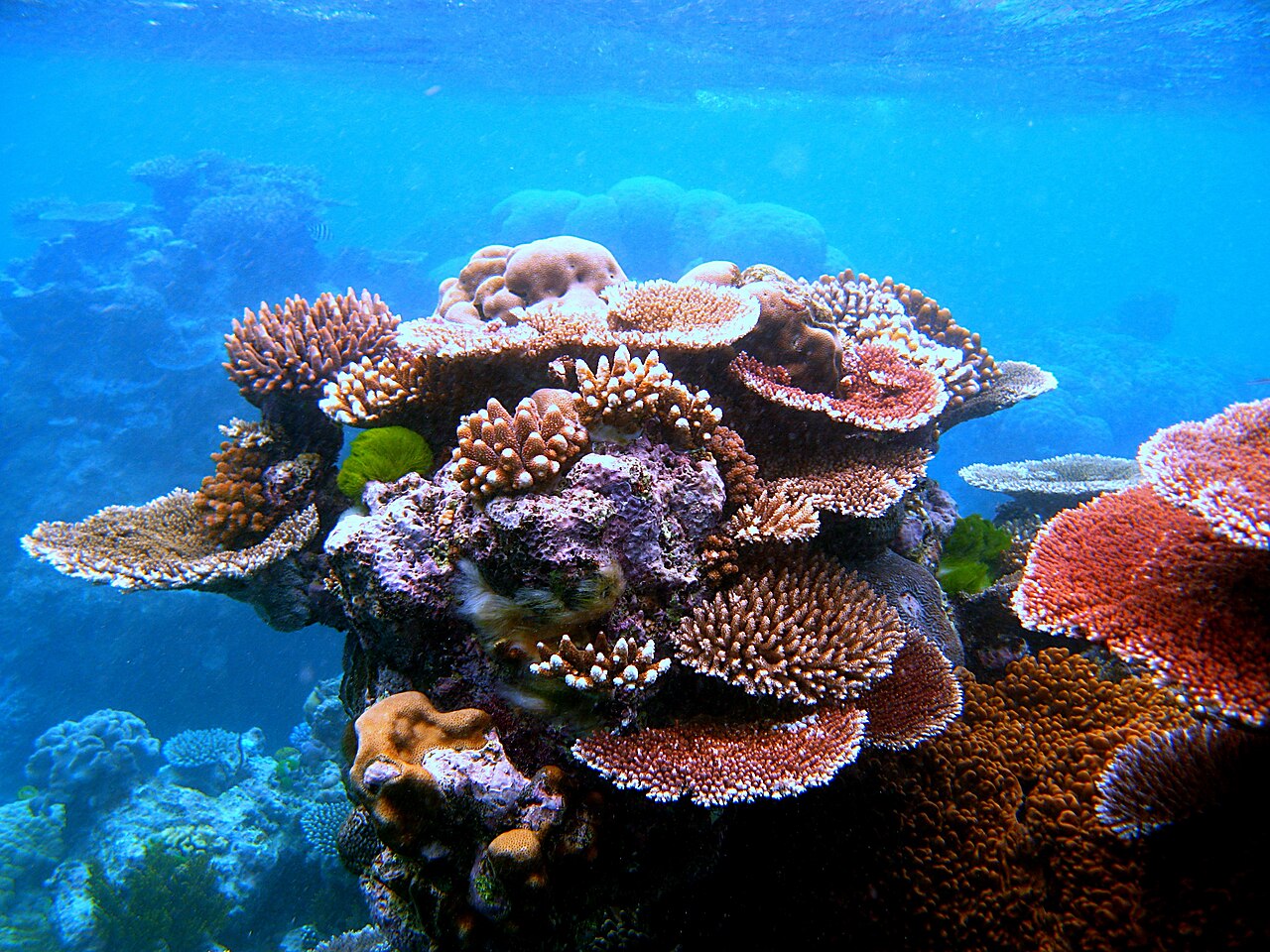
Great Barrier Reef
Coral Sea, off Queensland, Australia
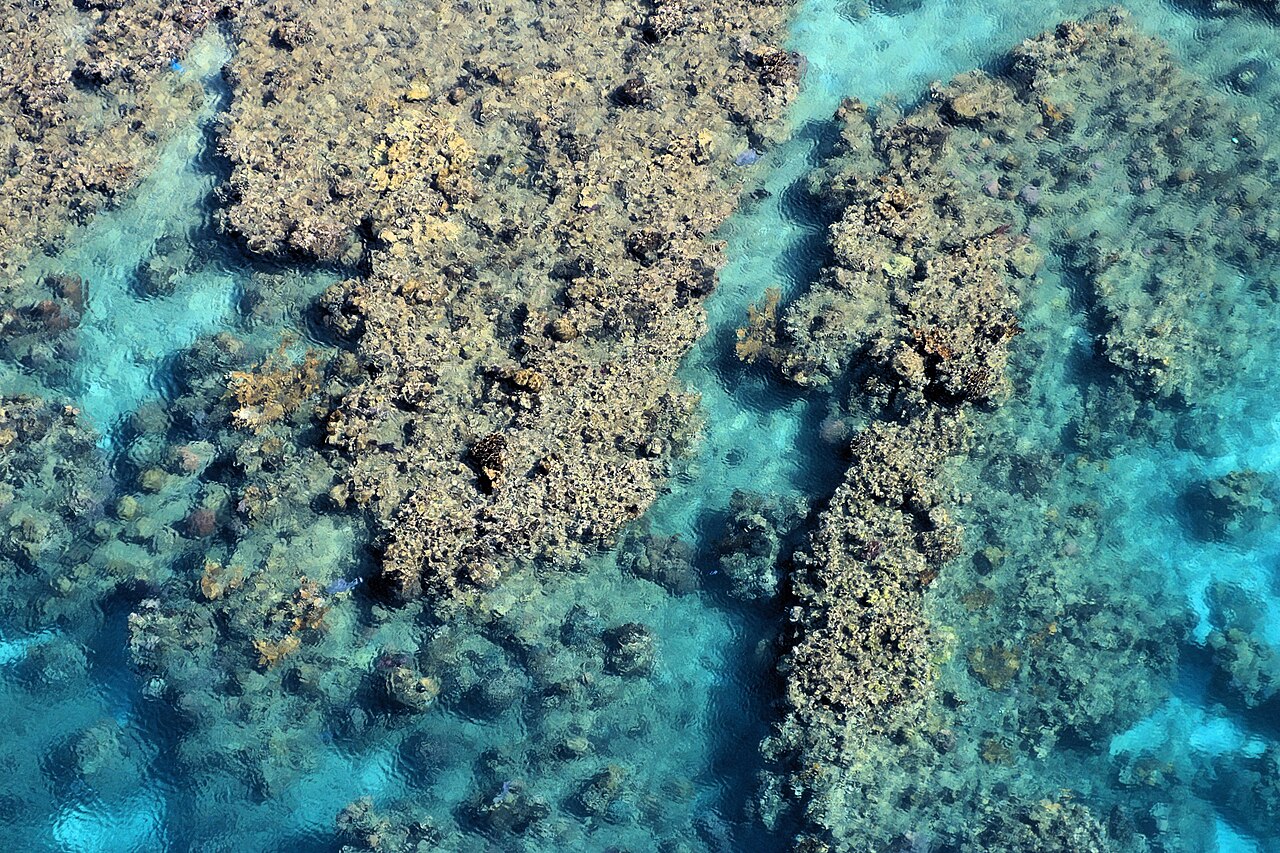
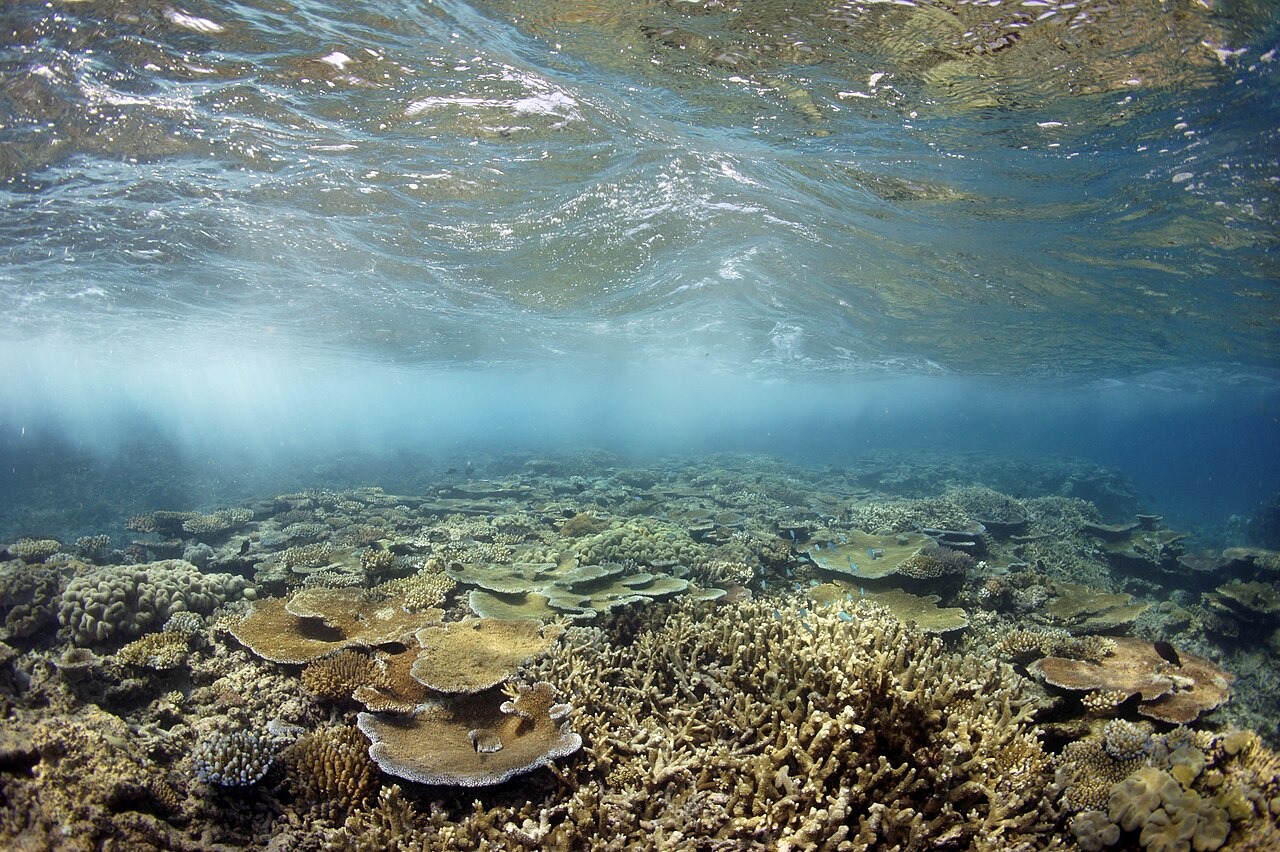
The Great Barrier Reef is the largest coral reef system on Earth, stretching more than 2,300 kilometres along the coast of Queensland. It is made of thousands of separate reefs and hundreds of islands, and can be seen from space.
People have shared 110,530 records of animals from Lizard Island, the reefs off Cairns, the Whitsunday Islands and Heron Island with GBIF in ten years. This page shows the 44 species recorded most often there, and 2 links between them that studies have recorded: who eats whom.
- Kind
- Ecosystem
- Where
- Coral Sea, off Queensland, Australia
- Species shown
- 44, the most recorded
- Food web
- 2 recorded links between them
- Records
- 110,530 in 2016–2025
- Sample areas
- Lizard Island, the reefs off Cairns, the Whitsunday Islands, Heron Island
Who eats whom in the Great Barrier Reef
Food flows upwards: plants and small animals at the bottom, hunters at the top. Tap a species to see its links, then take it out of the web to see who would lose food.
Tap a species.
All 2 recorded links
Links that studies have recorded between the species on this page (GloBI). Real food webs hold far more species and links, and animals switch food when one runs short.
Who lives in the Great Barrier Reef
The species people record most often in Lizard Island, the reefs off Cairns, the Whitsunday Islands, Heron Island, 2016–2025.
Fish




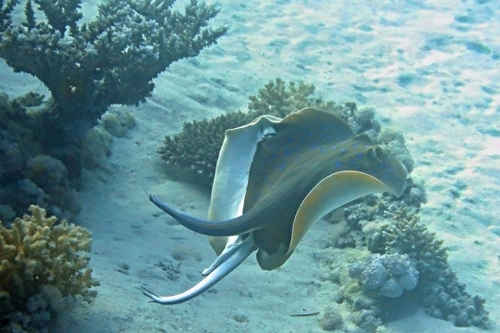
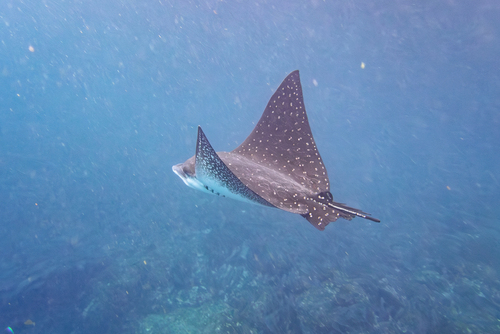
Sharks and rays


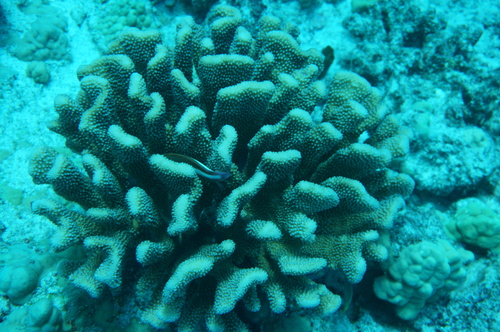
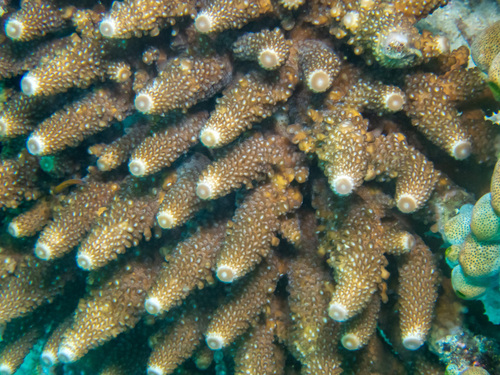
Corals and anemones


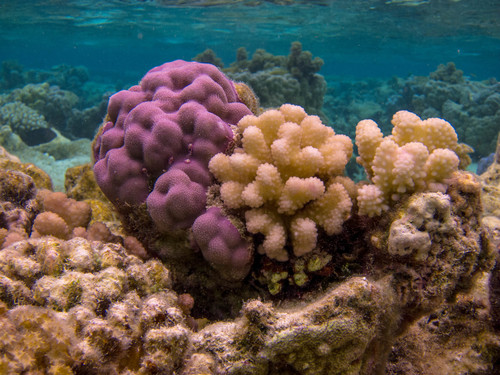

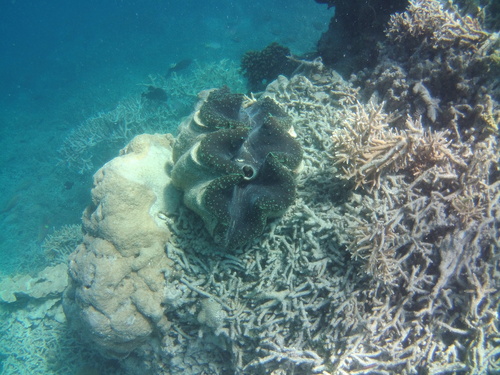
Molluscs
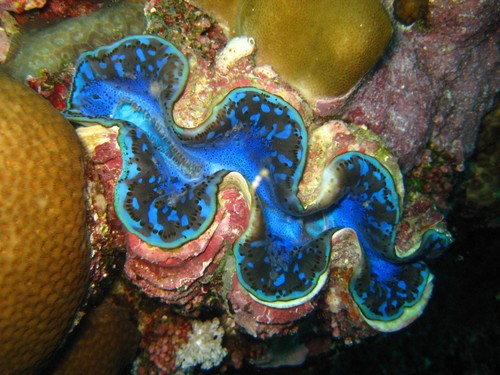


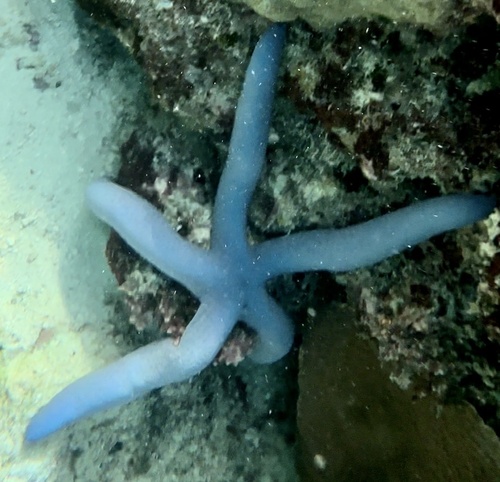
Sea stars and urchins

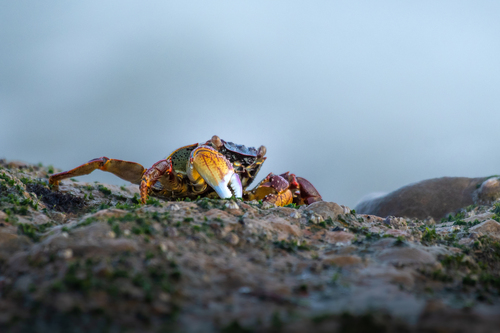
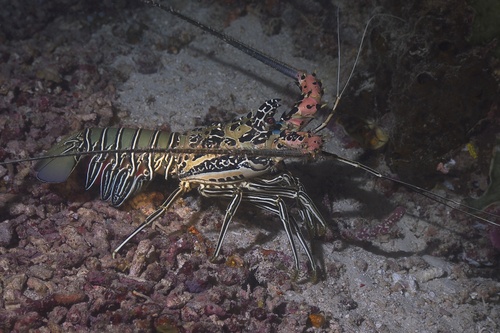
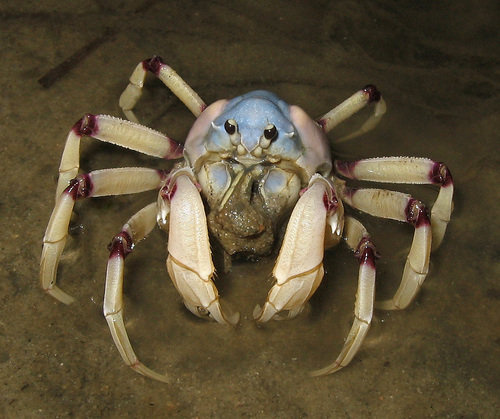
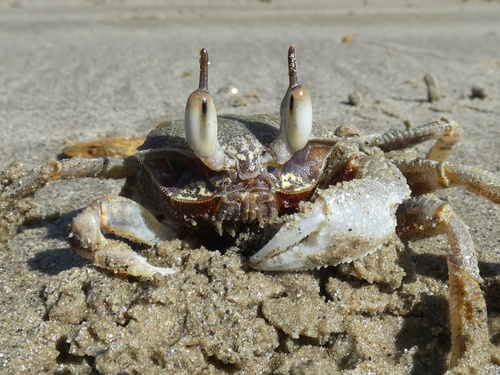
Crustaceans


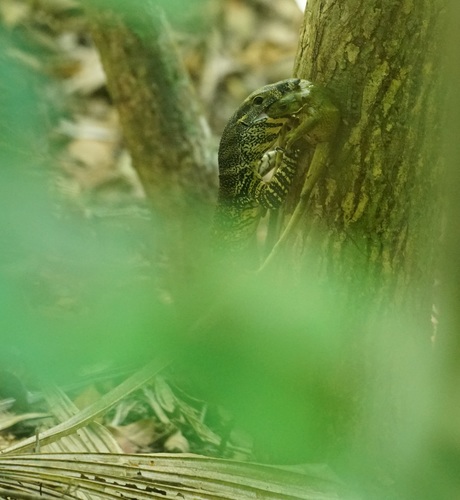
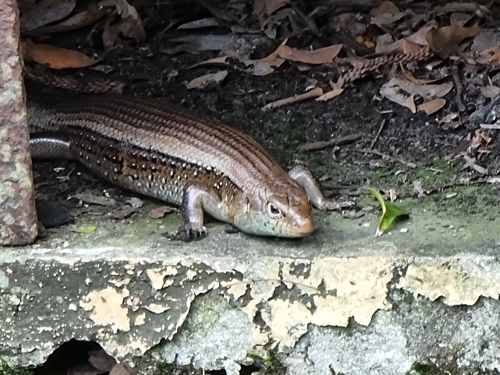
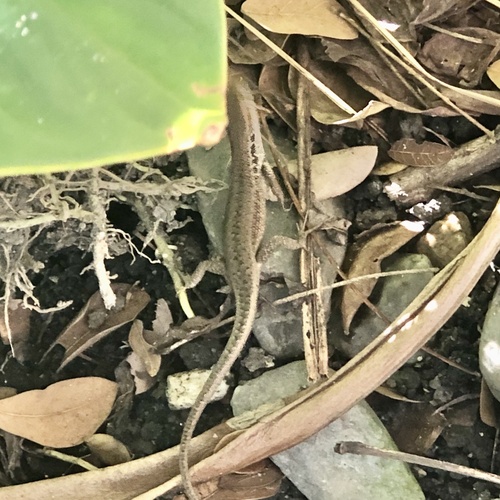
Reptiles

What threatens the Great Barrier Reef, and what helps
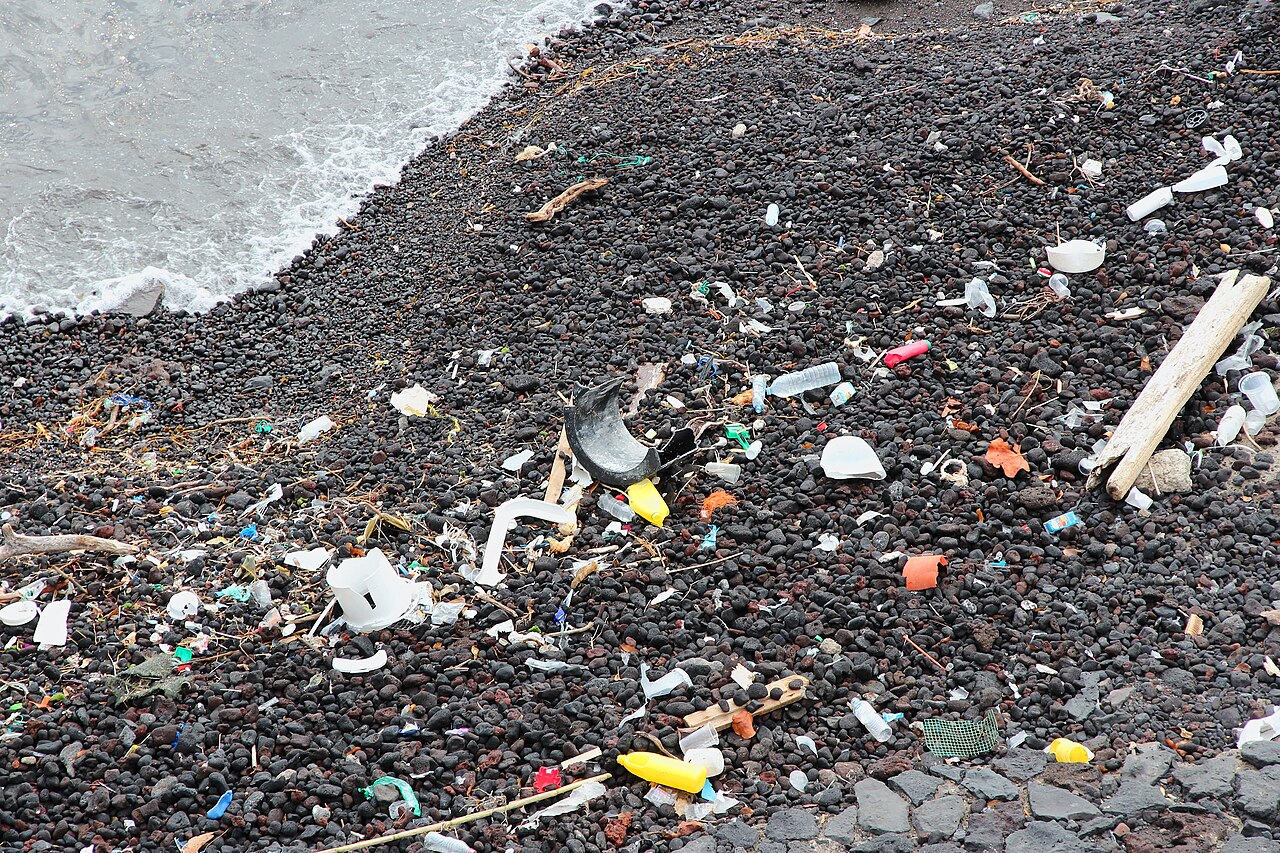
Marine heatwaves have caused mass coral bleaching on the reef several times since 2016. Outbreaks of coral-eating crown-of-thorns starfish, cyclones and run-off from farmland add to the damage.
The reef is protected as a marine park and a World Heritage Site. Cutting greenhouse gas emissions, cleaner water from farms and control of crown-of-thorns starfish give the corals the best chance to recover.
Explore and share
Explore next
What puts the Great Barrier Reef under pressure, what helps, and who works on it.
Questions people ask
What animals live in the Great Barrier Reef?
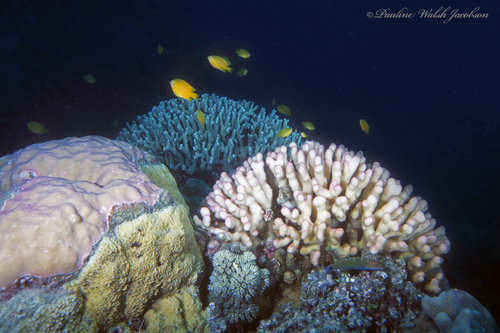
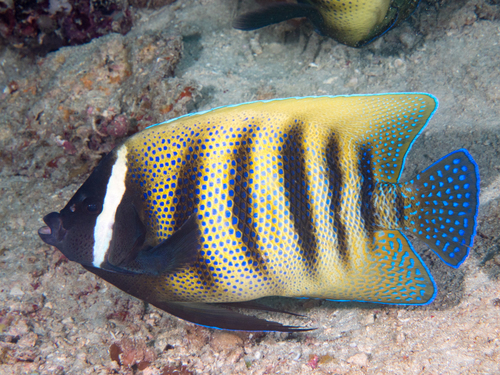
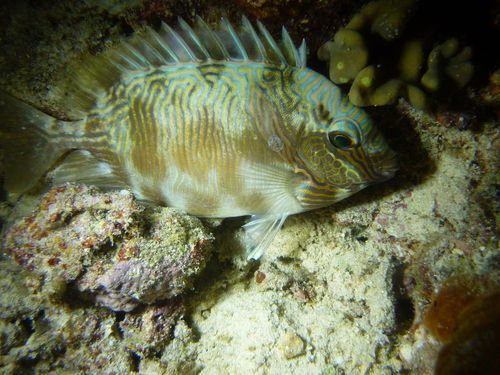
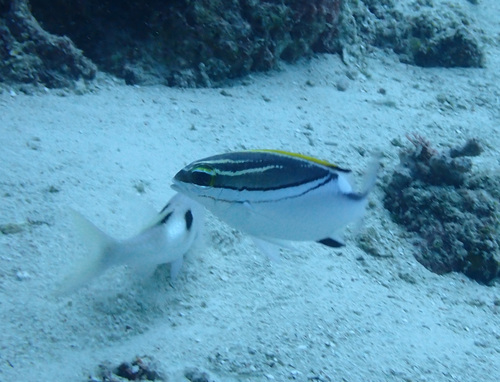
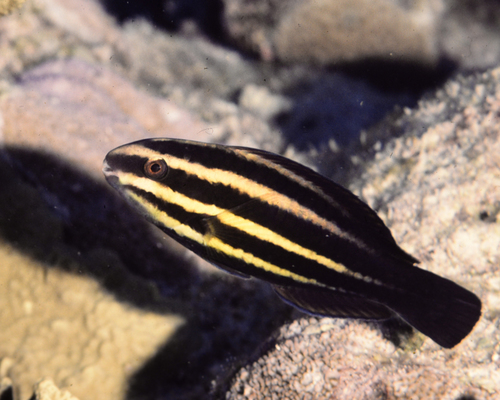
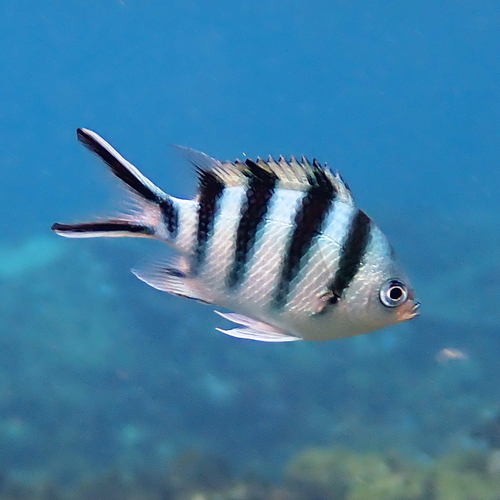
Among the animals people record most often in the Great Barrier Reef: blackeye thicklip, lemon damsel, sixbanded angelfish, barred spinefoot, two-lined monocle bream, spiny chromis, steephead parrotfish and bridled parrotfish. Based on GBIF records from Lizard Island, the reefs off Cairns, the Whitsunday Islands and Heron Island, 2016–2025.
What is the food chain in the Great Barrier Reef?
Some of the feeding links studies have recorded among its species: the cyane's octopus eats the small giant clam and the lace monitor eats the major skink. Source: GloBI.
What threatens the Great Barrier Reef?
Marine heatwaves have caused mass coral bleaching on the reef several times since 2016. Outbreaks of coral-eating crown-of-thorns starfish, cyclones and run-off from farmland add to the damage.
How can the Great Barrier Reef be protected?
The reef is protected as a marine park and a World Heritage Site. Cutting greenhouse gas emissions, cleaner water from farms and control of crown-of-thorns starfish give the corals the best chance to recover.
Sources and photo credits
- GBIF · human observations in Lizard Island, the reefs off Cairns, the Whitsunday Islands, Heron Island, 2016–2025
- GloBI · recorded feeding links between species
- Great Barrier Reef Marine Park Authority
- Australian Institute of Marine Science · reef condition
- Corals and fish on Flynn Reef, part of the Great Barrier Reef: Toby Hudson, CC BY-SA 3.0
- Blackeye thicklip: Emanuele Santarelli, CC BY-SA 4.0
- Lemon damsel: Pauline Walsh Jacobson, CC BY 4.0
- Sixbanded angelfish: Rickard Zerpe, CC BY 4.0
- Barred spinefoot: Kai Squires, CC BY 4.0
- Two-lined monocle bream: portioid, CC BY 4.0
- Spiny chromis: Nikita, CC BY 4.0
- Steephead parrotfish: Roger Rittmaster, CC BY 4.0
- Bridled parrotfish: Emanuele Santarelli, CC BY-SA 4.0
- Scissortail sergeant: Susan Prior, CC BY 4.0
- Sixbar wrasse: Susan Prior, CC BY 4.0
- Banana-tail ray: no rights reserved, uploaded by Richard Fuller, CC0
- Blacktip reef shark: Leon Brocard, CC BY 4.0
- Whitetip reef shark: Daniel Benák, CC BY 4.0
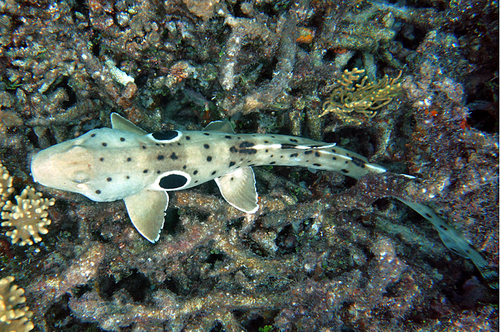
- Epaulette shark: Anne Hoggett / Lizard Island Research Station, CC BY 4.0
- Bluespotted fantail ray: Daniel Benák, CC BY 4.0
- Ocellated eagle ray: Chris Kirby-Lambert, CC BY 4.0
- Double-star coral: Ryan McMinds, CC BY 4.0
- Antler coral: cello caruso-turiello, CC BY 4.0
- Bulb tentacle sea anemone: Alexander Vasenin, CC BY-SA 4.0
- Finger coral: portioid, CC BY 4.0
- Cauliflower coral: Ryan McMinds, CC BY 4.0
- Common mushroom coral: Attila Oláh, CC BY 4.0
- Giant clam: Sockrosma, CC BY 4.0
- Small giant clam: Micha Baum, CC BY-SA 4.0
- Boring clam: Nhobgood, CC BY-SA 4.0
- Ocellate sea hare: Jacqui Geux, CC BY 4.0
- Fluted clam: Dan Schofield, CC BY 4.0
- Cyane's octopus: cello caruso-turiello, CC BY 4.0
- Azure sea star: Chuck Wilson, CC0
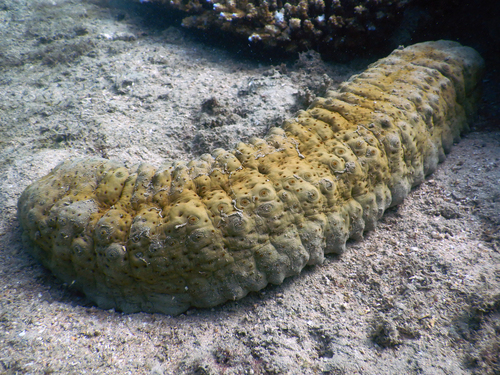
- Greenfish: francois.michonneau, CC BY 4.0
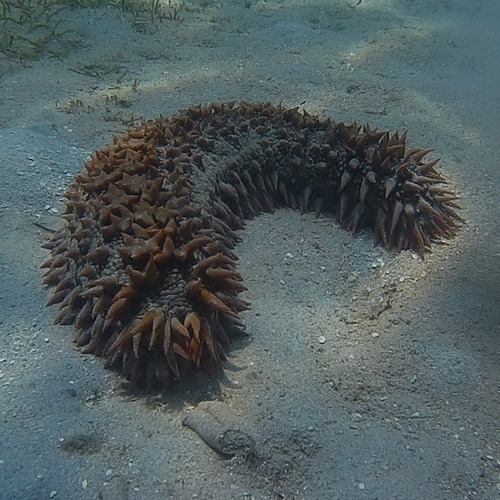
- Pineapple sea cucumber: nbasargin, CC BY 4.0
- Curryfish: Ewout Knoester, CC BY-SA 4.0
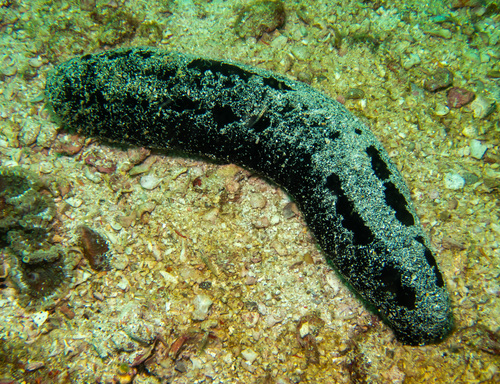
- Black sea cucumber: portioid, CC BY 4.0
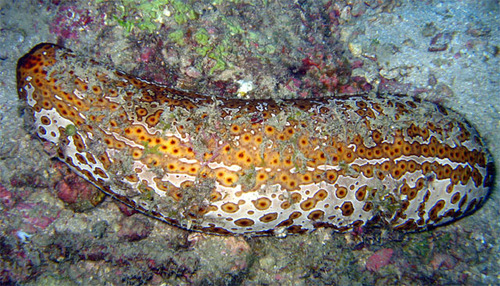
- Tiger fish: http://www.colours.dk/, CC BY-SA 4.0
- Mottled lightfoot crab: Parth Kansara, CC BY 4.0
- Whitespotted hermit: Dan Schofield, CC BY 4.0
- Smooth redeye crab: dr.scott.mills, CC BY-SA 4.0
- Painted spiny lobster: Elias Levy, CC BY 4.0
- Light-blue soldier crab: User:LiquidGhoul, CC BY-SA 4.0
- Horned ghost crab: Kai Squires, CC BY 4.0
- Lace monitor: Tim, CC BY 4.0
- Major skink: Dragonette, CC BY-SA 4.0
- Yellow-spotted monitor: desertnaturalist, CC BY 4.0
- Closed-litter rainbow-skink: James K. Douch, CC BY-SA 4.0

Species lists come from records people have shared in a few sample areas, not a full inventory of the Great Barrier Reef, and well-watched groups such as birds are recorded far more than insects or fungi. The food web shows only links that studies have recorded between the species on this page.
Checked 2026-11-20.