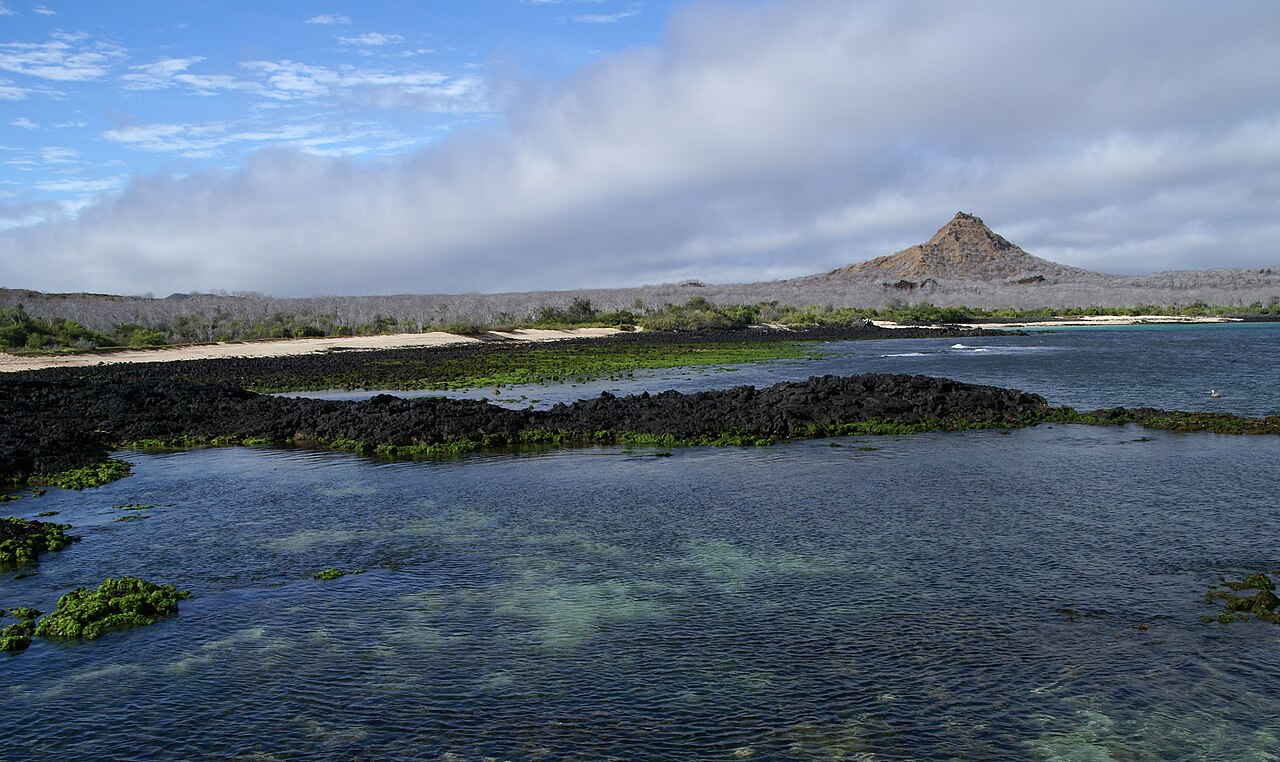
Galápagos Islands
Pacific Ocean, about 1,000 km west of Ecuador
The Galápagos are volcanic islands on the equator, isolated in the Pacific, where many animals live nowhere else on Earth. Their finches, mockingbirds and giant tortoises helped Charles Darwin shape his ideas about evolution.
People have shared 464,320 records of animals and plants from Santa Cruz, southern Isabela, San Cristóbal and Española with GBIF in ten years. This page shows the 36 species recorded most often there, and 1 links between them that studies have recorded: who eats whom.
- Kind
- Ecosystem
- Where
- Pacific Ocean, about 1,000 km west of Ecuador
- Species shown
- 36, the most recorded
- Food web
- 1 recorded links between them
- Records
- 464,320 in 2016–2025
- Sample areas
- Santa Cruz, southern Isabela, San Cristóbal, Española
Who eats whom in the Galápagos Islands
Food flows upwards: plants and small animals at the bottom, hunters at the top. Tap a species to see its links, then take it out of the web to see who would lose food.
Tap a species.
All 1 recorded links
Links that studies have recorded between the species on this page (GloBI). Real food webs hold far more species and links, and animals switch food when one runs short.
Who lives in the Galápagos Islands
The species people record most often in Santa Cruz, southern Isabela, San Cristóbal, Española, 2016–2025.
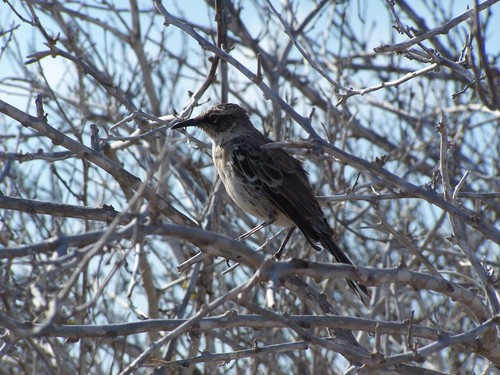
Birds
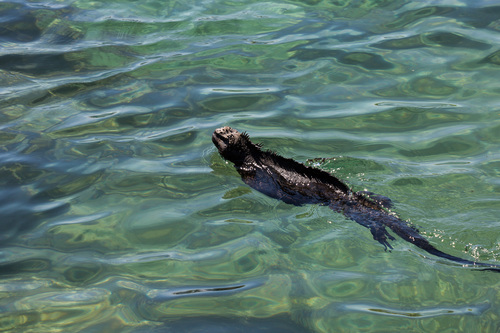
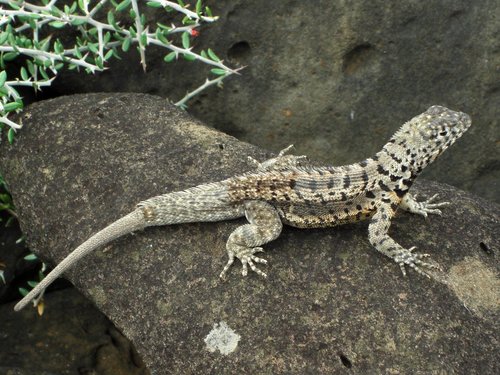
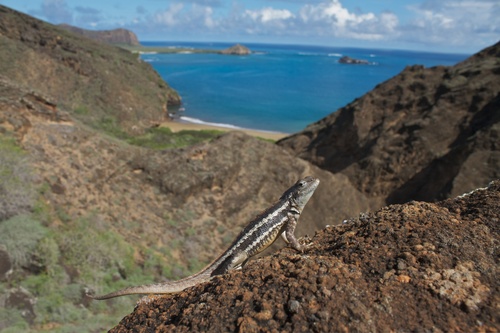
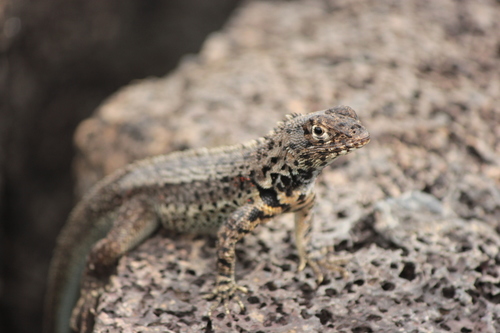
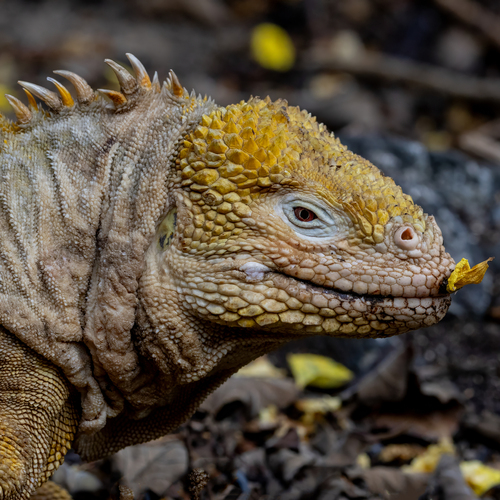
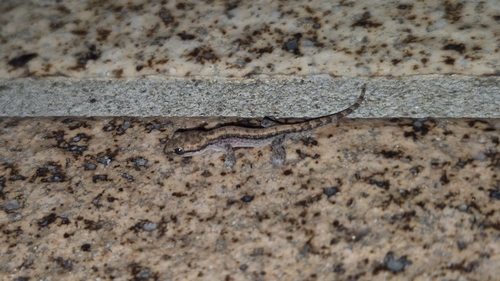
Reptiles
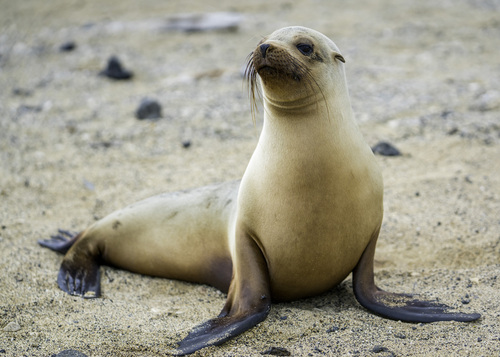
Mammals


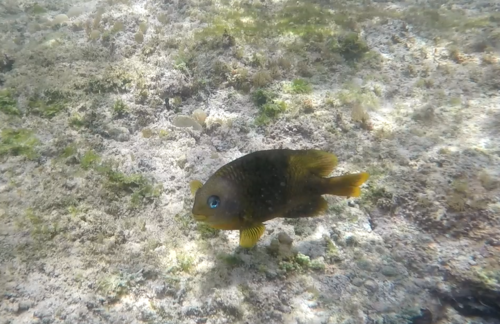
Fish



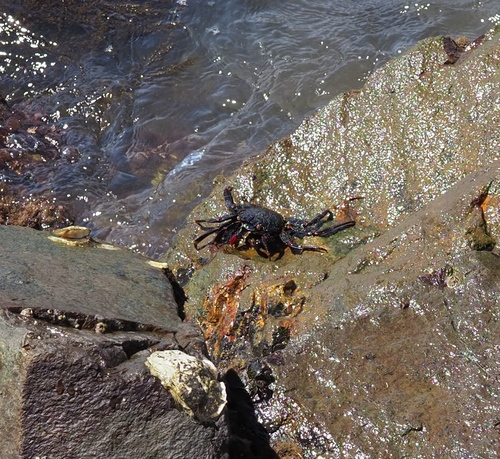
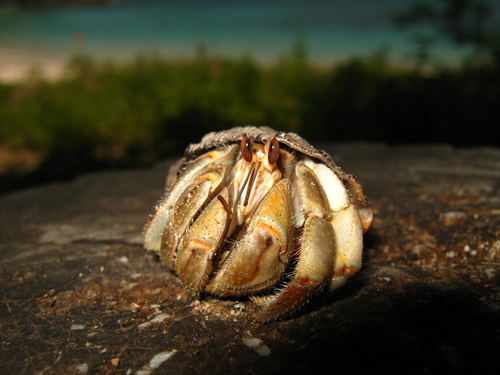
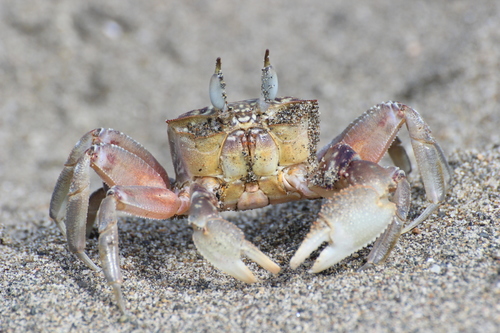
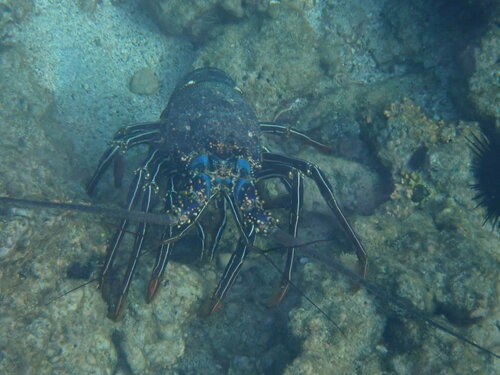
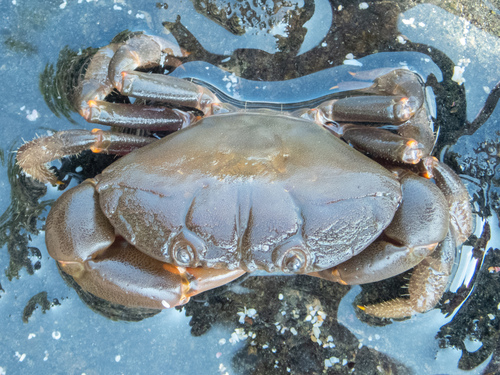
Crustaceans

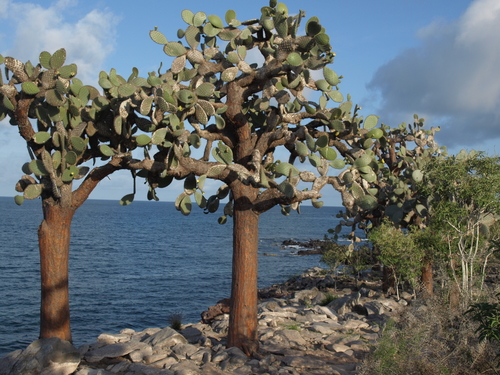
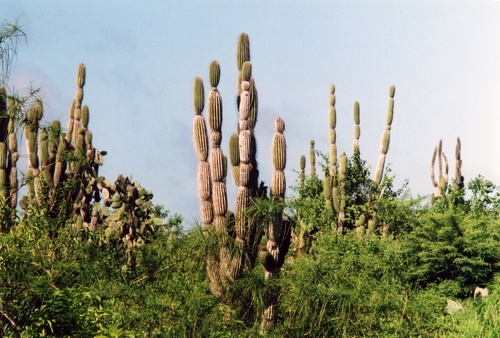
Plants


What threatens the Galápagos Islands, and what helps
Introduced goats, rats and invasive plants have changed the islands, and fishing and growing tourism press on the sea around them. El Niño years bring warm water and hunger for sea birds and marine iguanas.
Almost all the land is a national park and the sea around it a marine reserve. Removing invasive animals, breeding and returning giant tortoises and strict rules for visitors have helped several species recover.
Explore and share
Explore next
What puts the Galápagos Islands under pressure, what helps, and who works on it.
Questions people ask
What animals live in the Galápagos Islands?
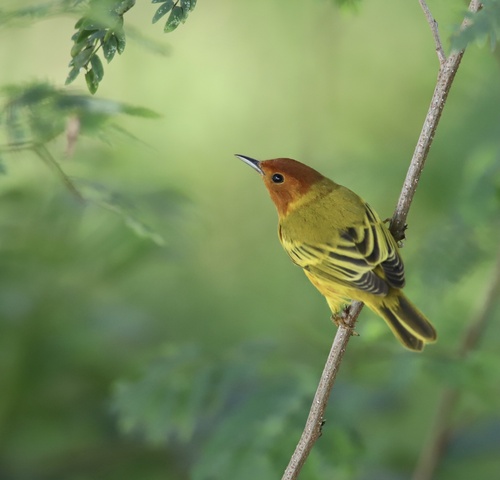
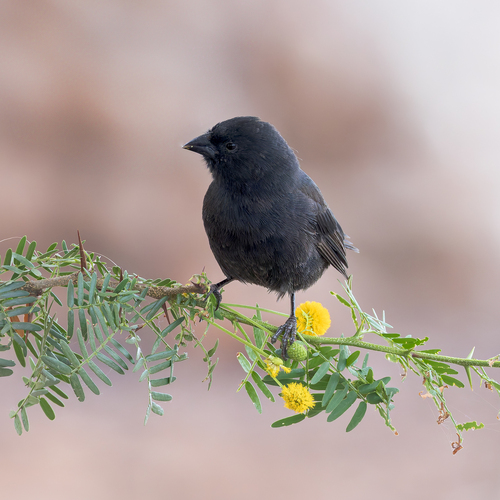
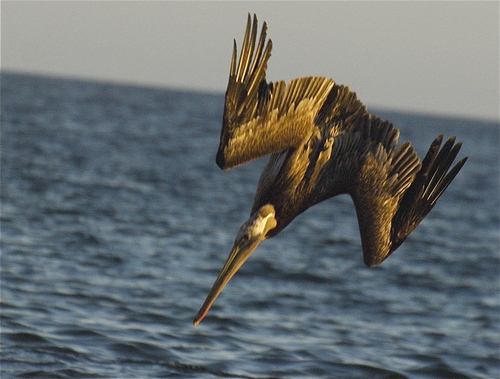
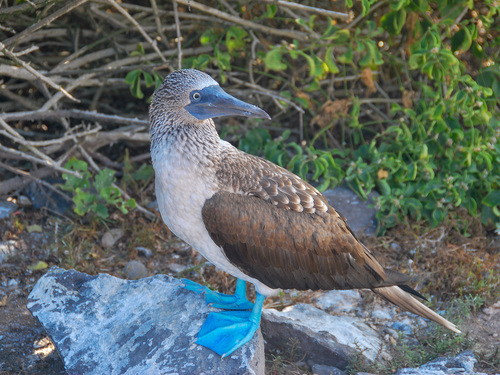
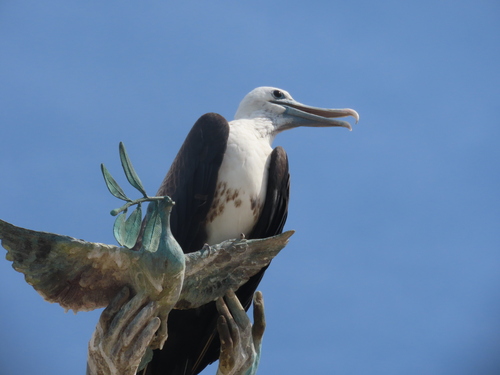
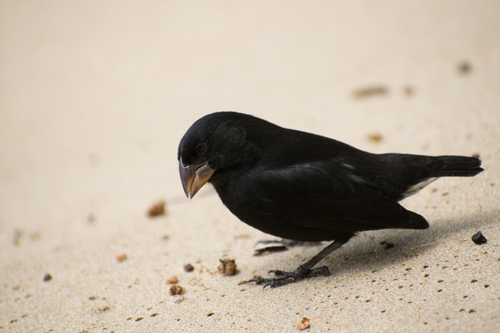
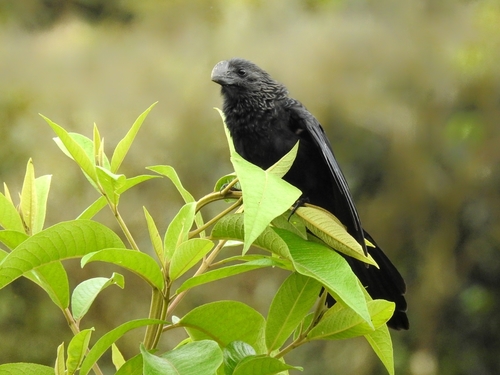
Among the animals people record most often in the Galápagos Islands: yellow warbler, small ground finch, brown pelican, blue-footed booby, magnificent frigatebird, medium ground-finch, smooth-billed ani and galapagos mockingbird. Based on GBIF records from Santa Cruz, southern Isabela, San Cristóbal and Española, 2016–2025.
What is the food chain in the Galápagos Islands?
Some of the feeding links studies have recorded among its species: the sally lightfoot crab eats the blue-footed booby. Source: GloBI.
What threatens the Galápagos Islands?
Introduced goats, rats and invasive plants have changed the islands, and fishing and growing tourism press on the sea around them. El Niño years bring warm water and hunger for sea birds and marine iguanas.
How can the Galápagos Islands be protected?
Almost all the land is a national park and the sea around it a marine reserve. Removing invasive animals, breeding and returning giant tortoises and strict rules for visitors have helped several species recover.
Sources and photo credits
- GBIF · human observations in Santa Cruz, southern Isabela, San Cristóbal, Española, 2016–2025
- GloBI · recorded feeding links between species
- Galápagos National Park
- UNESCO · Galápagos Islands
- Cerro Dragón on Santa Cruz Island, Galápagos: putneymark, CC BY-SA 2.0
- Yellow warbler: Aitor, CC BY 4.0
- Small ground finch: Chris Kirby-Lambert, CC BY 4.0
- Brown pelican: Jay Pruett, CC BY 4.0
- Blue-footed booby: William Stephens, CC BY 4.0
- Magnificent frigatebird: Aaron Liston, CC BY 4.0
- Medium ground-finch: Santiago Ron, CC BY 4.0
- Smooth-billed ani: Esteban Poveda, CC BY 4.0
- Galapagos mockingbird: Judith Kerman, CC BY 4.0
- Marine iguana: patrickc, CC BY 4.0
- Galapagos lava lizard: Jason Hollinger, CC BY 4.0
- San cristobal lava lizard: Brian Gratwicke, CC BY 4.0
- Galapagos lava lizard: Frank Dietze, CC BY 4.0
- Galapagos land iguana: Dan Vickers, CC BY 4.0
- Mourning gecko: karliatje, CC BY 4.0
- Galapagos sea lion: Casey Klebba, CC BY-SA 4.0
- Bottlenose dolphin: Laurent Bouveret, CC BY-SA 4.0
- Galapagos fur seal: Juan Carlos Caicedo Hernández, CC BY 4.0
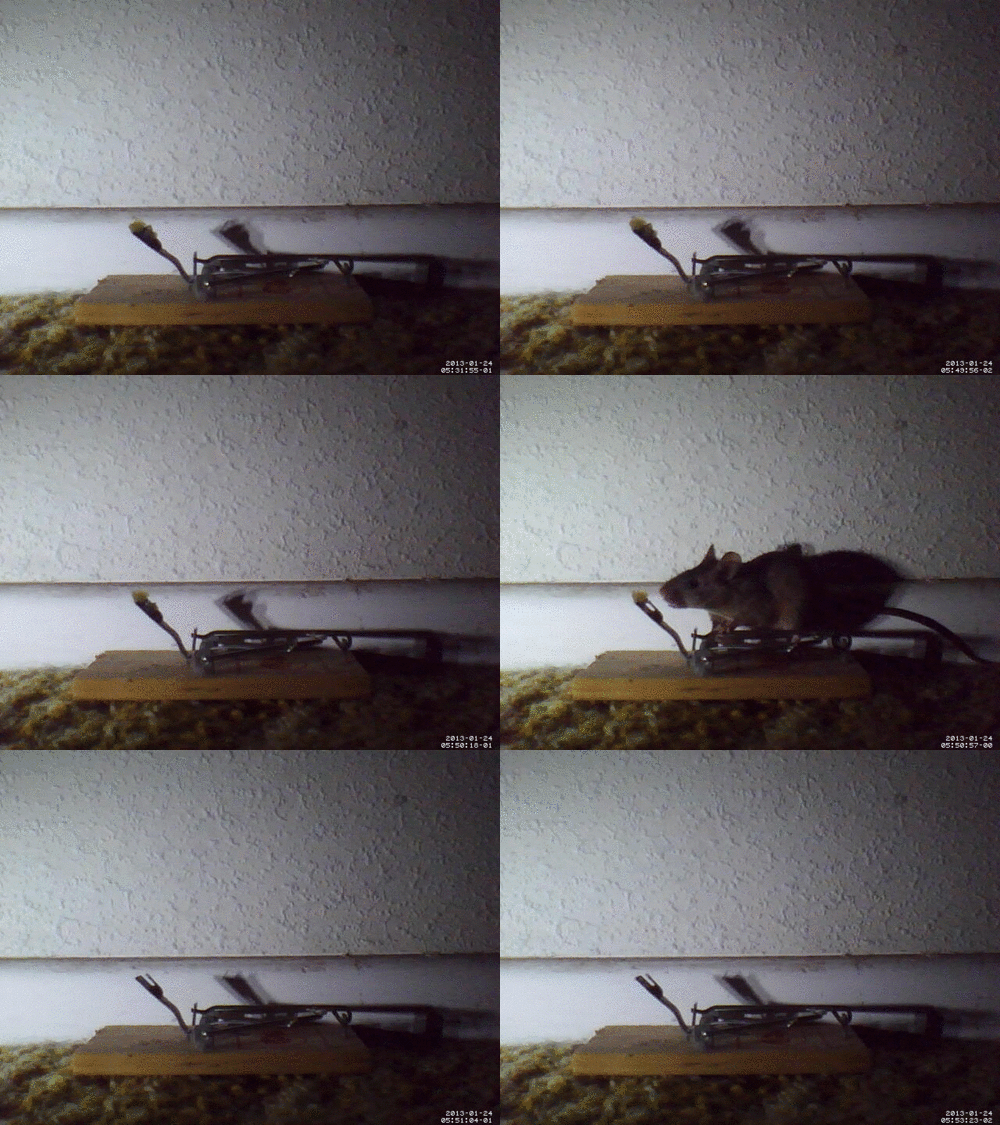
- House mouse: Tony Wills, CC BY-SA 4.0
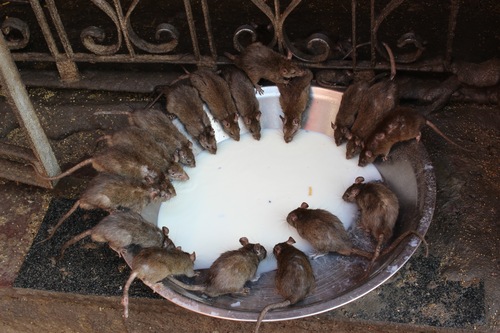
- Black rat: Zoltán Stekkelpak, CC0
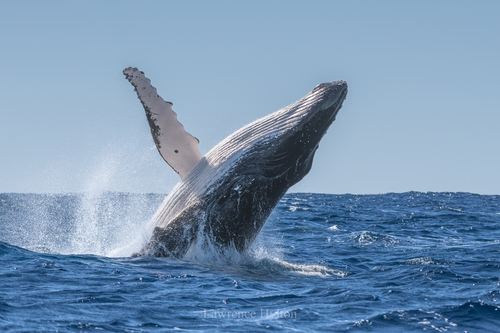
- Humpback whale: Lawrence Hylton, CC BY 4.0
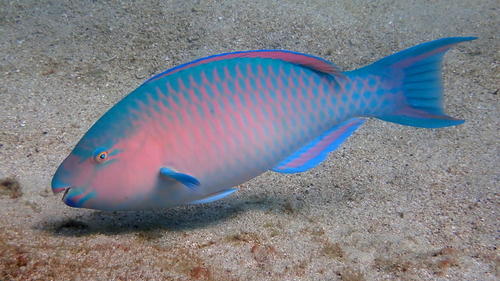
- Bluechin parrotfish: no rights reserved, uploaded by steve b, CC0
- Mexican hogfish: Derek Keats, CC BY 4.0
- Galapagos gregory: Eric Knight, CC BY 4.0
- Bullseye puffer: Julien Renoult, CC BY 4.0
- Razor surgeonfish: jeyre, CC BY 4.0
- Panamic sergeant major: Ryan McMinds, CC BY 4.0
- Sally lightfoot crab: Aiver, CC BY 4.0
- Ecuadorian hermit crab: Jorge Armín Escalante-Pasos, CC BY 4.0
- Pacific ghost crab: Nature.Catcher, CC BY-SA 4.0
- Galápagos fiddler crab: no rights reserved, uploaded by Zygy, CC0
- Pronghorn spiny lobster: cello caruso-turiello, CC BY 4.0
- Punched stone crab: Don Loarie, CC BY 4.0
- Galápagos prickly pear: Jim Morefield, CC BY 4.0
- Candelabra cactus: Jonathan Eisen, CC BY 4.0
- Button mangrove: Douglas Goldman, CC BY-SA 4.0
- Jerusalem thorn: Douglas Goldman, CC BY-SA 4.0

Species lists come from records people have shared in a few sample areas, not a full inventory of the Galápagos Islands, and well-watched groups such as birds are recorded far more than insects or fungi. The food web shows only links that studies have recorded between the species on this page.
Checked 2026-11-20.