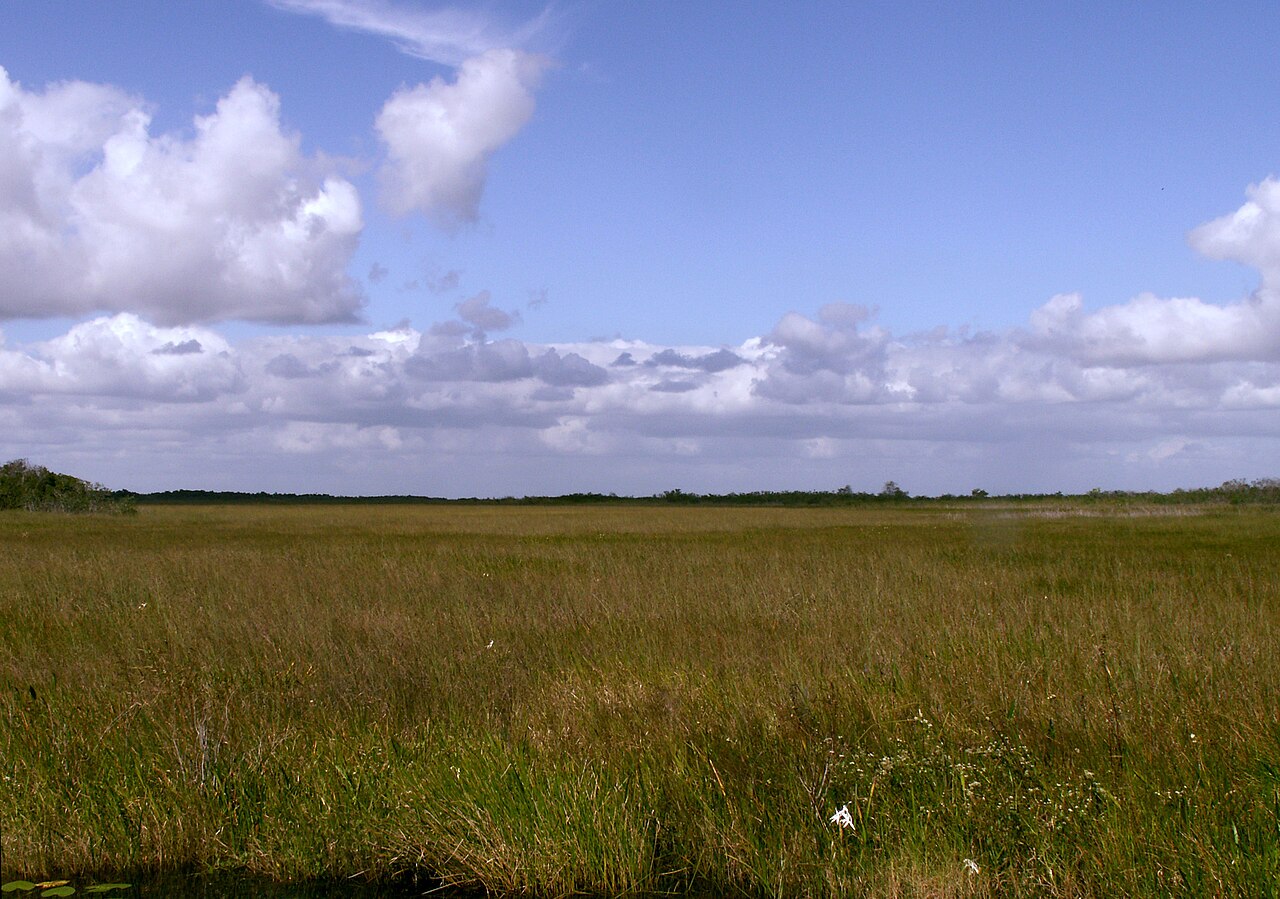
Everglades
Southern tip of Florida, United States
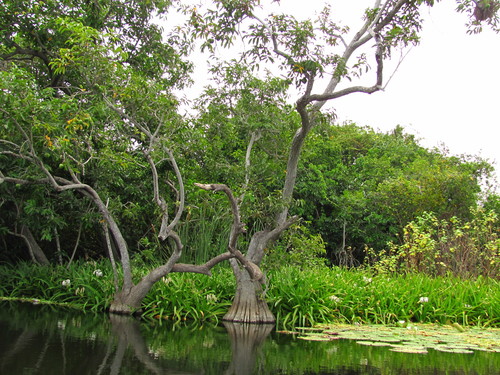
Everglades National Park at the southern tip of Florida has been called a river of grass flowing slowly into the sea. It is the largest subtropical wilderness reserve in North America, where fresh and brackish water, shallow bays and deeper coastal waters meet. Alligators, crocodiles and Florida panthers sit at the top of a food chain that is still unbroken, and the park shelters more than 20 rare, endangered and threatened species, among them the manatee and snail kite.
People have shared 1,838,068 records of animals and plants from Everglades National Park and Big Cypress National Preserve with GBIF in ten years. This page shows the 38 species recorded most often there, and 69 links between them that studies have recorded: who eats whom.
- Kind
- Ecosystem
- Where
- Southern tip of Florida, United States
- Species shown
- 38, the most recorded
- Food web
- 69 recorded links between them
- Records
- 1,838,068 in 2016–2025
- Sample areas
- Everglades National Park, Big Cypress National Preserve
Who eats whom in the Everglades
Food flows upwards: plants and small animals at the bottom, hunters at the top. Tap a species to see its links, then take it out of the web to see who would lose food.
Tap a species.
All 69 recorded links
- Fox squirrel eats Northern cardinal
- Bobcat eats Great blue heron
- Bobcat eats Gray catbird
- Bobcat eats Fox squirrel
- Bobcat eats American white ibis
- Bobcat eats Northern cardinal
- Great egret eats Eastern racer
- Great egret eats Spotted sunfish
- Great egret eats Mayan cichlid
- Great egret eats Cuban brown anole
- Great egret eats Northern mockingbird
- Great egret eats Mexican free-tailed bat
- Great egret eats Pike killifish
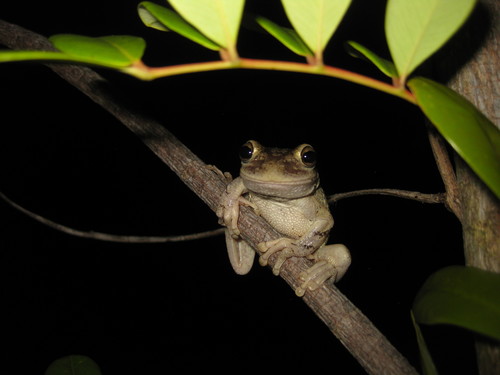
- Great egret eats Cuban treefrog
- Great egret eats Southern water snake
- Great egret eats African redhead agama
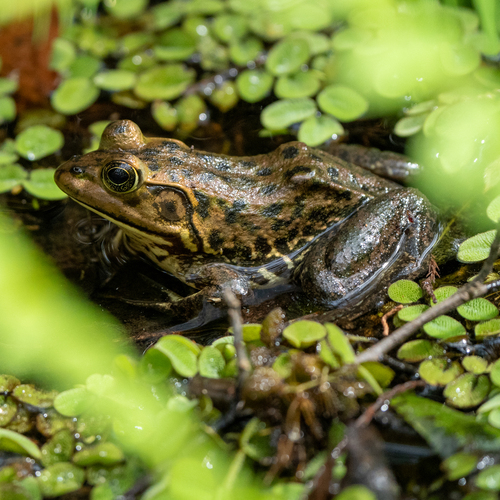
- Great egret eats Pig frog
- Great egret eats Green anole
- Northern mockingbird eats Cuban brown anole
- Northern cardinal eats Green anole
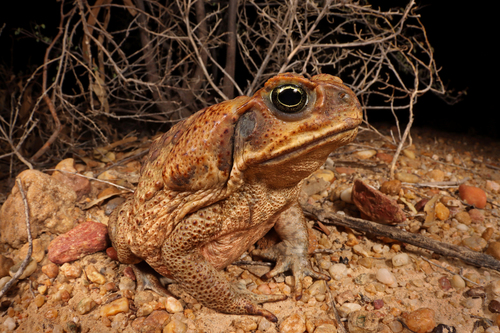
- American white ibis eats Cane toad
- American white ibis eats African redhead agama
- American white ibis eats Pig frog
- American white ibis eats Southern water snake
- American white ibis eats Brown water snake
- American white ibis eats Eastern racer
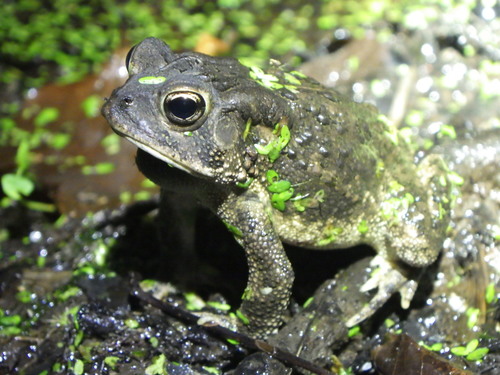
- American white ibis eats Southern toad
- Great blue heron eats Southern water snake
- Great blue heron eats Mayan cichlid
- Great blue heron eats Largemouth bass
- Great blue heron eats Spotted sunfish
- Great blue heron eats Brown water snake
- Great blue heron eats Pig frog
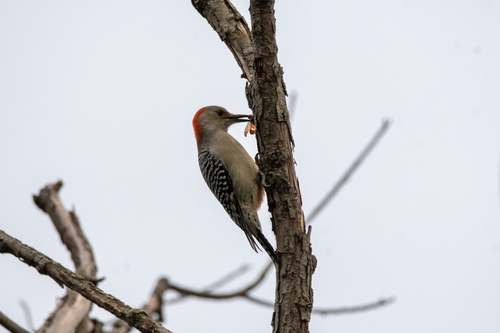
- Red-bellied woodpecker eats Green anole
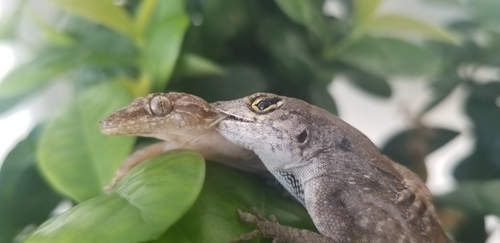
- Red-bellied woodpecker eats Cuban brown anole
- Gray catbird eats Northern cardinal
- Gray catbird eats Coco plum
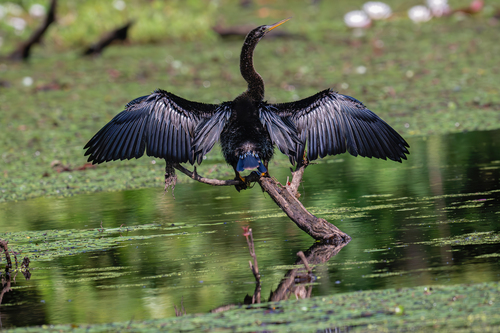
- Anhinga eats Spotted sunfish
- Anhinga eats Mayan cichlid
- Anhinga eats Largemouth bass
- Cuban brown anole eats Cosmopolitan house gecko
- Cuban brown anole eats Green anole
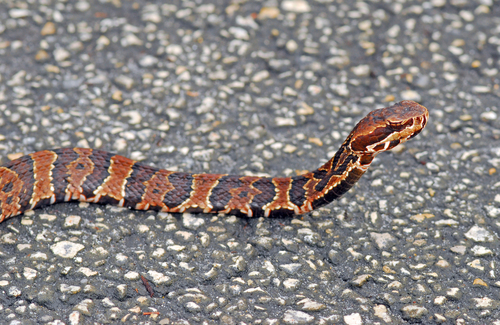
- Florida cottonmouth eats Pig frog
- Florida cottonmouth eats Eastern racer
- Florida cottonmouth eats Cuban treefrog
- Florida cottonmouth eats Southern toad
- Florida cottonmouth eats Southern water snake
- Southern water snake eats Southern toad
- Southern water snake eats Southern cricket frog
- Southern water snake eats Green treefrog
- Southern water snake eats Pig frog
- Southern water snake eats Cuban treefrog
- Southern water snake eats Cane toad
- Southern water snake eats Florida cottonmouth
- Green anole eats Cuban brown anole
- Cosmopolitan house gecko eats Cuban brown anole
- Eastern racer eats Cuban treefrog
- Eastern racer eats Green treefrog
- Eastern racer eats Cuban brown anole
- Eastern racer eats Southern water snake
- Eastern racer eats Southern cricket frog
- Eastern racer eats Green anole
- Eastern racer eats Brown water snake
- Eastern racer eats Northern cardinal
- African redhead agama eats Green anole
- Southern toad eats Cuban brown anole
- Cuban treefrog eats Green treefrog
- Cuban treefrog eats Green anole
- Green treefrog eats Cuban brown anole
Links that studies have recorded between the species on this page (GloBI). Real food webs hold far more species and links, and animals switch food when one runs short.
Who lives in the Everglades
The species people record most often in Everglades National Park, Big Cypress National Preserve, 2016–2025.
Mammals


Birds

Reptiles


Amphibians

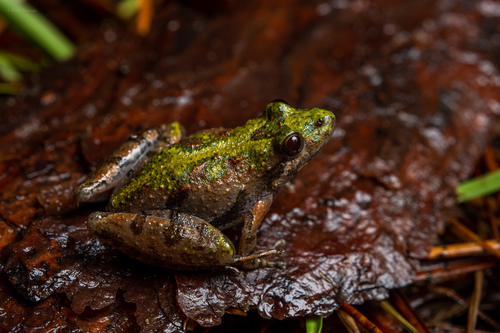
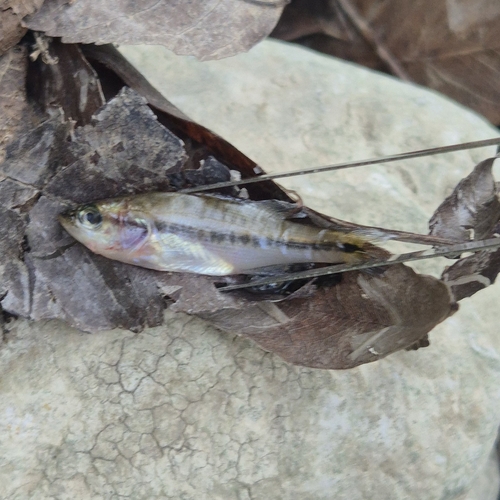
Fish

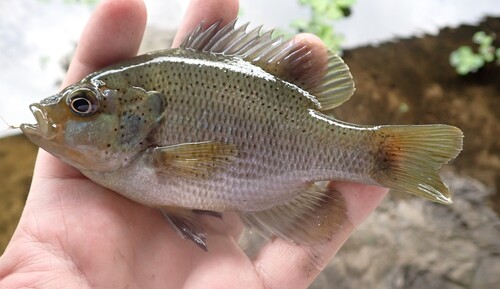

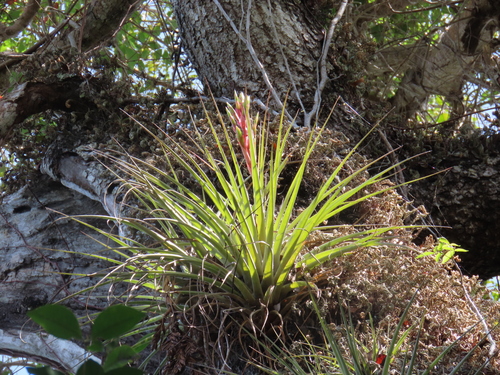
Plants


What threatens the Everglades, and what helps
Changes to how water is managed are the park's largest threat: the water flowing into its northern edge is believed to be about 60% less than before drainage. Farm run-off adds nutrients, and invasive species, especially the Burmese python, have spread through the park.
Restoration projects upstream are bringing back the natural flow and cleaning the water, coordinated by the South Florida Ecosystem Restoration Task Force.
Explore and share
Questions people ask
What animals live in the Everglades?
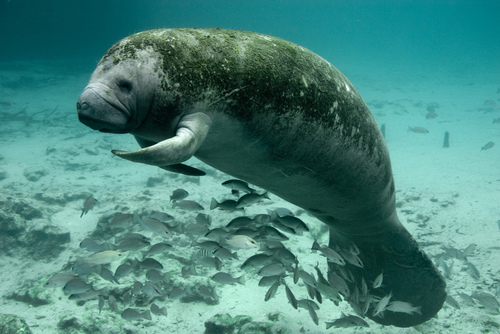
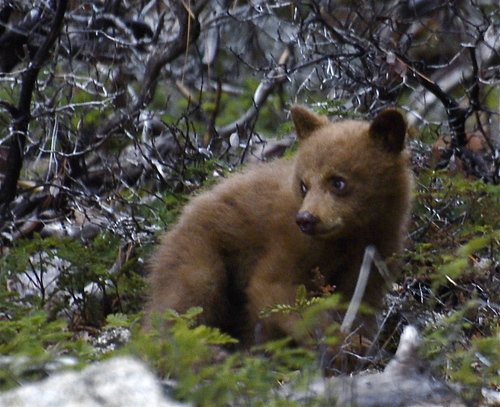
Among the animals people record most often in the Everglades: west indian manatee, american black bear, bottlenose dolphin, fox squirrel, bobcat, mexican free-tailed bat, great egret and northern mockingbird. Based on GBIF records from Everglades National Park and Big Cypress National Preserve, 2016–2025.
What is the food chain in the Everglades?
Some of the feeding links studies have recorded among its species: the eastern racer eats the cuban treefrog, the eastern racer eats the cuban brown anole, the bobcat eats the fox squirrel and the great egret eats the mexican free-tailed bat. Source: GloBI.
What threatens the Everglades?
Changes to how water is managed are the park's largest threat: the water flowing into its northern edge is believed to be about 60% less than before drainage. Farm run-off adds nutrients, and invasive species, especially the Burmese python, have spread through the park.
How can the Everglades be protected?
Restoration projects upstream are bringing back the natural flow and cleaning the water, coordinated by the South Florida Ecosystem Restoration Task Force.
Sources and photo credits
- GBIF · human observations in Everglades National Park, Big Cypress National Preserve, 2016–2025
- GloBI · recorded feeding links between species
- UNESCO World Heritage Centre · Everglades National Park
- US National Park Service · Everglades
- Sawgrass prairie under a wide sky in Everglades National Park, Florida: Moni3, CC BY 3.0
- West Indian manatee: U.S. Fish and Wildlife Service Headquarters, CC BY 4.0
- American black bear: Jay Pruett, CC BY 4.0
- Bottlenose dolphin: Laurent Bouveret, CC BY-SA 4.0
- Fox squirrel: Judy Gallagher, CC BY 4.0
- Bobcat: ayden, CC BY 4.0
- Mexican free-tailed bat: Bureau of Land Management, CC BY 4.0
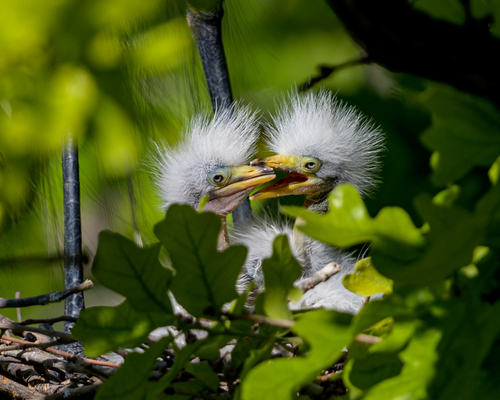
- Great egret: Shiva Shenoy, CC BY 4.0
- Northern mockingbird: Jeffrey Harris, CC BY 4.0
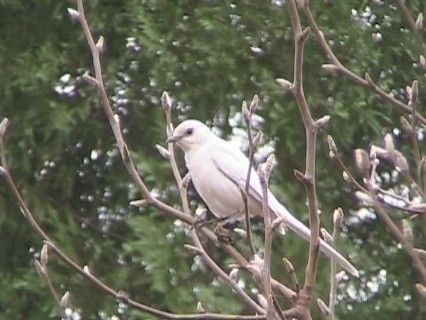
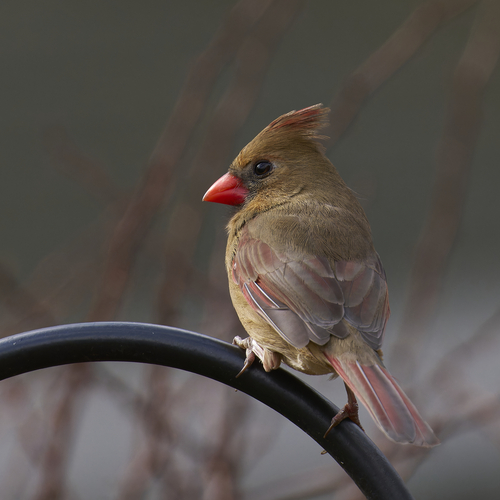
- Northern cardinal: Paul Danese, CC BY-SA 4.0
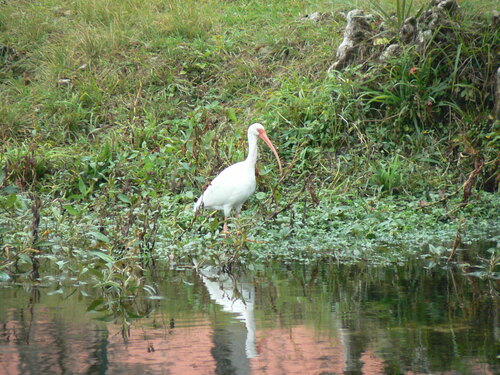
- American white ibis: elik03, CC BY 4.0
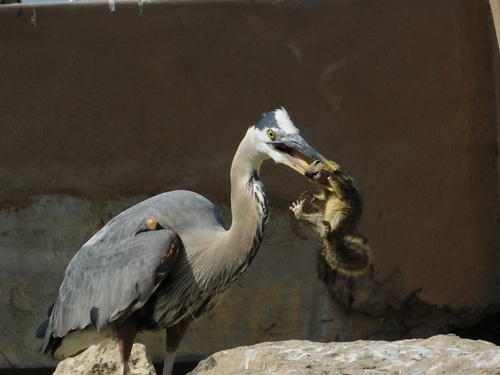
- Great blue heron: mostbittern, CC BY 4.0
- Red-bellied woodpecker: Troy B, CC BY 4.0
- Gray catbird: kirk gardner, CC BY 4.0
- Anhinga: Karen Szafrajda, CC BY 4.0
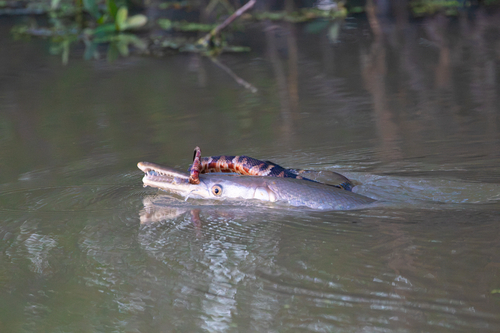
- Cuban brown anole: chloe ⋆˚꩜。, CC BY-SA 4.0
- Florida cottonmouth: Tom Kennedy, CC BY 4.0
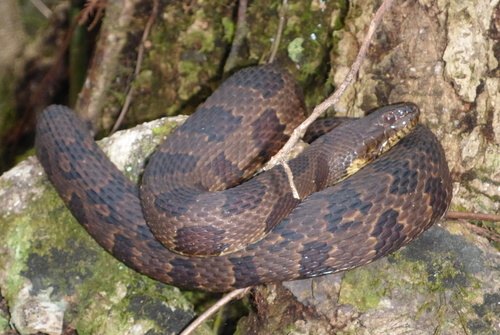
- Southern water snake: Hannah von Suskil, CC BY 4.0
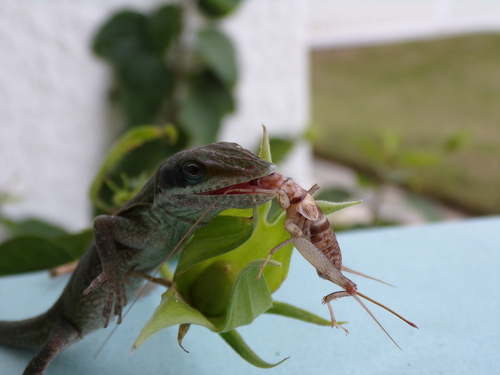
- Green anole: chloe ⋆˚꩜。, CC BY-SA 4.0
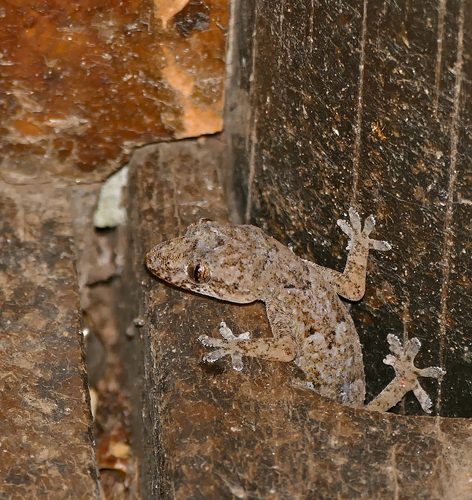
- Cosmopolitan house gecko: Bernard DUPONT, CC BY-SA 4.0
- Eastern racer: Dean Hester, CC BY 4.0
- African redhead agama: Ben Machado, CC BY 4.0
- Brown water snake: mfeaver, CC BY 4.0
- Southern toad: David Weisenbeck, CC BY 4.0
- Cuban treefrog: Kevin Judge, CC BY 4.0
- Pig frog: Anthony Batista, CC BY 4.0
- Green treefrog: Brian Gratwicke, CC BY 4.0
- Cane toad: Connor Margetts, CC BY 4.0
- Southern cricket frog: evangrimes, CC BY 4.0
- Mayan cichlid: Christine Loew, CC BY 4.0
- Largemouth bass: Trevor Hollister, CC0
- Spotted sunfish: sisor, CC BY 4.0
- Pike killifish: Nick Tobler (Cowturtle), CC BY 4.0
- Giant airplant: Viktor, CC BY 4.0
- Coco plum: Eridan Xharahi, CC BY 4.0
- Yellow thistle: no rights reserved, uploaded by Craig Martin, CC0
- Pond apple: nasua, CC BY 4.0
- Seven sisters: Joey Santore, CC BY 4.0
- Red mangrove: James St. John, CC BY 4.0

Species lists come from records people have shared in a few sample areas, not a full inventory of the Everglades, and well-watched groups such as birds are recorded far more than insects or fungi. The food web shows only links that studies have recorded between the species on this page.
Checked 2026-11-22.