 Humpback whaleMegaptera novaeangliae
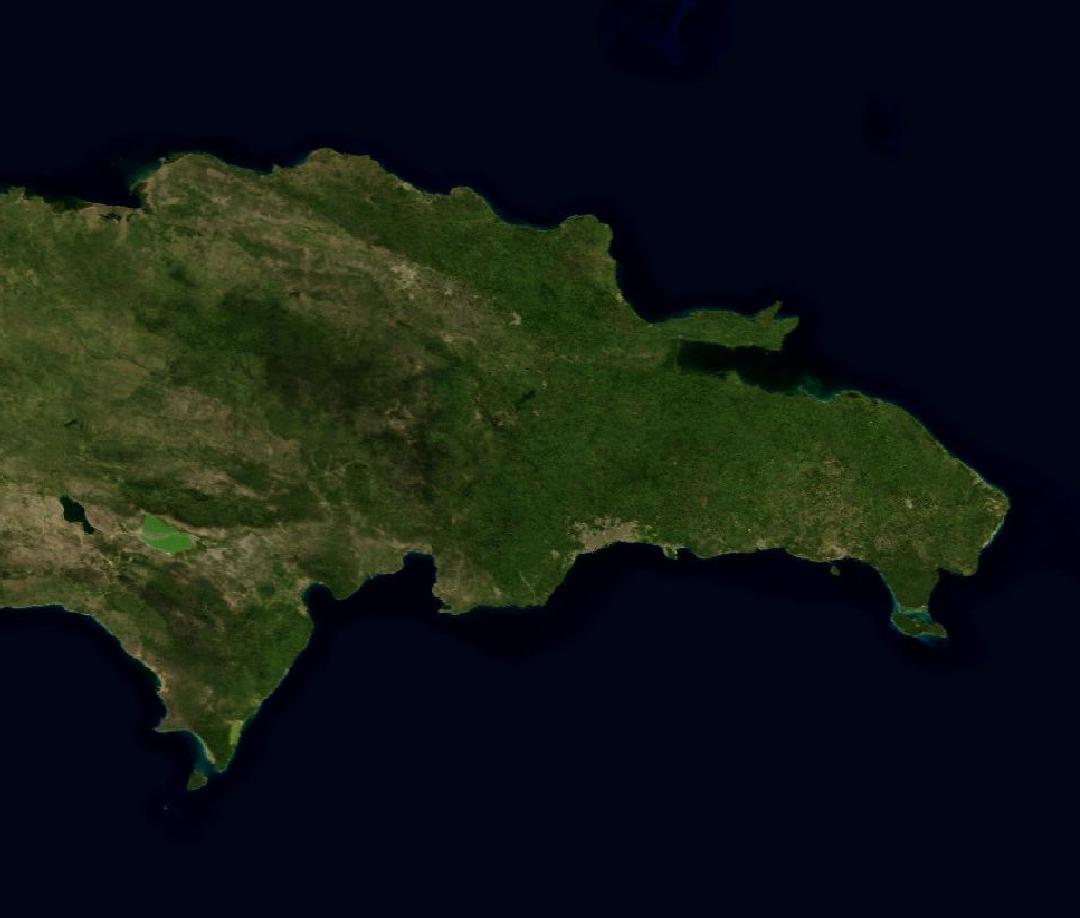
Dominican Republic
A country on the eastern two thirds of Hispaniola, in the Caribbean.
Image: NASA Blue Marble. Borders: Natural Earth.
The Dominican Republic covers most of the island of Hispaniola. Pico Duarte, the highest mountain in the Caribbean, rises in the centre, and Lake Enriquillo in the south west is the lowest point in the region.
Thousands of humpback whales come each winter to the bays of Samaná and the Silver Bank to mate and give birth. Lake Enriquillo is home to American crocodiles and rhinoceros iguanas.
Dominican Republic
- Capital
- Santo Domingo
- Population
- 10.8 million
- Area
- 48,671 km²
- Continent
- North America
- Highest point
- Pico Duarte, 3,101 m
- Language
- Spanish
- Currency
- Dominican peso
- Time zone
- UTC−04
Figures from Wikidata; population 2022.
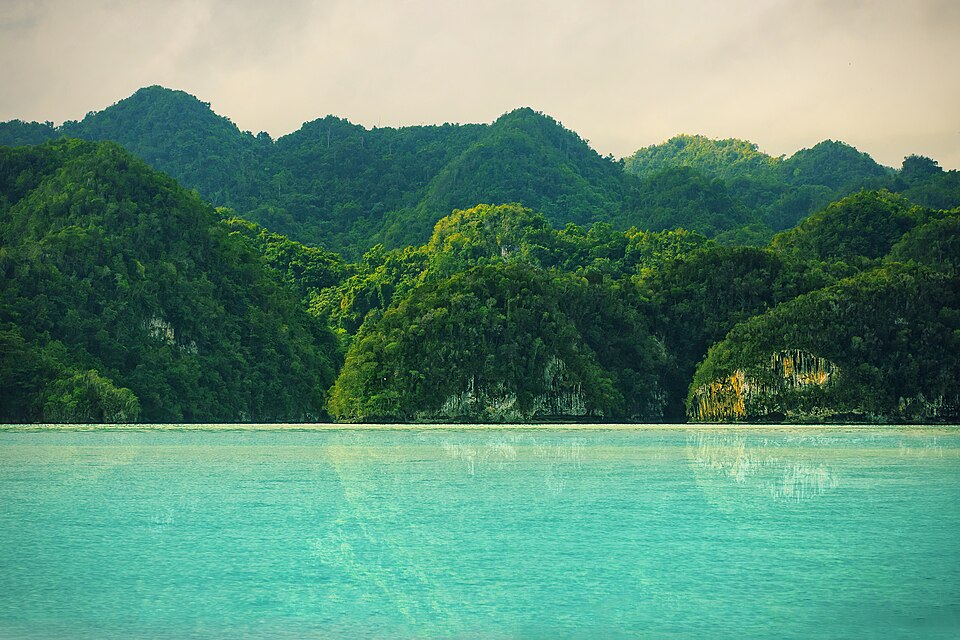
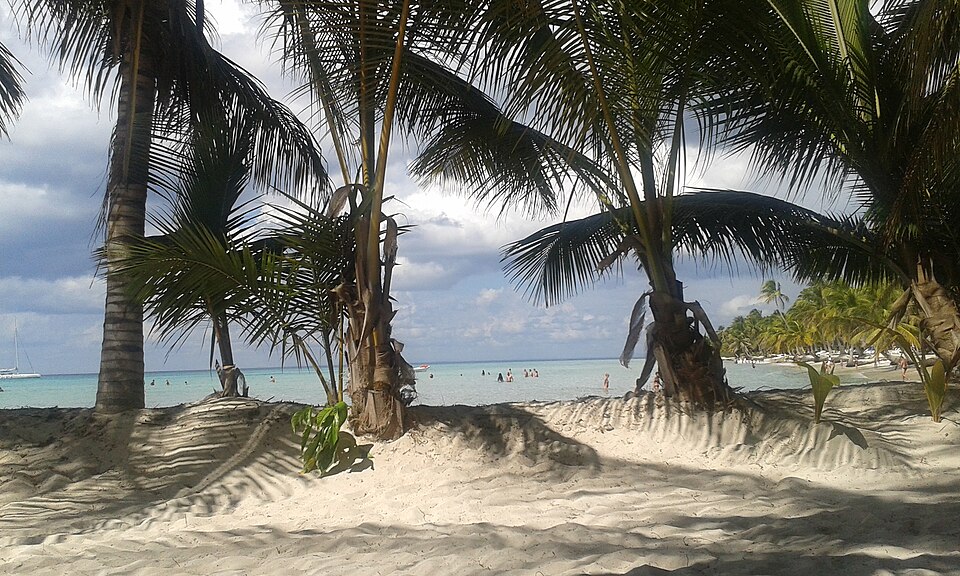
Dominican Republic in pictures



Which animals live in Dominican Republic?
Among the animals recorded in Dominican Republic are the humpback whale, the peregrine falcon, the western honey bee, the monarch butterfly and the green sea turtle. These are wildlife records shared through GBIF, not a full list of the animals that live here.
Humpback whaleMegaptera novaeangliae Peregrine falconFalco peregrinus
 Western honey beeApis mellifera
 Monarch butterflyDanaus plexippus
 Green sea turtleChelonia mydas
Where can you see them?
- Los Haitises National ParkEstablished 1976 · 632 km²
- Jaragua National ParkEstablished 1983 · 1,374 km²
- Cotubanamá National Park796 km²
- Monte Cristi National ParkEstablished 1983
- José Armando Bermúdez National ParkEstablished 1956
- Sierra de Bahoruco National ParkNational park
What is putting pressure on nature here?
Forests are cleared for farming and tourism along the coast, and coral reefs are damaged by pollution and warming seas. Hurricanes and droughts are becoming more extreme.
Learn more about Dominican Republic
Dominican Republic on the living planet
Keep exploring from Dominican Republic
Species pages with records from Dominican Republic
House sparrowGreat egretOspreyBlack-crowned night heronLesser yellowlegsYellow-rumped warblerWestern honey beeHumpback whaleMonarch butterflySilver garden spiderSelfhealCedar waxwing
Countries nearby
Sources and photo credits
- Wikidata · Dominican Republic (Q786), facts and national parks
- Convention on Biological Diversity · Dominican Republic country profile
- GBIF · human observations in Dominican Republic, used to choose the species
- Natural Earth · country borders, public domain
- NASA GIBS · Blue Marble imagery, public domain
- Los Haitises National Park, Dominican Republic: Anton Bielousov, CC BY-SA 3.0
- Jaragua National Park, Dominican Republic: Tim Ross, Public domain
- Cotubanamá National Park, Dominican Republic: Melodygar, CC BY-SA 4.0
- Monte Cristi National Park, Dominican Republic: Joel Diplan, CC BY 3.0
- Parque Nacional Submarino La Caleta, Dominican Republic: JGM-CDL, CC BY-SA 4.0
- Humpback whale: Dr. Louis M. Herman., Public domain
- Peregrine falcon: Georges Lignier (georges.lignier@wanadoo.fr), CC BY-SA 3.0
- Western honey bee: Vasily Reinkymov, CC0
- Monarch butterfly: Didier Descouens, CC BY-SA 4.0
- Green sea turtle: Charles J. Sharp, CC BY-SA 4.0


Borders and the capital show where Dominican Republic is. Wildlife records show where people have seen animals, not where they all live today.
Checked 2026-11-19.