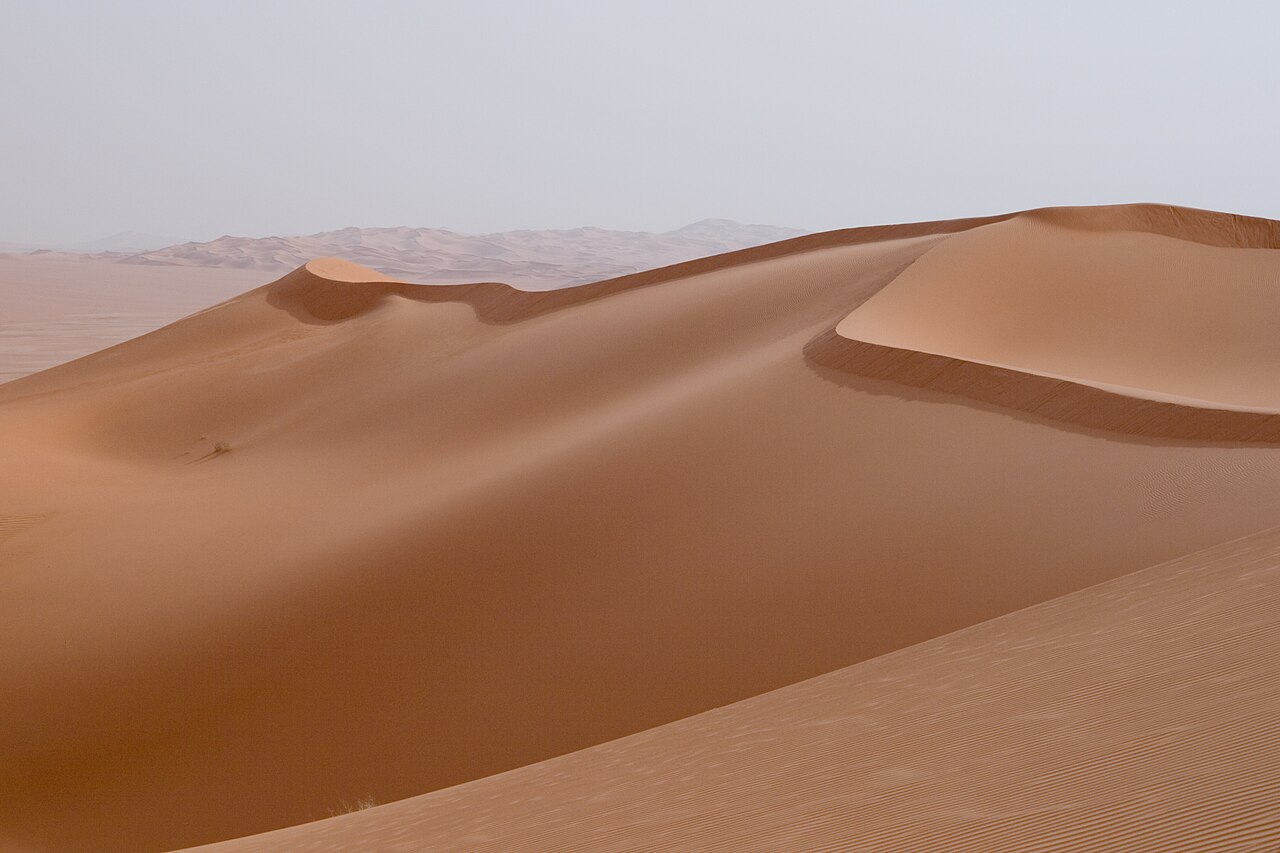
Deserts
Dry lands on every continent
Deserts get very little rain, often less than 250 millimetres a year, yet many are full of life. Animals stay out of the midday heat, many get their water from food, and plants store water or wait for rain as seeds.
People have shared 16,003,991 records of animals and plants from the Sonoran Desert, USA and Mexico and the Namib Desert, Namibia with GBIF in ten years. This page shows the 26 species recorded most often there, and 17 links between them that studies have recorded: who eats whom.
- Kind
- Habitat
- Where
- Dry lands on every continent
- Species shown
- 26, the most recorded
- Food web
- 17 recorded links between them
- Records
- 16,003,991 in 2016–2025
- Sample areas
- the Sonoran Desert, USA and Mexico, the Namib Desert, Namibia
Who eats whom in the desert
Food flows upwards: plants and small animals at the bottom, hunters at the top. Tap a species to see its links, then take it out of the web to see who would lose food.
Tap a species.
All 17 recorded links
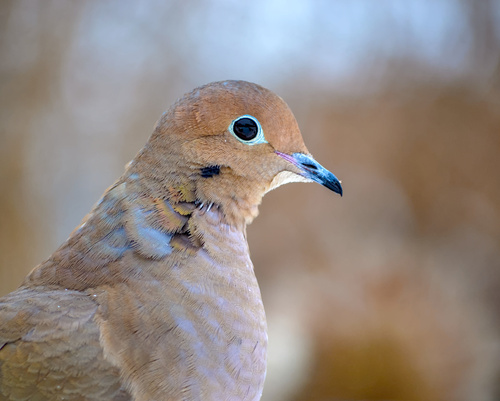
- Western diamond-backed rattlesnake eats Mourning dove
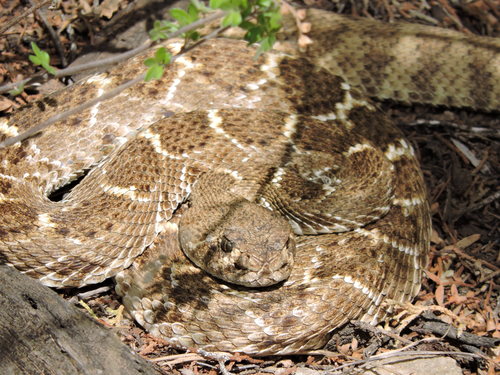
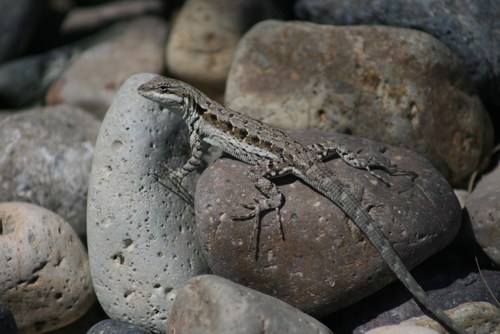
- Western diamond-backed rattlesnake eats Side-blotched lizard
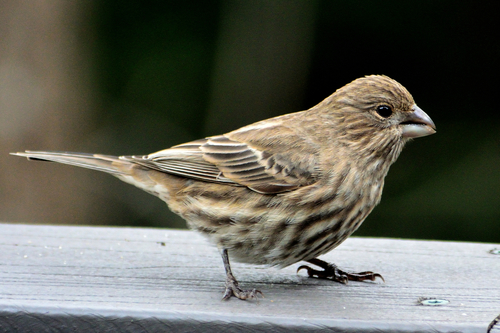
- Western diamond-backed rattlesnake eats House finch
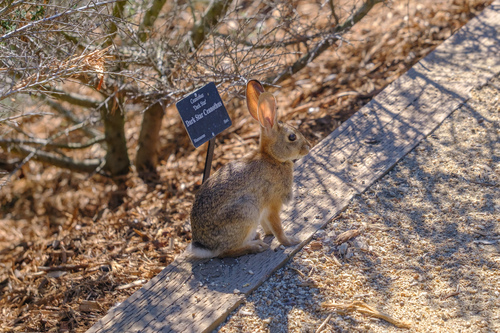
- Western diamond-backed rattlesnake eats Desert cottontail
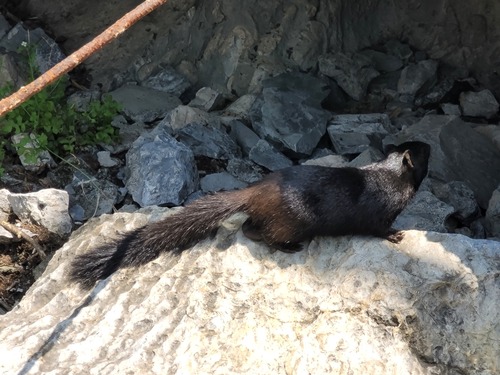
- Western diamond-backed rattlesnake eats Rock squirrel
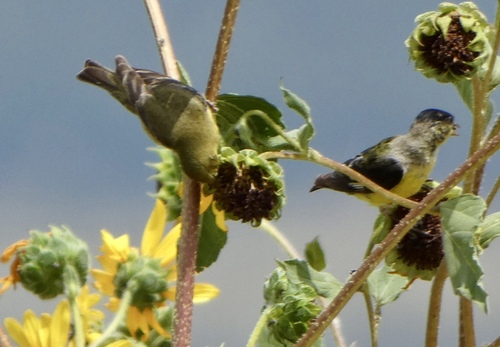
- Western diamond-backed rattlesnake eats Lesser goldfinch
- Western diamond-backed rattlesnake eats Round-tailed ground squirrel
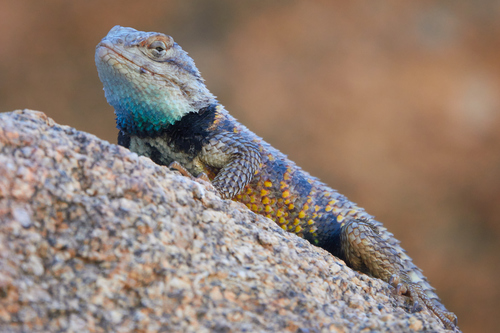
- Western diamond-backed rattlesnake eats Desert spiny lizard
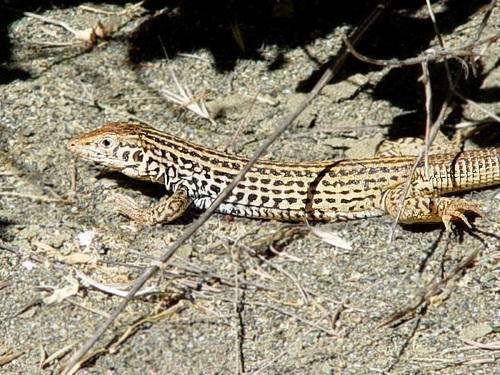
- Tiger whiptail eats Side-blotched lizard
- Rock squirrel eats Candy barrel cactus
- Coyote eats Rock squirrel
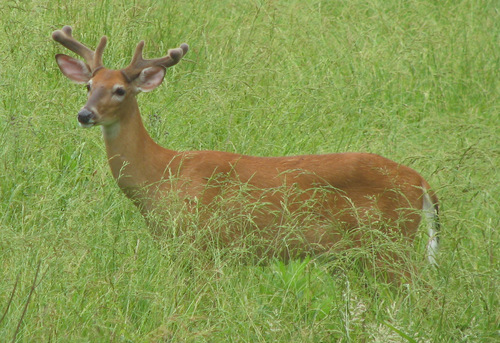
- Coyote eats White-tailed deer
- Coyote eats Desert cottontail
- Coyote eats Round-tailed ground squirrel
- Coyote eats Western diamond-backed rattlesnake
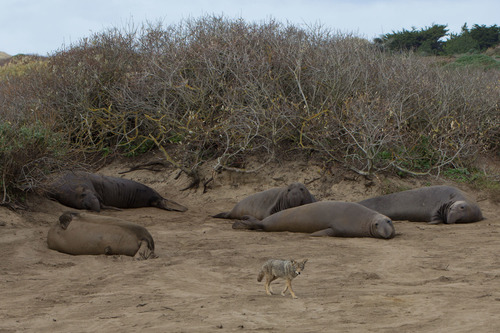
- Coyote eats Collared peccary
- House finch eats Vine-cactus
Links that studies have recorded between the species on this page (GloBI). Real food webs hold far more species and links, and animals switch food when one runs short.
Who lives in the desert
The species people record most often in the Sonoran Desert, USA and Mexico, the Namib Desert, Namibia, 2016–2025.
Reptiles
Mammals


Birds


Insects


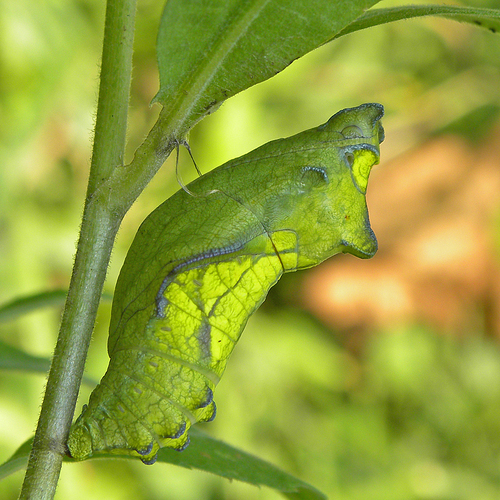
Plants
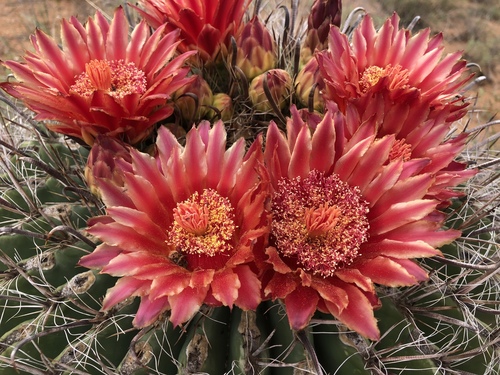


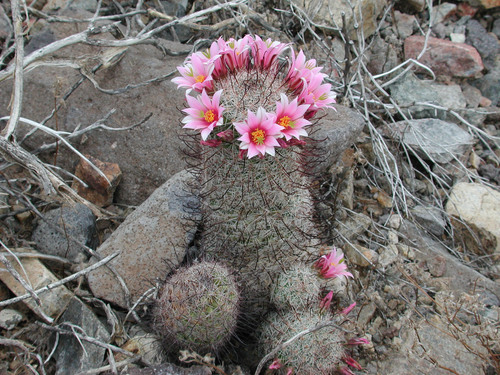
What threatens the desert, and what helps
Water drawn from rivers and the ground for farms and cities, off-road driving, mining and invasive grasses that bring fire to plants not adapted to it.
Protecting springs and groundwater, keeping vehicles on tracks, and removing invasive grasses before they spread.
Explore and share
Explore next
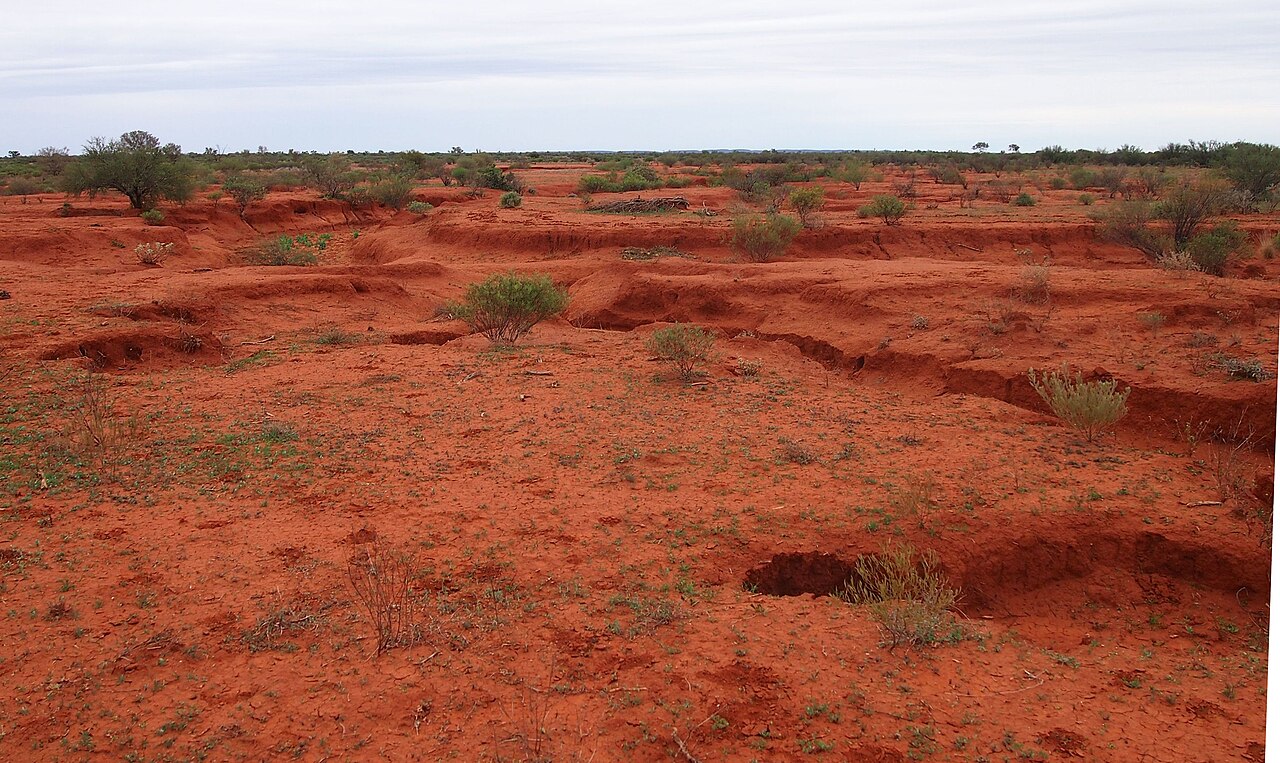
What puts the desert under pressure, what helps, and who works on it.

Questions people ask
What animals live in the desert?
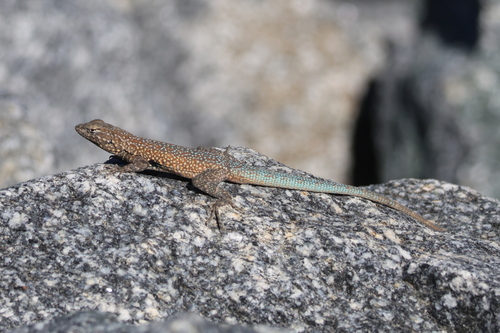
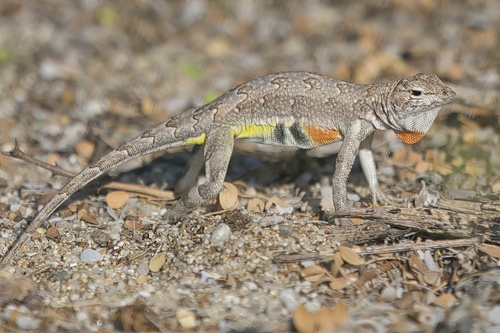
Among the animals people record most often in the desert: western diamond-backed rattlesnake, desert spiny lizard, ornate tree lizard, side-blotched lizard, zebra-tailed lizard, tiger whiptail, desert cottontail and rock squirrel. Based on GBIF records from the Sonoran Desert, USA and Mexico and the Namib Desert, Namibia, 2016–2025.
What is the food chain in the desert?
Some of the feeding links studies have recorded among its species: the coyote eats the white-tailed deer, the western diamond-backed rattlesnake eats the rock squirrel, the tiger whiptail eats the side-blotched lizard and the coyote eats the rock squirrel. Source: GloBI.
What threatens the desert?
Water drawn from rivers and the ground for farms and cities, off-road driving, mining and invasive grasses that bring fire to plants not adapted to it.
How can the desert be protected?
Protecting springs and groundwater, keeping vehicles on tracks, and removing invasive grasses before they spread.
Sources and photo credits
- GBIF · human observations in the Sonoran Desert, USA and Mexico, the Namib Desert, Namibia, 2016–2025
- GloBI · recorded feeding links between species
- UNCCD · drylands and desertification
- Sand dunes in the Ubari desert, Libya: Luca Galuzzi (Lucag), CC BY-SA 2.5
- Western diamond-backed rattlesnake: Sam Kieschnick, CC BY 4.0
- Desert spiny lizard: Ken-ichi Ueda, CC BY 4.0
- Ornate tree lizard: Juan Cruzado Cortés, CC BY-SA 4.0
- Side-blotched lizard: David Rankin, CC BY 4.0
- Zebra-tailed lizard: Bill Levine, CC BY 4.0
- Tiger whiptail: Franco Folini, CC BY 4.0
- Desert cottontail: ant, like the bug, CC0
- Rock squirrel: Rodolfo Salinas Villarreal, CC BY 4.0
- Coyote: avocat, CC BY 4.0
- White-tailed deer: James St. John, CC BY 4.0
- Round-tailed ground squirrel: CK2AZ, CC BY 4.0
- Collared peccary: Bernard DUPONT, CC BY-SA 4.0
- Mourning dove: Timothy Lindsey, CC BY 4.0
- House finch: MostlyDross, CC BY 4.0
- Gila woodpecker: no rights reserved, uploaded by Jason Leduc, CC0
- Verdin: Dan Killam, CC BY 4.0
- Lesser goldfinch: bmasinton, CC BY-SA 4.0
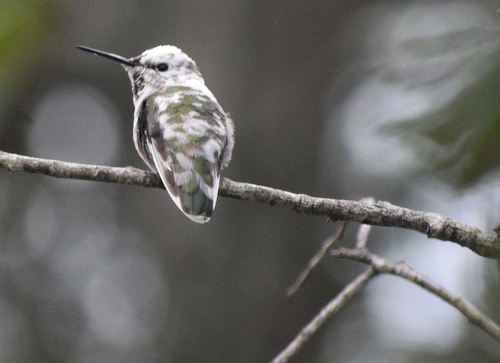
- Anna's hummingbird: John Powers, CC BY 4.0
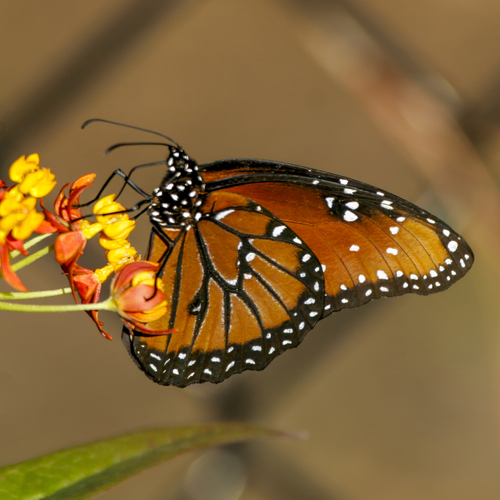
- Queen: Dan Vickers, CC BY 4.0
- Marine blue: Bill Bouton, CC BY-SA 4.0
- American snout: Judy Gallagher, CC BY 4.0
- Pipevine swallowtail: M. Whitson, CC BY 4.0
- Candy barrel cactus: CK2AZ, CC BY 4.0
- Vine-cactus: Sue Carnahan, CC BY 4.0
- Jumping cholla: Katja Schulz, CC BY 4.0
- Graham's nipple cactus: Mike and Zahra, CC BY-SA 4.0

Species lists come from records people have shared in a few sample areas, not a full inventory of the desert, and well-watched groups such as birds are recorded far more than insects or fungi. The food web shows only links that studies have recorded between the species on this page.
Checked 2026-11-20.