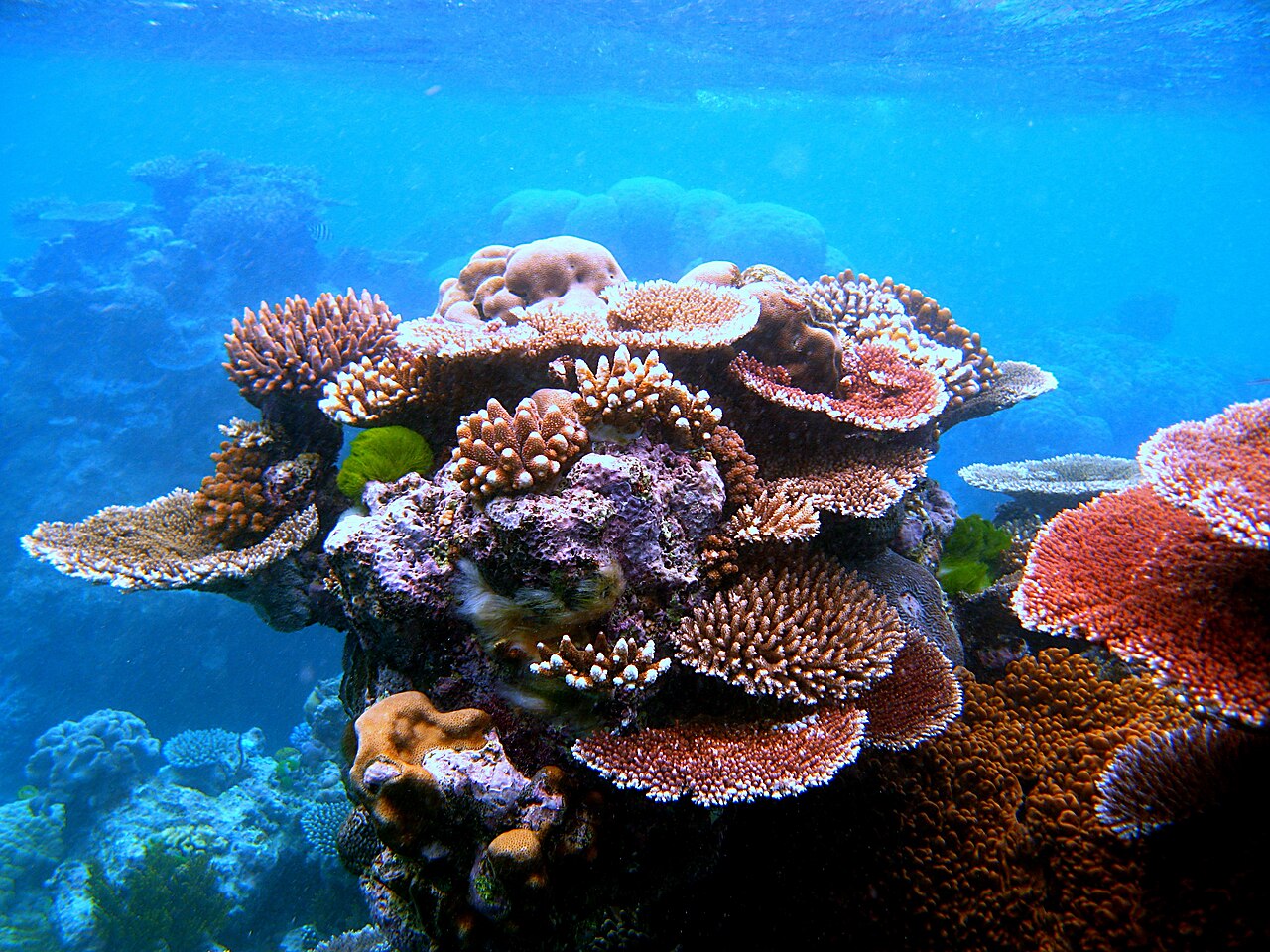
Coral reefs
Warm, shallow, clear tropical seas
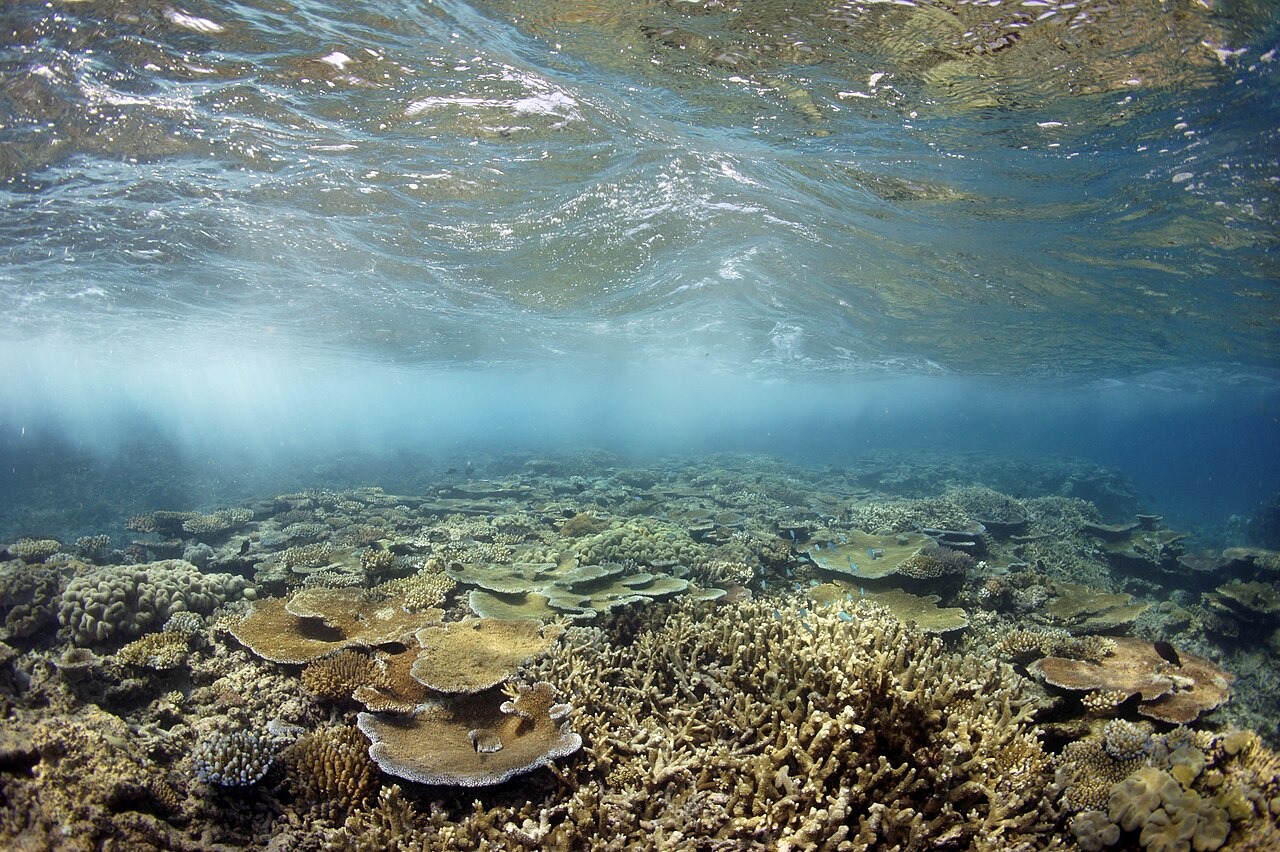
Coral reefs are built by tiny animals, coral polyps, that live together with algae in their tissue and lay down skeletons of limestone. They cover well under one percent of the sea floor, yet are home to roughly a quarter of all known marine species.
People have shared 313,181 records of animals from Lizard Island (Great Barrier Reef), Heron Island (Great Barrier Reef), Bonaire and the Maldives with GBIF in ten years. This page shows the 39 species recorded most often there, and 12 links between them that studies have recorded: who eats whom.
- Kind
- Habitat
- Where
- Warm, shallow, clear tropical seas
- Species shown
- 39, the most recorded
- Food web
- 12 recorded links between them
- Records
- 313,181 in 2016–2025
- Sample areas
- Lizard Island (Great Barrier Reef), Heron Island (Great Barrier Reef), Bonaire, the Maldives
Who eats whom in coral reefs
Food flows upwards: plants and small animals at the bottom, hunters at the top. Tap a species to see its links, then take it out of the web to see who would lose food.
Tap a species.
All 12 recorded links
- Bluehead eats Yellowline arrow crab
- Trumpetfish eats Banded coral shrimp
- Trumpetfish eats Stoplight parrotfish
- Trumpetfish eats Bluehead
- Trumpetfish eats Blue tang
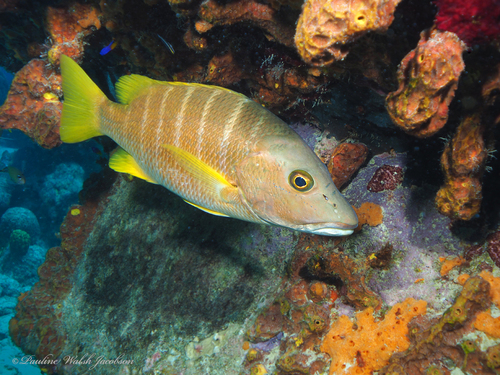
- Schoolmaster snapper eats Princess parrotfish
- Schoolmaster snapper eats Banded coral shrimp
- Schoolmaster snapper eats Yellowline arrow crab
- Schoolmaster snapper eats Stoplight parrotfish
- Schoolmaster snapper eats Queen parrotfish
- Schoolmaster snapper eats Trumpetfish
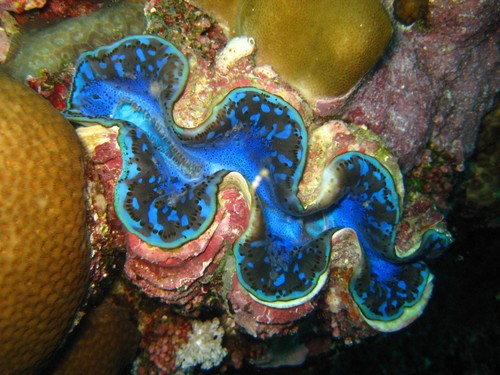
- Cyane's octopus eats Small giant clam
Links that studies have recorded between the species on this page (GloBI). Real food webs hold far more species and links, and animals switch food when one runs short.
Who lives in coral reefs
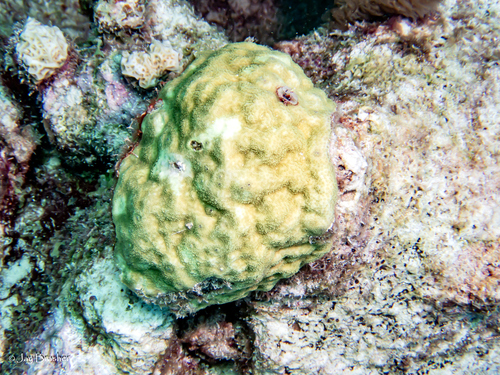
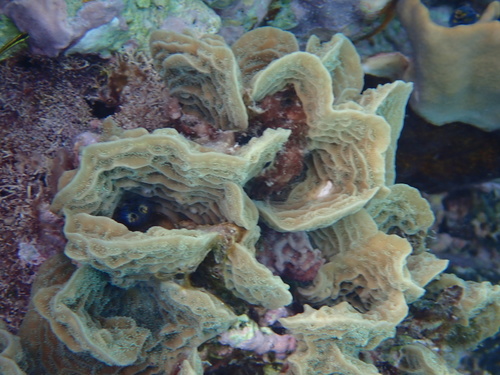
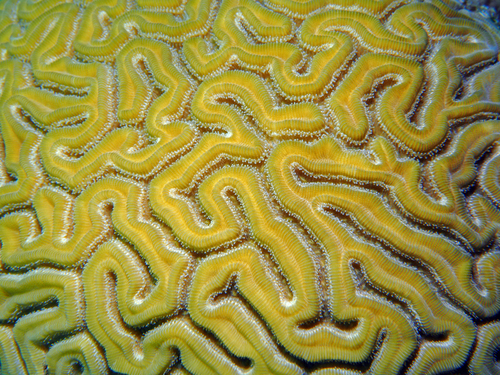
The species people record most often in Lizard Island (Great Barrier Reef), Heron Island (Great Barrier Reef), Bonaire, the Maldives, 2016–2025.
Fish




Sharks and rays




Corals and anemones



Molluscs


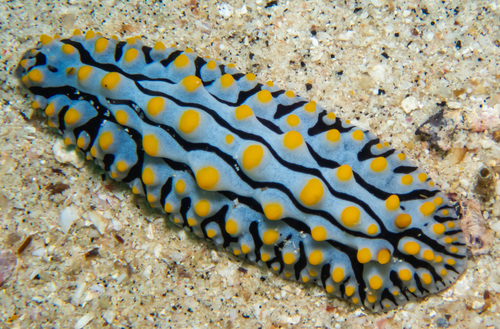
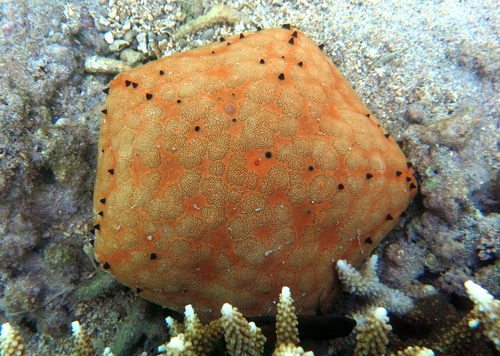
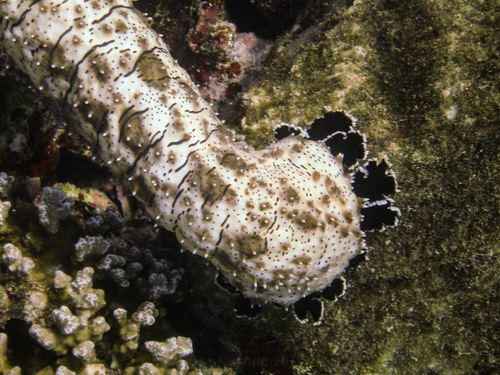
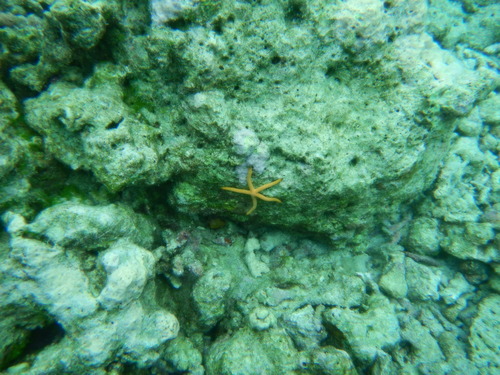
Sea stars and urchins

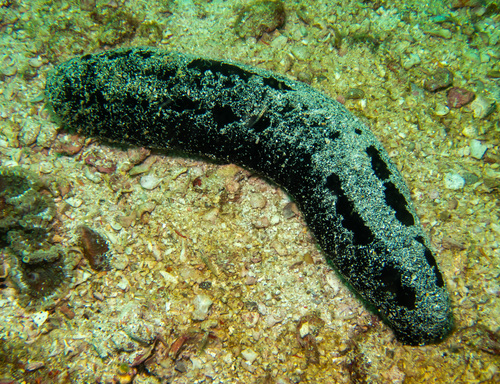
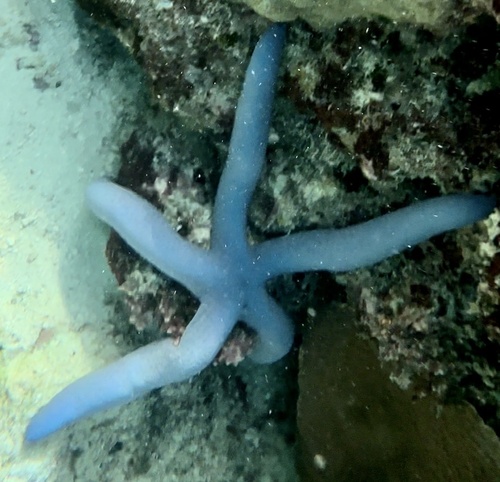
Crustaceans
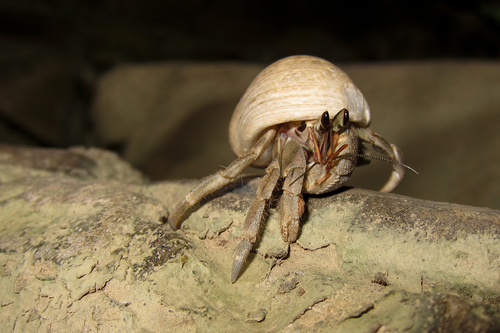

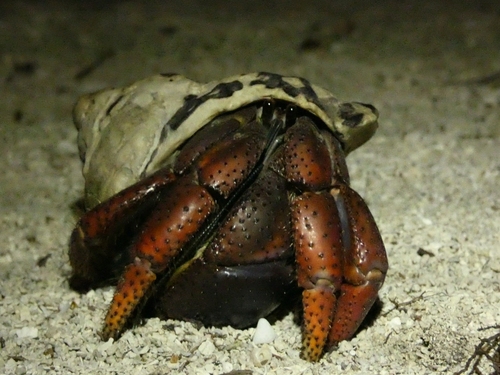


What threatens coral reefs, and what helps
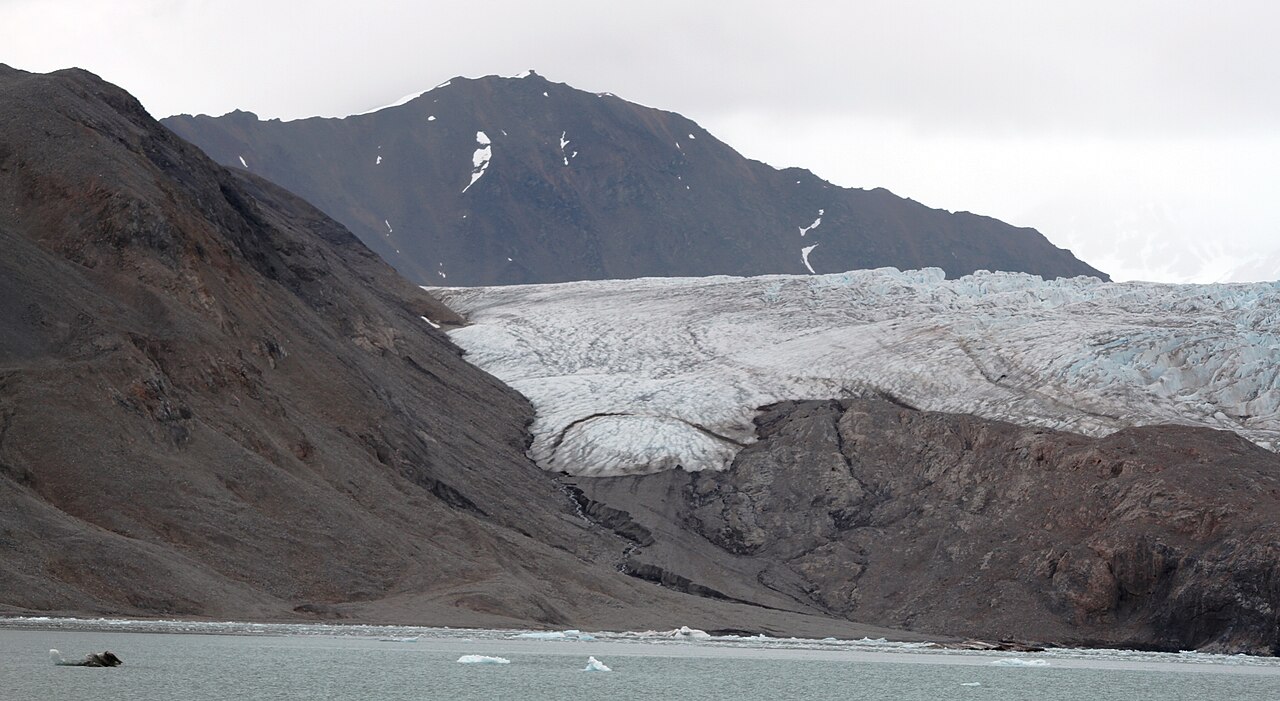
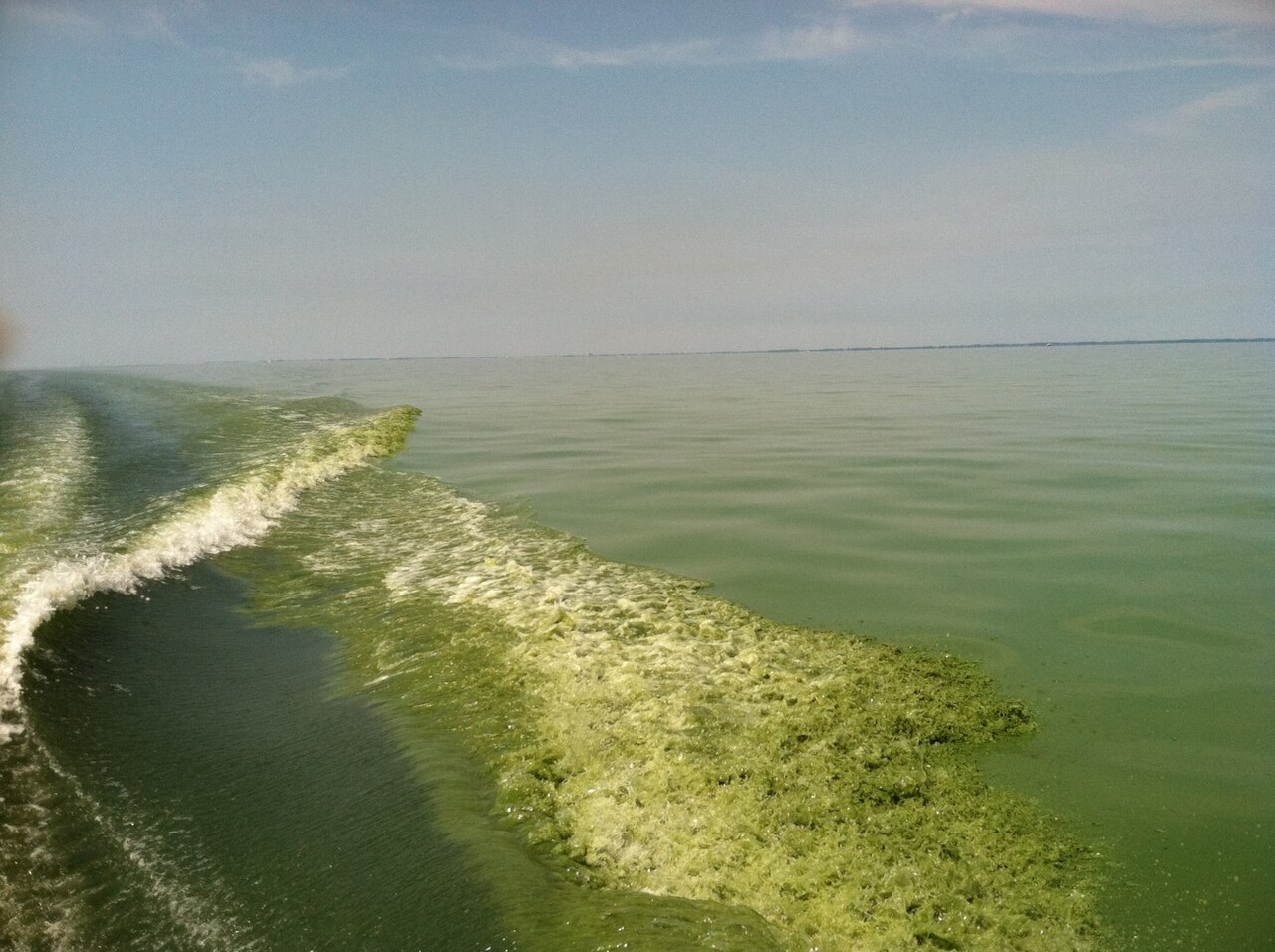
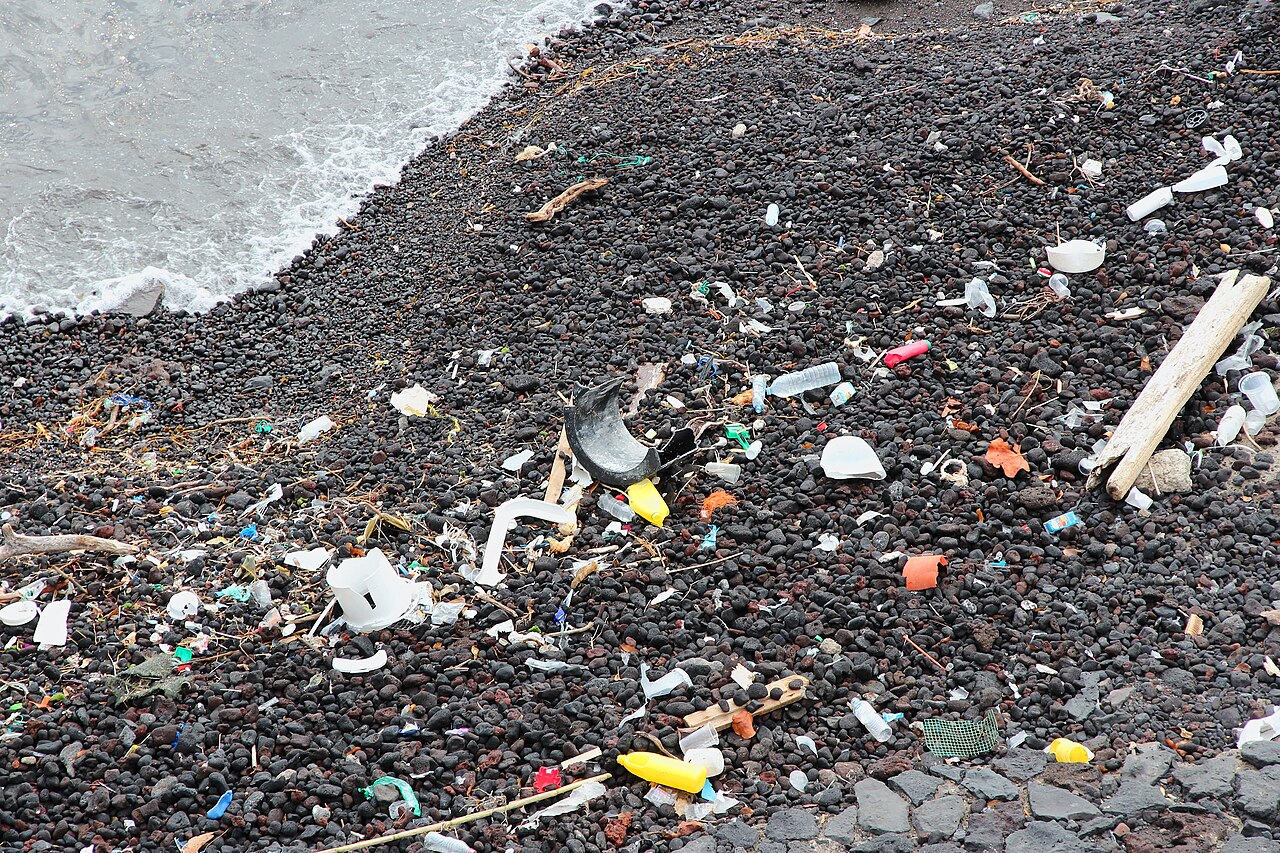
Marine heatwaves make corals expel their algae and turn white. If the heat lasts, they starve and die; mass bleaching has struck reefs worldwide repeatedly since 2014. Pollution, overfishing and coastal building add to the pressure.
Cutting greenhouse gas emissions is the only way to stop the heat. Locally, marine protected areas, cleaner water and healthy fish populations help reefs recover between heatwaves.
Explore and share
Explore next
What puts coral reefs under pressure, what helps, and who works on it.

Questions people ask
What animals live in coral reefs?
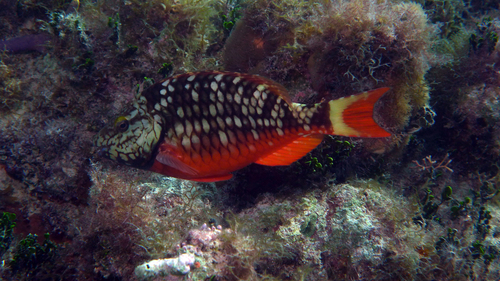
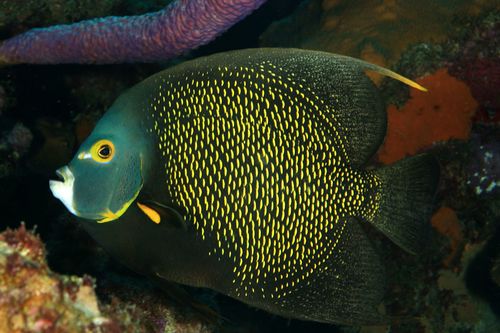
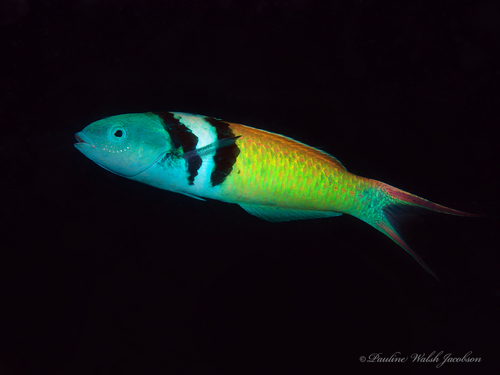
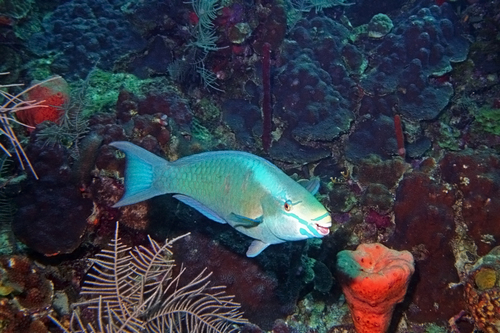
Among the animals people record most often in coral reefs: stoplight parrotfish, french angelfish, bluehead, trumpetfish, queen parrotfish, blue tang, schoolmaster snapper and smooth trunkfish. Based on GBIF records from Lizard Island (Great Barrier Reef), Heron Island (Great Barrier Reef), Bonaire and the Maldives, 2016–2025.
What is the food chain in coral reefs?
Some of the feeding links studies have recorded among its species: the schoolmaster snapper eats the princess parrotfish, the bluehead eats the yellowline arrow crab, the trumpetfish eats the banded coral shrimp and the trumpetfish eats the stoplight parrotfish. Source: GloBI.
What threatens coral reefs?
Marine heatwaves make corals expel their algae and turn white. If the heat lasts, they starve and die; mass bleaching has struck reefs worldwide repeatedly since 2014. Pollution, overfishing and coastal building add to the pressure.
How can coral reefs be protected?
Cutting greenhouse gas emissions is the only way to stop the heat. Locally, marine protected areas, cleaner water and healthy fish populations help reefs recover between heatwaves.
Sources and photo credits
- GBIF · human observations in Lizard Island (Great Barrier Reef), Heron Island (Great Barrier Reef), Bonaire, the Maldives, 2016–2025
- GloBI · recorded feeding links between species
- NOAA Coral Reef Watch · bleaching heat stress
- UNEP · Coral reefs
- Corals and fish on Flynn Reef, Great Barrier Reef: Toby Hudson, CC BY-SA 3.0
- Stoplight parrotfish: Tom Kennedy, CC BY 4.0
- French angelfish: LASZLO ILYES, CC BY 4.0
- Bluehead: Pauline Walsh Jacobson, CC BY 4.0
- Trumpetfish: Paul and Jill, CC BY 4.0
- Queen parrotfish: Pauline Walsh Jacobson, CC BY 4.0
- Blue tang: Brian Gratwicke, CC BY 4.0
- Schoolmaster snapper: Pauline Walsh Jacobson, CC BY 4.0
- Smooth trunkfish: Dan Schofield, CC BY 4.0
- Princess parrotfish: Robin White, CC BY 4.0
- Blacktip reef shark: Leon Brocard, CC BY 4.0
- Whitetip reef shark: Daniel Benák, CC BY 4.0
- Ocellated eagle ray: Chris Kirby-Lambert, CC BY 4.0
- Tawny nurse shark: Daniel Benák, CC BY 4.0
- Reef manta ray: R Vasconcellos, CC BY 4.0
- Banana-tail ray: no rights reserved, uploaded by Richard Fuller, CC0
- Boulder star coral: Pauline Walsh Jacobson, CC BY 4.0
- Great star coral: Pauline Walsh Jacobson, CC BY 4.0
- Mustard hill coral: Jay Brasher, CC BY 4.0
- Giant caribbean anenone: LASZLO ILYES, CC BY 4.0
- Lettuce coral: no rights reserved, uploaded by Jean-Paul Boerekamps, CC0
- Grooved brain coral: Pauline Walsh Jacobson, CC BY 4.0
- Small giant clam: Micha Baum, CC BY-SA 4.0
- Lettuce slug: Curtis et al. (2006), CC BY 4.0
- Flamingo tongue: Dan Schofield, CC BY 4.0
- Cyane's octopus: cello caruso-turiello, CC BY 4.0
- Queen conch: H. Zell, CC BY-SA 4.0
- Variable wart slug: portioid, CC BY 4.0
- Pincushion cushionstar: Philippe Bourjon, CC BY-SA 4.0
- Blackspotted sea cucumber: Julien Renoult, CC BY 4.0
- Greenfish: francois.michonneau, CC BY 4.0
- Multipore sea star: datadan, CC BY 4.0
- Black sea cucumber: portioid, CC BY 4.0
- Azure sea star: Chuck Wilson, CC0
- Ruggie hermit crab: Thomas Quine, CC BY 4.0
- Banded coral shrimp: no rights reserved, uploaded by Jean-Paul Boerekamps, CC0
- Caribbean hermit crab: John Matthew Erickson, CC BY 4.0
- Yellowline arrow crab: Dan Schofield, CC BY 4.0
- Sally lightfoot crab: Aiver, CC BY 4.0
- Natal lightfoot crab: Abu Hamas, CC BY-SA 4.0

Species lists come from records people have shared in a few sample areas, not a full inventory of coral reefs, and well-watched groups such as birds are recorded far more than insects or fungi. The food web shows only links that studies have recorded between the species on this page.
Checked 2026-11-20.