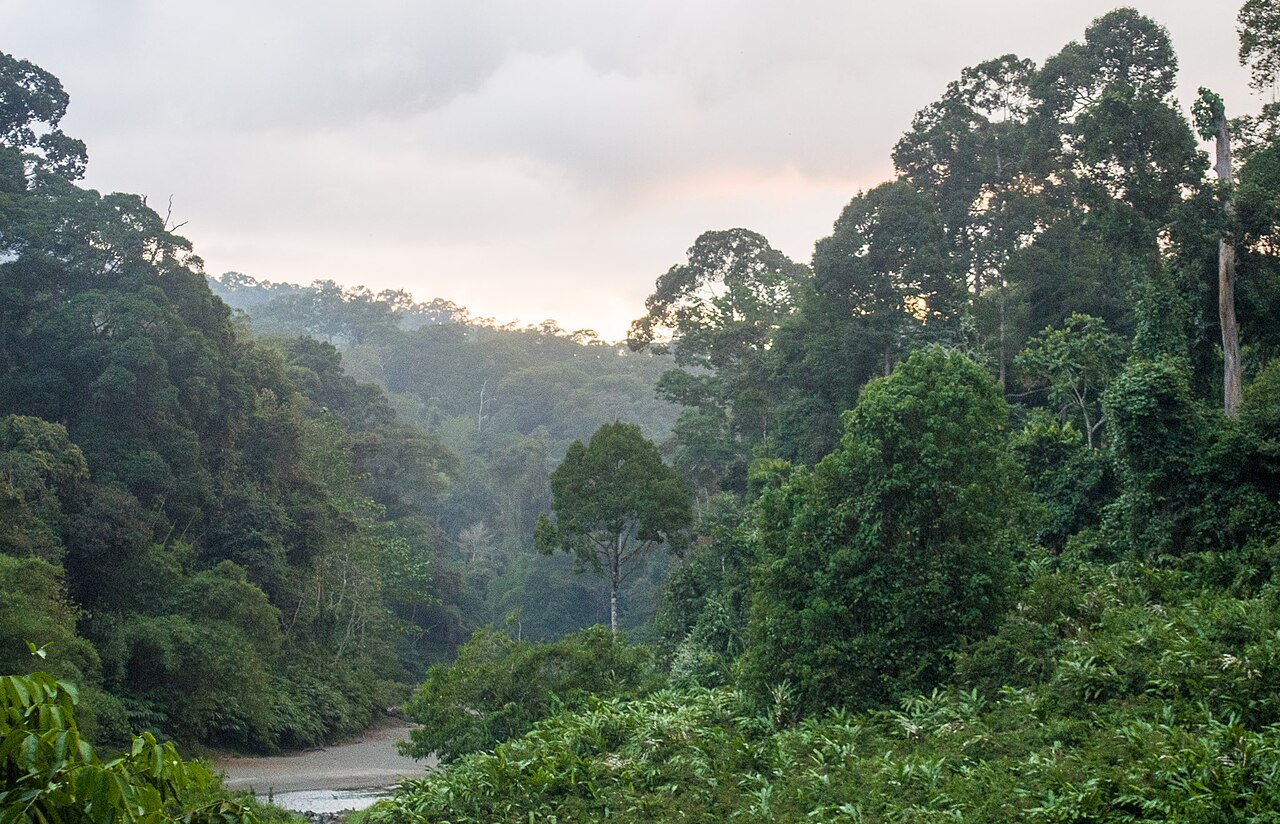
Borneo rainforest
Malaysia, Indonesia and Brunei
Borneo's lowland rainforests are among the oldest on Earth, with giant dipterocarp trees and some of the richest life on the planet. Orangutans, proboscis monkeys, hornbills and clouded leopards live here, many of them found nowhere else.
People have shared 273,682 records of animals and plants from Danum Valley, the Kinabatangan river, Gunung Mulu and Tanjung Puting with GBIF in ten years. This page shows the 35 species recorded most often there, and 1 links between them that studies have recorded: who eats whom.
- Kind
- Ecosystem
- Where
- Malaysia, Indonesia and Brunei
- Species shown
- 35, the most recorded
- Food web
- 1 recorded links between them
- Records
- 273,682 in 2016–2025
- Sample areas
- Danum Valley, the Kinabatangan river, Gunung Mulu, Tanjung Puting
Who eats whom in the rainforests of Borneo
Food flows upwards: plants and small animals at the bottom, hunters at the top. Tap a species to see its links, then take it out of the web to see who would lose food.
Tap a species.
All 1 recorded links
Links that studies have recorded between the species on this page (GloBI). Real food webs hold far more species and links, and animals switch food when one runs short.
Who lives in the rainforests of Borneo
The species people record most often in Danum Valley, the Kinabatangan river, Gunung Mulu, Tanjung Puting, 2016–2025.
Mammals


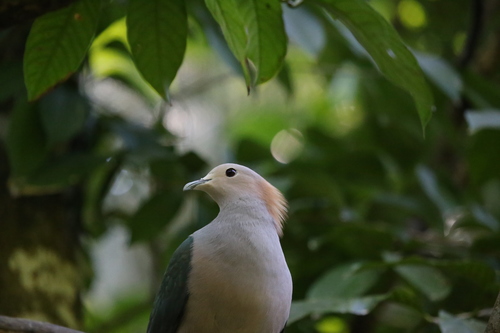
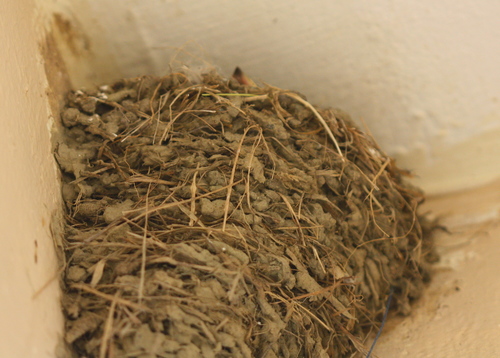
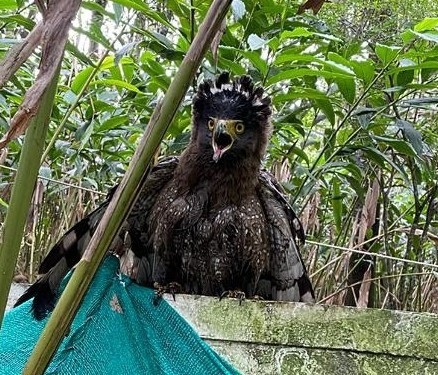
Birds

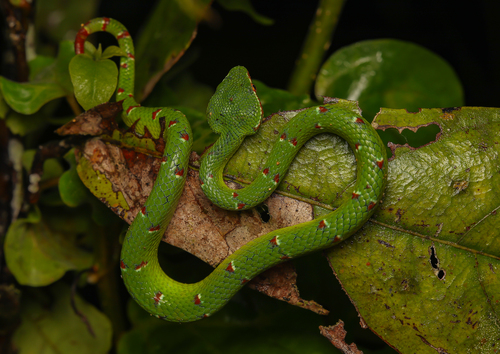
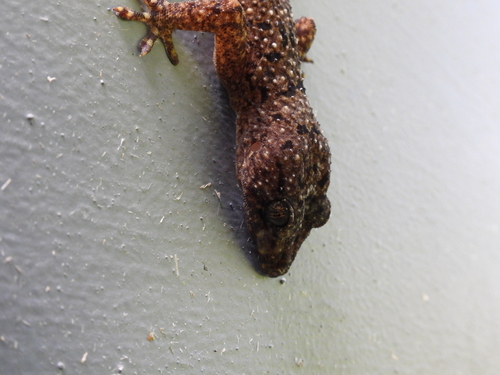
Reptiles

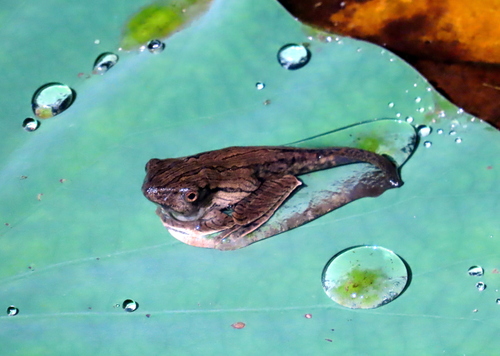
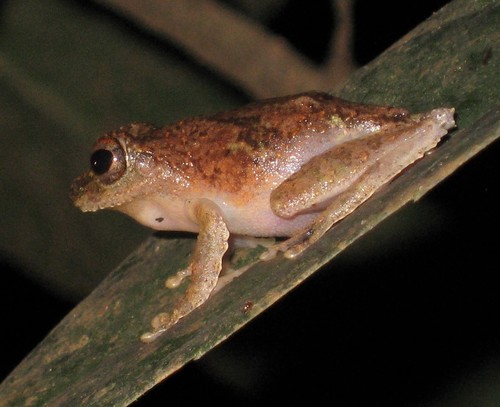
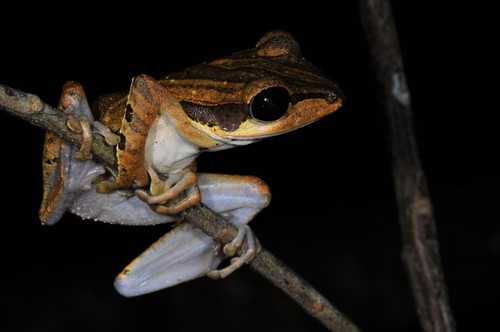
Amphibians
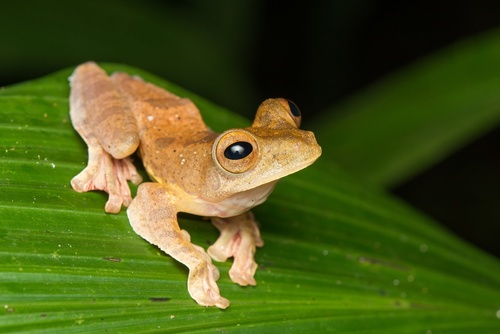
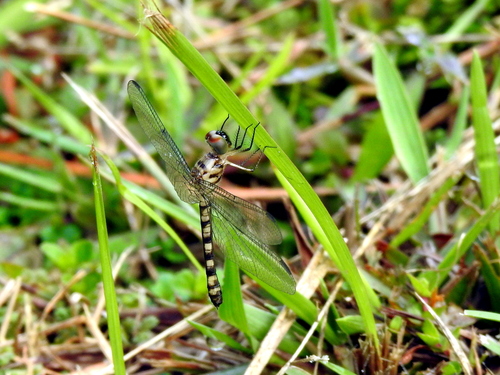
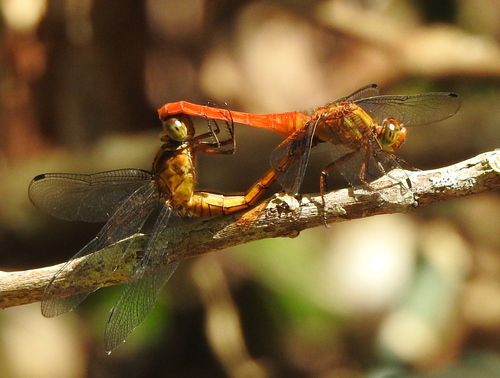
Insects
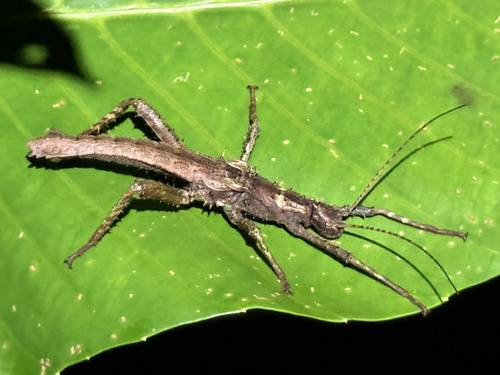
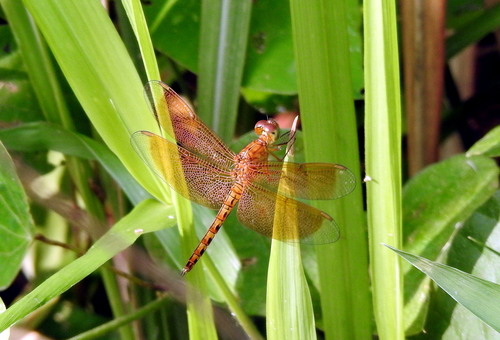
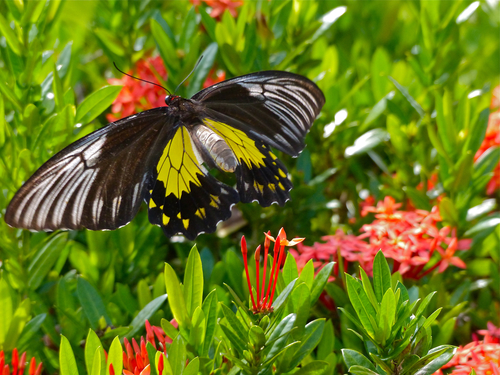
Plants
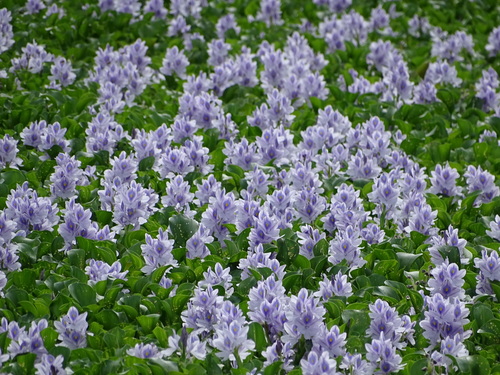
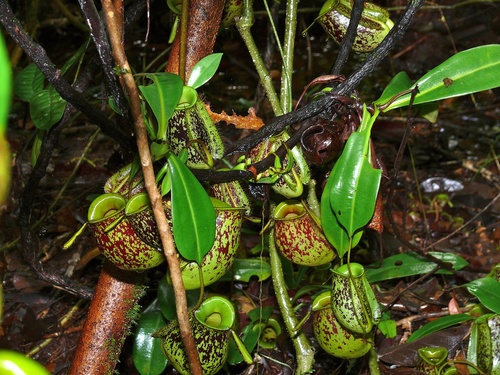
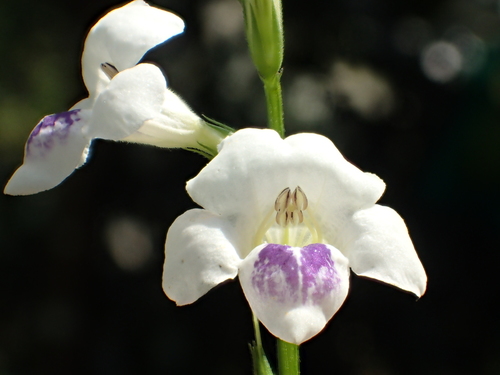
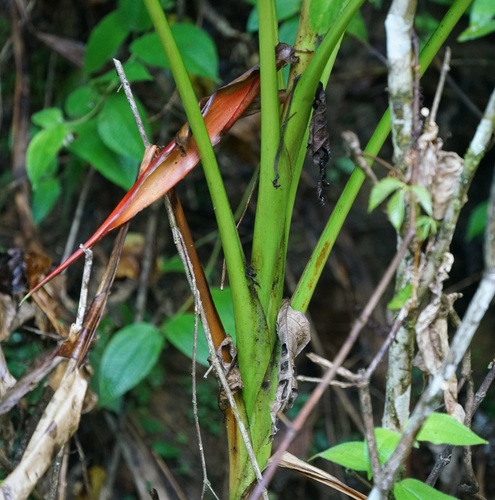
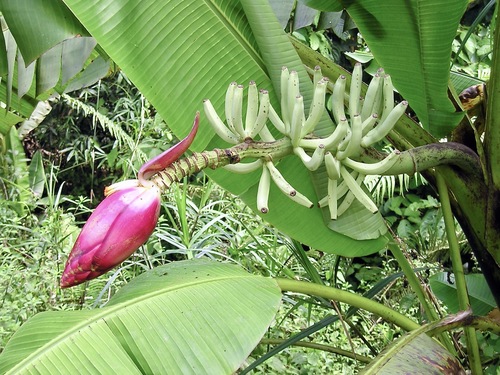
What threatens the rainforests of Borneo, and what helps
Much of Borneo's forest has been logged or turned into oil palm and pulp plantations since the 1970s, and fires in drained peatland have burned huge areas. Orangutans and many other species have lost most of their habitat.
Protected areas such as Danum Valley and Gunung Mulu, restoring logged forest, wildlife corridors along rivers and deforestation-free supply chains for palm oil help keep the forest standing.
Explore and share
Explore next
What puts the rainforests of Borneo under pressure, what helps, and who works on it.

Questions people ask
What animals live in the rainforests of Borneo?
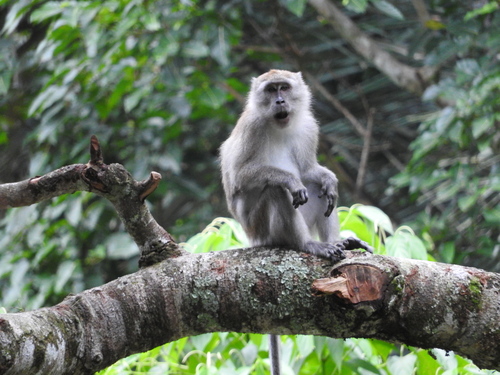
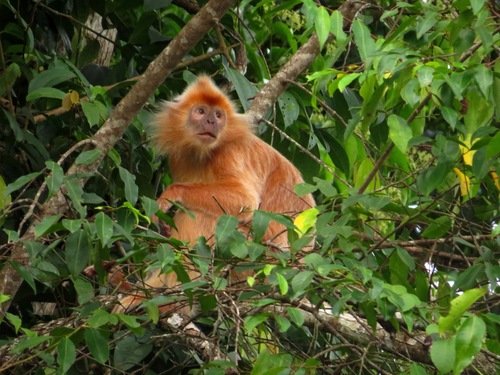
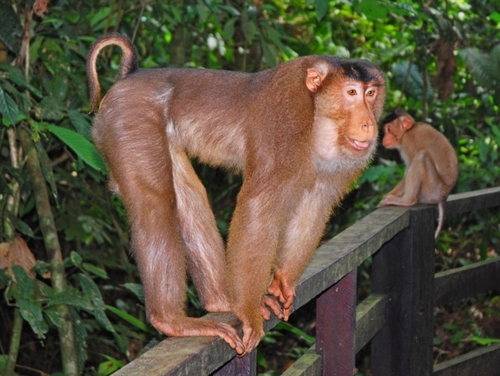
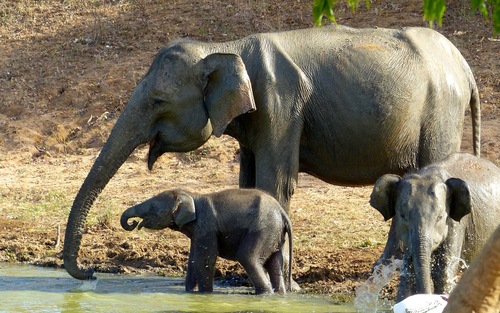
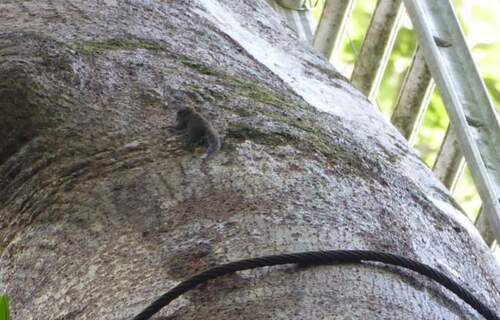
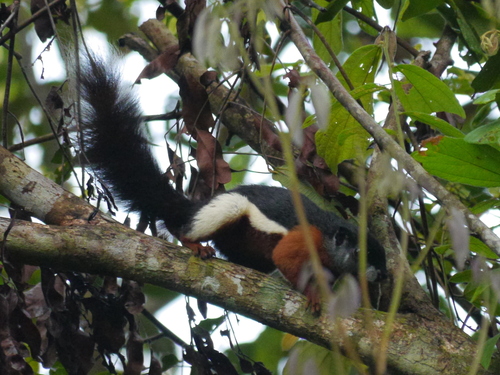
Among the animals people record most often in the rainforests of Borneo: crab-eating macaque, proboscis monkey, maroon langur, silvery lutung, southern pig-tailed macaque, asian elephant, least pygmy squirrel and prevost's squirrel. Based on GBIF records from Danum Valley, the Kinabatangan river, Gunung Mulu and Tanjung Puting, 2016–2025.
What is the food chain in the rainforests of Borneo?
Some of the feeding links studies have recorded among its species: the crested serpent eagle eats the prevost's squirrel. Source: GloBI.
What threatens the rainforests of Borneo?
Much of Borneo's forest has been logged or turned into oil palm and pulp plantations since the 1970s, and fires in drained peatland have burned huge areas. Orangutans and many other species have lost most of their habitat.
How can the rainforests of Borneo be protected?
Protected areas such as Danum Valley and Gunung Mulu, restoring logged forest, wildlife corridors along rivers and deforestation-free supply chains for palm oil help keep the forest standing.
Sources and photo credits
- GBIF · human observations in Danum Valley, the Kinabatangan river, Gunung Mulu, Tanjung Puting, 2016–2025
- GloBI · recorded feeding links between species
- WWF · Borneo and Sumatra
- UNESCO · Gunung Mulu National Park
- Lowland dipterocarp rainforest in Danum Valley, Sabah, Borneo: Mike Prince from Bangalore, India, CC BY 2.0
- Crab-eating macaque: Subir B. Shakya, CC BY 4.0
- Proboscis monkey: Bernard DUPONT, CC BY-SA 4.0
- Maroon langur: Dan Riskin, CC BY 4.0
- Silvery lutung: Paul Prior, CC BY 4.0
- Southern pig-tailed macaque: Ettore Balocchi, CC BY 4.0
- Asian elephant: Eamon Corbett, CC BY 4.0
- Least pygmy squirrel: lunarjade, CC BY 4.0
- Prevost's squirrel: Matt Muir, CC BY 4.0
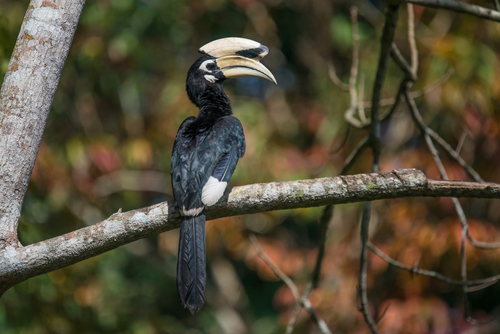
- Oriental pied hornbill: Rushen, CC BY-SA 4.0
- Green imperial pigeon: cuatrok77, CC BY-SA 4.0
- Pacific swallow: no rights reserved, CC0
- Rhinoceros hornbill: Thomas Quine, CC BY 4.0
- Slender-billed crow: no rights reserved, CC0
- Crested serpent eagle: Seema Merchant, CC BY 4.0
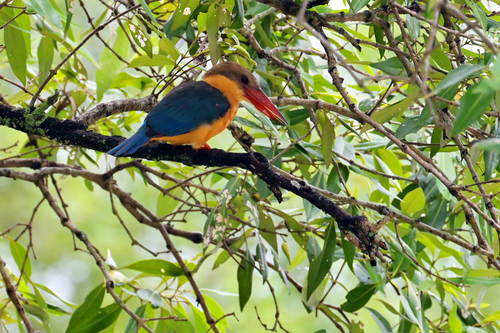
- Stork-billed kingfisher: Tom Heijnen, CC BY 4.0
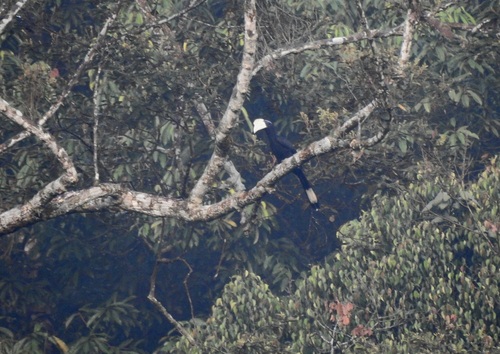
- Black hornbill: lunarjade, CC BY 4.0
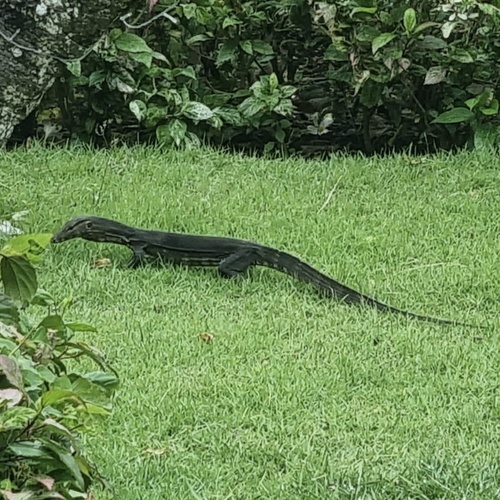
- Common water monitor: Sockrosma, CC BY 4.0
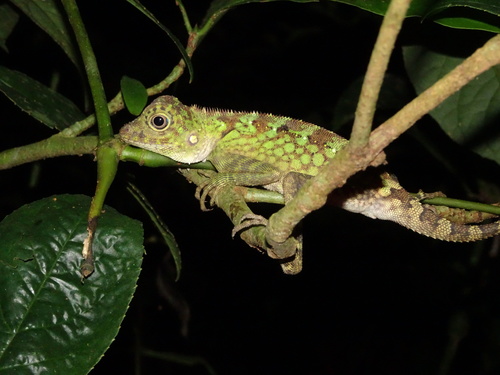
- Borneo forest dragon: Jiro Iguchi, CC BY 4.0
- North philippine temple pitviper: Ioannis Magouras, CC BY 4.0
- Flat-tailed house gecko: Abu Hamas, CC BY-SA 4.0
- Spotted house gecko: Samuel Lee, CC BY 4.0
- File-eared tree frog: lunarjade, CC BY 4.0
- Harlequin treefrog: no rights reserved, uploaded by Taxon Expeditions, CC0
- Frilled tree frog: Ken Kneidel, CC0
- Dark-eared tree frog: Marius Burger, CC0
- Treehugger: lunarjade, CC BY 4.0
- Orange skimmer: anukma, CC BY 4.0
- Prickly haaniella: John Witton, CC BY 4.0
- Common parasol: lunarjade, CC BY 4.0
- Malayan birdwing: Bernard DUPONT, CC BY-SA 4.0
- Floating water-hyacinth: no rights reserved, uploaded by 葉子, CC0
- Flask-shaped pitcher plant: Bernard DUPONT, CC BY 4.0
- African coromandel: no rights reserved, uploaded by 葉子, CC0
- Pisang tajak: Tim, CC BY 4.0
- Swamp banana: Dr. Alexey Yakovlev, CC BY 4.0

Species lists come from records people have shared in a few sample areas, not a full inventory of the rainforests of Borneo, and well-watched groups such as birds are recorded far more than insects or fungi. The food web shows only links that studies have recorded between the species on this page.
Checked 2026-11-20.