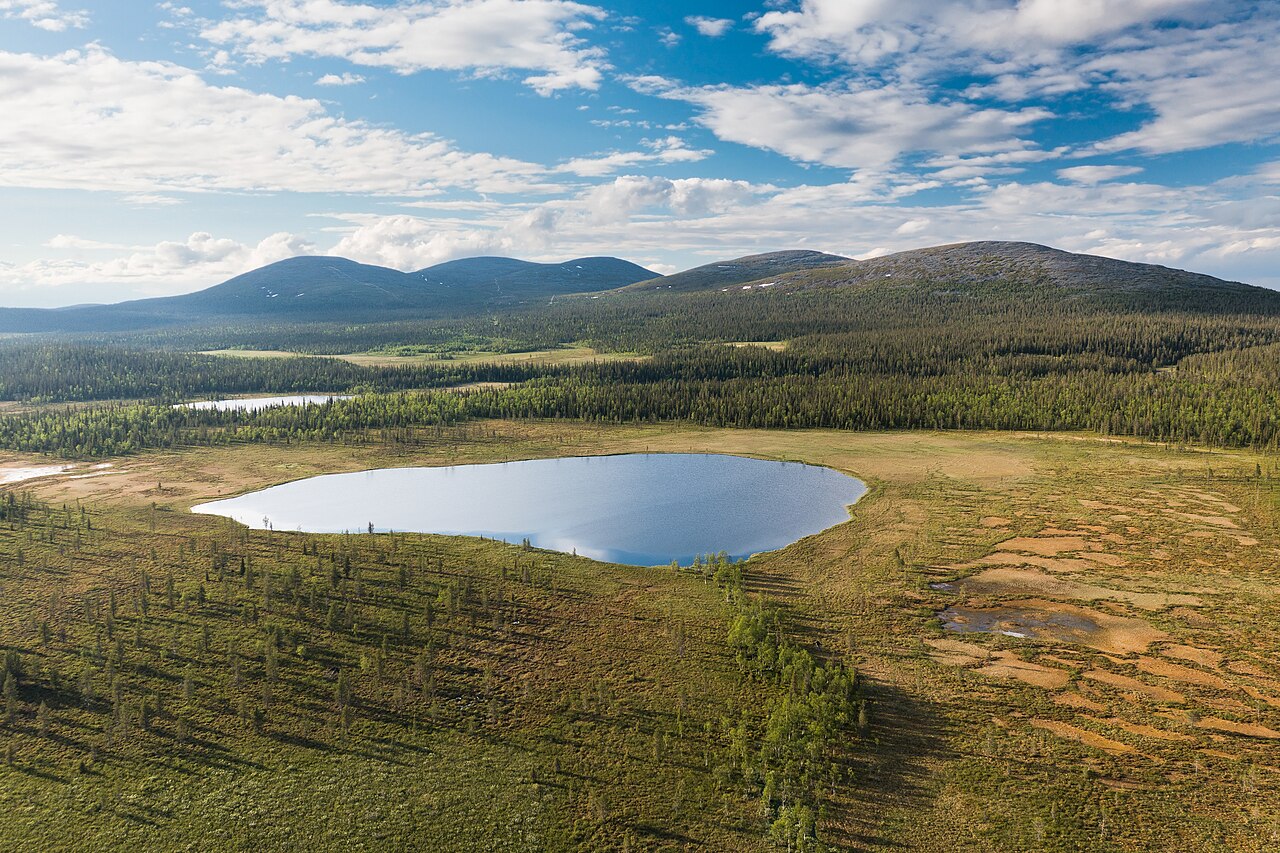
Boreal forest
The northern band of conifer forest across North America, Scandinavia and Russia
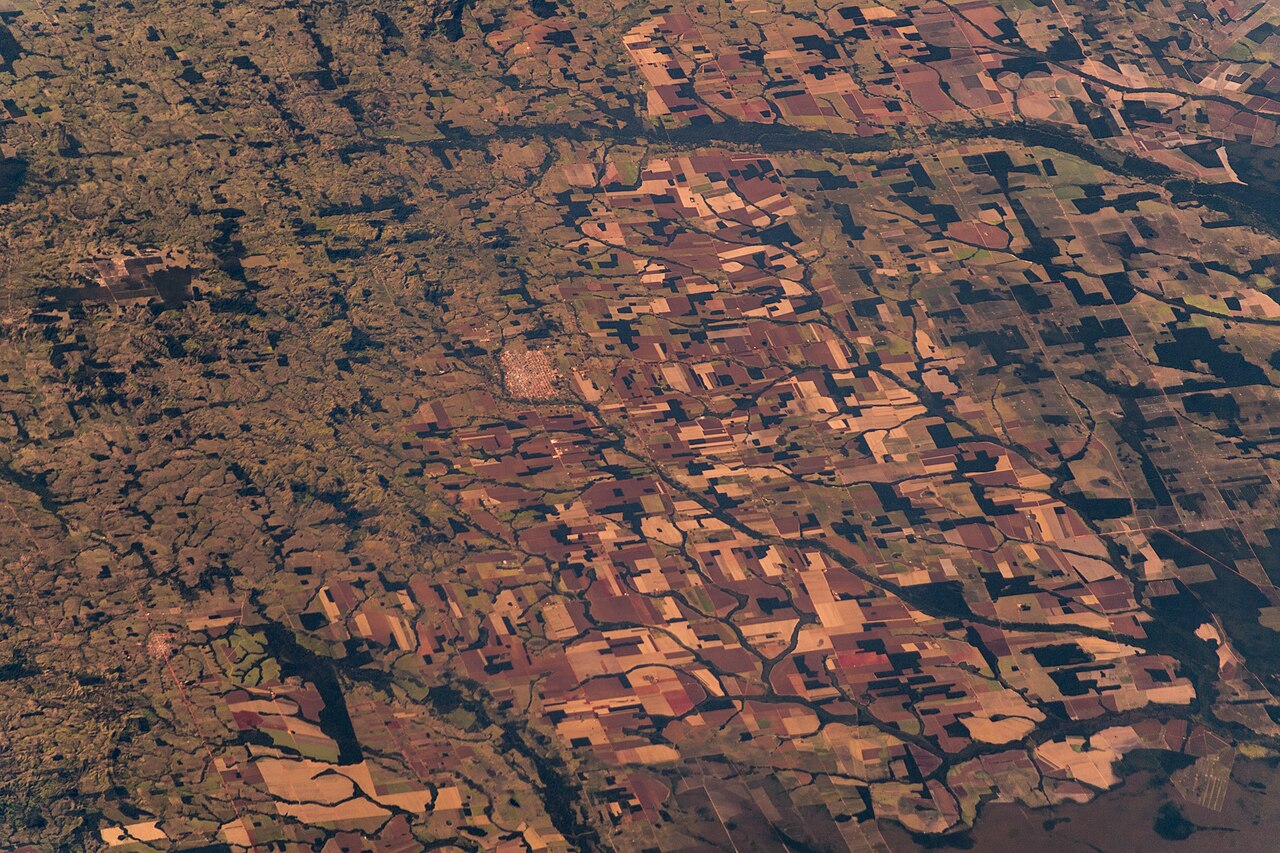
The boreal forest, or taiga, is the largest land habitat on Earth: a band of spruce, pine, larch and birch around the far north. Winters are long and cold, and its soils and peat hold huge amounts of carbon.
People have shared 273,845 records of animals and plants from Oulanka, Finland and northern Alberta, Canada with GBIF in ten years. This page shows the 25 species recorded most often there, and 34 links between them that studies have recorded: who eats whom.
- Kind
- Habitat
- Where
- The northern band of conifer forest across North America, Scandinavia and Russia
- Species shown
- 25, the most recorded
- Food web
- 34 recorded links between them
- Records
- 273,845 in 2016–2025
- Sample areas
- Oulanka, Finland, northern Alberta, Canada
Who eats whom in the boreal forest
Food flows upwards: plants and small animals at the bottom, hunters at the top. Tap a species to see its links, then take it out of the web to see who would lose food.
Tap a species.
All 34 recorded links
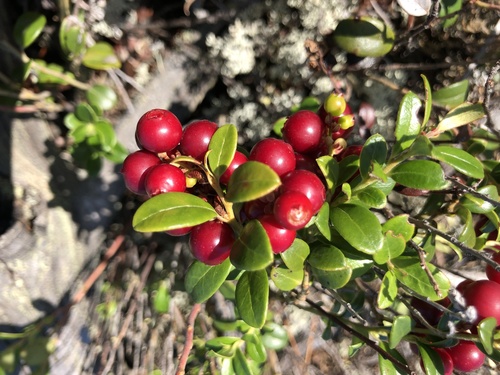
- Mountain hare eats Cowberry
- Eurasian red squirrel eats Scots pine
- Eurasian red squirrel eats Norway spruce
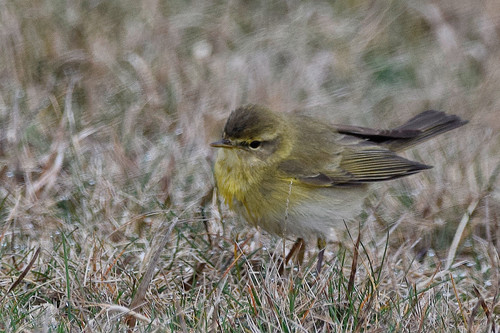
- Eurasian red squirrel eats Willow warbler
- Eurasian red squirrel eats Brambling
- Red squirrel eats White-throated sparrow
- Red squirrel eats Scots pine
- Red squirrel eats American robin
- Red squirrel eats Norway spruce
- Reindeer eats Cowberry
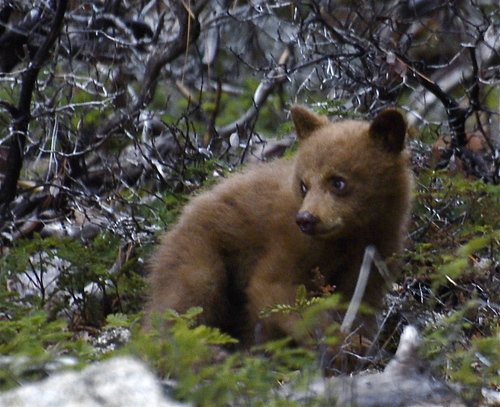
- American black bear eats Muskrat
- American black bear eats Reindeer
- American black bear eats Cowberry
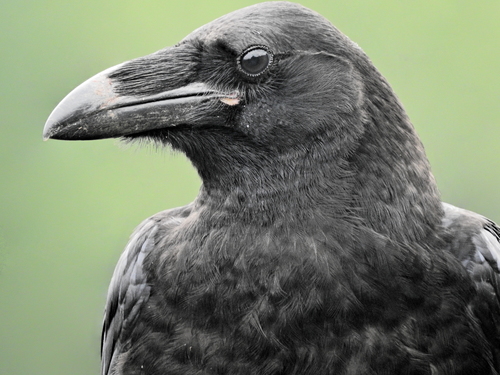
- Common raven eats Norway spruce
- Common raven eats Scots pine
- Common raven eats Alpine bistort
- Common raven eats Cowberry
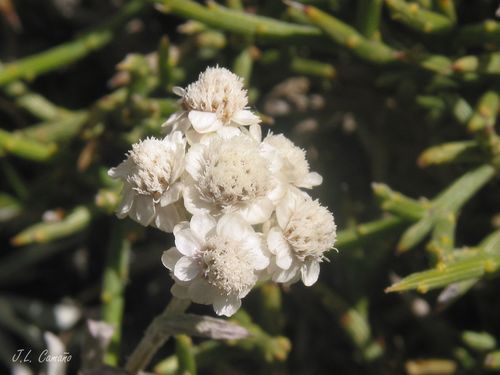
- Common raven eats Mountain everlasting
- Common raven eats Muskrat
- Common raven eats American robin
- Common raven eats Red squirrel
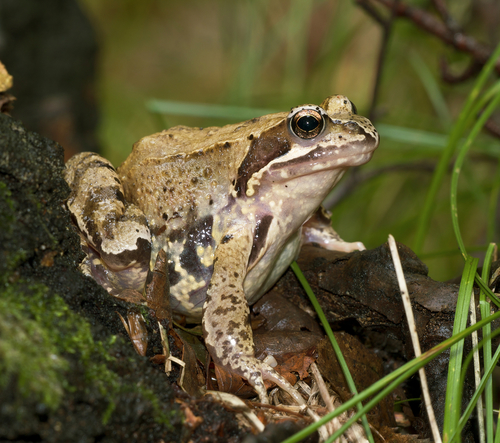
- Common raven eats Common frog
- Common raven eats Mountain hare
- Common raven eats Brambling
- Common raven eats Common goldeneye
- Common raven eats Willow warbler
- Common raven eats Eurasian red squirrel
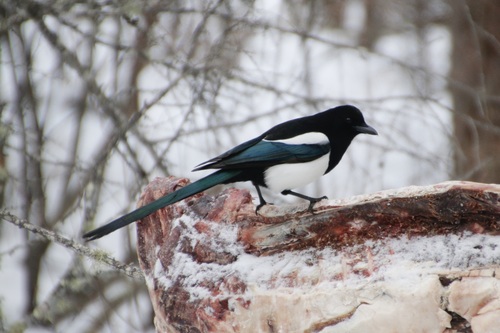
- Black-billed magpie eats Red squirrel
- Common goldeneye eats Alpine bistort
- Common goldeneye eats Common frog
- Willow warbler eats Camberwell beauty
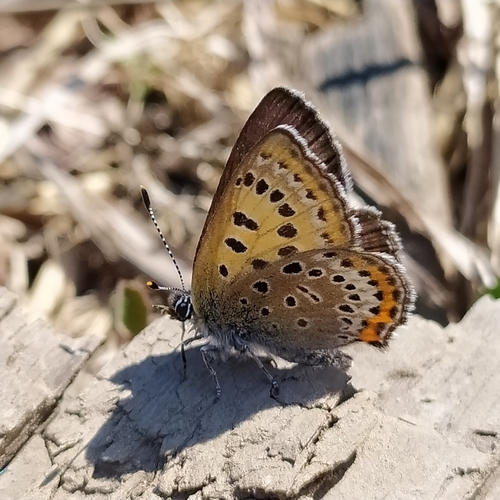
- Willow warbler eats Violet copper
- Saxon eats Cowberry
- Common frog eats Willow warbler
Links that studies have recorded between the species on this page (GloBI). Real food webs hold far more species and links, and animals switch food when one runs short.
Who lives in the boreal forest
The species people record most often in Oulanka, Finland, northern Alberta, Canada, 2016–2025.
Mammals


Birds




Plants


Insects
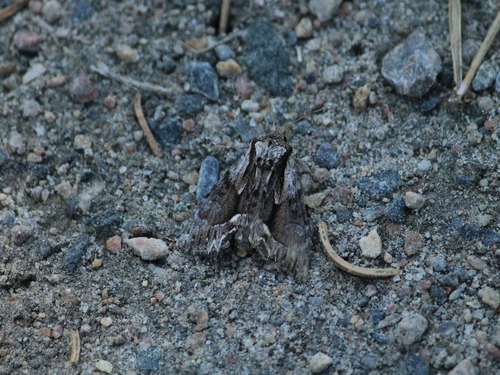
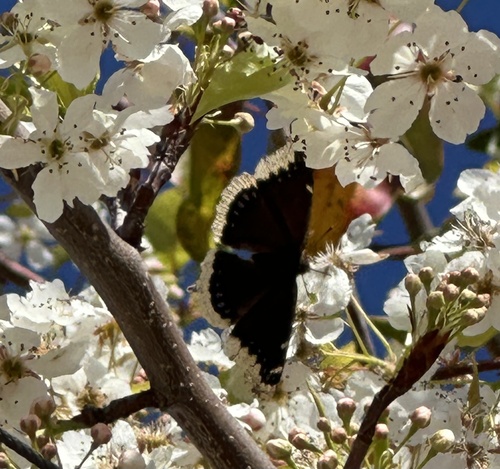
Amphibians
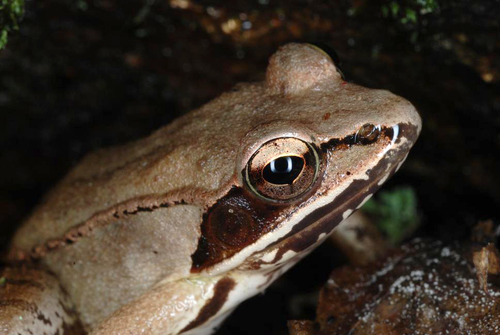
What threatens the boreal forest, and what helps
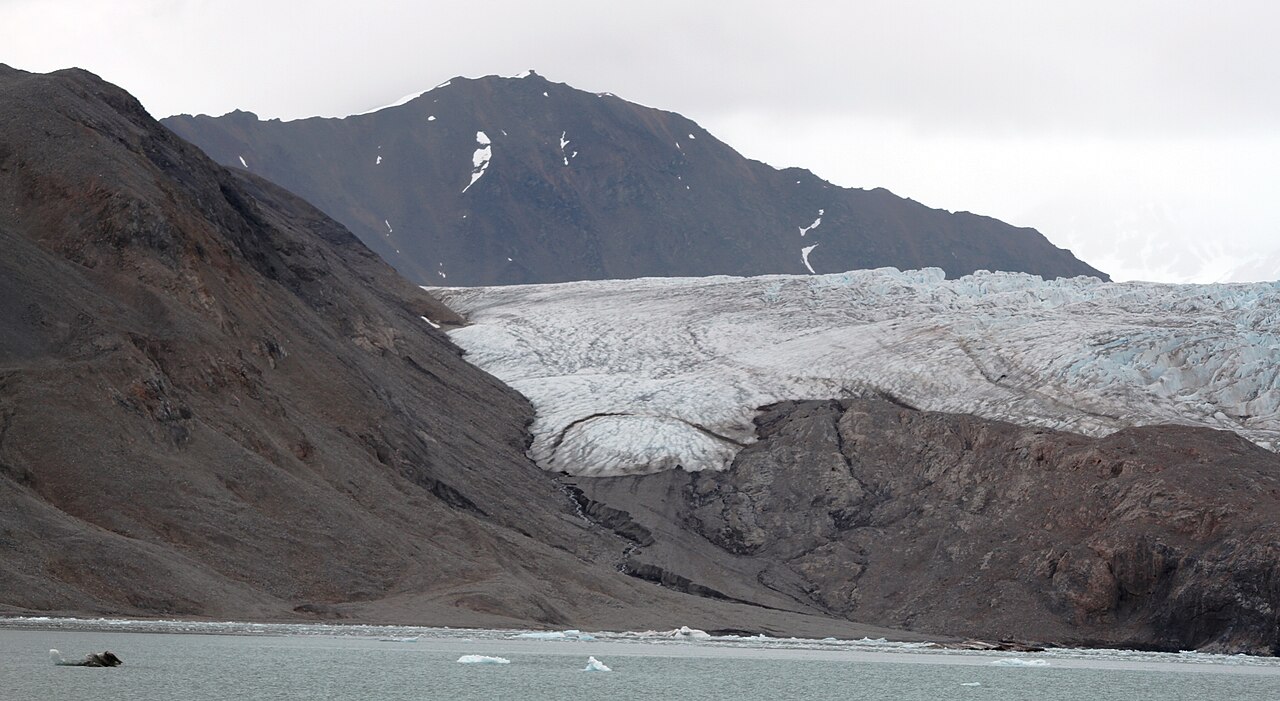
Logging, especially of old forest, mining and oil extraction, and a warming climate that brings more fire and insect outbreaks.
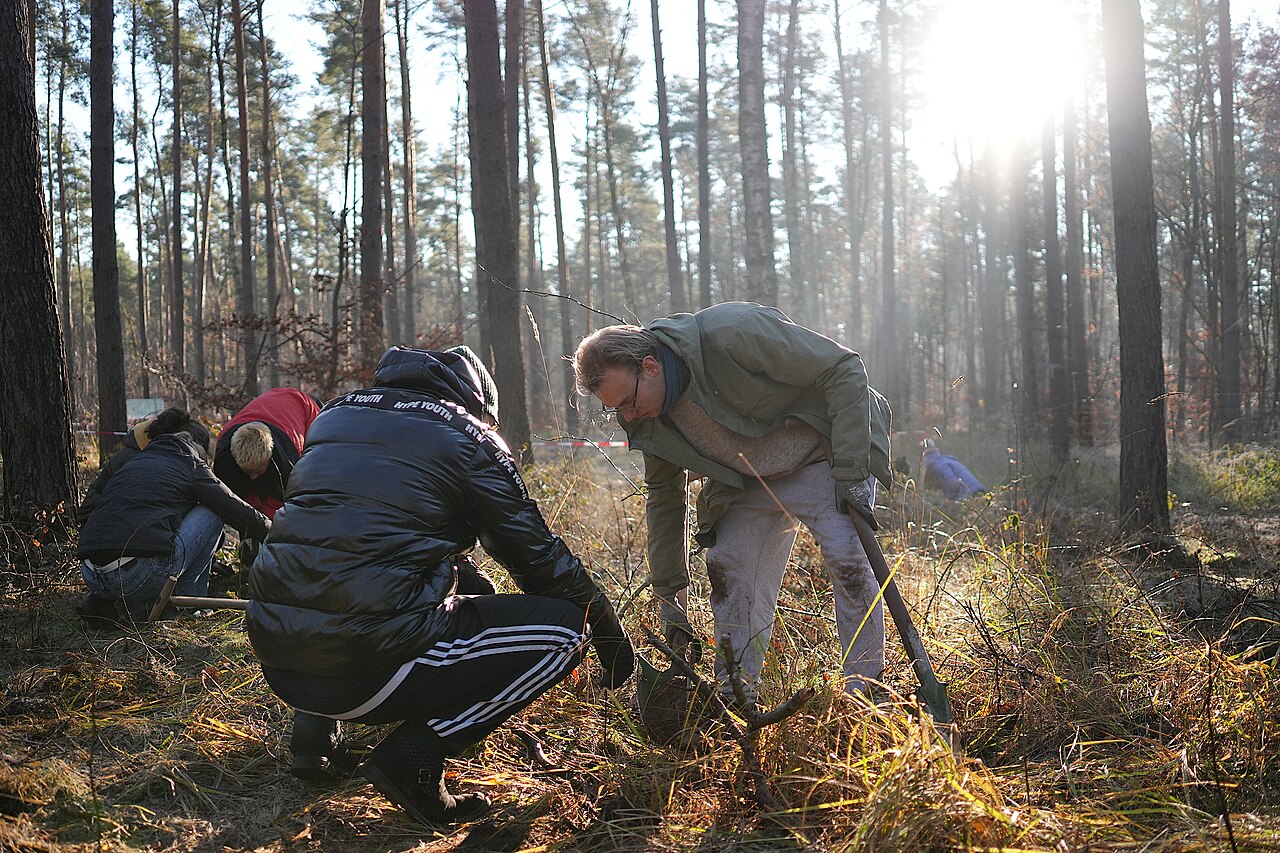
Protecting large areas of old and intact forest, and forestry that leaves dead wood, old trees and wetlands in place.
Explore and share
Explore next
What puts the boreal forest under pressure, what helps, and who works on it.

Questions people ask
What animals live in the boreal forest?
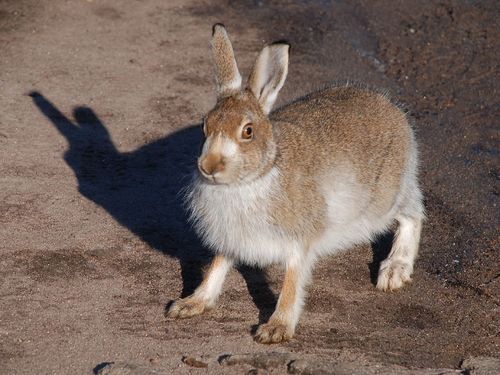
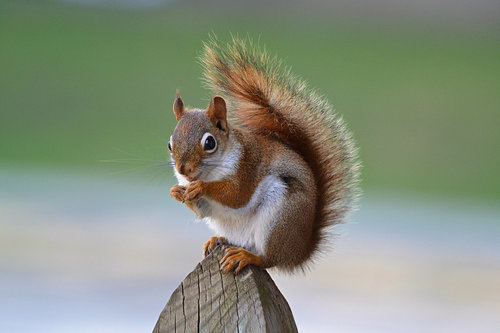
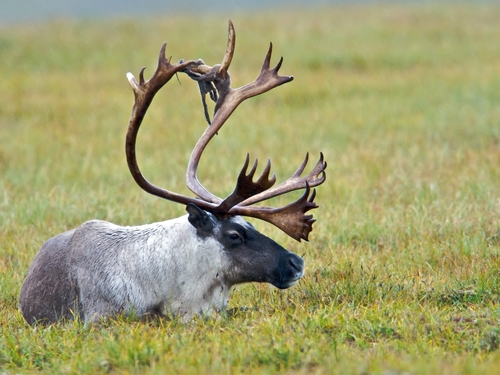
Among the animals people record most often in the boreal forest: mountain hare, eurasian red squirrel, red squirrel, reindeer, american black bear, muskrat, common raven and black-billed magpie. Based on GBIF records from Oulanka, Finland and northern Alberta, Canada, 2016–2025.
What is the food chain in the boreal forest?
Some of the feeding links studies have recorded among its species: the american black bear eats the reindeer, the eurasian red squirrel eats the willow warbler, the eurasian red squirrel eats the brambling and the red squirrel eats the scots pine. Source: GloBI.
What threatens the boreal forest?
Logging, especially of old forest, mining and oil extraction, and a warming climate that brings more fire and insect outbreaks.
How can the boreal forest be protected?
Protecting large areas of old and intact forest, and forestry that leaves dead wood, old trees and wetlands in place.
Sources and photo credits
- GBIF · human observations in Oulanka, Finland, northern Alberta, Canada, 2016–2025
- GloBI · recorded feeding links between species
- Global Forest Watch · tree cover loss data
- Boreal forest and fells in Pallas-Yllästunturi National Park, Finnish Lapland: Ximonic (Simo Räsänen), CC BY-SA 3.0
- Mountain hare: Andrew, CC BY 4.0
- Eurasian red squirrel: Rhododendrites, CC BY-SA 4.0
- Red squirrel: DaPuglet, CC BY-SA 4.0
- Reindeer: Bering Land Bridge National Preserve, CC BY 4.0
- American black bear: Jay Pruett, CC BY 4.0
- Muskrat: Owen Strickland, CC BY 4.0
- Common raven: xulescu_g, CC BY-SA 4.0
- Black-billed magpie: Rose Zappa, CC BY 4.0
- Common goldeneye: Виктор, CC BY 4.0
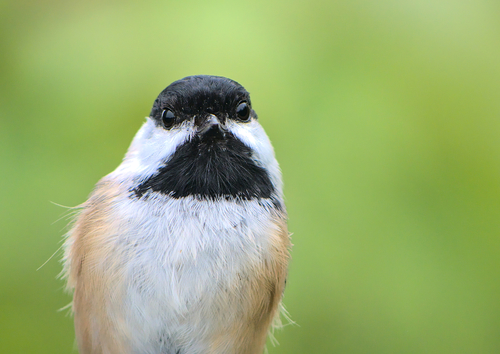
- Black-capped chickadee: Blake Ross, CC BY 4.0
- American robin: Judy Gallagher, CC BY 4.0
- Brambling: no rights reserved, uploaded by Francesco Cecere, CC0
- White-throated sparrow: Judy Gallagher, CC BY 4.0
- Willow warbler: Frank Sengpiel, CC BY 4.0
- Alpine bistort: Alastair Rae, CC BY-SA 4.0
- Scots pine: anemoneprojectors (no internet at the moment), CC BY-SA 4.0
- Norway spruce: Edward Ricemeyer, CC BY-SA 4.0
- Autumn gentian: Ken-ichi Ueda, CC BY 4.0
- Cowberry: Valerii Glazunov, CC BY 4.0
- Mountain everlasting: no rights reserved, uploaded by José Luis Camaño, CC0
- Violet copper: Алексей Ябс, CC0
- Saxon: uusijani, CC0
- Camberwell beauty: Irina Mitine, CC BY 4.0
- Wood frog: Douglas Goldman, CC BY-SA 4.0
- Common frog: Jörg Hempel, CC BY-SA 4.0

Species lists come from records people have shared in a few sample areas, not a full inventory of the boreal forest, and well-watched groups such as birds are recorded far more than insects or fungi. The food web shows only links that studies have recorded between the species on this page.
Checked 2026-11-20.