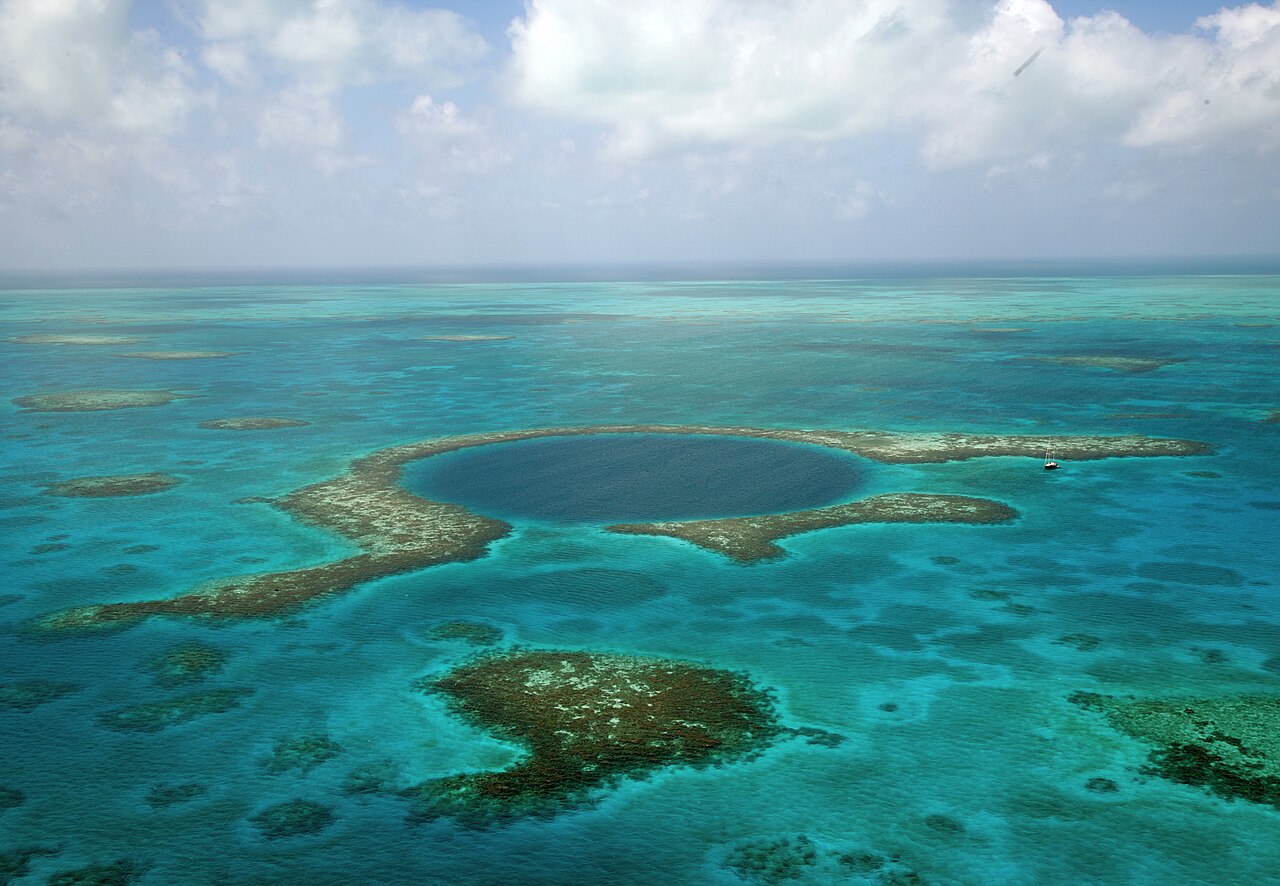
Belize Barrier Reef
The Caribbean coast of Belize, Central America
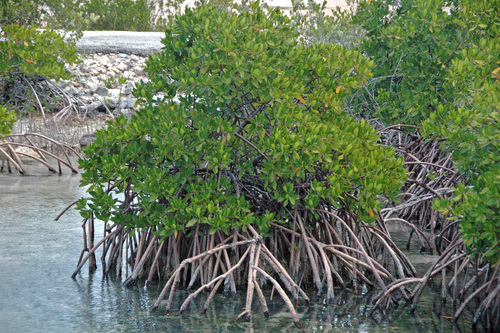
The Belize Barrier Reef is the largest barrier reef in the northern hemisphere and part of the largest reef complex in the Atlantic-Caribbean region. Its seven protected areas include three atolls, some 450 sand and mangrove cayes, and the Great Blue Hole.
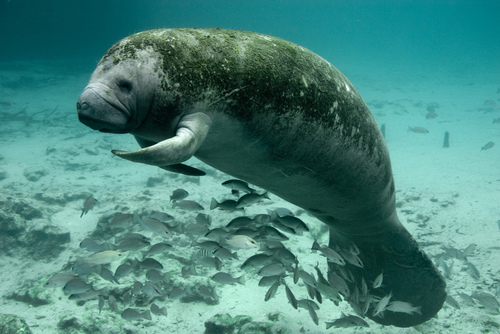
From mangroves and seagrass beds to the outer reef and the open ocean, the reef offers everything sea life needs to spawn, nest, feed and grow. It shelters the West Indian manatee, the American crocodile and three species of sea turtle.
People have shared 406,484 records of animals and plants from the barrier reef, cayes and atolls of Belize with GBIF in ten years. This page shows the 41 species recorded most often there, and 17 links between them that studies have recorded: who eats whom.
- Kind
- Ecosystem
- Where
- The Caribbean coast of Belize, Central America
- Species shown
- 41, the most recorded
- Food web
- 17 recorded links between them
- Records
- 406,484 in 2016–2025
- Sample areas
- the barrier reef, cayes and atolls of Belize
Who eats whom in the Belize Barrier Reef
Food flows upwards: plants and small animals at the bottom, hunters at the top. Tap a species to see its links, then take it out of the web to see who would lose food.
Tap a species.
All 17 recorded links
- Bluehead eats Sergeant major
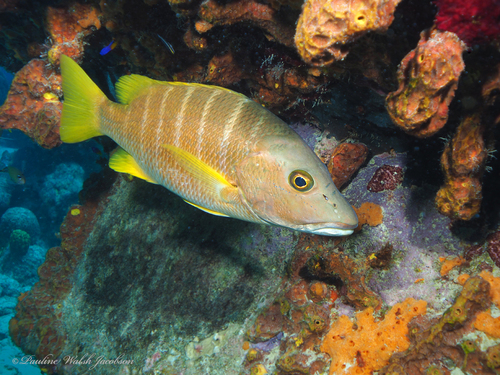
- Schoolmaster snapper eats Bluestriped grunt
- Schoolmaster snapper eats Stoplight parrotfish
- Great-tailed grackle eats Green iguana
- Cinnamon hummingbird eats Largeleaf geigertree
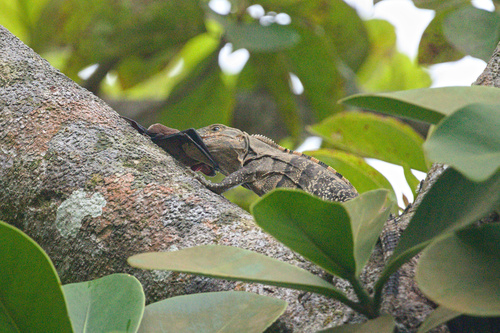
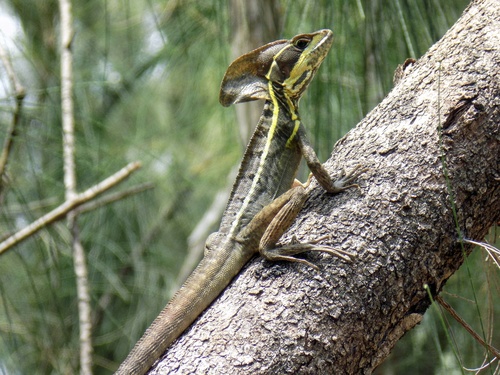
- Black spiny-tailed iguana eats Brown basilisk
- Black spiny-tailed iguana eats Eurasian collared dove
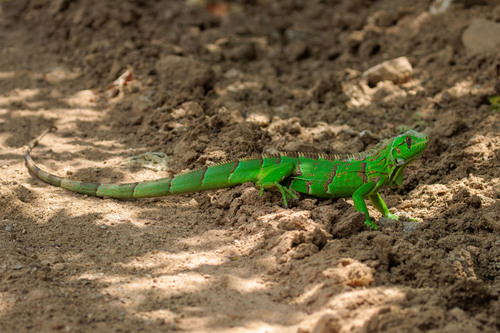
- Black spiny-tailed iguana eats Green iguana
- Green iguana eats Red mangrove
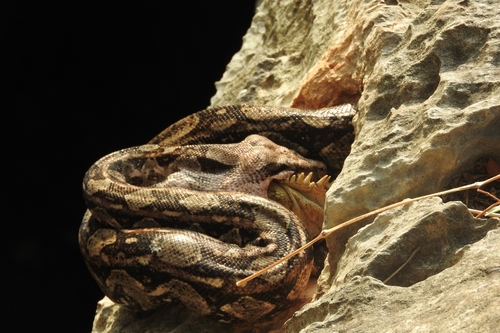
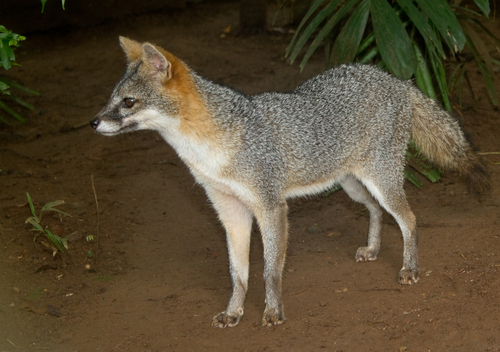
- Central American boa eats Gray fox
- Central American boa eats Black spiny-tailed iguana
- Central American boa eats Green iguana
- Central American boa eats Great-tailed grackle
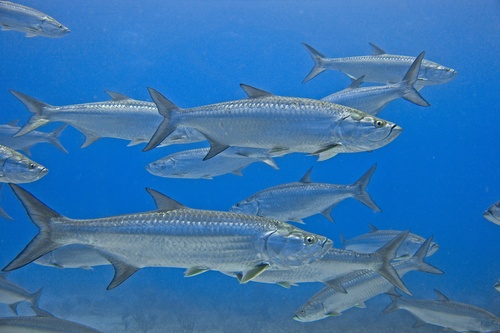
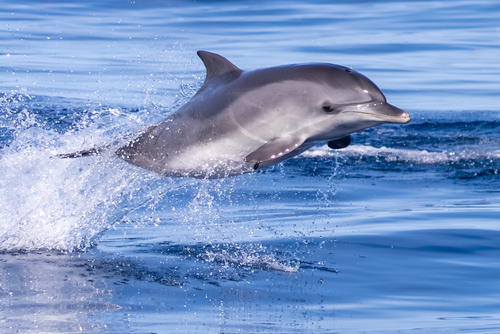
- Bottlenose dolphin eats Tarpon
- Bottlenose dolphin eats Bluestriped grunt
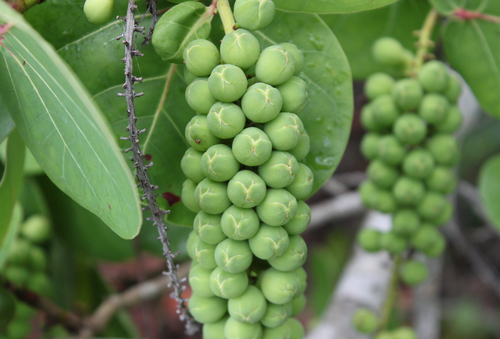
- Great fruit-eating bat eats Seagrape
- Gray fox eats Green iguana
Links that studies have recorded between the species on this page (GloBI). Real food webs hold far more species and links, and animals switch food when one runs short.
Who lives in the Belize Barrier Reef
The species people record most often in the barrier reef, cayes and atolls of Belize, 2016–2025.
Fish





Birds


Reptiles
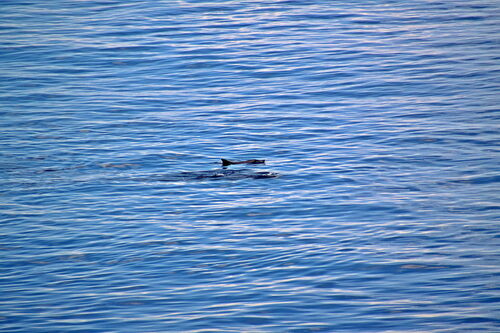
Mammals


Insects



Plants



What threatens the Belize Barrier Reef, and what helps
Overharvesting of marine life, coastal development, tourism and proposed oil and gas exploration are the main management challenges, UNESCO notes, while coral bleaching, stronger hurricanes and sea-level rise add to the risk.
In 2018 UNESCO welcomed Belize's moratorium on offshore oil, and the reef was removed from the List of World Heritage in Danger the same year.
Explore and share
Questions people ask
What animals live in the Belize Barrier Reef?
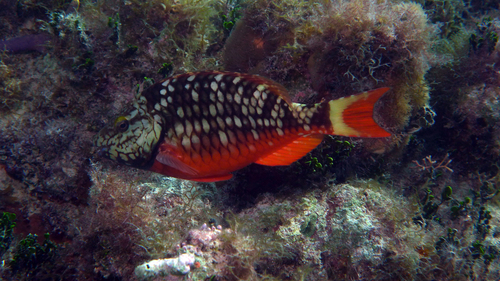
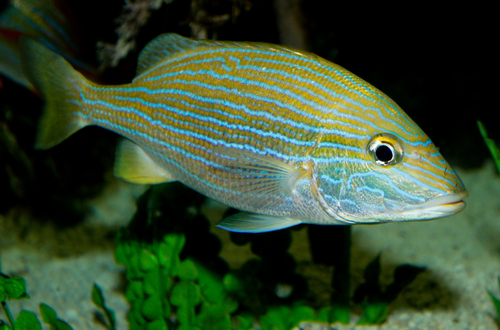
Among the animals people record most often in the Belize Barrier Reef: stoplight parrotfish, blue tang, bluehead, sergeant major, bluestriped grunt, gray angelfish, horse-eye jack and schoolmaster snapper. Based on GBIF records from the barrier reef, cayes and atolls of Belize, 2016–2025.
What is the food chain in the Belize Barrier Reef?
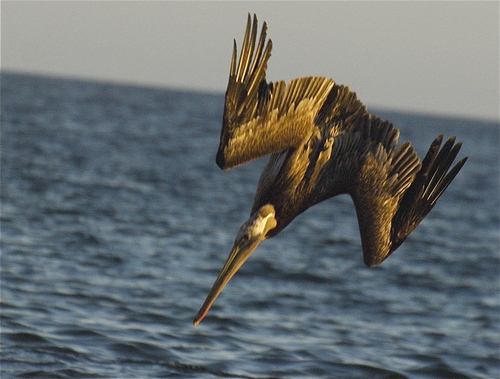
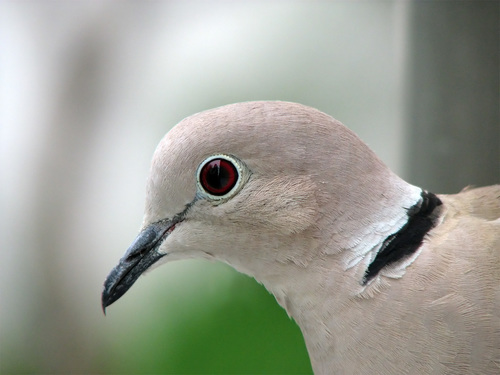
Some of the feeding links studies have recorded among its species: the schoolmaster snapper eats the bluestriped grunt, the schoolmaster snapper eats the stoplight parrotfish, the great-tailed grackle eats the green iguana and the black spiny-tailed iguana eats the eurasian collared dove. Source: GloBI.
What threatens the Belize Barrier Reef?
Overharvesting of marine life, coastal development, tourism and proposed oil and gas exploration are the main management challenges, UNESCO notes, while coral bleaching, stronger hurricanes and sea-level rise add to the risk.
How can the Belize Barrier Reef be protected?
In 2018 UNESCO welcomed Belize's moratorium on offshore oil, and the reef was removed from the List of World Heritage in Danger the same year.
Sources and photo credits
- GBIF · human observations in the barrier reef, cayes and atolls of Belize, 2016–2025
- GloBI · recorded feeding links between species
- UNESCO World Heritage Centre · Belize Barrier Reef Reserve System
- The Great Blue Hole, a deep circular sinkhole in the reef of Lighthouse Reef atoll, Belize, seen from the air: The TerraMar Project, CC BY 2.0
- Stoplight parrotfish: Tom Kennedy, CC BY 4.0
- Blue tang: Brian Gratwicke, CC BY 4.0
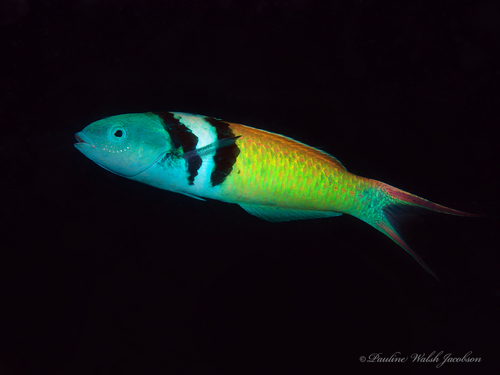
- Bluehead: Pauline Walsh Jacobson, CC BY 4.0
- Sergeant major: Brian Gratwicke, CC BY 4.0
- Bluestriped grunt: Brian Gratwicke, CC BY 4.0
- Gray angelfish: no rights reserved, uploaded by Zygy, CC0
- Horse-eye jack: Pauline Walsh Jacobson, CC BY 4.0
- Schoolmaster snapper: Pauline Walsh Jacobson, CC BY 4.0
- Tarpon: Matteo Cassella, CC BY-SA 4.0
- Yellowtail snapper: Pauline Walsh Jacobson, CC BY 4.0
- Great-tailed grackle: Anthony Batista, CC BY 4.0
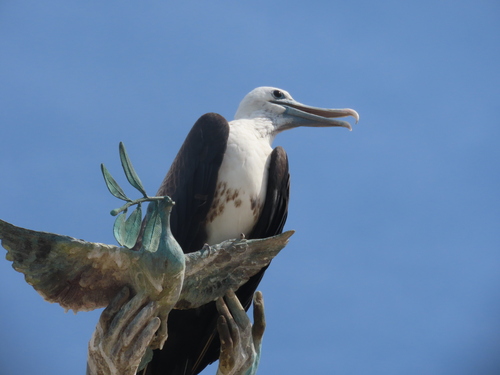
- Magnificent frigatebird: Aaron Liston, CC BY 4.0
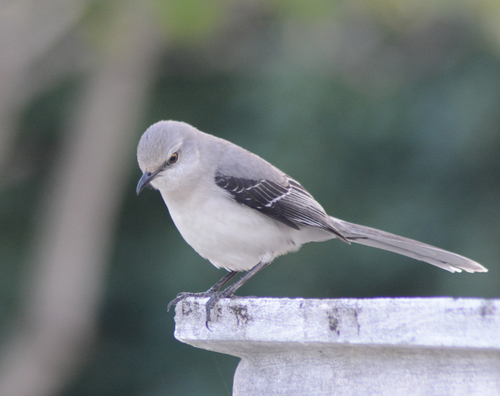
- Tropical mockingbird: Gonzalo Zepeda Martínez, CC BY-SA 4.0
- Brown pelican: Jay Pruett, CC BY 4.0
- Eurasian collared dove: Iruka, CC BY-SA 4.0
- Cinnamon hummingbird: Don Loarie, CC BY 4.0
- Black catbird: Adam Jackson, CC0
- Hooded oriole: tcantrell52, CC BY 4.0
- Black spiny-tailed iguana: Attila Oláh, CC BY 4.0
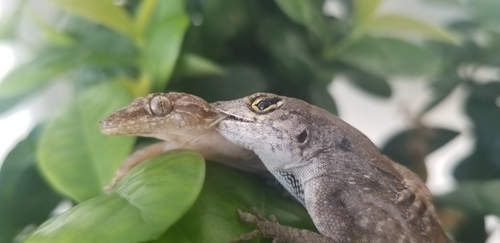
- Cuban brown anole: chloe ⋆˚꩜。, CC BY-SA 4.0
- Green iguana: Thomaz de Carvalho Callado, CC BY 4.0
- Brown basilisk: Nick Tobler (Cowturtle), CC BY 4.0
- Central American boa: Sebastián de Jesús Herrera Buenfil, CC BY 4.0
- West Indian manatee: U.S. Fish and Wildlife Service Headquarters, CC BY 4.0
- Bottlenose dolphin: Laurent Bouveret, CC BY-SA 4.0
- Atlantic spotted dolphin: William Stephens, CC BY 4.0
- Great fruit-eating bat: Juan Cruzado Cortés, CC BY-SA 4.0
- Gray fox: Brian Gratwicke, CC BY 4.0
- Rough-toothed dolphin: Wairambar Rainforest, CC BY 4.0
- White peacock: Carlos Alexandre Mattos Raposo, CC BY 4.0
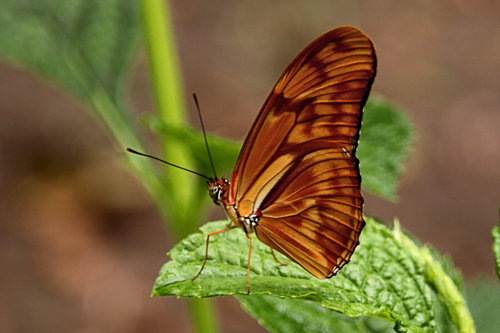
- Julia heliconian: no rights reserved, uploaded by Dennis White, CC0
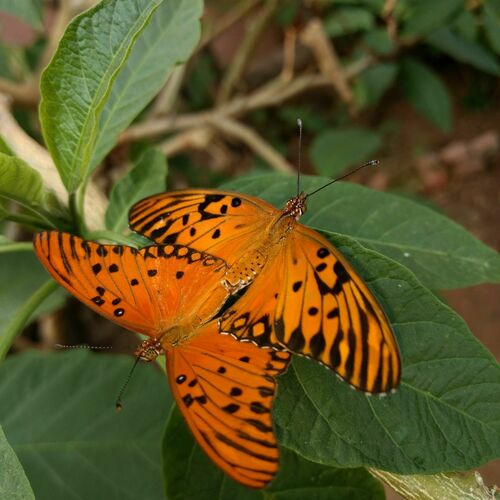
- Gulf fritillary: ISAAC FELIPE 8425, CC BY-SA 4.0
- West Indian mangrove buckeye: Don Loarie, CC BY 4.0
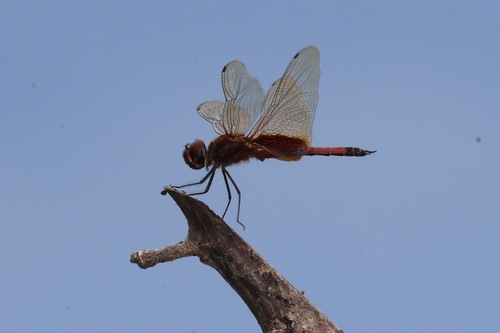
- Rambur's forktail: Judy Gallagher, CC BY-SA 4.0
- Striped saddlebags: Cole Wolf, CC BY 4.0
- Seagrape: Eridan Xharahi, CC BY 4.0
- Coconut palm: Douglas Goldman, CC BY-SA 4.0
- Largeleaf geigertree: Jean Meunier, CC BY 4.0
- Red mangrove: James St. John, CC BY 4.0
- Button mangrove: Douglas Goldman, CC BY-SA 4.0
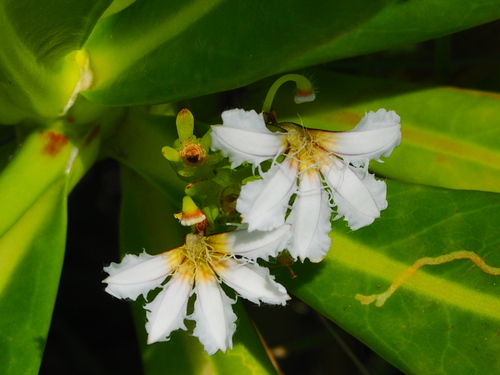
- Beach naupaka: no rights reserved, uploaded by 葉子, CC0

Species lists come from records people have shared in a few sample areas, not a full inventory of the Belize Barrier Reef, and well-watched groups such as birds are recorded far more than insects or fungi. The food web shows only links that studies have recorded between the species on this page.
Checked 2026-11-22.