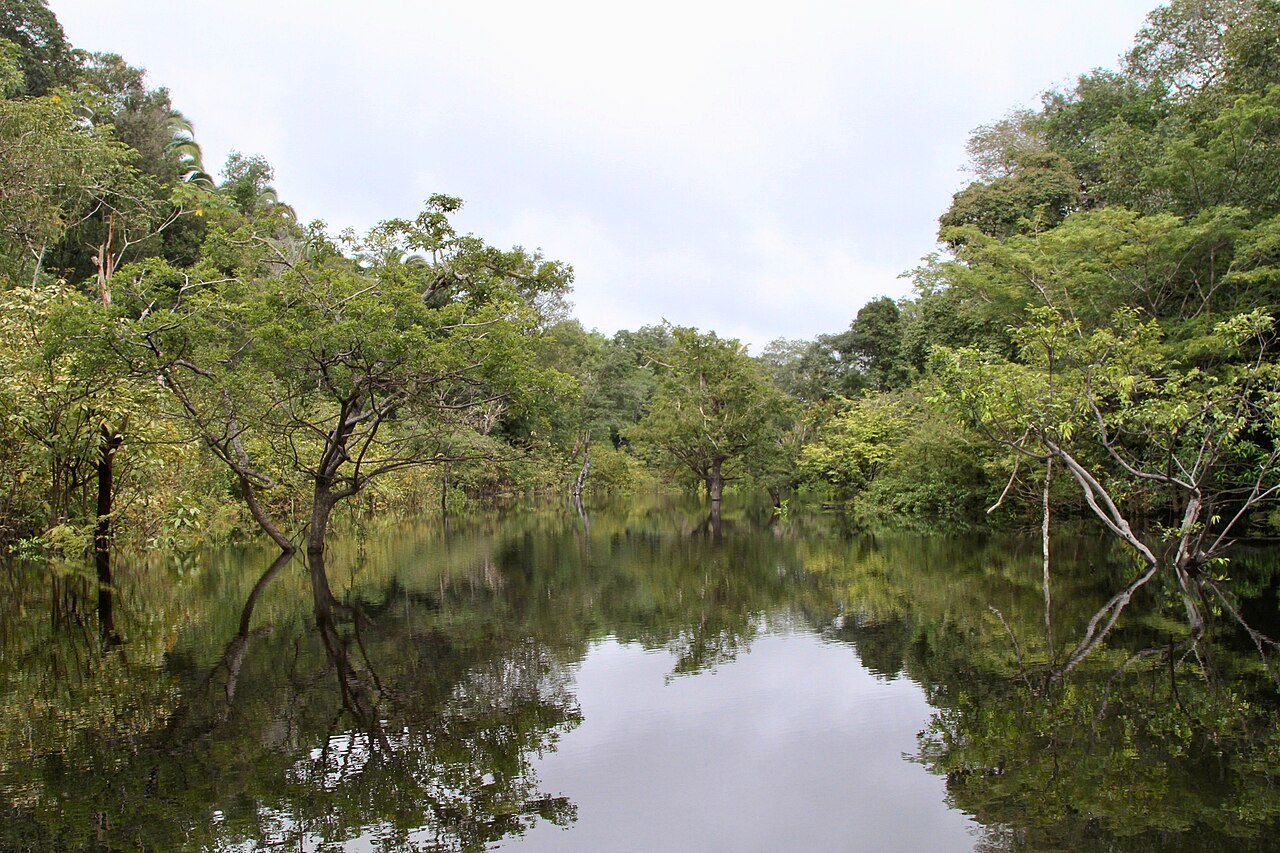
Amazon rainforest
Amazon basin, South America: Brazil, Peru, Colombia and six more countries
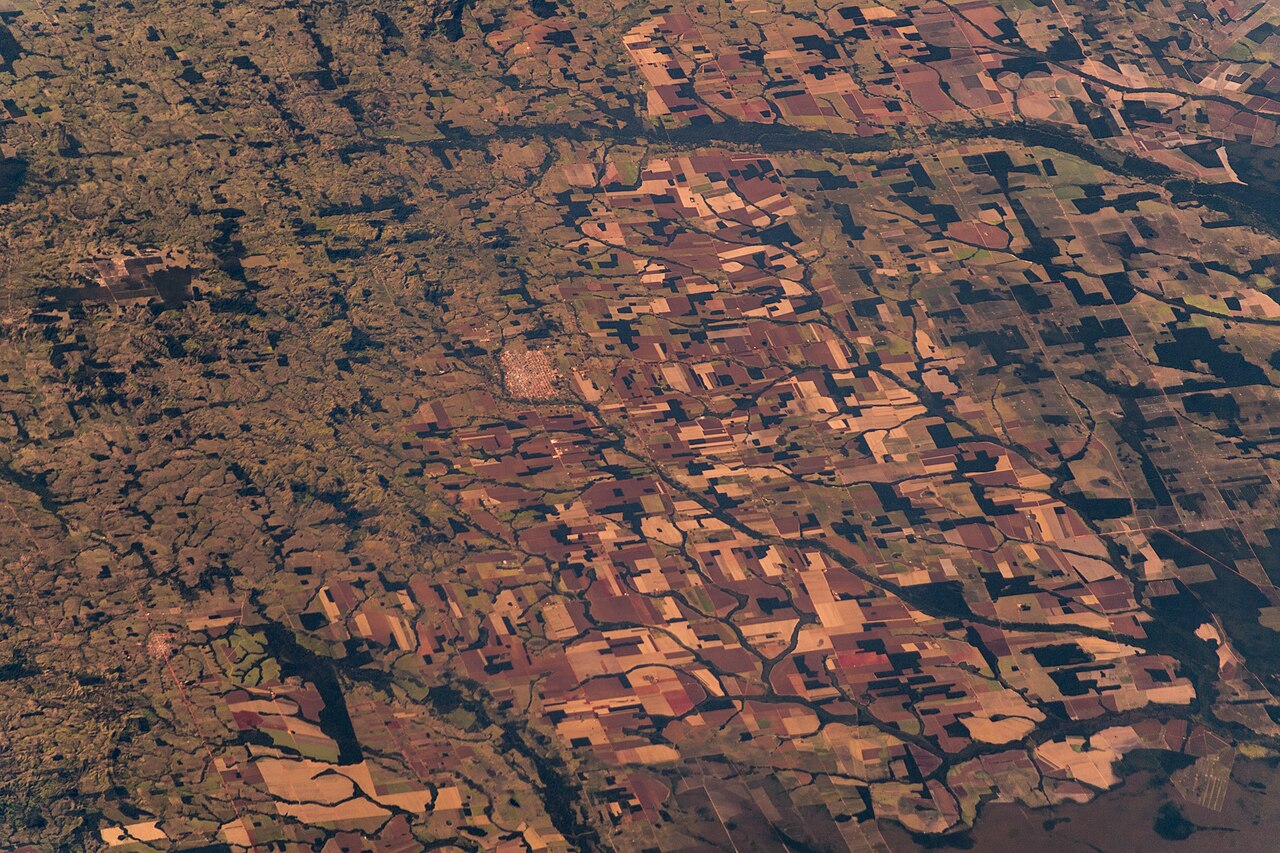
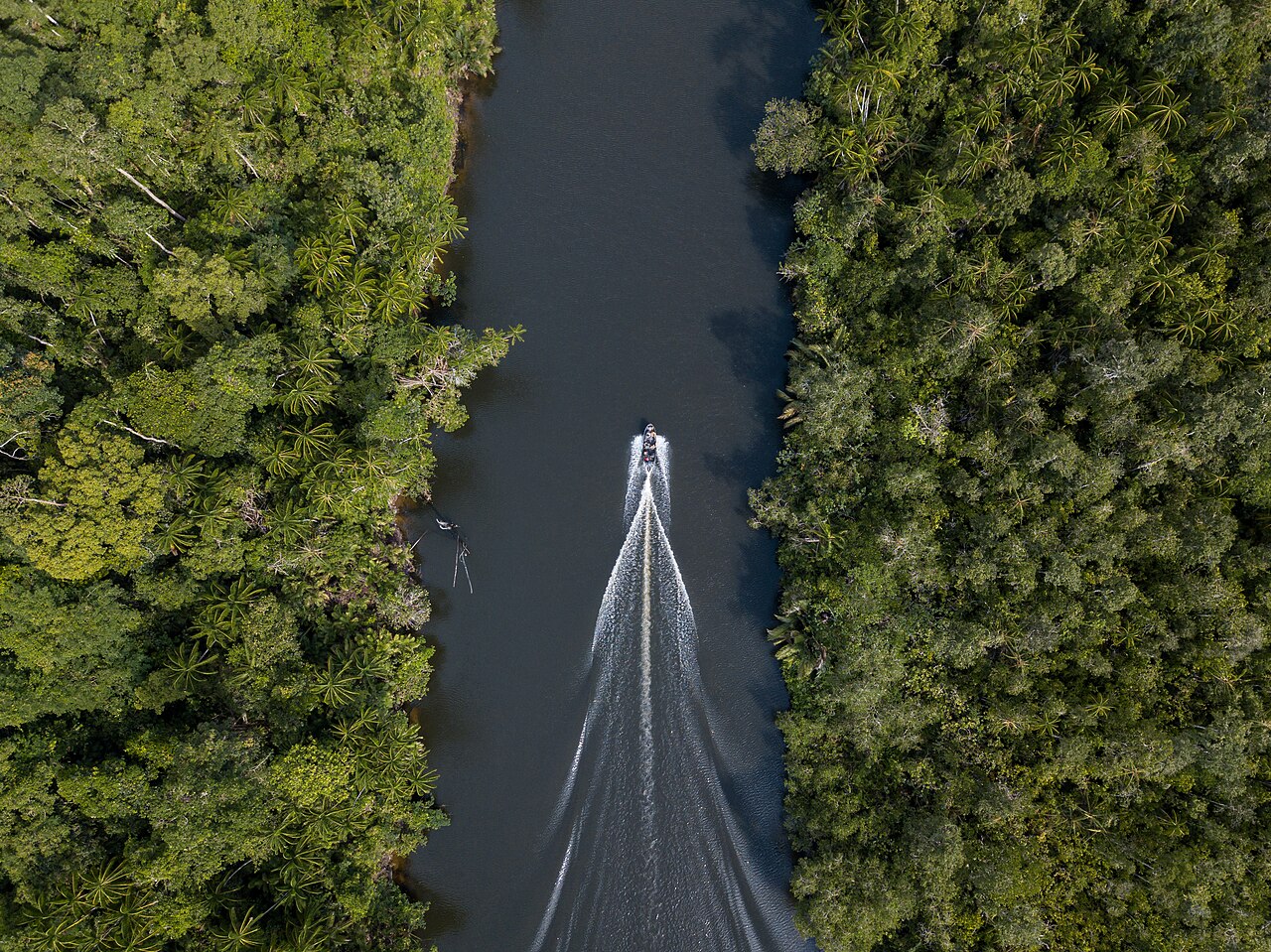
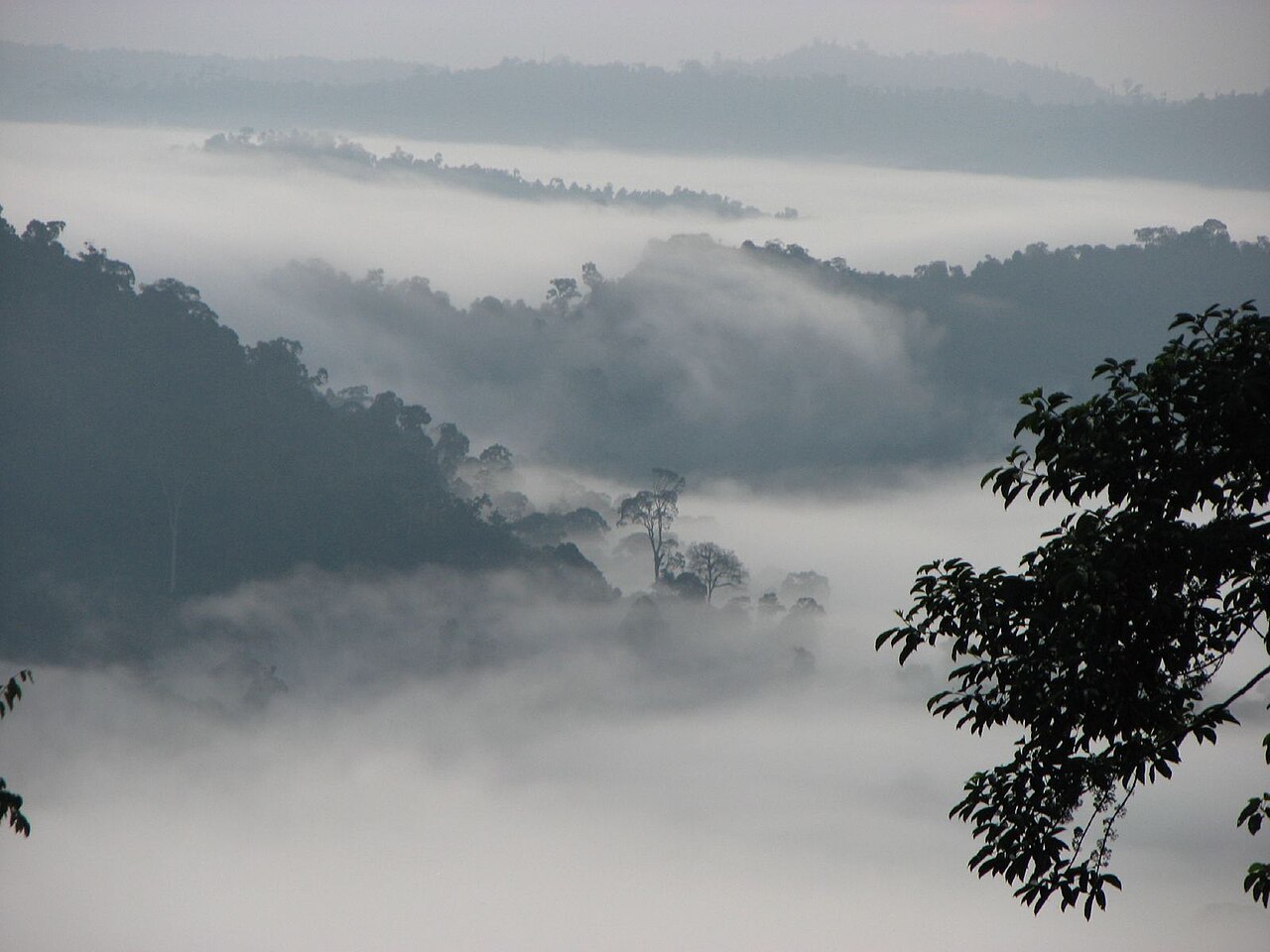
The Amazon is the largest tropical rainforest on Earth, covering about 5.5 million square kilometres of the Amazon basin in nine South American countries. It is home to a large share of the world's known land species, and its trees return so much water to the air that the forest makes much of its own rain.
People have shared 3,159,836 records of animals and plants from Central Amazon near Manaus, Tambopata, Peru and Yasuní, Ecuador with GBIF in ten years. This page shows the 34 species recorded most often there, and 11 links between them that studies have recorded: who eats whom.
- Kind
- Ecosystem
- Where
- Amazon basin, South America: Brazil, Peru, Colombia and six more countries
- Species shown
- 34, the most recorded
- Food web
- 11 recorded links between them
- Records
- 3,159,836 in 2016–2025
- Sample areas
- Central Amazon near Manaus, Tambopata, Peru, Yasuní, Ecuador
Who eats whom in the Amazon rainforest
Food flows upwards: plants and small animals at the bottom, hunters at the top. Tap a species to see its links, then take it out of the web to see who would lose food.
Tap a species.
All 11 recorded links
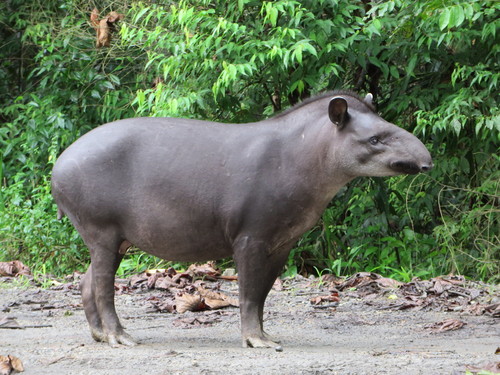
- South American tapir eats Copa palm
- South American tapir eats Muriti
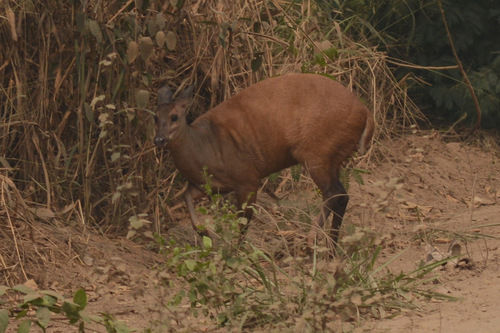
- Red brocket eats Muriti
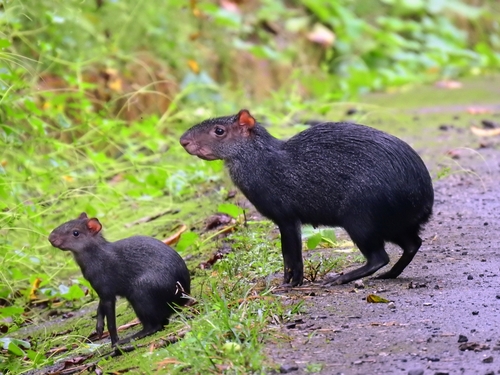
- Black agouti eats Copa palm
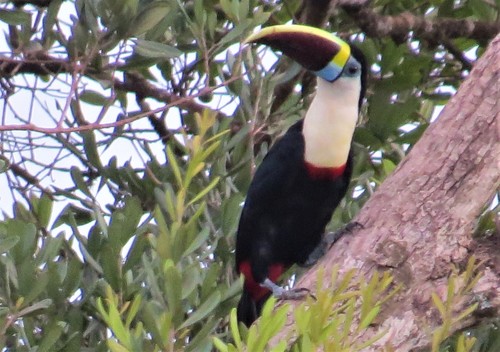
- White-throated toucan eats Copa palm
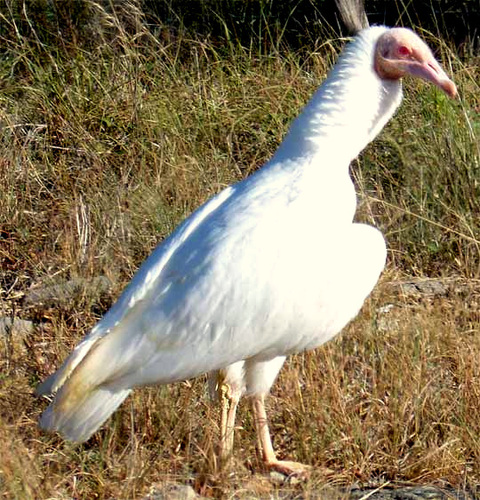
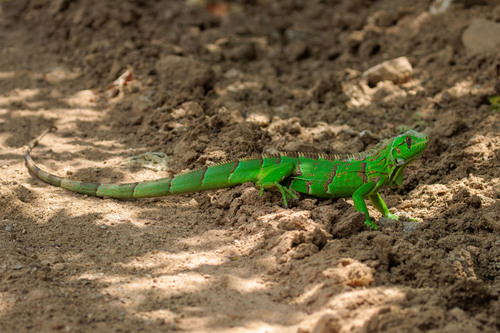
- Black vulture eats Green iguana
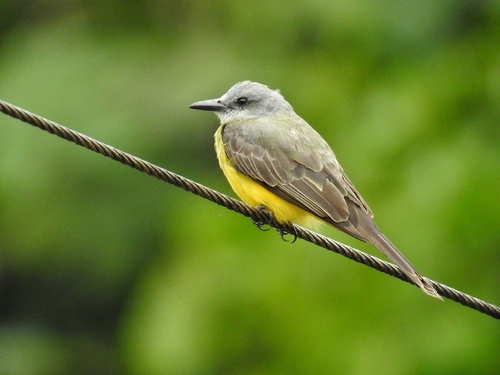
- Tropical kingbird eats Muriti
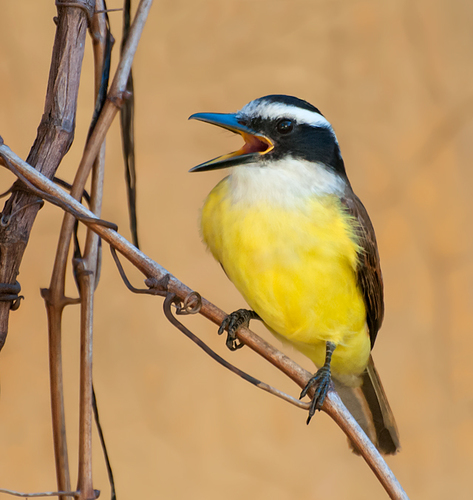
- Great kiskadee eats Muriti
- Great kiskadee eats Green iguana
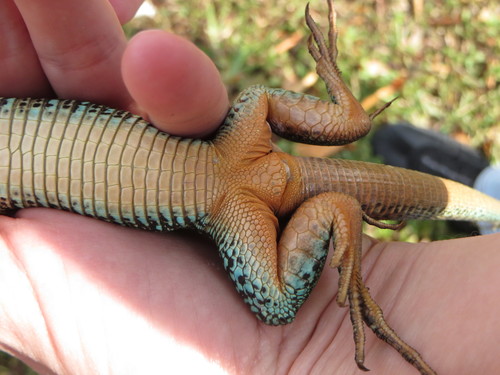
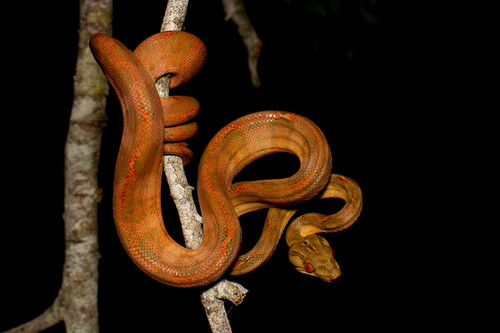
- Amazon tree boa eats Giant ameiva
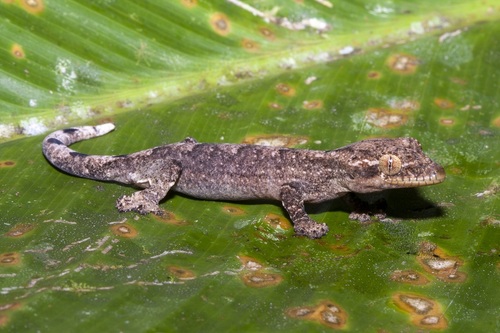
- Amazon tree boa eats Southern turnip-tailed gecko
Links that studies have recorded between the species on this page (GloBI). Real food webs hold far more species and links, and animals switch food when one runs short.
Who lives in the Amazon rainforest
The species people record most often in Central Amazon near Manaus, Tambopata, Peru, Yasuní, Ecuador, 2016–2025.
Mammals
Birds
Reptiles
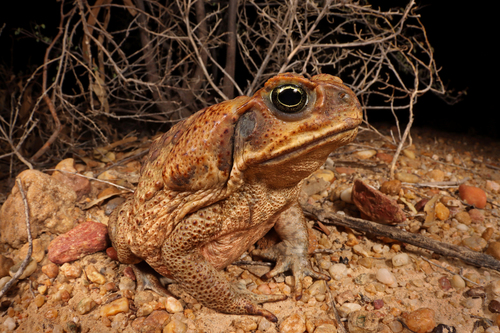
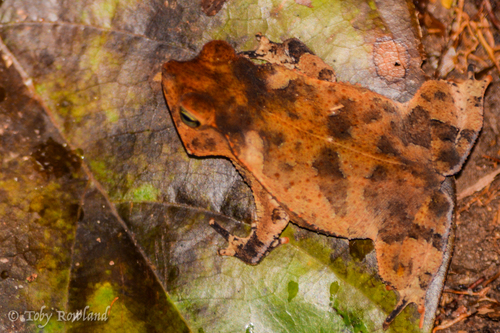
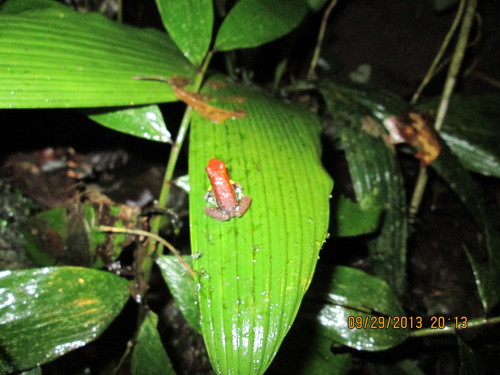
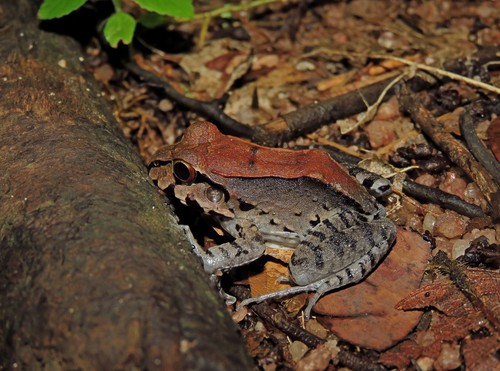
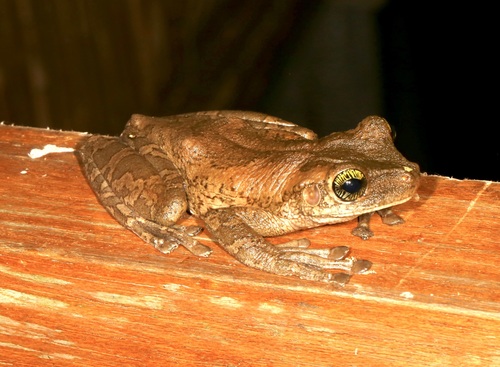
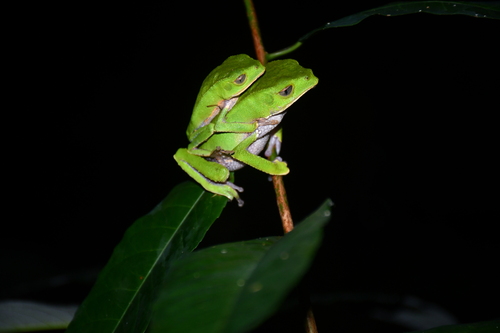
Amphibians
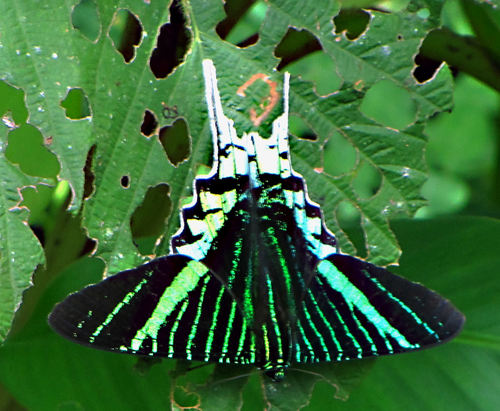
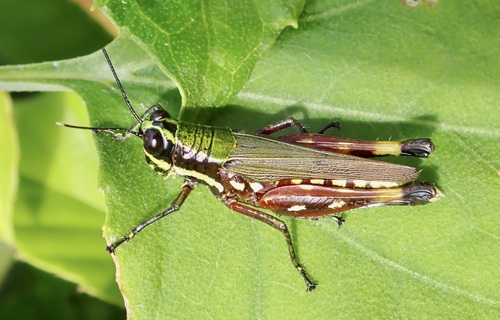
Insects



Plants
What threatens the Amazon rainforest, and what helps
Forest is cleared for cattle pasture, soy and mining, and new roads open more land to clearing. Deforestation, drought and fire together risk pushing parts of the forest towards a drier, more open state.
Protected areas and Indigenous territories lose far less forest than the land around them. Enforcement against illegal clearing and supply chains that refuse produce from newly cleared land also slow the loss.
Explore and share
Explore next
What puts the Amazon rainforest under pressure, what helps, and who works on it.
Questions people ask
What animals live in the Amazon rainforest?
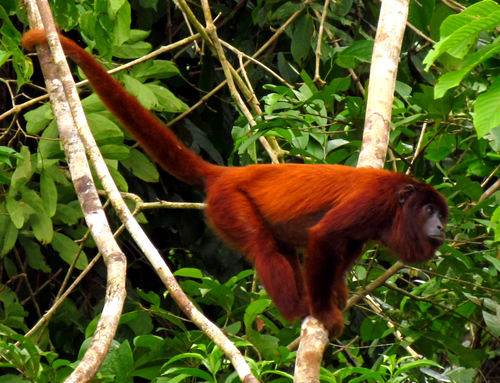
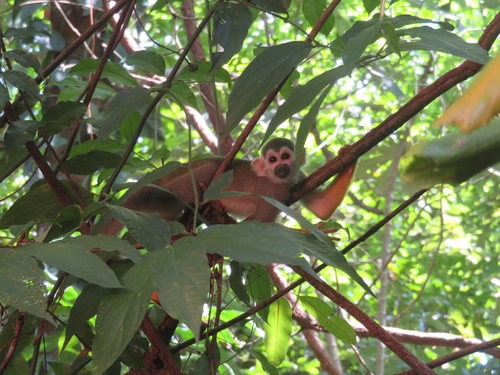
Among the animals people record most often in the Amazon rainforest: south american tapir, red brocket, venezuelan red howler, common squirrel monkey, black agouti, white-throated toucan, black vulture and tropical kingbird. Based on GBIF records from Central Amazon near Manaus, Tambopata, Peru and Yasuní, Ecuador, 2016–2025.
What is the food chain in the Amazon rainforest?
Some of the feeding links studies have recorded among its species: the black vulture eats the green iguana, the great kiskadee eats the green iguana, the south american tapir eats the copa palm and the south american tapir eats the muriti. Source: GloBI.
What threatens the Amazon rainforest?
Forest is cleared for cattle pasture, soy and mining, and new roads open more land to clearing. Deforestation, drought and fire together risk pushing parts of the forest towards a drier, more open state.
How can the Amazon rainforest be protected?
Protected areas and Indigenous territories lose far less forest than the land around them. Enforcement against illegal clearing and supply chains that refuse produce from newly cleared land also slow the loss.
Sources and photo credits
- GBIF · human observations in Central Amazon near Manaus, Tambopata, Peru, Yasuní, Ecuador, 2016–2025
- GloBI · recorded feeding links between species
- Global Forest Watch · tree cover loss data
- MapBiomas Amazonía · land cover of the Amazon
- Flooded forest along the Juma River in the Brazilian Amazon: Alexey Yakovlev, CC BY-SA 2.0
- South American tapir: Jens-Christian Svenning, CC BY 4.0
- Red brocket: B. Phalan, CC BY 4.0
- Venezuelan red howler: D. Gordon E. Robertson, CC BY-SA 4.0
- Common squirrel monkey: Max G.W. Verheij, CC0
- Black agouti: Esteban Poveda, CC BY 4.0
- White-throated toucan: Gerry van Tonder, CC BY 4.0
- Black vulture: Jim, CC0
- Tropical kingbird: Esteban Poveda, CC BY 4.0
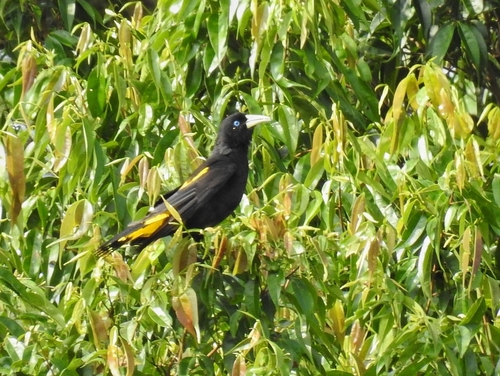
- Yellow-rumped cacique: Esteban Poveda, CC BY 4.0
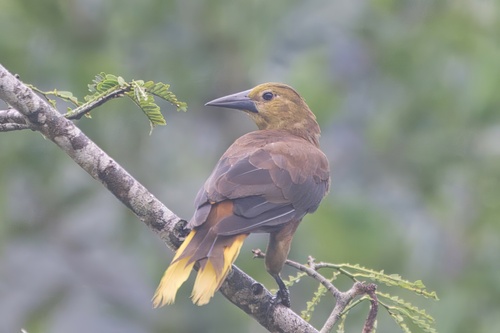
- Russet-backed oropendola: Bill Levine, CC BY 4.0
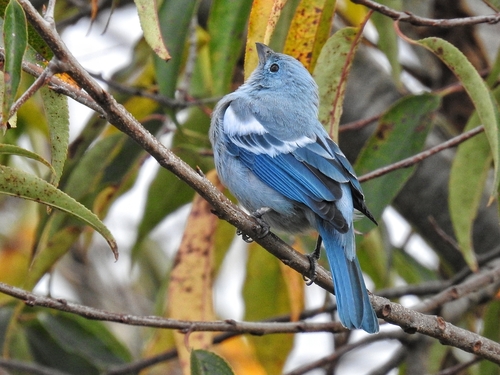
- Blue-grey tanager: Esteban Poveda, CC BY 4.0
- Great kiskadee: Dario Sanches, CC BY-SA 4.0
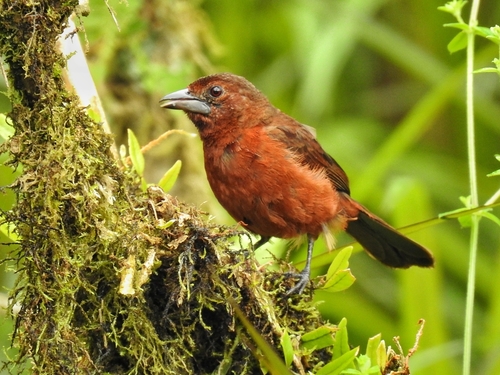
- Silver-beaked tanager: Esteban Poveda, CC BY 4.0
- Giant ameiva: Ben Machado, CC BY 4.0
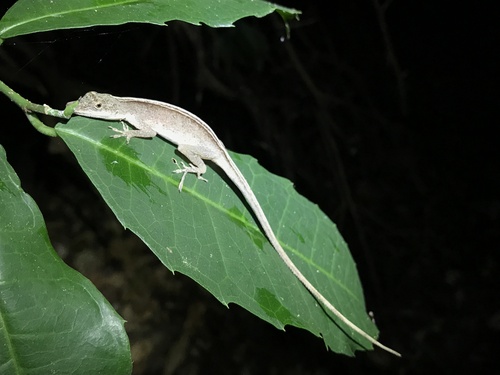
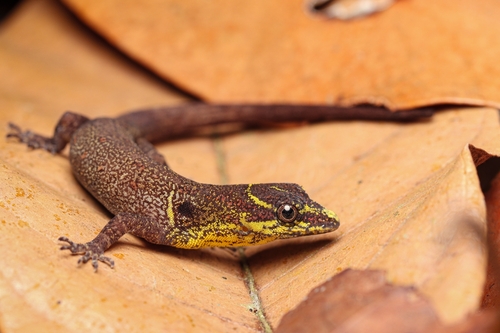
- Brown-eared anole: Junior França, CC BY 4.0
- Trinidad gecko: Inacio Oliveira, CC BY 4.0
- Amazon tree boa: Henrique Nogueira, CC BY 4.0
- Green iguana: Thomaz de Carvalho Callado, CC BY 4.0
- Southern turnip-tailed gecko: dhfischer, CC BY 4.0
- Cane toad: Connor Margetts, CC BY 4.0
- Mitred toad: Toby Rowland, CC BY 4.0
- Ecuador poison frog: gsexauer, CC0
- Smoky jungle frog: Sidnei Dantas, CC BY-SA 4.0
- Manaus slender-legged treefrog: Laura Gaudette, CC BY 4.0
- White-lined leaf frog: Vincent A. Vos, CC BY 4.0
- Bullet ant: no rights reserved, uploaded by Philipp Hoenle, CC0
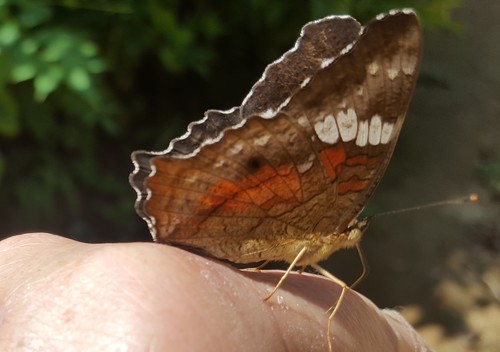
- Peacock moth: D. Gordon E. Robertson, CC BY-SA 4.0
- Many-banded daggerwing: Roger Rittmaster, CC BY 4.0
- White peacock: Carlos Alexandre Mattos Raposo, CC BY 4.0
- Suriname grasshopper: Laura Gaudette, CC BY 4.0
- Red peacock: alessandradalia, CC BY-SA 4.0
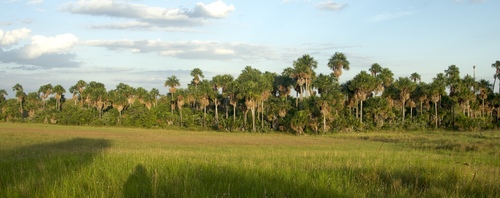
- Muriti: JR Ferrer-Paris, CC BY 4.0
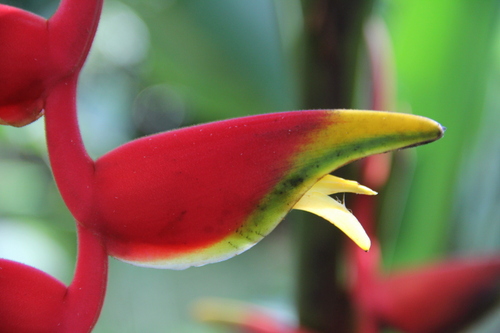
- False bird of paradise: Joan Simon, CC BY-SA 4.0
- Copa palm: Dick Culbert, CC BY 4.0

Species lists come from records people have shared in a few sample areas, not a full inventory of the Amazon rainforest, and well-watched groups such as birds are recorded far more than insects or fungi. The food web shows only links that studies have recorded between the species on this page.
Checked 2026-11-20.